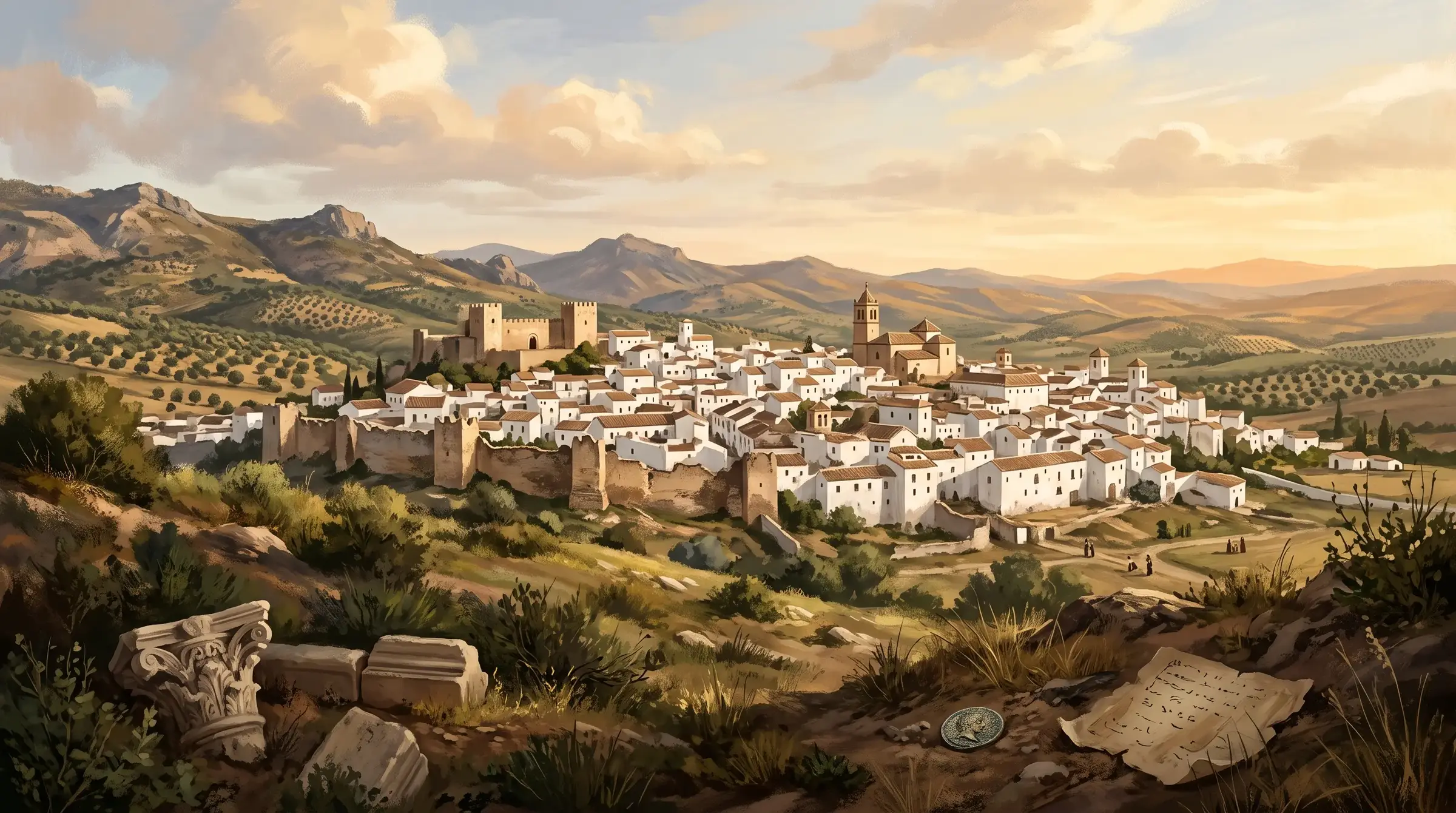

The claim: Cabra was named for a goat or a poet
The modern coincidence is irresistible: cabra means a female goat in Spanish, and Cabra is also the town's name. A second story reverses the relationship between the place and a medieval poet bearing the byname al-Qabri, as if he had supplied the name. Both versions make a tidy anecdote. Neither fits the chronology.
The safest verdict begins earlier. Historical linguist Roger Wright's warning applies before the documented chain even starts: an Iberian or Turdetanian root is plausible[4], a category of possibility rather than a decipherment. Uncertain matters here. Rejecting the goat myth does not license a confident replacement.
Folk etymology often begins when an old name starts to resemble a familiar word. Speakers then explain the unfamiliar past through the familiar present. That process can produce a durable local story without preserving the name's first meaning.
The documented sequence is clearer as a timeline:
The same evidence-first method helps when reading the disputed etymology of Córdoba's name: dated spellings carry more weight than a story built from a modern resemblance.
Igabrum and Egabrum came before medieval Cabra
Cabra's municipal archaeology programme describes the Roman settlement as a municipium called Igabrum[3]. That name already makes the goat explanation difficult: the town did not begin with the modern Spanish noun.
The Latin ending belongs to the language of the record, not necessarily to the first language that formed the name. Roman administration could adapt an older toponym to Latin spelling and grammar while leaving its core recognisable.
Explore nearby · Museum
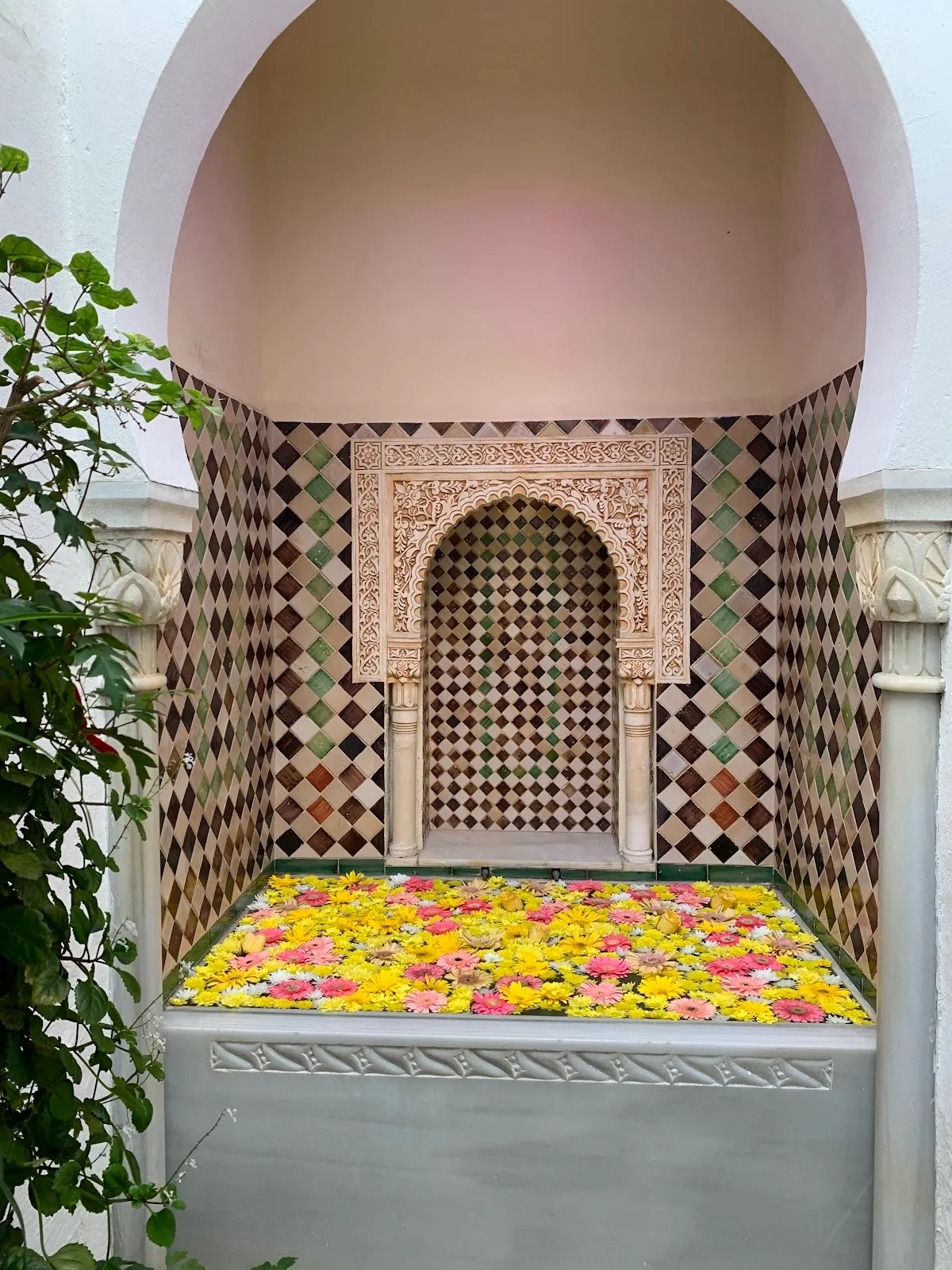
Casa Andalusí & Al-Iksir Alchemy Museum
A 12th-century Andalusian house and Spain's only alchemy museum, side by side on Calle Judíos. Combined ticket €7.50 covers both sites in the Judería.
Late antique evidence moves the spelling towards Egabrum. In 589, Bishop Johannes signed the Third Council of Toledo with the adjective egabrensis[1]. The form identifies his church by place, rather as a modern demonym does, and fixes an Egabr- stem centuries before al-Qabri's lifetime.
The progression also belongs to a wider regional history. Roman Córdoba provides the provincial setting, while Córdoba's Archaeological Museum shows why inscriptions and coins are more useful for names than later folklore. A place-name can change its sound and spelling without becoming a new name.
Arabic Qabra preserves the older name
The decisive bridge appears in Arabic. The earliest known written use is in Ibn Hayyan's later chronicle, which preserves Qabra while recounting a cavalry levy in 863[2]. The date belongs to the episode, not to the surviving account.
That spelling does not require a goat to create the name. Wright's linguistic argument treats Cabra as a later pronunciation of Egabro, with the initial unstressed vowel lost. Linguists call that loss apheresis. The useful comparison is not between a town sign and an animal; it is between spellings arranged in date order.
Arabic script and local Romance speech belonged to the same medieval setting, so written Qabra could preserve a pronunciation recognisable to speakers of both. The article's evidence supports continuity, not a fresh act of naming. This is a phonetic path, not a translation exercise.
This is also where the wider history of Córdoba helps. Roman and Visigothic place-names often continued under Arabic administration in altered forms. Cabra's sequence is specific, but the survival of an older name across a political change is not exceptional.
The limits are as revealing as the sequence. Documentation can show that Qabra follows earlier Igabrum and Egabrum forms. It cannot recover the exact meaning of the oldest pre-Roman root from these spellings alone.
Al-Qabri is a place-derived byname
The byname al-Qabri complicates the story only if it is read backwards. The Arabic suffix -i works here like Latin -ensis: al-Qabri connects a person to Qabra, just as egabrensis connected a bishop to Egabrum[5]. It identifies origin or association. It does not award a town a new name.
The grammar is ordinary even if the biography is famous. A place-derived nisba can tell a reader where someone came from, where a family was established or which place shaped an identity. The construction depends on the place-name already being understood.
The biographical tradition has uncertainties of its own. El Legado Andalusí notes that the author associated with the muwashshah appears under several personal names[6]. The same account preserves competing identities and dates. That caution belongs to the person, not to the direction of the place-name.
Whatever identification scholars prefer, the grammar stays the same. Al-Qabri points back to Qabra. Resolving the poet's name or death date is unnecessary to show that the byname depends on an existing place-name.
Where the goat association enters, and where certainty ends
Spanish cabra descends from Latin capram, so by the medieval period the animal word and the place-name had grown close in sound[7]. That resemblance could encourage a popular explanation and may have influenced which pronunciation felt natural to later speakers.
The distinction is between association and origin. A familiar animal word can pull an old place-name towards its own spelling or pronunciation without having created that place-name.
Recommended tours
Tours are selected for quality, not commission. We earn a small fee if you book — at no extra cost to you.
This distinction also explains why the goat story persists. It gives a present-day speaker an immediate picture, while Igabrum asks for coins, documents and sound change. Memorability is not evidence, but it is a good reason to expect the folk explanation to outlive a more careful one.
Deep dive · Article
47 Metres Tall and Almost Unknown: Spain's Tallest Keep
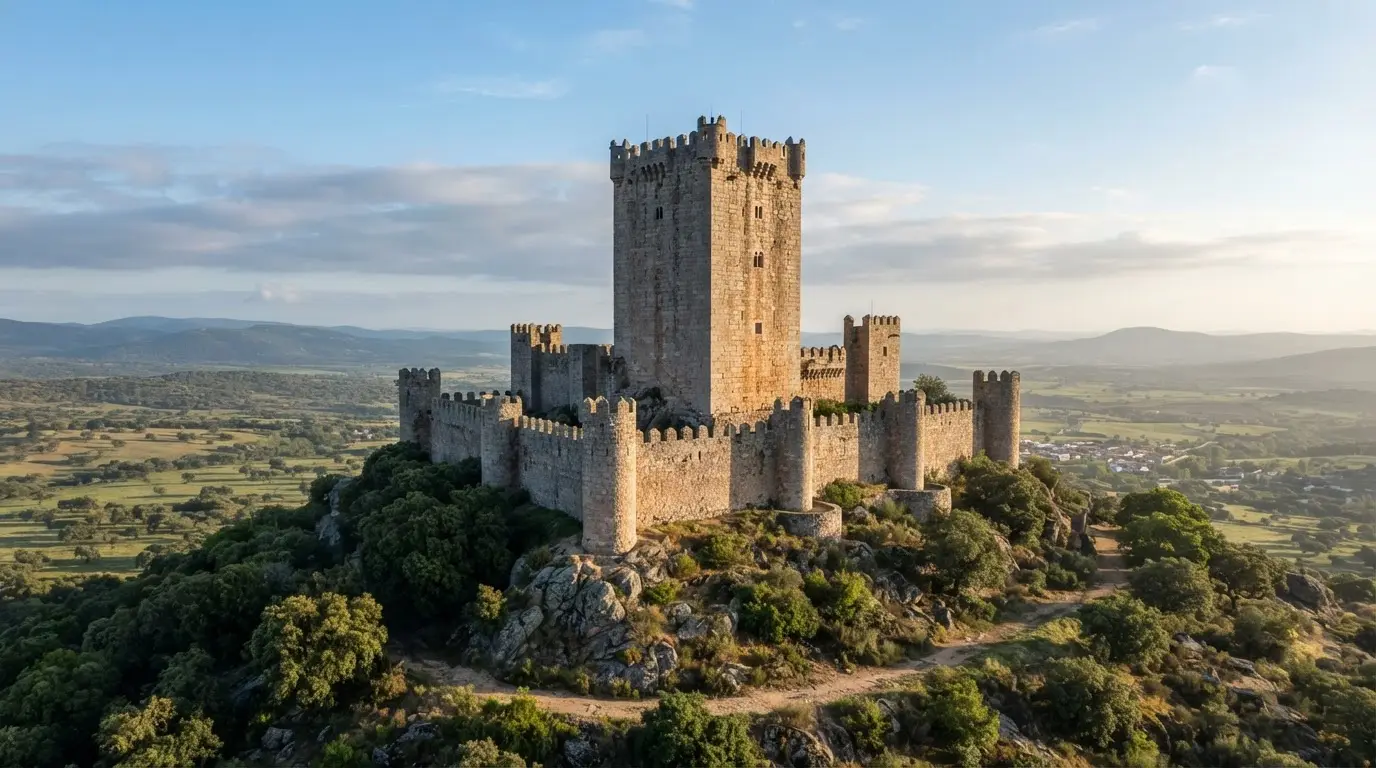
Belalcázar Castle's 47 m keep is listed by the Junta de Andalucía as Spain's tallest. How it grew, what to see inside and how to book the free guided visit.
Visitors can read Cabra as part of the Subbética rather than as a linguistic punchline. The nearby account of Zuheros cliff village and castle shows another local name whose history is tied to successive languages and surviving records. In both cases, modern sound-alikes are weaker than dated evidence.
So the claim check ends with two different levels of confidence. The town was not named after al-Qabri, and its documented name history predates the Spanish goat association. What Igabrum meant before Rome is still open.