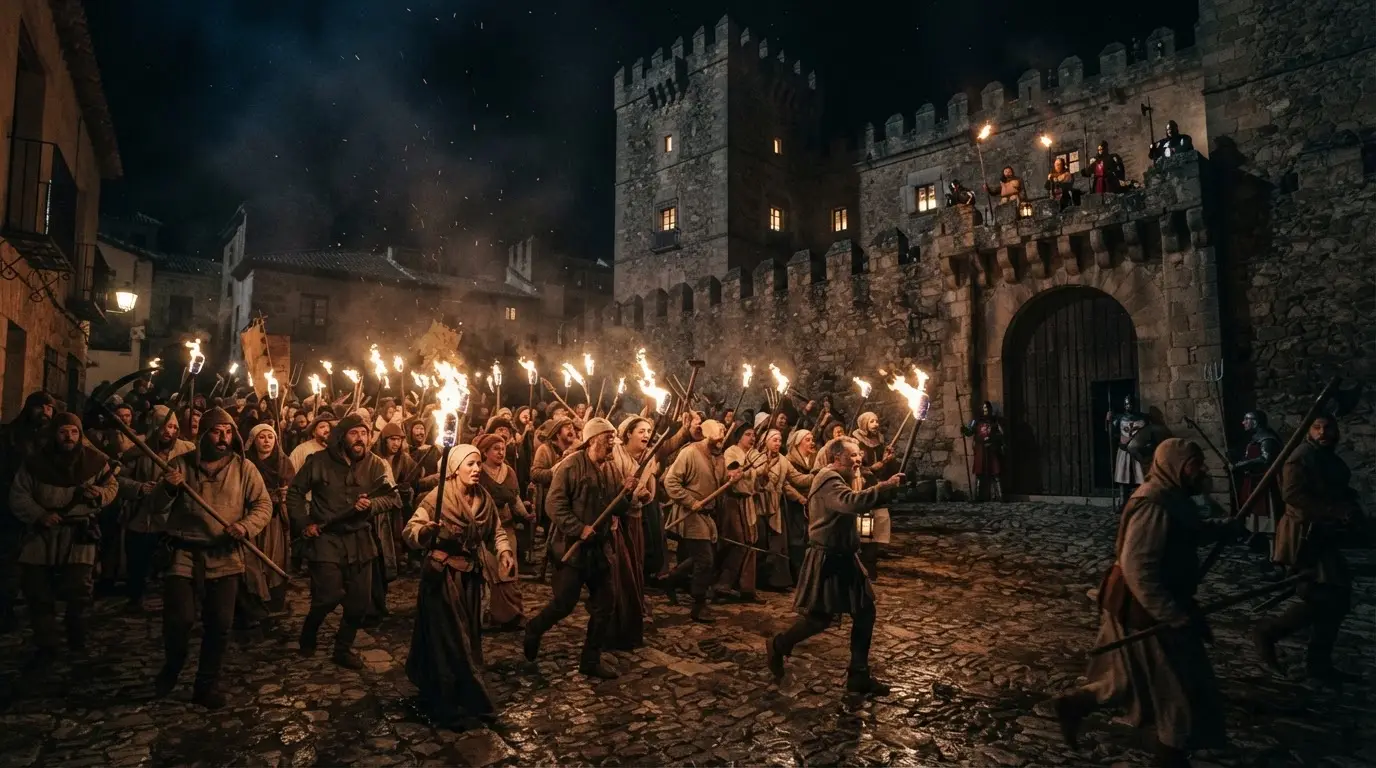

A comendador nobody could stand
Fernán Gómez de Guzmán held Fuenteovejuna as comendador mayor of the Order of Calatrava[4], the military order that had ruled the town for barely sixteen years before the revolt[5]. Before Calatrava, the town had answered to Córdoba.
16 years
By 1476, villagers had three specific grievances against him:
Lope de Vega's play later dramatized the first of these as the spark for the uprising. The land grants that put a town like Fuenteovejuna under a military order's control were part of the same Reconquista-era redistribution that followed Ferdinand III's 1236 conquest of Córdoba.
The arrangement itself was called an encomienda, a grant of land and vassals in exchange for military service to the Crown. Fuenteovejuna's encomienda, held by Calatrava, was the one that ended in murder.
By April 1476, patience in Fuenteovejuna had run out.
The night of April 22, 1476
On 22 April 1476[1], a crowd of villagers stormed Gómez's residence and killed him. No single assassin acted alone; enough of the town took part that no witness could later single out one hand.
News that a comendador mayor had been killed by his own subjects reached the Crown. A royal magistrate, a juez pesquisidor, was dispatched to Fuenteovejuna to find out exactly who had struck the blow.
He did not get an answer. Not the one he was looking for, anyway.
Torture, and the answer that never changed
According to the traditional account of the affair[7], the magistrate tortured residents in search of a name. Whoever he asked, and however he asked it, the answer never varied: Fuenteovejuna lo hizo, meaning Fuenteovejuna did it. Not a name. Not a description. Fuenteovejuna's collective confession held, and nobody broke rank.
The same account has the magistrate, unable to establish individual guilt after exhausting every method available, reporting to King Ferdinand that the entire town would have to be pardoned or executed as one[8]. The chronicle credits Ferdinand with choosing pardon, citing the villagers' declared loyalty to the Crown over the Order of Calatrava[9].
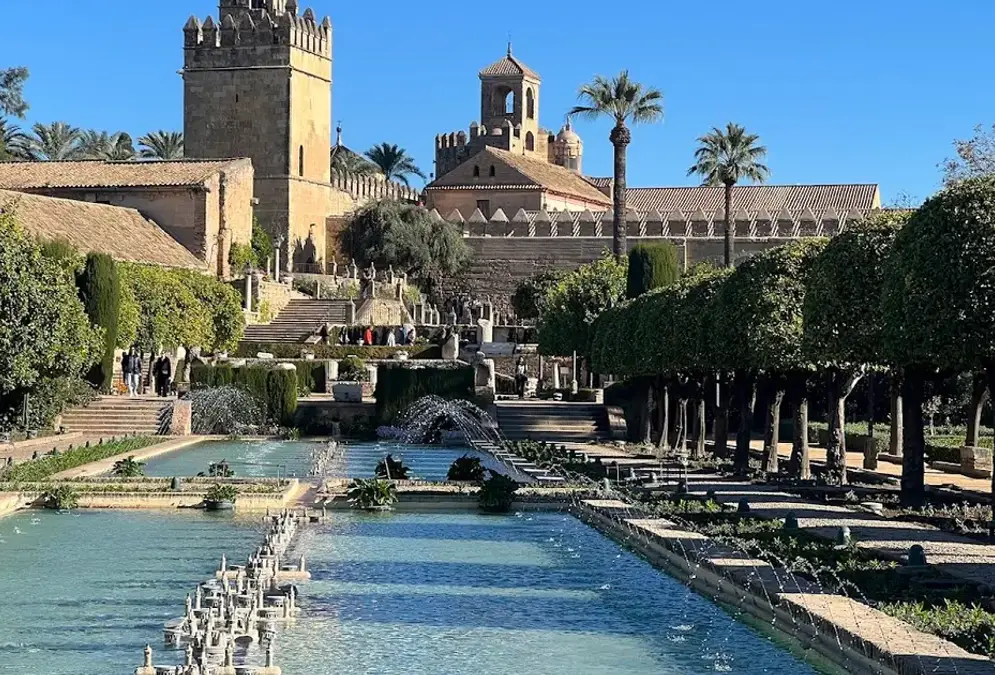
The Alcázar de los Reyes Cristianos in Córdoba today carries the name of the same monarchs, Ferdinand and Isabella, who decided the case.
Explore nearby · Monument
Alcázar de los Reyes Cristianos
Alcázar de los Reyes Cristianos, Córdoba: free entry on Tuesdays. A 14th-century fortress-palace with terraced Moorish-inspired gardens and Roman mosaics.
The politics the play left out
Lope de Vega's play, and the 1572 chronicle by Francisco de Rades y Andrada it drew from[3], cast Fernán Gómez as a simple tyrant and the villagers as simple victims. Fuenteovejuna had belonged to Calatrava for only sixteen years[5]; before that, it answered to Córdoba.
The National Geographic Historia account of the revolt reports that the hispanist Joseph Pérez has argued Córdoba's city council was the true instigator behind the revolt, seeking to reclaim the tax revenue it had lost when Fuenteovejuna passed to Calatrava[13]. The revolt against Calatrava served that interest whether or not the council had any hand in starting it.
Rades wrote his chronicle in 1572, nearly a century after the killing. The harshest strokes in his portrait of Fernán Gómez trace to Lope de Vega's own choice of source: he drew on Rades's account because it gave the most negative image of Girón's rival, the comendador Fernán Gómez — and Lope's patron, the Duke of Osuna, descended from the rival Girón family[12].
Recommended tours
Tours are selected for quality, not commission. We earn a small fee if you book — at no extra cost to you.
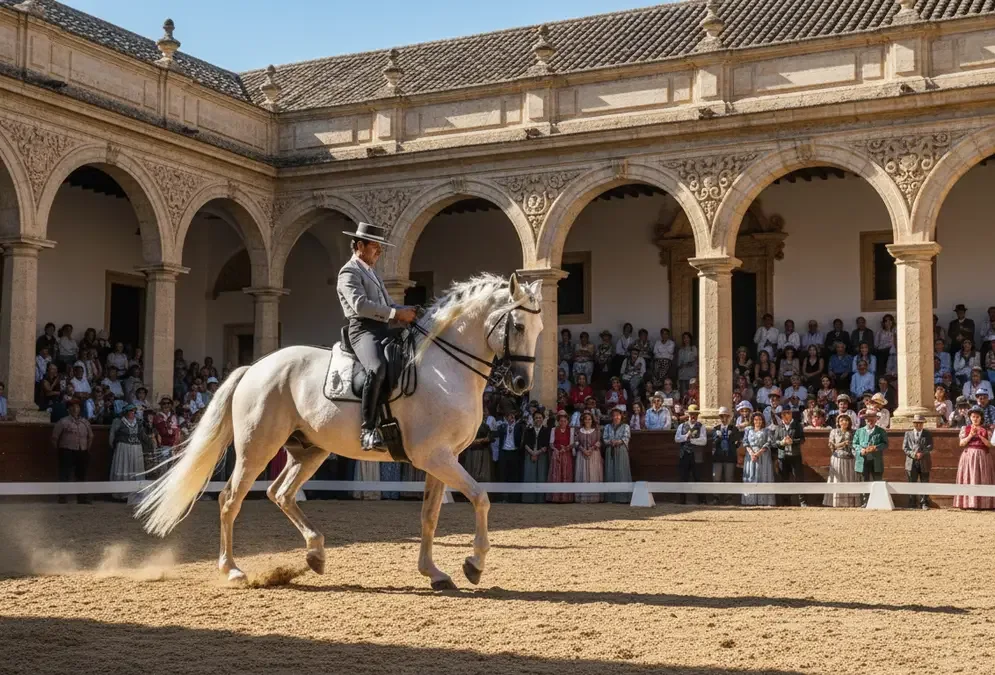
From stage to the real map
Lope de Vega wrote Fuenteovejuna; it reached print in 1619[10]. The play turned a provincial killing into national folklore, and gave Spanish a phrase still used today for a community that closes ranks against an outside investigation.
The town itself never stopped existing. It sits in Córdoba province, 98 km from the provincial capital[2], and its official name today is Fuente Obejuna, spelled with a 'b', though Fuenteovejuna, the literary form Lope made famous, is still how most people know it[11].
Fuenteovejuna's dispute over who controlled the town has an echo elsewhere in the province: Almodóvar del Río Castle, another well-known Córdoba-province fortress, later became a Hollywood filming backdrop rather than a byword for revolt.
Deep dive · Article
Abbas Ibn Firnas: Córdoba's Polymath Who Dreamed of Flight
Abbas Ibn Firnás built lenses, glass, and astronomical tools in 9th-century Córdoba. His famed flight rests on a single account, written 750 years later.
Nobody was ever named for the killing. Five and a half centuries later, that is still the ending the record gives us.