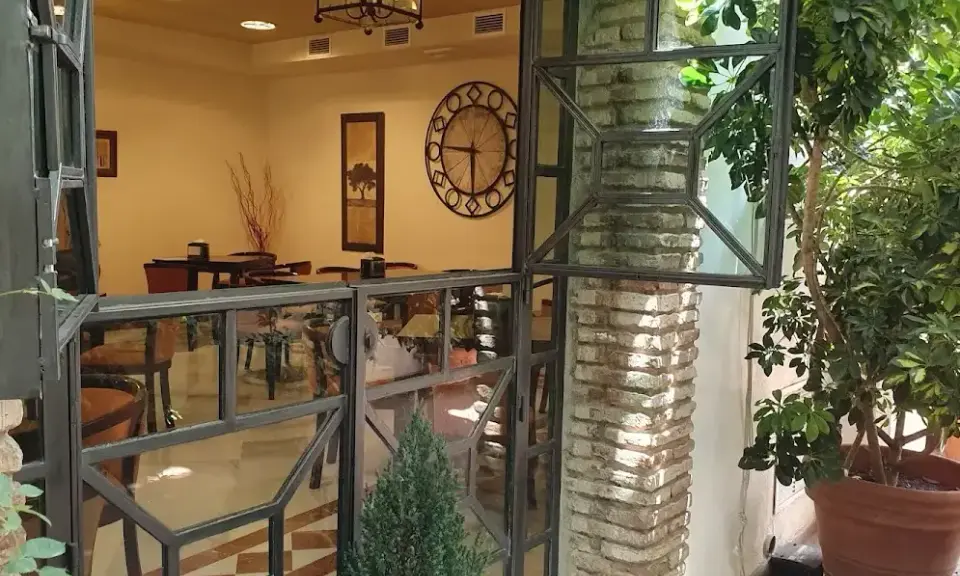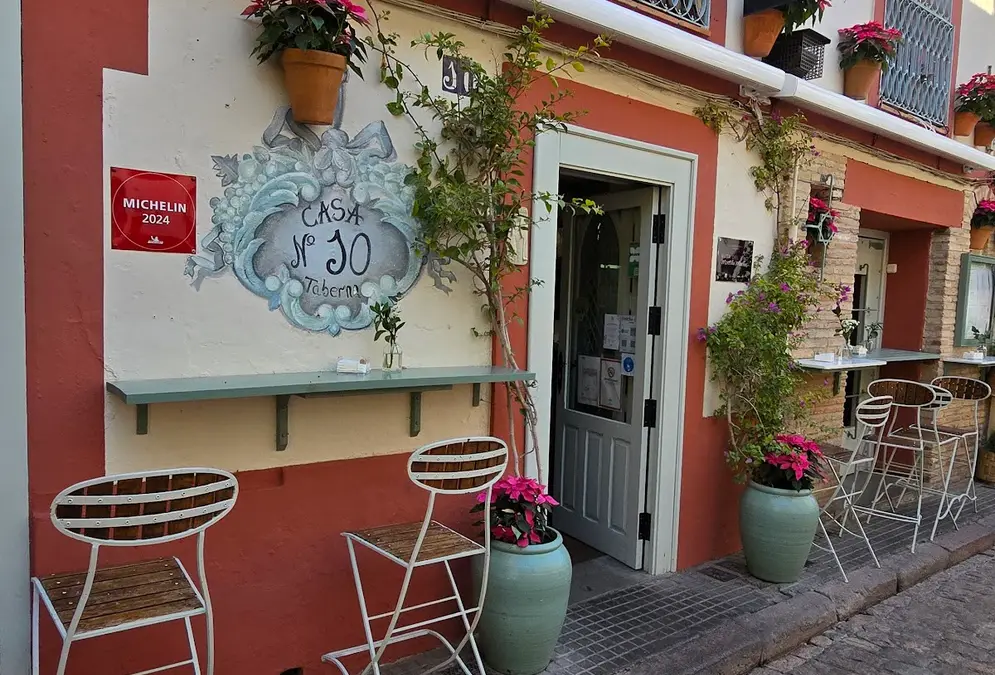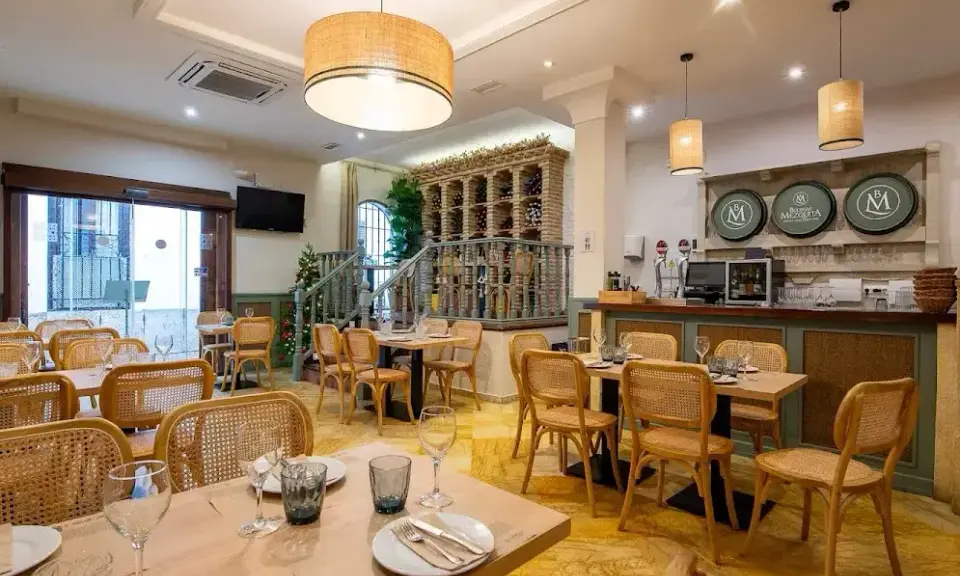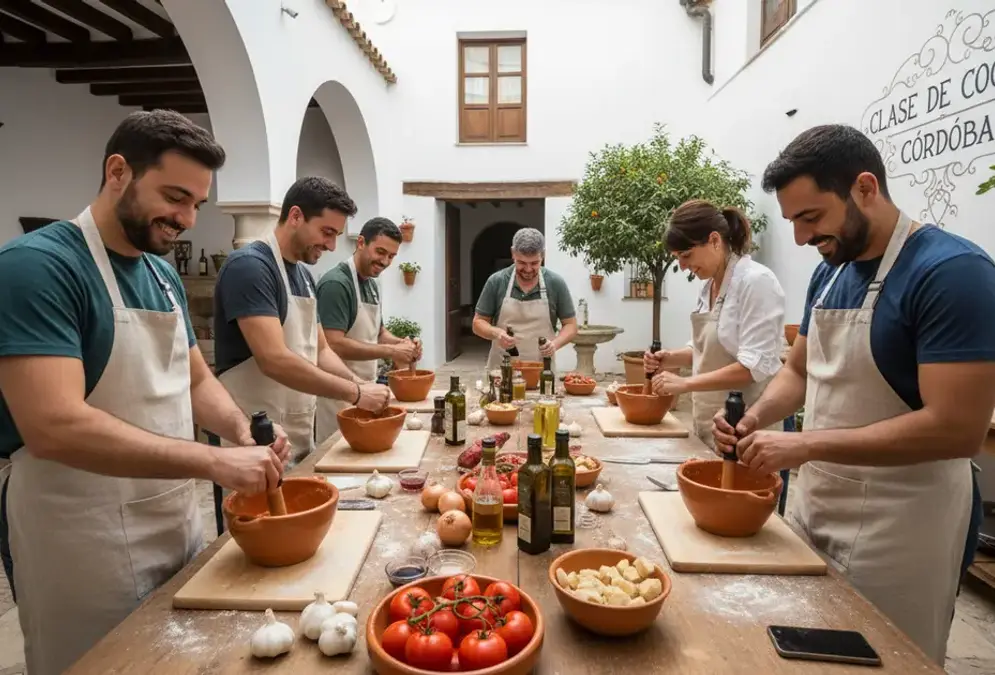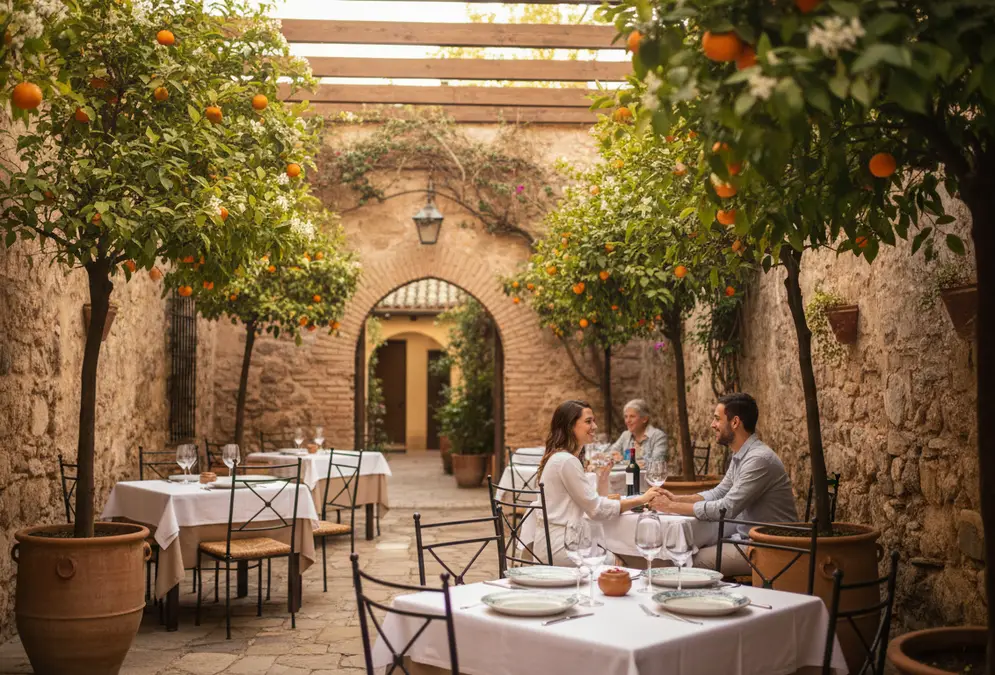

Intimate restaurant terrace in Córdoba's Jewish quarter with ancient stone walls and orange trees

Best Restaurants in the Judería

The finest restaurants in Córdoba's Jewish Quarter: from Mozarabic medieval recipes to traditional tabernas with 14th-century settings near the Mezquita.

The Judería in Córdoba is the medieval Jewish quarter of the city and a UNESCO World Heritage Site. Its whitewashed lanes and flower-filled patios are within a few minutes' walk of the Mezquita, and some of the best restaurants in Córdoba are here: one kitchen has been reconstructing Mozarabic and medieval Andalusian recipes from 10th-century manuscripts since 1978; another has grilled Iberian pork over oak charcoal in a 14th-century house since 1970.

The best restaurants in the Judería have not got there on setting alone. The kitchens on this list have built their reputations through consistent quality over years, not proximity to the Mezquita entrance. That said, eating in a stone courtyard with a fountain running and jasmine on the walls does change how a meal feels. The quarter is compact enough to walk between several restaurants in one evening.

This ranking covers the full range from serious gastronomic cooking to the most accessible traditional taberna, all within walking distance of the Mezquita-Catedral. The lanes can be confusing; each entry is positioned relative to the nearest landmark.

Ranked list

How we chose

The places on this list were selected against the following editorial criteria.

  • Kitchen quality — ingredient sourcing and execution
  • Judería location — within the medieval Jewish quarter
  • Local identity — Cordovan recipes and regional produce
  • Atmosphere — setting appropriate to the historic neighbourhood
  • Value — price relative to quality and portion

Reporter notebook

Insider tips

What to order

The Sephardic Menu at Casa Mazal

Casa Mazal is the only restaurant in the Juderia serving reconstructed Sephardic Jewish recipes: dishes from the community that lived in these streets before 1492. Order the complete tasting menu rather than individual dishes to get the full historical culinary narrative.
Best time

Patio Dining Season

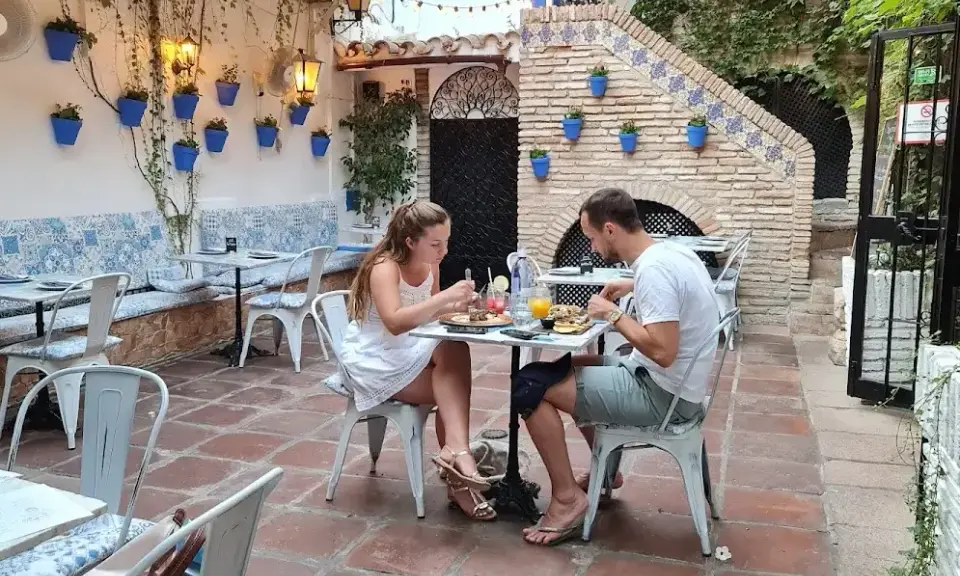
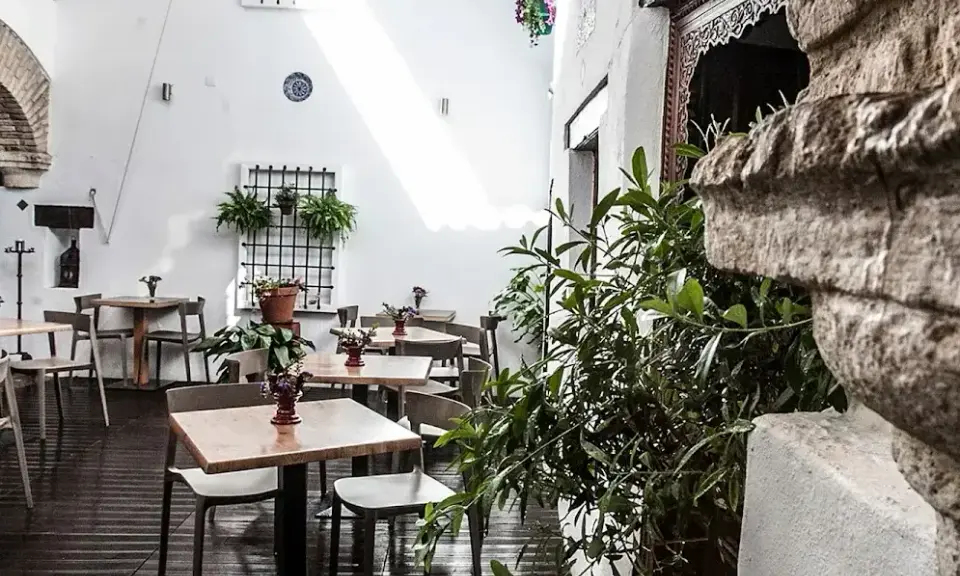
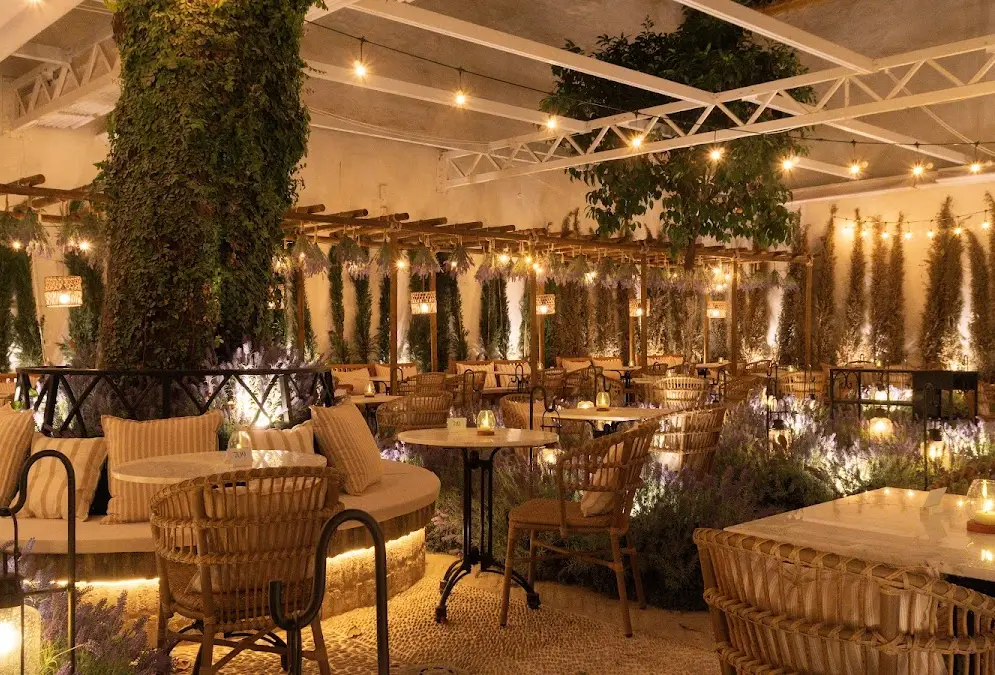
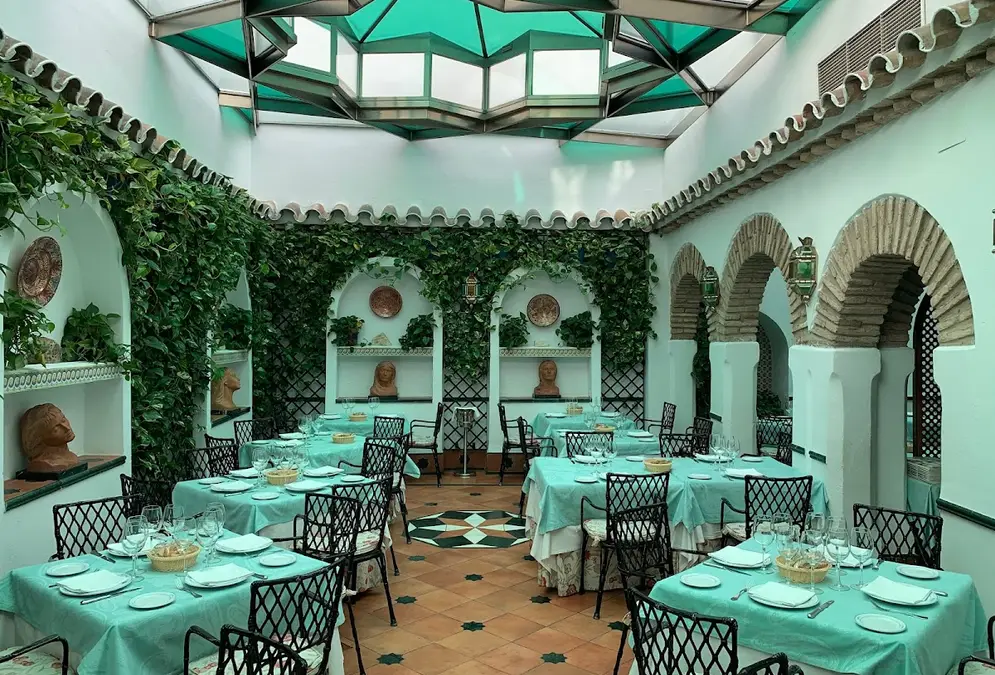
The Juderia's restaurant patios are at their most beautiful from April through June when the orange trees blossom, jasmine climbs the walls, and evening temperatures are perfect for outdoor dining. Request a patio table when booking El Churrasco or Bodegas Mezquita; they fill before the indoor rooms.

Top picks

Casa Pepe de la Judería

Casa Pepe de la Judería is the most reliable traditional restaurant in the Jewish quarter: a family-run establishment in a historic building that has been drawing local families and out-of-town visitors for decades without adjusting the recipes to suit either. The rabo de toro is a reference version, the salmorejo made to traditional proportions from Andalusian tomatoes. A restaurant metres from the Mezquita entrance that has never introduced a tourist menu is worth noting.

El Churrasco

El Churrasco has operated in a 14th-century Judería house since 1970, building its reputation on Iberian pork grilled over oak charcoal. The churrasco cordobés fillet comes from free-range dehesa-raised animals, accompanied by jamón ibérico de bellota sliced by hand and a serious Montilla-Moriles cellar assembled over half a century. The flower-filled patio tables are the most atmospheric in the quarter and in high demand on warm evenings.

El Caballo Rojo

El Caballo Rojo has faced the Mezquita from its position on Calle Cardenal Herrero since 1978, and it has spent those decades doing something few restaurants attempt: reconstructing Mozarabic and medieval Andalusian recipes from 10th-century manuscripts. Founder José García Marín researched the palace kitchens of the Caliphate to revive dishes that blended Arab and Iberian culinary traditions. The cordero a la miel, slow-roasted lamb glazed with spiced honey, cinnamon, and saffron, is the house signature and the reason to book a window table. The rabo de toro, braised eight hours until the collagen dissolves into the sauce, established this kitchen as the reference version in Córdoba long before oxtail became fashionable again. Budget €40–60 with wine; reserve a week ahead in high season and request an upper-floor window table specifically.

10 places

Traditional Family Tabernas

  1. Casa Pepe de la Judería

    Casa Pepe de la Judería

    Casa Pepe de la Judería is the most reliable traditional restaurant in the Jewish quarter: a family-run establishment in a historic building that has been drawing local families and out-of-town visitors for decades without adjusting the recipes to suit either. The rabo de toro is a reference version, the salmorejo made to traditional proportions from Andalusian tomatoes. A restaurant metres from the Mezquita entrance that has never introduced a tourist menu is worth noting.

    Traditional
  2. Taberna El Número 10

    Taberna El Número 10

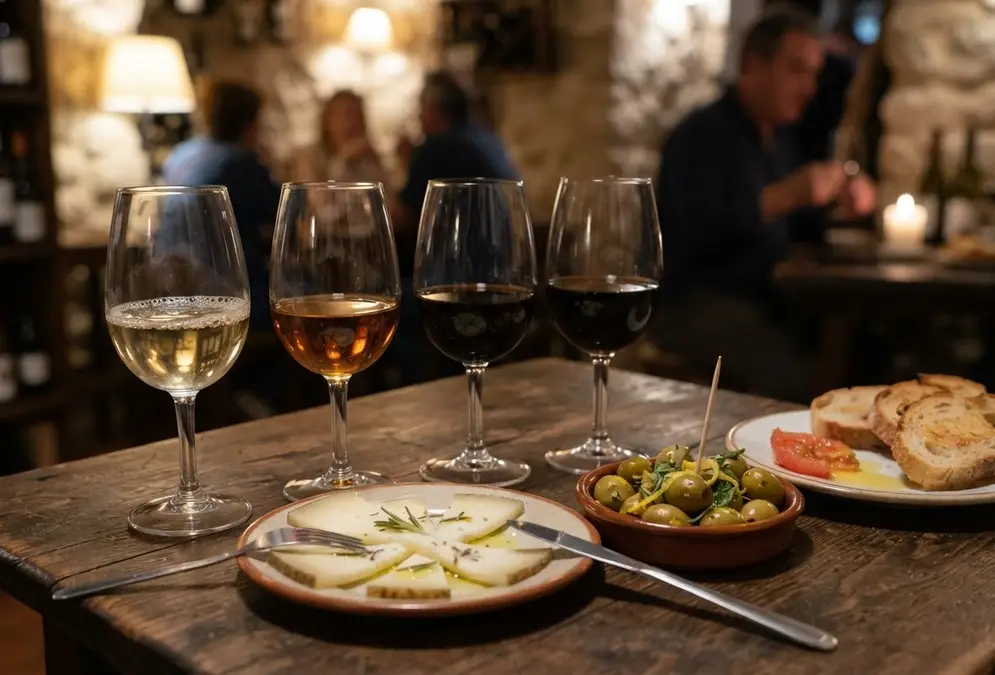
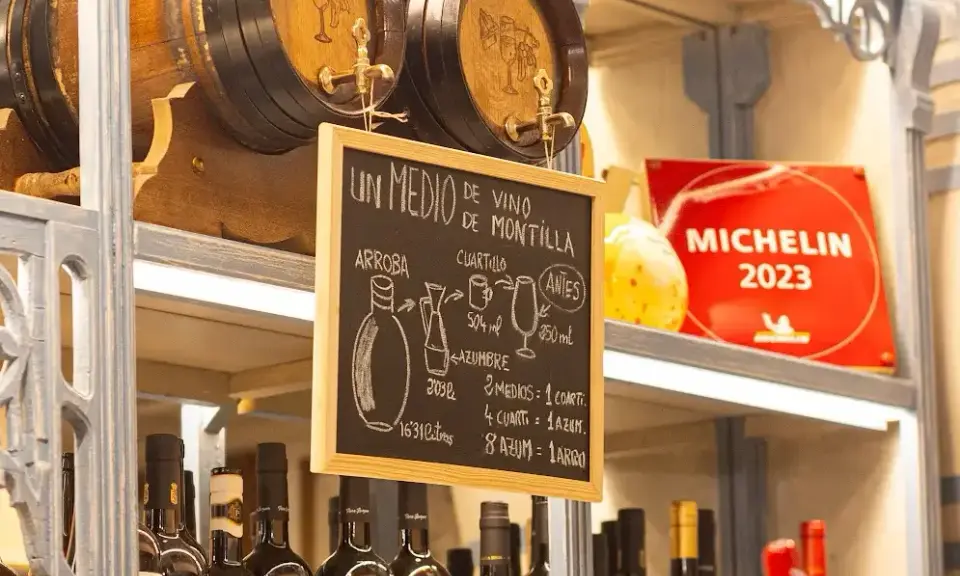
    On Calle Romero 10, steps from the Mezquita, Taberna El Número 10 has been in the Michelin Guide since 2017 and remains the most serious address in the Judería for Montilla-Moriles wines. The oak barrels against patinated walls and the expert sommeliers running guided tastings distinguish this from the dozens of generic wine bars in the quarter. The salmorejo arrives thick and cold, the flamenquín properly golden, the berenjenas con miel crisp from the fryer and drizzled with cane honey. The wine list covers D.O. Montilla-Moriles exclusively: fino, amontillado, and Pedro Ximénez, each explained with genuine knowledge. Closed Monday and Tuesday; budget €20–40 per person with wine.

    Tapas Bar
  3. El Rincón de Carmen

    El Rincón de Carmen

    Carmen has run her house on Calle Romero with her family for over 20 years, and it shows in the way she greets guests and recommends the daily specials. El Rincón de Carmen is the Judería's most genuinely family-run restaurant, and the cooking reflects that: a bacalao al carbón, large moist flakes of charcoal-grilled salt cod served over roasted peppers, that Carmen learned on a trip to Italy and has never removed from the menu. The rabo de toro is braised low and slow, the sauce dark and reduced. At €20–30 for a generous meal, this is the best-value serious cooking in the quarter. The small patio seats around eight covers; book it specifically when you call.

    Traditional

International Tables & Casual Stops

  1. La Tranquera

    La Tranquera

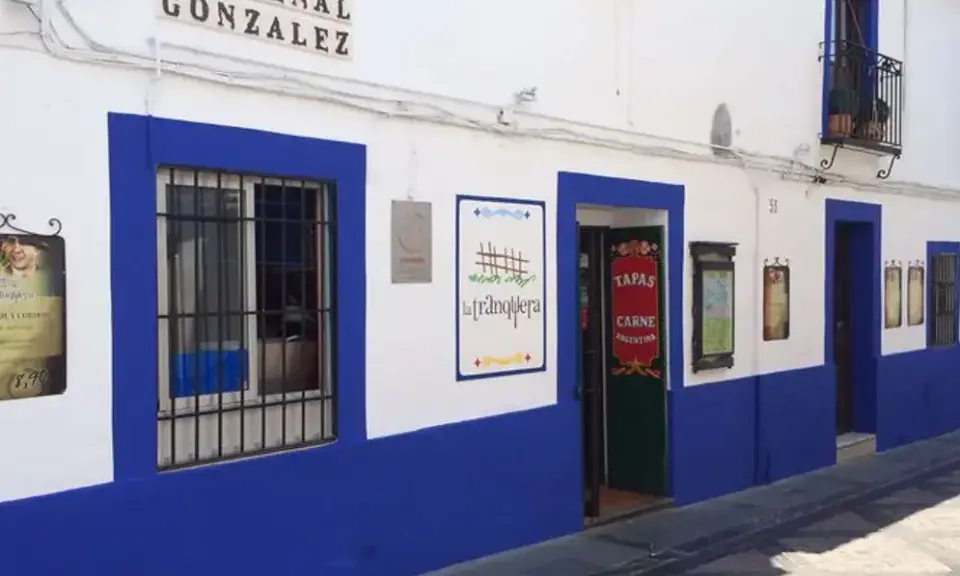
    An Argentine chef arrived in Córdoba and built a kitchen that draws on both traditions simultaneously: the grilling culture of the pampas and the ingredients of the Córdoban terroir. The result is the empanadas de rabo de toro, a house creation that exists nowhere else. Argentine flaky pastry wraps shredded oxtail braised in the local Córdoban style until the collagen breaks down into something sticky and deeply savoury. The entraña, Argentine skirt steak over charcoal, is generous and properly rested before it reaches the table. The terrace on Calle Cardenal González fills fast in summer; book ahead for evenings and arrive early if you want a table outside. Budget €35–55 with wine.

    Specialty
  2. Voltereta Toscana

    Voltereta Toscana

    The building on Calle Manríquez dates from the 18th century. Inside, four rooms carry the name of an Italian city: Capri opens onto a lemon-tree patio, Rome runs through a candlelit vaulted tunnel, the Tuscany terrace extends outdoors, Naples is the liveliest space. The pasta is made by hand daily on the premises, the pizza pulled from a wood-fired oven, and ingredients that cannot be sourced locally arrive from Italy: Puglian burrata, Parma ham, Sardinian pecorino. The truffle tagliatelle is the dish most tables order twice. Within the Judería and steps from the Mezquita, this is the only serious Italian kitchen in the quarter; it fills fast in spring and autumn. Budget €20–30 per person.

    Specialty
  3. Veca Café

    Veca Café

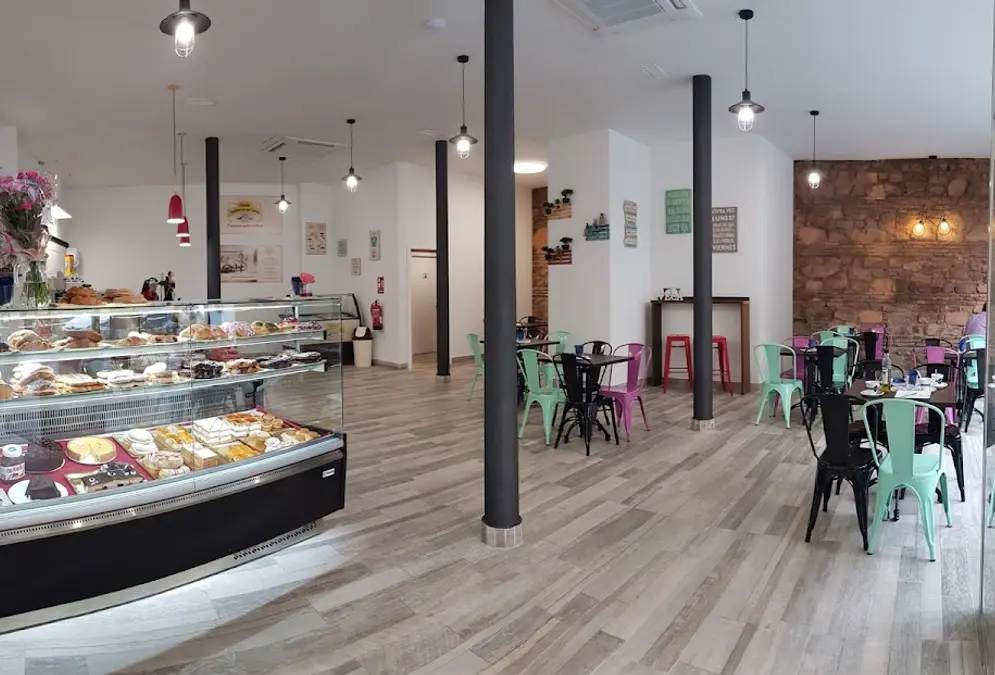
    Veca Café is the single certified gluten-free option in the Judería circuit, a few minutes from the Mezquita. A dedicated toaster, separate utensils, and surface cleaning before each preparation: not the approximate safety of a restaurant that removes croutons from a salad, but a kitchen that actually understands cross-contamination. The bocadillo de jamón y queso on gluten-free bread is the most ordered item; the rotating pastries, including a reliably good almond cake, are worth the stop for non-coeliac visitors too. Budget €8–12 for a sandwich with a coffee. Weekdays from 16:00, weekends from 08:00.

    Specialty

The Judería's restaurant geography rewards exploration. The streets immediately surrounding the Mezquita entrance carry the heaviest tourist premium, while El Rincón de Carmen and Taberna El Número 10, both on Calle Romero inside the quarter, serve predominantly local clientele at meaningfully lower prices than the Mezquita-facing tables. Lunch runs from 14:00 to 16:30 and is the primary meal; dinner service starts from 20:30 but many kitchens are not fully active until 21:00. Book El Caballo Rojo a week ahead in high season; El Churrasco and Casa Pepe should be reserved a day or two ahead for weekend lunch. For traditional tabernas, weekday lunch is reliably walk-in friendly; weekend lunch at El Churrasco and El Caballo Rojo requires a reservation.

Frequently asked questions about Best Restaurants in the Judería

What is the best restaurant in Córdoba's Judería for traditional food?

Casa Pepe de la Judería and El Churrasco are the two strongest traditional choices, both in historic buildings within the Jewish quarter and both focused on authentic Cordovan recipes. El Churrasco is the more polished experience; Casa Pepe is more family-oriented and slightly more affordable.

What is the price range for restaurants in the Judería?

The range is wide. Veca Café costs €8–12 for a sandwich and coffee. El Rincón de Carmen and Taberna El Número 10 run €20–40 per person with wine. El Churrasco and El Caballo Rojo sit at €40–60. La Tranquera is €35–55. Lunch at any of these restaurants is typically 10–15% cheaper than dinner, and weekday lunches often include a set menu at a lower price.

Is there a restaurant in the Judería serving Sephardic Jewish food?

Yes. Casa Mazal specialises in Sephardic Jewish recipes reconstructed from historical sources, served in a historic Judería building on the streets where the original community lived. It is the only restaurant in Córdoba focused specifically on the culinary heritage of the Jewish community that lived in this quarter before 1492.

Do restaurants near the Mezquita require booking?

The best ones do, especially on weekends. El Caballo Rojo should be booked a week ahead in high season; El Churrasco and Casa Pepe need a day or two for weekend lunch. Taberna El Número 10 requires a reservation for Friday and Saturday evenings but is walk-in friendly on weekday lunches. Veca Café needs no reservation.

What should I order at a traditional Judería restaurant?

Start with salmorejo and berenjenas con miel, then rabo de toro (oxtail stew) or the grilled churrasco ibérico at El Churrasco. Drink the local Montilla-Moriles fino as an aperitivo and ask for an amontillado with the main course. Finish with pastel cordobés if it appears on the dessert menu.

Which Judería restaurants are best for outdoor patio dining?

El Churrasco and Bodegas Mezquita both have flower-filled interior patios at their best from April through June when jasmine climbs the walls and evening temperatures allow open-air dining. Casa Pepe de la Judería also has courtyard seating. Book a patio table specifically when reserving, as they fill before the indoor rooms.