
Search the site

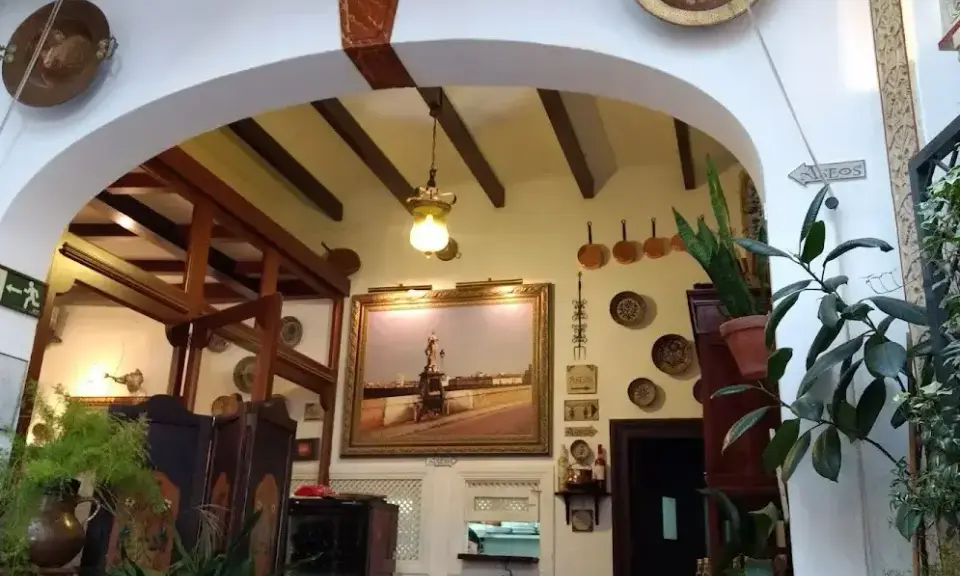
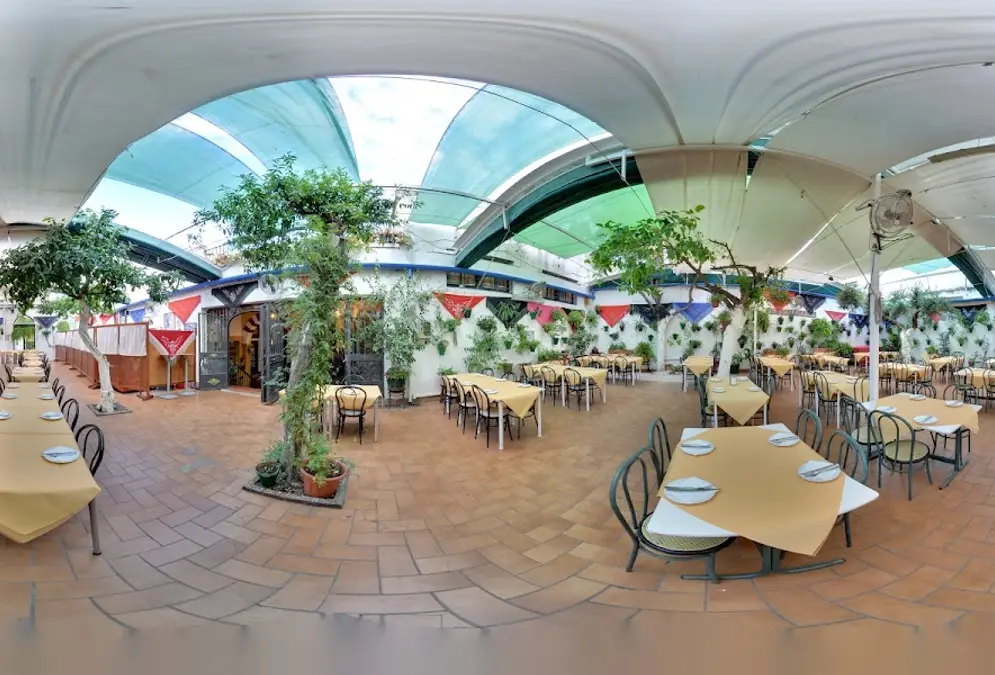
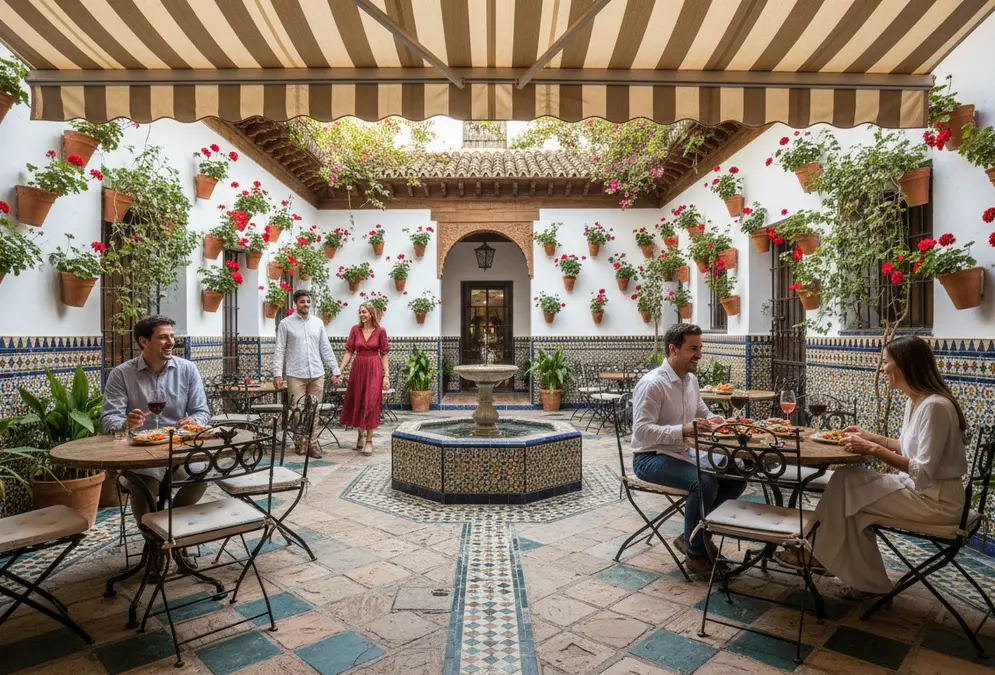
Traditional Andalusian restaurant courtyard in Córdoba with ceramic tiles and terracotta pots

Best Traditional Restaurants in Córdoba

Where to eat authentic traditional Cordovan cuisine: century-old bodegas, family tabernas, and heritage restaurants serving the city's defining recipes.

Traditional Cordovan cooking has roots that run deeper than most European cuisines — a layered inheritance from Roman agricultural practice, Islamic spice routes, Jewish culinary tradition, and the Moorish agricultural revolution that introduced sugarcane, almonds, eggplants, and citrus to the Iberian peninsula. The restaurants in this ranking are the guardians of that heritage: places where the rabo de toro recipe has not changed in a century, where the salmorejo is made to the traditional proportions, and where Montilla-Moriles wines are poured with the reverence they deserve.

What distinguishes a traditional restaurant in Córdoba from a tourist-facing establishment is not always obvious from the outside. Both may serve the same dishes and both may be busy. The distinction lies in the sourcing — locally grown Andalusian tomatoes rather than imported varieties for the salmorejo; Iberian pork from dehesa-raised animals rather than generic pork for the flamenquín; Montilla-Moriles appellation wines rather than anonymous house wine.

This ranking prioritises restaurants where the traditional recipes are executed with fidelity and skill, where the atmosphere reflects the genuine Cordovan taberna tradition, and where the overall experience leaves visitors understanding more about this city's specific culinary character than when they arrived.

  1. 1
    Bodegas Campos

    Bodegas Campos

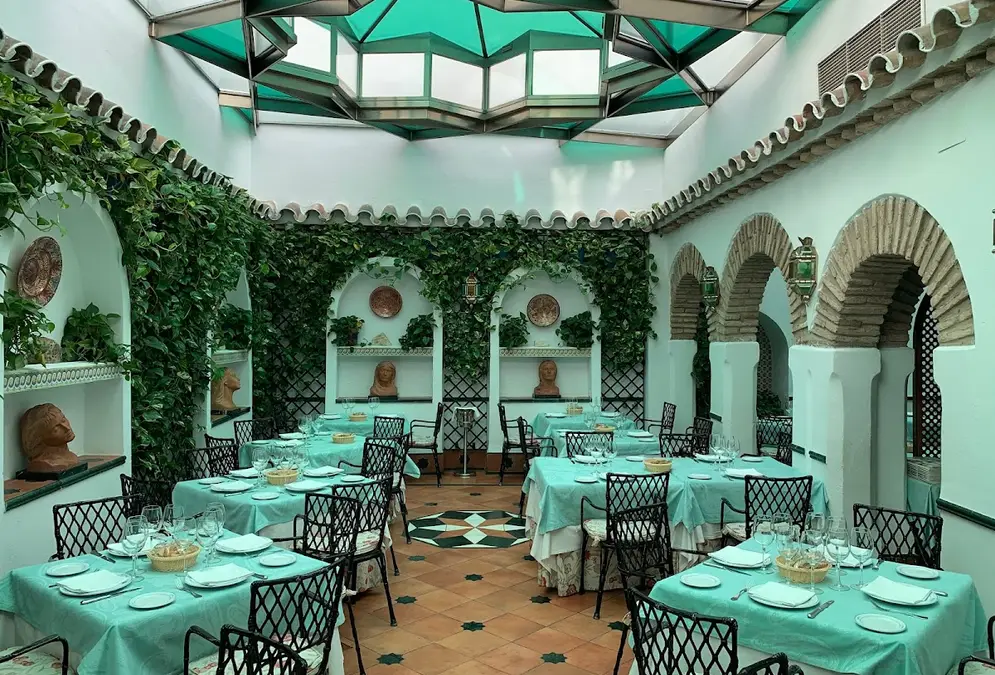
    Córdoba's most complete traditional restaurant — a former aristocratic palace operating since 1908, with barrel-vaulted cellars, flowering patios, and oak barrels of house Montilla-Moriles maturing against whitewashed walls. The rabo de toro has been on the menu for over a century using a recipe that has not changed, the salmorejo is one of the finest traditional versions in the city, and the house wines — fino, amontillado, Pedro Ximénez — represent the local appellation at its most authentic. Book a table for the full experience.

    Traditional Discover
  2. 2
    El Churrasco

    El Churrasco

    El Churrasco has operated in a 14th-century Judería house since 1970, building its reputation on Iberian pork grilled over oak charcoal and a cellar of serious Montilla-Moriles wines assembled over half a century. The churrasco cordobés — a fillet of free-range Iberian pork from Andalusian dehesas, properly seared outside and juicy within — is the defining dish, complemented by hand-sliced jamón ibérico de bellota and one of the most reliable traditional salmorejo servings in the Jewish quarter.

    Traditional Discover
  3. 3
    Taberna Salinas

    Taberna Salinas

    Founded in 1879, Taberna Salinas is one of the oldest continuously operating restaurants in Córdoba — a traditional bodega with azulejo tiles, barrel seating, and a kitchen that has been producing faithful Cordovan recipes for over 145 years. The salmorejo here is the benchmark version for the city — thick, creamy, made from Andalusian tomatoes with excellent jamón ibérico on top — and the rabo de toro, flamenquín, and berenjenas con miel are all executed with the quiet confidence of deep tradition.

    Tapas Bar Discover
  4. 4
    El Caballo Rojo

    El Caballo Rojo

    Restaurante El Caballo Rojo is one of Córdoba's most celebrated traditional restaurants, internationally known for its role in reviving Al-Andalus recipes from medieval Arabic sources decades before gastroarchaeology became fashionable. The kitchen combines traditional Cordovan dishes with carefully researched medieval Moorish preparations — lamb in honey sauce, aubergine preparations from 10th-century manuscripts — in a restaurant that has been educating visitors about Cordovan culinary heritage since the 1970s.

    Traditional Discover
  5. 5
    Sociedad Plateros María Auxiliadora

    Sociedad Plateros María Auxiliadora

    The Sociedad de Plateros María Auxiliadora is one of Córdoba's oldest cultural societies, opening its dining room to the public in a beautiful 19th-century building around a traditional patio. The kitchen produces genuinely traditional Cordovan cooking for a clientele that is predominantly local — the pinchos morunos, marinated overnight in cumin, coriander, and paprika and grilled to order, are among the finest in the city, and the rabo de toro and salmorejo match the quality of establishments charging twice the price.

    Traditional Discover
  6. 6
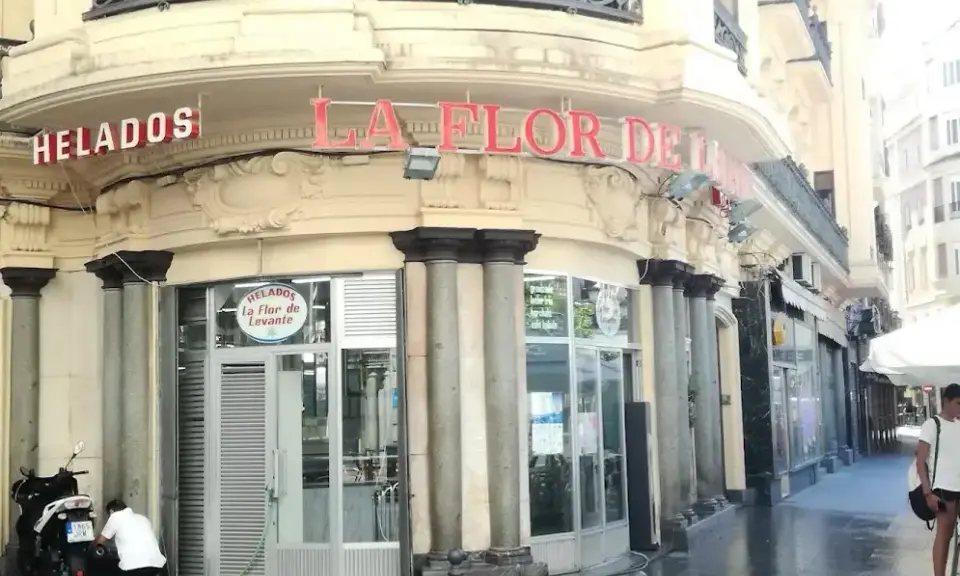
    La Flor de Levante

    La Flor de Levante

    Flor de Levante represents traditional Cordovan cooking presented with more contemporary care than most tabernas — a restaurant where the kitchen sources locally and attentively, the service is professional without stiffness, and the menu covers the full range of Cordovan specialities from salmorejo through oxtail to the desserts made with local honey and almonds. Its position slightly away from the most tourist-trafficked streets means the clientele is more mixed than restaurants closer to the Mezquita.

    Ice Cream Discover
  7. 7
    La Cuchara de San Lorenzo

    La Cuchara de San Lorenzo

    La Cuchara de San Lorenzo serves traditional Cordovan cuisine from a neighbourhood restaurant in the San Lorenzo district — one of the residential quarters north of the historic centre where the clientele is predominantly local and the cooking is calibrated for people who eat this food regularly rather than visitors trying it for the first time. The seasonal menu changes with the market, the wine list privileges Montilla-Moriles, and the total absence of tourist positioning makes this one of the most authentic and affordable traditional addresses in the city.

    Traditional Discover
  8. 8
    Taberna El Número 10

    Taberna El Número 10

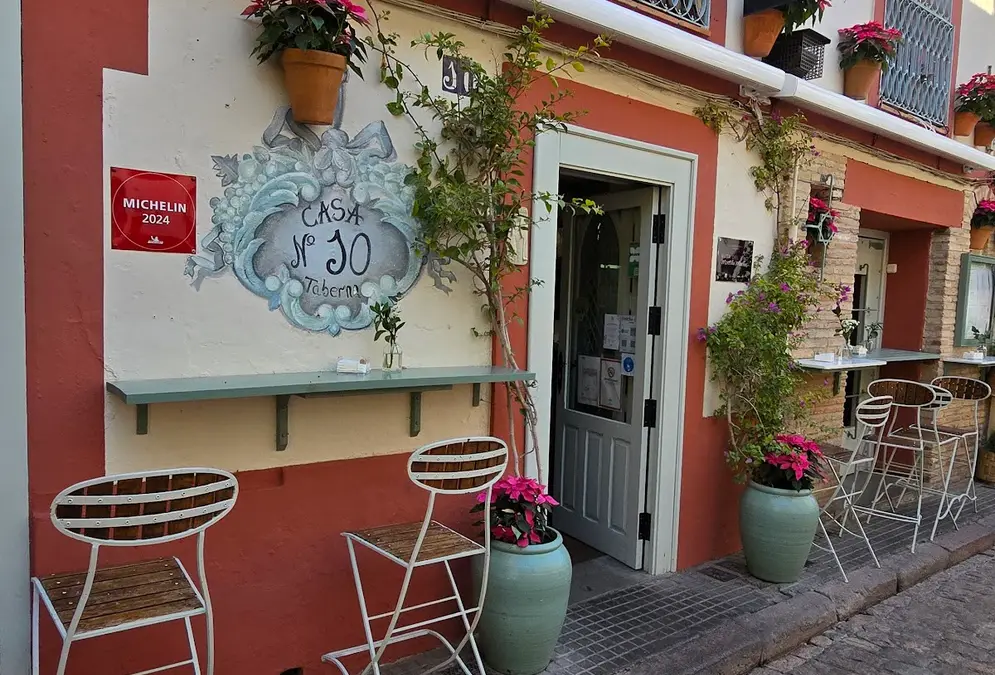
    Taberna El Número 10 has built a following among residents of the historic centre who want reliably excellent traditional Cordovan food without the premium that proximity to the Mezquita can command. The rabo de toro, salmorejo, and flamenquín are consistently well-executed, the wine list is appropriately focused on local producers, and the relaxed atmosphere makes it the kind of place where a long lunch extends naturally without pressure to move on.

    Tapas Bar Discover
  9. 9
    Taberna Los Berengueles

    Taberna Los Berengueles

    Taberna Los Berengueles is named for one of Córdoba's most characteristic traditional dishes — berenjenas (aubergines) — and the kitchen's treatment of this ingredient in its honey-glazed version represents some of the most thoughtful traditional cooking in the city. Beyond the aubergine specialities, the salmorejo and rabo de toro are consistently reliable, and the neighbourhood atmosphere gives the restaurant an energy that tourist-facing establishments rarely achieve.

    Traditional Discover
  10. 10
    Casa Rubio

    Casa Rubio

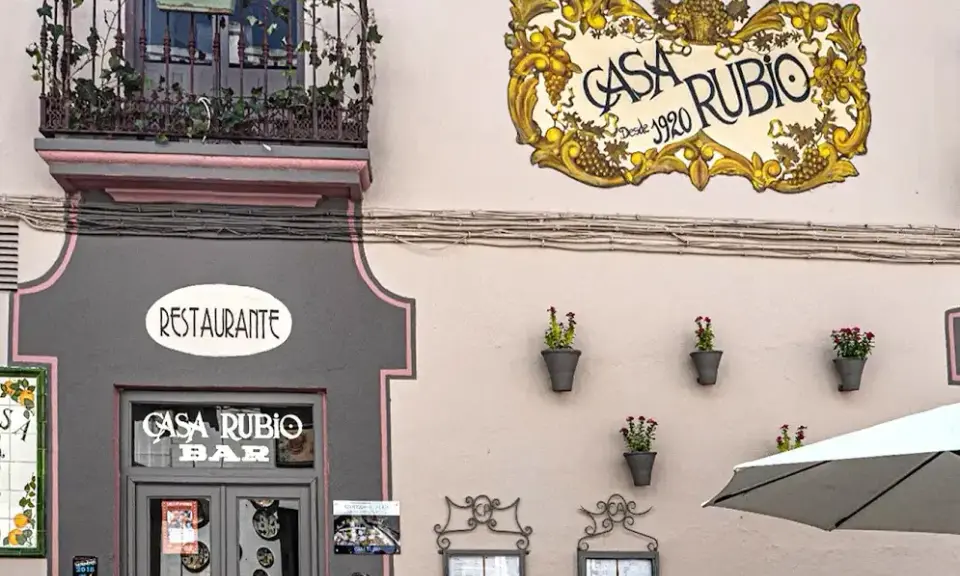
    Casa Rubio is a traditional Cordovan taberna that has maintained its character and its clientele through decades of change in the city's restaurant landscape — a modest, honest establishment where the cooking is straightforward and the value is exceptional. The menu covers the essential Cordovan canon with faithfulness rather than flair, making it the best choice for visitors who want to understand what everyday traditional cooking in this city actually tastes like when done without ambition but with total commitment.

    Specialty Discover

Reporter notebook

Insider tips

Practical observations gathered the way a local journalist would keep them: short, specific, and more useful than brochure copy.

What to order

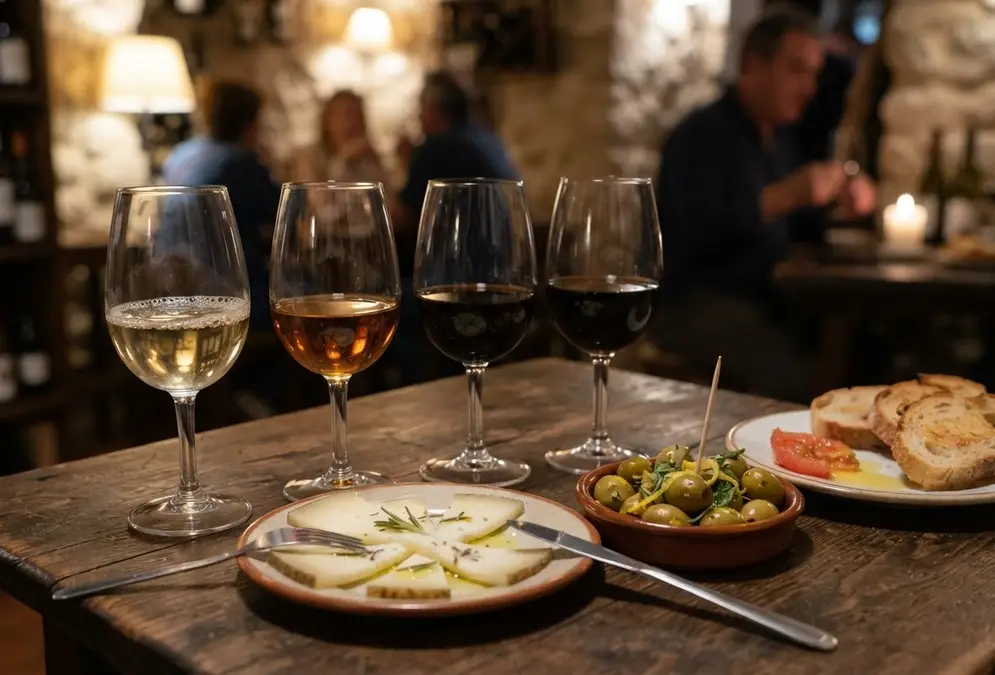
Start with the House Montilla-Moriles

At any traditional taberna, ask the waiter for the house fino or amontillado rather than choosing from the wine list. The best tabernas have a specific Montilla-Moriles they serve with pride, and it will always pair better with the food than a random selection.
Best time

Weekday Lunch Is Walk-In Friendly

The traditional tabernas that require weekend reservations — Bodegas Campos, El Churrasco, Taberna Salinas — are almost always walk-in friendly at weekday lunch. Arrive at 13:30 and you will be seated immediately with the local crowd.

Local custom

The Rabo de Toro Test

The quality of rabo de toro reveals whether a restaurant takes its cooking seriously. A proper version takes 3-4 hours of braising and the meat should fall from the bone. If it appears on the menu at a bar serving 200 covers, ask how it is prepared before ordering.

Money tip

The Menu del Dia Secret

Most traditional restaurants offer a menu del dia at weekday lunch — two courses, bread, drink, and dessert for 12-16 euros. This is how locals eat, and the quality is identical to the a la carte dishes. Ask for it even if it is not written on the board.

Practical Tips

Traditional Cordovan cooking is fundamentally a lunch culture — the full experience of a century-old recipe, served in a historic patio setting, paired with Montilla-Moriles wines, belongs at the midday meal between 14:00 and 16:00. Bodegas Campos and El Churrasco should both be booked ahead for weekend lunch. Taberna Salinas, Sociedad Plateros, and La Cuchara de San Lorenzo are more reliably walk-in friendly. The quality difference between sourced-locally traditional cooking and tourist-menu imitations is most visible in the rabo de toro — a slow-braised oxtail done properly takes three to four hours and cannot be rushed; if it appears on the menu of a bar serving 200 covers at lunchtime, verify the provenance before ordering.

Frequently asked questions

What is the oldest restaurant in Córdoba?

Taberna Salinas, founded in 1879, is the oldest continuously operating restaurant in the city. Bodegas Campos, established in 1908, is close behind and arguably more famous. Both are still family-run and serving recipes that have changed little since their founding.

What is rabo de toro and where is the best version in Córdoba?

Rabo de toro is bull's oxtail slow-braised for 3–4 hours in red wine with vegetables until the meat falls from the bone. The best traditional version is at Bodegas Campos, using a recipe over a century old. El Churrasco and Taberna Salinas both serve reliable versions; avoid it at tourist-menu restaurants near the Mezquita entrance.

Do traditional restaurants in Córdoba serve Montilla-Moriles wine?

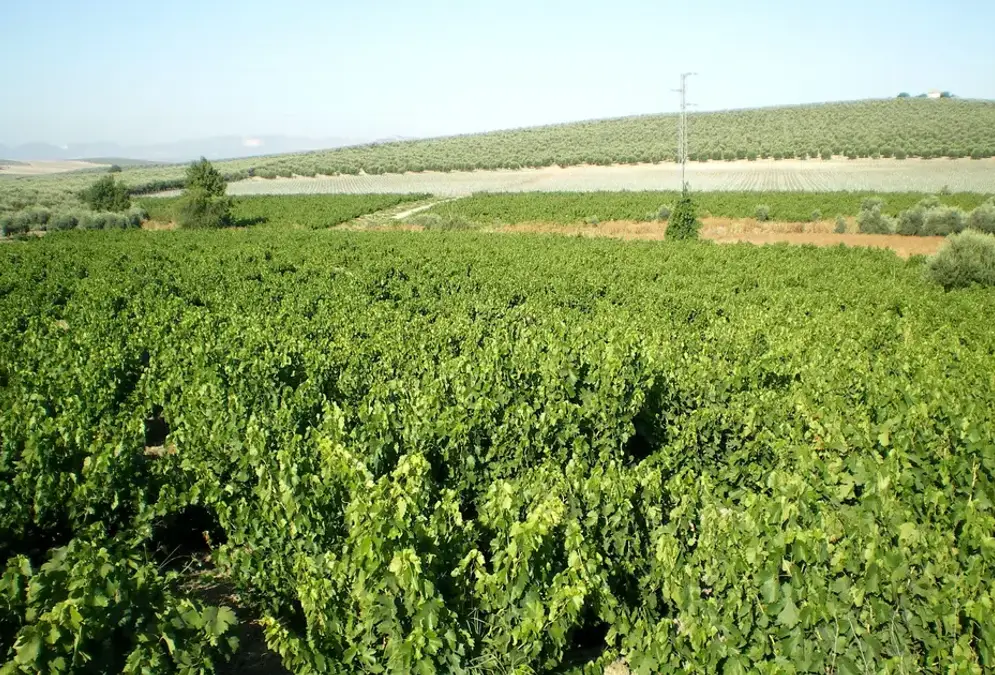
The best ones do — Bodegas Campos produces its own Montilla-Moriles and serves the full range from chilled fino to aged Pedro Ximénez. Taberna Salinas, El Churrasco, and most serious traditional tabernas stock at minimum one or two local producers. Ask specifically for the local appellation rather than Sherry.

Is El Caballo Rojo worth visiting in Córdoba?

Yes — it pioneered the revival of Al-Andalus medieval recipes in the 1970s, decades before gastroarchaeology became fashionable. The medieval lamb in honey sauce and other reconstructed dishes are unique to this restaurant. It is more expensive than most traditional tabernas (€35–50 per person) but occupies a unique historical position in Córdoba's culinary story.

Where do locals eat traditional Cordovan food?

La Cuchara de San Lorenzo in the San Lorenzo neighbourhood and Sociedad Plateros María Auxiliadora draw predominantly local clientele — both serve high-quality traditional food at prices calibrated for regular local dining rather than one-off tourist meals. Neither is significantly harder to find than the tourist-circuit restaurants.