
Search the site

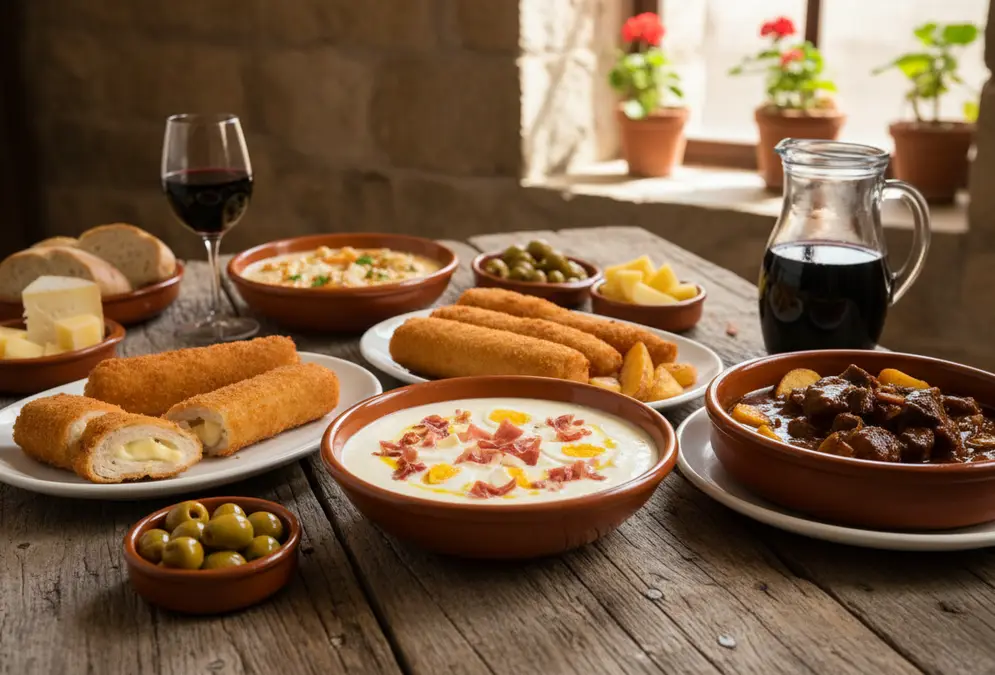
Array of traditional Córdoban dishes including salmorejo, flamenquín and rabo de toro on a rustic table

Must-Try Dishes in Córdoba

The 10 dishes that define Córdoba's cuisine: from iconic salmorejo and slow-braised oxtail to honey-glazed aubergines, Moorish spiced meat, and local wines.

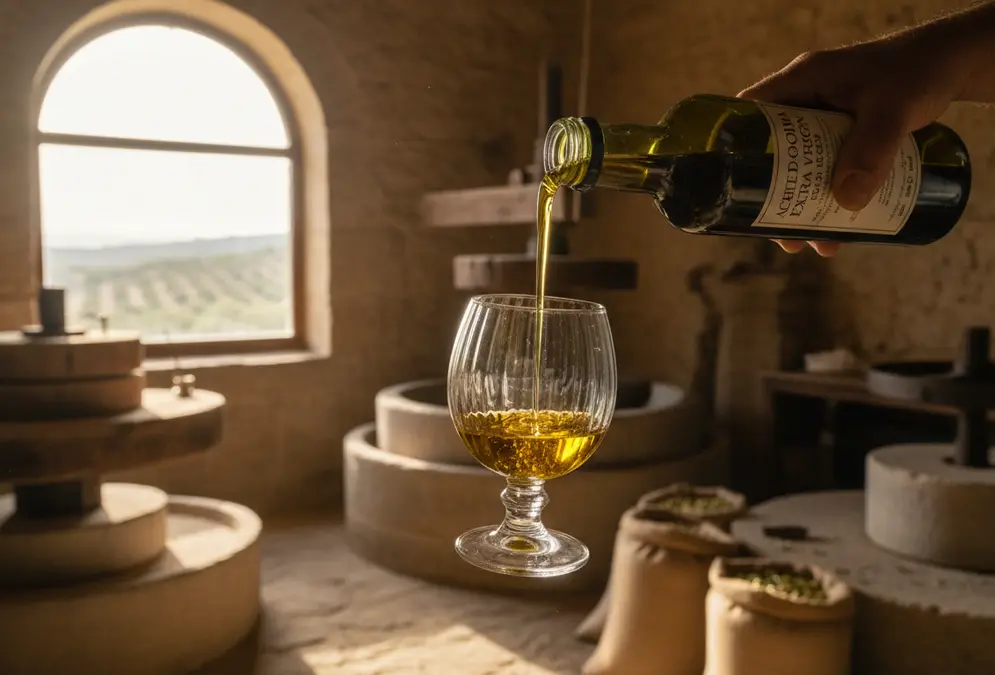
Córdoba's food is different from the rest of Andalusia in ways that become obvious once you know where to look. The olive oil is from the Sierra Morena — greener and more peppery than the oil pressed further south. The cold soups are eaten with a spoon rather than drunk from a glass. The meat on most menus is Iberian pork from pigs that spent autumn grazing on acorns in the dehesas west of the city, and the wine in the glass is almost certainly from Montilla-Moriles rather than Rioja — a fortification-free fino or amontillado from the chalky slopes south of town that pairs with local food in a way that imported wine simply doesn't.

The Moorish inheritance is still present in the kitchen in a way you don't find further north. Cumin and coriander appear in pork marinades. Honey and almonds turn up in savoury contexts. The almond purée called mazamorra cordobesa predates the arrival of tomatoes from the Americas — it is, in effect, the recipe that eventually became salmorejo once New World tomatoes appeared in 16th-century Andalusia.

Summer changes everything. From June through September, when Andalusian tomatoes reach their peak, cold soups dominate: salmorejo at every table, gazpacho in pitchers, the occasional glass of white gazpacho made with grapes. Eat the same dishes in January and you will understand why they belong to the hot months.

This list covers the ten preparations that give you the most complete read of what Córdoba cooks — classics that every kitchen does, alongside two or three that require specific searching and reward it.

  1. 1
    Salmorejo

    Salmorejo

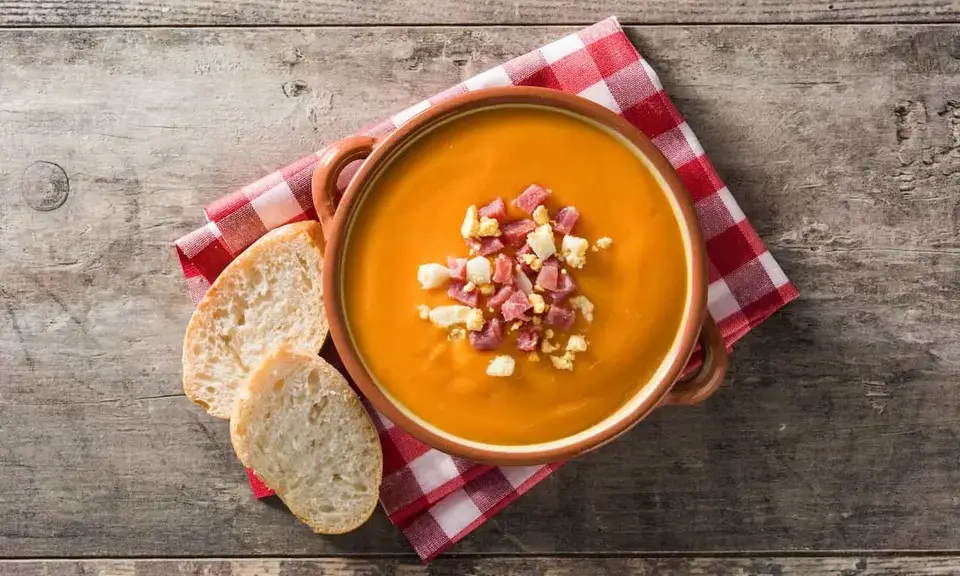
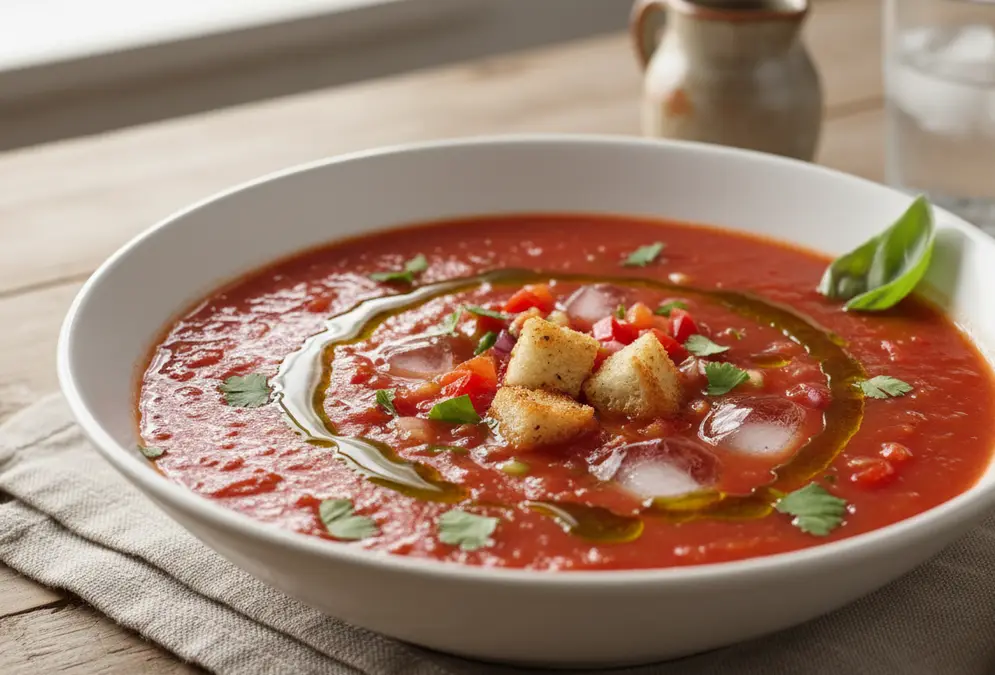
    Cold, thick enough that a spoon stands in it without sinking — salmorejo is not a soup, it's a purée. Five ingredients: ripe Andalusian tomatoes, stale bread, garlic, extra-virgin olive oil, salt. The bread gives it body; the oil gives it gloss; the tomatoes in high summer give it an intensity that hothouse versions in January cannot replicate. Topped with chopped hard-boiled egg and serrano ham, eaten with a spoon. Taberna Salinas makes the benchmark traditional version; Garum 2.1 won the city's best salmorejo competition with an amontillado-infused variant.

    Tapa Discover
  2. 2
    Rabo de Toro

    Rabo de Toro

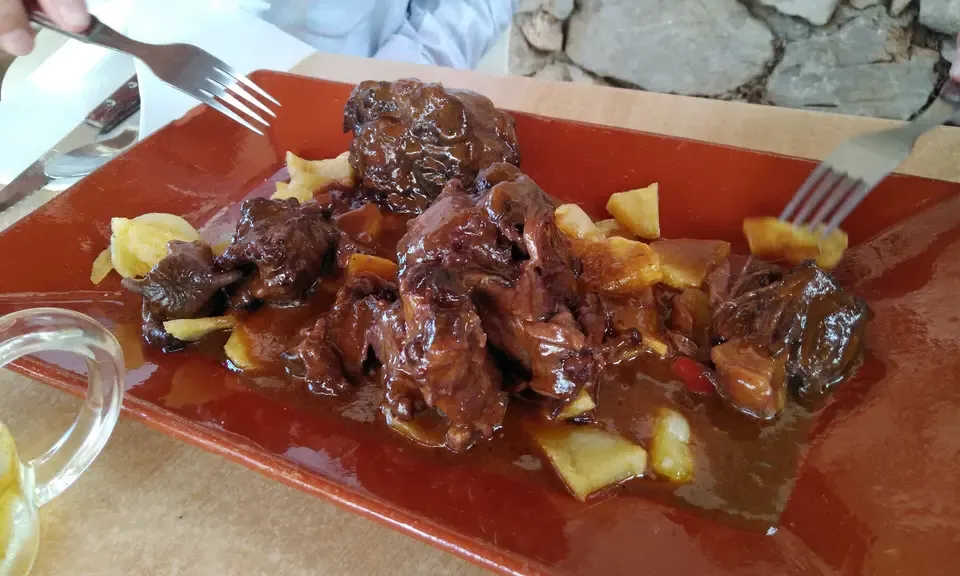
    Three or four hours in red wine, then another hour with vegetables — the braising liquid reduces until it coats the back of a spoon and the meat falls in long, dark threads. Rabo de toro comes from Córdoba's bullfighting tradition: the tail went to the kitchen after the corrida. Order it in autumn or winter, when the restaurants take it off the summer menu and return to the long braises. Bodegas Campos has served the same recipe for over a century — the sauce is the point, not just the meat.

    Main Course Discover
  3. 3
    Flamenquín

    Flamenquín

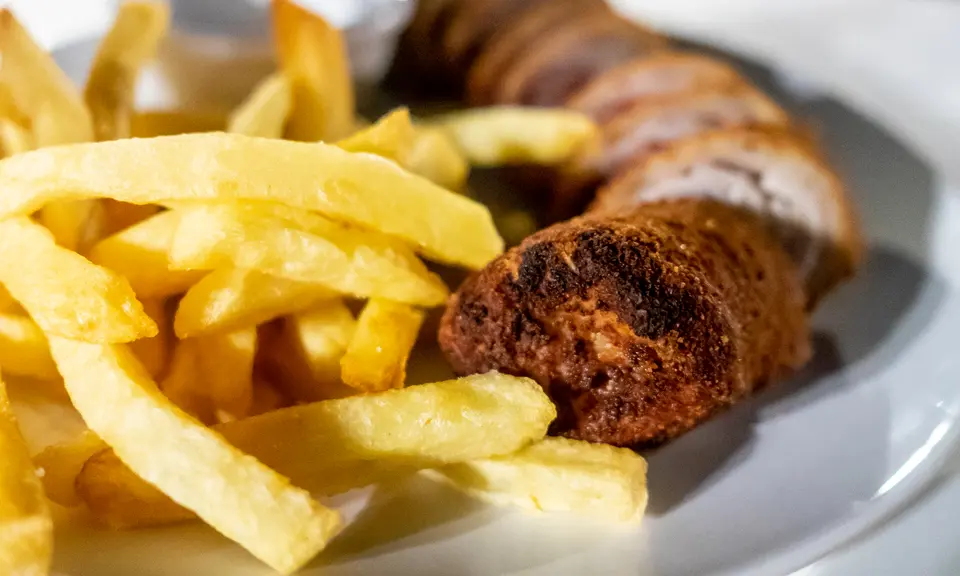
    Thin pork escalope rolled around serrano ham, coated in breadcrumbs, and fried in olive oil until the crust is deep gold and shatters on the first cut. The cross-section shows the ham spiral inside; it's served hot in thick rounds with chips or salad alongside. Born in Córdoba's taverns in the 1960s, it looks simple and mostly isn't — the oil must be at exactly the right temperature or the crust turns greasy and the pork dries out. The best versions use jamón ibérico de bellota inside; ask whether the restaurant specifies it.

    Tapa Discover
  4. 4
    Berenjenas con Miel

    Berenjenas con Miel

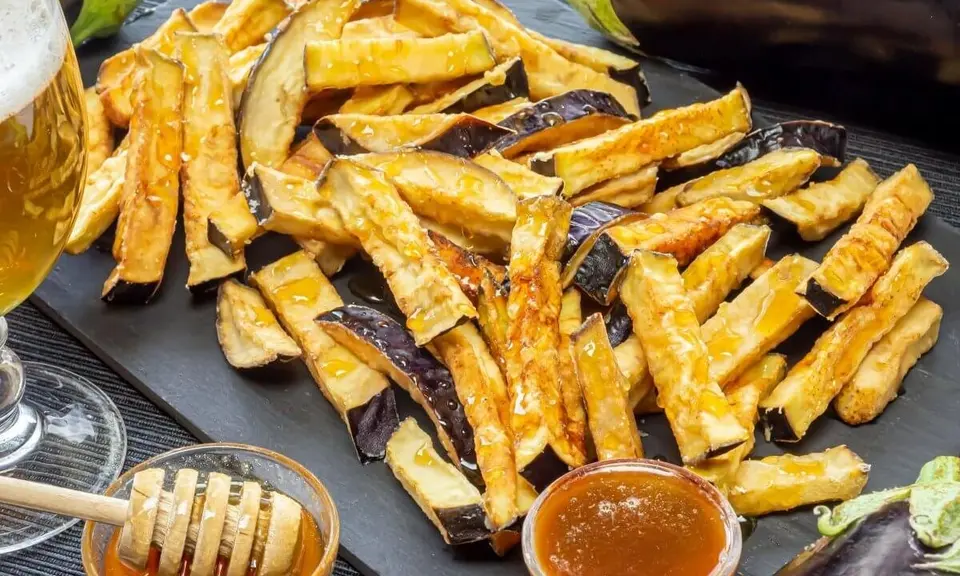
    Aubergine sliced thin, floured, fried until the edges crisp and the inside softens, then finished with dark cane honey while still hot. The combination — bitter vegetable, dark sweet honey — is directly Arabic: a flavour pairing worked out in Al-Andalus kitchens centuries before Córdoba's Christian conquest. The honey should be the dark, treacly Spanish cane variety, not the pale floral kind; the difference in flavour is significant. This tapa disappears from the plate faster than almost anything else ordered alongside it.

    Tapa Discover
  5. 5
    Gazpacho

    Gazpacho

    Thinner than salmorejo, drunk cold from a glass or eaten as a soup — gazpacho is what Córdoba's agricultural workers took to the fields in the brutal summer heat, diluted with extra water to stay hydrated. The Cordovan version tends to be more vegetable-forward than the Sevillian: more cucumber, more green pepper, less bread. At 38°C in July, a properly cold gazpacho with good olive oil is among the most useful things you can eat. Order it before anything else arrives.

    Starter Discover
  6. 6
    Jamón Ibérico

    Jamón Ibérico

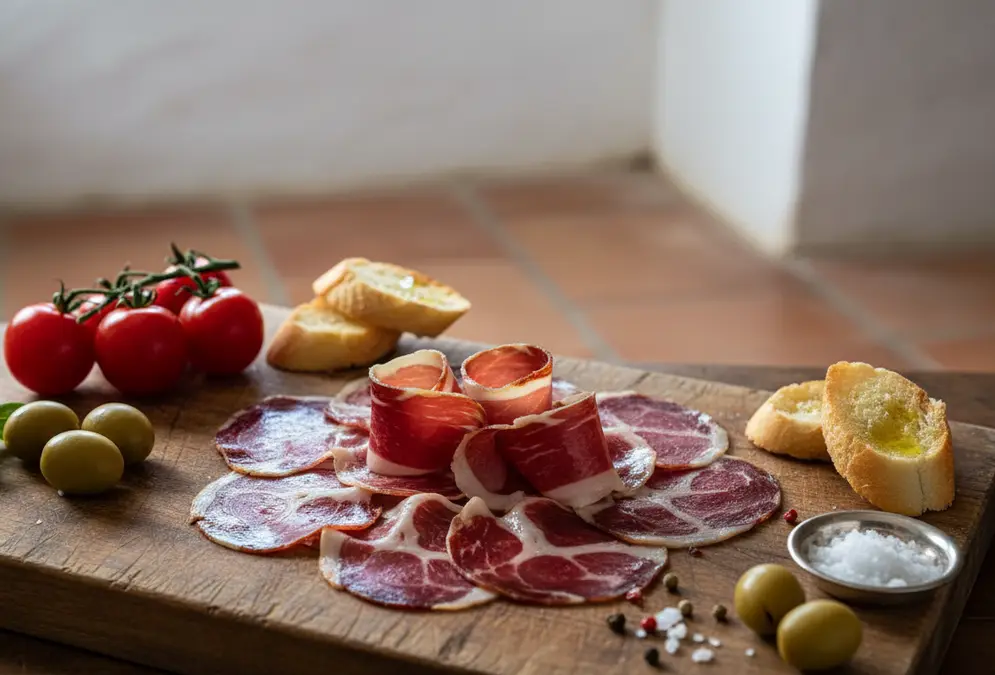
    The pigs spend autumn — the montanera — eating fallen acorns in the oak and cork forests west of Córdoba. The legs are then salted and hung for a minimum of 36 months, sometimes 48. The fat runs through the muscle like marble and melts at around body temperature, which is why a properly sliced piece of bellota ham dissolves rather than chewy on the tongue. In Córdoba, jamón ibérico de bellota is a tapa served in every serious bar; the quality difference between correctly sourced bellota and generic cured ham is obvious without specialist knowledge.

    Tapa Discover
  7. 7
    Mazamorra Cordobesa

    Mazamorra Cordobesa

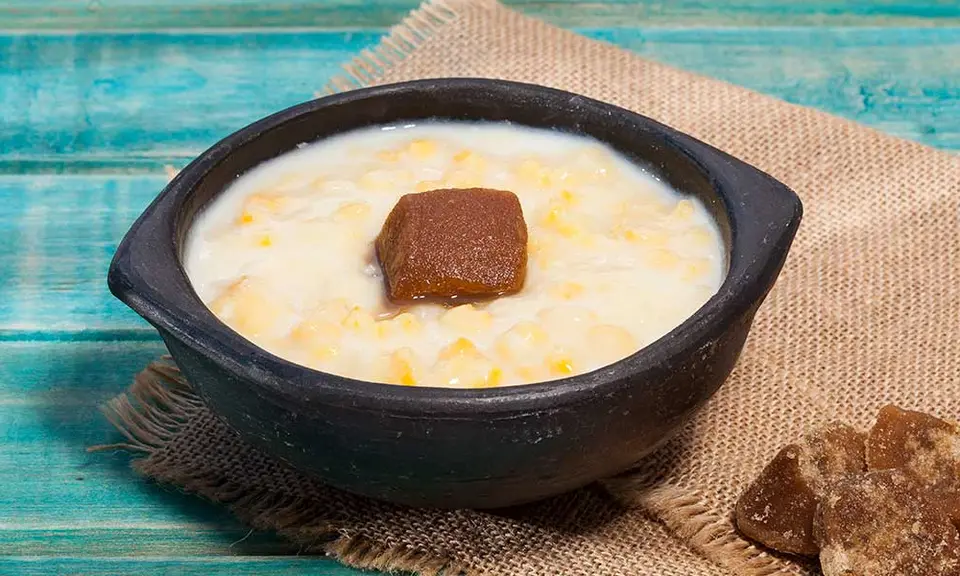
    White, cold, made from almonds, bread, garlic, olive oil, and vinegar — mazamorra is what salmorejo was before tomatoes arrived from the Americas in the 16th century. It tastes lighter, more acidic, with the clean nuttiness of almonds where salmorejo has the sweetness of tomato. Nearly extinct from Córdoba's menus by the mid-20th century, it has been revived by restaurants interested in the pre-Columbian Andalusian kitchen. El Caballo Rojo has it reliably; Noor serves a refined version as part of its tasting menu. Both are worth the detour.

    Starter Discover
  8. 8
    Pastel Cordobés

    Pastel Cordobés

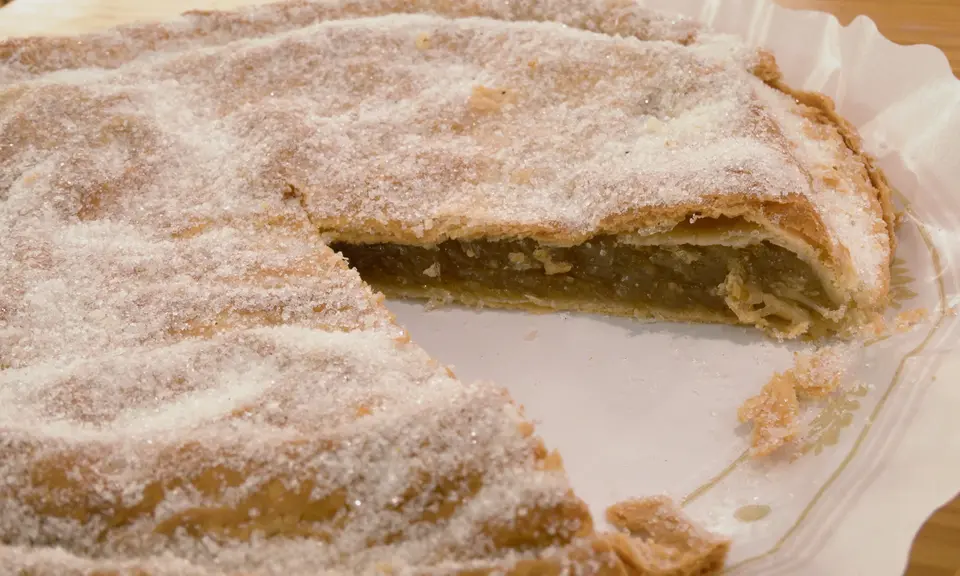
    A round pie with a thin, shattering pastry shell — flaky layers that collapse when you press the fork in — filled with sweet cidra (a type of squash cooked long with sugar and cinnamon), dusted with icing sugar and cinnamon on top. Not the most dramatic dessert on paper, but the filling has a concentrated, perfumed sweetness that is entirely its own thing. The pastry technique comes from Moorish Al-Andalus; the cidra cultivation in the province is continuous for over a thousand years. The convent pastelerías and Pastelería Gomar near the Mezquita are the most reliable sources.

    Dessert Discover
  9. 9
    Montilla-Moriles

    Montilla-Moriles

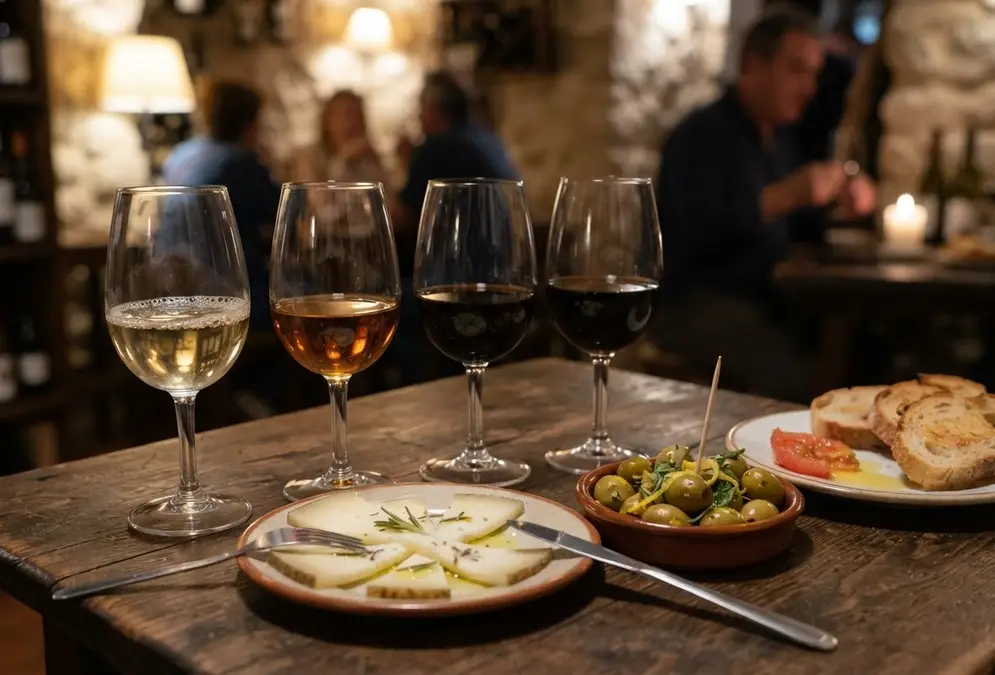
    Pedro Ximénez grapes grown in chalky limestone soils south of Córdoba — the same grape that elsewhere makes a thick, raisin-sweet dessert wine — here produces a dry fino that smells of almonds and tastes of the sea. Unlike Sherry, Montilla-Moriles reaches its characteristic flavour through natural oxidation, not fortification, which makes it lower in alcohol and more expressive of its specific ground. Drink the fino ice-cold with salmorejo. Move to amontillado (hazelnut, complex) with meat. Order the Pedro Ximénez last, drizzled over vanilla ice cream.

    Drink Discover
  10. 10
    Pinchos Morunos

    Pinchos Morunos

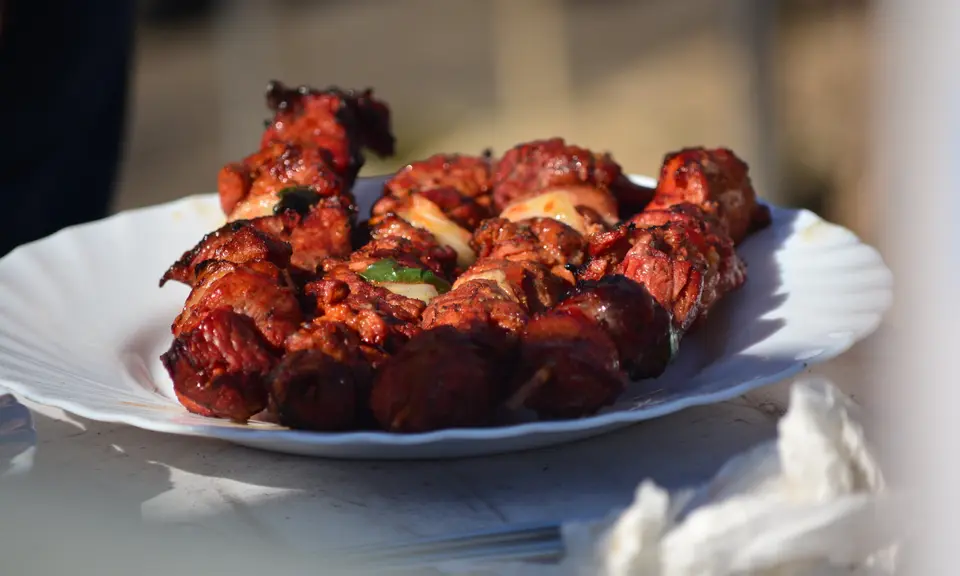
    Small pork or lamb skewers marinated in cumin, coriander, paprika, turmeric, and garlic, then grilled over charcoal and eaten immediately. The name — Moorish skewers — is historically accurate: the spice combination maps directly onto medieval Andalusian cooking, adapted with pork after the Christian reconquest. The Córdoba version preserves more of the cumin and coriander than versions further west, where paprika tends to dominate. Eat them at the grill, not cold from a hot plate — the difference in texture is significant.

    Tapa Discover

Reporter notebook

Insider tips

Practical observations gathered the way a local journalist would keep them: short, specific, and more useful than brochure copy.

What to order

Salmorejo Is a Summer Dish

Salmorejo reaches its peak from June through September when Andalusian tomatoes are at their ripest and most flavourful. The winter version, made with hothouse tomatoes, is noticeably less intense. If you visit in summer, eat salmorejo daily — each taberna makes it slightly differently.

Pairing tip

Match Every Dish to Its Wine

The traditional pairings: fino with salmorejo and cold tapas, amontillado with rabo de toro and grilled meats, oloroso with rich stews, and Pedro Ximenez drizzled over vanilla ice cream for dessert. These are not suggestions — they are the combinations that Cordovan food was designed around.

Local custom

Ask for Mazamorra

Mazamorra cordobesa — the almond-based ancestor of salmorejo — has nearly disappeared from restaurant menus. If you are at El Caballo Rojo or a traditional taberna, ask whether they have it. Finding a good version is a genuine culinary discovery and a taste of medieval Cordoba.

What to order

The Flamenquin Quality Test

A properly made flamenquin should shatter audibly on first bite while the pork inside stays moist. If the crust is soggy or the interior is dry, the oil was at the wrong temperature. The best versions use jamon iberico de bellota — ask whether the restaurant uses it.

Practical Tips

The most efficient way to eat through Córdoba's essential dishes is to combine a food tour for orientation (typically covering salmorejo, flamenquín, berenjenas con miel, and pinchos morunos in three hours) with a serious lunch at a traditional taberna for rabo de toro and a glass of Montilla-Moriles. Salmorejo is at its best from June through September when Andalusian tomatoes are at peak ripeness; rabo de toro is a winter and autumn dish. Mazamorra cordobesa requires specific searching — ask at Restaurante El Caballo Rojo or Noor. For pastel cordobés, the convent pastelerías and Pastelería Gomar near the Mezquita are the most reliable sources. Pair every savoury dish with a local fino or amontillado and the full picture of Cordovan food culture comes into focus.

Frequently asked questions

What is salmorejo and how is it different from gazpacho?

Salmorejo is a thick cold tomato purée made only from tomatoes, stale bread, garlic, olive oil, and salt — no pepper, no cucumber, no other vegetables. It is much thicker than gazpacho (a spoon should stand in it) and is topped with diced hard-boiled egg and serrano ham. Gazpacho is thinner, more varied in ingredients, and usually drunk rather than eaten.

Where can I find the best salmorejo in Córdoba?

Taberna Salinas and Bodegas Campos are the benchmark traditional versions — thick, intensely flavoured, made with Andalusian tomatoes. Garum 2.1 (Michelin Bib Gourmand) won the city's best salmorejo competition with its amontillado-infused version. Avoid pre-made salmorejo sold in tourist shops; it bears little resemblance to the real thing.

What is flamenquín and is it only found in Córdoba?

Flamenquín is a roll of thin pork escalope wrapped around serrano ham, breaded and deep-fried. It originated in Córdoba's city-centre taverns in the 1960s and while versions exist elsewhere in Andalusia, the Cordovan original is the best. The key quality indicator is the crust: it should shatter on first bite while the pork inside stays moist.

Is Montilla-Moriles wine only available in Córdoba?

Montilla-Moriles is produced exclusively from vineyards south of Córdoba in the Campiña plain — you cannot find it produced anywhere else. While some bottles are exported and sold in Andalusian cities, the widest selection and best prices are in Córdoba itself, particularly at Vinoteca Ordóñez and the traditional bodegas.

Where can I try mazamorra cordobesa?

Mazamorra is the rarest dish on this list — many restaurants don't serve it. Restaurante El Caballo Rojo pioneered its revival and reliably has it on the menu. Noor serves a refined version as part of its tasting menu. A few tapas bars in the historic centre occasionally feature it as a daily special — ask staff if it's available.