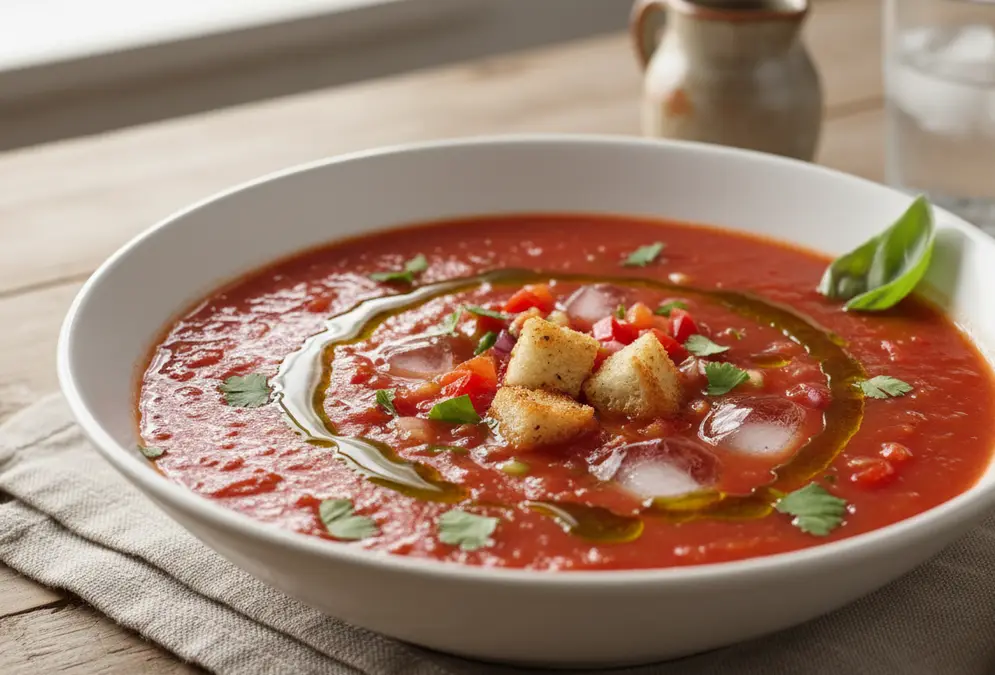

The soup that made Andalusian summers bearable
Gazpacho is deceptively simple. Ripe tomatoes, cucumber, bell peppers, stale bread soaked in water, garlic, extra-virgin olive oil, a splash of red wine vinegar, and salt — blended raw, chilled, and served cold. No cooking involved. That's the point.
Before refrigeration, this was practical food for farmhands working in Andalusian vineyards and olive groves under brutal summer heat. It hydrated, fed, and traveled well. The original version had no tomatoes at all — just bread, oil, garlic, and water — until the 16th century, when tomatoes arrived from the Americas and changed the recipe permanently.

Gazpacho vs. Salmorejo: not the same thing
Visitors often confuse the two. Salmorejo is Córdoba's version: thicker, creamier, made with a higher bread-to-liquid ratio, and served topped with diced hard-boiled egg and serrano ham. Gazpacho is thinner — liquid enough to drink from a glass, which is how many locals take it. It also uses more vegetables: peppers and cucumber give it a different flavour profile.
Both belong to Córdoba's table, but they're not interchangeable. If a menu has both, order both — the difference is worth understanding firsthand.
Also related: Mazamorra Cordobesa
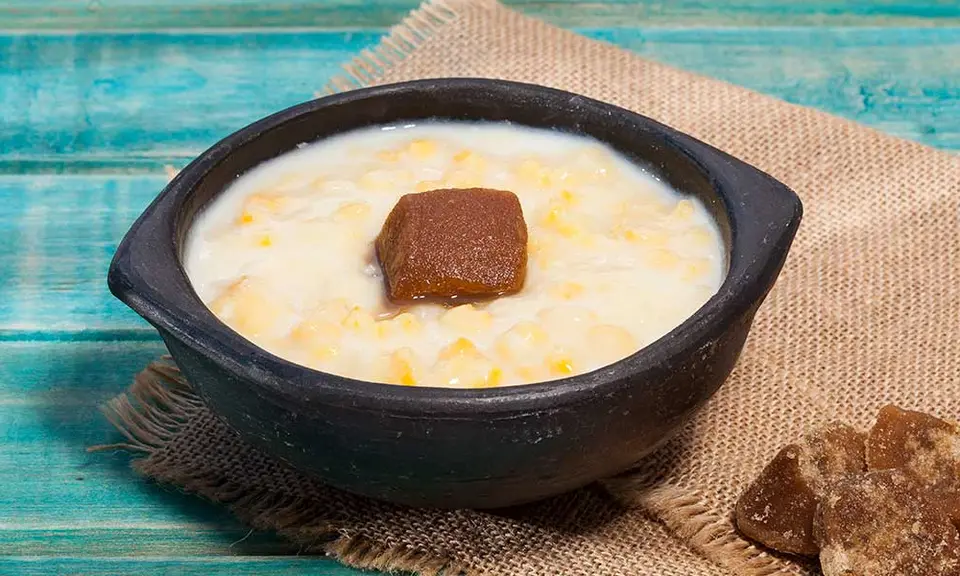
Less well known outside the city, mazamorra is the oldest ancestor — a cold white soup made with almonds, bread, garlic, and oil, no tomatoes. It predates the Columbian Exchange and gives a sense of what cold soup looked like in Córdoba before the 16th century. Try it alongside gazpacho to trace the lineage.
When to order it
Gazpacho is at its best from May to September, when Andalusian tomatoes have actual flavour. Off-season versions, made with greenhouse tomatoes, are noticeably flatter. Ask your server what's in it — a good kitchen will know exactly where the tomatoes came from.
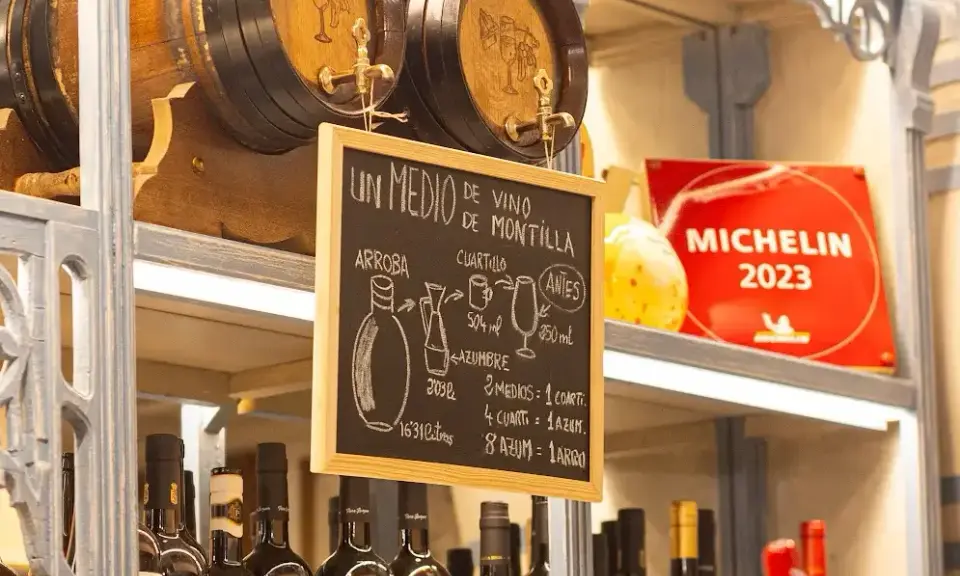
For wine, a chilled fino or manzanilla sherry cuts through the olive oil cleanly. A crisp Andalusian white works too. Skip anything oaky or tannic.
Where to drink it in Córdoba
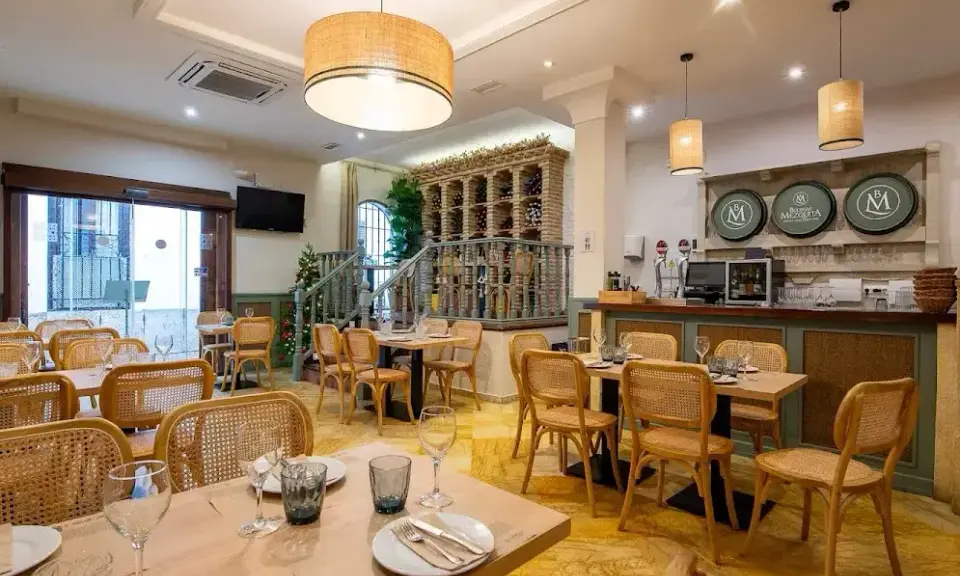
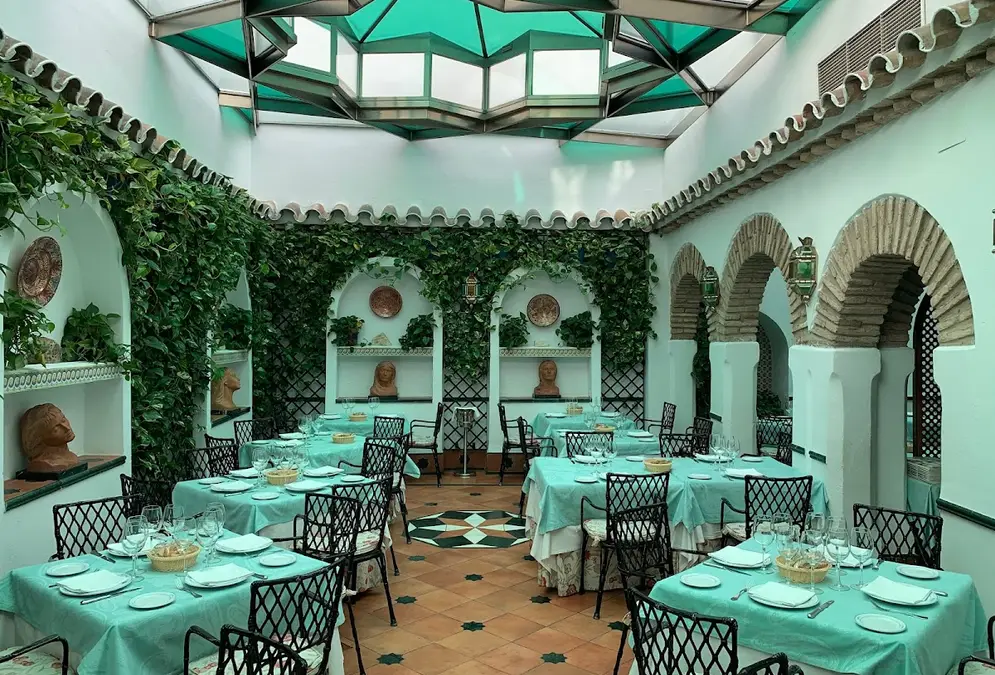
Practically every traditional restaurant in the city serves gazpacho in summer. Places like Taberna Salinas, Bodegas Campos, El Churrasco, and Casa Pepe de la Judería all do solid versions with proper seasonal tomatoes. At the high end, Noor occasionally reworks it with contemporary technique while keeping the spirit intact.
If you want to make sense of the full Córdoba table — gazpacho, salmorejo, mazamorra and everything that comes after — the food tour puts it in context.