Seneca the Elder
c. 54 BCE–39 CE
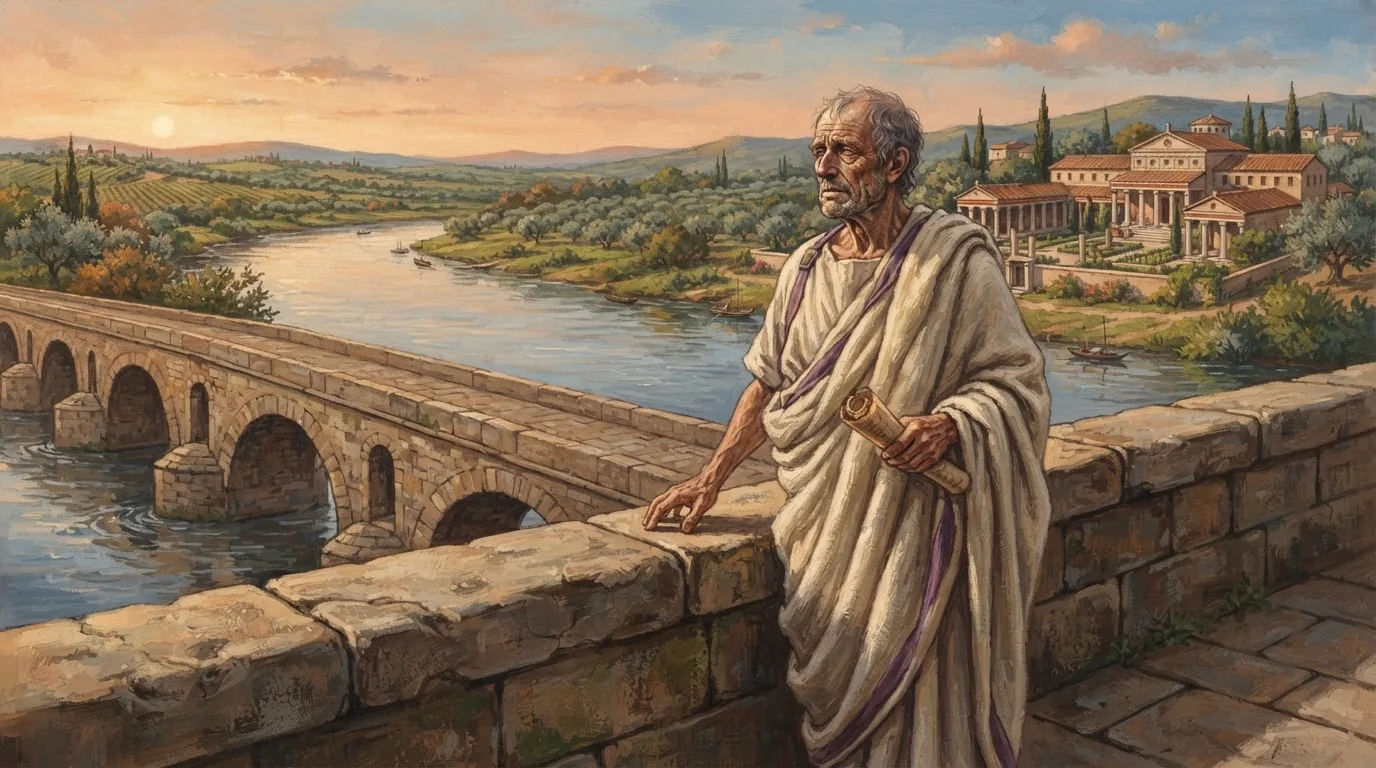
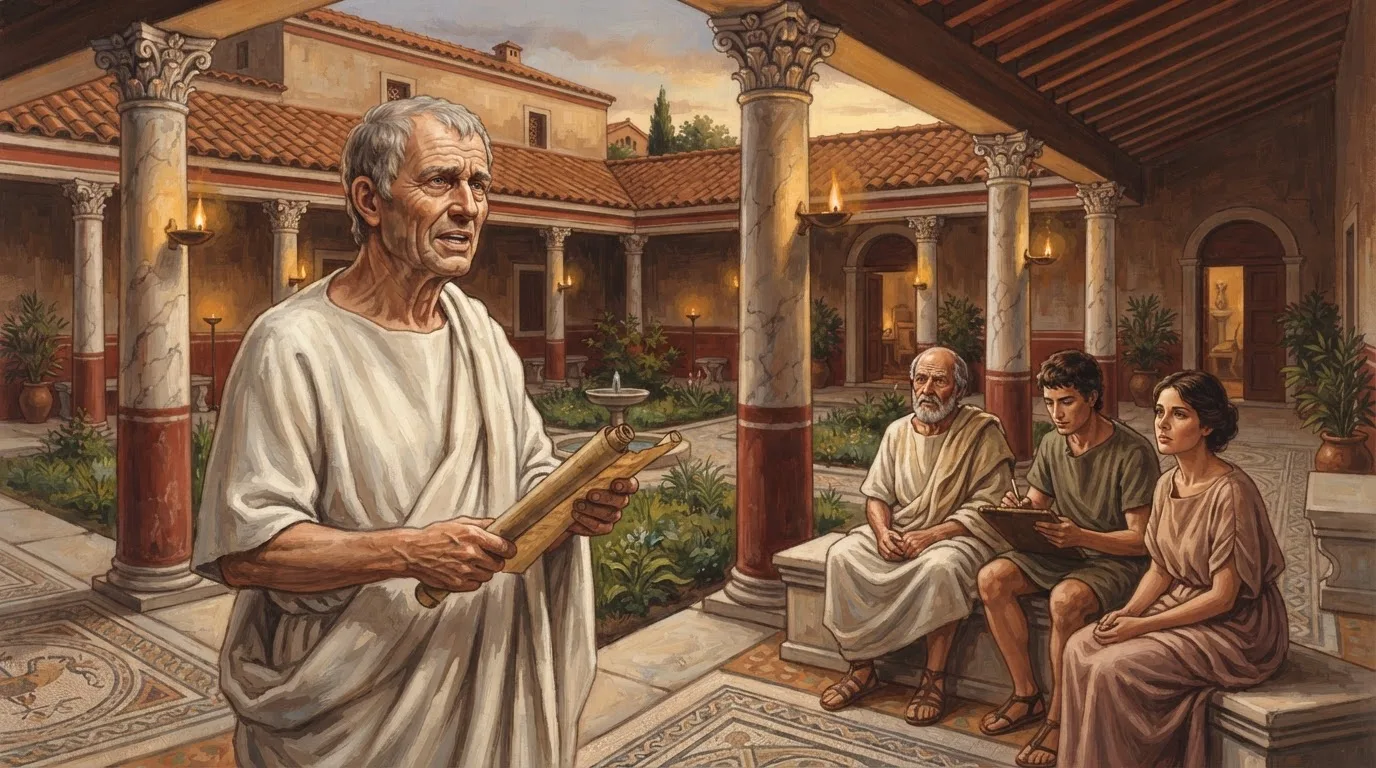
Seneca the Elder, born in Roman Corduba c. 54 BC, recorded Rome's rhetoric schools and fathered Seneca the Younger. His life, surviving works and family.
Rulers, scholars, poets and saints, grouped by the era they lived in.
c. 54 BCE–39 CE
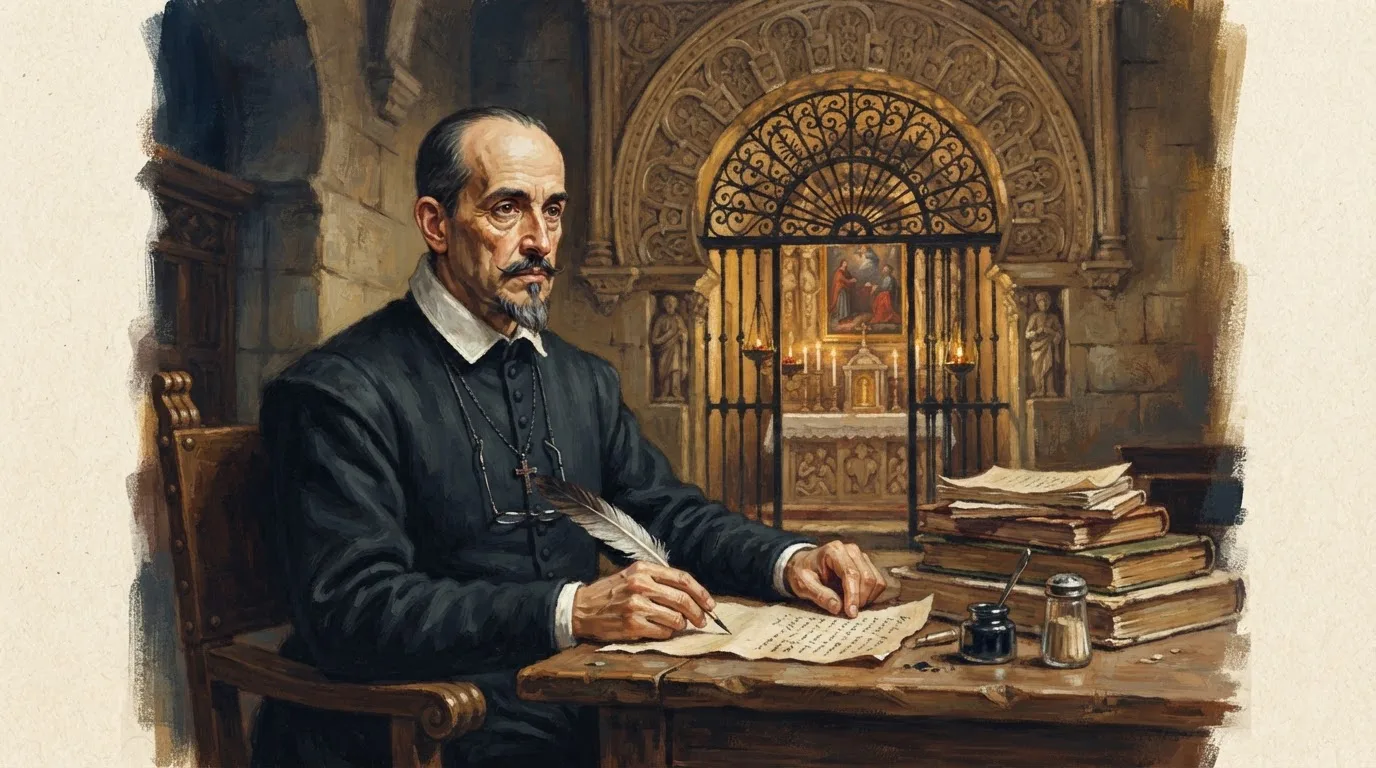
Seneca the Elder, born in Roman Corduba c. 54 BC, recorded Rome's rhetoric schools and fathered Seneca the Younger. His life, surviving works and family.
c. 4 BCE–65 CE
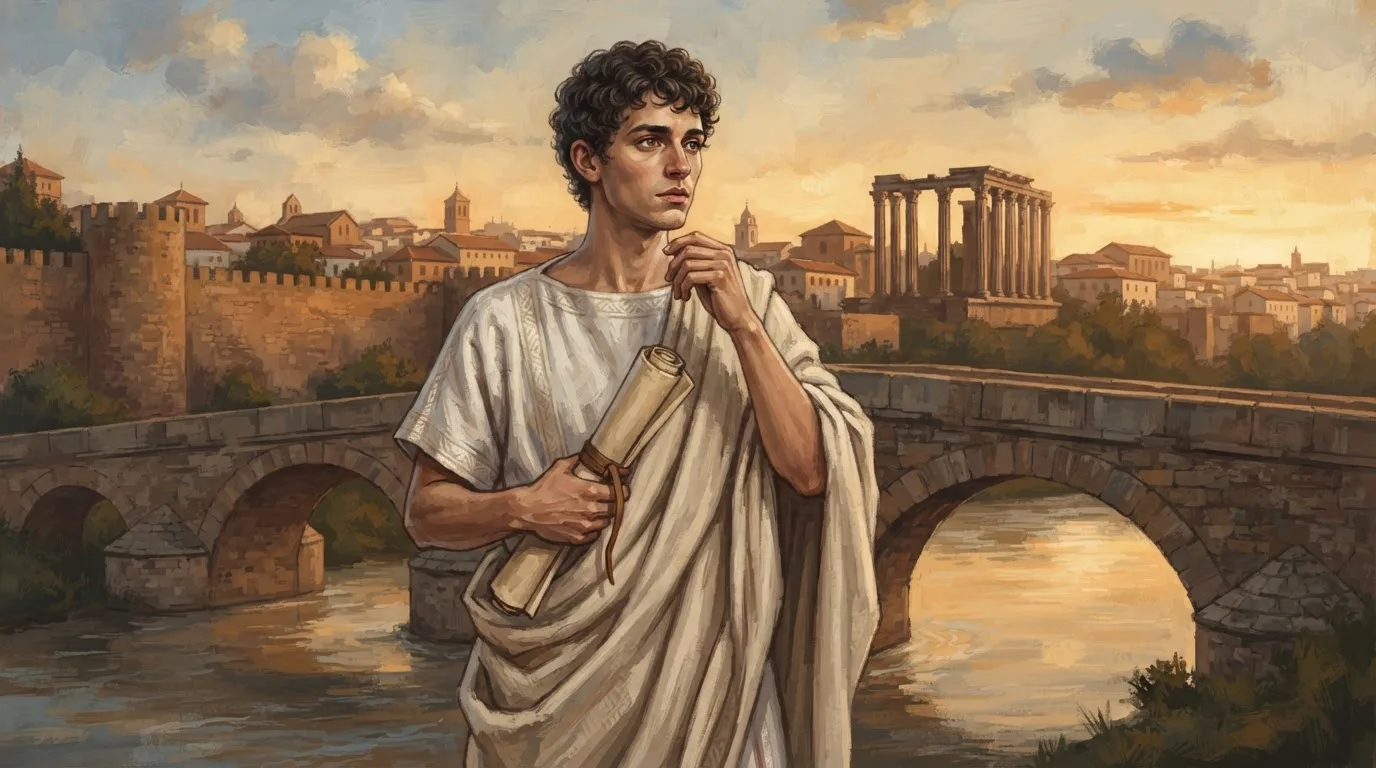
Seneca the Younger, Stoic philosopher and tutor to Nero, was born in Roman Corduba around 4 BC. Who he was, and where to find his trace in Córdoba today.
39–65
Lucan was born in Roman Corduba in AD 39 and was forced to die at 25 under Nero. Who the Pharsalia poet was, his family, and where to trace Roman Córdoba today.
731–788
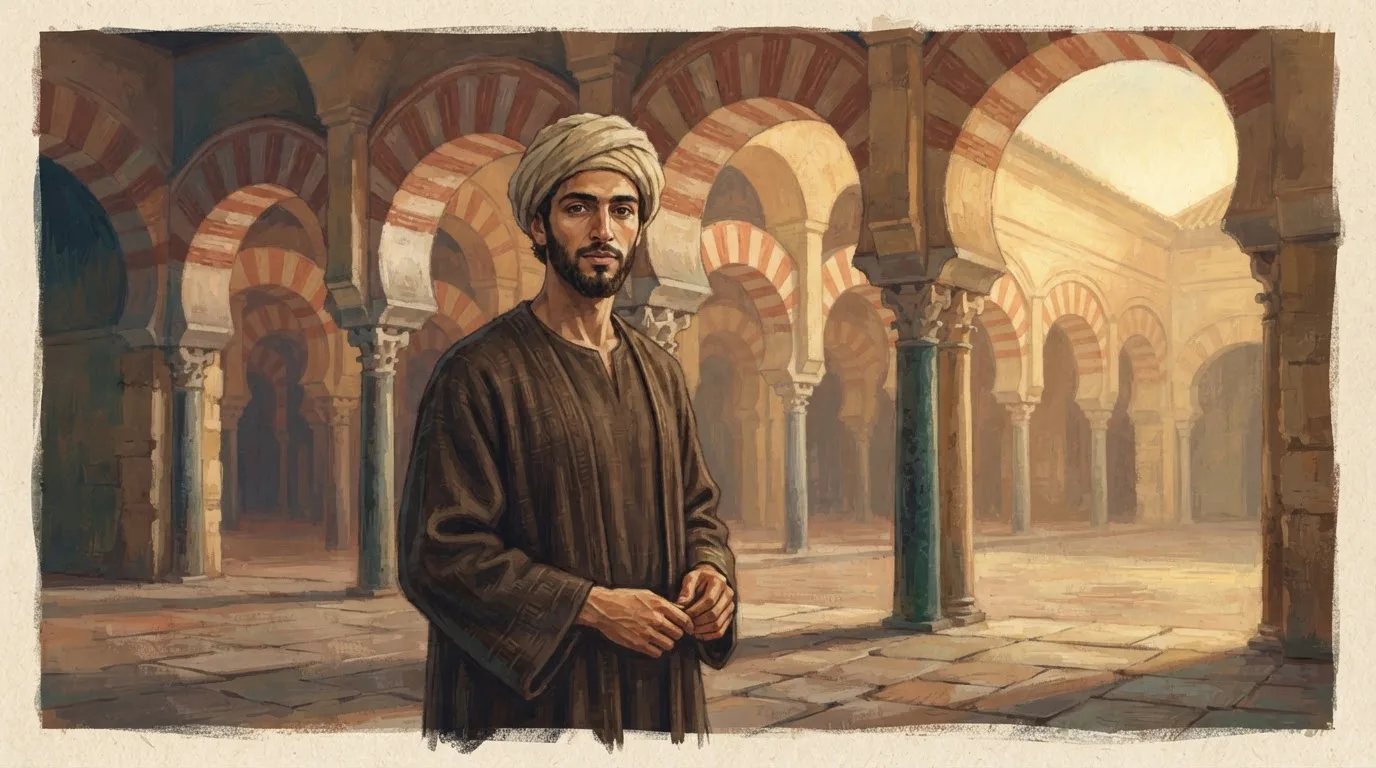
Abd al-Rahman I (731-788) founded the Emirate of Córdoba in 756 and began the Great Mosque. Where his trace remains in Córdoba today, and where to read more.
c. 771–822
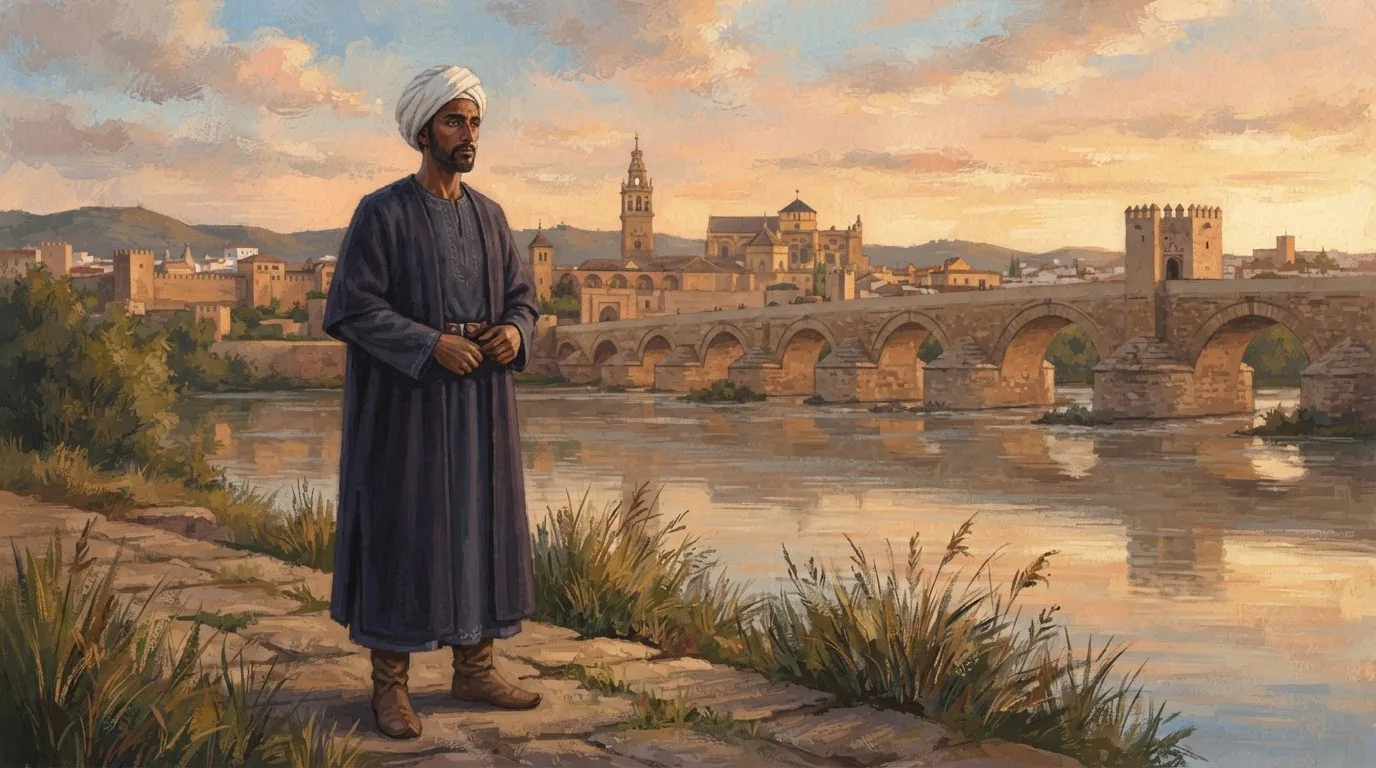
Al-Hakam I (c. 771-822), Umayyad emir of Córdoba from 796, crushed the 818 suburb revolt. See where his trace lies near the Roman Bridge and read his story.
c. 790–857
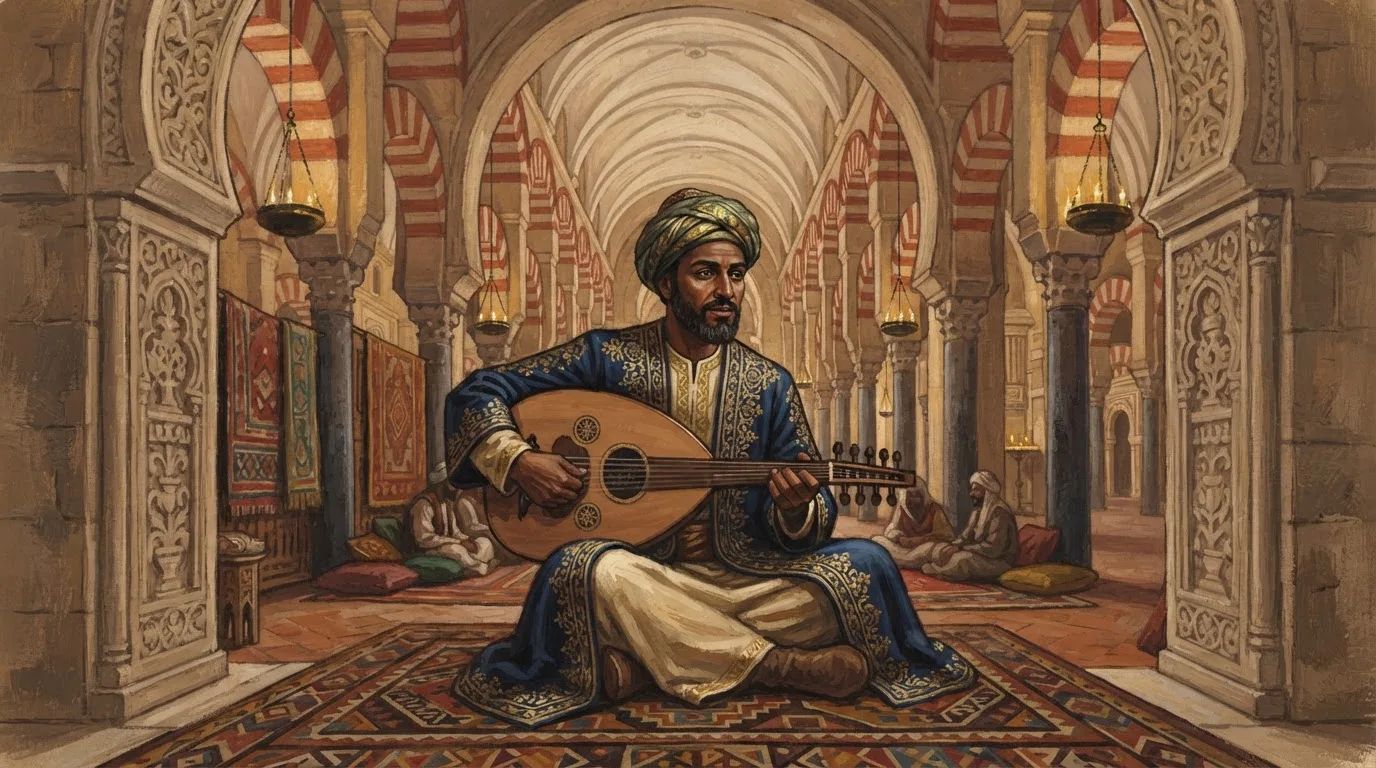
Ziryab (c. 790-857), the Baghdad-trained court musician who settled in Córdoba in 822. Who he was, and the places and reading where his trace survives today.
792–852
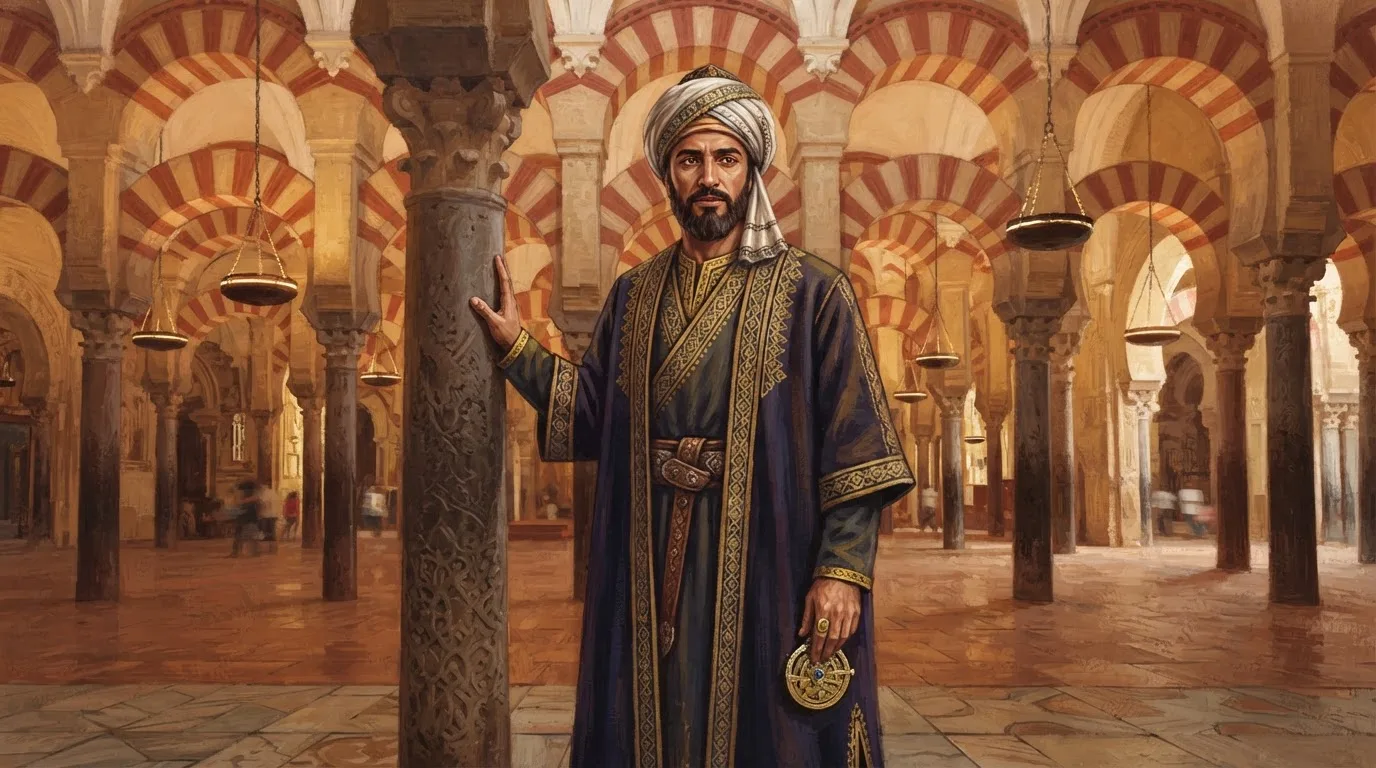
Abd al-Rahman II (792-852), emir of Córdoba from 822, expanded the Mezquita and patronised the arts. Where his traces still survive in the city today.
c. 810–887
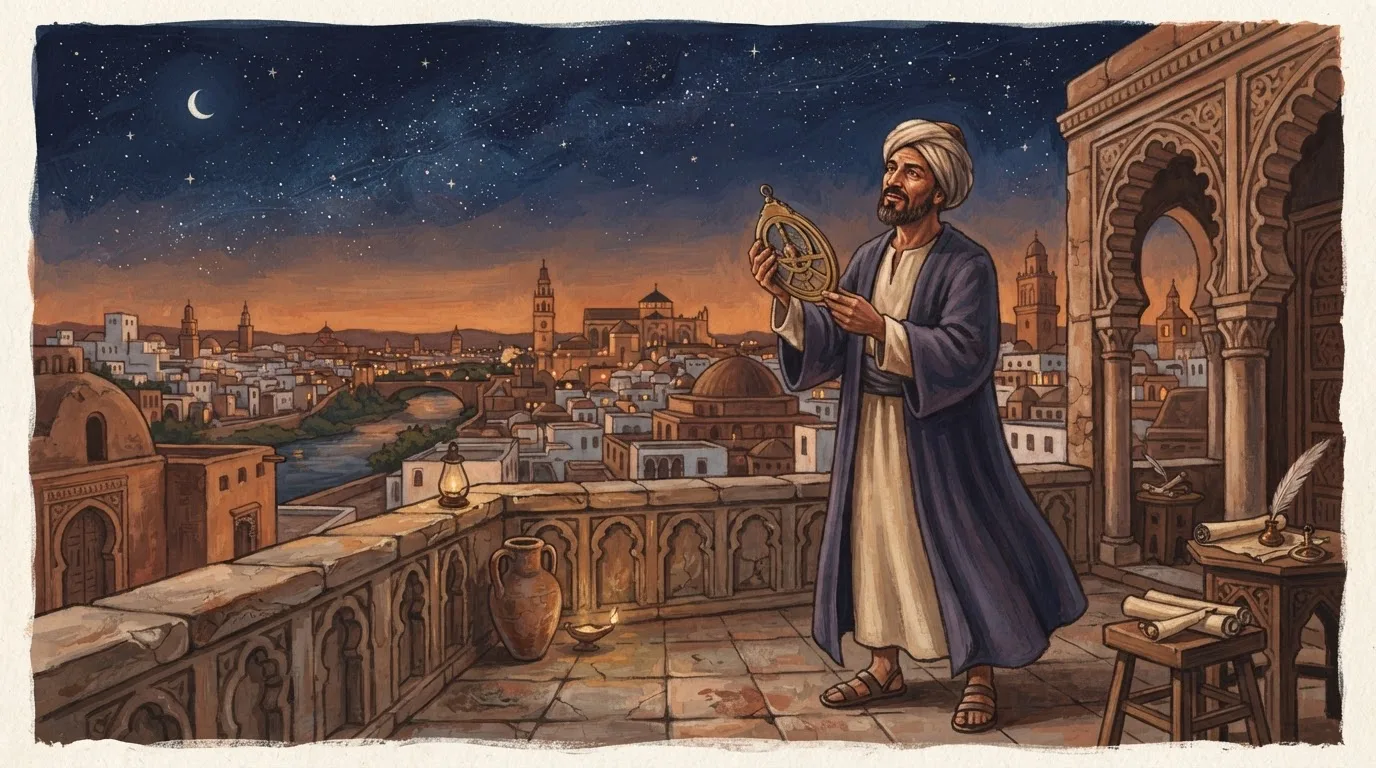
Ibn Firnas (c. 810–887), Andalusi polymath and court scholar of Córdoba. Cross the bridge that bears his name and read the full story of his flight legend.
c. 890–961
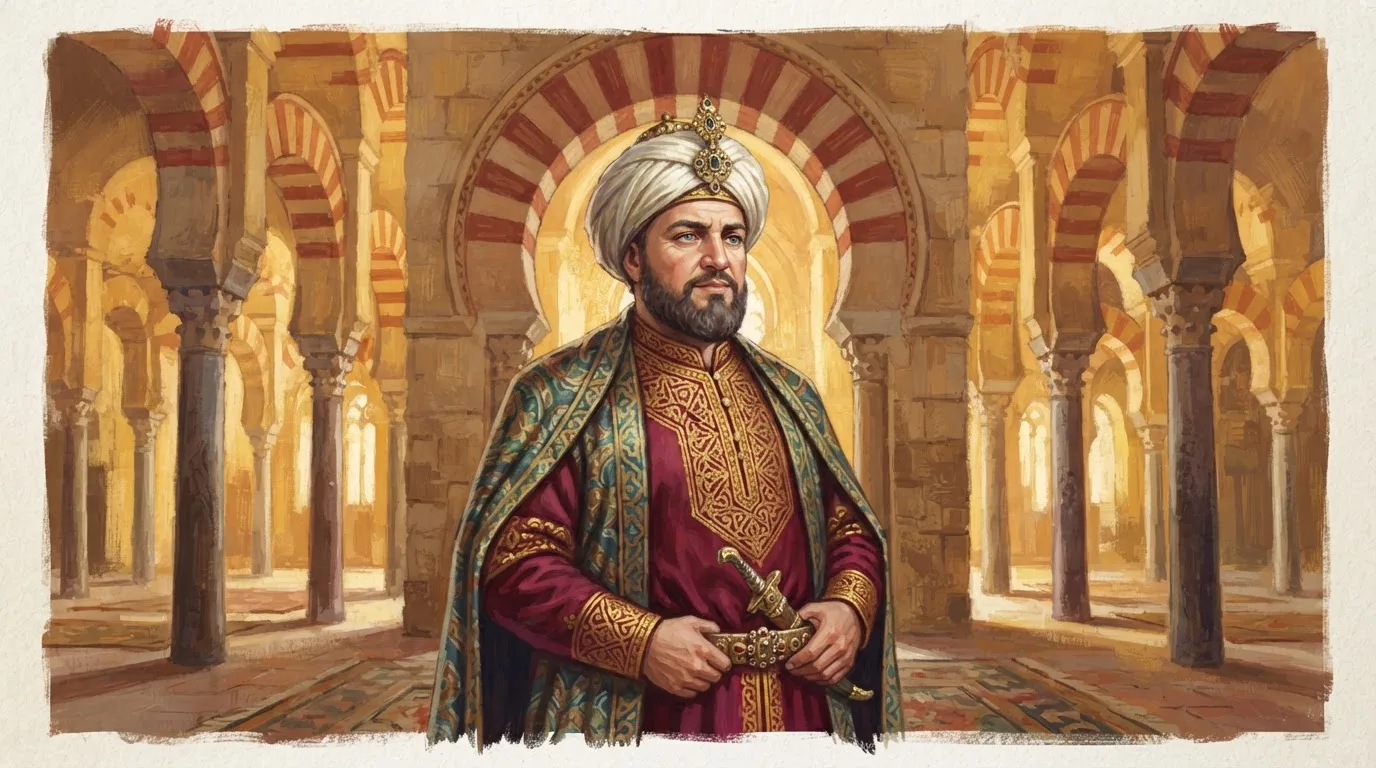
Abd al-Rahman III (890-961), caliph of Córdoba, had Medina Azahara built and enlarged the Great Mosque. See where his trace survives and read his full story.
915–976
Al-Hakam II (915-976), caliph of Córdoba from 961, expanded the Great Mosque and its mihrab. See where his trace survives in the city and read his full story.
c. 915–970
Hasdai ibn Shaprut (c. 915-970) was physician and diplomat to Córdoba's caliphs. Visit the Judería and the Jewish sites that hold the city's later story.
c. 936–1013
Al-Zahrawi (Abulcasis, c. 936–1013), Córdoba surgeon and author of the Kitab al-Tasrif. Find his trace at the Medina Azahara ruins and read the full story.
c. 938–1002
Almanzor (c. 938-1002) ruled Córdoba as chamberlain under a puppet caliph. See what remains of his eastern extension of the Mezquita and read his story.
c. 940–999
Subh (c. 940-c. 999) was the Navarrese-born concubine who became regent of Córdoba. Find where her trace lingers, from Medina Azahara to Madrid's ivory casket.
c. 950–1007
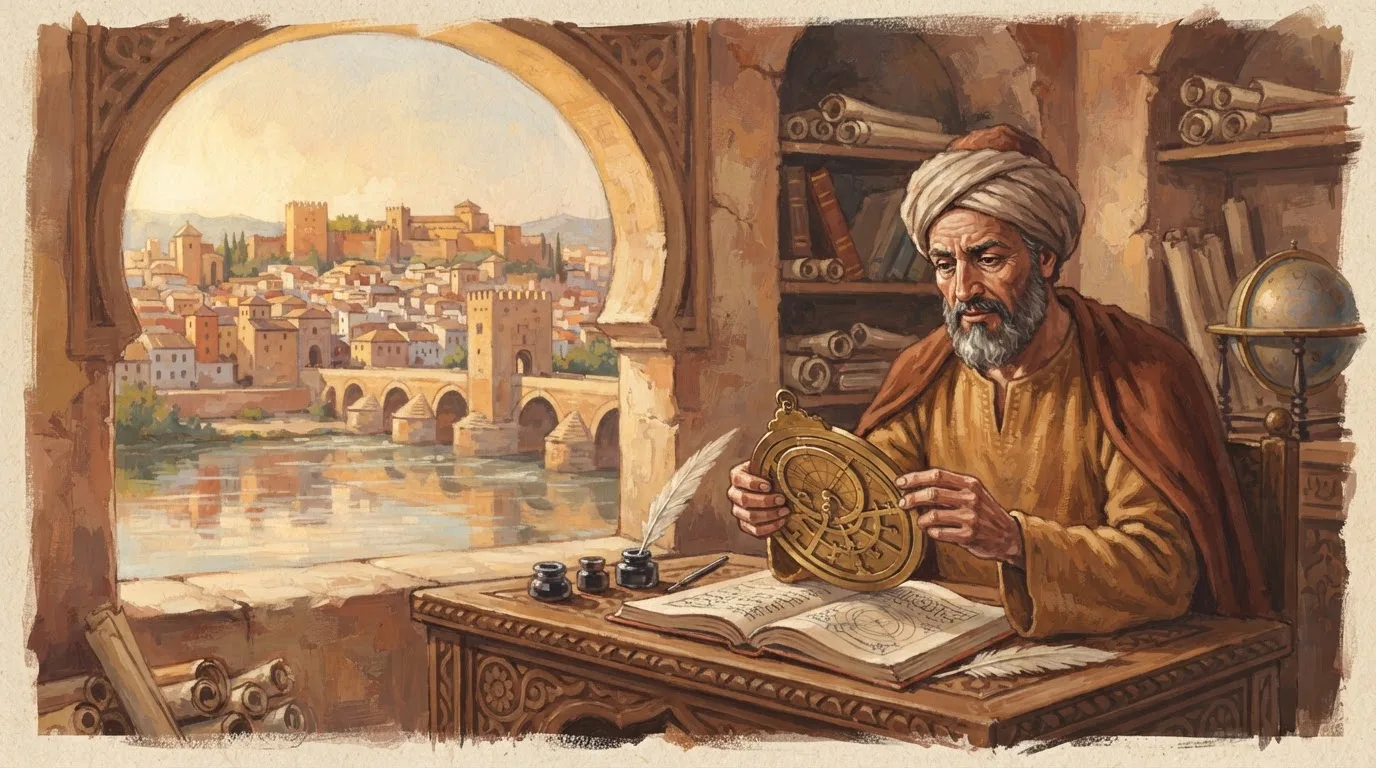
Maslama al-Majriti (c. 950–1007), the Madrid-born astronomer who worked in Córdoba under al-Hakam II. Follow his trace through Córdoba and read the full story.
c. 966–1013
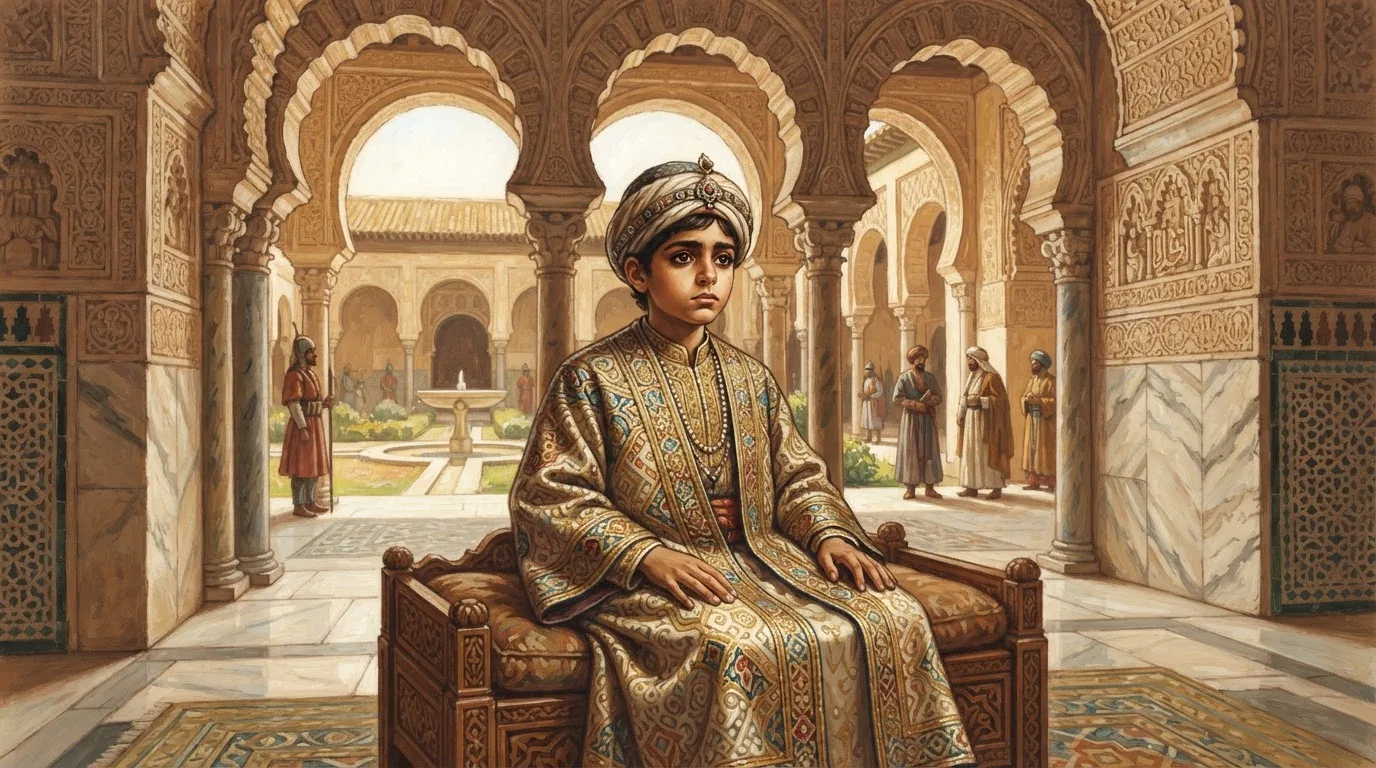
Hisham II (966-1013), caliph of Córdoba at ten, ruled as a figurehead under Almanzor. See what Medina Azahara still shows of his reign and read his story.
d. 977
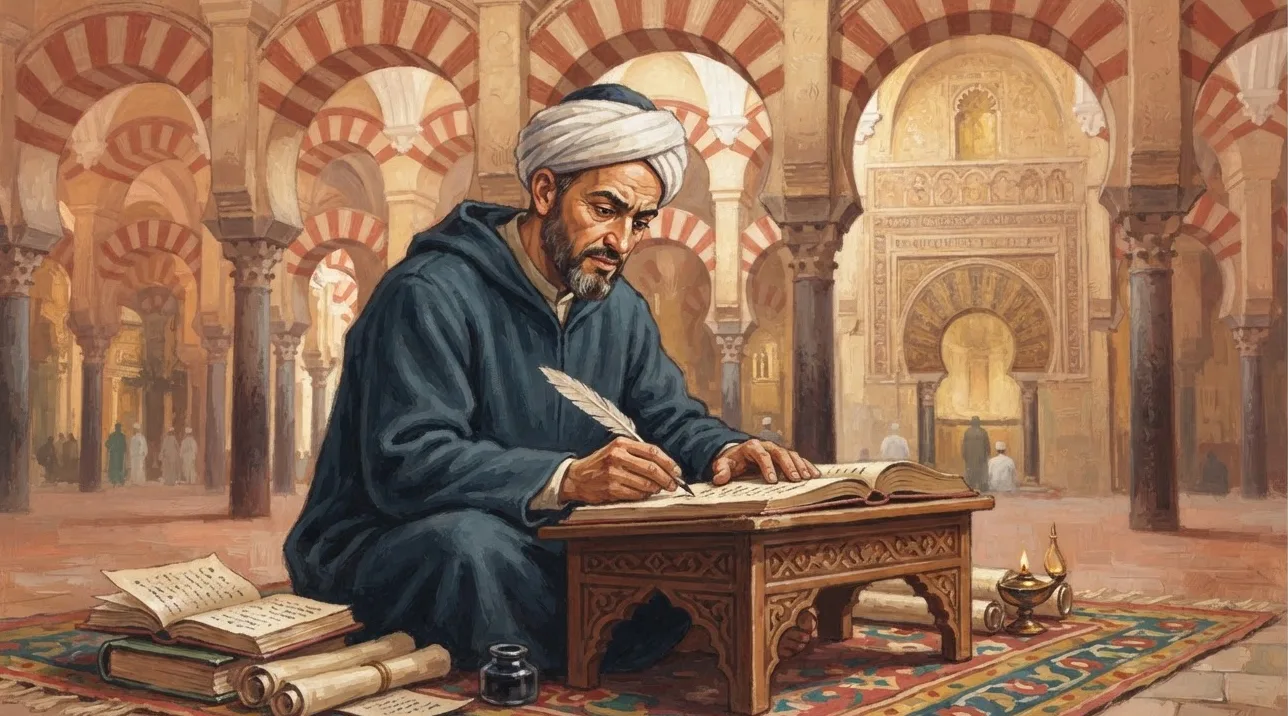
Ibn al-Qutiyya (d. 977) was a Córdoba philologist and historian under al-Hakam II. Visit the Mezquita-Catedral, where he taught, and trace his legacy today.
d. c. 984
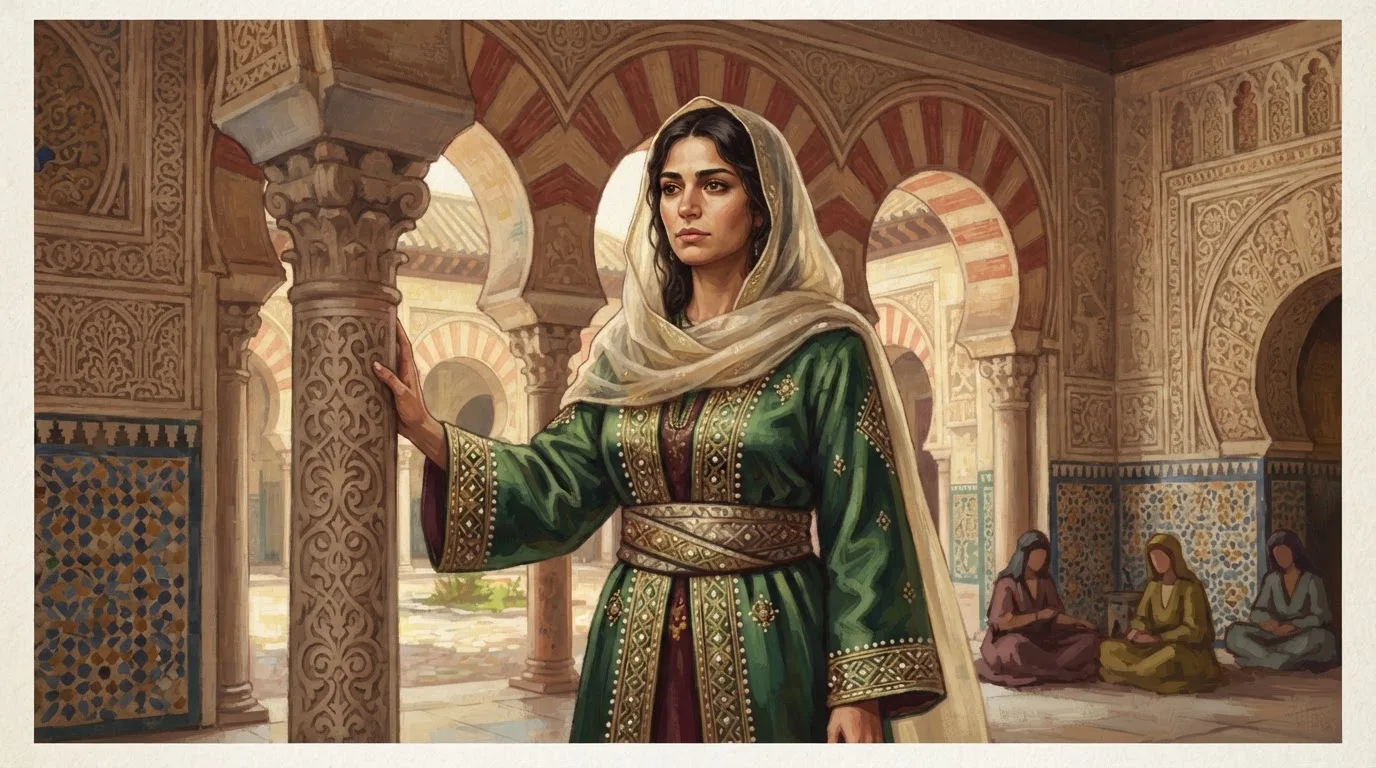
Lubna of Córdoba (d. c. 984) was a freed slave who became al-Hakam II's secretary and library scholar. Trace her at Medina Azahara and a street in her name.
994–1064
Ibn Hazm (994–1064), Córdoba-born jurist, philosopher and author of The Ring of the Dove. Visit his statue at the Seville Gate and read the full story.
c. 1001–1091
Wallada bint al-Mustakfi (d. 1091) was a Córdoba poet and caliph's daughter. Trace her at the lovers' monument by the Alcázar de los Reyes Cristianos.
1003–1071
Ibn Zaydun (1003–1071), Córdoba-born poet of al-Andalus, and the Monument to the Lovers where his romance with Wallada is remembered. Read the full story.
1126–1198
Averroes (Ibn Rushd) was born in Córdoba in 1126, served as its qadi and wrote on Aristotle. See the statue on Calle Cairuán and where to read his full story.
c. 1138–1204
Maimonides (Moses ben Maimon) was born in Córdoba c. 1138 and died in Cairo in 1204. Find his statue in the Judería and the best place to read his full story.
c. 1201–1252
Ferdinand III of Castile took Córdoba in 1236 and turned its mosque into a cathedral. His life and the churches and monuments that still carry his trace.
c. 1451–1506
Christopher Columbus (1451-1506) waited in Córdoba for the Catholic Monarchs' verdict. See the Alcázar gardens where a sculpted group of him still stands.
1451–1504
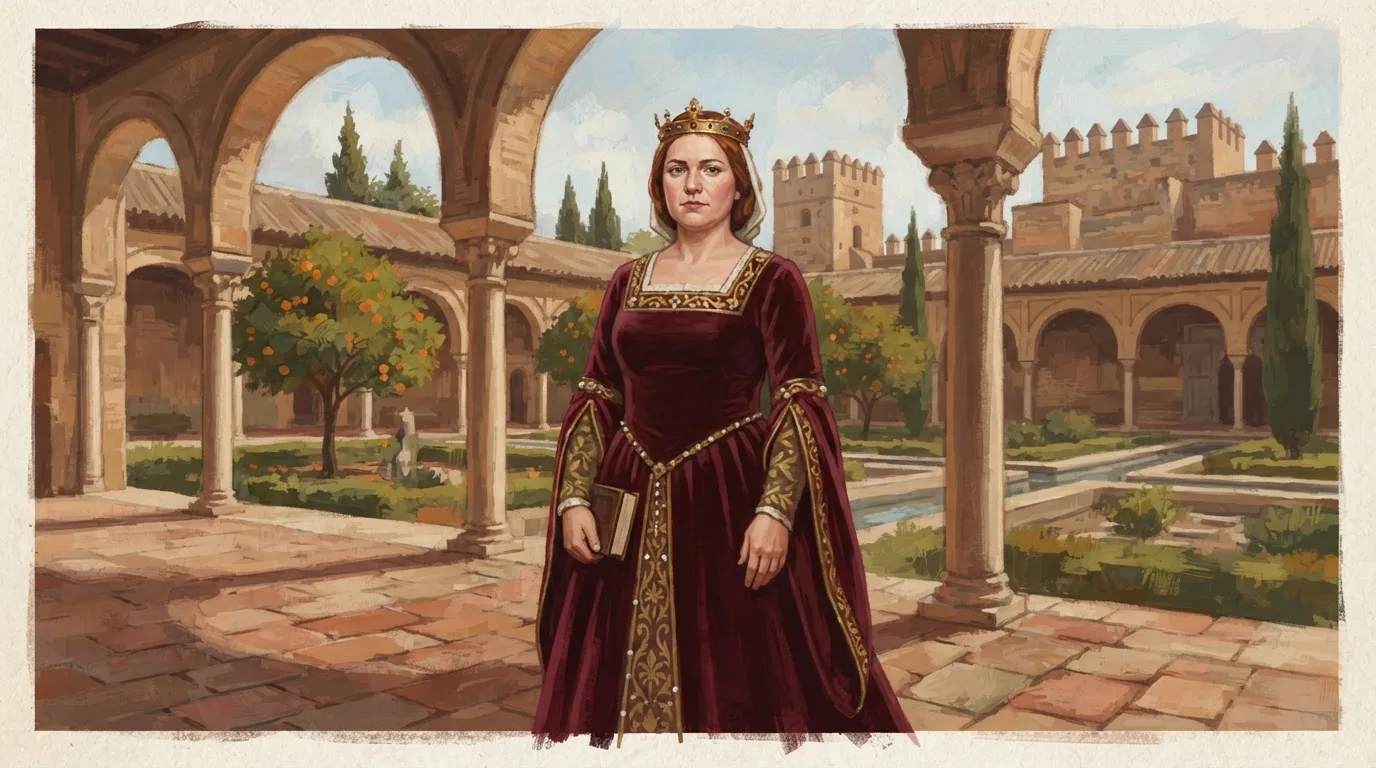
Isabella I of Castile ruled with Ferdinand as a Catholic Monarch and governed from Córdoba's Alcázar, where Columbus sought her backing. Her trace in the city.
1500–1558
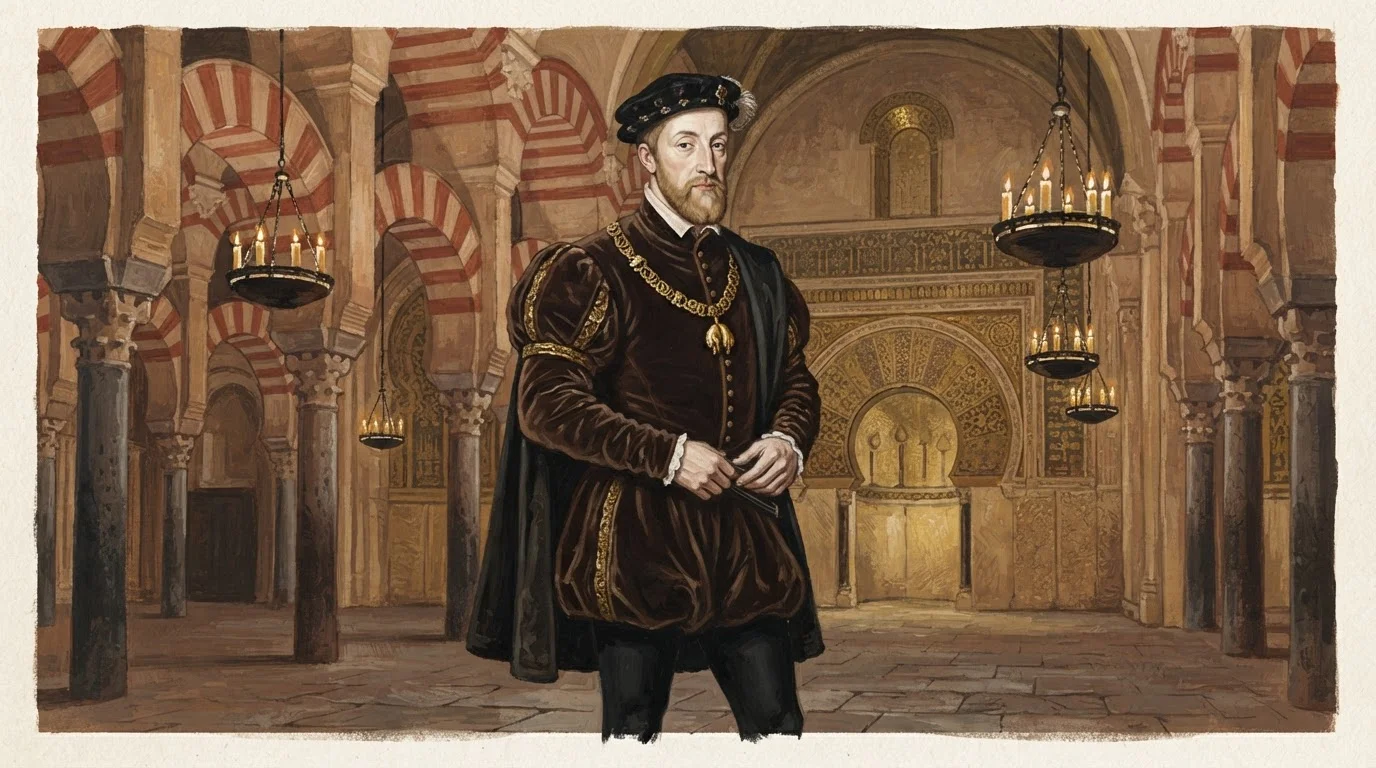
Charles V (1500-1558), Holy Roman Emperor, whose permission let a Renaissance nave rise in Córdoba's Mezquita (work began 1523). See where his trace remains.
d. 1534
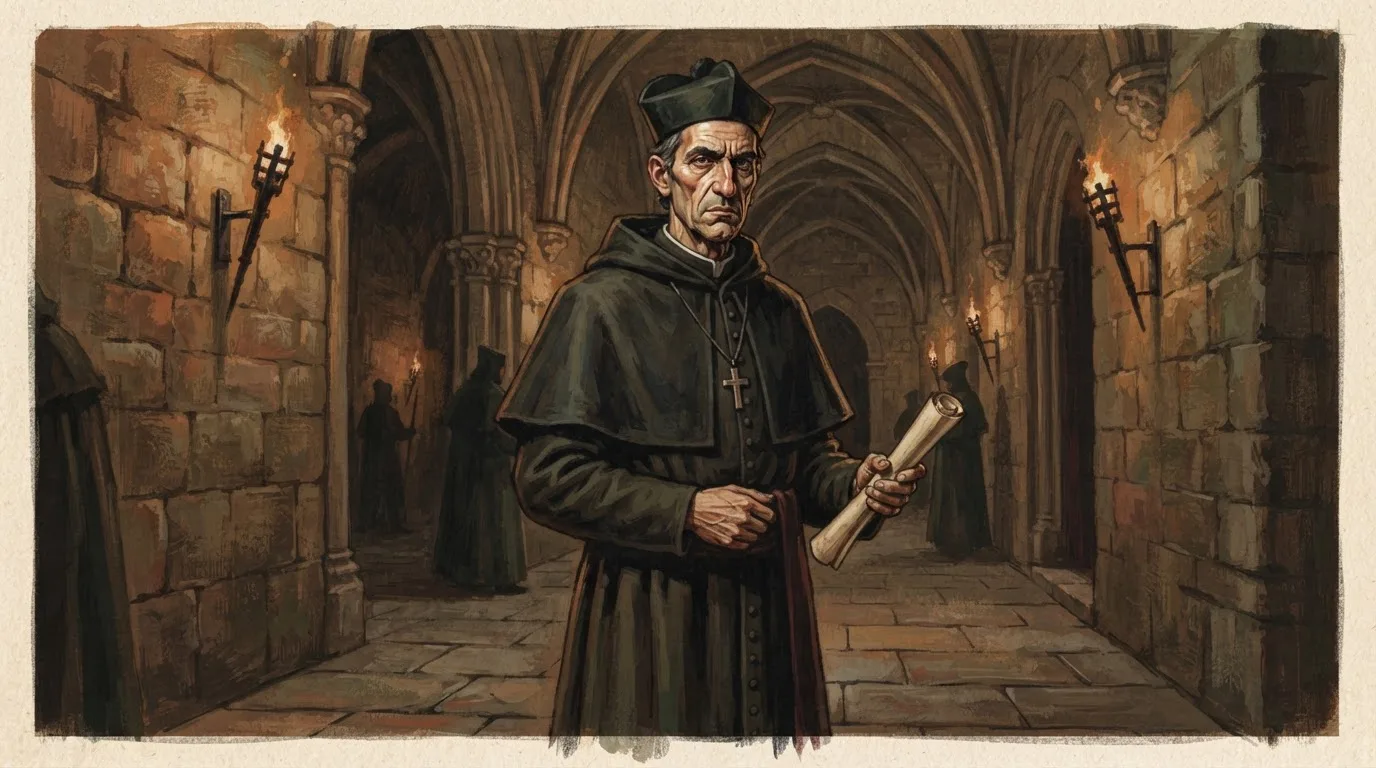
Diego Rodríguez Lucero (d. 1534), inquisitor of Córdoba from 1499, fled a stormed Alcázar in 1506. See where his trace remains and read the full story.
1561–1627
Luis de Góngora, the Baroque poet born in Córdoba in 1561 and buried in the Mezquita-Catedral. Who he was and where to find his trace in Córdoba today.
1874–1930
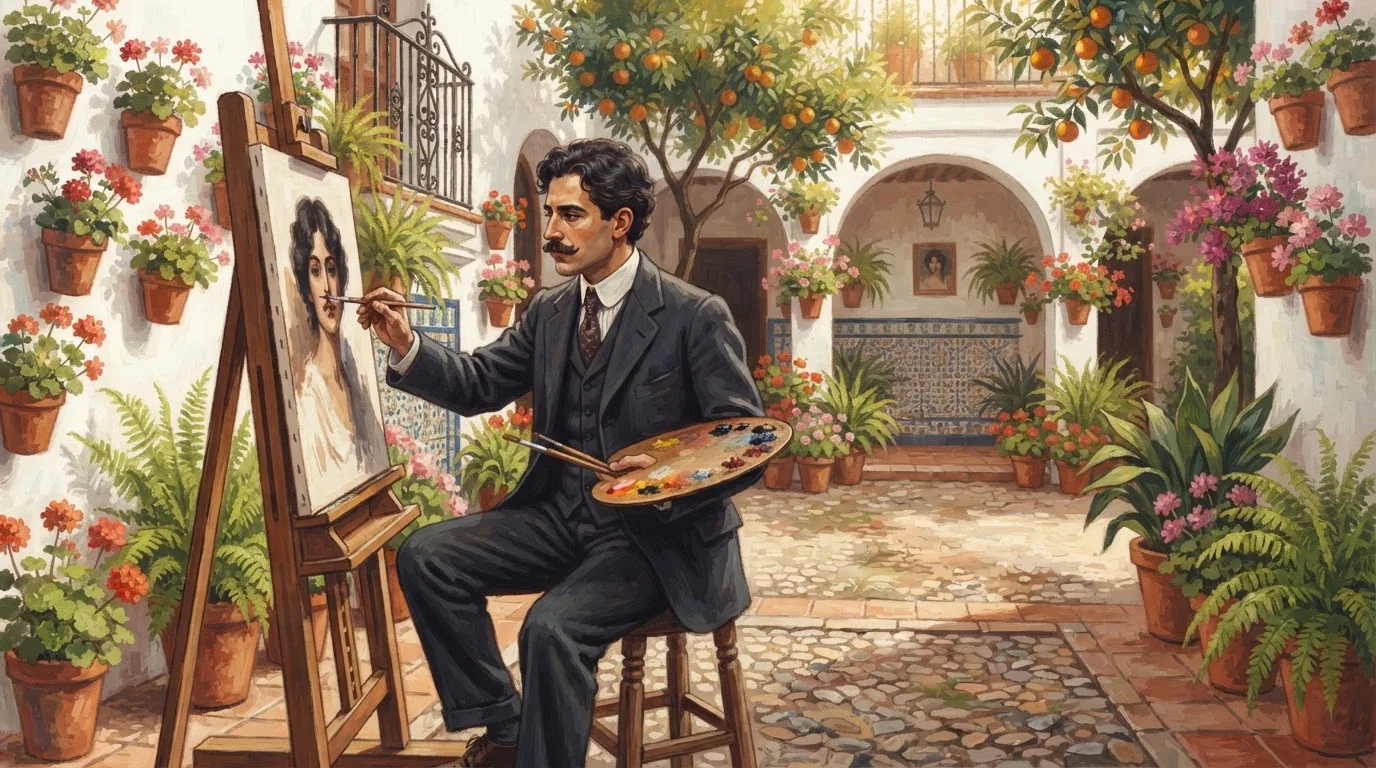
Julio Romero de Torres (1874-1930) was a painter born in Córdoba. Who he was, and where to find his museum facing the Fine Arts Museum his father directed.
1917–1947
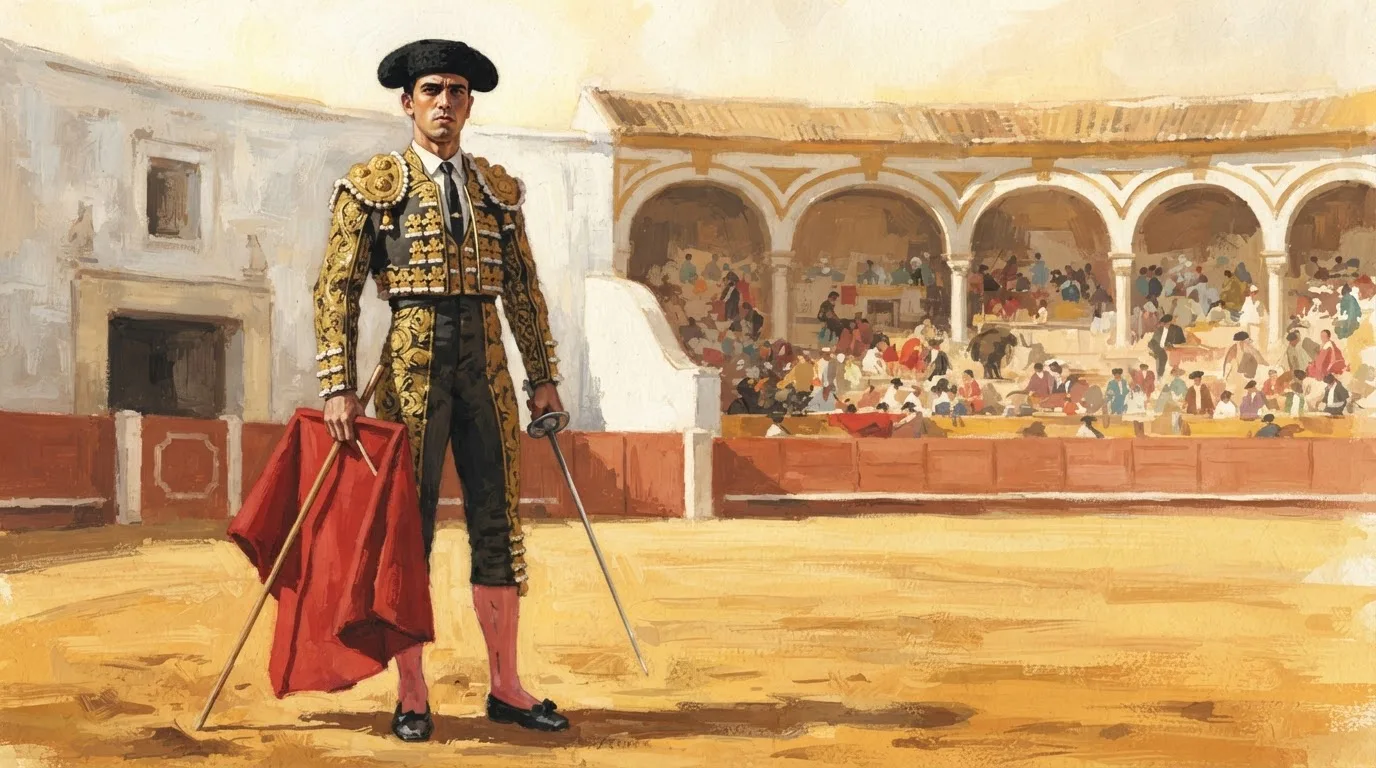
Manolete (1917-1947) was the Córdoba bullfighter fatally gored in Linares at 30. Who he was, and where his trace survives in Córdoba: museum, bust and grave.