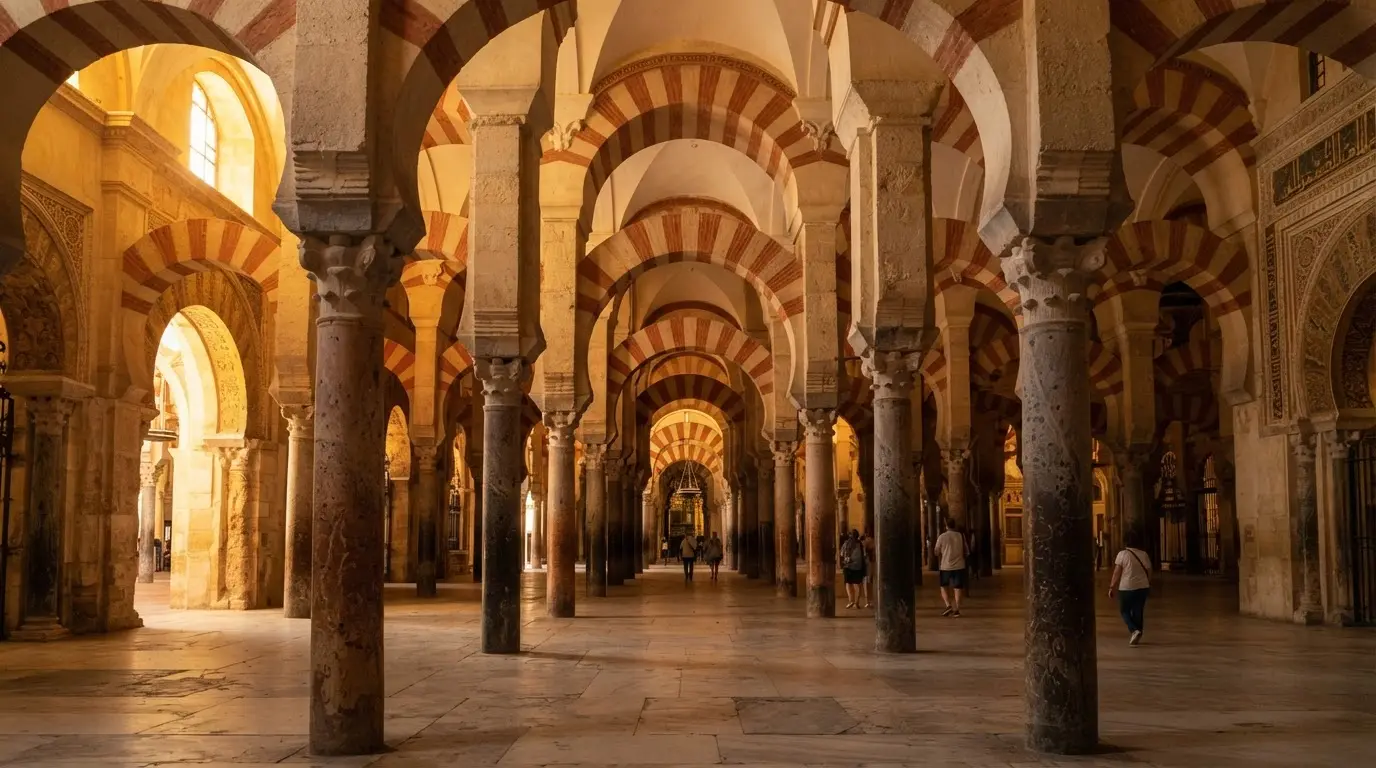
Abd al-Rahman III: The Morning Córdoba Became a Caliphate
Abd al-Rahman III was the first Caliph of Córdoba, declared on January 16, 929, ruling Córdoba for 49 years and starting work on Medina Azahara in 936 CE.
Read the full story
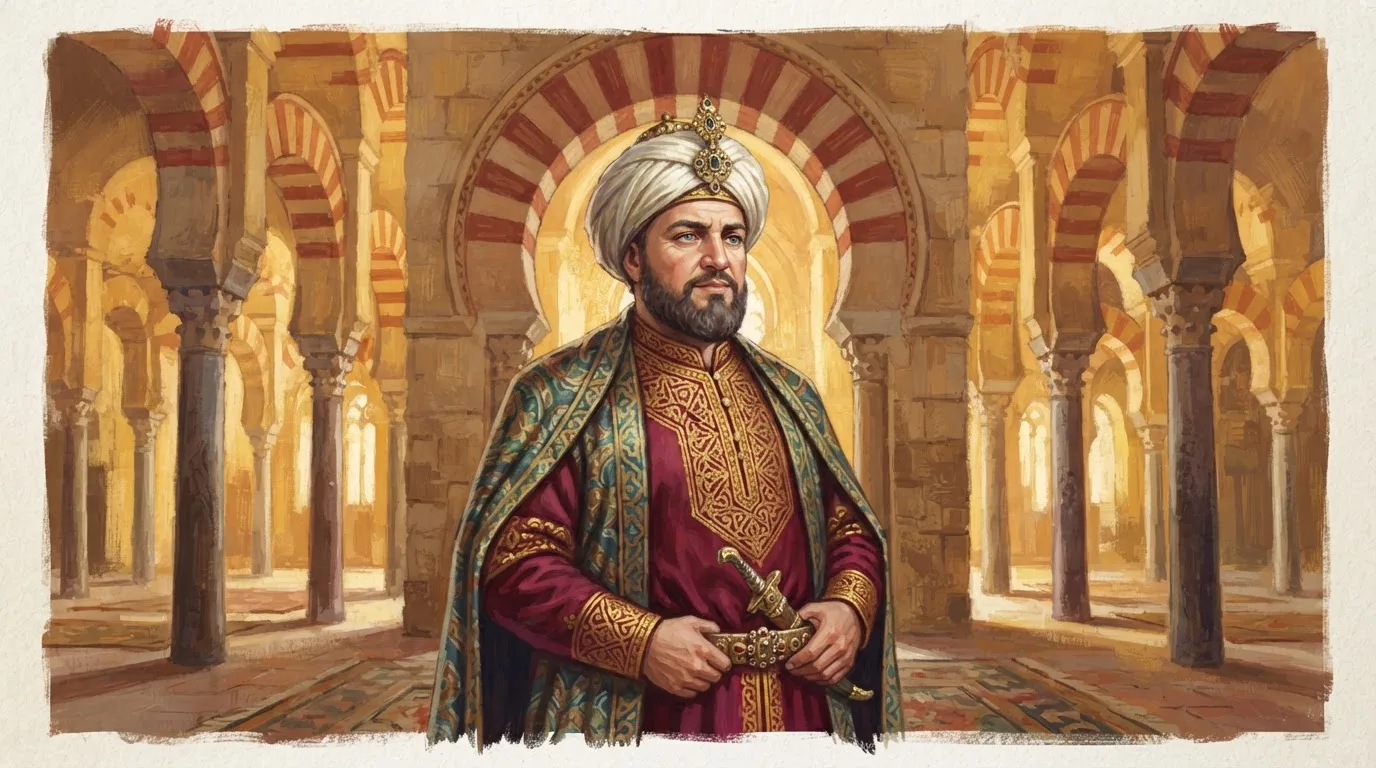
Abd al-Rahman III was born in Córdoba around 890 and died there in 961. He ruled the city as Umayyad emir from 912 and, from 929, as the first caliph of Córdoba, a reign that lasted until his death.
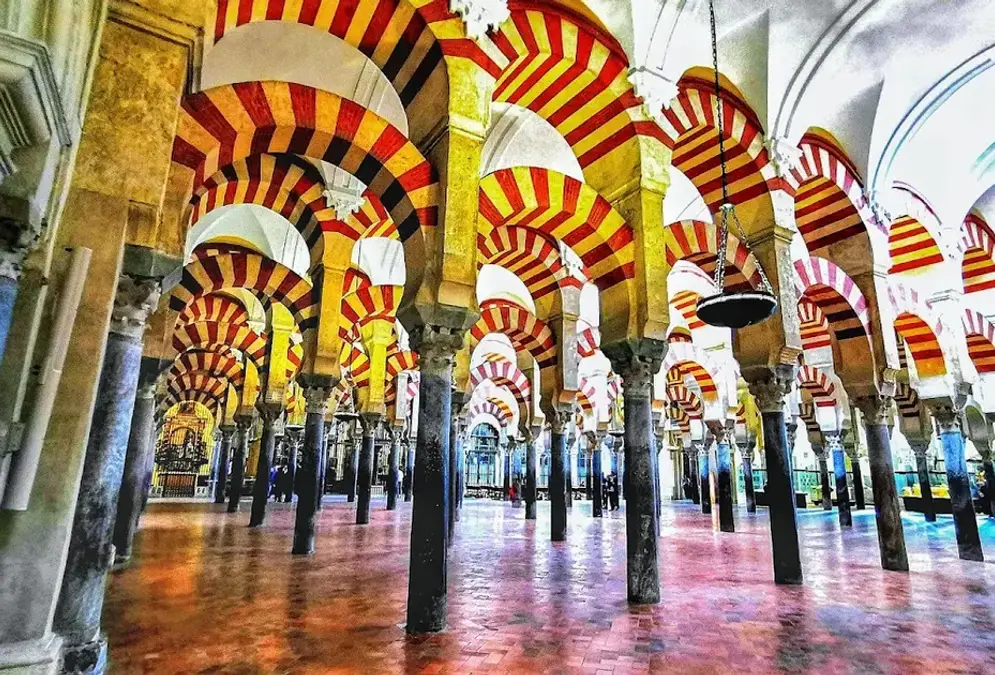
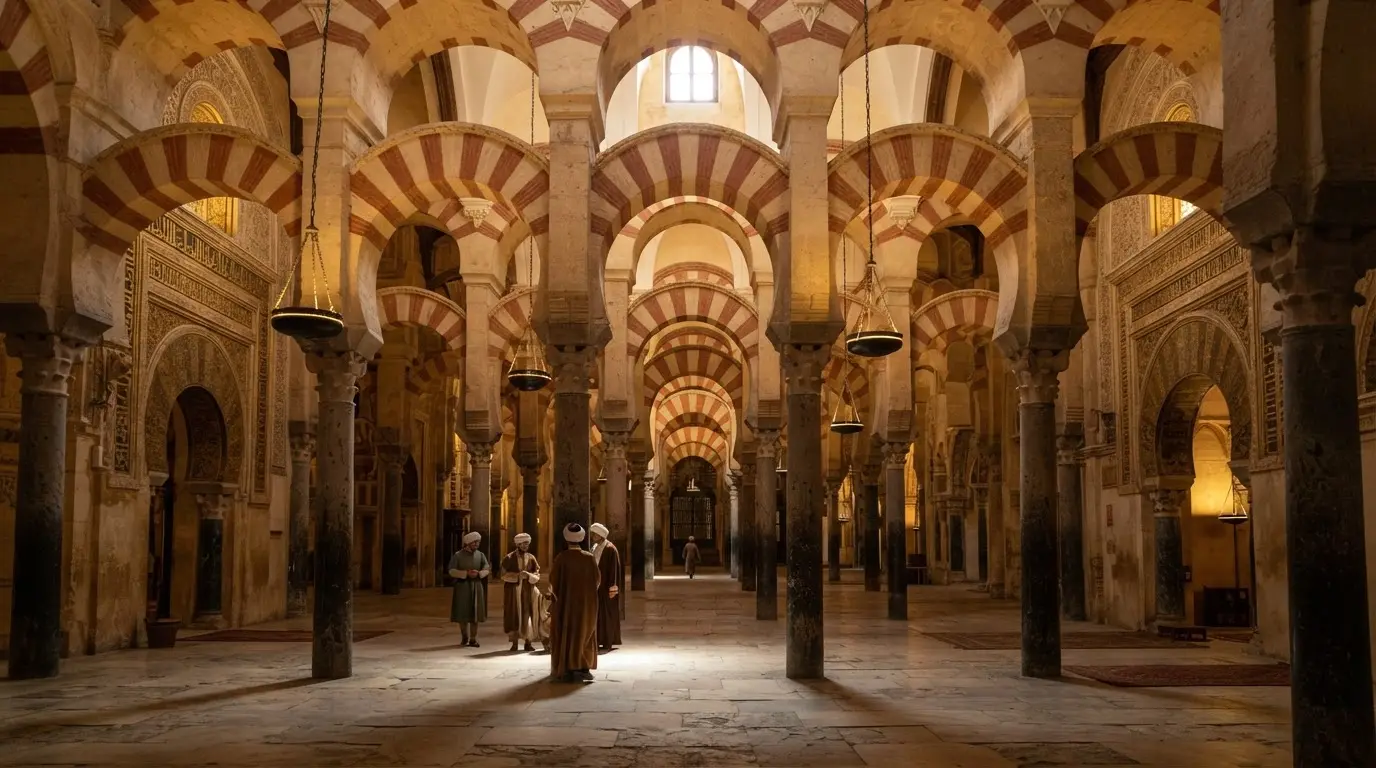
Two places carry his name more clearly than any others. The palace-city of Medina Azahara was built for him at the foot of the Sierra Morena, a short drive west of the centre. In the city itself, he reworked and enlarged the courtyard of the Great Mosque and built its first true minaret, so the Mezquita-Catedral holds his work in its courtyard and bell tower. One historian's account has him buried with his predecessors in the Alcázar; the Alcázar de los Reyes Cristianos is the nearest place to stand, though the identification is not certain.
For the dynasty's beginnings, read about Abd al-Rahman I. For the caliphate's declaration and the reign in full, read the full story.
929–1031
Abd al-Rahman III proclaimed the caliphate in 929, and Córdoba grew to an estimated 500,000 people. Medina Azahara was begun in 936, and the Mezquita was enlarged in 961 and 987.
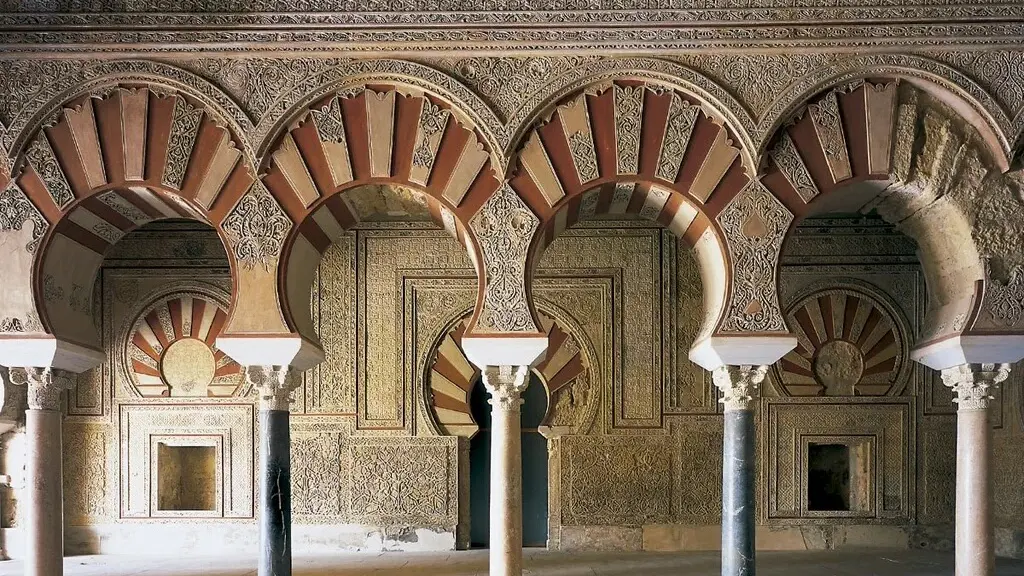
936 Monument
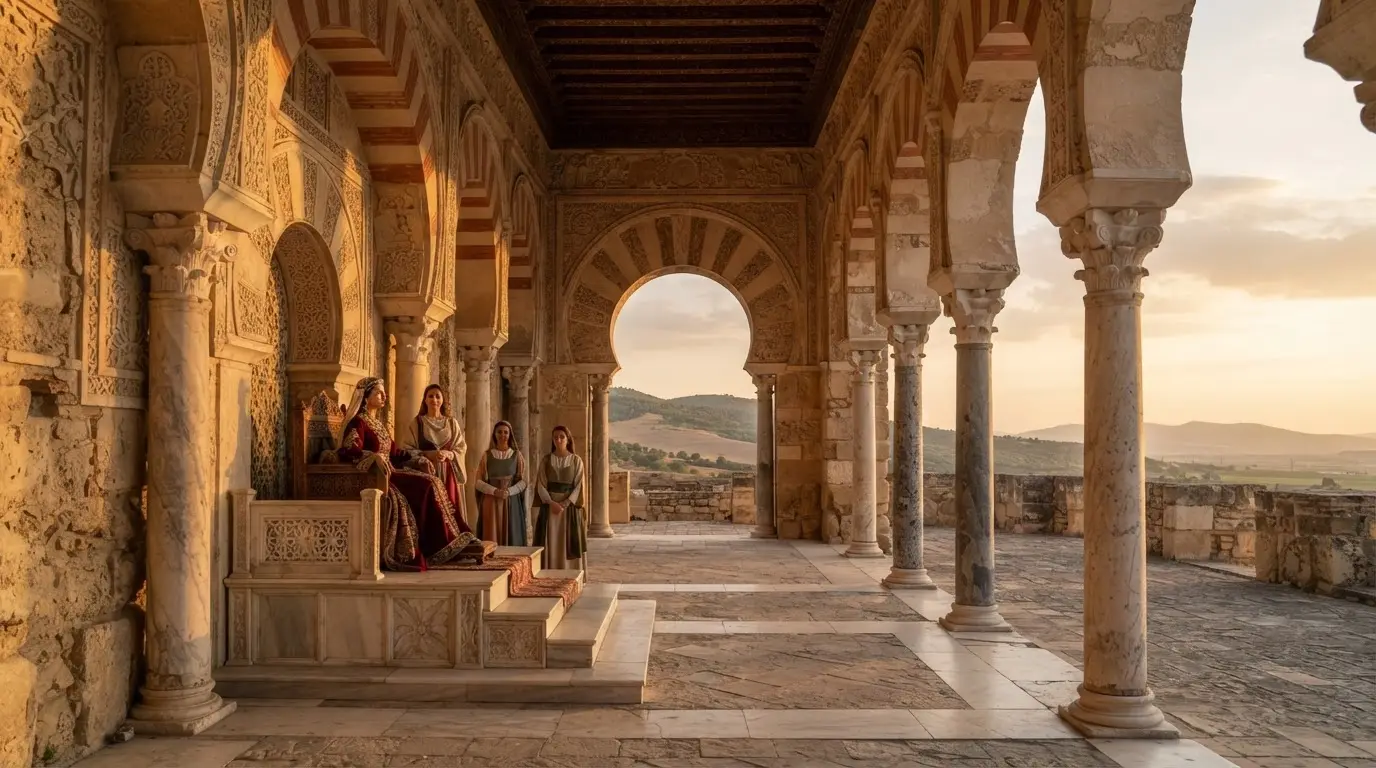
Medina Azahara is Córdoba's UNESCO listed Caliphate City: a 10th century palace 8 km from town, with the Salón Rico and award-winning museum. Plan your visit.
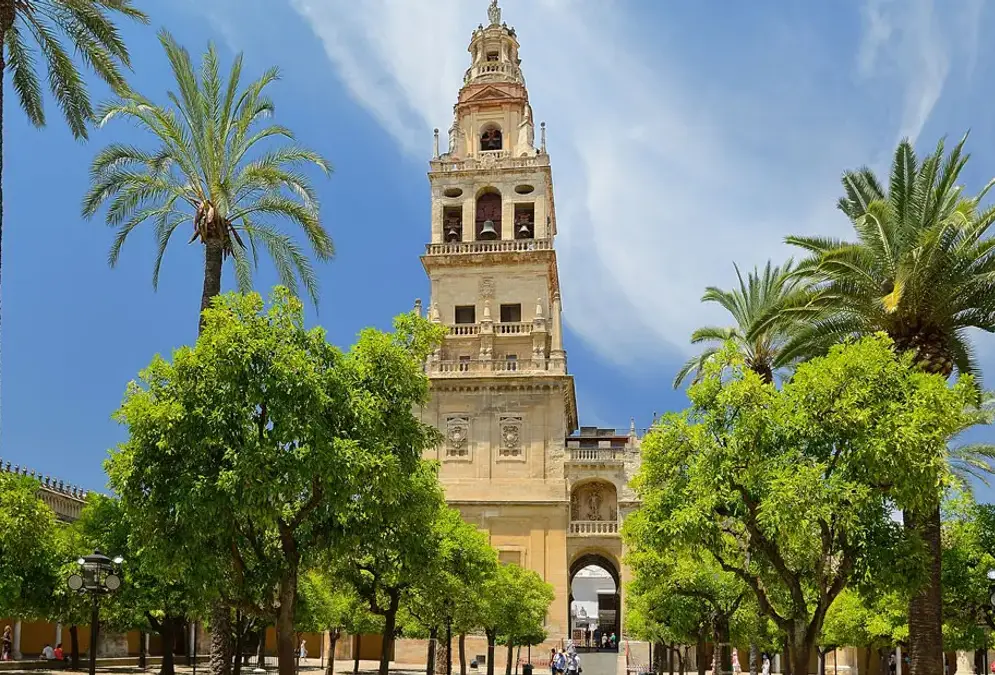
951–958 Monument
Climb 150 steps up the Mezquita-Catedral's 10th-century minaret-turned-bell-tower for 360-degree views over Córdoba's rooftops, Roman Bridge and Alcázar.
961–976 Monument
Underground 10th-century Islamic hammam beneath Córdoba's Campo Santo square, with star skylights, marble pillars and intact cold, warm and hot rooms.
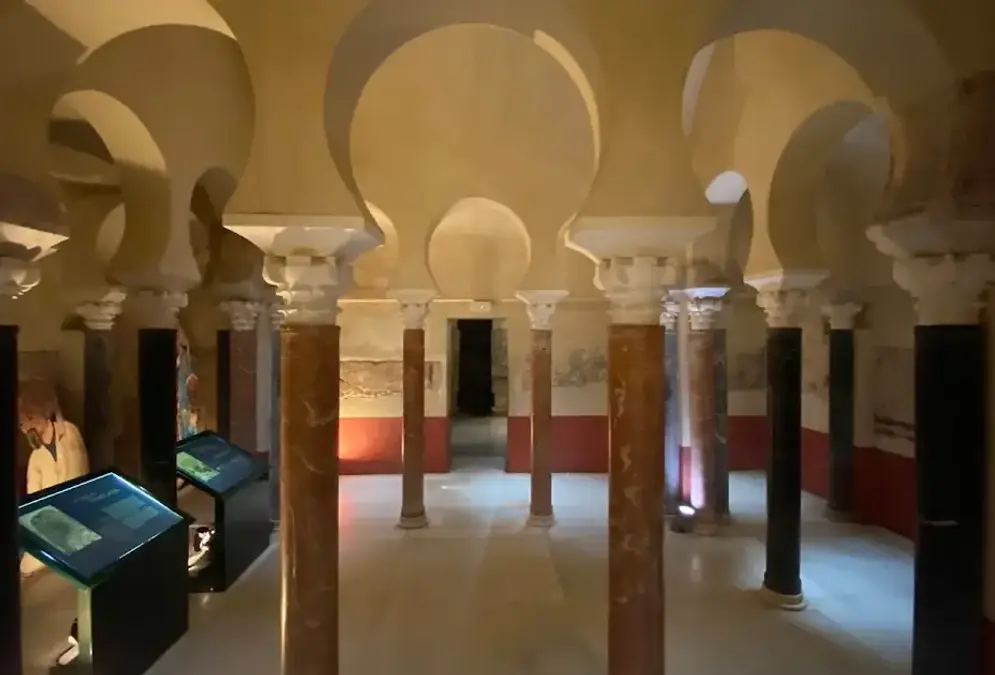
915–976 Historical figure
Al-Hakam II (915-976), caliph of Córdoba from 961, expanded the Great Mosque and its mihrab. See where his trace survives in the city and read his full story.
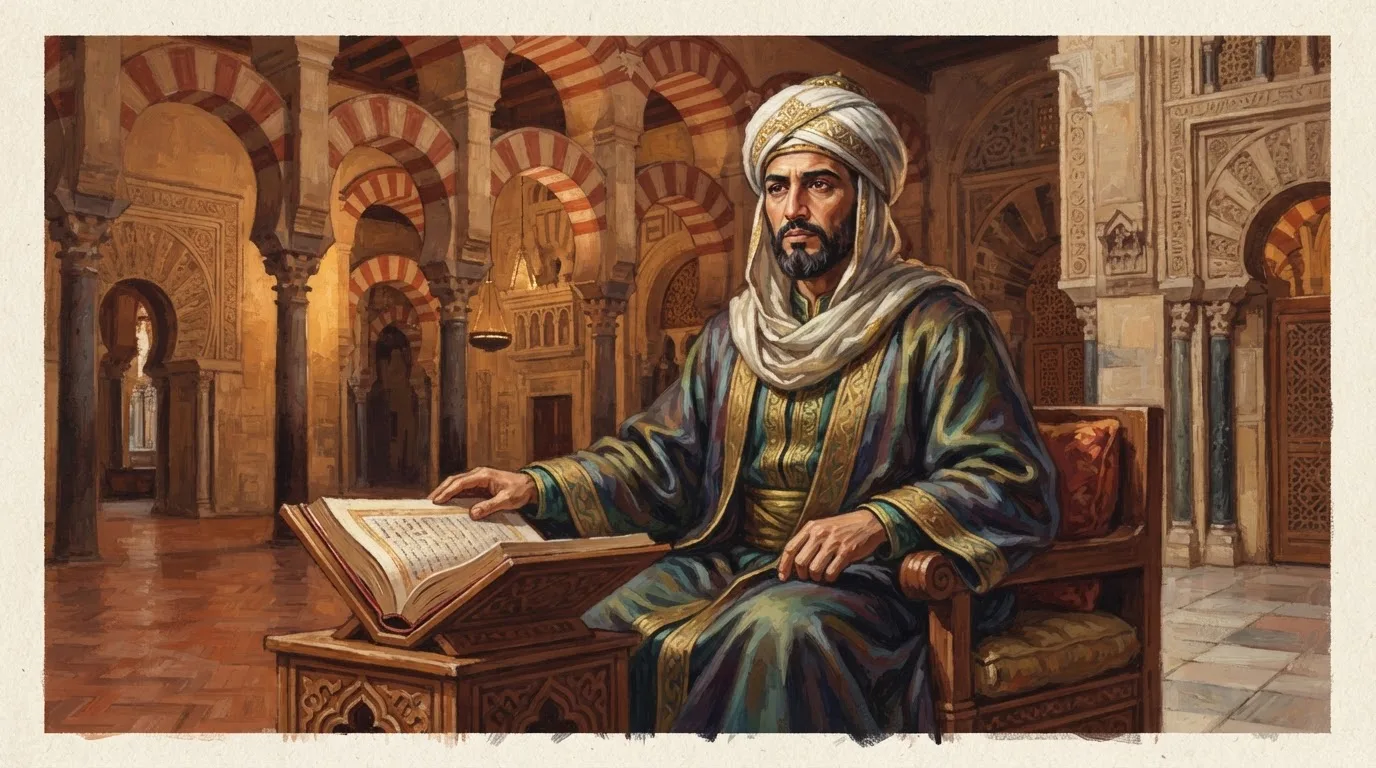
c. 915–970 Historical figure
Hasdai ibn Shaprut (c. 915-970) was physician and diplomat to Córdoba's caliphs. Visit the Judería and the Jewish sites that hold the city's later story.
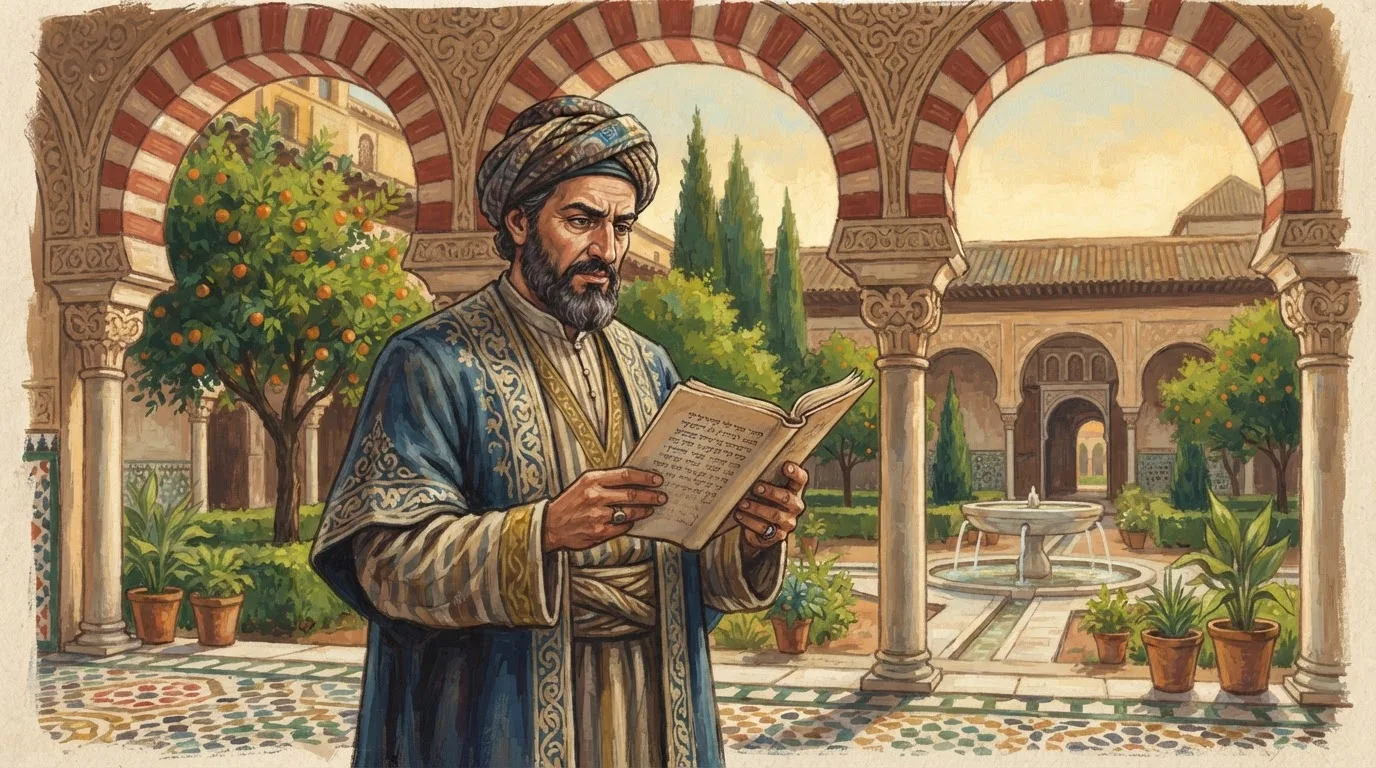
c. 936–1013 Historical figure
Al-Zahrawi (Abulcasis, c. 936–1013), Córdoba surgeon and author of the Kitab al-Tasrif. Find his trace at the Medina Azahara ruins and read the full story.
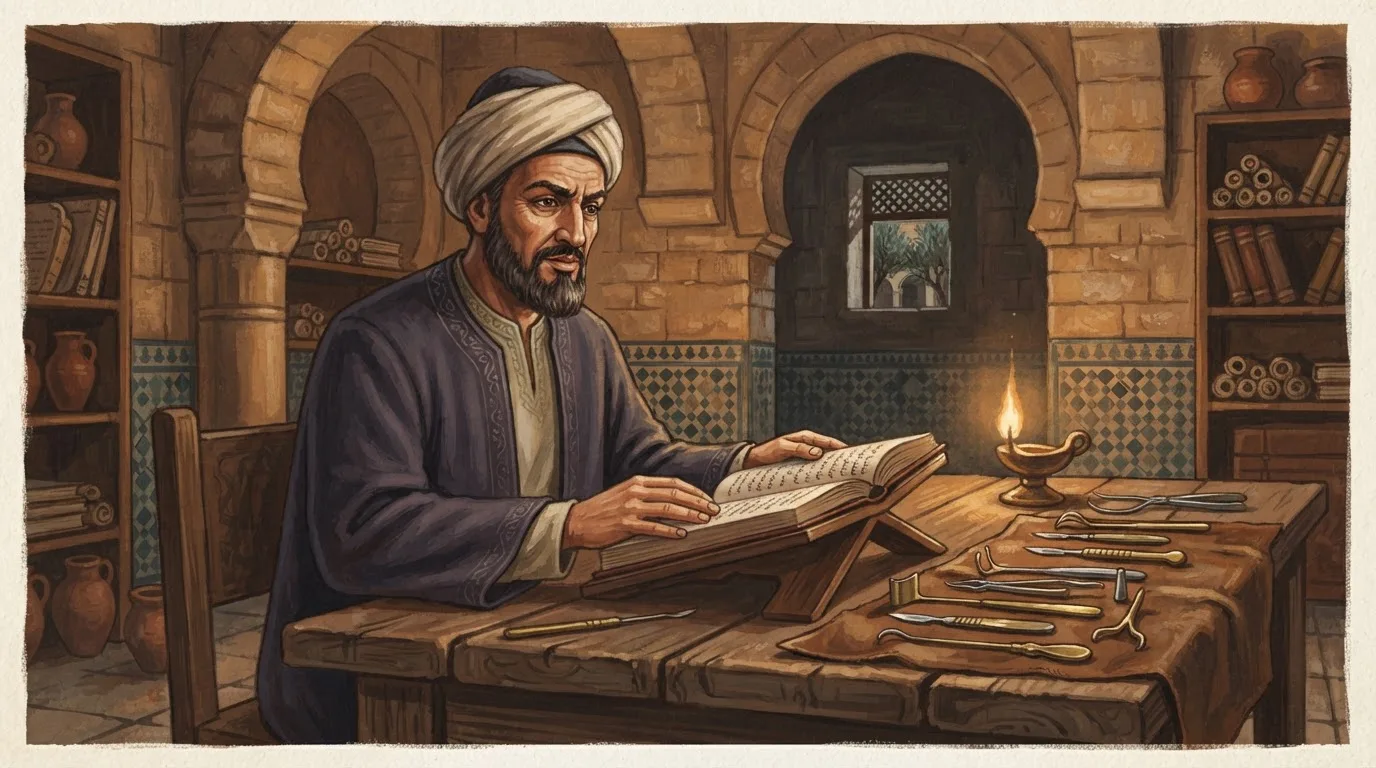
c. 938–1002 Historical figure
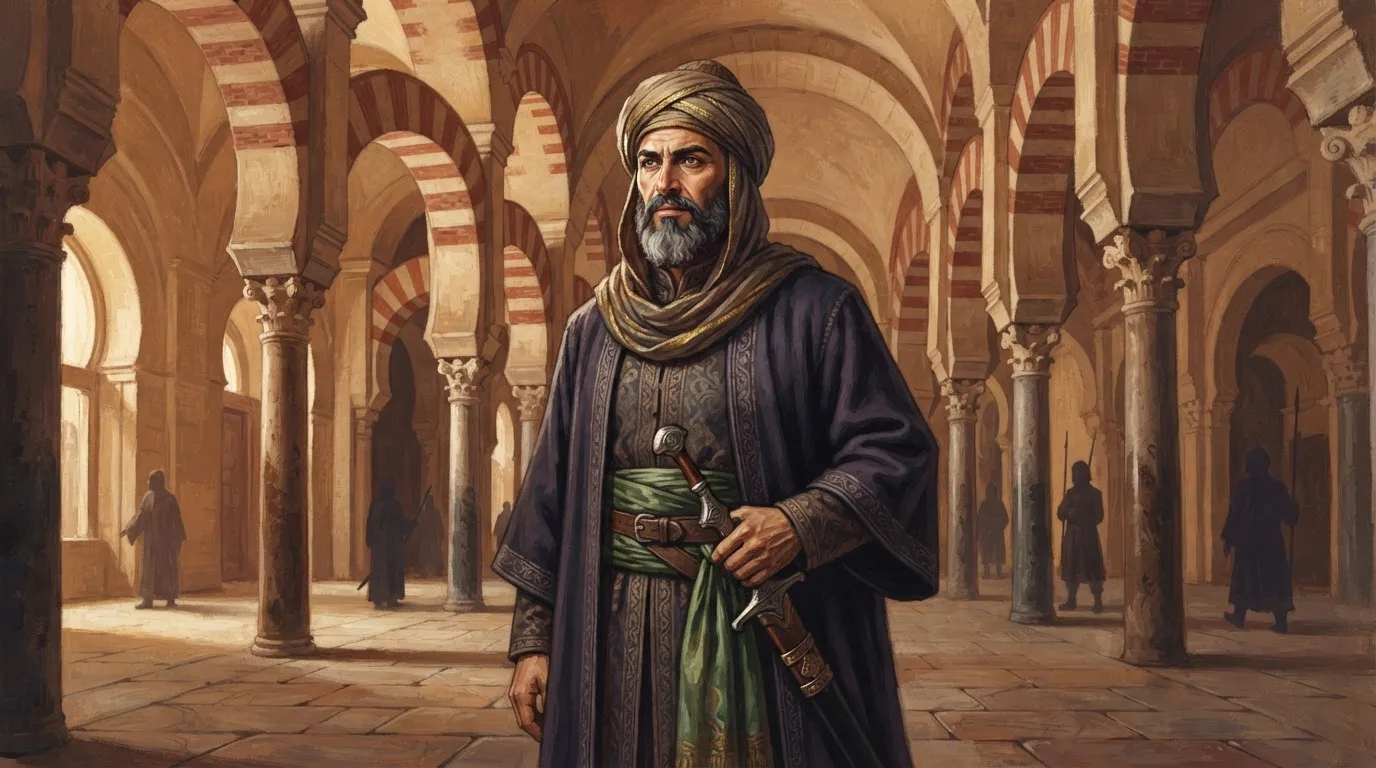
Almanzor (c. 938-1002) ruled Córdoba as chamberlain under a puppet caliph. See what remains of his eastern extension of the Mezquita and read his story.
c. 940–999 Historical figure
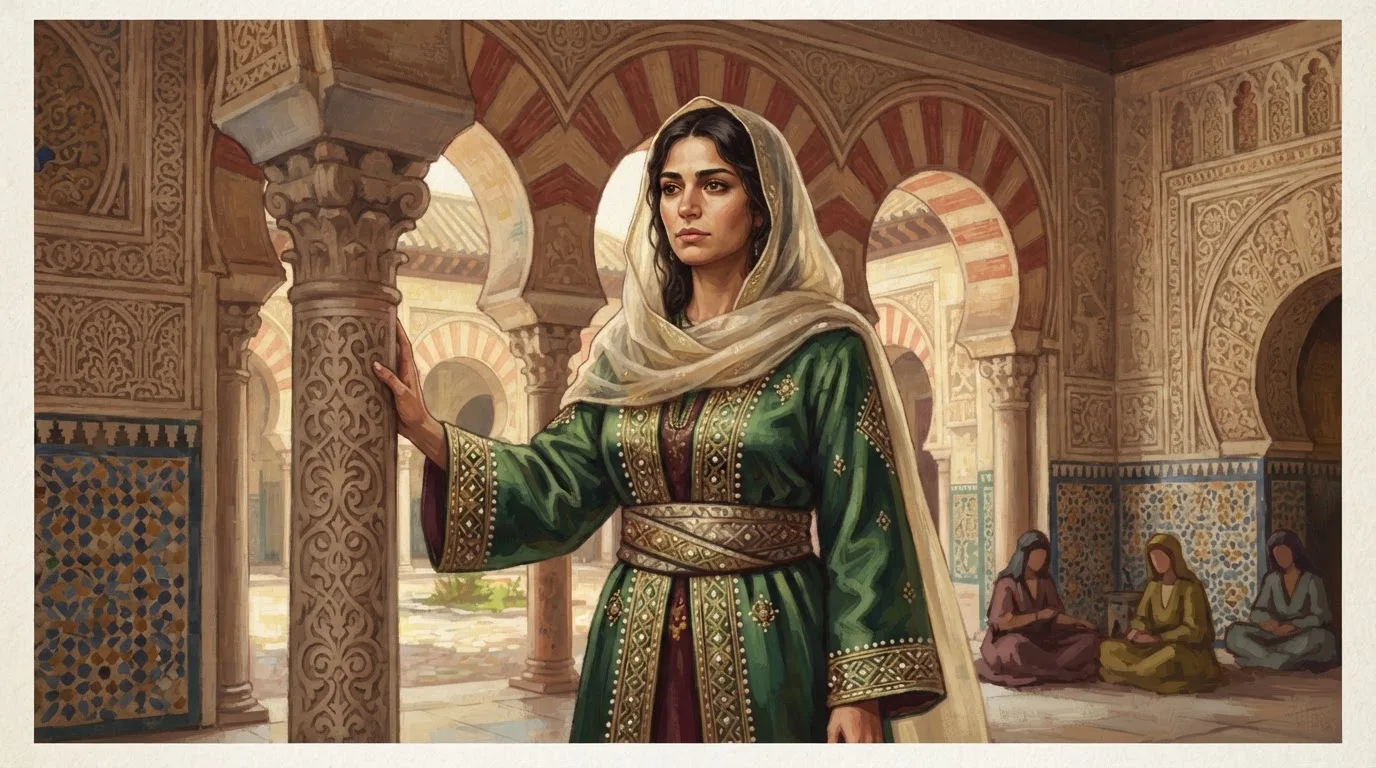
Subh (c. 940-c. 999) was the Navarrese-born concubine who became regent of Córdoba. Find where her trace lingers, from Medina Azahara to Madrid's ivory casket.
Go deeper