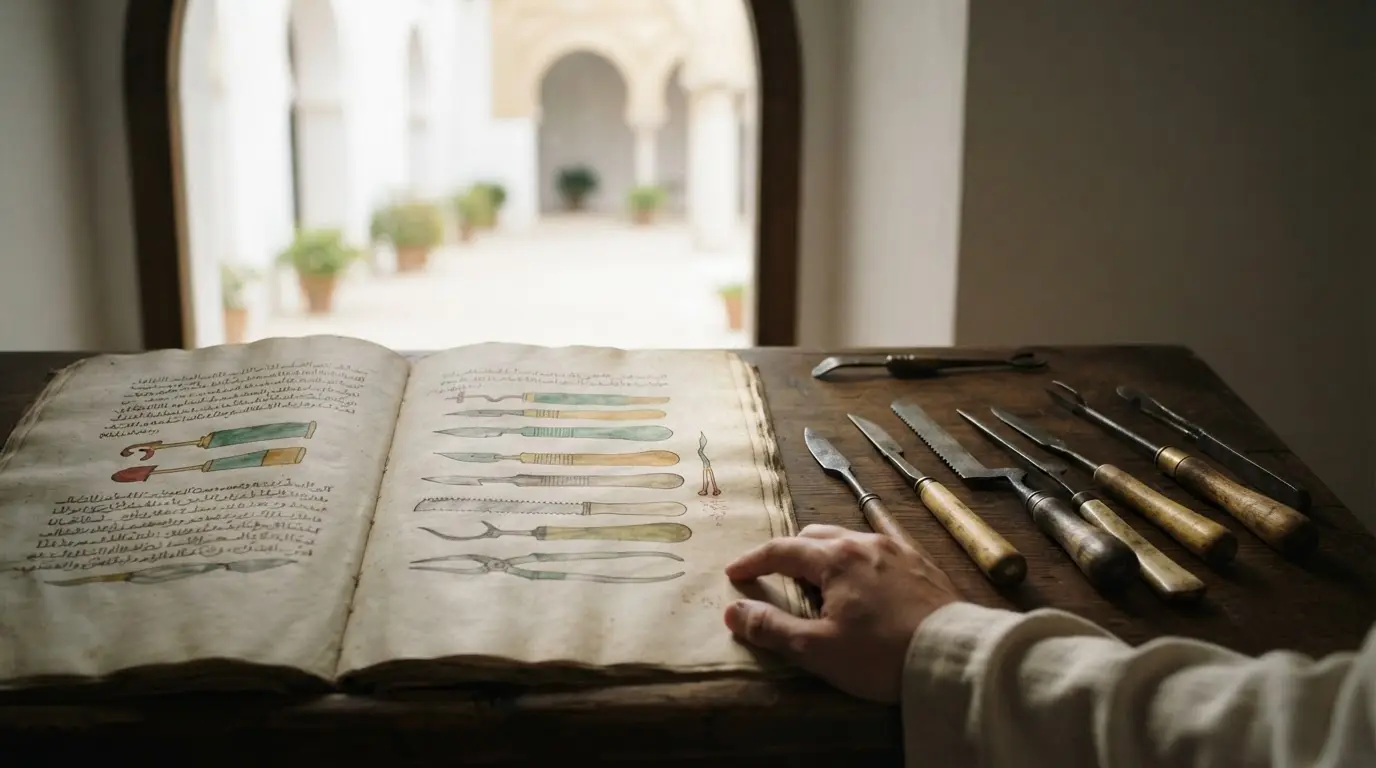
Al-Zahrawi Córdoba: the surgeon who invented the scalpel
Al-Zahrawi, the father of modern surgery, was born near Córdoba in 936 CE. He invented the scalpel and catgut sutures, and shaped surgery for 500 years.
Read the full story
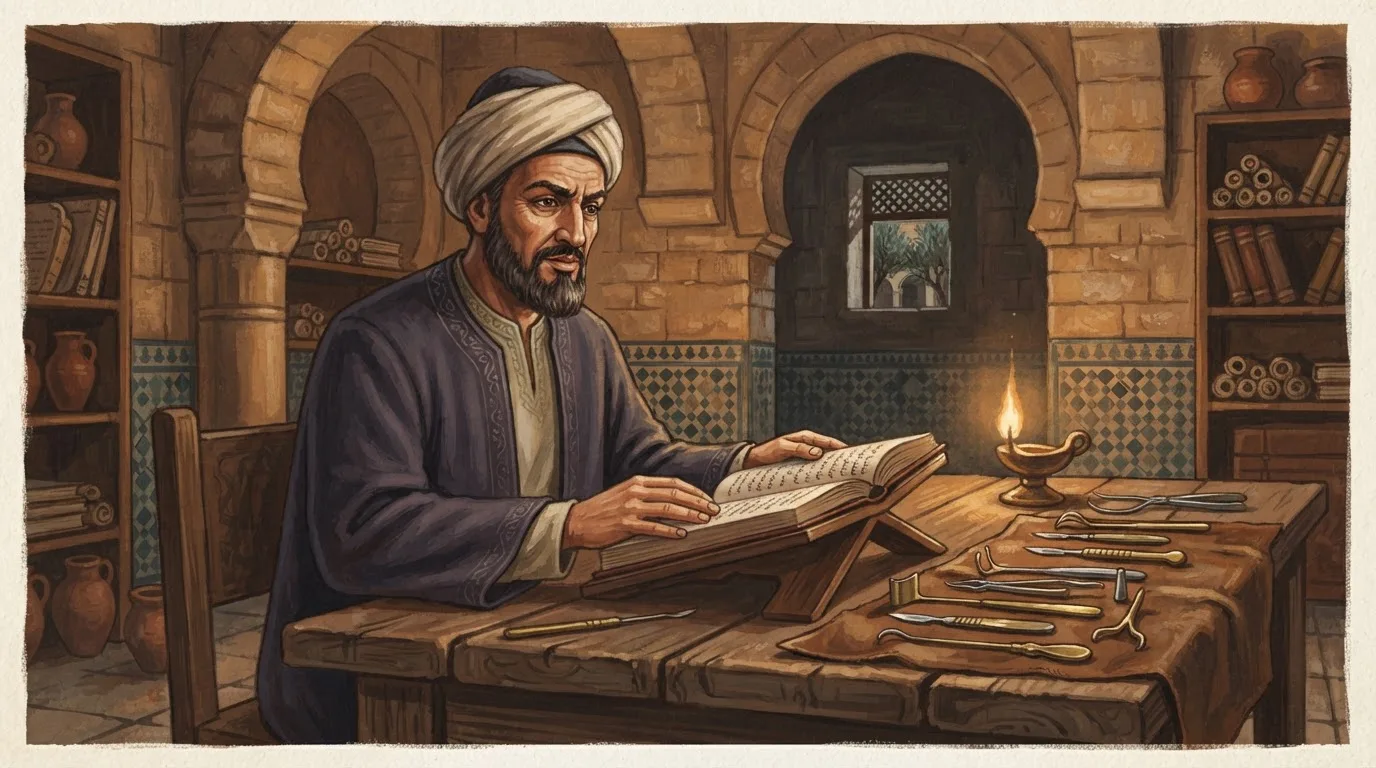
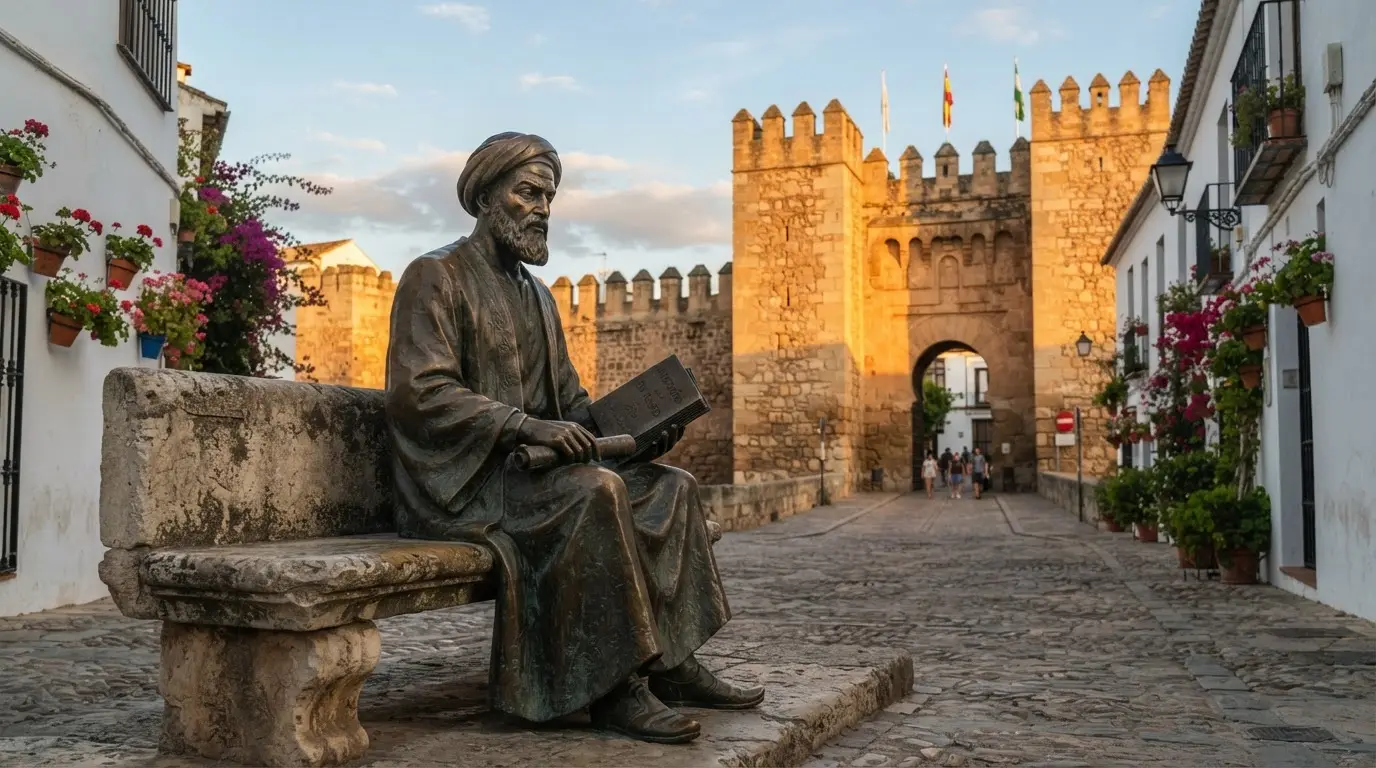
Al-Zahrawi, known in Latin Europe as Abulcasis or Albucasis, was a physician and scholar of the Córdoba caliphate. Scholars place his birth around 936 and his death around 1013, and he lived most of his life in Córdoba.
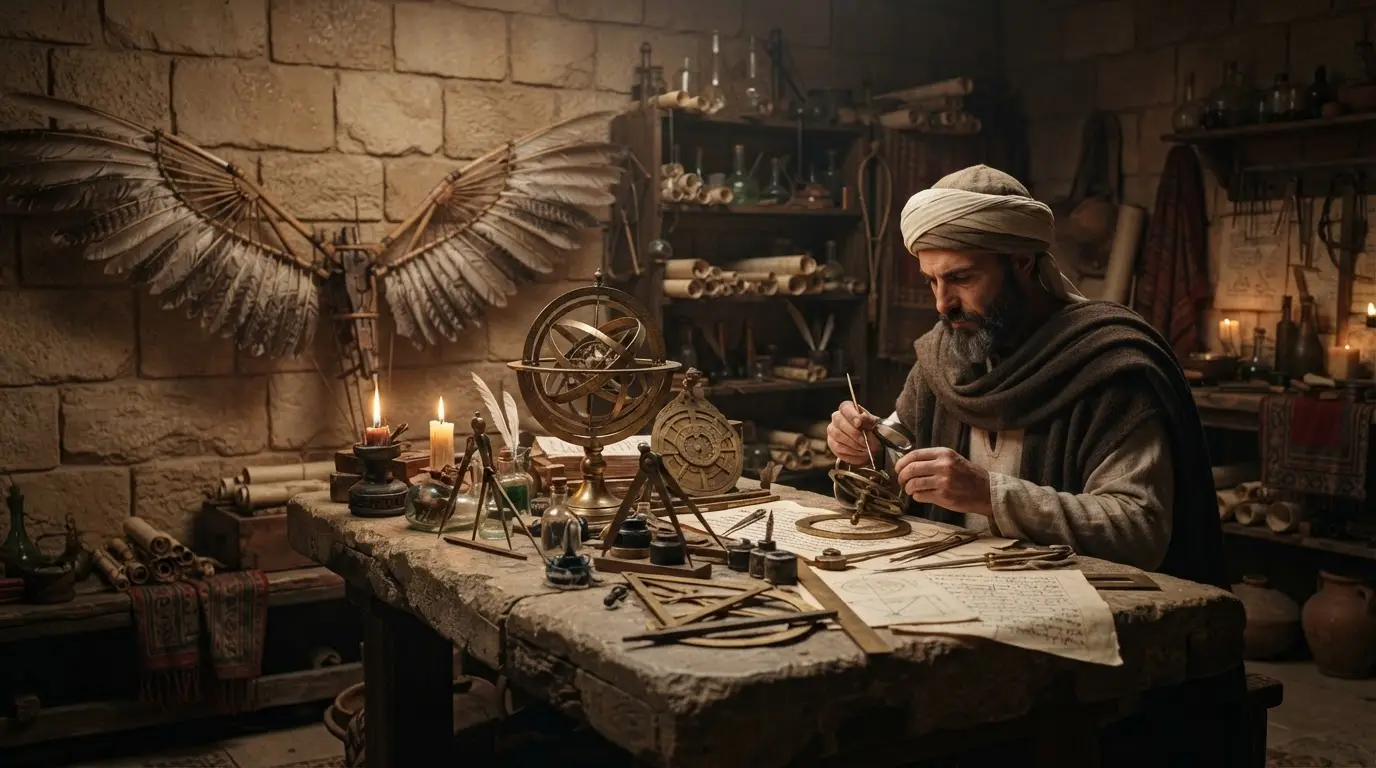
His name is tied to the Kitab al-Tasrif, a thirty-volume medical collection large parts of which were translated into Latin. Its surgical volume shaped European practice until the Renaissance.
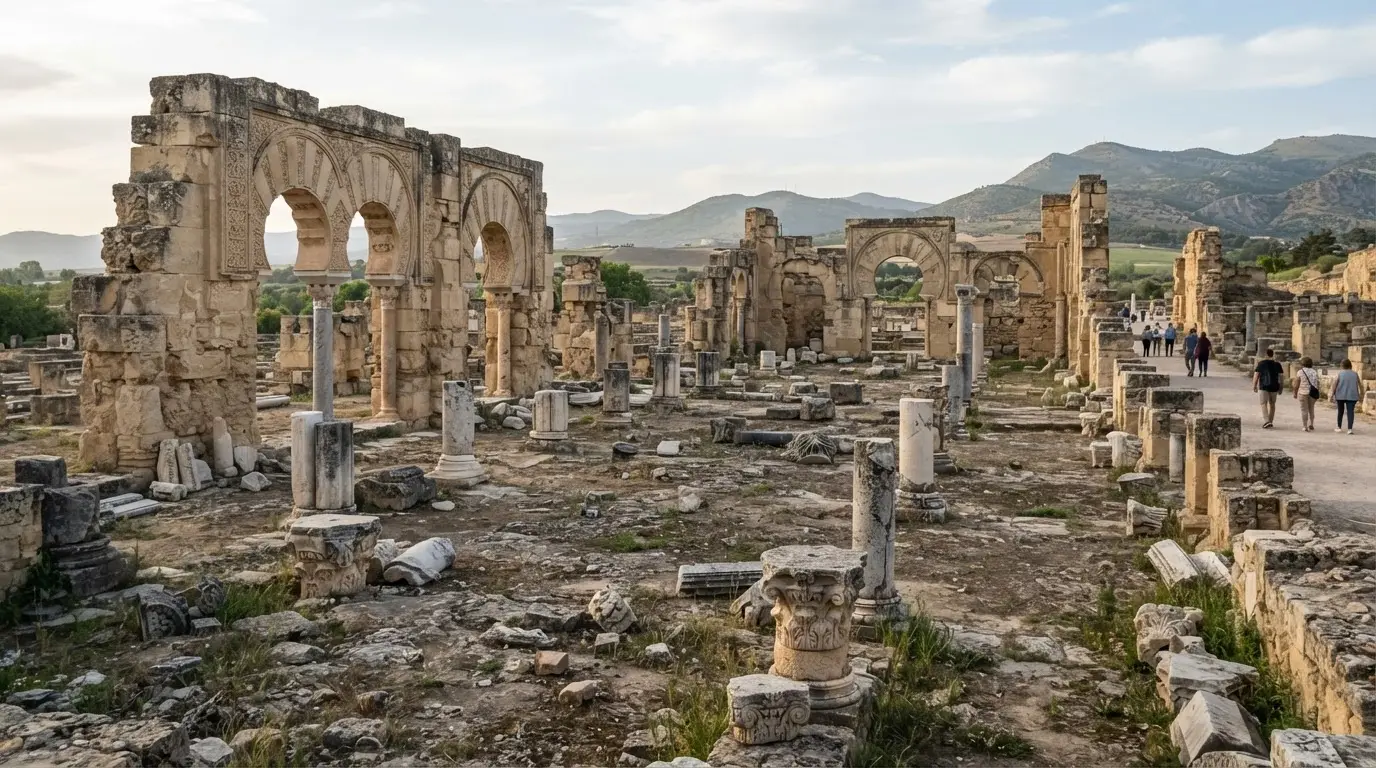
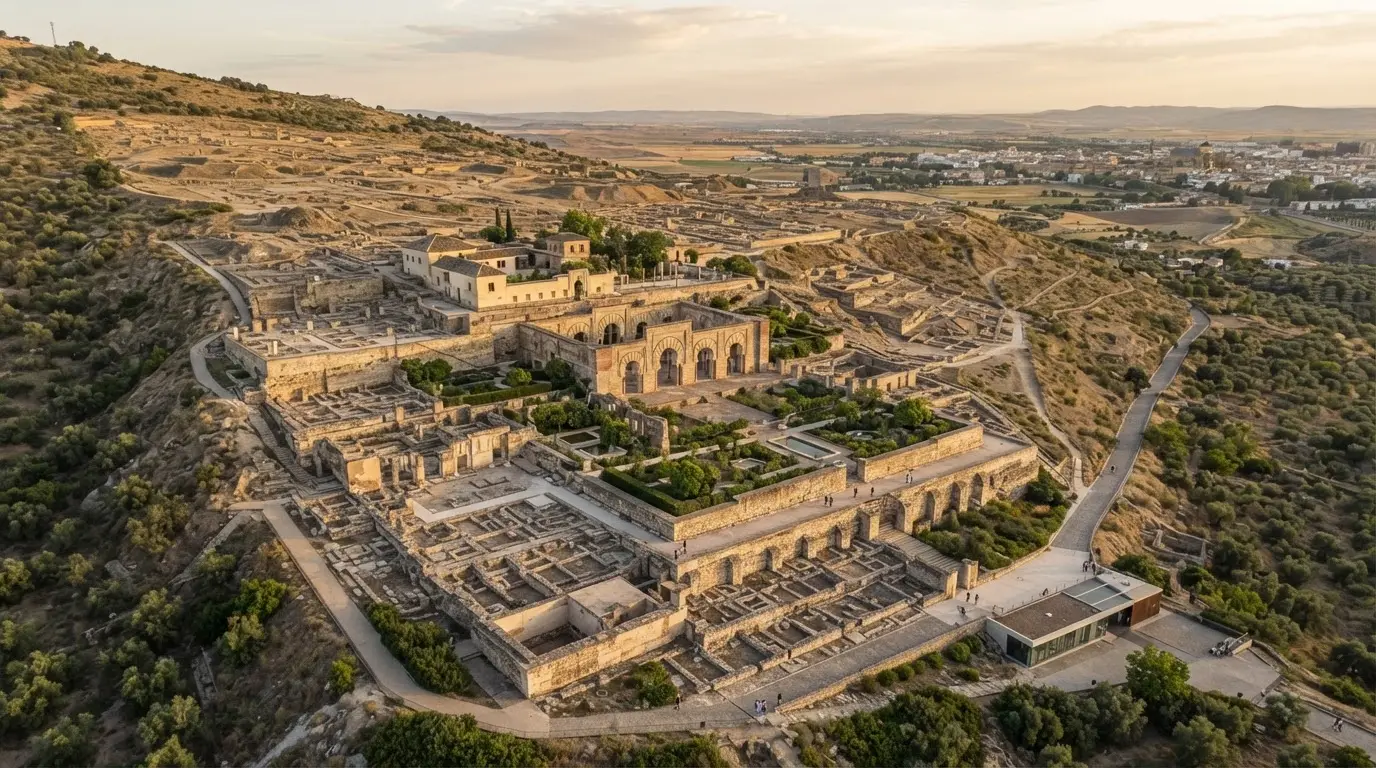
His trace in the city is thin, and it is worth saying so before you go looking. The place to visit is Medina Azahara, the palace-city outside Córdoba that sources link to his birthplace under the name al-Zahra. Little of the old settlement remains, so bring the context with you. The caliph whose reign his career overlapped is the subject of Al-Hakam II and the library of 400,000 books that vanished, and the palace-city itself is told in Medina Azahara, the lost palace-city. For a philosopher of the same city, see Averroes.
The surgeon's own story, from his birth to the reach of his book, is in Al-Zahrawi Córdoba: the surgeon who invented the scalpel: read the full story there.
929–1031
Abd al-Rahman III proclaimed the caliphate in 929, and Córdoba grew to an estimated 500,000 people. Medina Azahara was begun in 936, and the Mezquita was enlarged in 961 and 987.
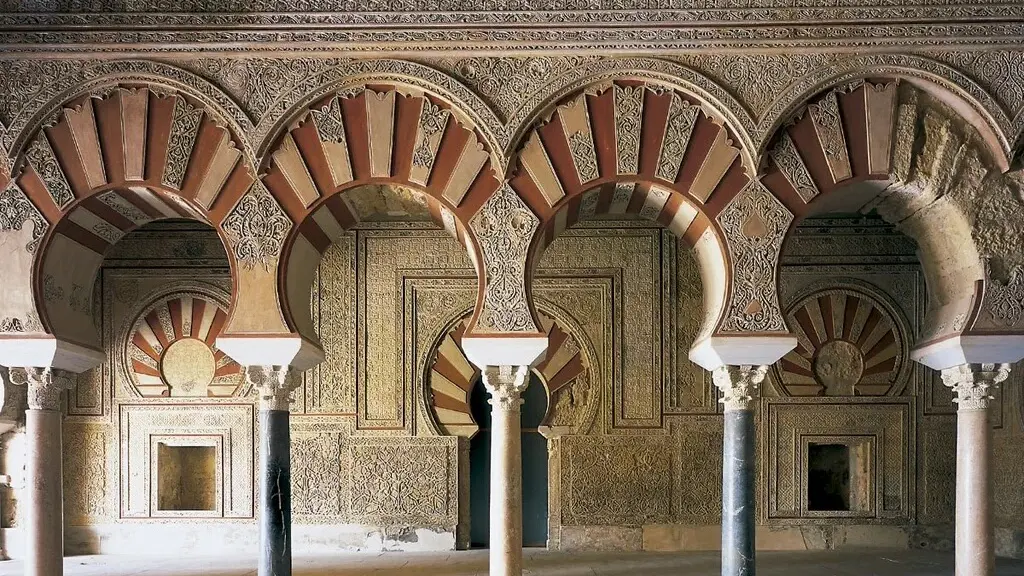
936 Monument
Medina Azahara is Córdoba's UNESCO listed Caliphate City: a 10th century palace 8 km from town, with the Salón Rico and award-winning museum. Plan your visit.
951–958 Monument
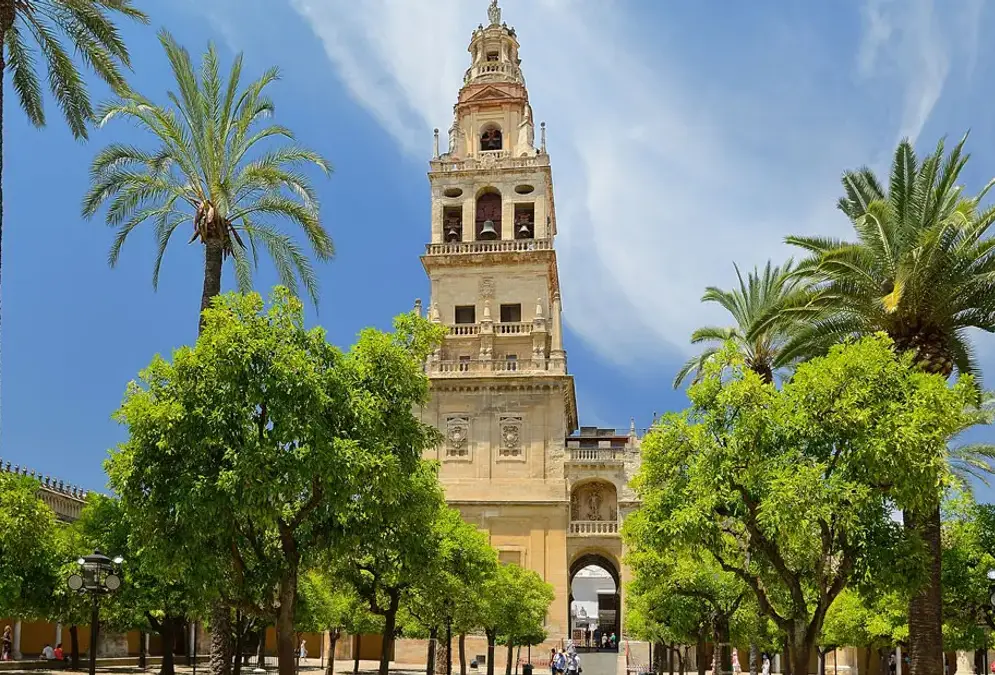
Climb 150 steps up the Mezquita-Catedral's 10th-century minaret-turned-bell-tower for 360-degree views over Córdoba's rooftops, Roman Bridge and Alcázar.
961–976 Monument
Underground 10th-century Islamic hammam beneath Córdoba's Campo Santo square, with star skylights, marble pillars and intact cold, warm and hot rooms.
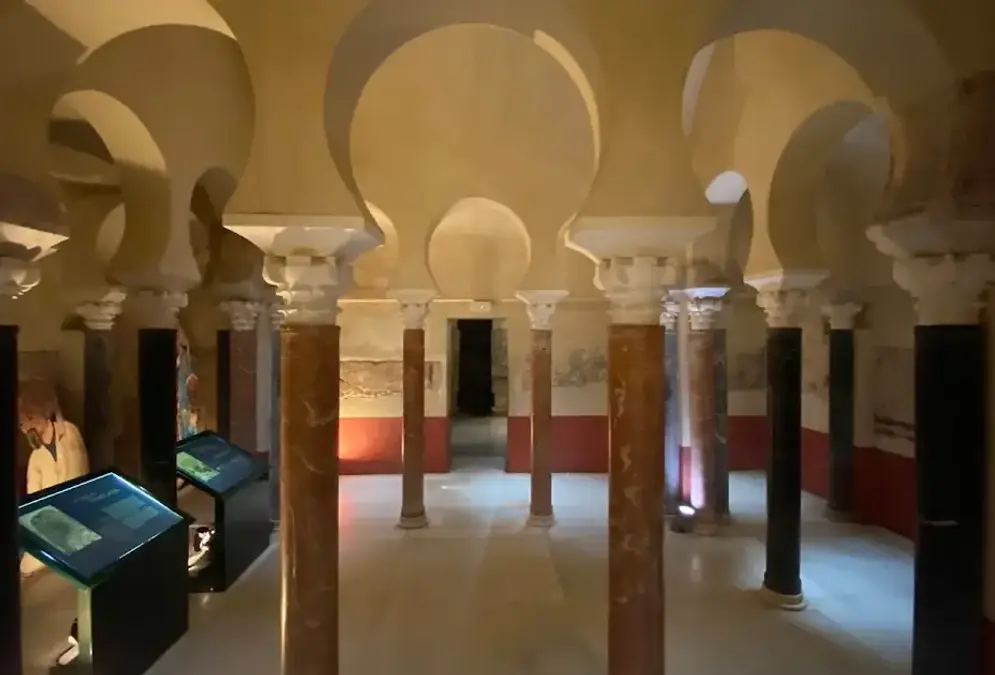
c. 890–961 Historical figure
Abd al-Rahman III (890-961), caliph of Córdoba, had Medina Azahara built and enlarged the Great Mosque. See where his trace survives and read his full story.
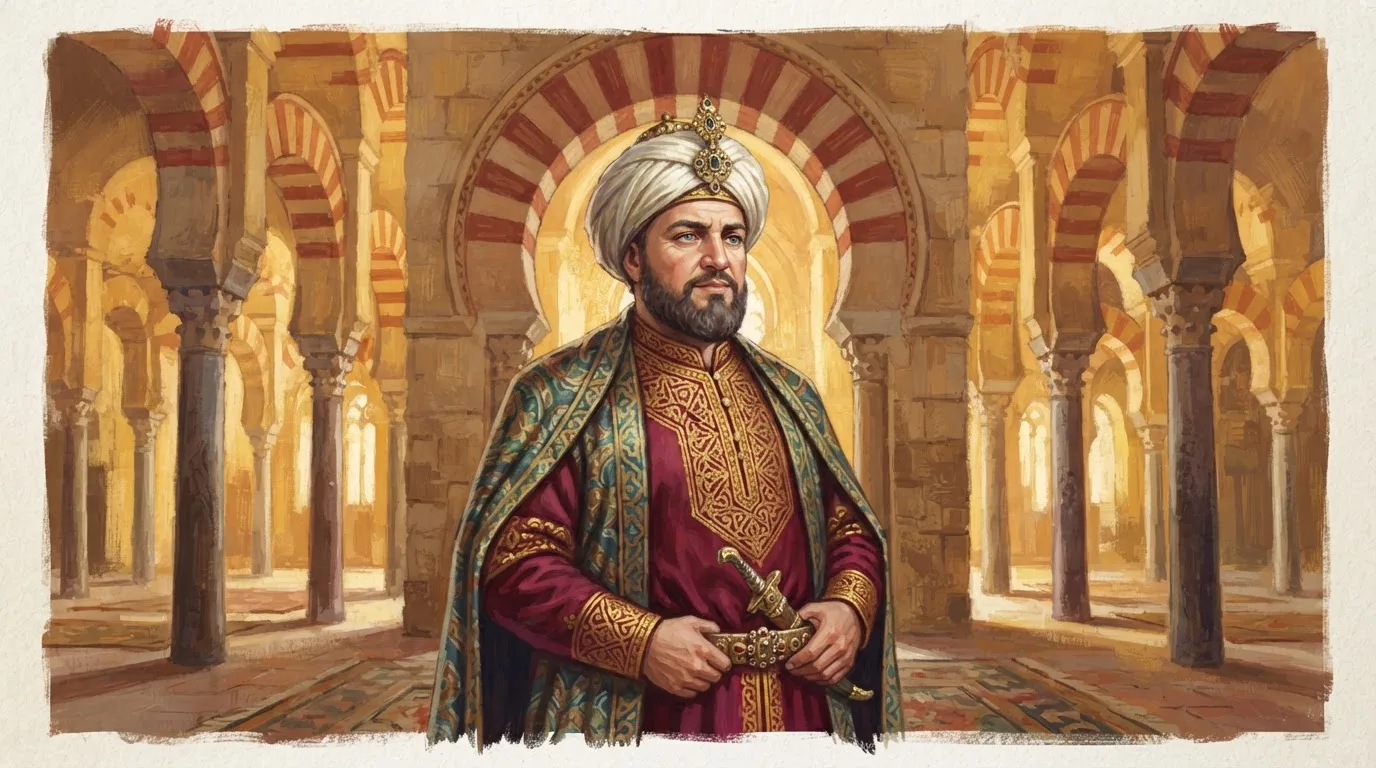
915–976 Historical figure
Al-Hakam II (915-976), caliph of Córdoba from 961, expanded the Great Mosque and its mihrab. See where his trace survives in the city and read his full story.
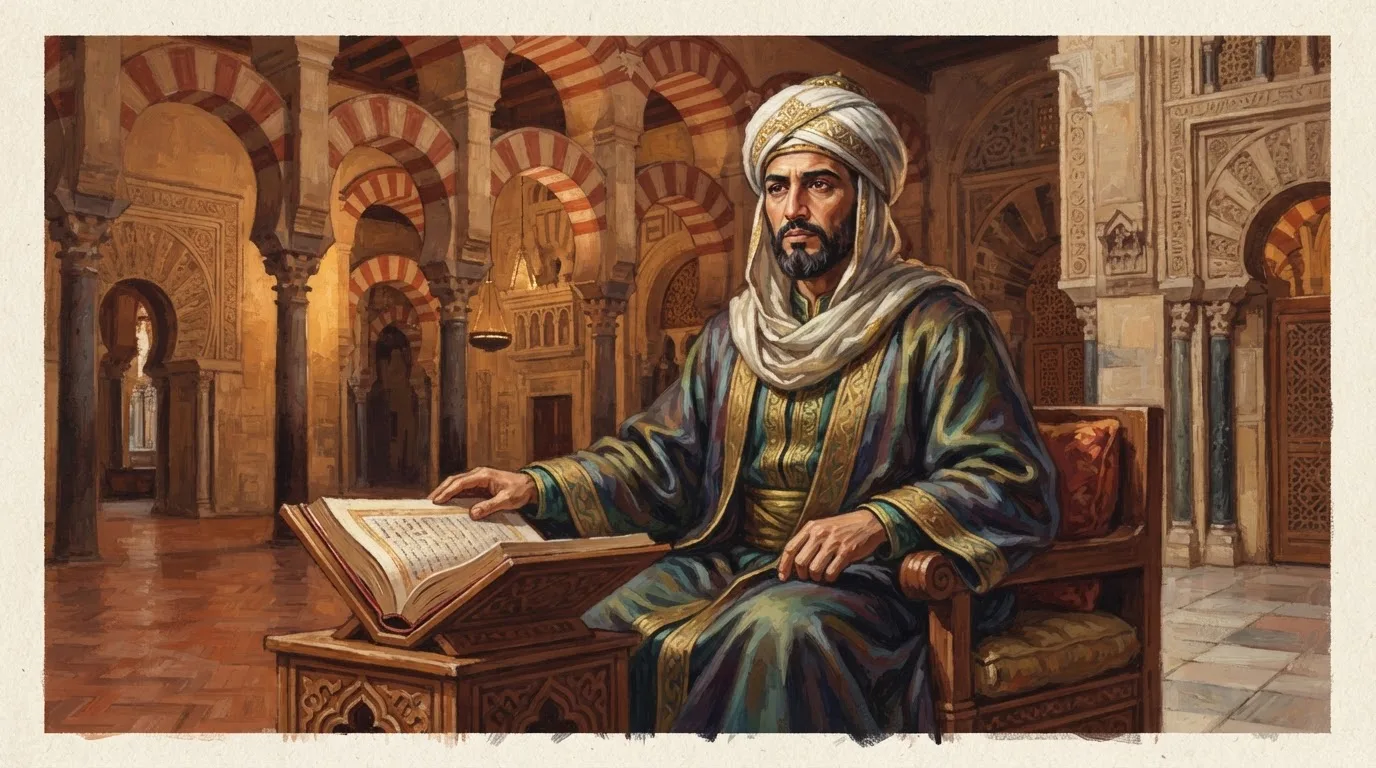
c. 915–970 Historical figure
Hasdai ibn Shaprut (c. 915-970) was physician and diplomat to Córdoba's caliphs. Visit the Judería and the Jewish sites that hold the city's later story.
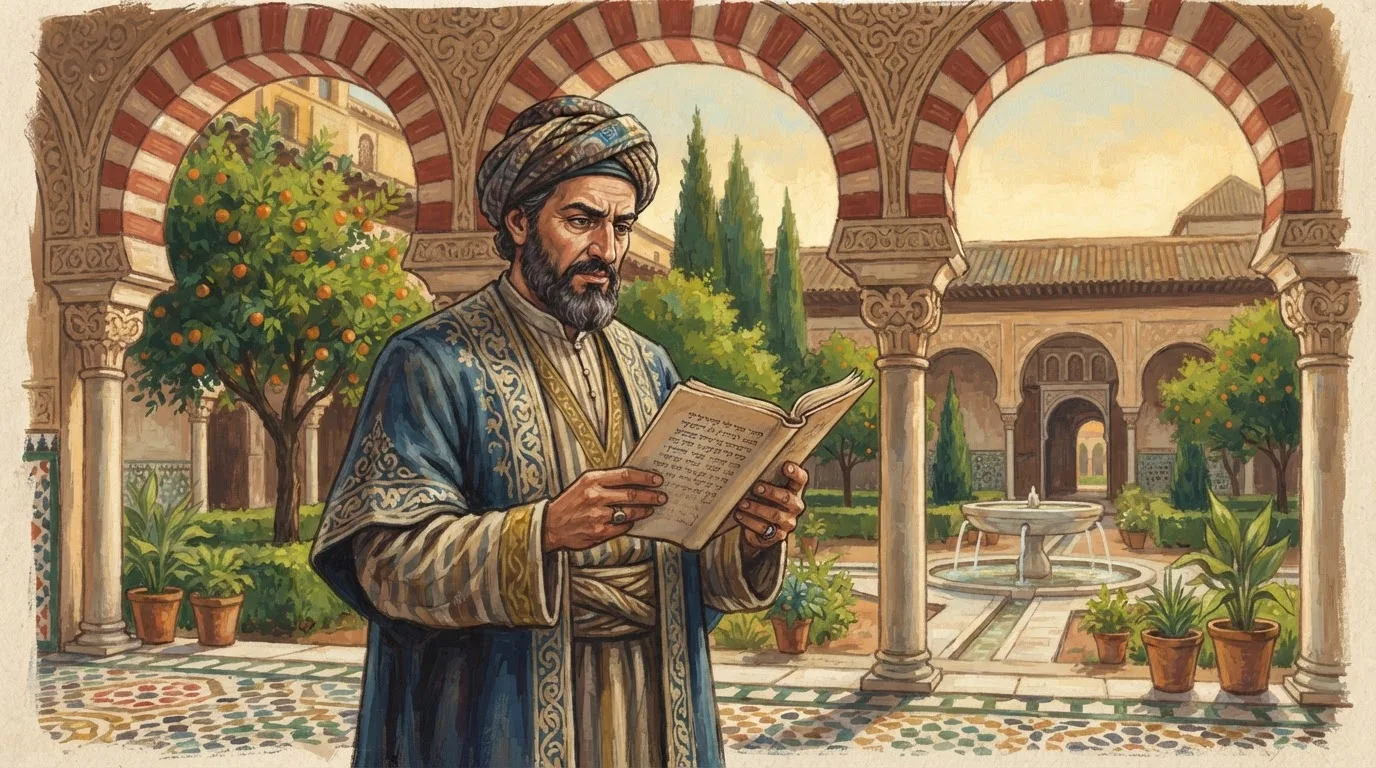
c. 938–1002 Historical figure
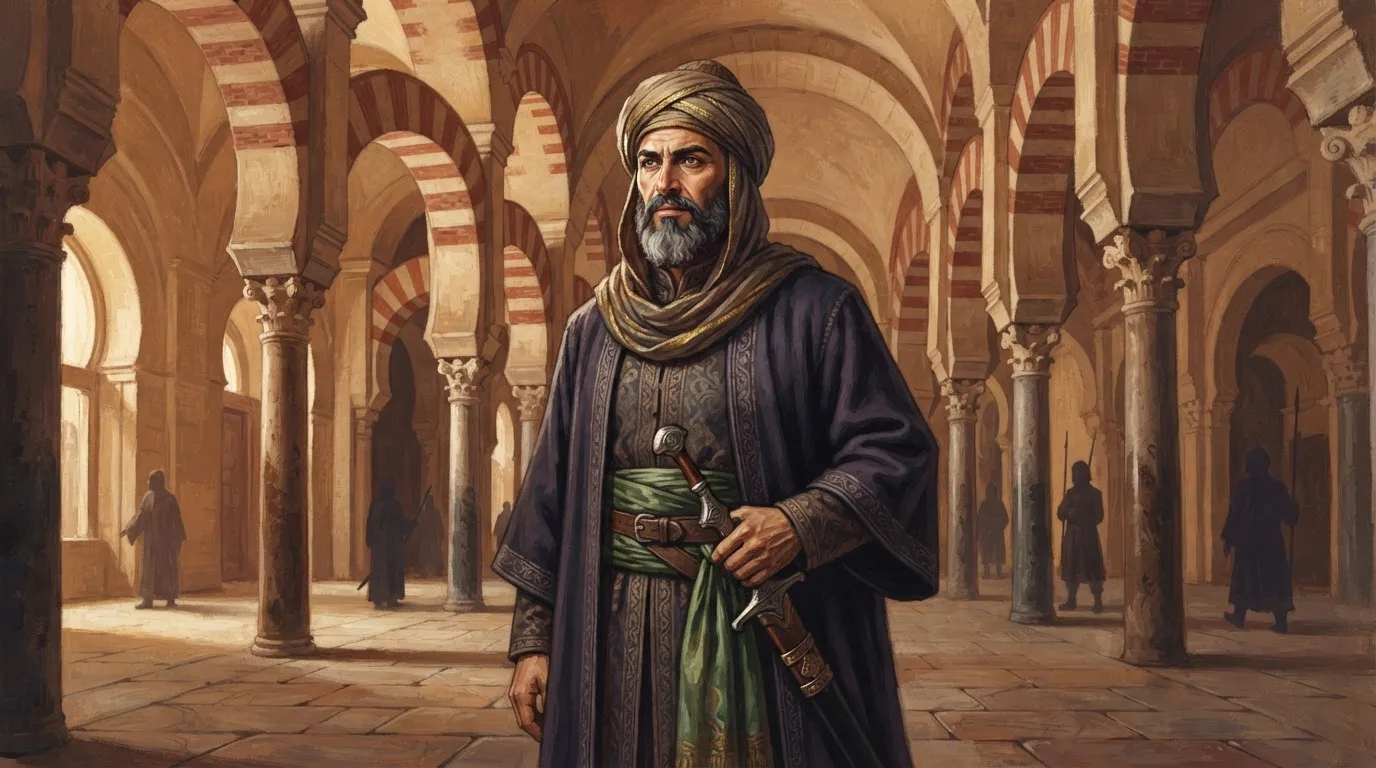
Almanzor (c. 938-1002) ruled Córdoba as chamberlain under a puppet caliph. See what remains of his eastern extension of the Mezquita and read his story.
c. 940–999 Historical figure
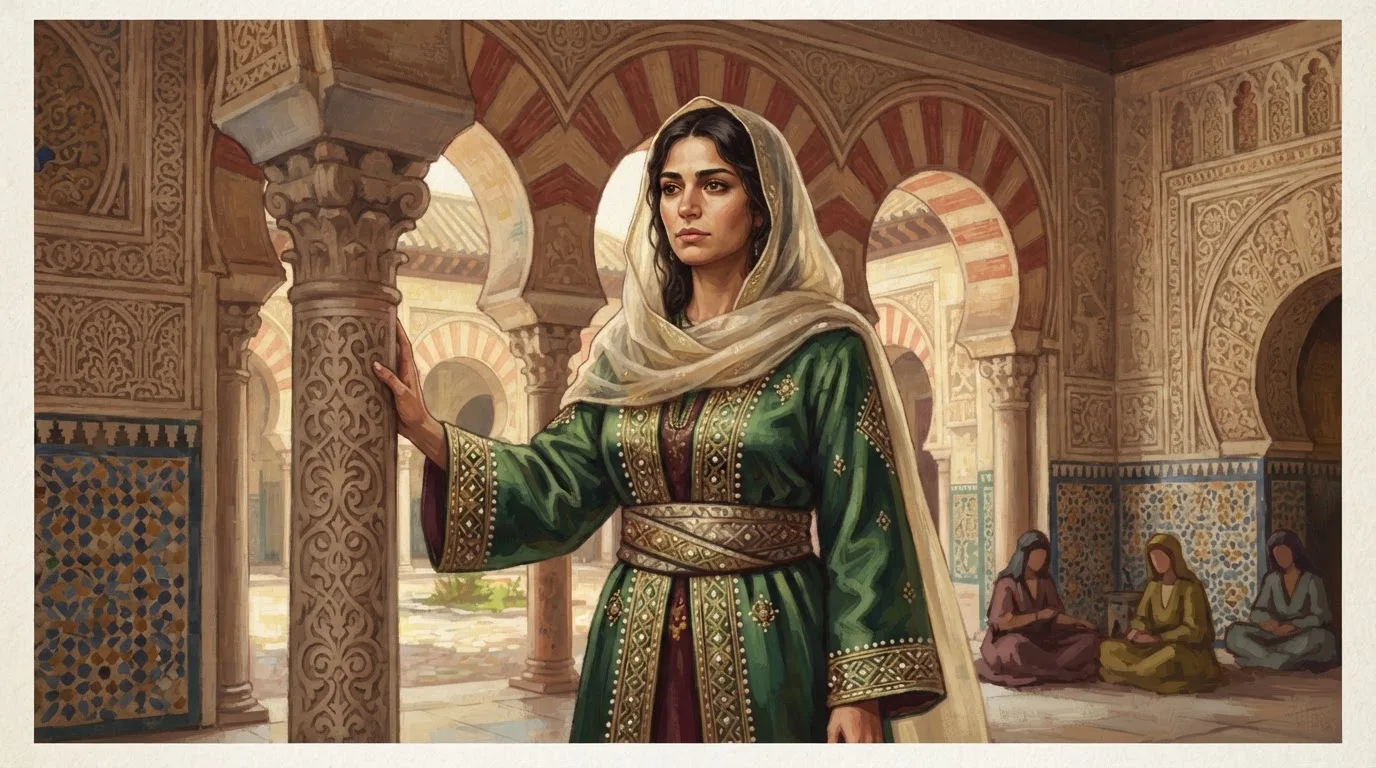
Subh (c. 940-c. 999) was the Navarrese-born concubine who became regent of Córdoba. Find where her trace lingers, from Medina Azahara to Madrid's ivory casket.
Go deeper