Al-Hakam II's Library: 400,000 Books That Vanished
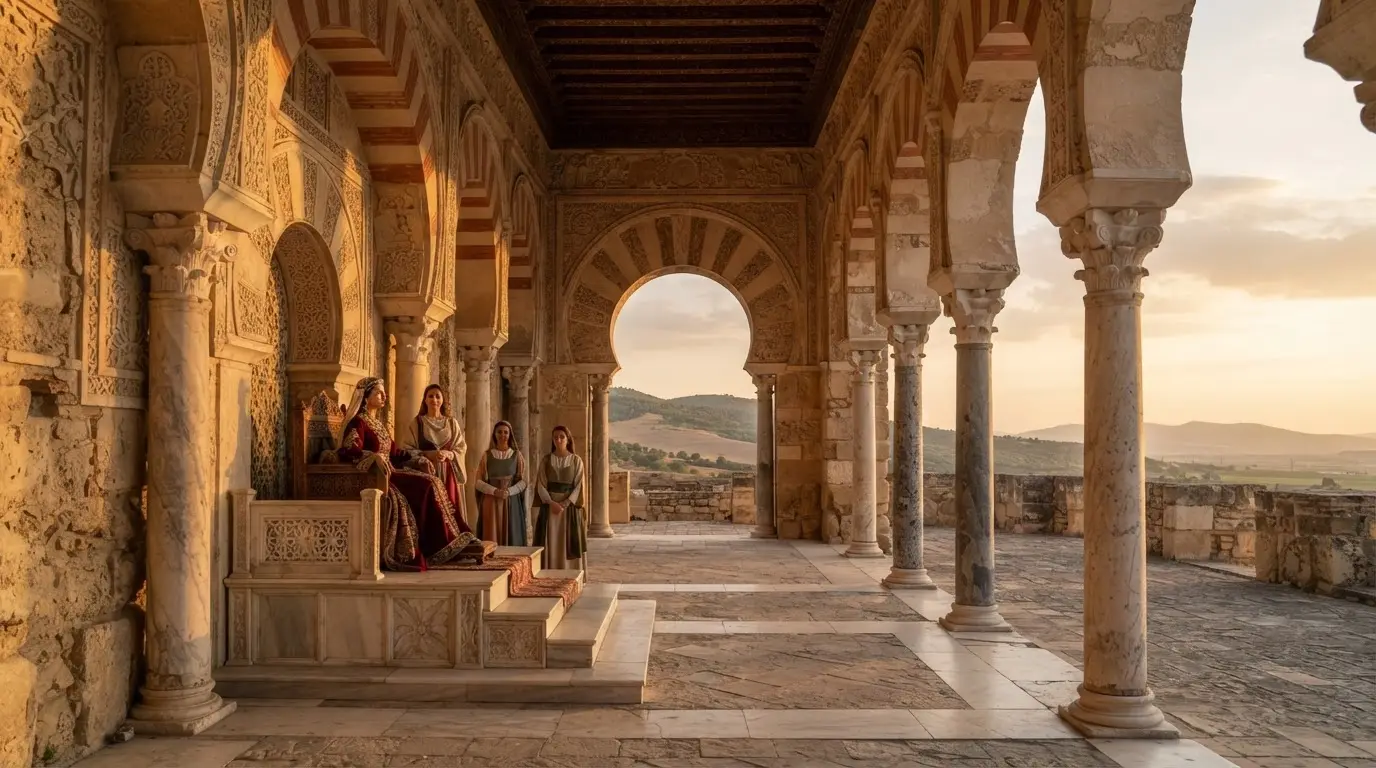
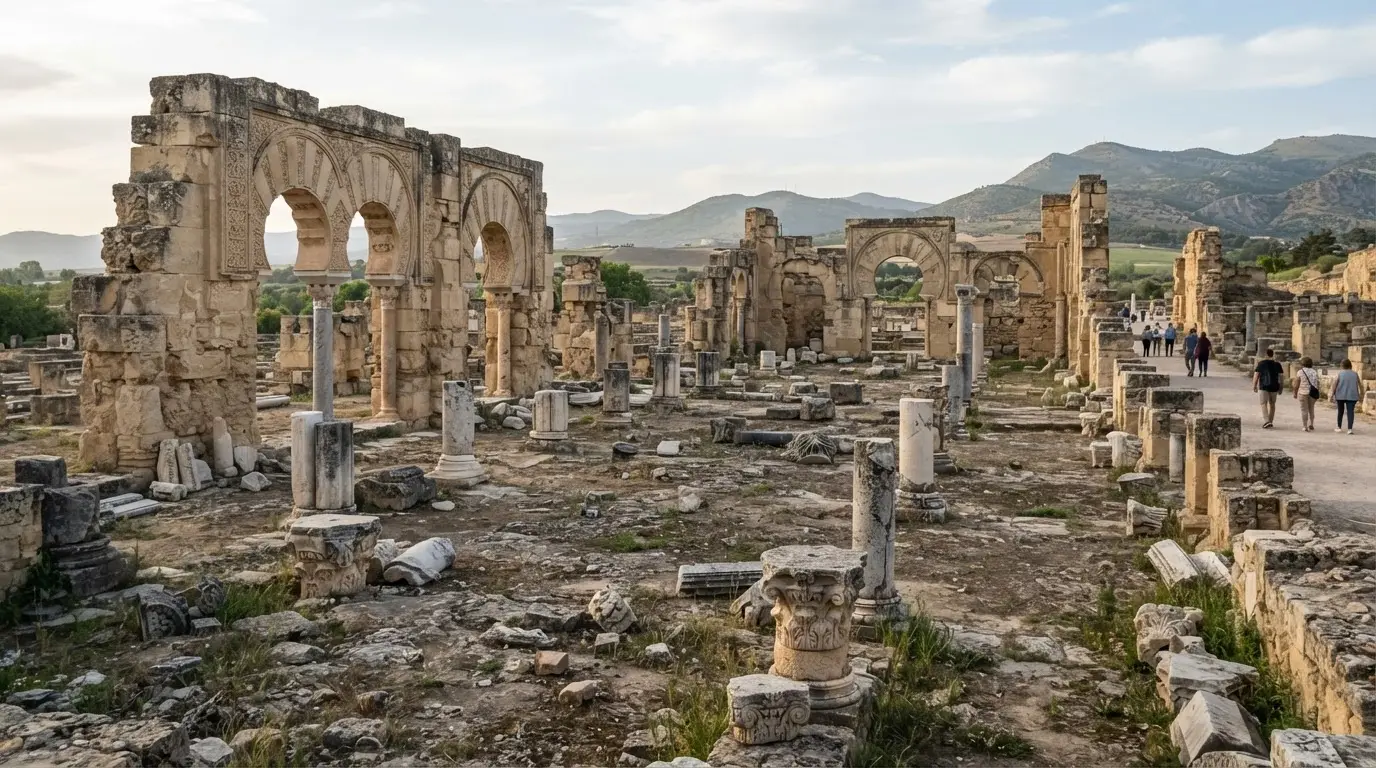
Al-Hakam II's library at Madinat al-Zahra, now a UNESCO World Heritage site, held 400,000 manuscripts in the 960s. Almanzor burned the philosophy books.
Read the full story
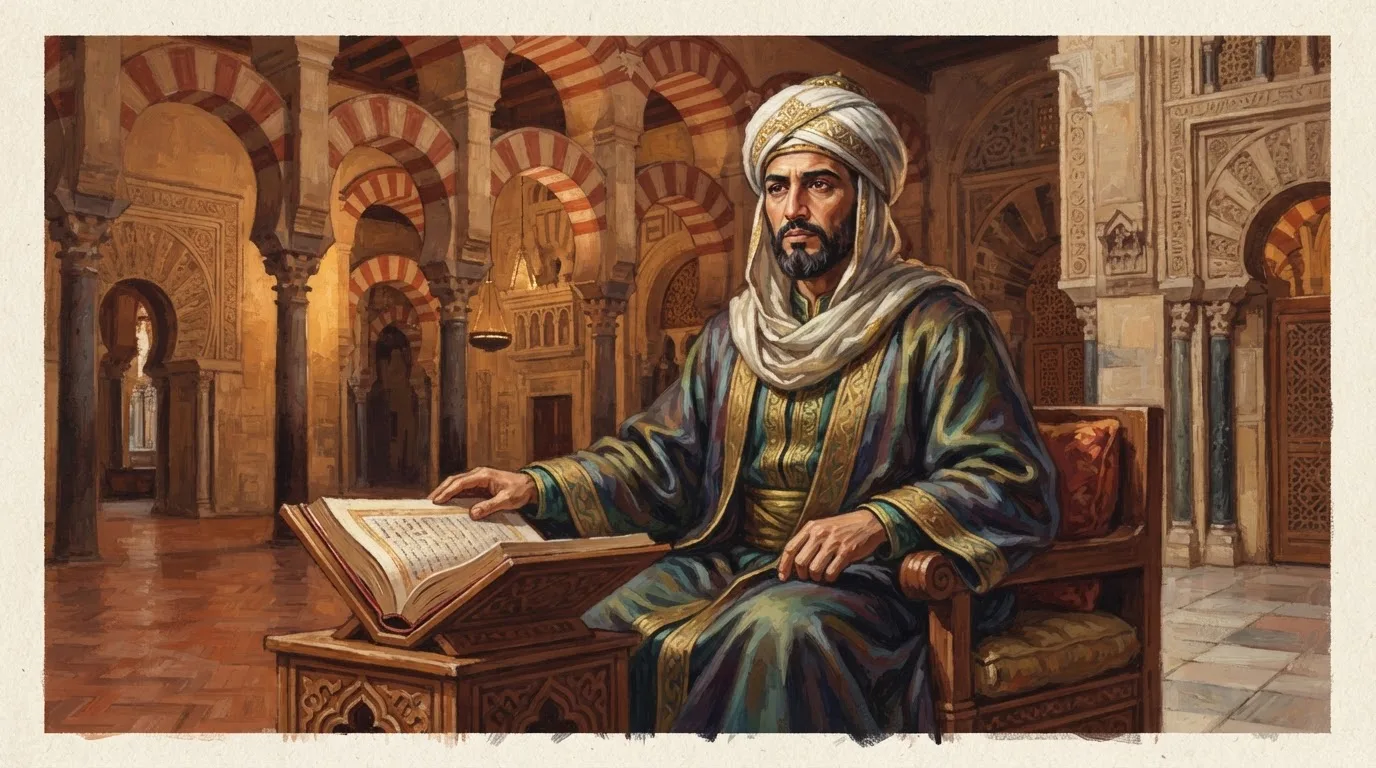
Al-Hakam II was born in Córdoba in 915 and ruled as caliph from 961 until his death in 976. He was a scholar before he was a soldier: he wrote a history of al-Andalus himself, and his reign saw a large effort to translate books from Latin and Greek into Arabic.
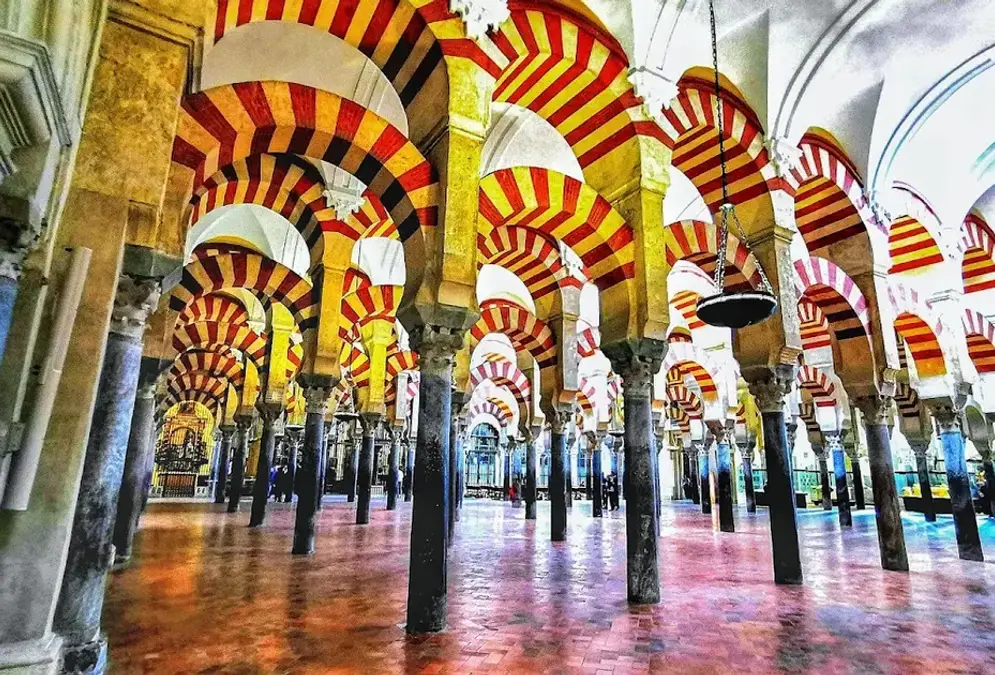
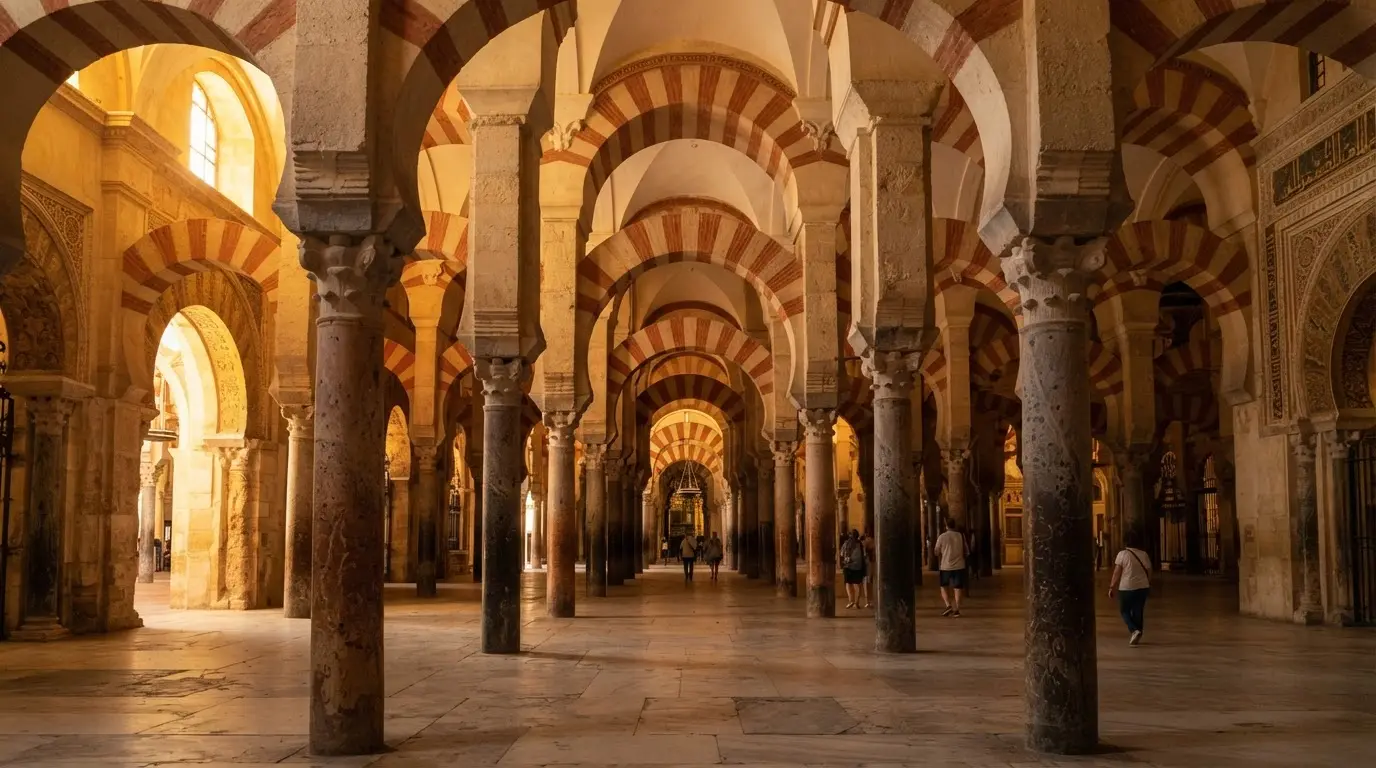
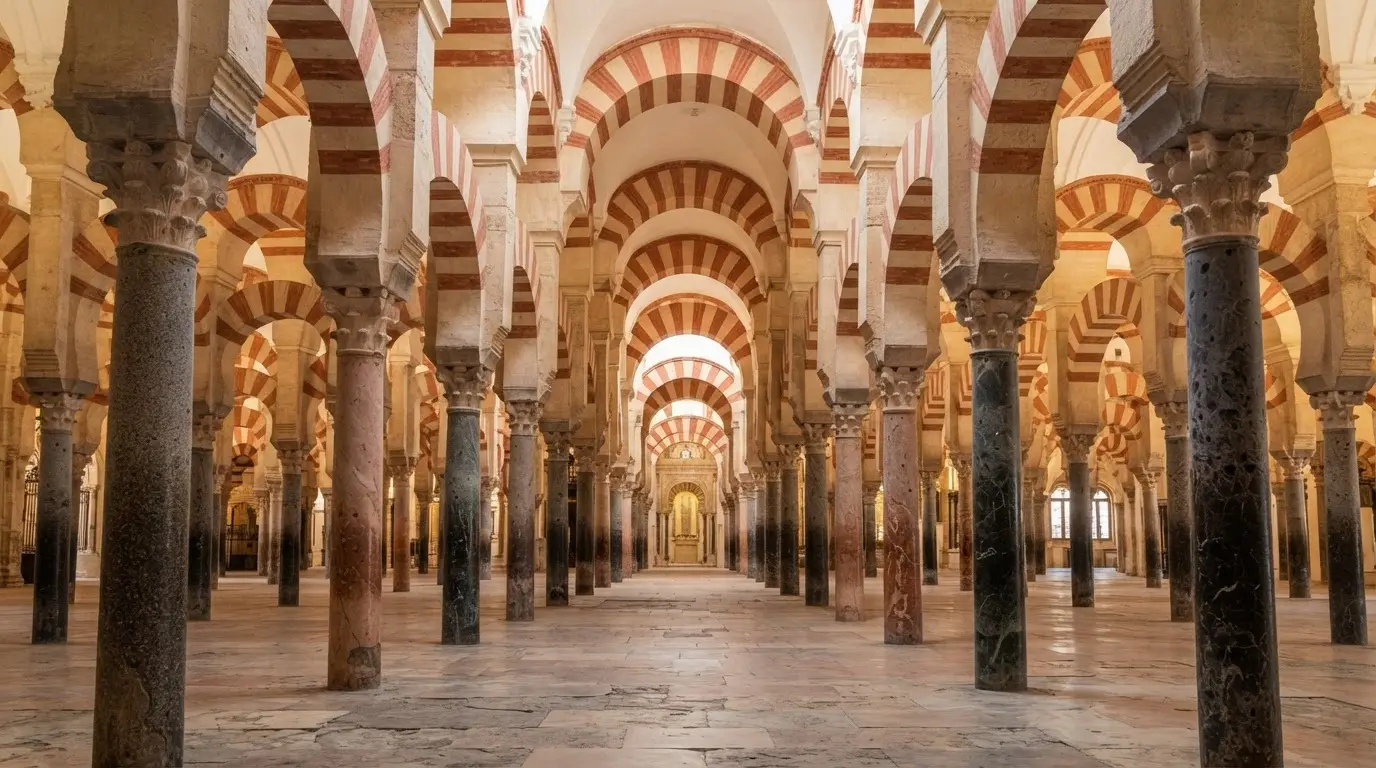
His clearest mark on the city is the Great Mosque. From 961 he added twelve sections to the south, ending in the mihrab, a small octagonal room under a scallop-shell dome. Walk the extension in the Mezquita-Catedral, then read about the Byzantine mosaics of the mihrab. Under his rule the palace-city of Medina Azahara, begun by his father, kept growing. A stone monument to him also stands in the Campo Santo de los Mártires.
For the scholar at his side, see Lubna of Córdoba, his private secretary. For the books themselves and what became of them, read the full story.
929–1031
Abd al-Rahman III proclaimed the caliphate in 929, and Córdoba grew to an estimated 500,000 people. Medina Azahara was begun in 936, and the Mezquita was enlarged in 961 and 987. Under Al-Hakam II the city also built the Caliphal Baths, around 961 to 976, whose star-shaped skylights survive.
936 Monument
Medina Azahara is Córdoba's UNESCO listed Caliphate City: a 10th century palace 8 km from town, with the Salón Rico and award-winning museum. Plan your visit.
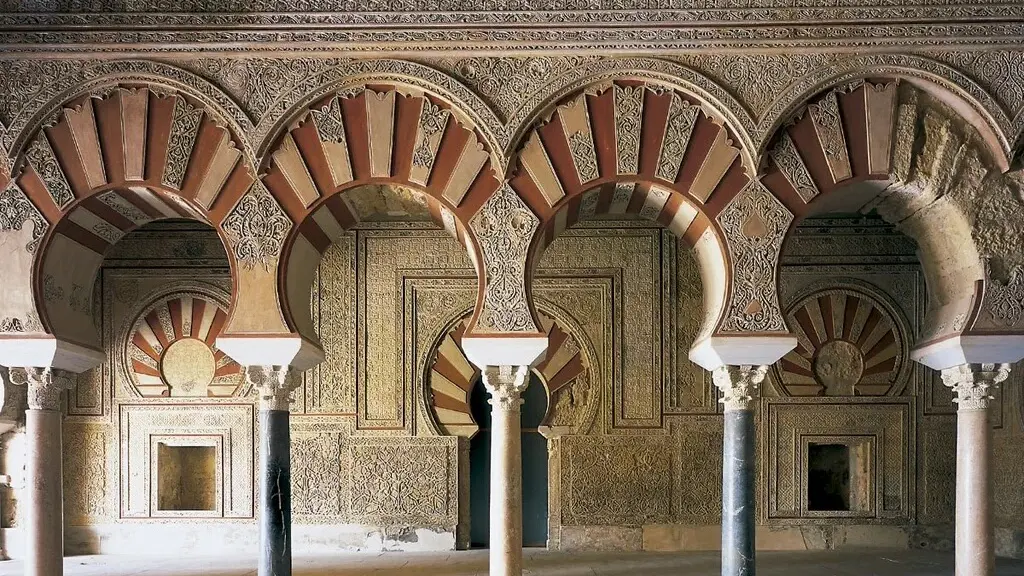
951–958 Monument
Climb 150 steps up the Mezquita-Catedral's 10th-century minaret-turned-bell-tower for 360-degree views over Córdoba's rooftops, Roman Bridge and Alcázar.
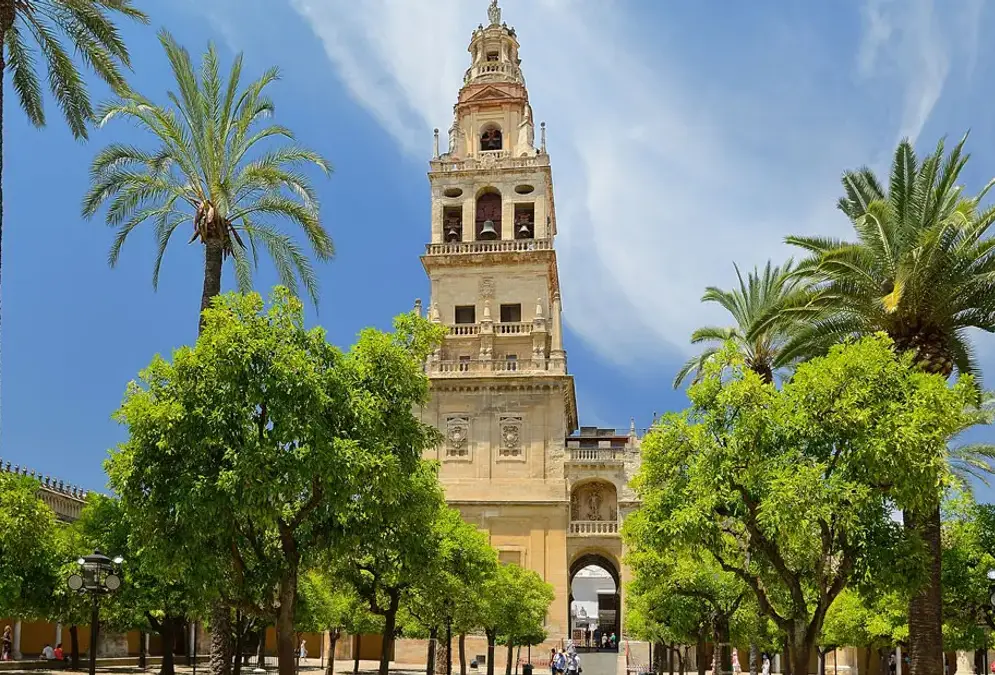
961–976 Monument
Underground 10th-century Islamic hammam beneath Córdoba's Campo Santo square, with star skylights, marble pillars and intact cold, warm and hot rooms.
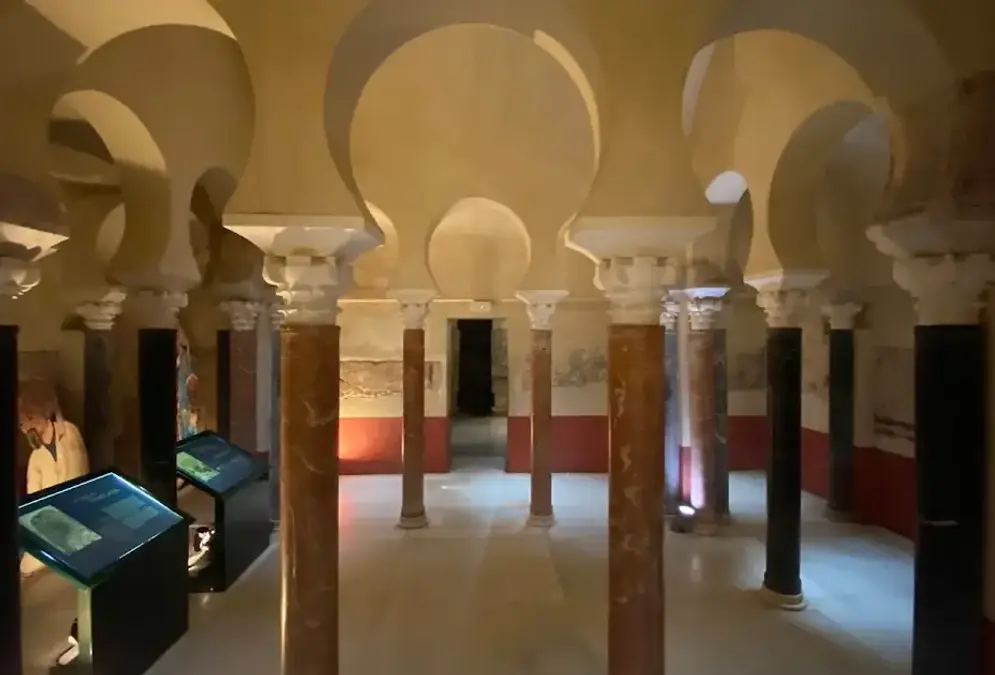
c. 890–961 Historical figure
Abd al-Rahman III (890-961), caliph of Córdoba, had Medina Azahara built and enlarged the Great Mosque. See where his trace survives and read his full story.
c. 915–970 Historical figure
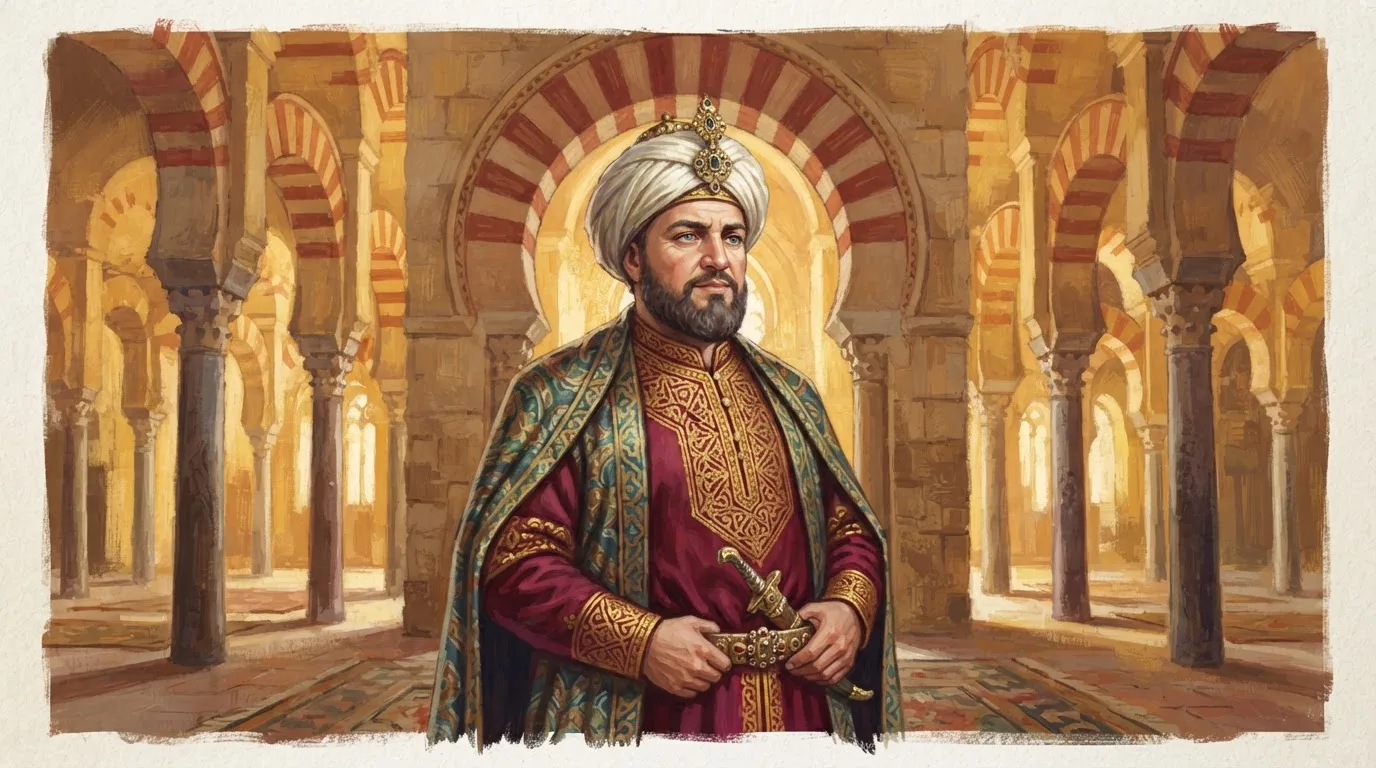
Hasdai ibn Shaprut (c. 915-970) was physician and diplomat to Córdoba's caliphs. Visit the Judería and the Jewish sites that hold the city's later story.
c. 936–1013 Historical figure
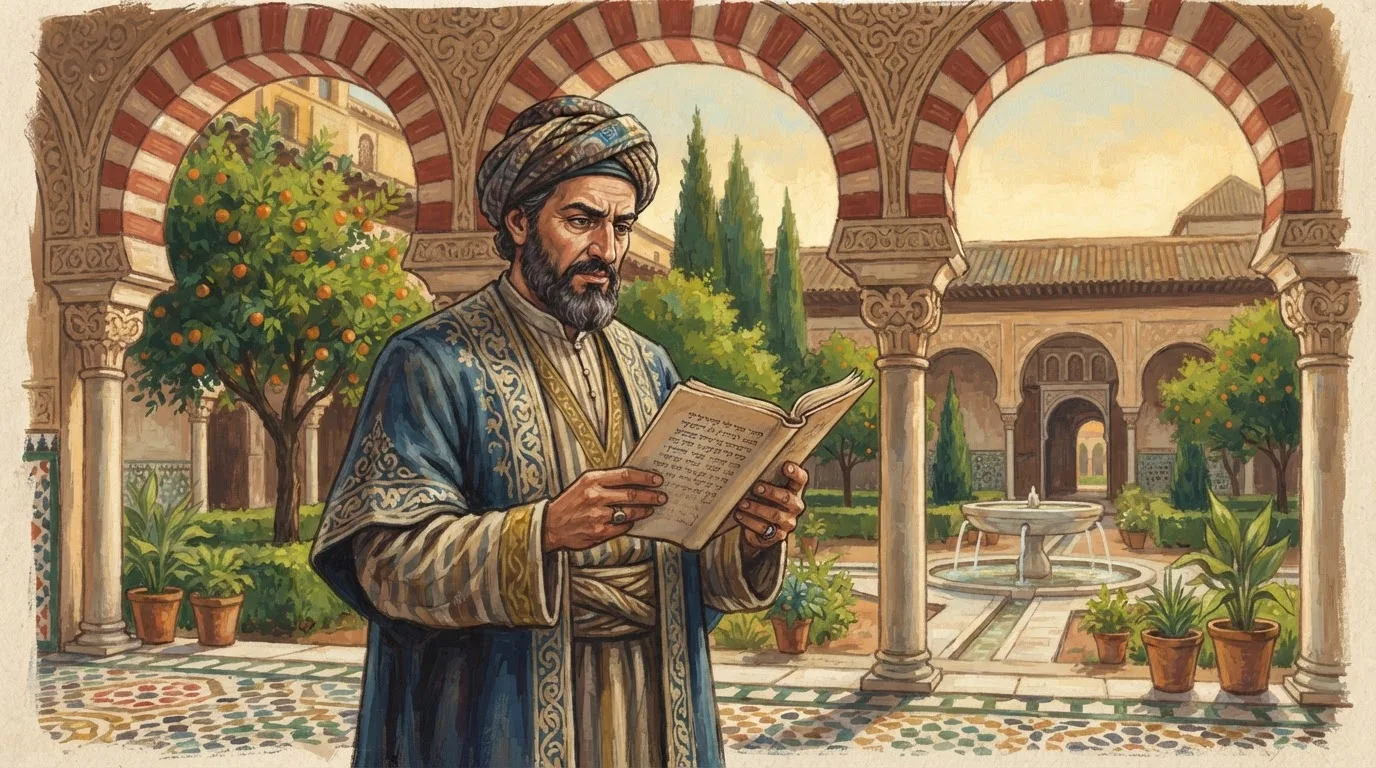
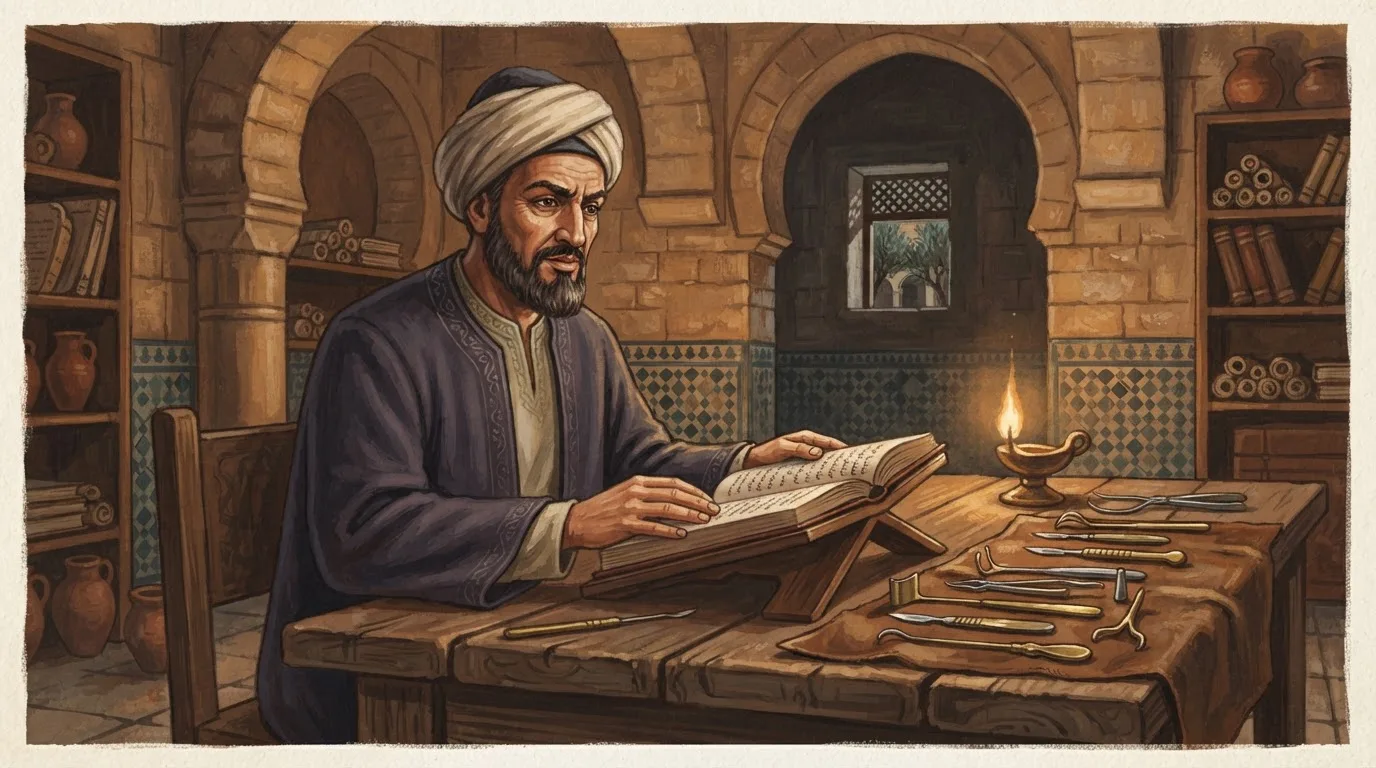
Al-Zahrawi (Abulcasis, c. 936–1013), Córdoba surgeon and author of the Kitab al-Tasrif. Find his trace at the Medina Azahara ruins and read the full story.
c. 938–1002 Historical figure
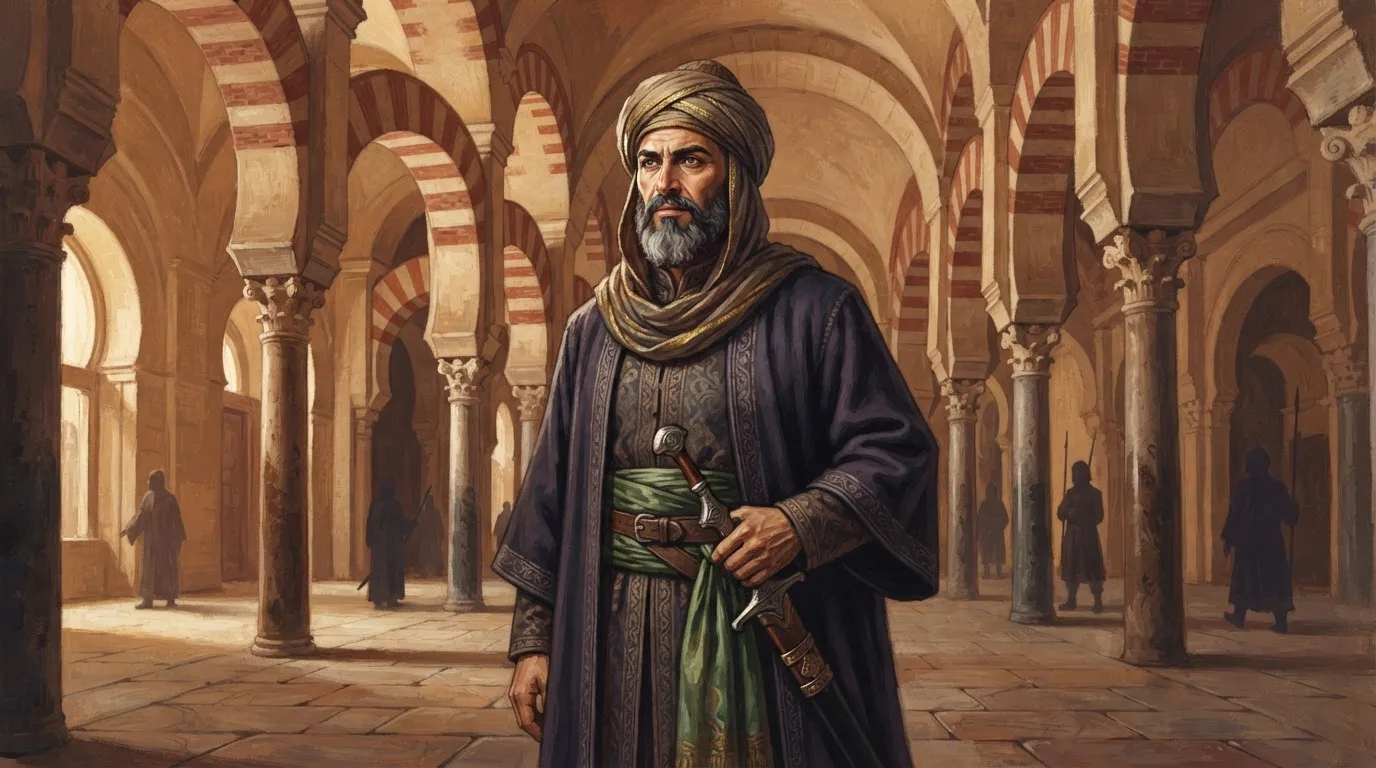
Almanzor (c. 938-1002) ruled Córdoba as chamberlain under a puppet caliph. See what remains of his eastern extension of the Mezquita and read his story.
c. 940–999 Historical figure
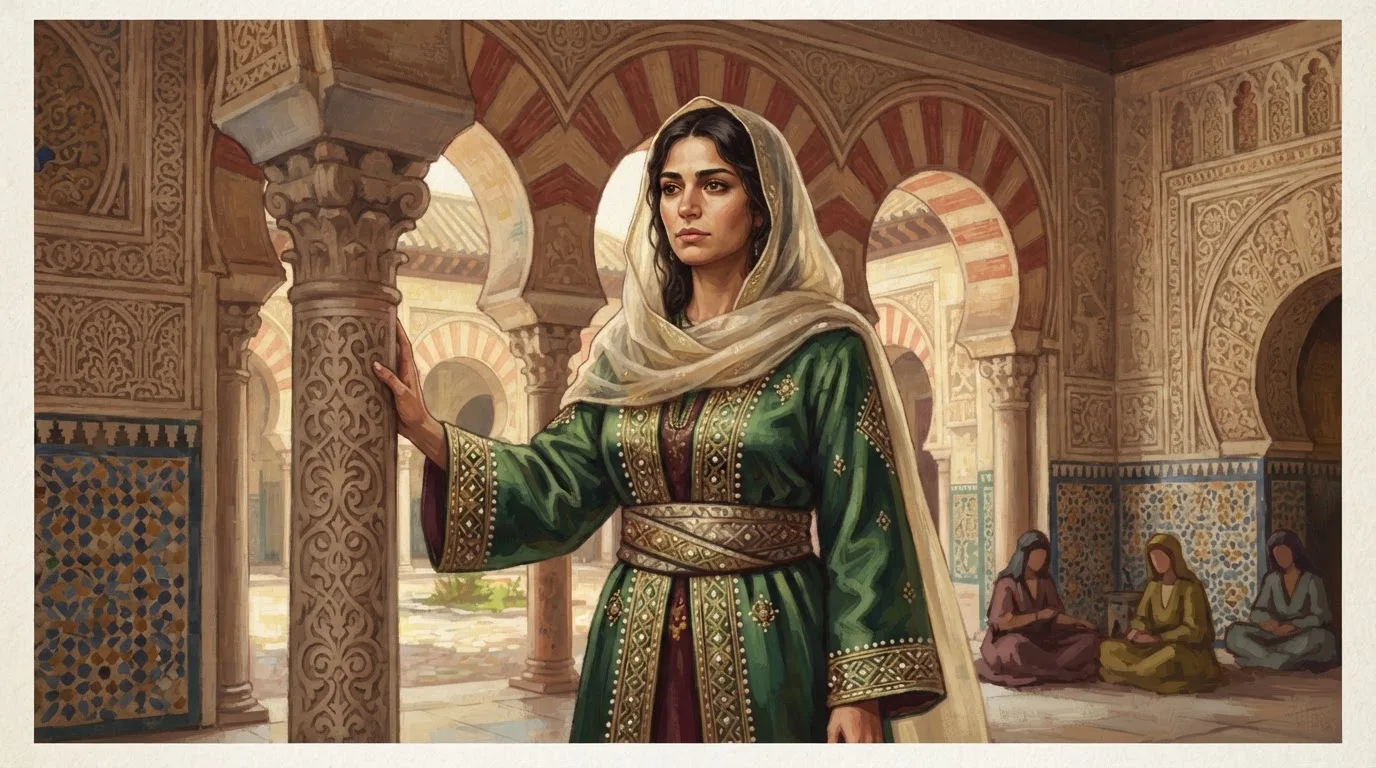
Subh (c. 940-c. 999) was the Navarrese-born concubine who became regent of Córdoba. Find where her trace lingers, from Medina Azahara to Madrid's ivory casket.
Go deeper