Almanzor: The Man Who Dismantled the Caliphate From Inside
Almanzor ran Córdoba for 25 years without claiming the caliphate. Fifty-seven undefeated campaigns, the bells of Santiago, a purged library — and civil war.
Read the full story
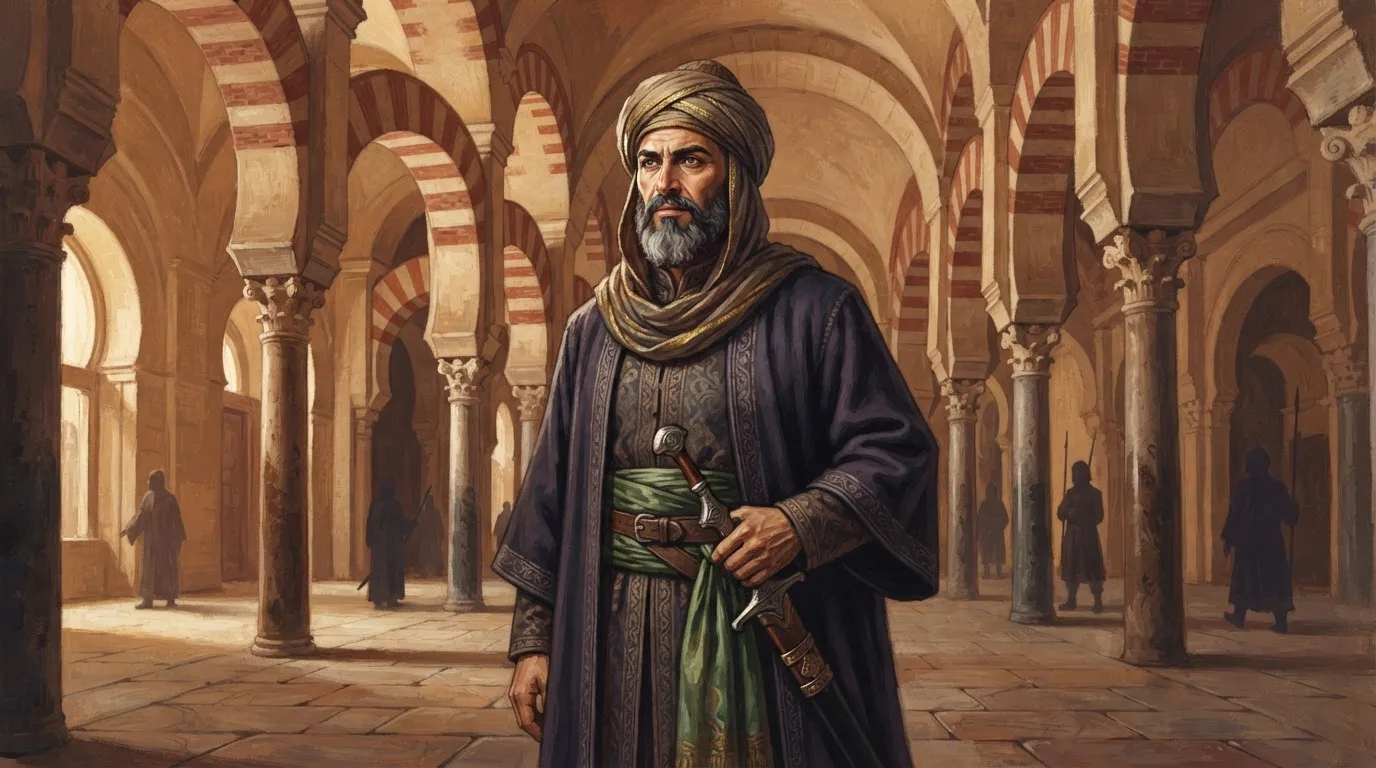
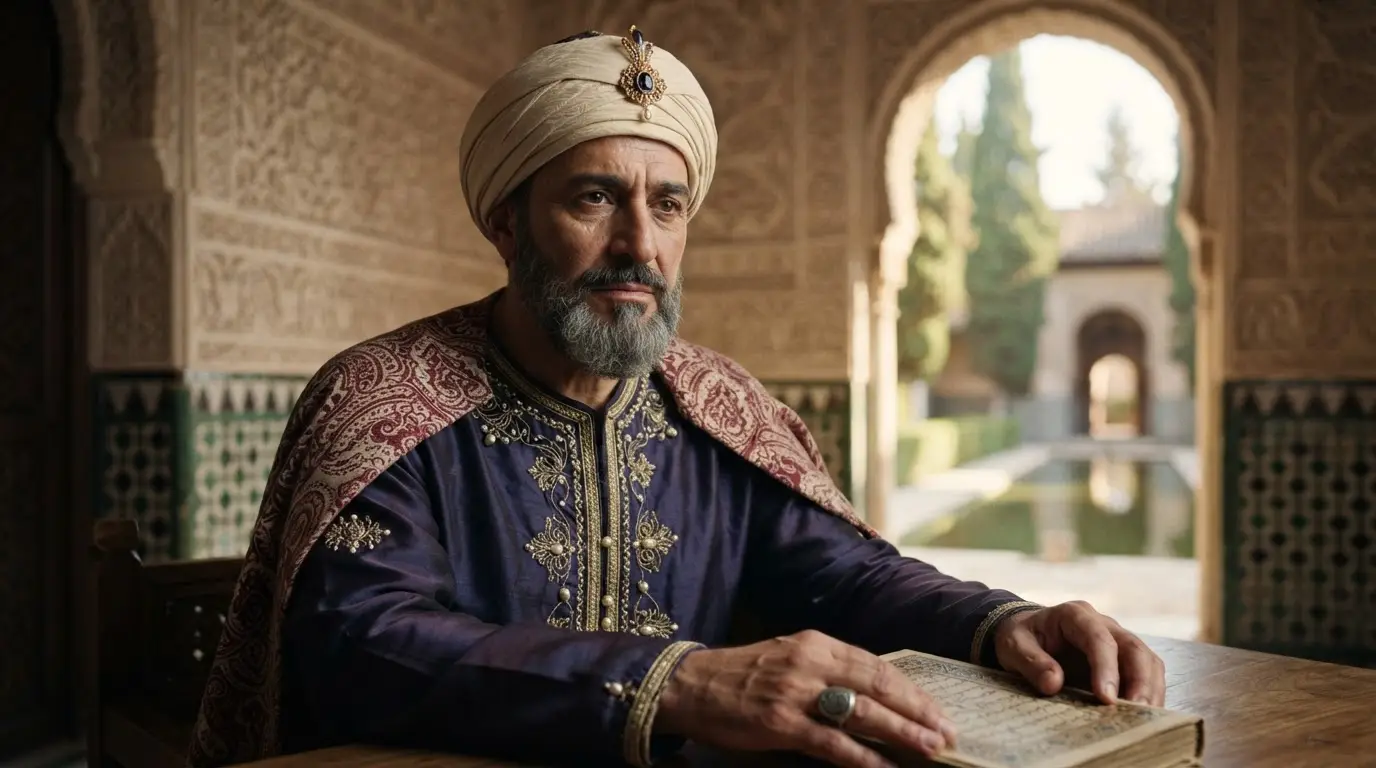
Almanzor was born Muhammad ibn Abi Amir around 938 in Turrush, in the Caliphate of Córdoba. As chancellor and chamberlain (hajib) to Caliph Hisham II, he was effectively the ruler of Islamic Iberia. His campaigns reached as far as Santiago de Compostela, which he devastated in the summer of 997. He died in August 1002 at Medinaceli, on campaign and far from the city he governed.
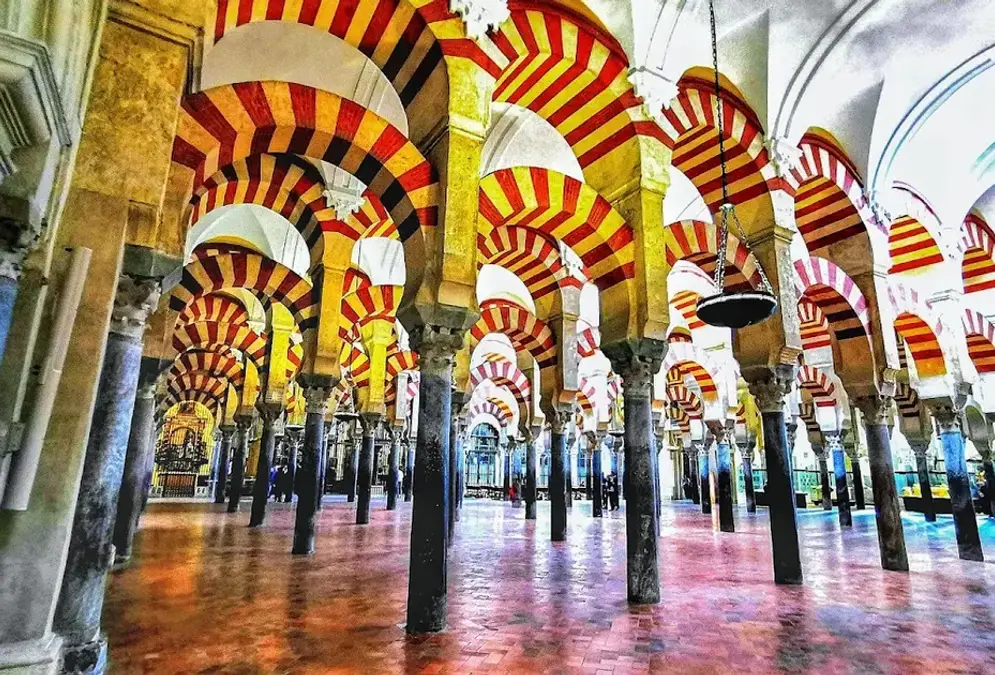
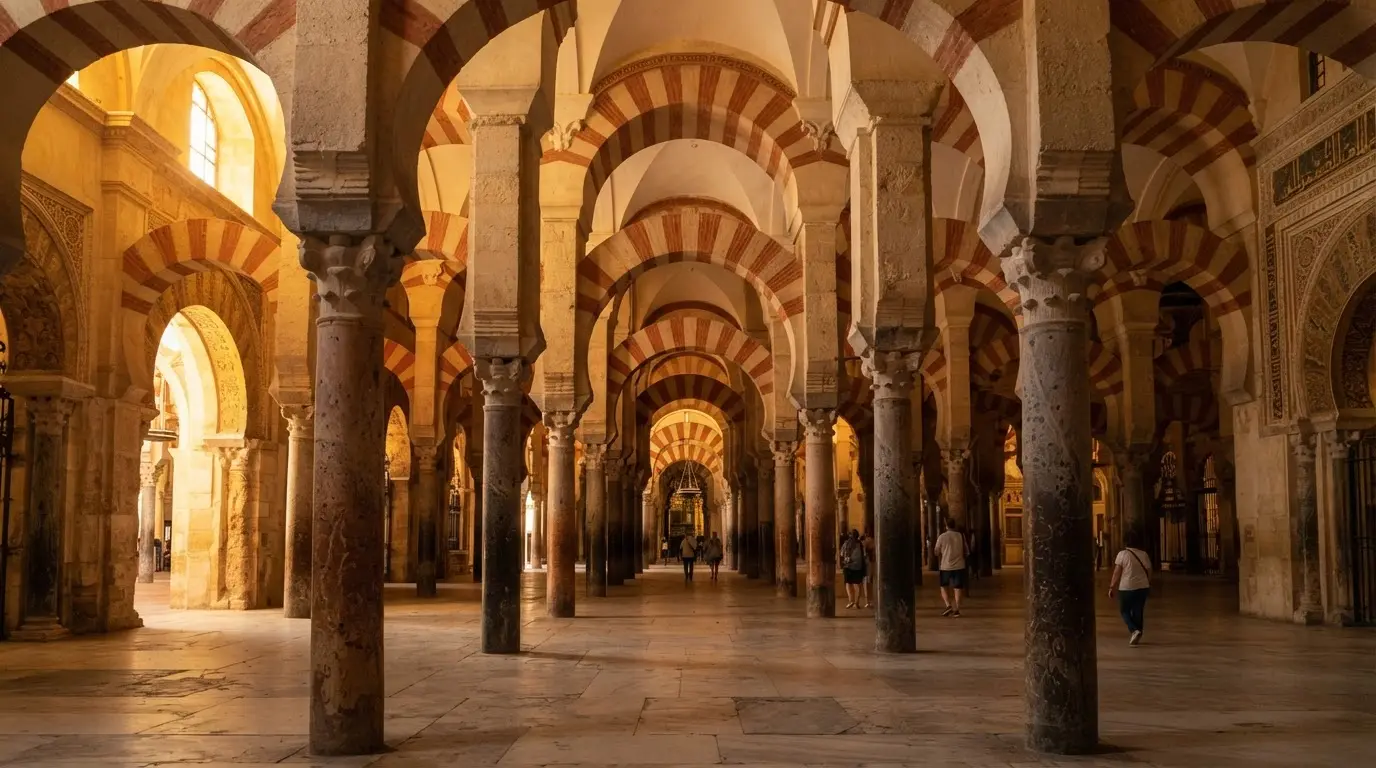
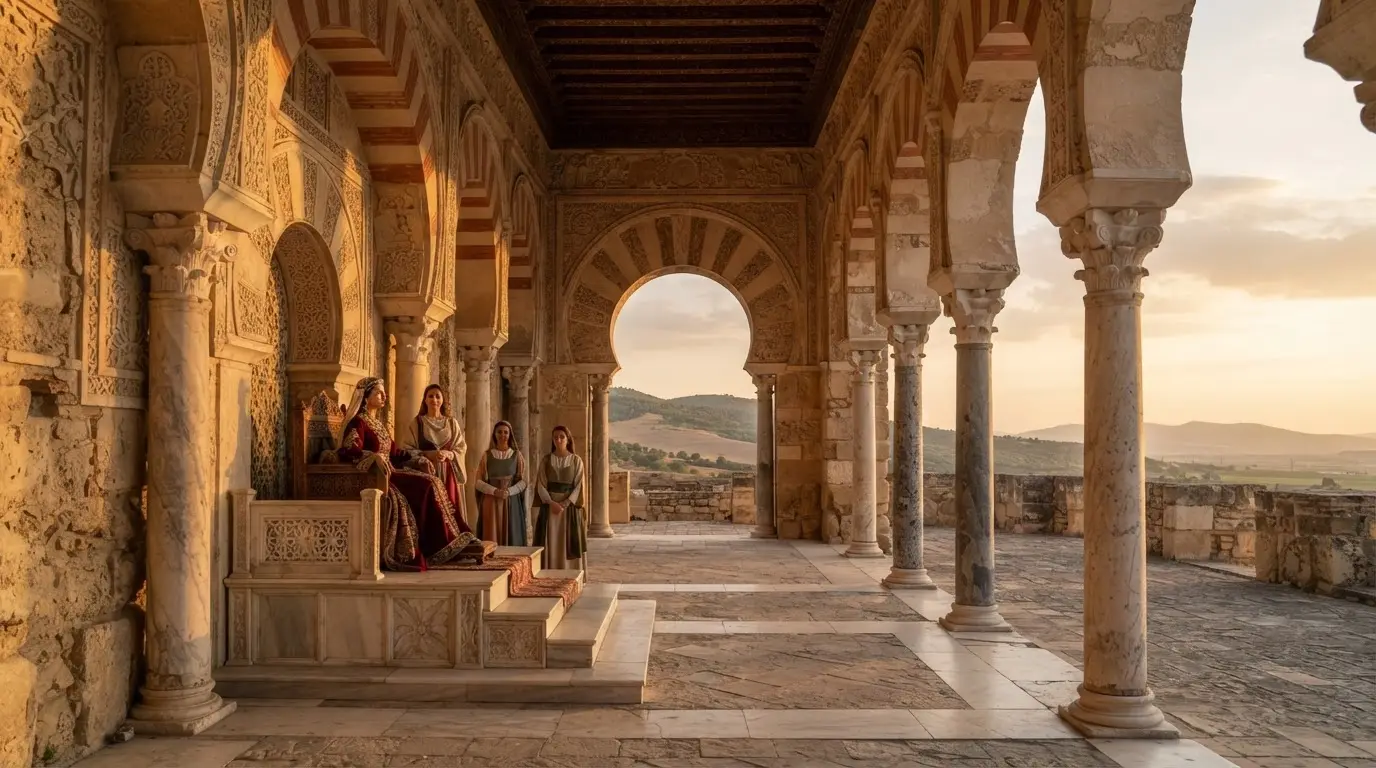
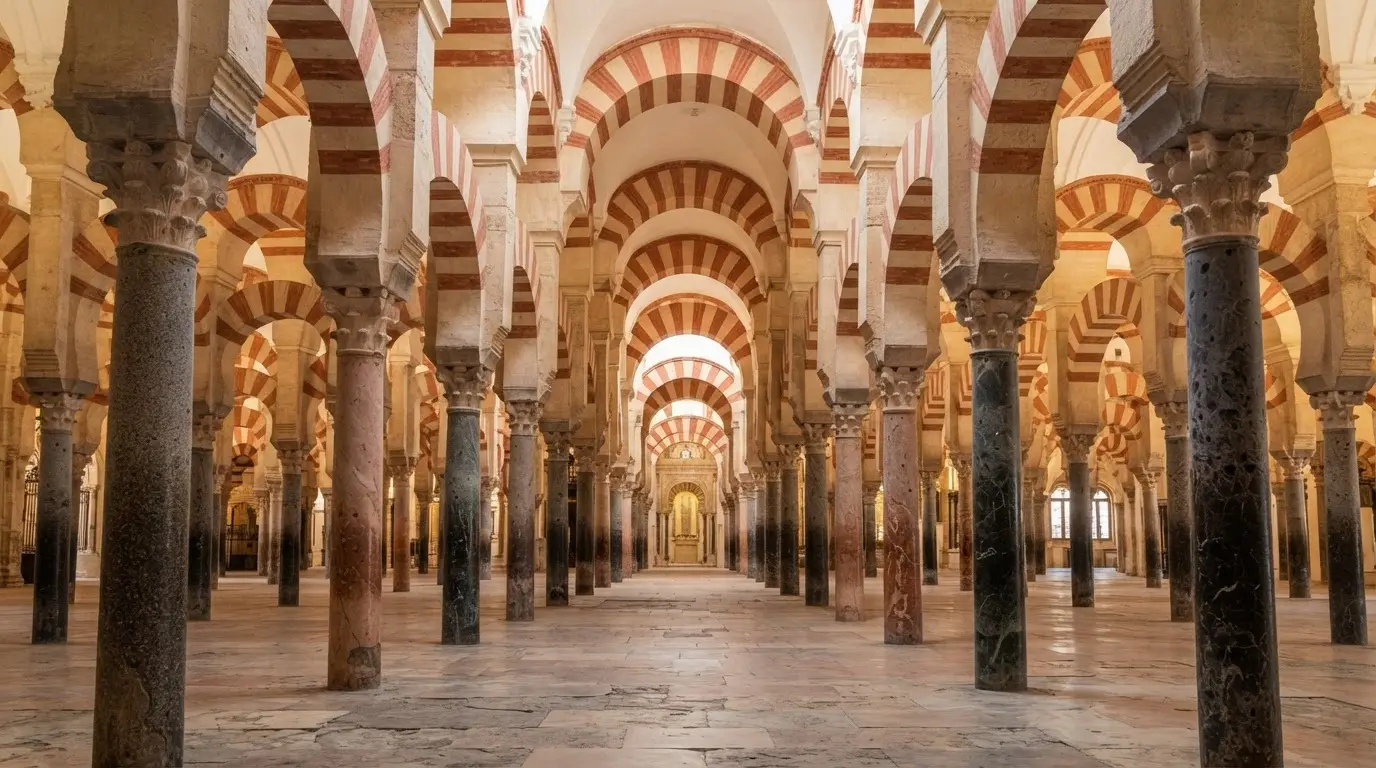
His clearest trace in Córdoba is a place you can walk through: the Mezquita-Catedral. The eastern extension of the prayer hall, eight new naves, is attributed to him, and it cost the building its traditional central axis. Stand in the forest of arches and look east for the extra width he bought. For the caliphal palace-city he overshadowed, see Medina Azahara.
The people around him fill in the rest. Read about the boy he governed through, Hisham II, and the sultana who first raised him, Subh. The caliph he served before them is in Al-Hakam II and the library. For the career itself, read the full story.
929–1031
Abd al-Rahman III proclaimed the caliphate in 929, and Córdoba grew to an estimated 500,000 people. Medina Azahara was begun in 936, and the Mezquita was enlarged in 961 and 987.
936 Monument
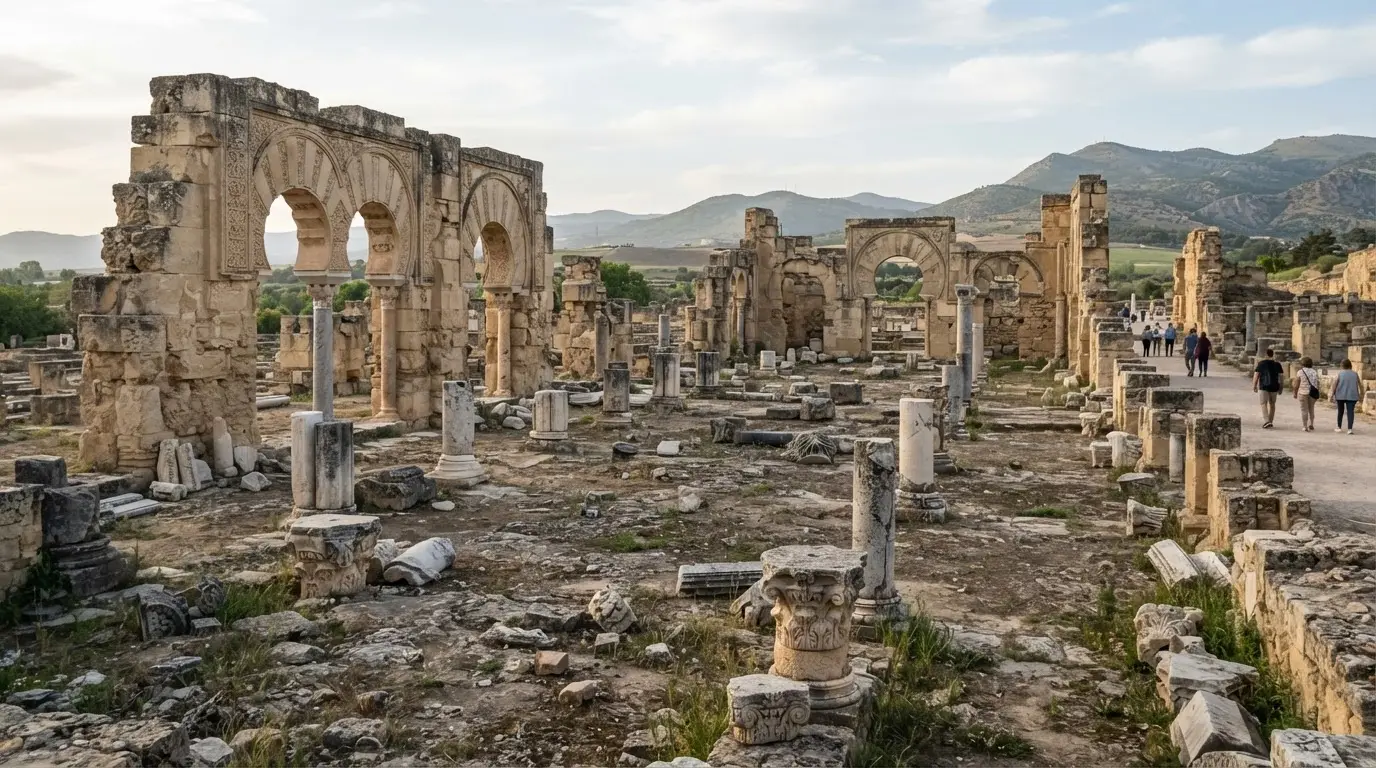
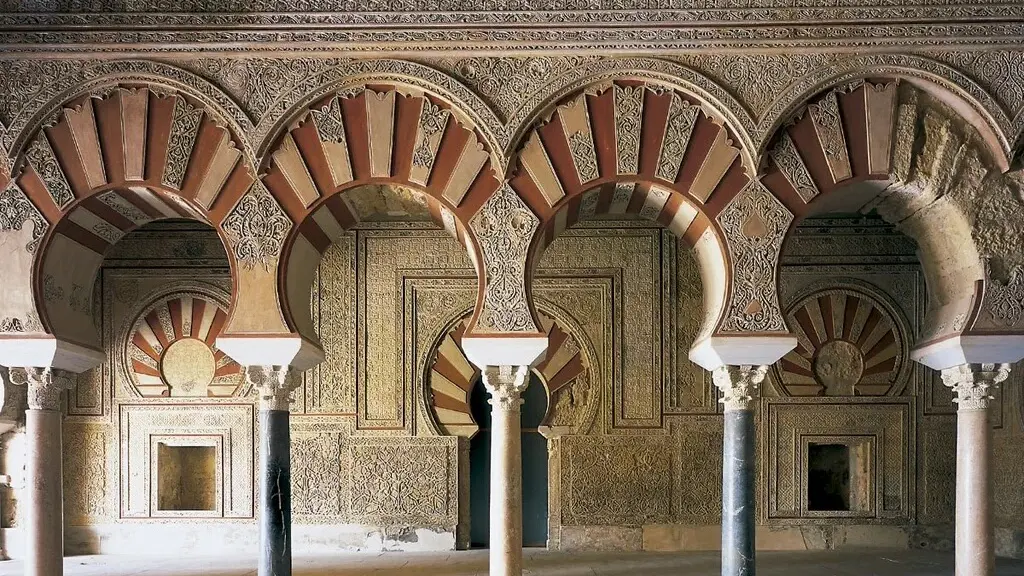
Medina Azahara is Córdoba's UNESCO listed Caliphate City: a 10th century palace 8 km from town, with the Salón Rico and award-winning museum. Plan your visit.
951–958 Monument
Climb 150 steps up the Mezquita-Catedral's 10th-century minaret-turned-bell-tower for 360-degree views over Córdoba's rooftops, Roman Bridge and Alcázar.
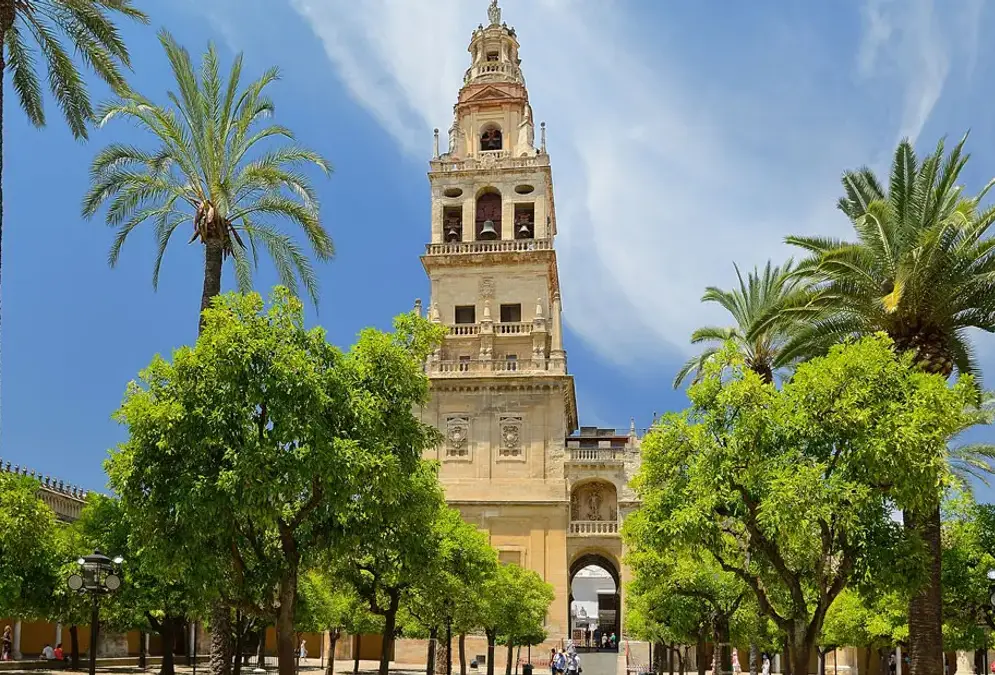
961–976 Monument
Underground 10th-century Islamic hammam beneath Córdoba's Campo Santo square, with star skylights, marble pillars and intact cold, warm and hot rooms.
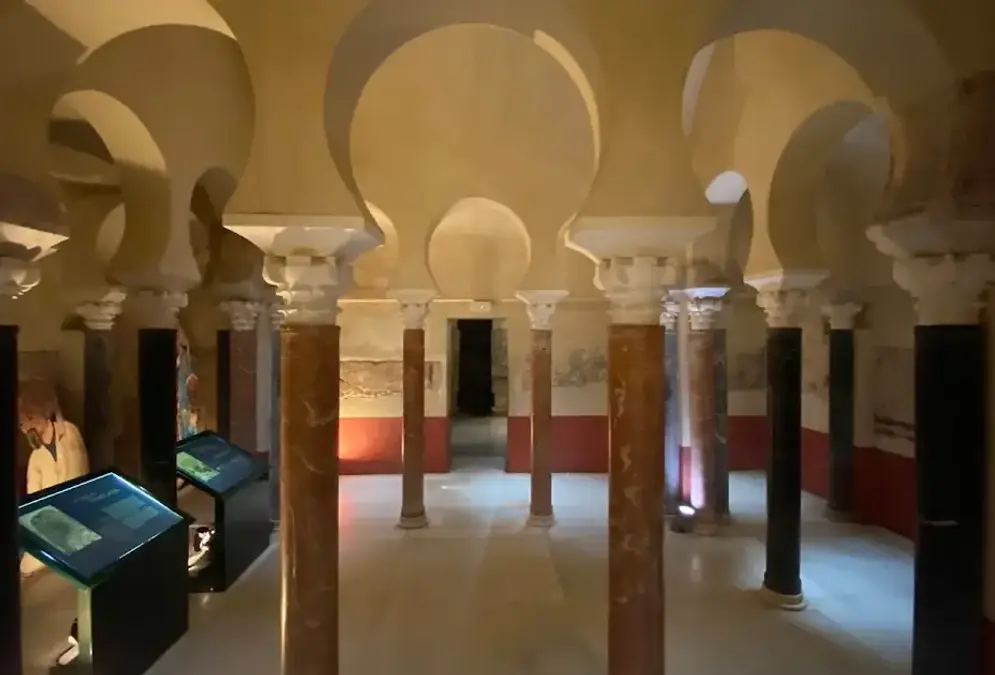
c. 890–961 Historical figure
Abd al-Rahman III (890-961), caliph of Córdoba, had Medina Azahara built and enlarged the Great Mosque. See where his trace survives and read his full story.
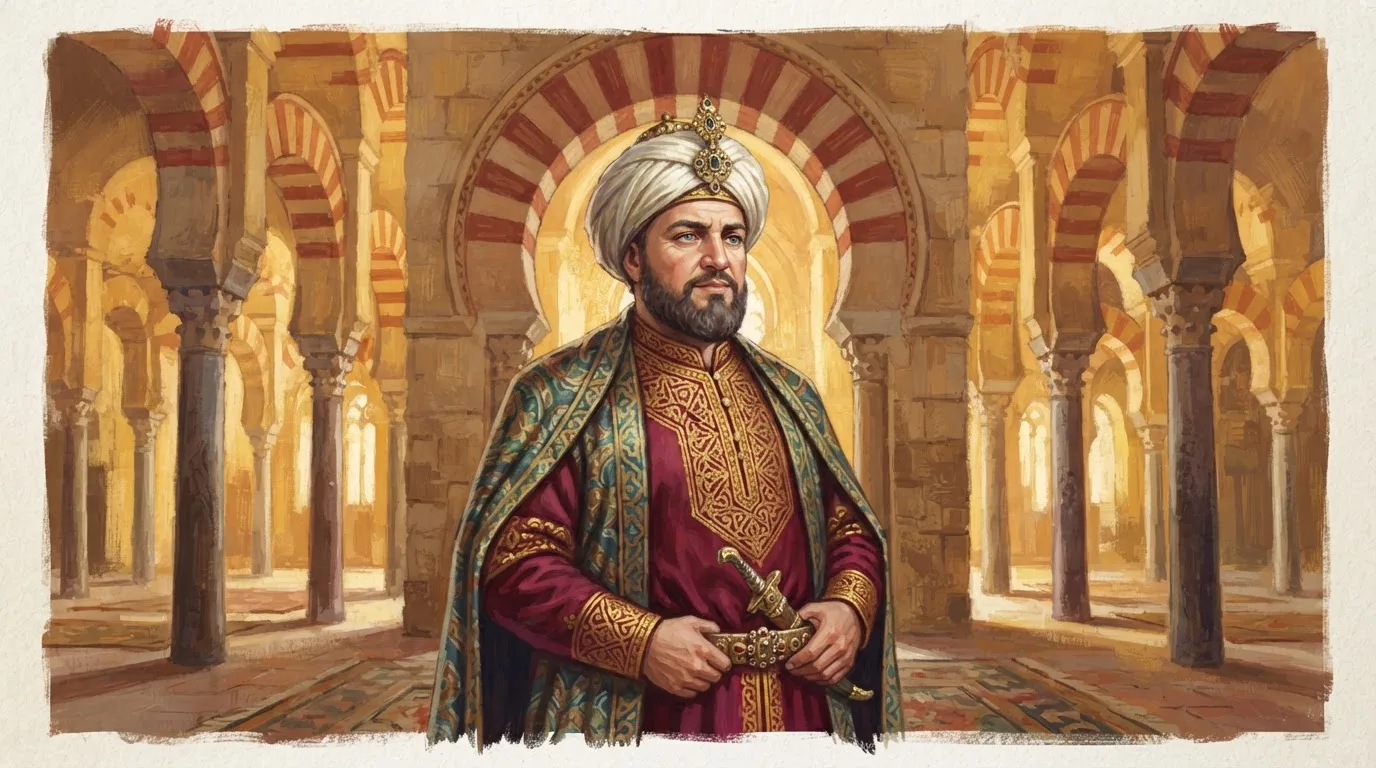
915–976 Historical figure
Al-Hakam II (915-976), caliph of Córdoba from 961, expanded the Great Mosque and its mihrab. See where his trace survives in the city and read his full story.
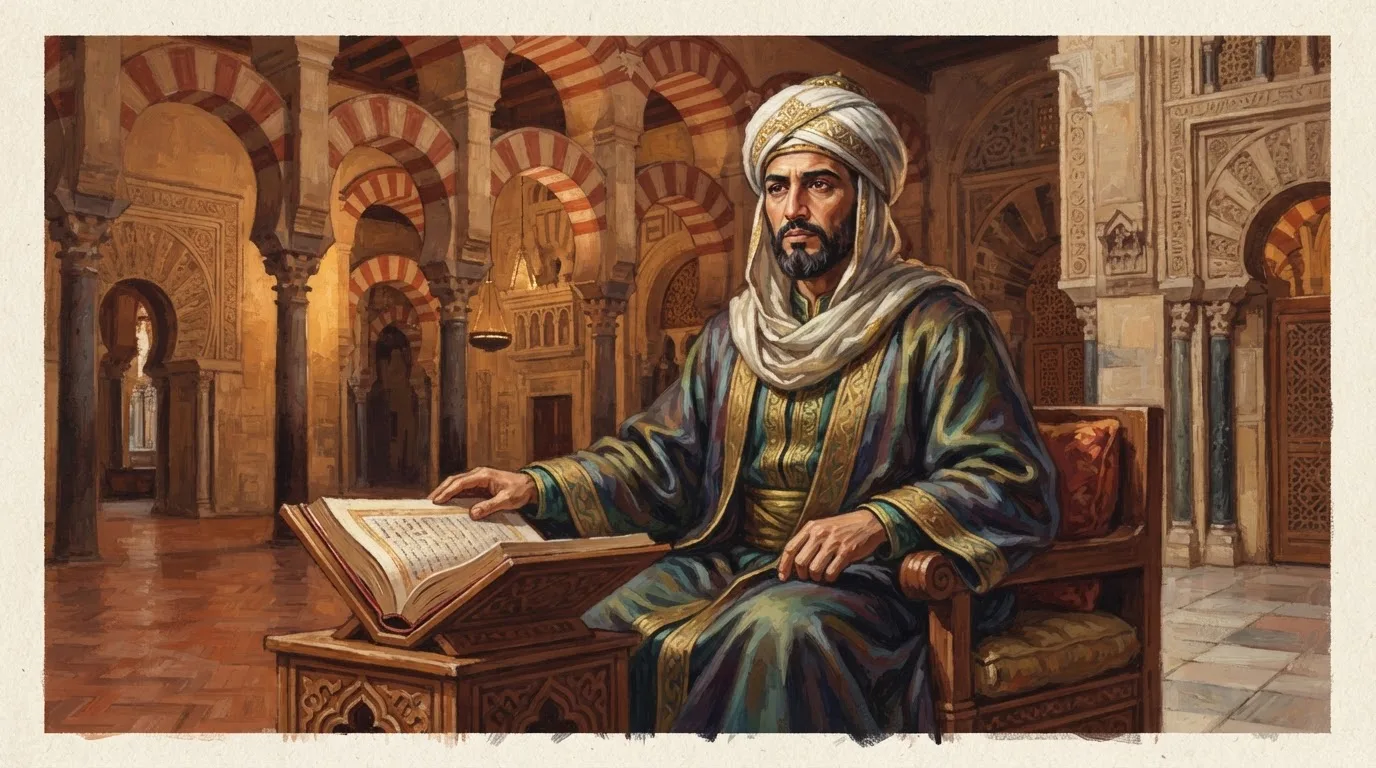
c. 915–970 Historical figure
Hasdai ibn Shaprut (c. 915-970) was physician and diplomat to Córdoba's caliphs. Visit the Judería and the Jewish sites that hold the city's later story.
c. 936–1013 Historical figure
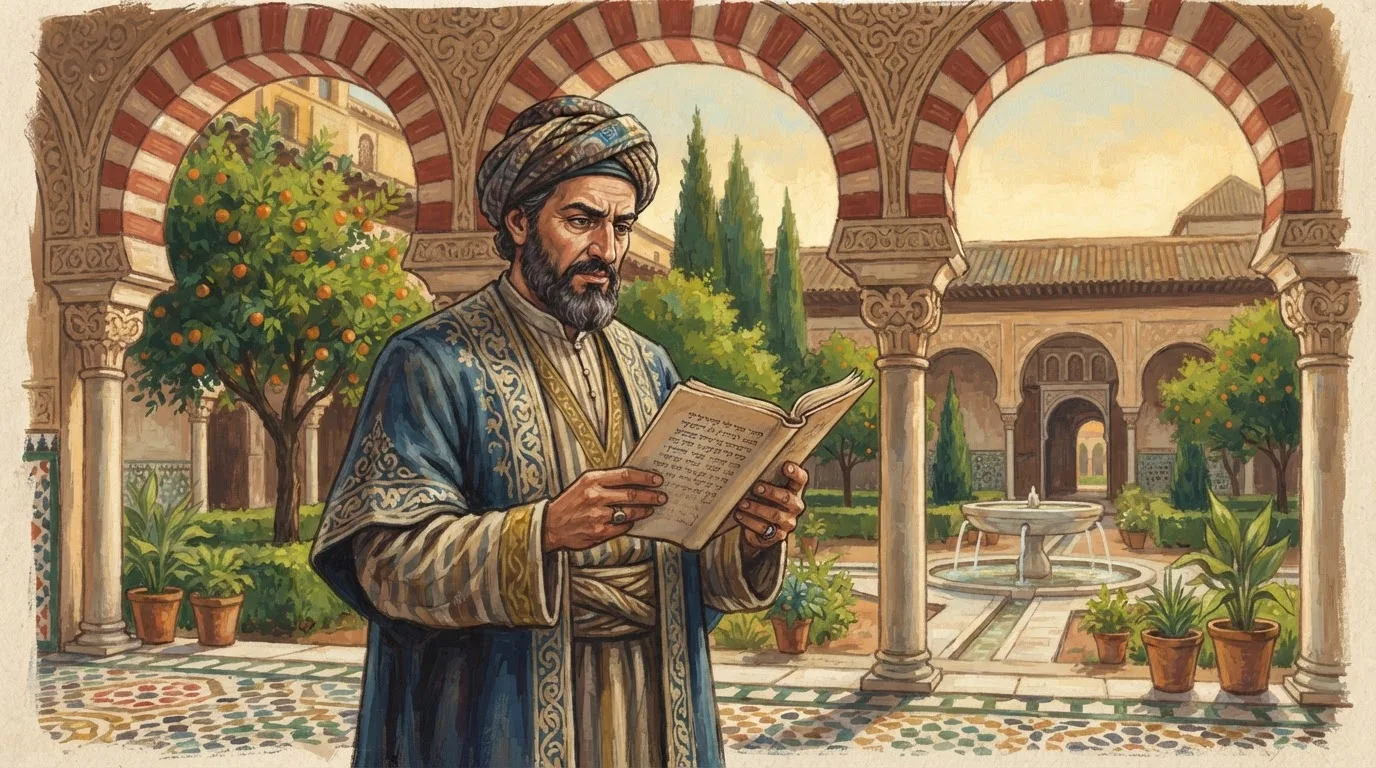
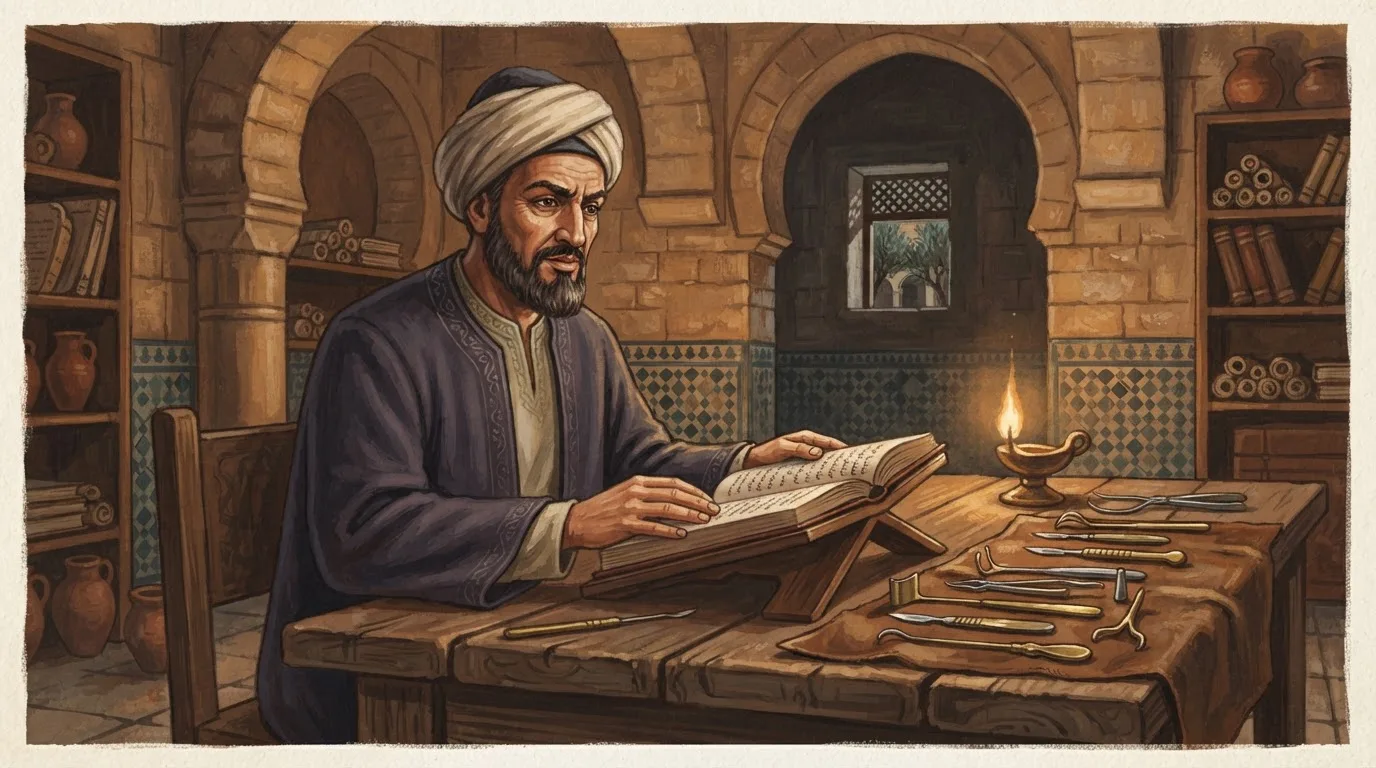
Al-Zahrawi (Abulcasis, c. 936–1013), Córdoba surgeon and author of the Kitab al-Tasrif. Find his trace at the Medina Azahara ruins and read the full story.
c. 940–999 Historical figure
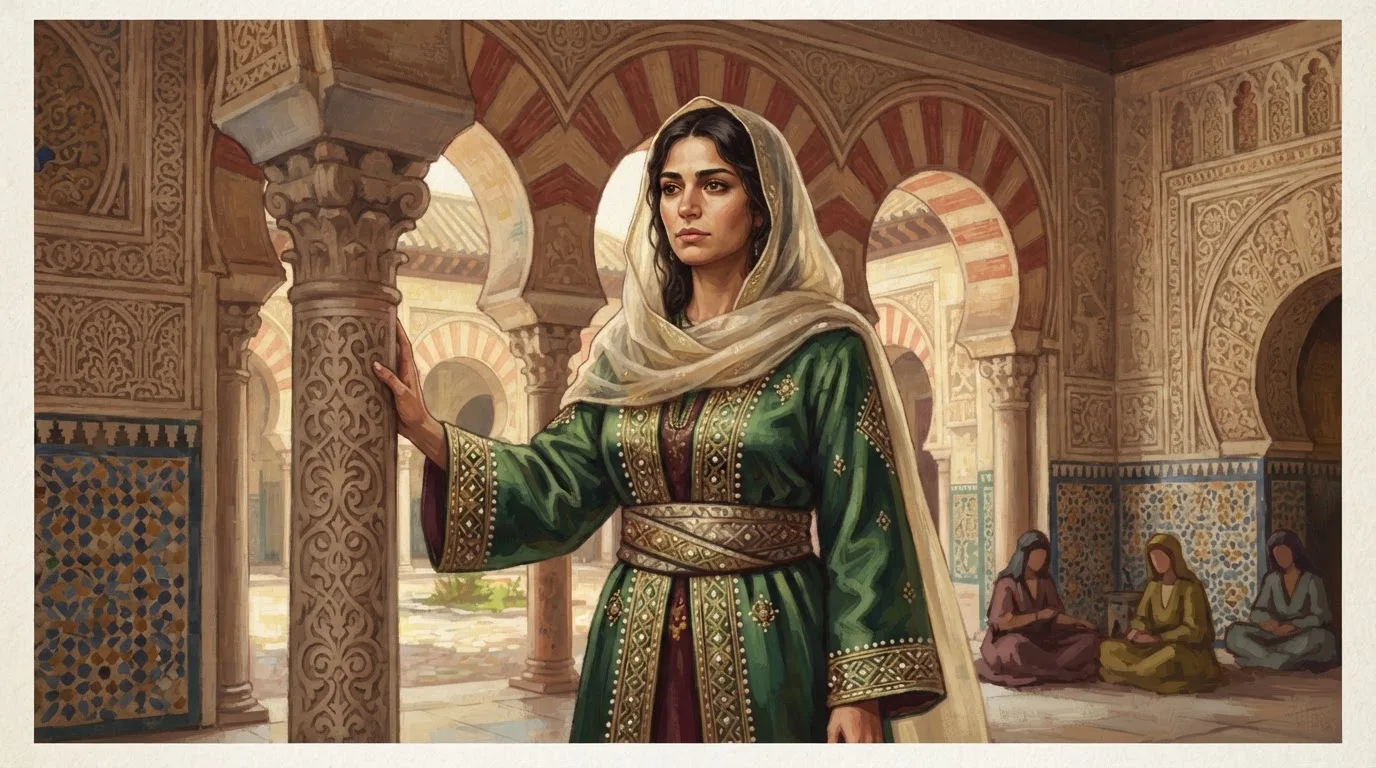
Subh (c. 940-c. 999) was the Navarrese-born concubine who became regent of Córdoba. Find where her trace lingers, from Medina Azahara to Madrid's ivory casket.
Go deeper