- Also known as
- Fernando III, Saint Ferdinand, Ferdinand III of Castile
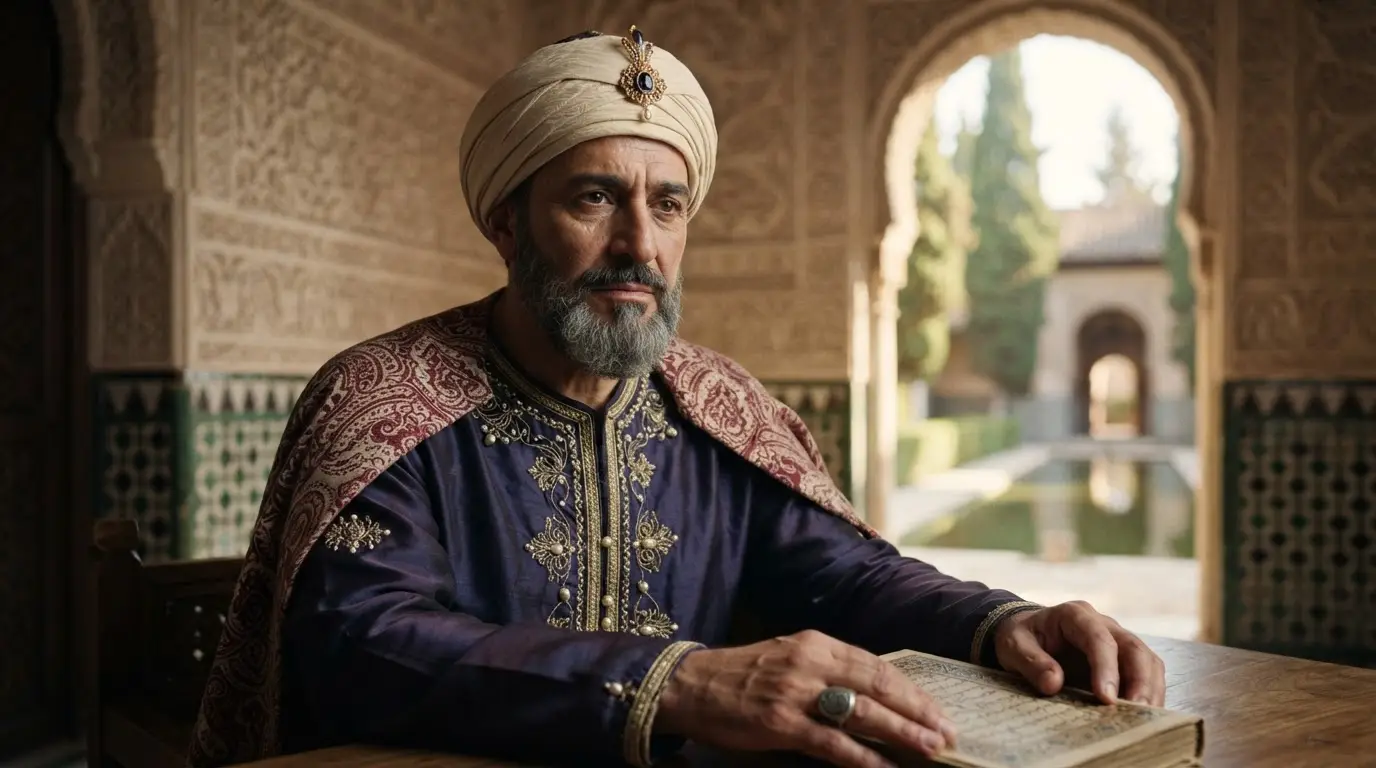
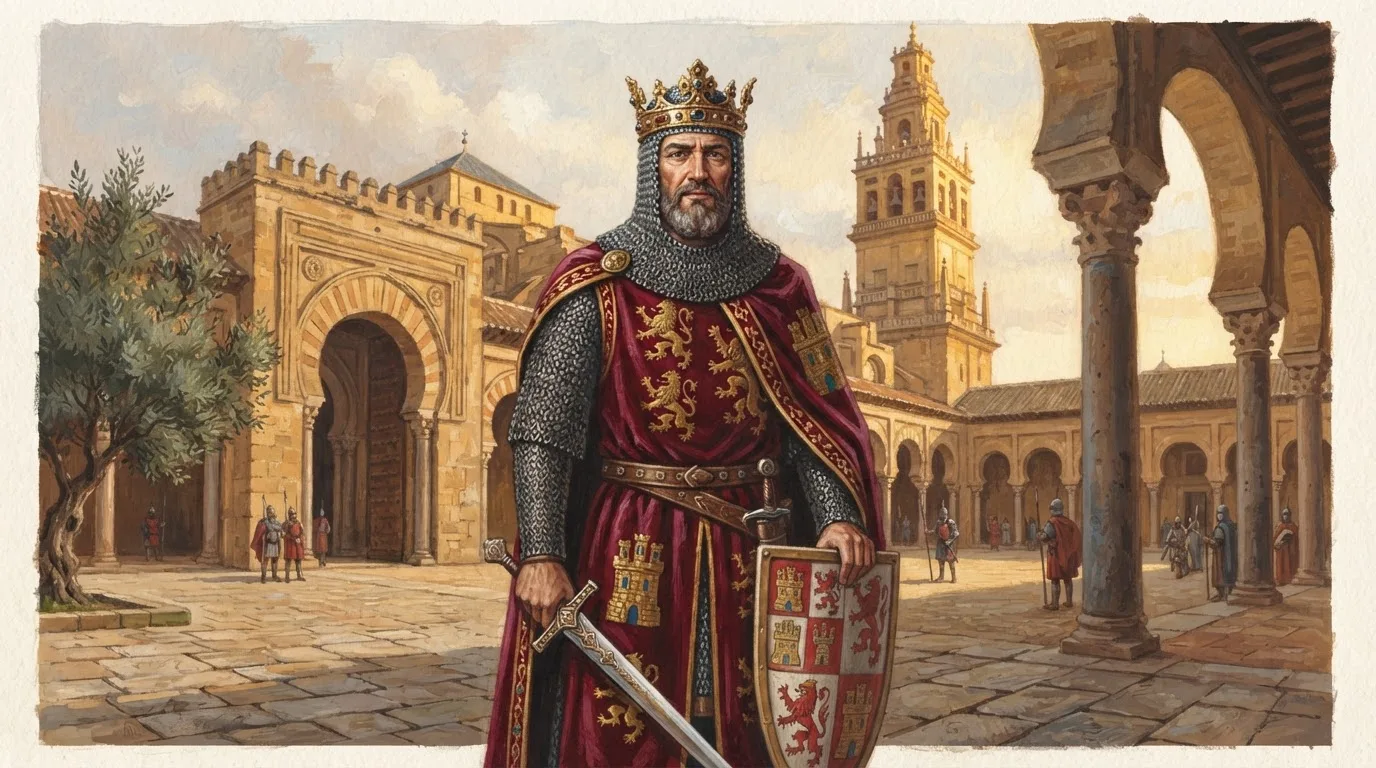
Ferdinand III, king of Castile and León, took the old Umayyad capital of Córdoba in 1236. Born around 1201 at the Monastery of Valparaíso, in today's province of Zamora, he was the son of Alfonso IX of León and Berengaria of Castile, and he secured the permanent union of the two crowns. He entered Seville as a conqueror on 22 December 1248, died on 30 May 1252 and was buried in Seville Cathedral by his son, Alfonso X. Pope Clement X canonized him in 1671.
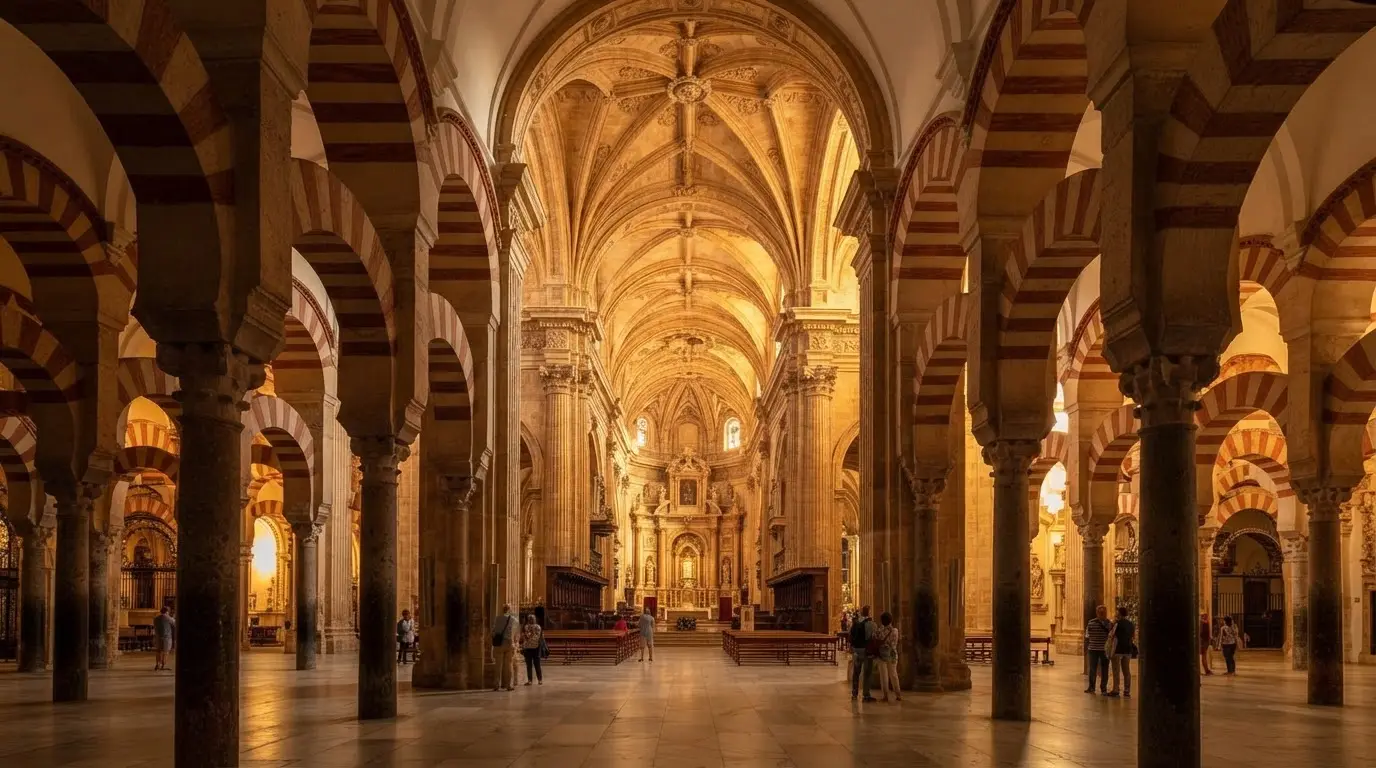
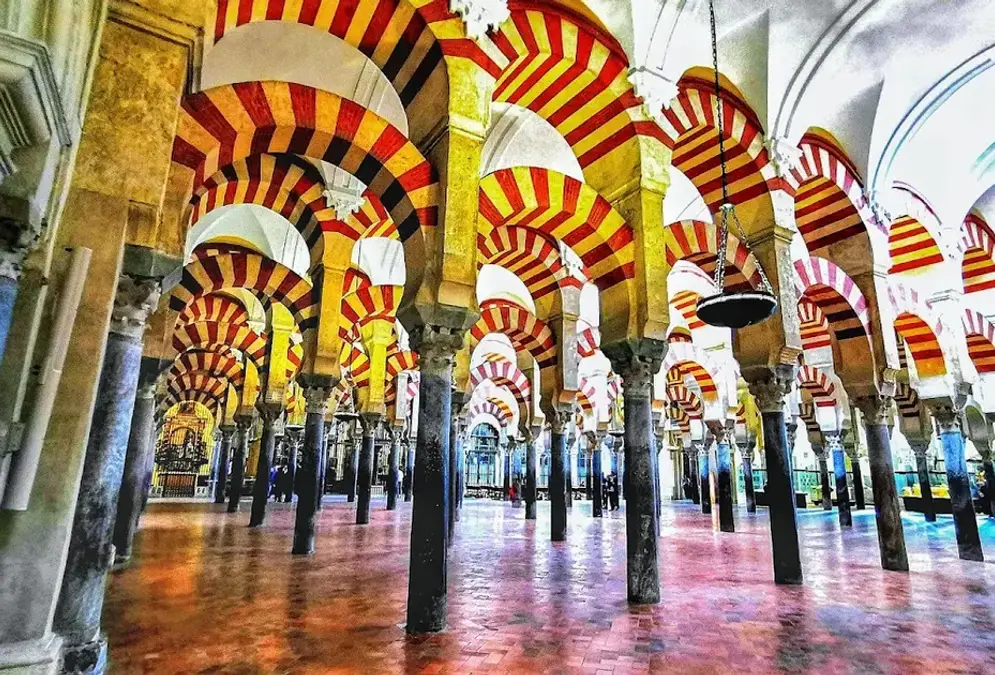
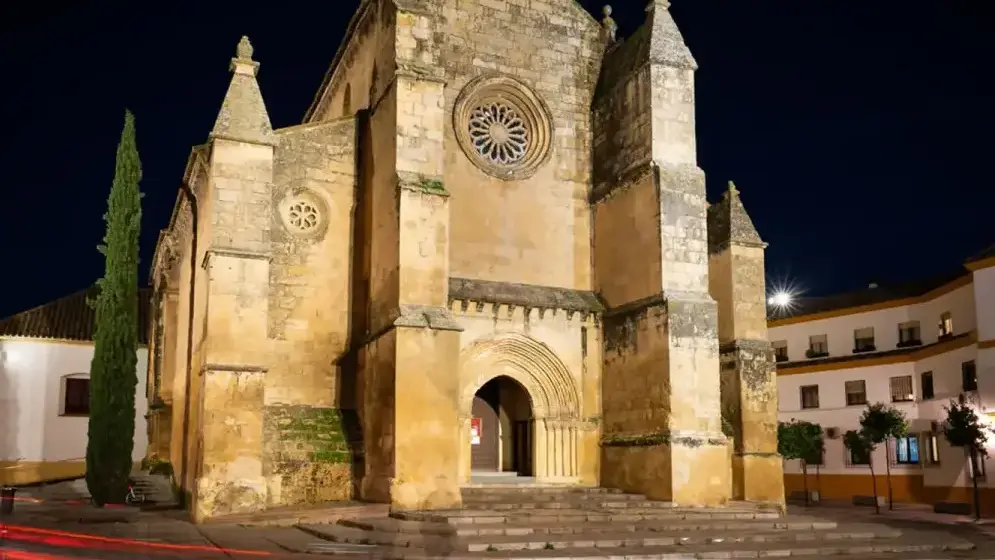
In Córdoba his trace is in stone. On 29 June 1236 the mosque was consecrated and its episcopal see restored: that building is the Mezquita-Cathedral. Fourteen new churches followed, seven in the Medina and seven in the Axerquía, and the Iglesia de Santa Marina is one of them, raised in the second half of the 13th century on the site of a mosque. After the conquest the land of the former alcazar was divided among the clergy, the nobility and the Order of Calatrava; the Alcázar de los Reyes Cristianos is where to follow what came next.
For the campaign itself, read the siege of Córdoba in 1236 and what the mosque's conversion actually looked like. The city's long Castilian afterlife is in the Kingdom of Córdoba under Castile.
Places to see
In their time
-
Castilian & late medieval
1236–1492
Ferdinand III took Córdoba on 29 June 1236 and the Mezquita became a cathedral. Fourteen Fernandine parish churches followed, and the Alcázar de los Reyes Cristianos was built for Castilian monarchs.
-
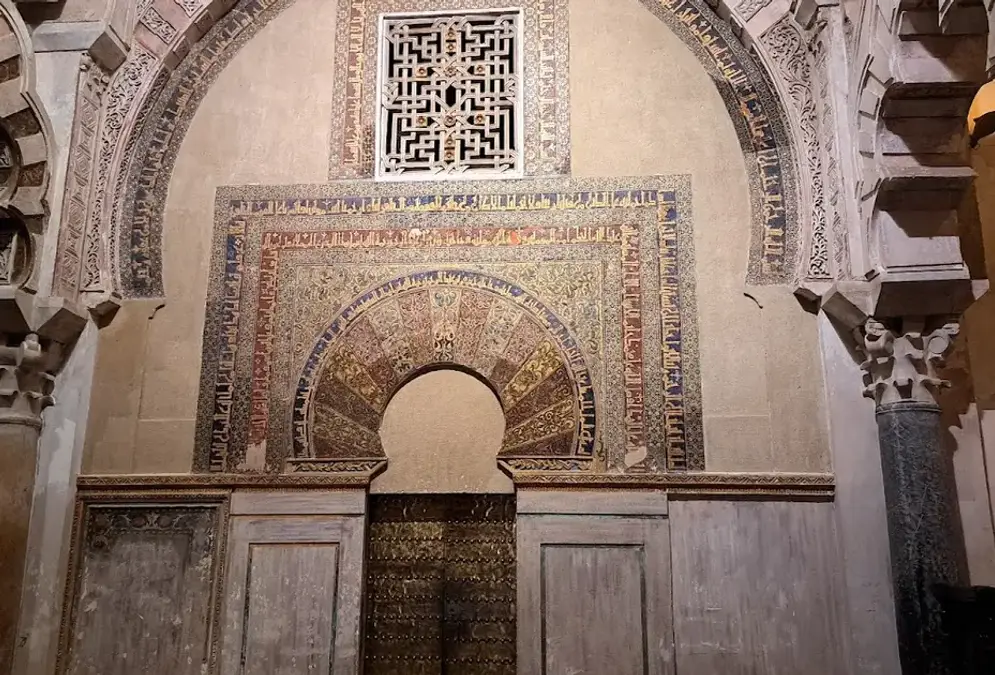
Sinagoga de Córdoba
1315 Monument
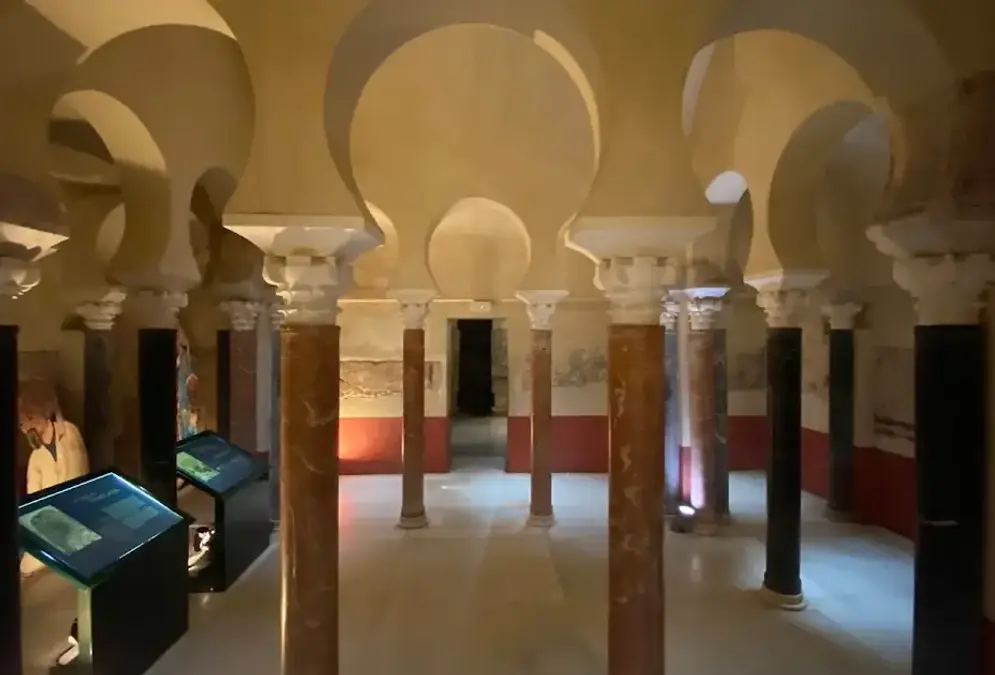
Built in 1315, one of only a few medieval synagogues still standing in Spain. Mudéjar stucco and Hebrew inscriptions in the heart of Córdoba's Judería.
-
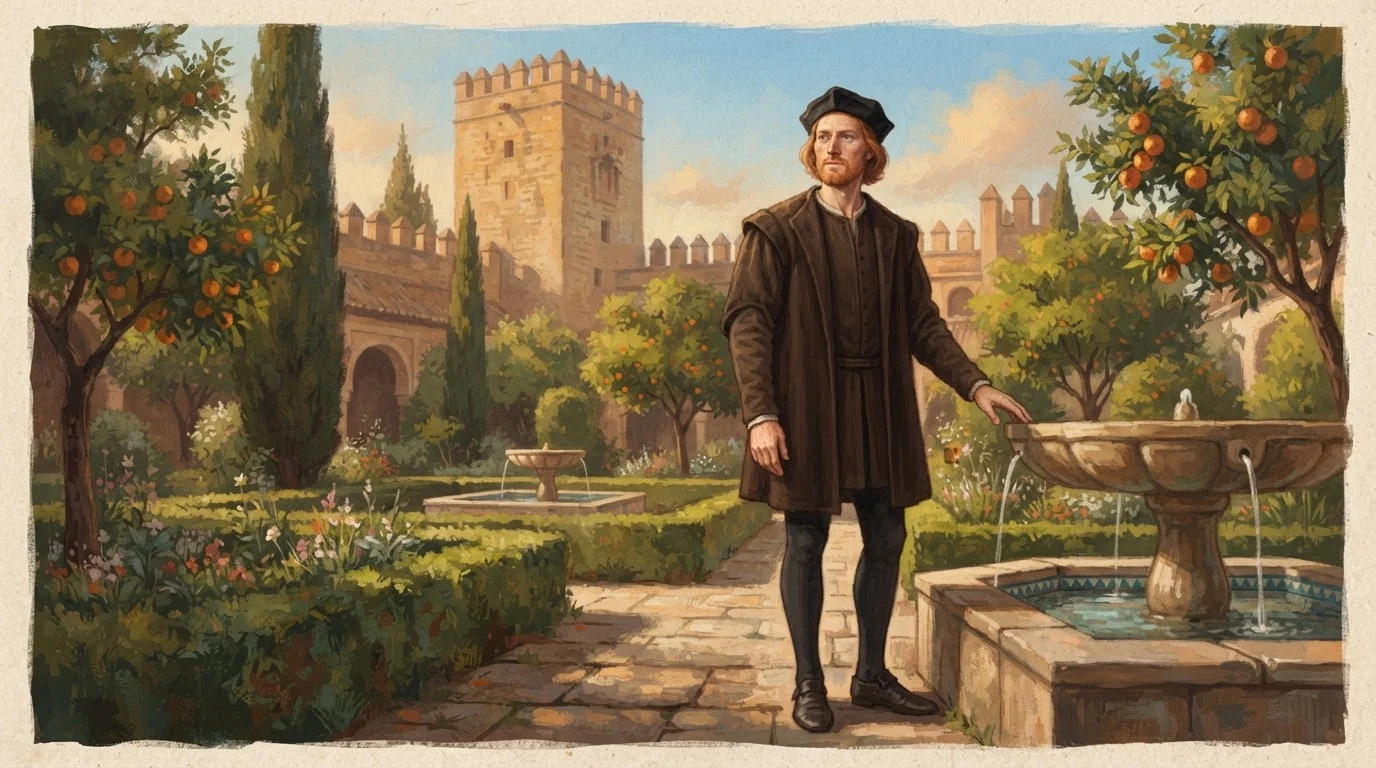
Christopher Columbus
c. 1451–1506 Historical figure
Christopher Columbus (1451-1506) waited in Córdoba for the Catholic Monarchs' verdict. See the Alcázar gardens where a sculpted group of him still stands.
-
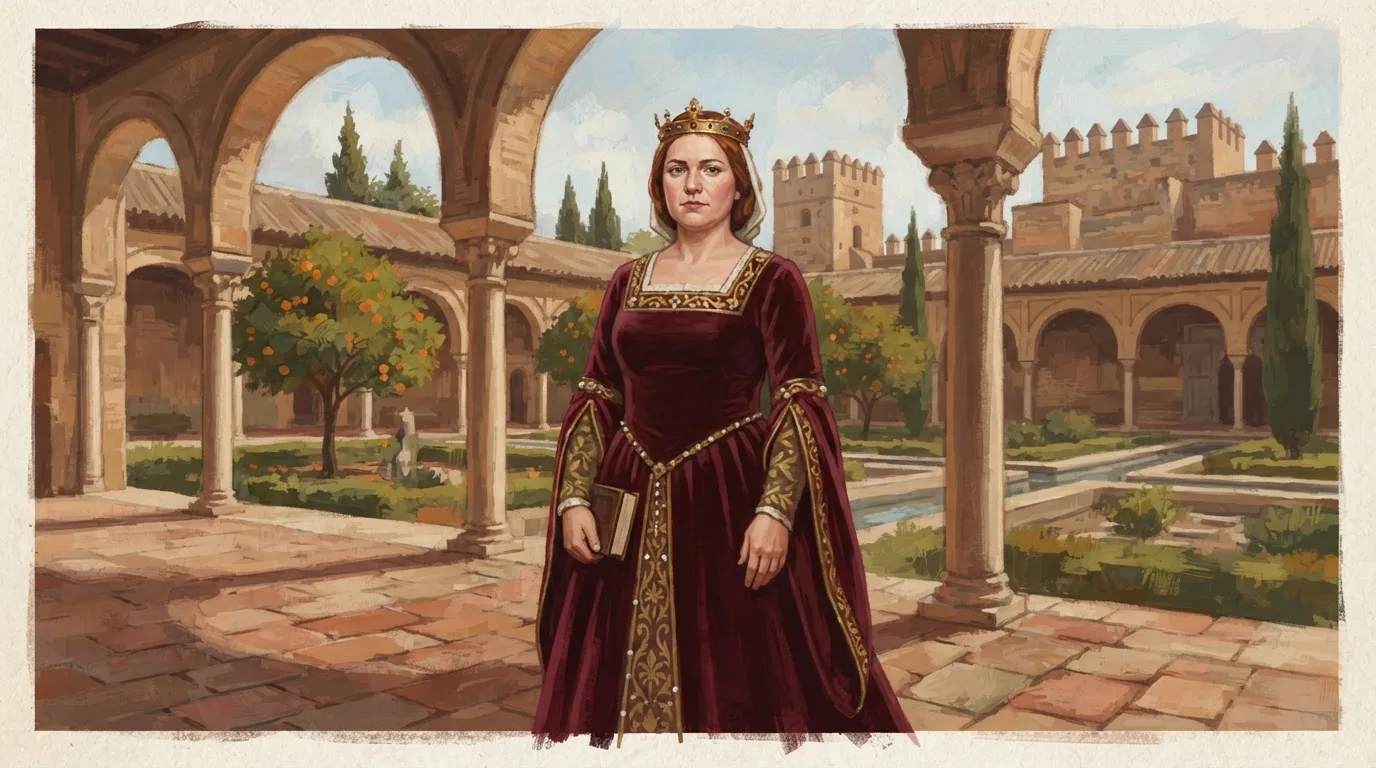
Isabella I
1451–1504 Historical figure
Isabella I of Castile ruled with Ferdinand as a Catholic Monarch and governed from Córdoba's Alcázar, where Columbus sought her backing. Her trace in the city.
Undated
-
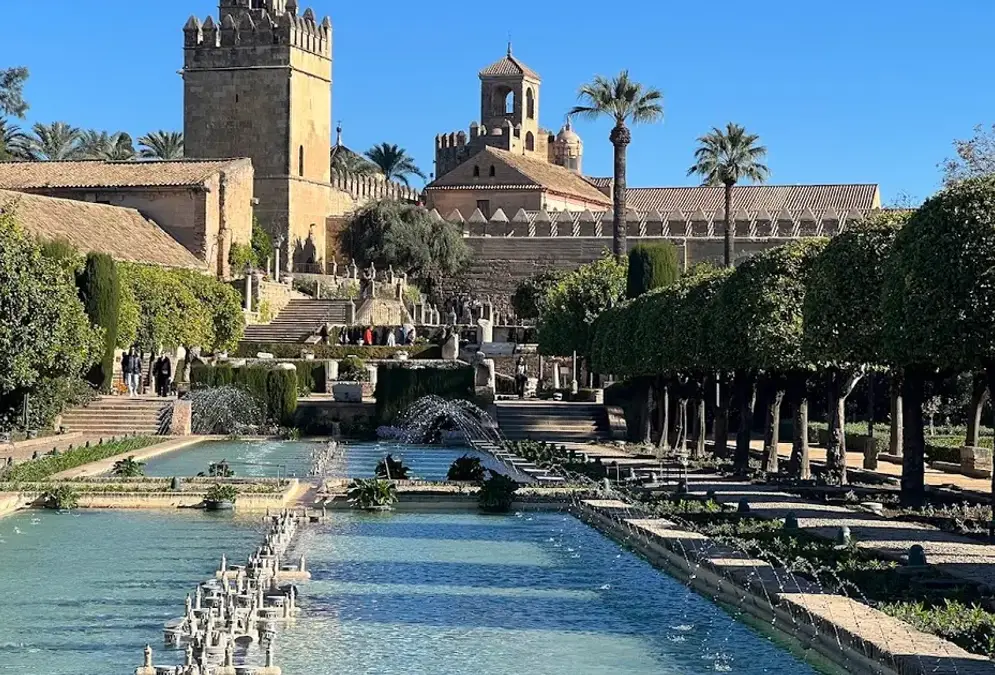
Alcázar de los Reyes Cristianos
Monument
Alcázar de los Reyes Cristianos, Córdoba: free entry on Tuesdays. A 14th-century fortress-palace with terraced Moorish-inspired gardens and Roman mosaics.
-
Iglesia de San Lorenzo
Monument
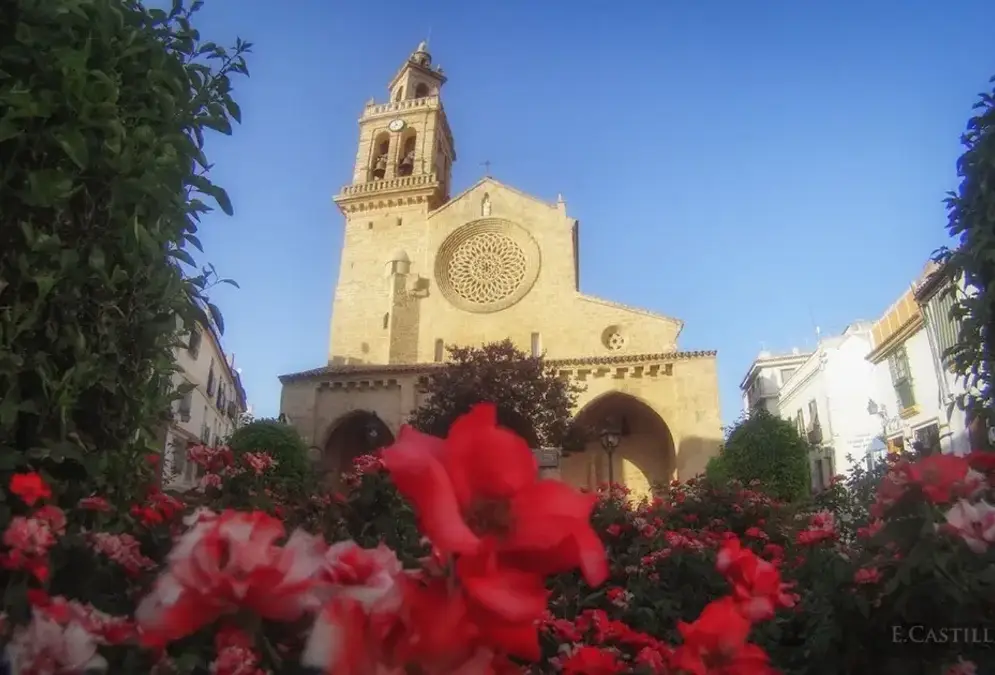
13th-century Fernandine church featuring a unique Gothic rose window, triple-arch portico and a bell tower raised on a former mosque minaret. Route ticket €6.
-
Iglesia de San Miguel
Monument
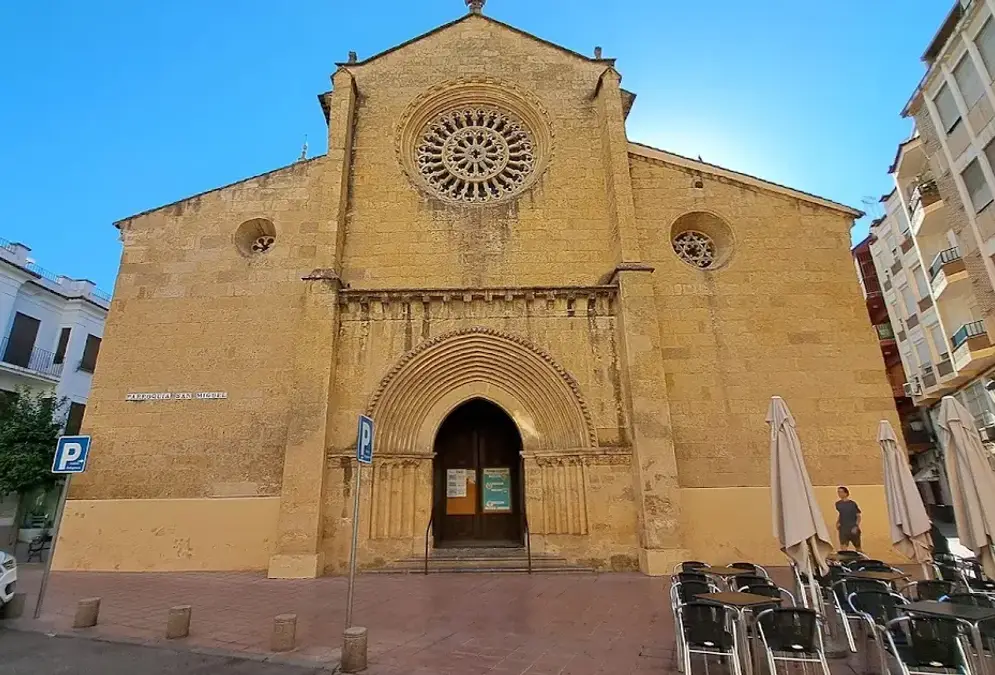
13th-century Fernandine church with a Gothic rose window that floods the interior with coloured light. Quiet orange-tree plaza in Córdoba. Free entry.
-
Iglesia de Santa Marina de Aguas Santas
Monument
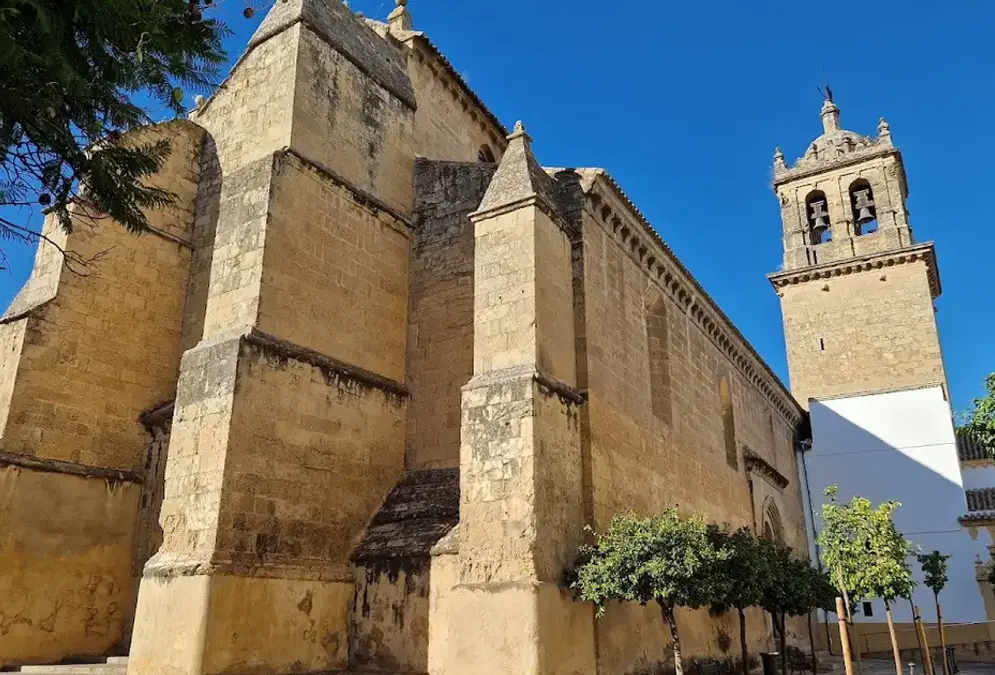
Fernandine church in Córdoba with a Romanesque-Gothic façade, rose window, minaret-based bell tower and the Manolete statue. Visited on the €6 Fernandine route.
Go deeper
-