- Also known as
- Isabella of Castile, Queen Isabella, Isabella, Isabel I
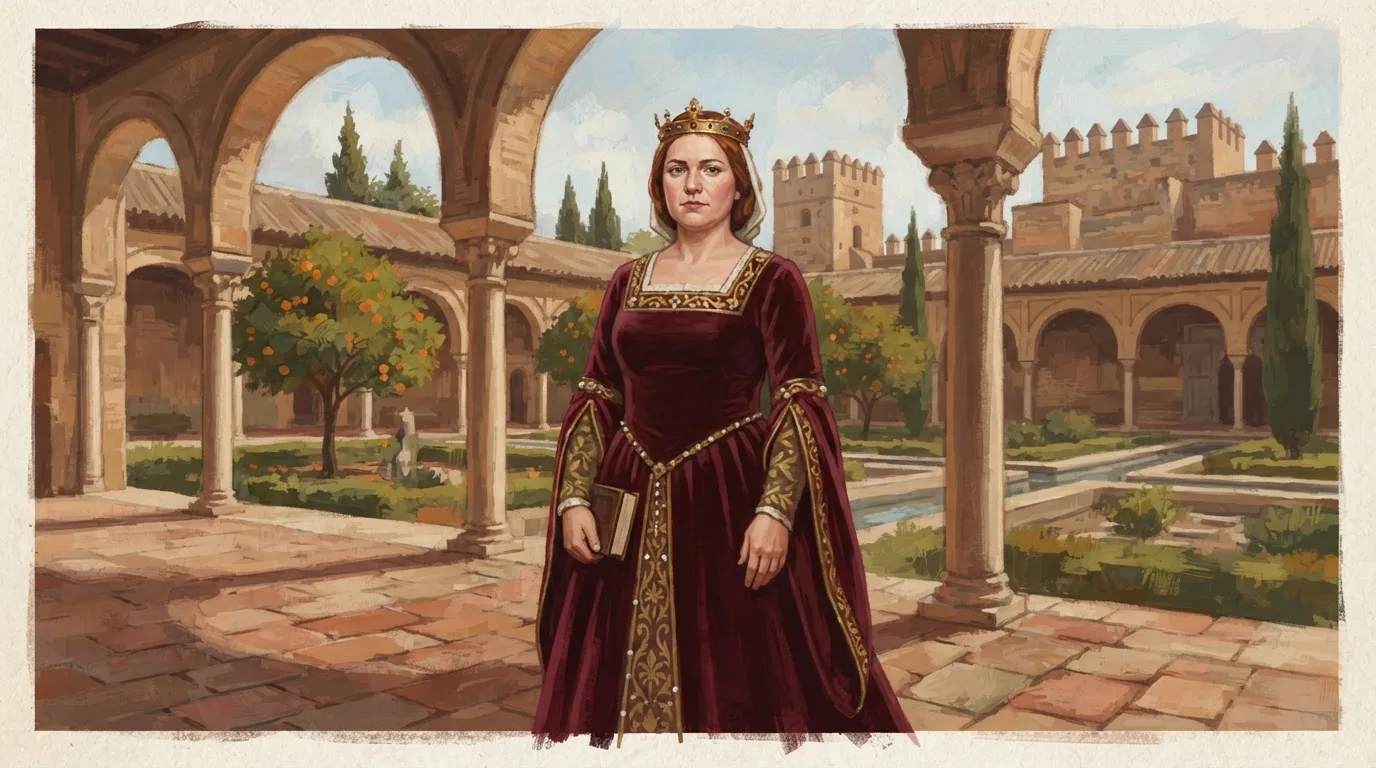
Isabella I, queen of Castile and León from 1474 until her death in 1504, was born on Holy Thursday 1451 in Madrigal de las Altas Torres. With her husband Ferdinand she reigned over a dynastically unified Spain, and the pair are known as the Catholic Monarchs. She died on 26 November 1504 at the Royal Palace of Medina del Campo. Three months after entering Granada she agreed to sponsor Christopher Columbus's westward voyage.
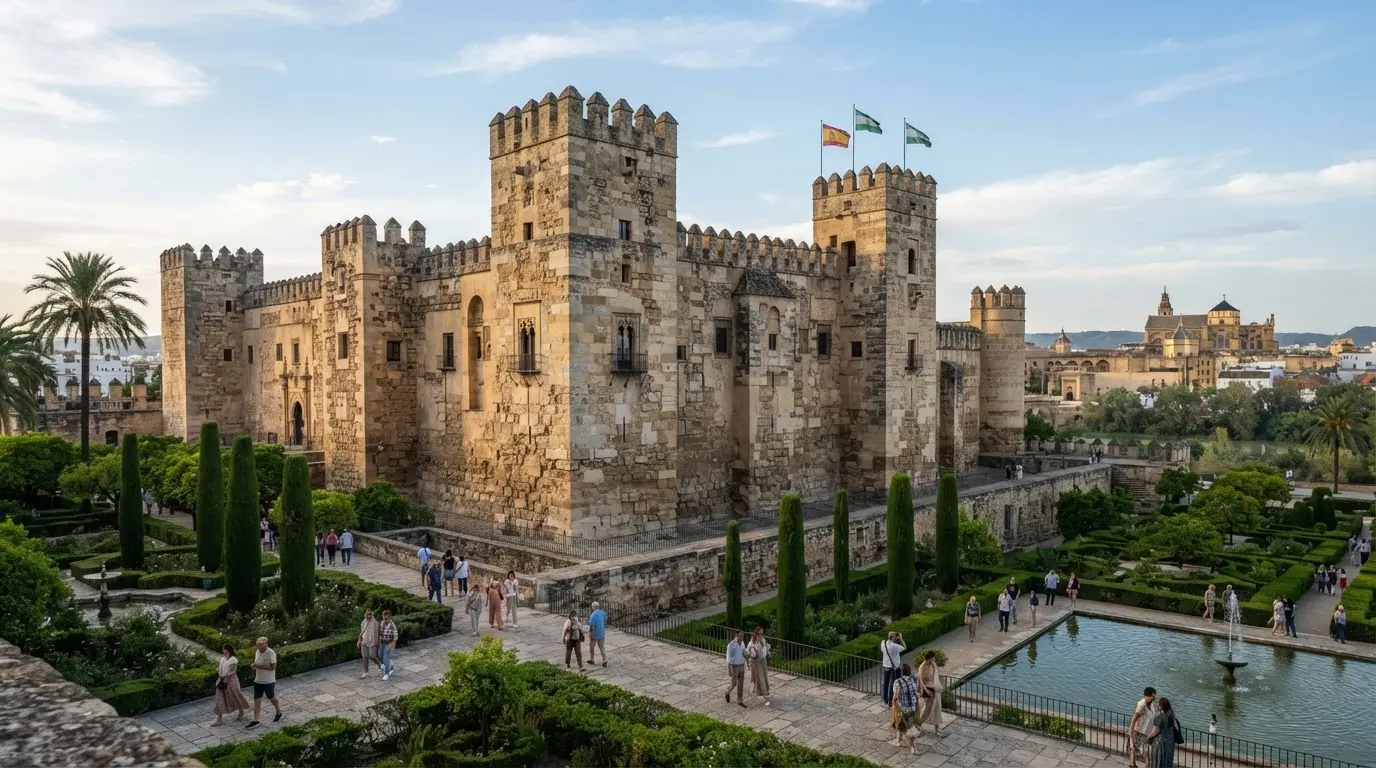
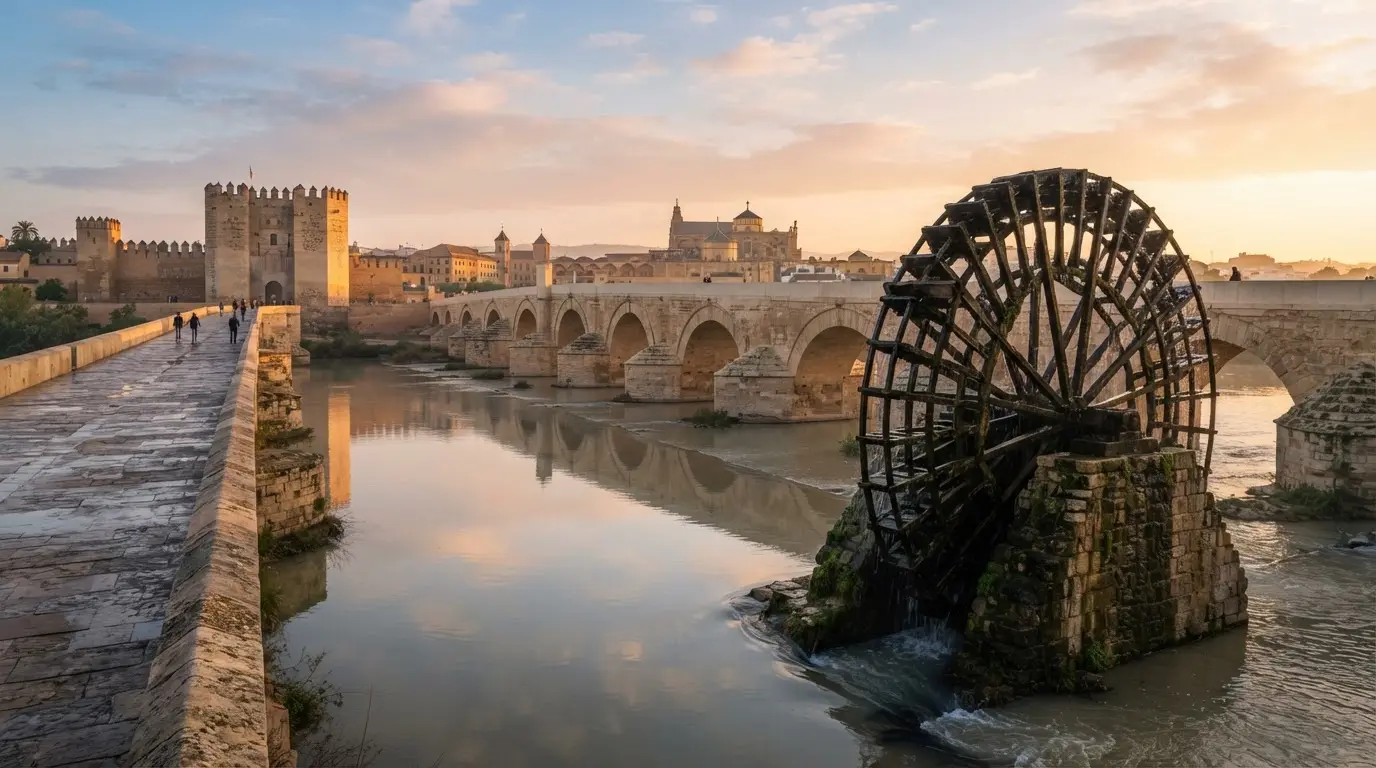
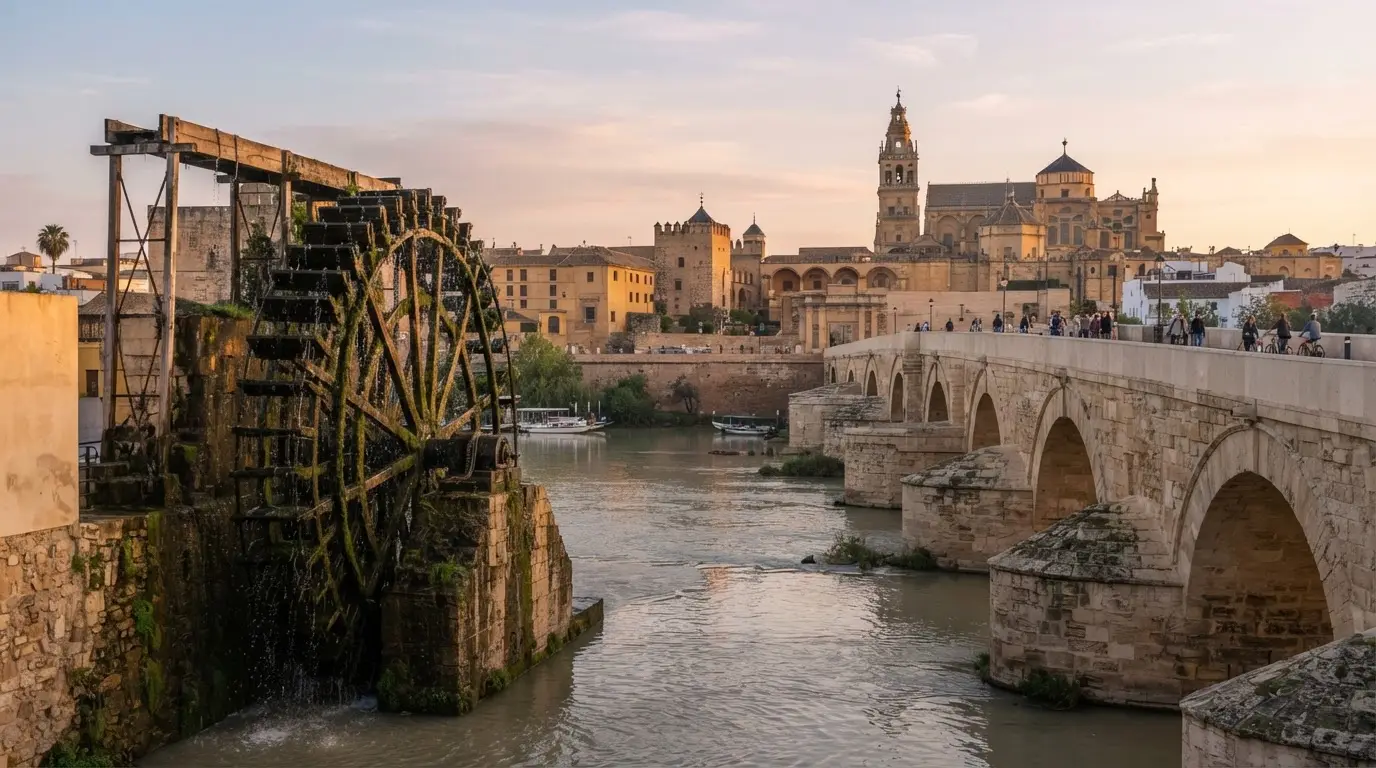
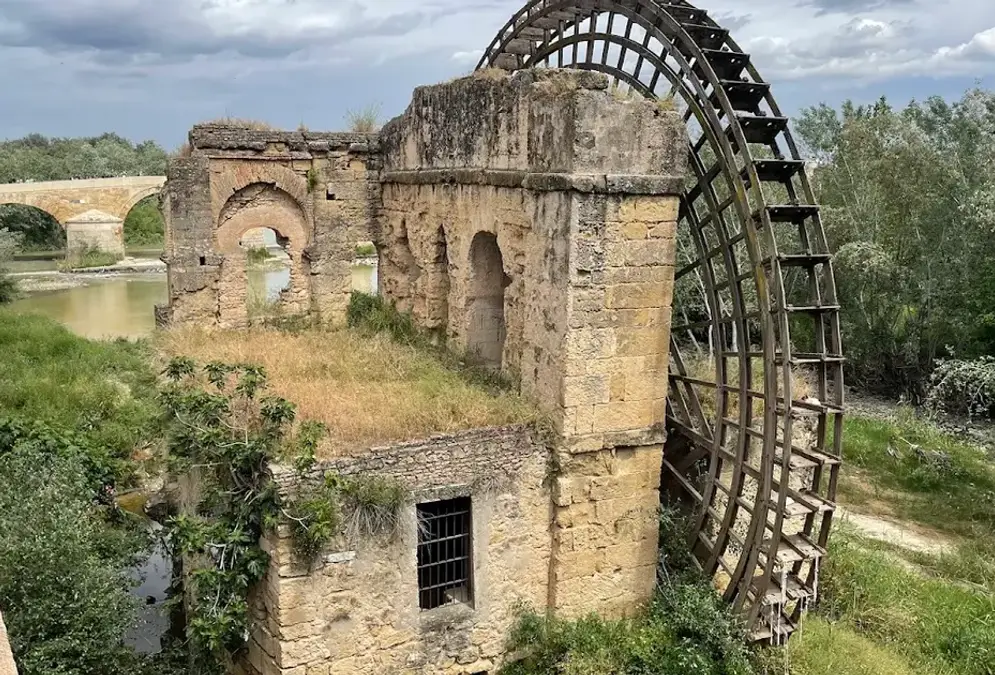
In Córdoba her trace is concentrated in one fortress. The Alcázar de los Reyes Cristianos was the palace-fortress where the monarchs governed for eight years. Columbus is recorded as having his first audience with them here, in 1486 or 1487 depending on the source, and from 1482 the Inquisition also used the building as one of its tribunals. Down at the river, Isabella had the Albolafia waterwheel dismantled in 1492 because of its noise: the story belongs with the Guadalquivir mills.
For the dark side of the Alcázar, read the Alcázar and the Inquisition. For the explorer's years in the city, see Columbus in Córdoba.
Places to see
In their time
-
Castilian & late medieval
1236–1492
Ferdinand III took Córdoba on 29 June 1236 and the Mezquita became a cathedral. Fourteen Fernandine parish churches followed, and the Alcázar de los Reyes Cristianos was built for Castilian monarchs.
-
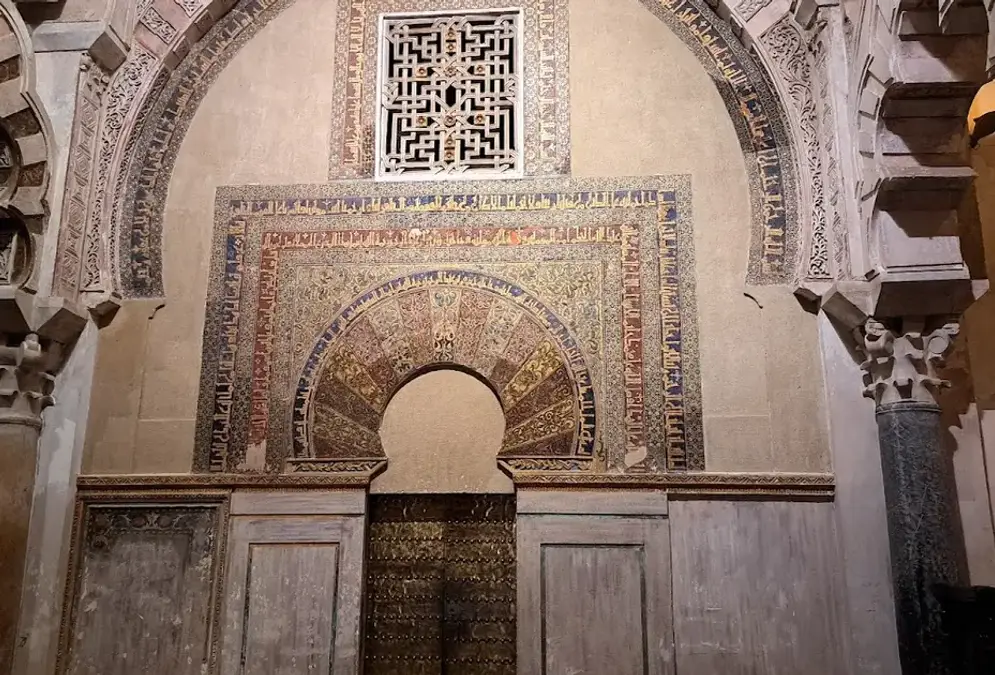
Sinagoga de Córdoba
1315 Monument
Built in 1315, one of only a few medieval synagogues still standing in Spain. Mudéjar stucco and Hebrew inscriptions in the heart of Córdoba's Judería.
-
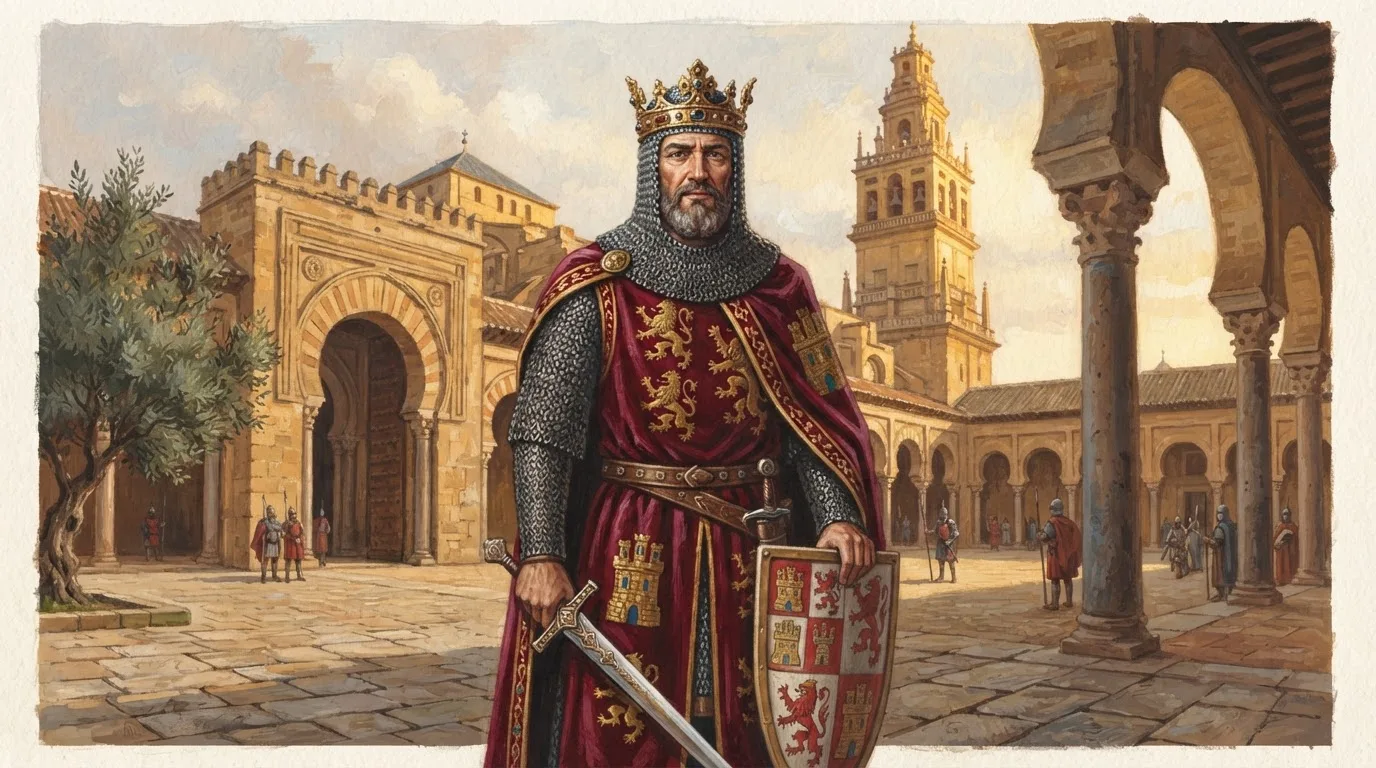
Ferdinand III
c. 1201–1252 Historical figure
Ferdinand III of Castile took Córdoba in 1236 and turned its mosque into a cathedral. His life and the churches and monuments that still carry his trace.
-
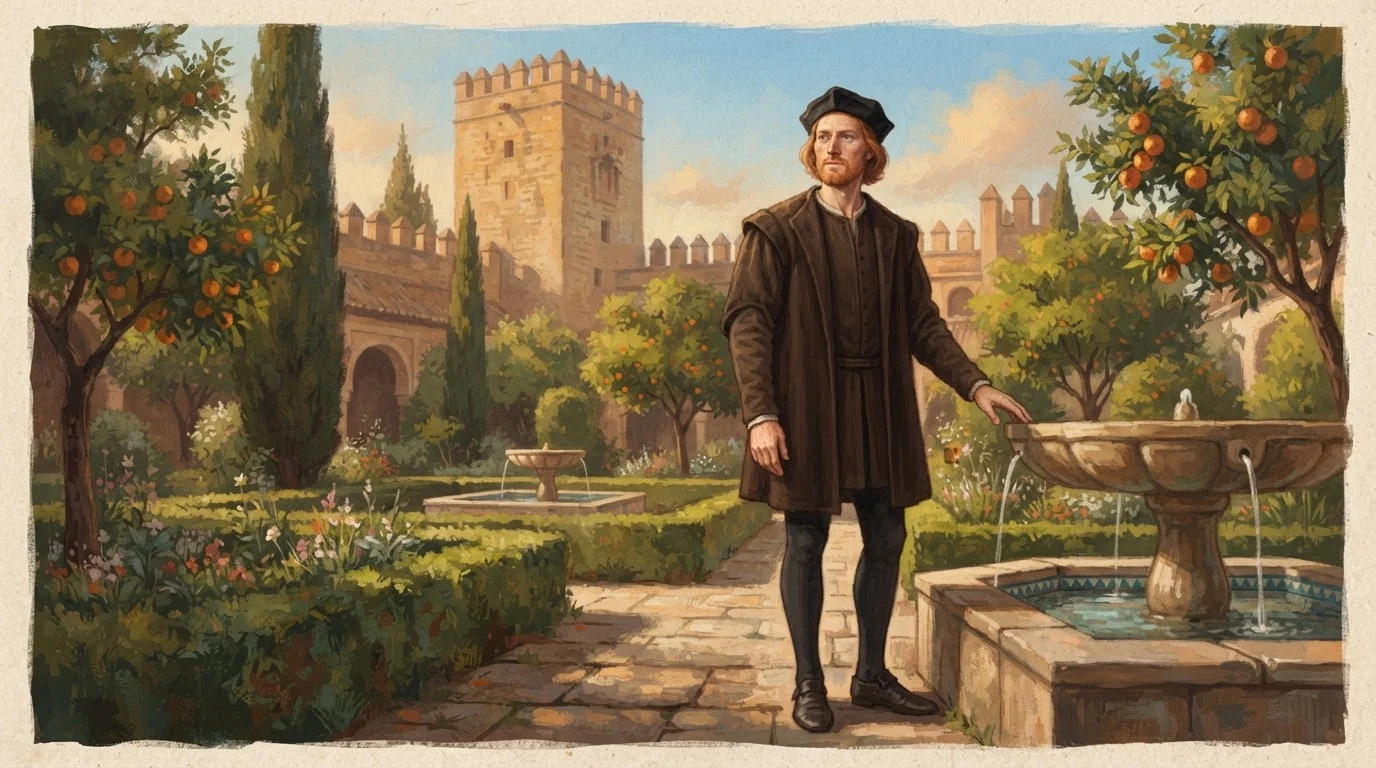
Christopher Columbus
c. 1451–1506 Historical figure
Christopher Columbus (1451-1506) waited in Córdoba for the Catholic Monarchs' verdict. See the Alcázar gardens where a sculpted group of him still stands.
Undated
-
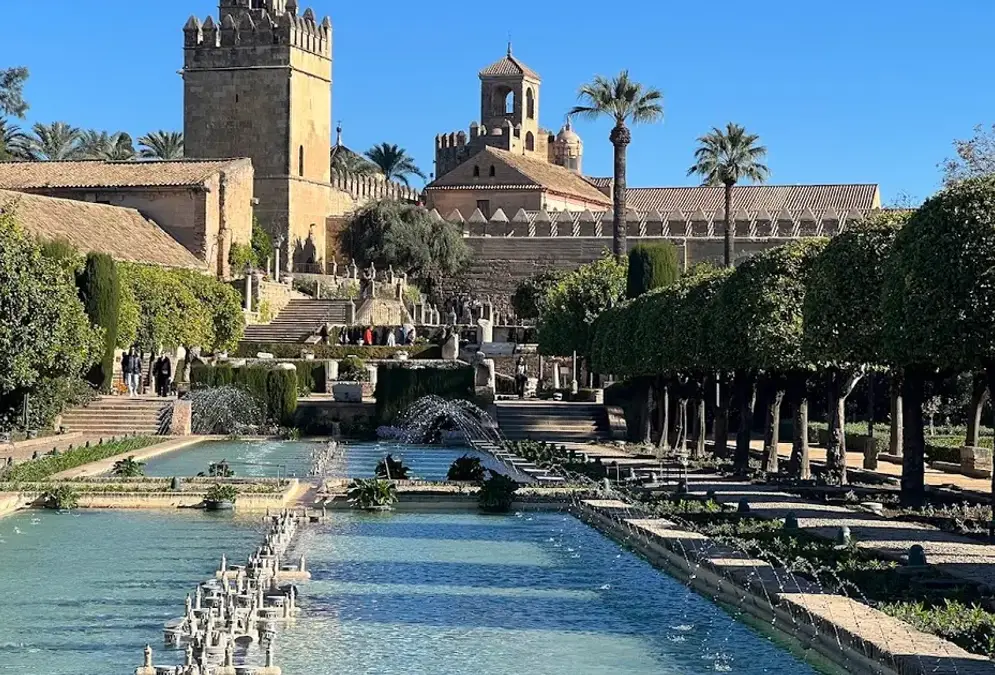
Alcázar de los Reyes Cristianos
Monument
Alcázar de los Reyes Cristianos, Córdoba: free entry on Tuesdays. A 14th-century fortress-palace with terraced Moorish-inspired gardens and Roman mosaics.
-
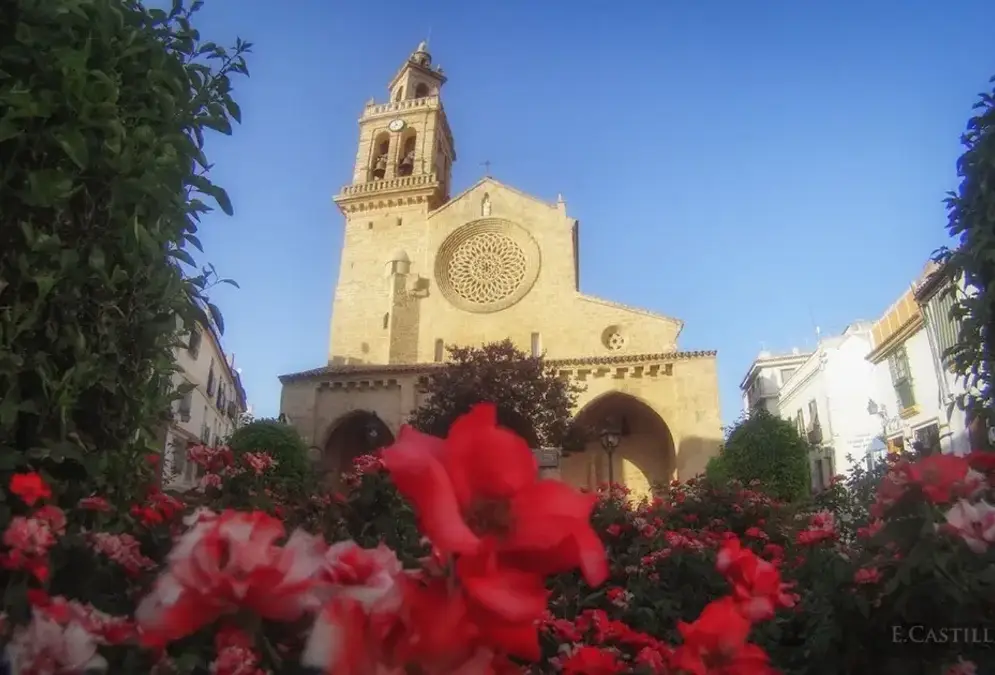
Iglesia de San Lorenzo
Monument
13th-century Fernandine church featuring a unique Gothic rose window, triple-arch portico and a bell tower raised on a former mosque minaret. Route ticket €6.
-
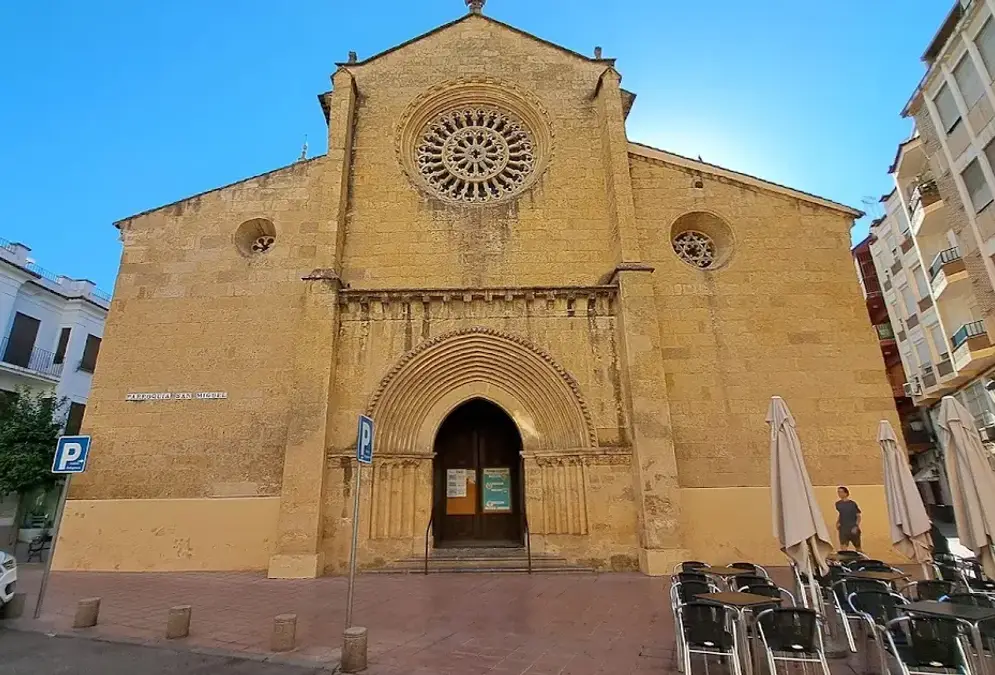
Iglesia de San Miguel
Monument
13th-century Fernandine church with a Gothic rose window that floods the interior with coloured light. Quiet orange-tree plaza in Córdoba. Free entry.
-
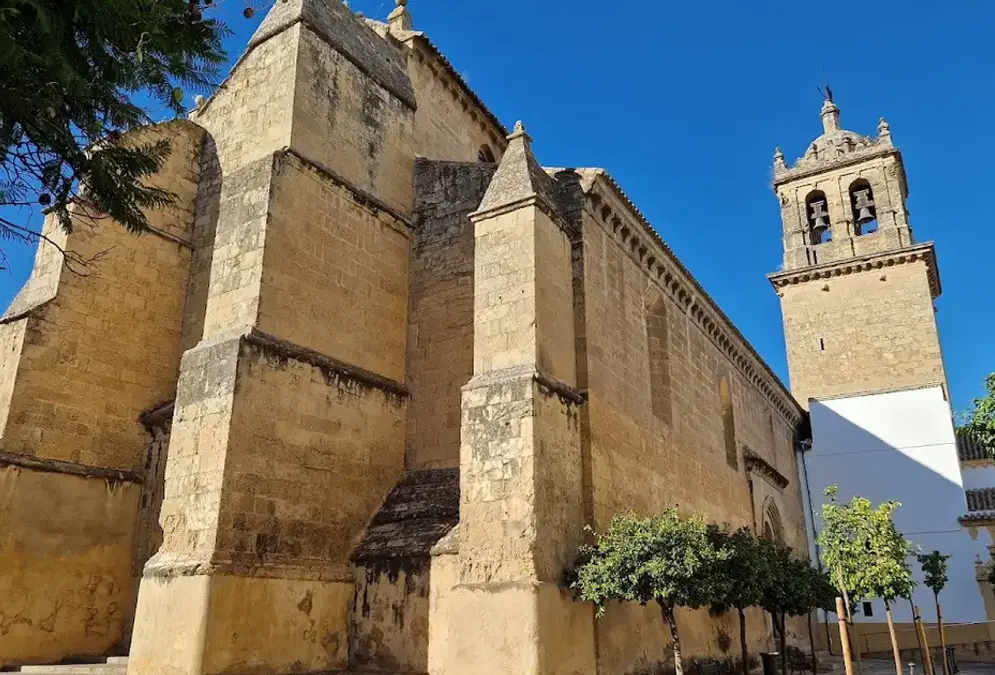
Iglesia de Santa Marina de Aguas Santas
Monument
Fernandine church in Córdoba with a Romanesque-Gothic façade, rose window, minaret-based bell tower and the Manolete statue. Visited on the €6 Fernandine route.
Go deeper
-