Maslama al-Majriti: The Astronomer Who Reset Córdoba's Sky
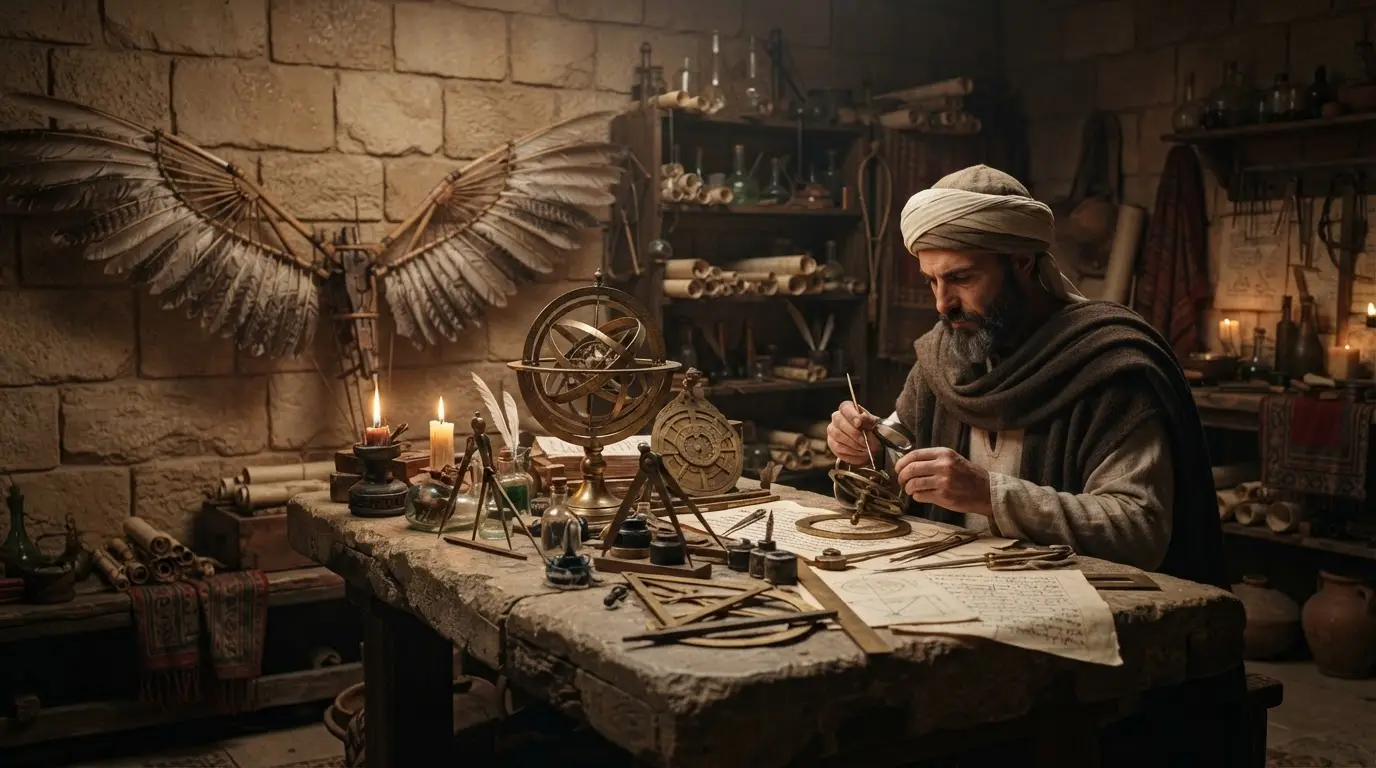
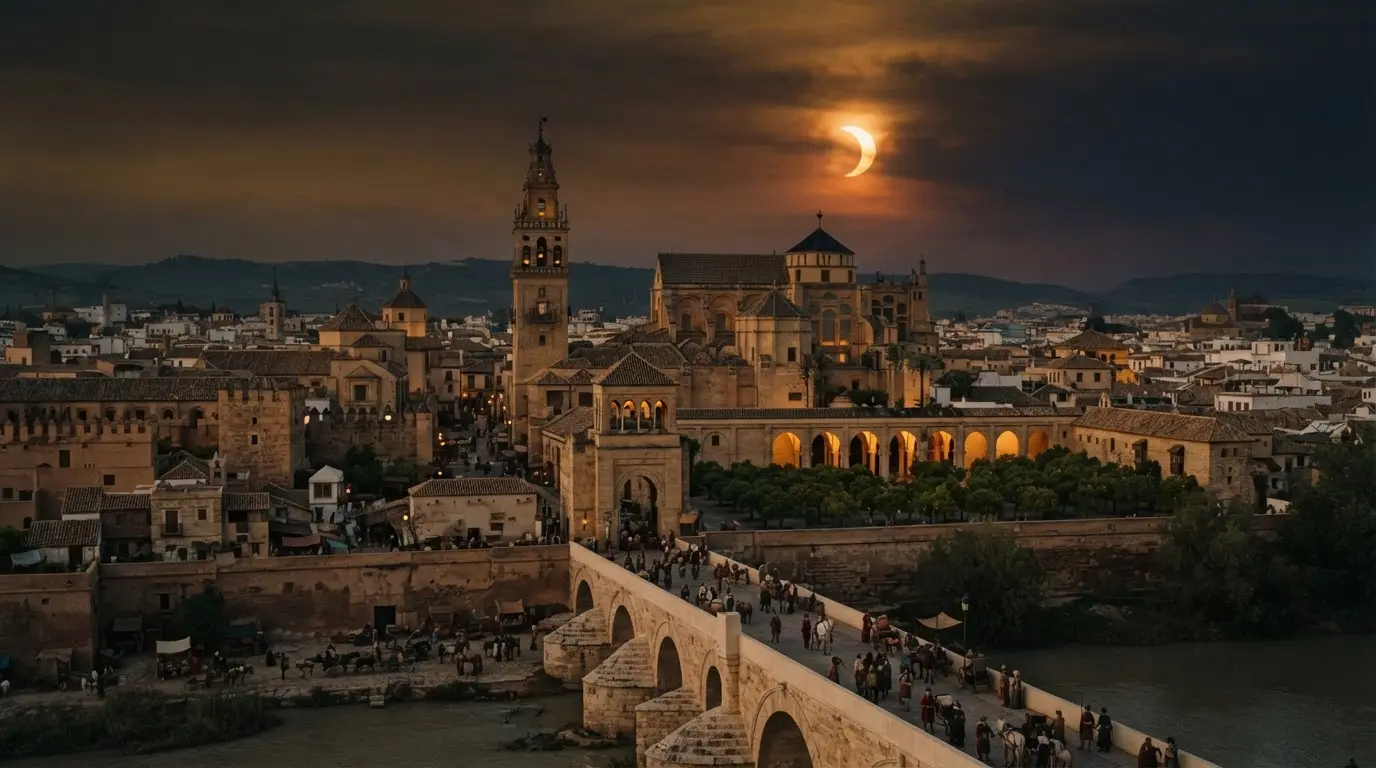
Maslama al-Majriti adapted al-Khwarizmi's tables to Córdoba, revised Ptolemy's Planisphaerium, and recorded al-Andalus's first known star observation in 979 CE.
Read the full story
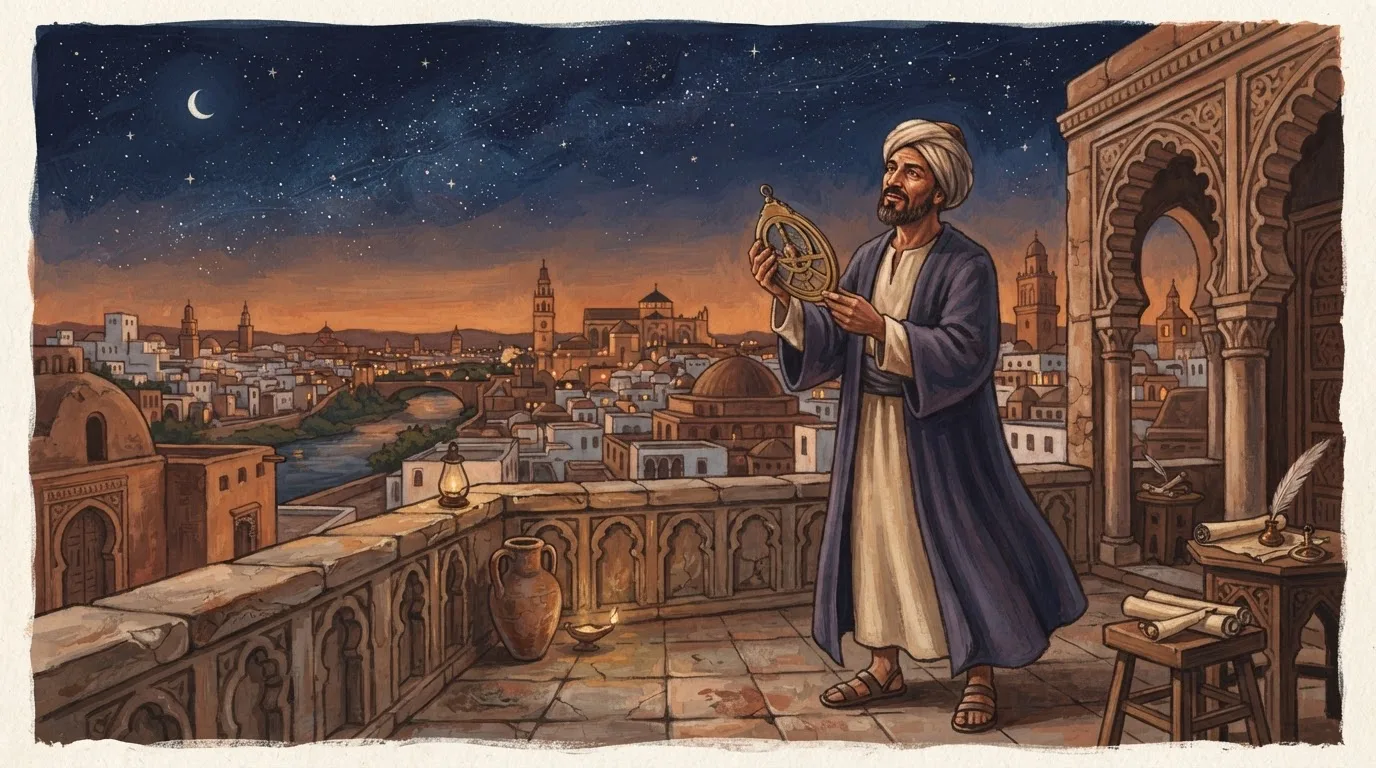
Maslama al-Majriti was an astronomer and mathematician of the Córdoba caliphate. His name means "of Madrid", where he was probably born around 950. He studied in Córdoba, worked there until his death, and is dated to 1007, though one Spanish source gives 1008.
He belonged to the court circle of al-Hakam II, and his contemporaries counted him the leading astronomer of his day. He is also credited with founding a school of Andalusian astronomers.
His trace in the city is intellectual rather than architectural, and it is better to say so than to send you hunting for a plaque. No building in Córdoba can be tied to him with confidence. What you can do is read the world he worked in. The caliph whose reign overlapped his career is the subject of Al-Hakam II and the library of 400,000 books that vanished. For another Córdoba scientist whose reputation outran the evidence, see Ibn Firnas and the flight legend, and for a contemporary of the same court, Al-Zahrawi, the Córdoba surgeon.
His career, his tables and the books wrongly attached to his name are told in Maslama al-Majriti: The Astronomer Who Reset Córdoba's Sky. Read the full story there.
929–1031
Abd al-Rahman III proclaimed the caliphate in 929, and Córdoba grew to an estimated 500,000 people. Medina Azahara was begun in 936, and the Mezquita was enlarged in 961 and 987. Under Al-Hakam II the city also built the Caliphal Baths, around 961 to 976, whose star-shaped skylights survive.
936 Monument
Medina Azahara is Córdoba's UNESCO listed Caliphate City: a 10th century palace 8 km from town, with the Salón Rico and award-winning museum. Plan your visit.
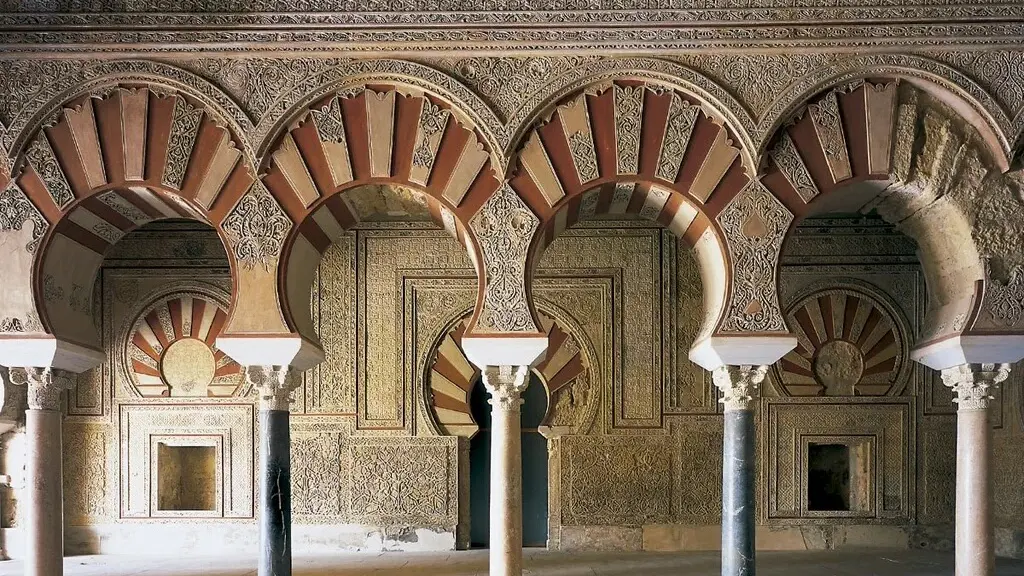
951–958 Monument
Climb 150 steps up the Mezquita-Catedral's 10th-century minaret-turned-bell-tower for 360-degree views over Córdoba's rooftops, Roman Bridge and Alcázar.
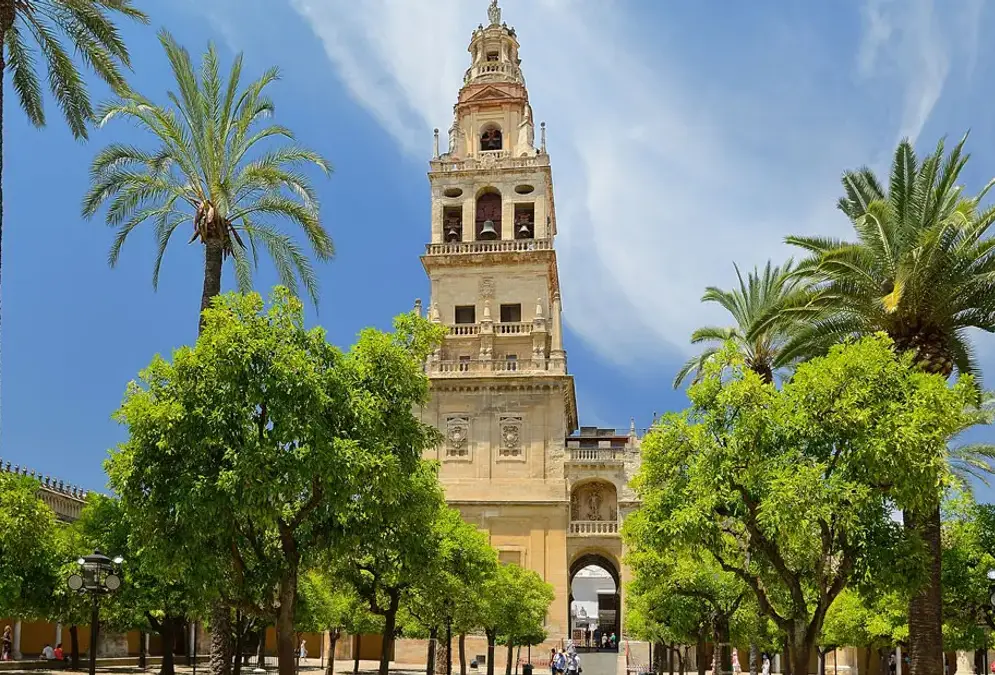
961–976 Monument
Underground 10th-century Islamic hammam beneath Córdoba's Campo Santo square, with star skylights, marble pillars and intact cold, warm and hot rooms.
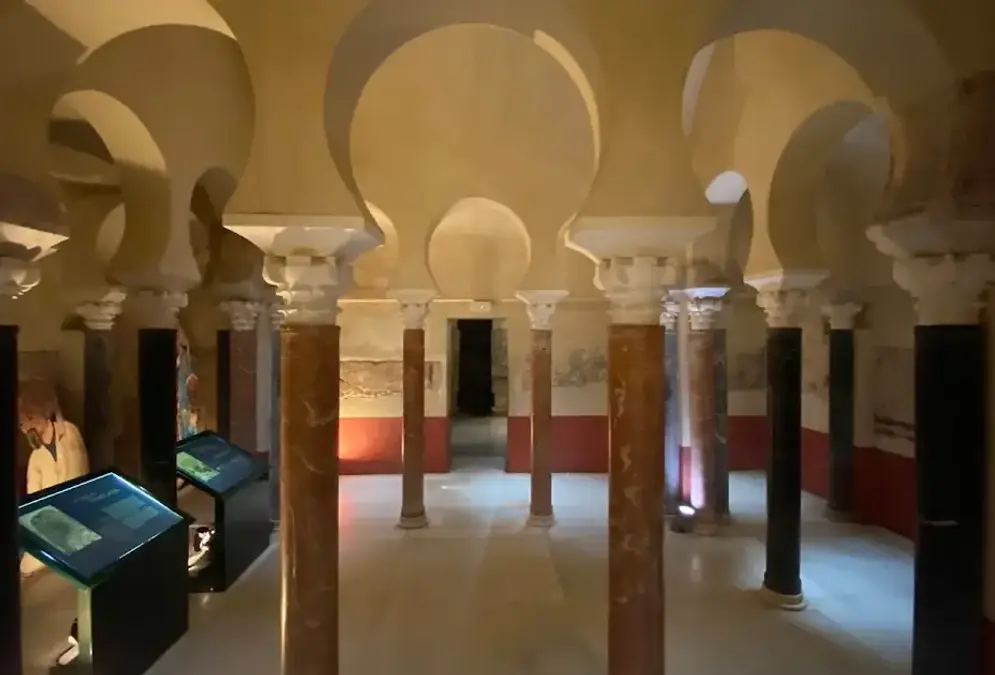
c. 890–961 Historical figure
Abd al-Rahman III (890-961), caliph of Córdoba, had Medina Azahara built and enlarged the Great Mosque. See where his trace survives and read his full story.
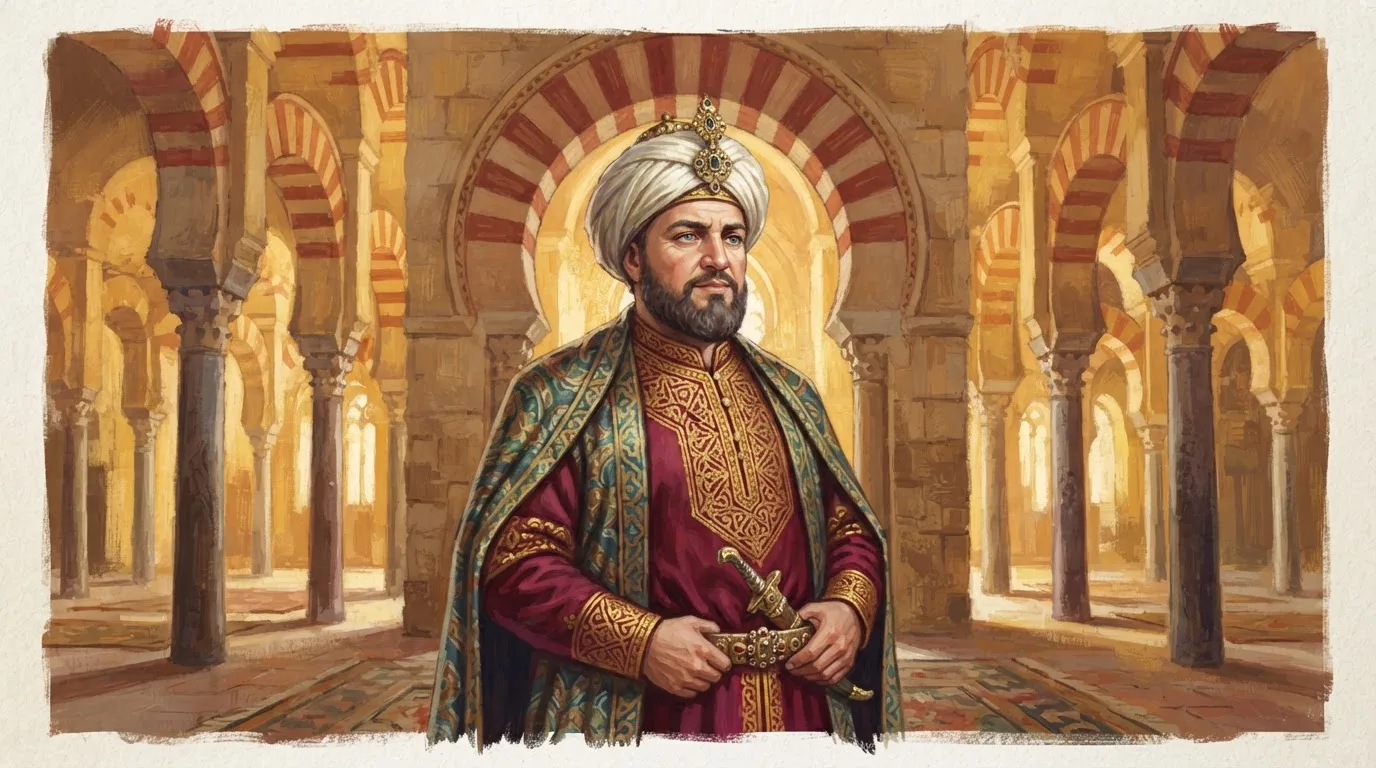
915–976 Historical figure
Al-Hakam II (915-976), caliph of Córdoba from 961, expanded the Great Mosque and its mihrab. See where his trace survives in the city and read his full story.
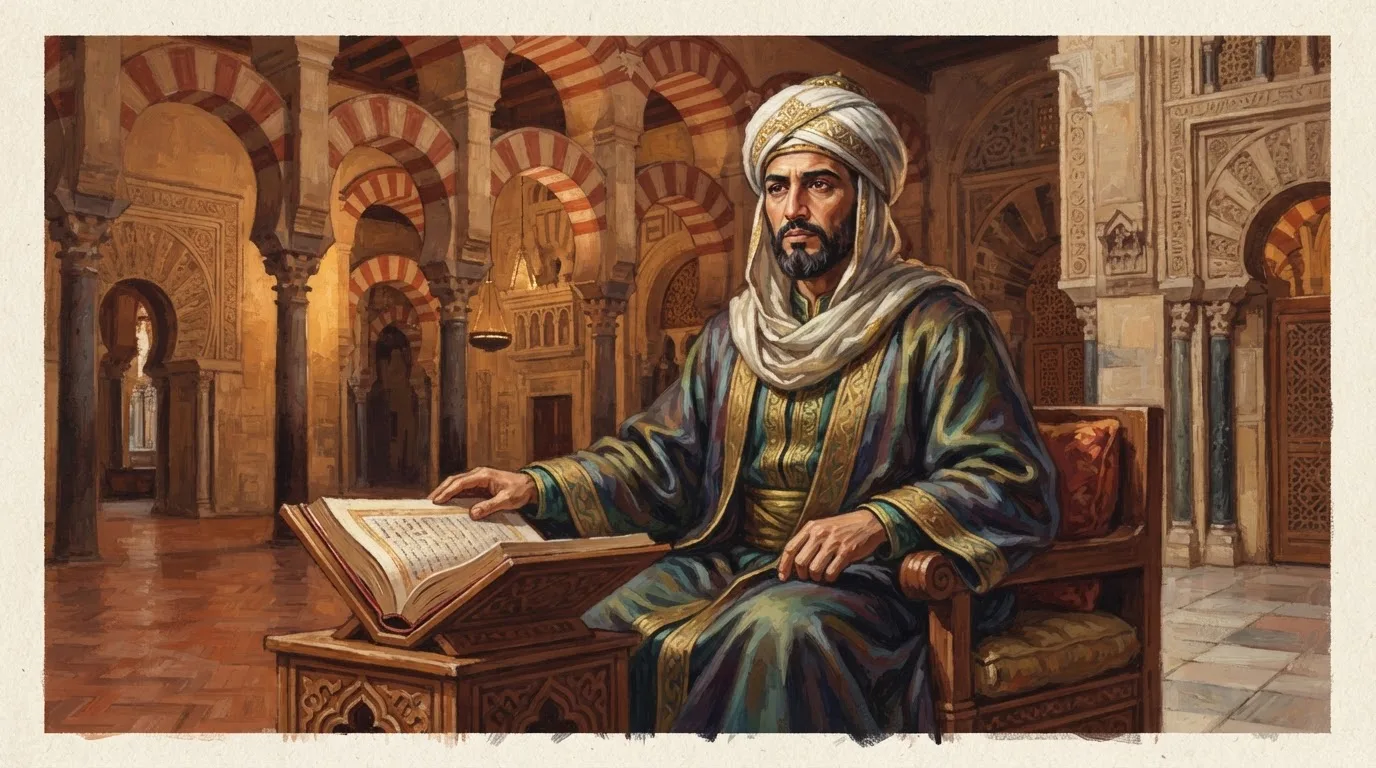
c. 915–970 Historical figure
Hasdai ibn Shaprut (c. 915-970) was physician and diplomat to Córdoba's caliphs. Visit the Judería and the Jewish sites that hold the city's later story.
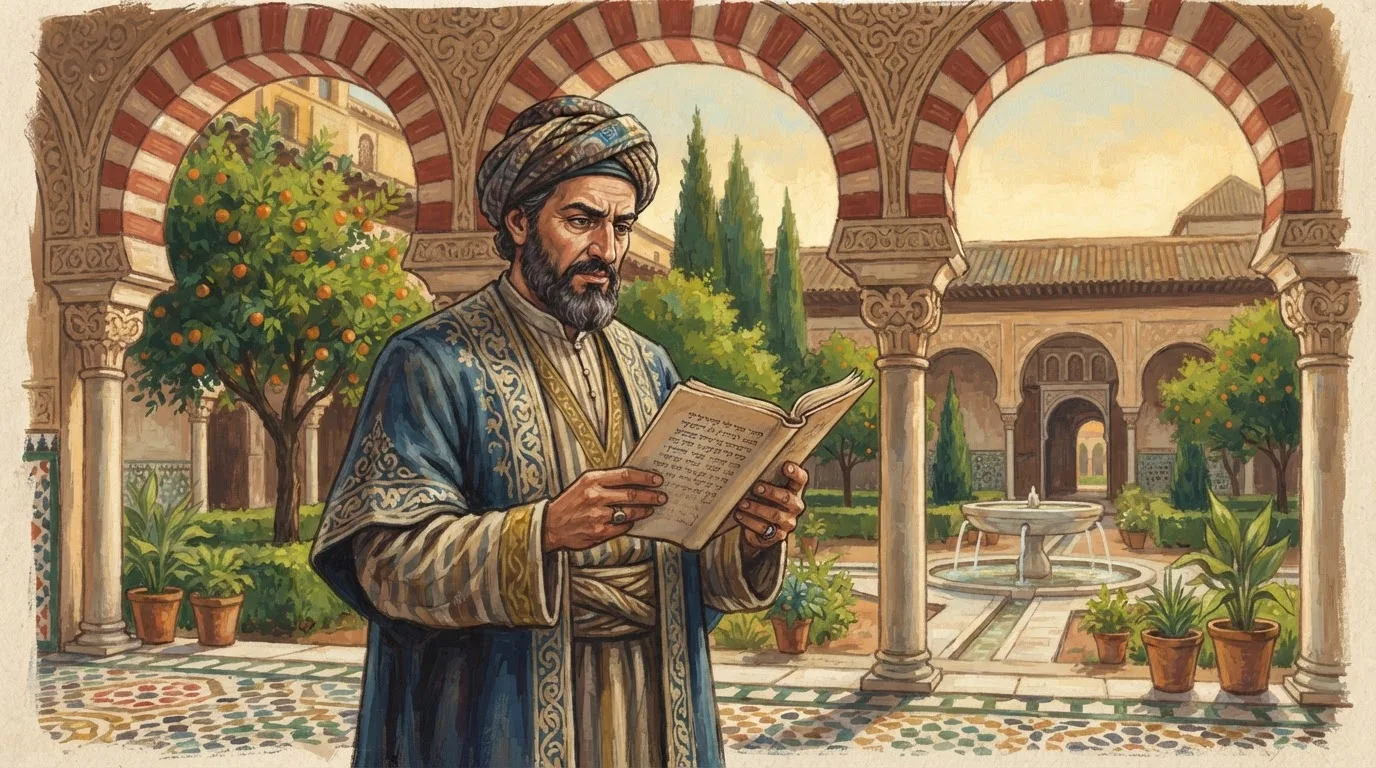
c. 936–1013 Historical figure
Al-Zahrawi (Abulcasis, c. 936–1013), Córdoba surgeon and author of the Kitab al-Tasrif. Find his trace at the Medina Azahara ruins and read the full story.
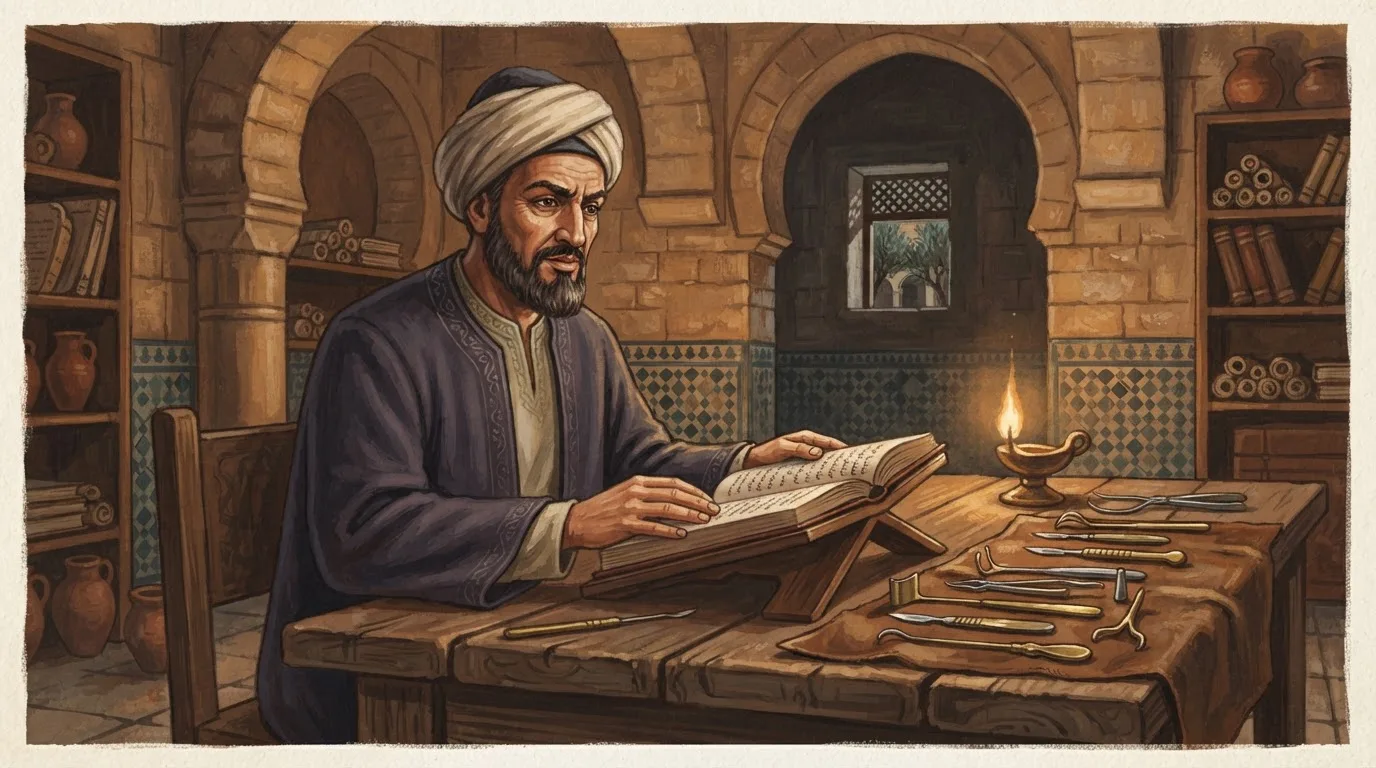
c. 938–1002 Historical figure
Almanzor (c. 938-1002) ruled Córdoba as chamberlain under a puppet caliph. See what remains of his eastern extension of the Mezquita and read his story.
Go deeper