Ibn al-Qutiyya: Córdoba's Historian Called 'the Gothic'
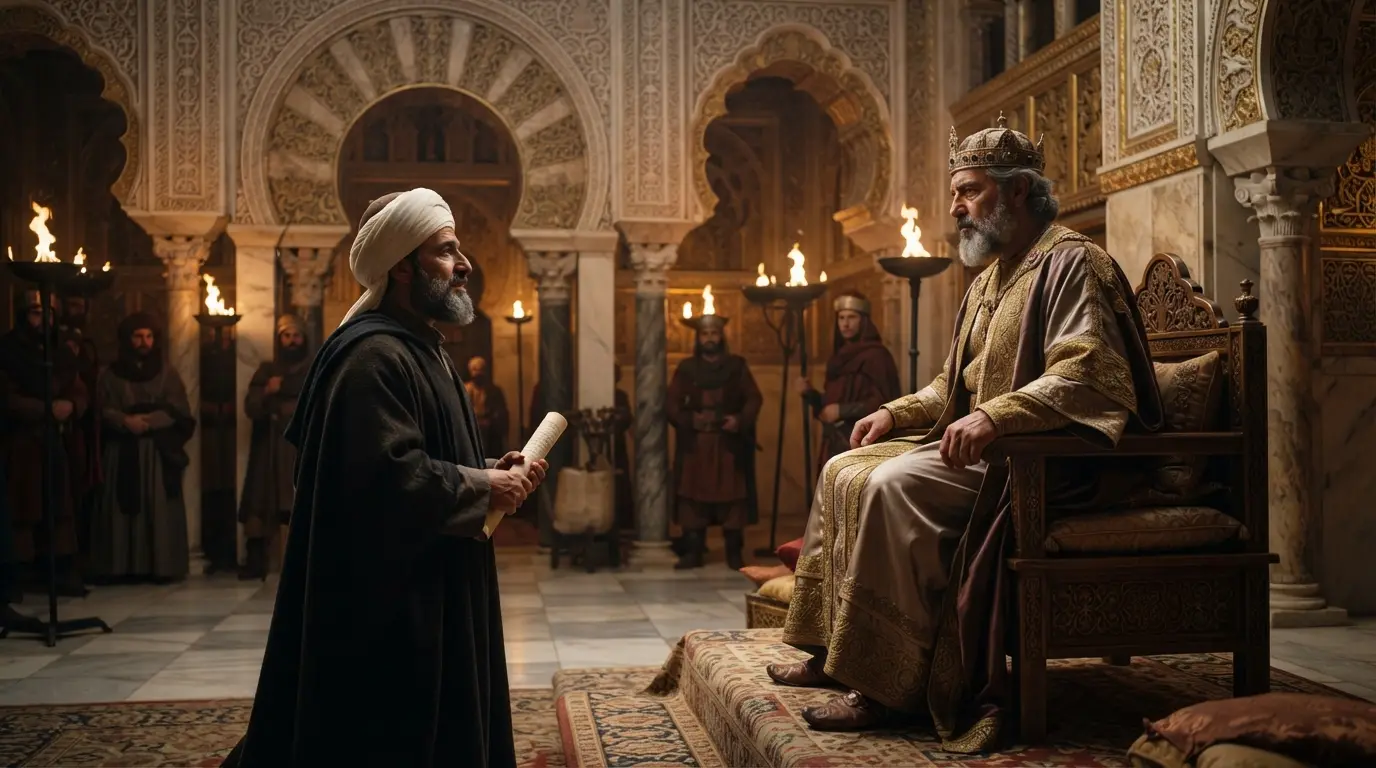
Ibn al-Qutiyya was Córdoba's leading Umayyad court historian, whose name honoured his Gothic royal ancestry and whose account of 711 divides historians still.
Read the full story
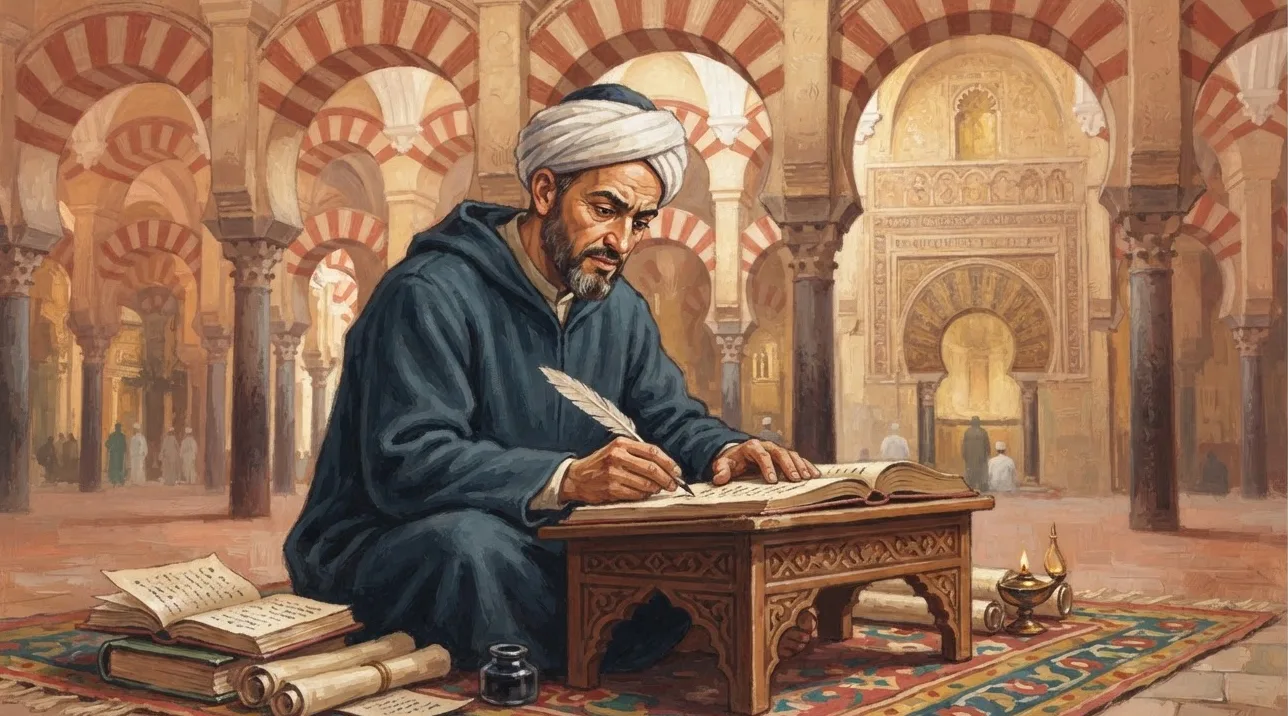
Ibn al-Qutiyya was a philologist and historian at the Umayyad court of al-Hakam II, and he died in Córdoba in 977. His name means "son of the Gothic woman", a nod to a family that claimed descent from the Visigothic king Wittiza. He was raised in Seville before his career in the capital.
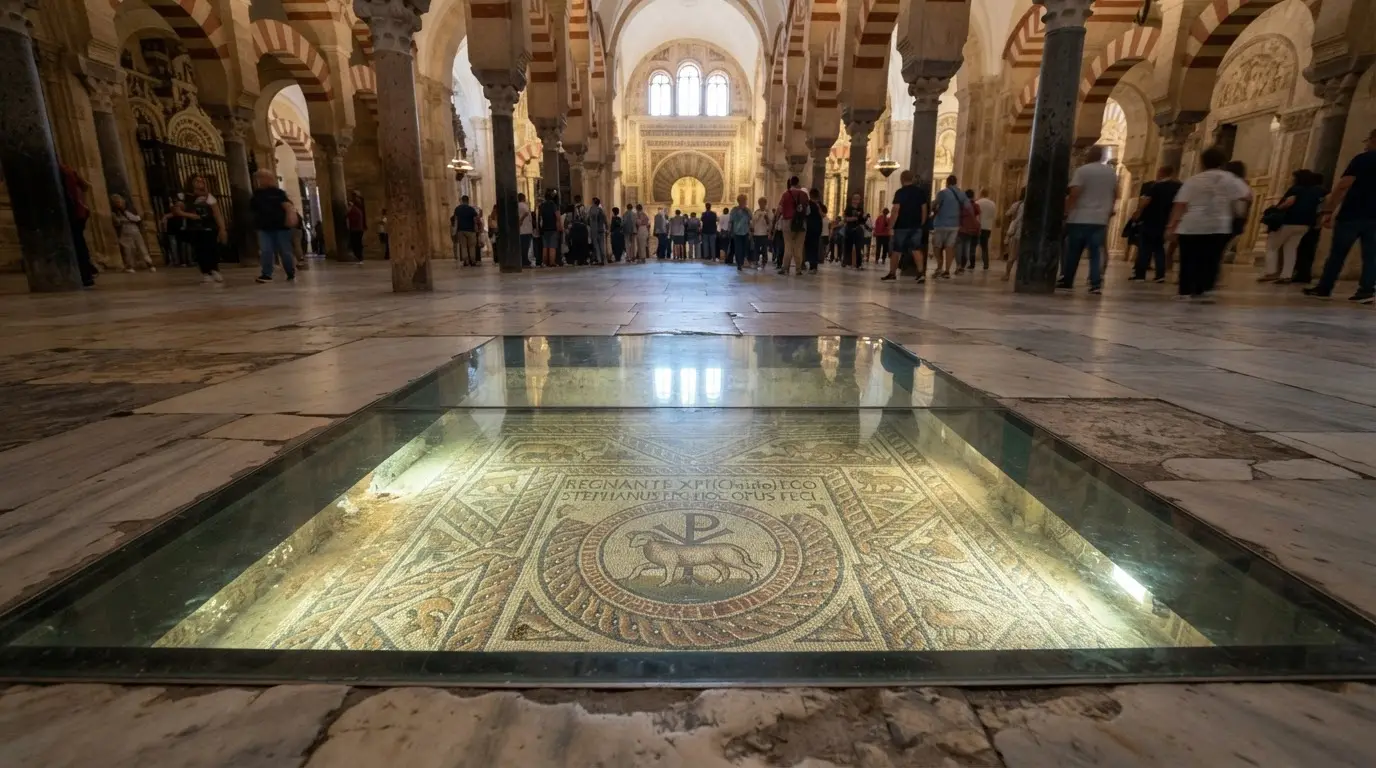
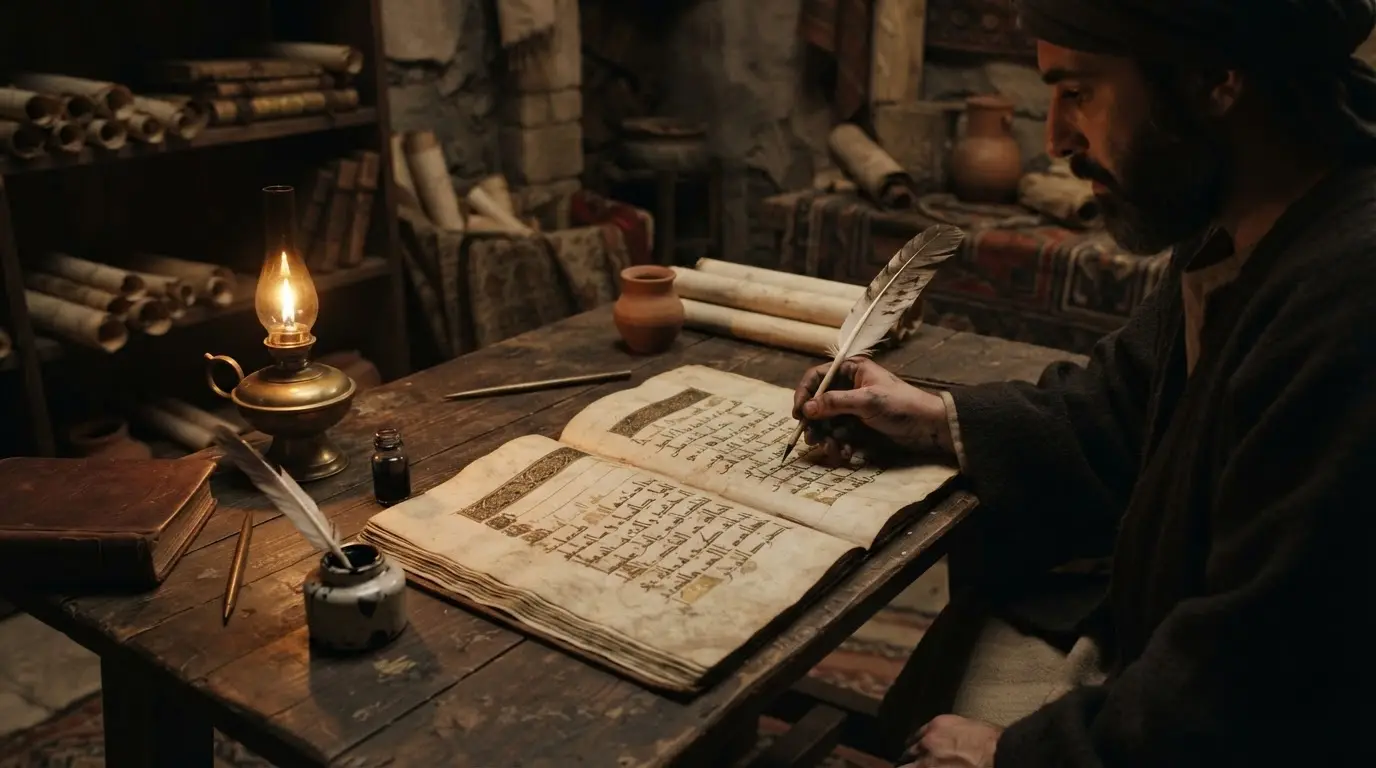
Sources place him teaching Arabic, hadith and history in the Great Mosque of Córdoba, which is today the Mezquita-Catedral. It is the building where sources place his teaching, so it is where to go to picture the lecture halls of his day. His history of the conquest of al-Andalus survives in a single manuscript, kept in Paris, so Córdoba holds the setting rather than the book.
For the caliph he served, read about al-Hakam II and his library. For the man who later ruled the city, see Almanzor. For the full story of the historian himself, read the full story.
929–1031
Abd al-Rahman III proclaimed the caliphate in 929, and Córdoba grew to an estimated 500,000 people. Medina Azahara was begun in 936, and the Mezquita was enlarged in 961 and 987. Under Al-Hakam II the city also built the Caliphal Baths, around 961 to 976, whose star-shaped skylights survive.
936 Monument
Medina Azahara is Córdoba's UNESCO listed Caliphate City: a 10th century palace 8 km from town, with the Salón Rico and award-winning museum. Plan your visit.
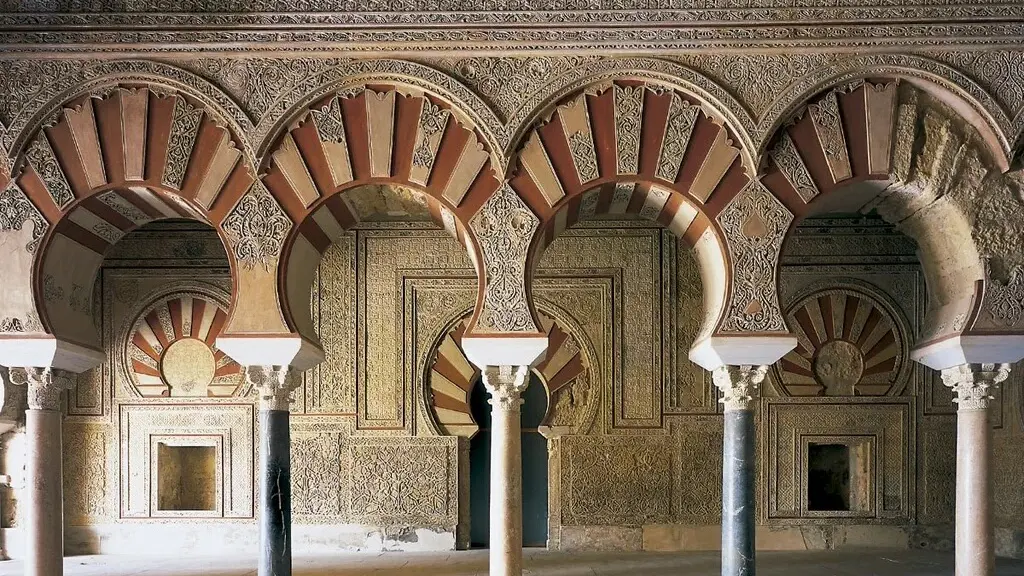
951–958 Monument
Climb 150 steps up the Mezquita-Catedral's 10th-century minaret-turned-bell-tower for 360-degree views over Córdoba's rooftops, Roman Bridge and Alcázar.
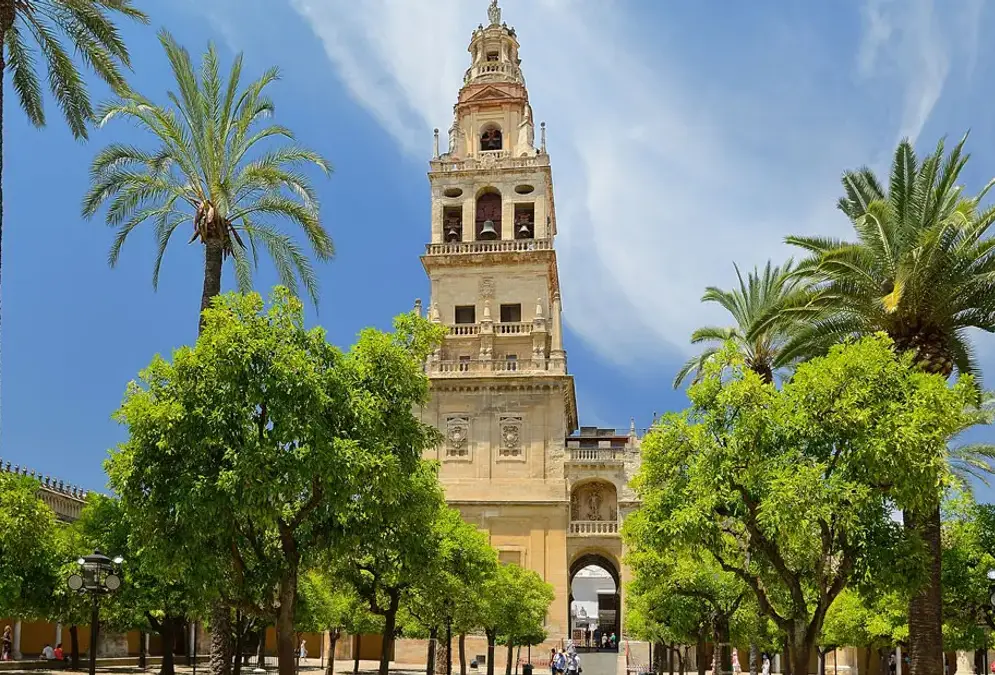
961–976 Monument
Underground 10th-century Islamic hammam beneath Córdoba's Campo Santo square, with star skylights, marble pillars and intact cold, warm and hot rooms.
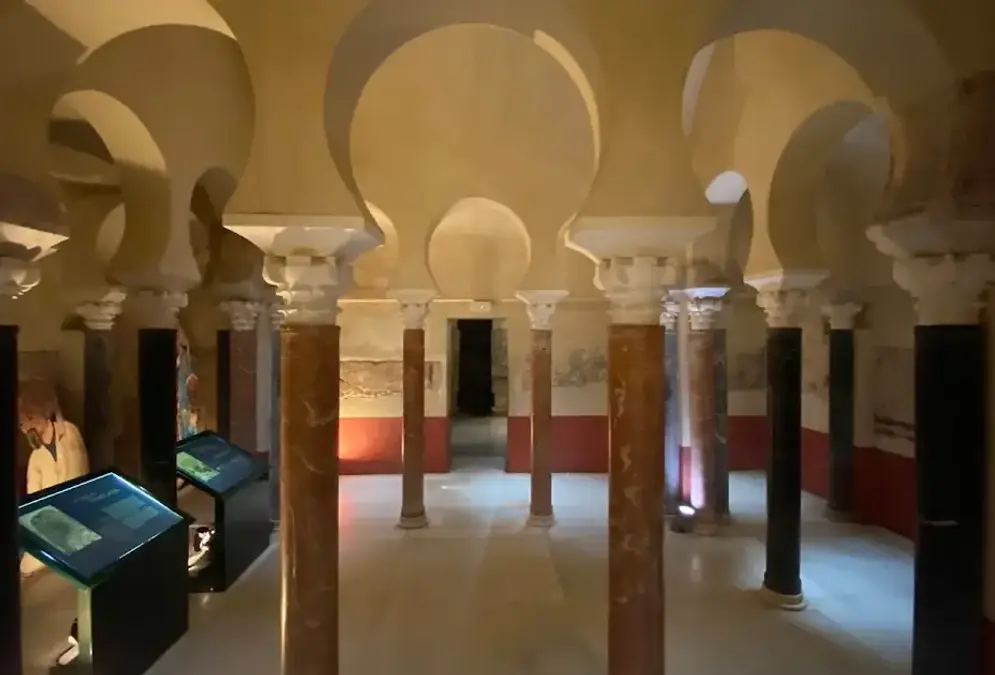
c. 890–961 Historical figure
Abd al-Rahman III (890-961), caliph of Córdoba, had Medina Azahara built and enlarged the Great Mosque. See where his trace survives and read his full story.
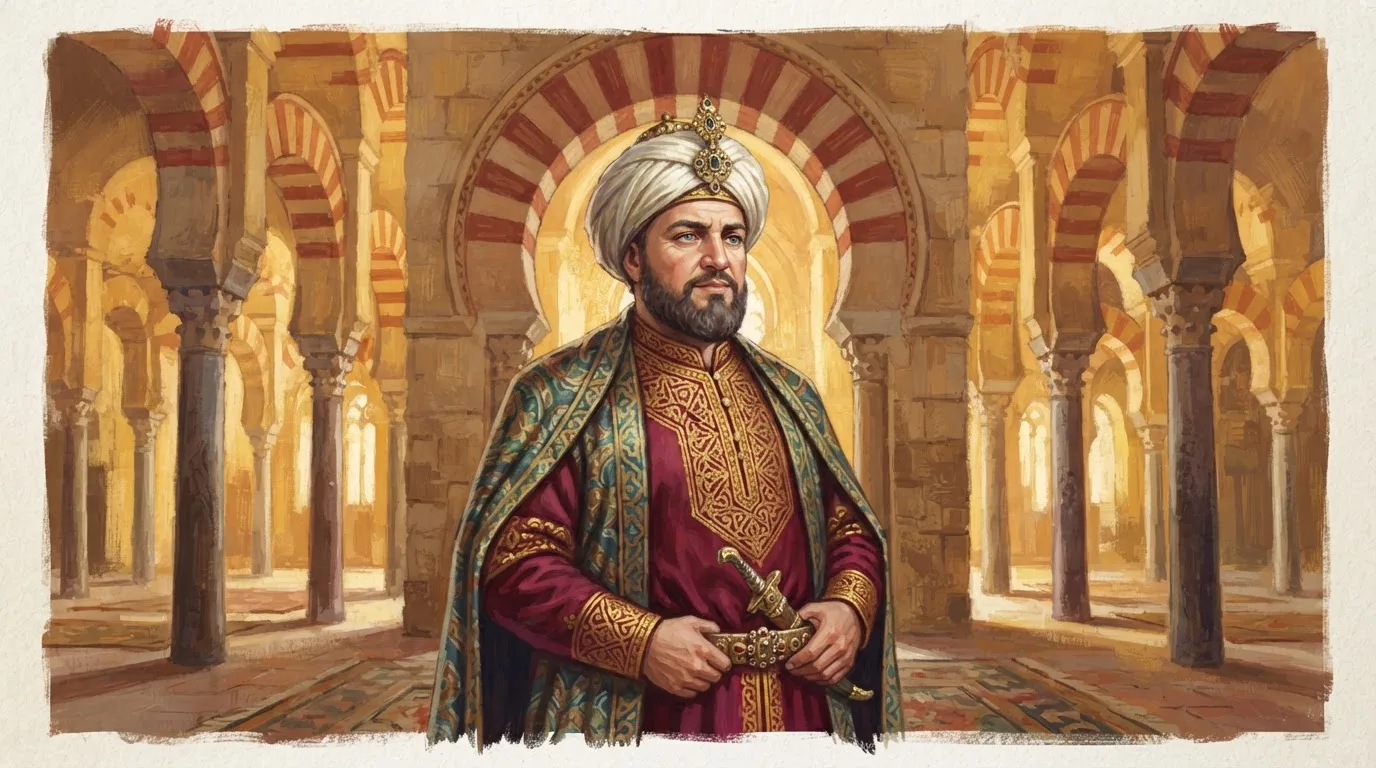
915–976 Historical figure
Al-Hakam II (915-976), caliph of Córdoba from 961, expanded the Great Mosque and its mihrab. See where his trace survives in the city and read his full story.
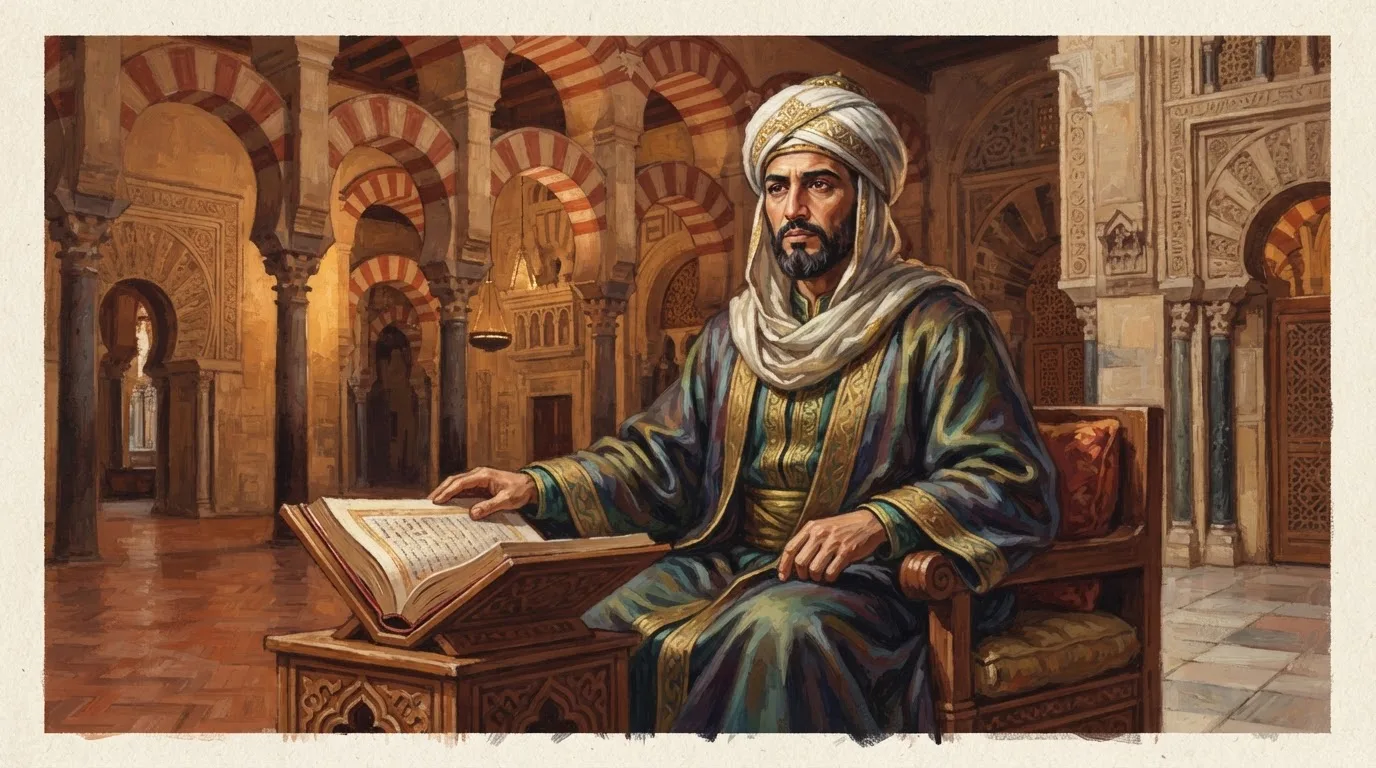
c. 915–970 Historical figure
Hasdai ibn Shaprut (c. 915-970) was physician and diplomat to Córdoba's caliphs. Visit the Judería and the Jewish sites that hold the city's later story.
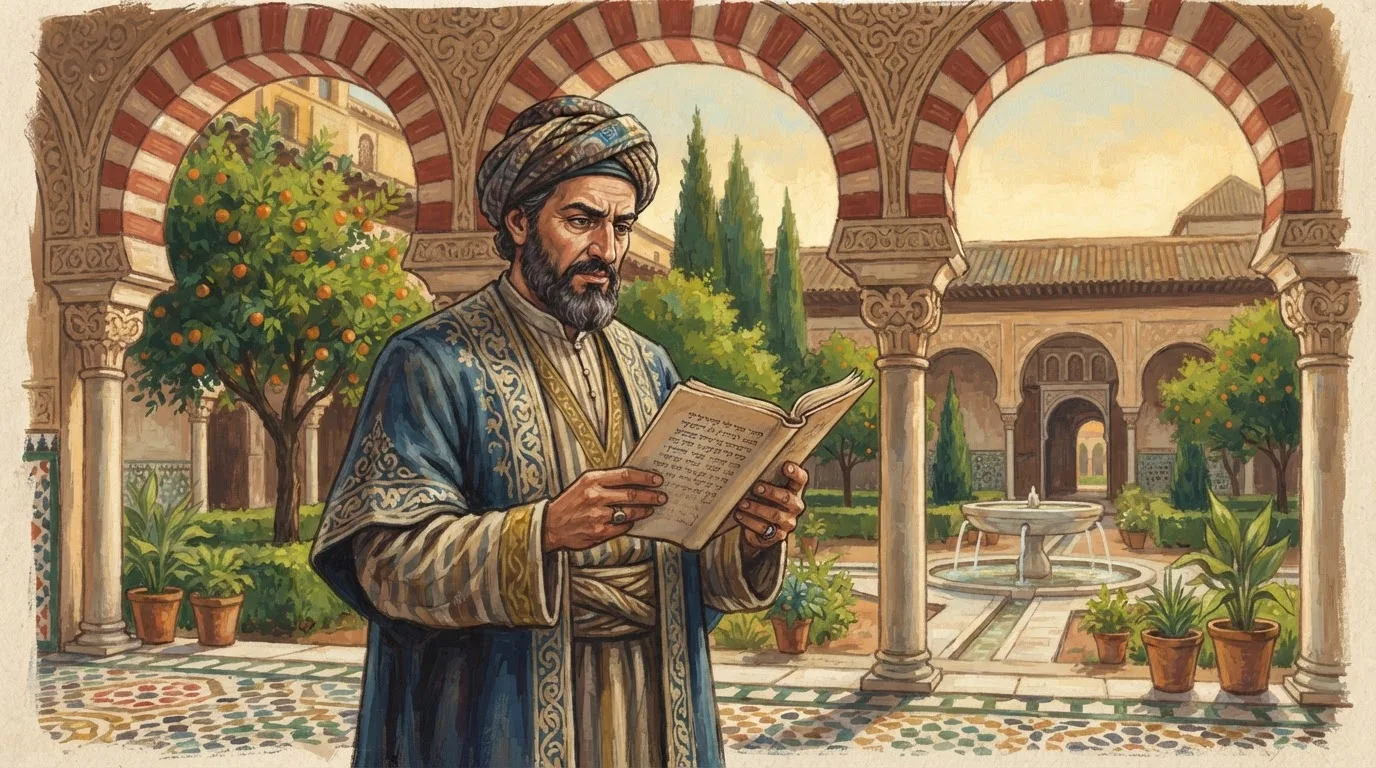
c. 936–1013 Historical figure
Al-Zahrawi (Abulcasis, c. 936–1013), Córdoba surgeon and author of the Kitab al-Tasrif. Find his trace at the Medina Azahara ruins and read the full story.
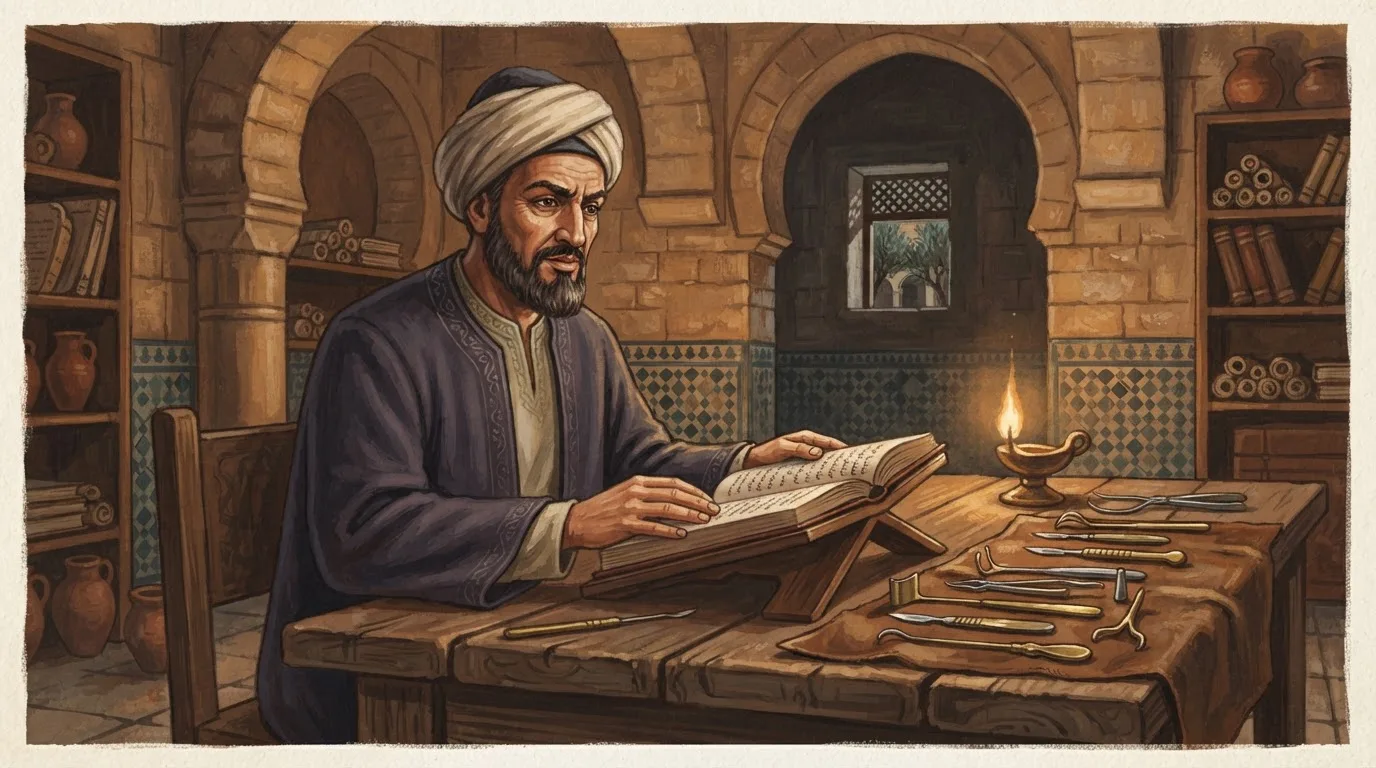
c. 938–1002 Historical figure
Almanzor (c. 938-1002) ruled Córdoba as chamberlain under a puppet caliph. See what remains of his eastern extension of the Mezquita and read his story.
Go deeper