Maimonides: Córdoba's Philosopher Who Changed Judaism
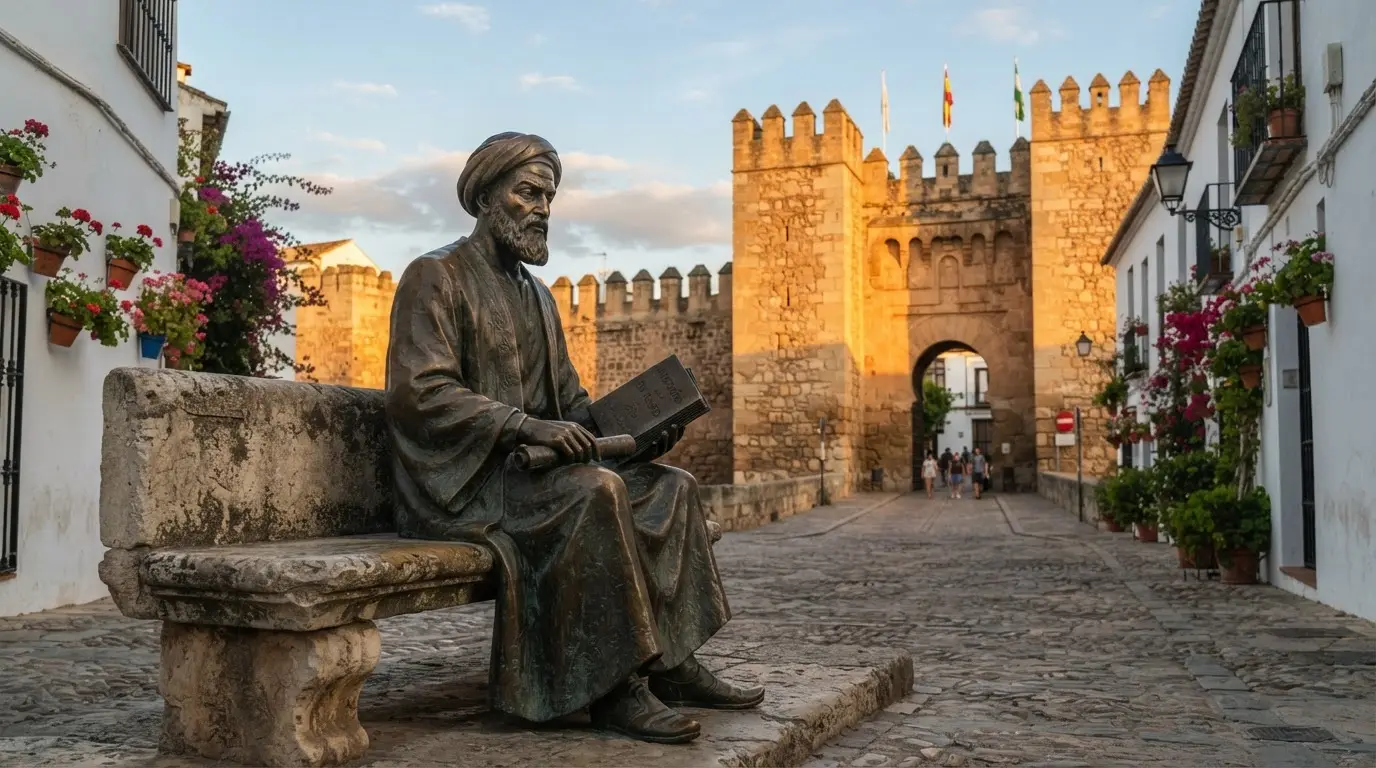
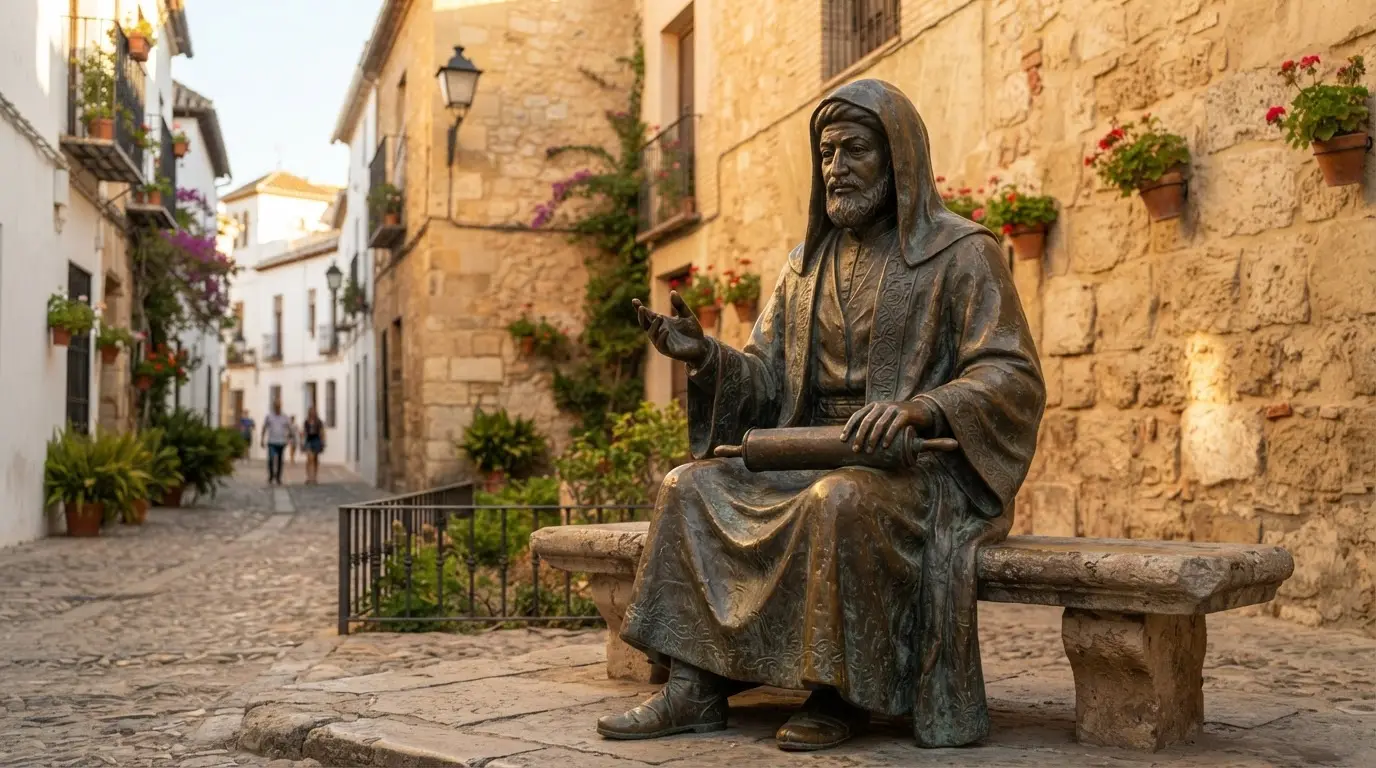
Born in Córdoba in 1138, Maimonides codified Jewish law, reconciled Aristotle with the Torah, and influenced Aquinas. His statue stands in the Judería today.
Read the full story
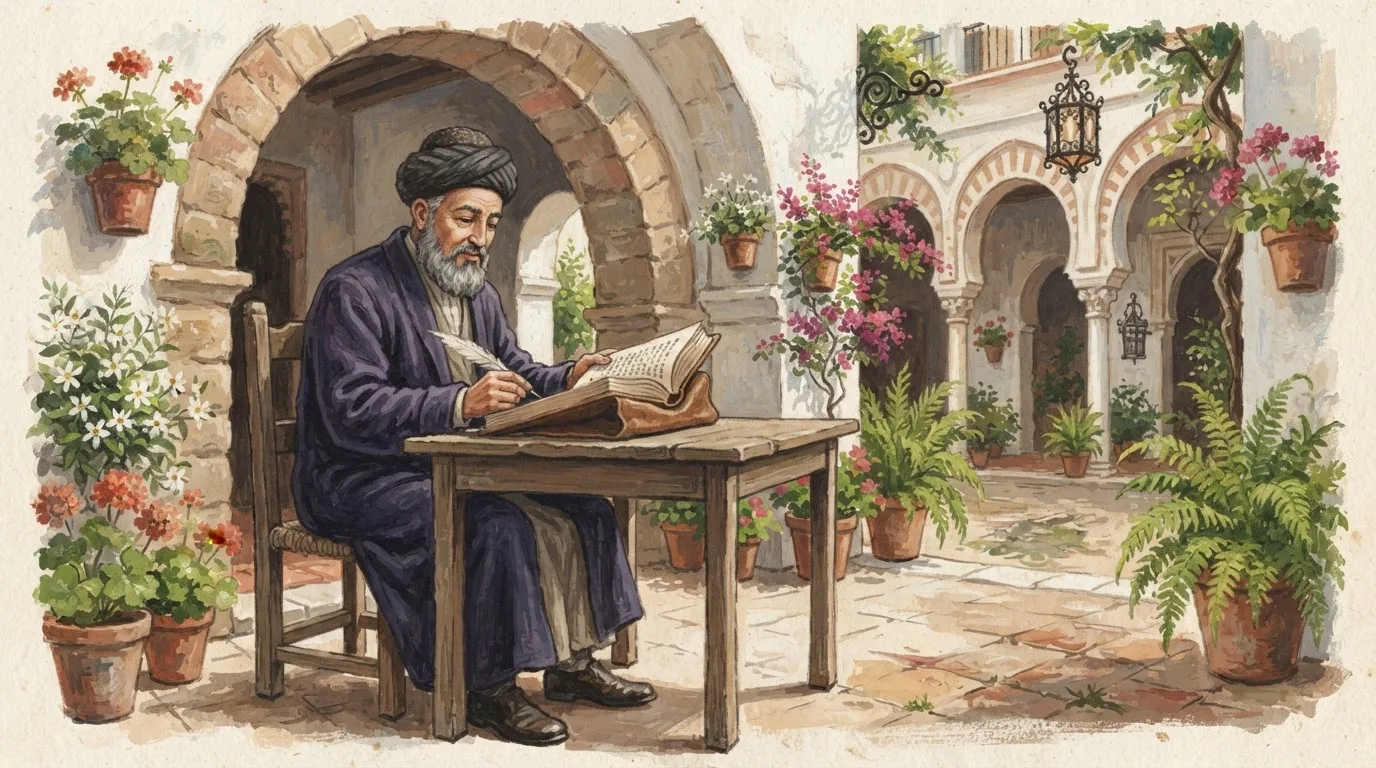
Maimonides (Moses ben Maimon, known in Hebrew as Rambam) was a Jewish philosopher and physician born in Córdoba, on Passover Eve of 1135 or 1138; his own stated date points to 1138. His family left Muslim-ruled Spain after the Almohad conquest of 1148 rather than convert. He died in Fustat, now part of Cairo, on 12 December 1204, after serving as personal physician to Saladin.
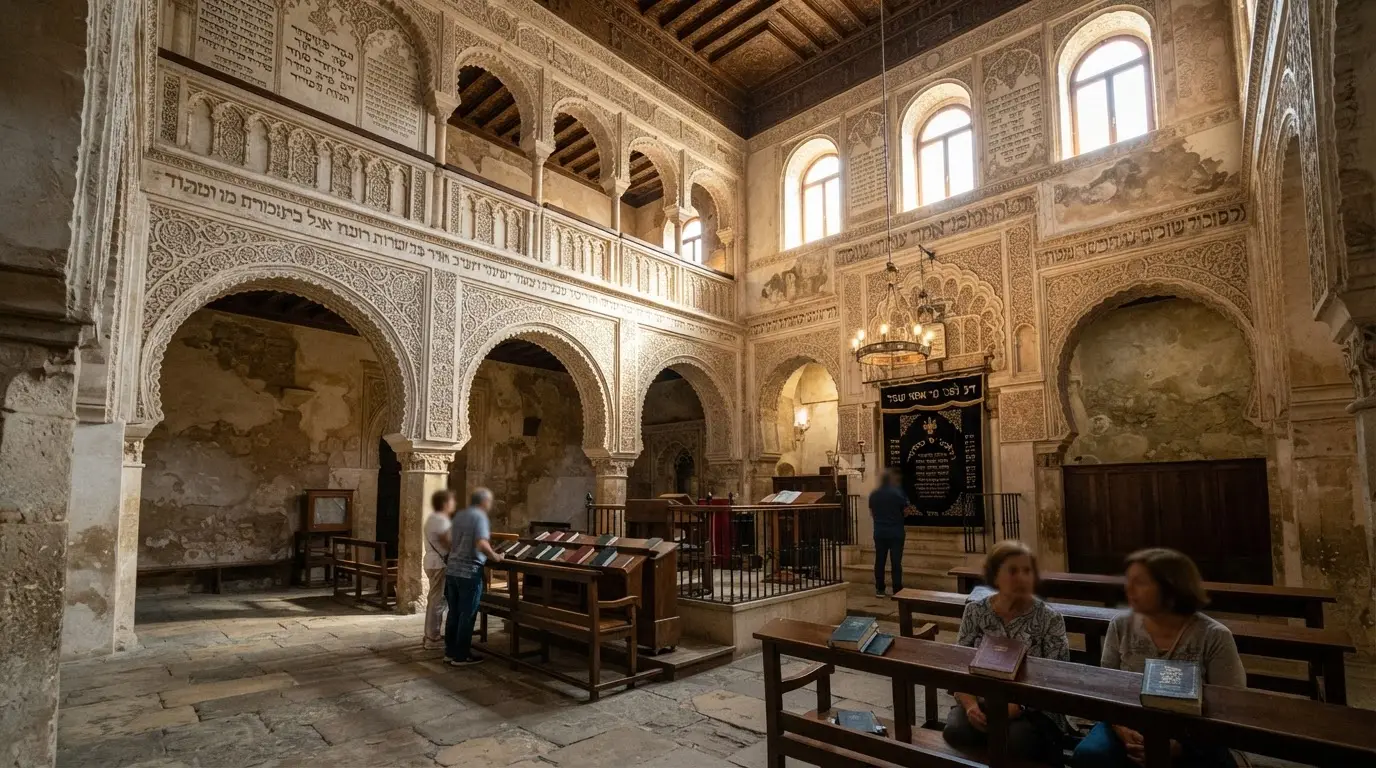
His trace in Córdoba is a single quiet corner of the Judería. A bronze statue of him stands in Plaza de Tiberiades, on Calle de los Judíos, near the Córdoba Synagogue, and a plaque in the square marks the 850th anniversary of his birth. The city's side of the story is the statue, the quarter and the museums around it.
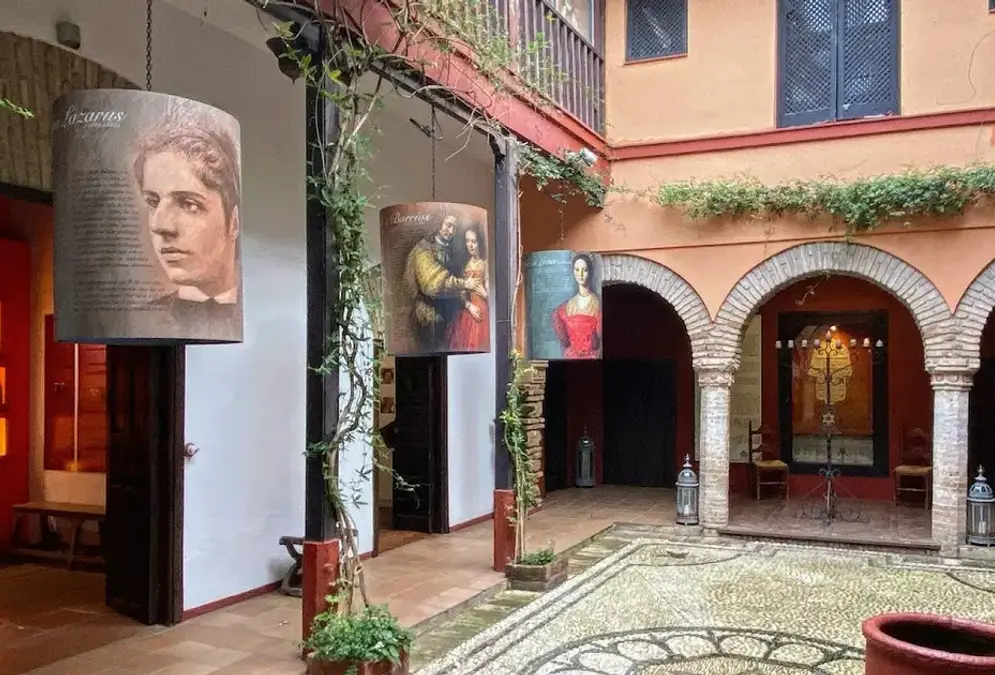
Start at the Casa de Sefarad, then follow the Jewish Quarter Walk past the square. For the other great philosopher born in the city in the same century, read about Averroes. The full account of his life, exile and ideas is in Maimonides: Córdoba's Philosopher Who Changed Judaism: read the full story there.
1031–1236
The caliphate broke into taifa kingdoms in 1031, and Córdoba later passed between local rulers and the Almoravid and Almohad dynasties. Averroes and Maimonides were born here, though Maimonides' family fled Almohad rule around 1148.
1003–1071 Historical figure
Ibn Zaydun (1003–1071), Córdoba-born poet of al-Andalus, and the Monument to the Lovers where his romance with Wallada is remembered. Read the full story.
1126–1198 Historical figure
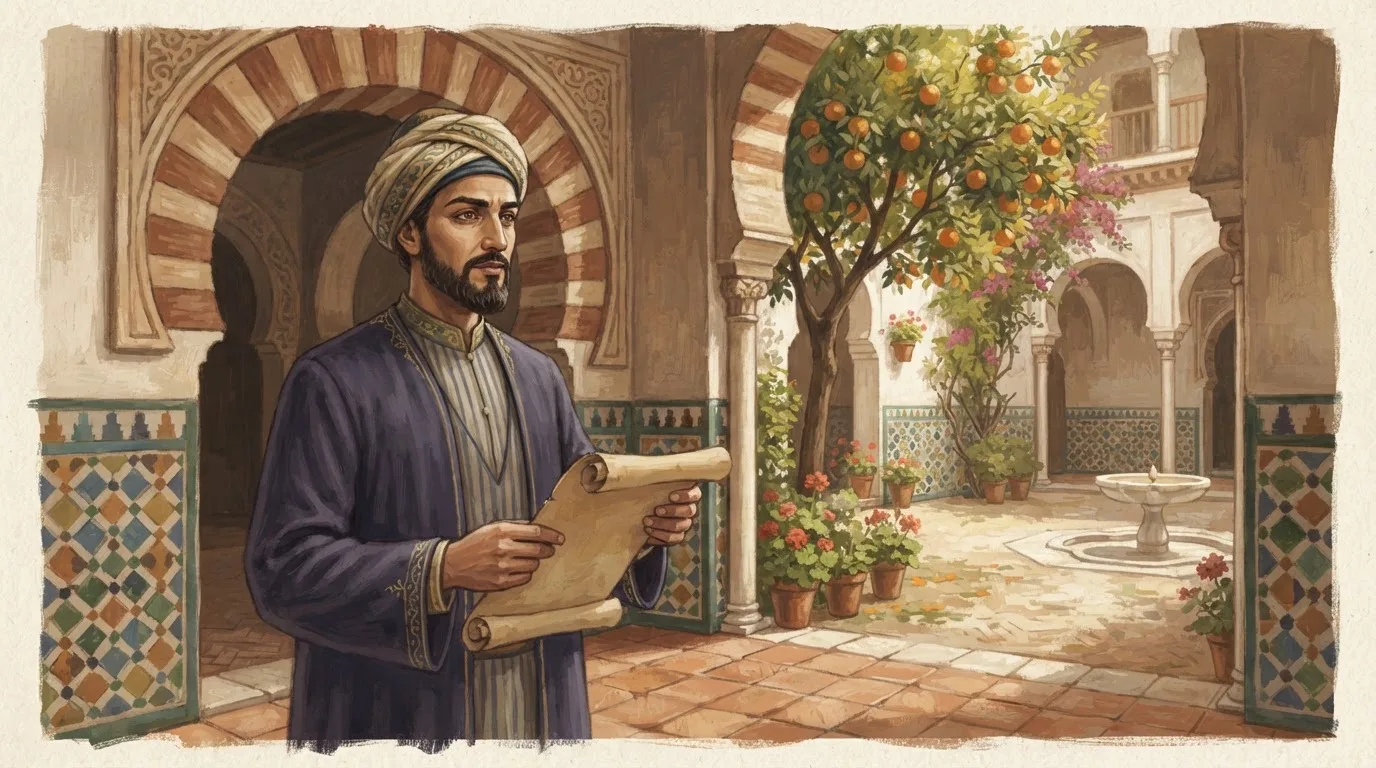
Averroes (Ibn Rushd) was born in Córdoba in 1126, served as its qadi and wrote on Aristotle. See the statue on Calle Cairuán and where to read his full story.
Undated
Monument
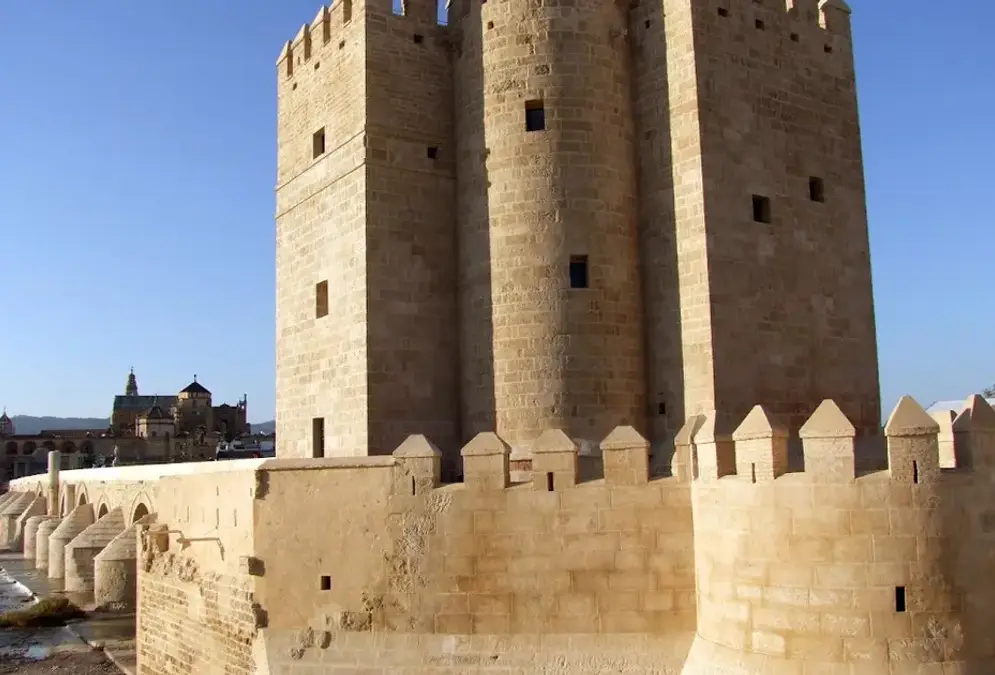
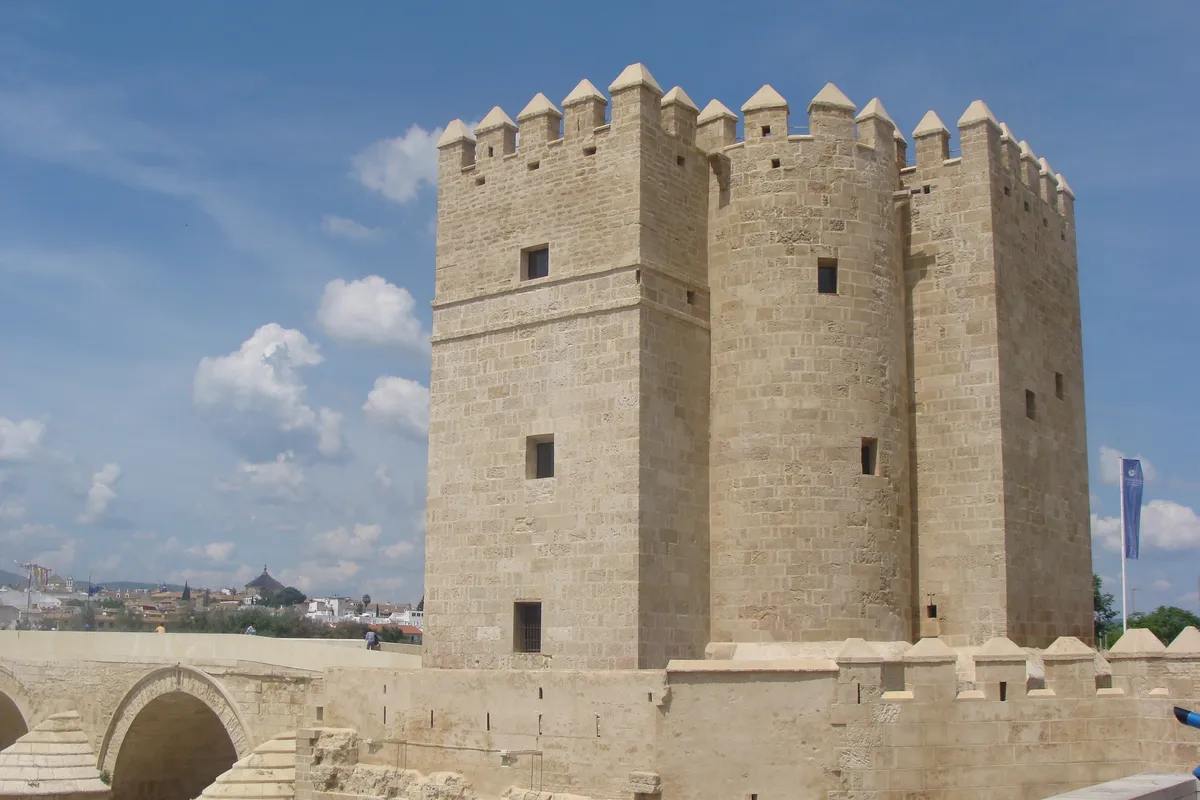
12th-century Islamic tower at the end of the Roman Bridge. Museum of Al-Andalus with rooftop views of the Mezquita and Guadalquivir. €4.50 adult entry.