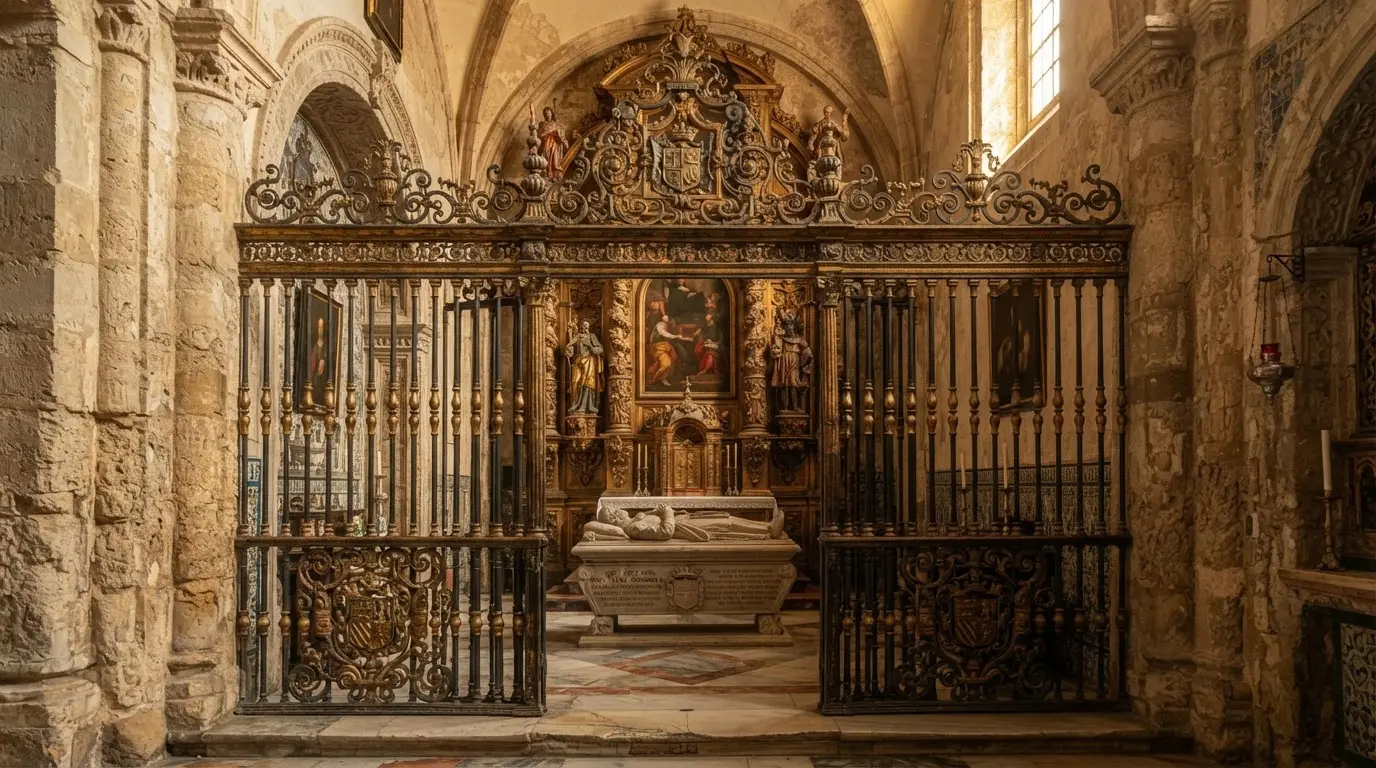
Luis de Góngora: The Poet Buried Inside the Mezquita
Luis de Góngora, born in Córdoba in 1561, invented a style of poetry so difficult it scandalized Spain. His tomb is inside the Mezquita, behind an iron grille.
Read the full story
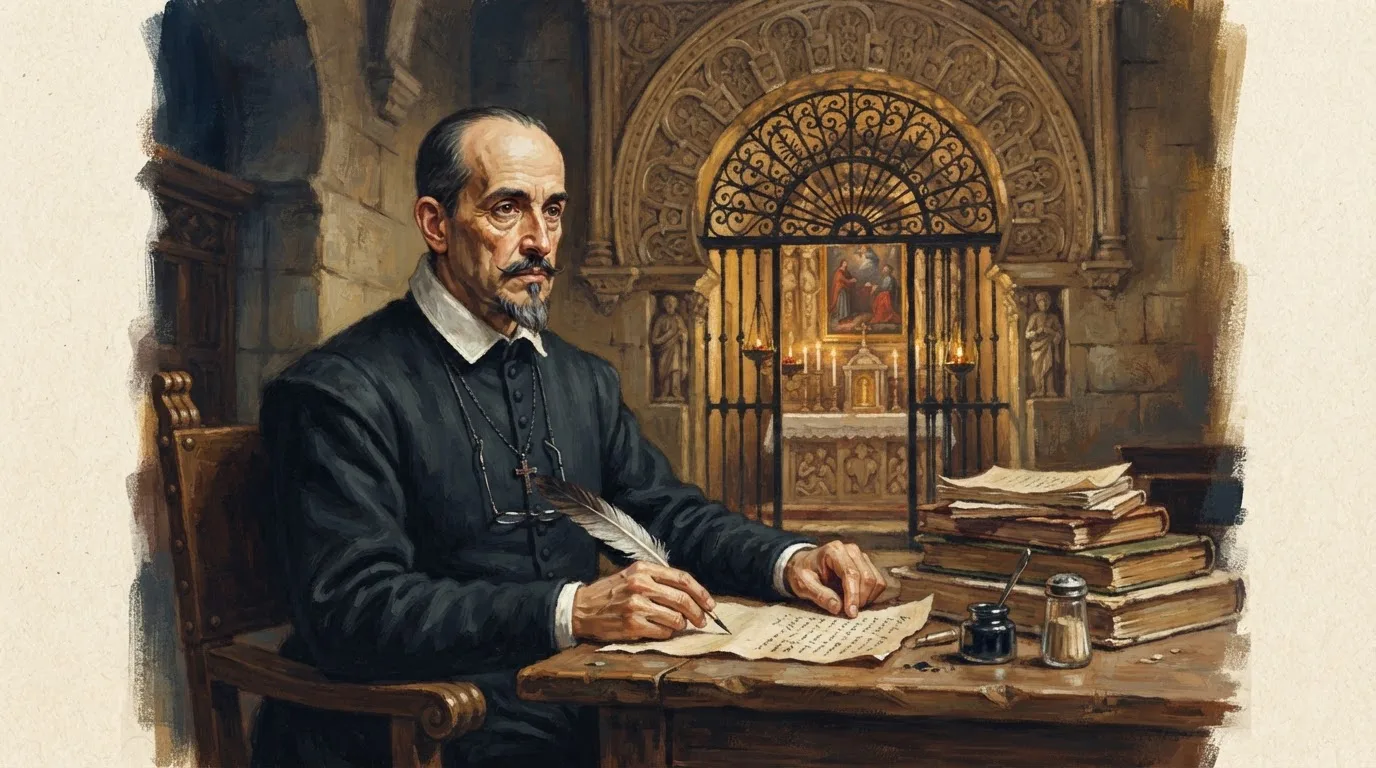
Luis de Góngora y Argote was born in Córdoba in 1561, became a priest attached to the cathedral, and is remembered as the great lyric poet of the Spanish Baroque. After years away from the city he came home in 1627, in poor health, and died there the same year.
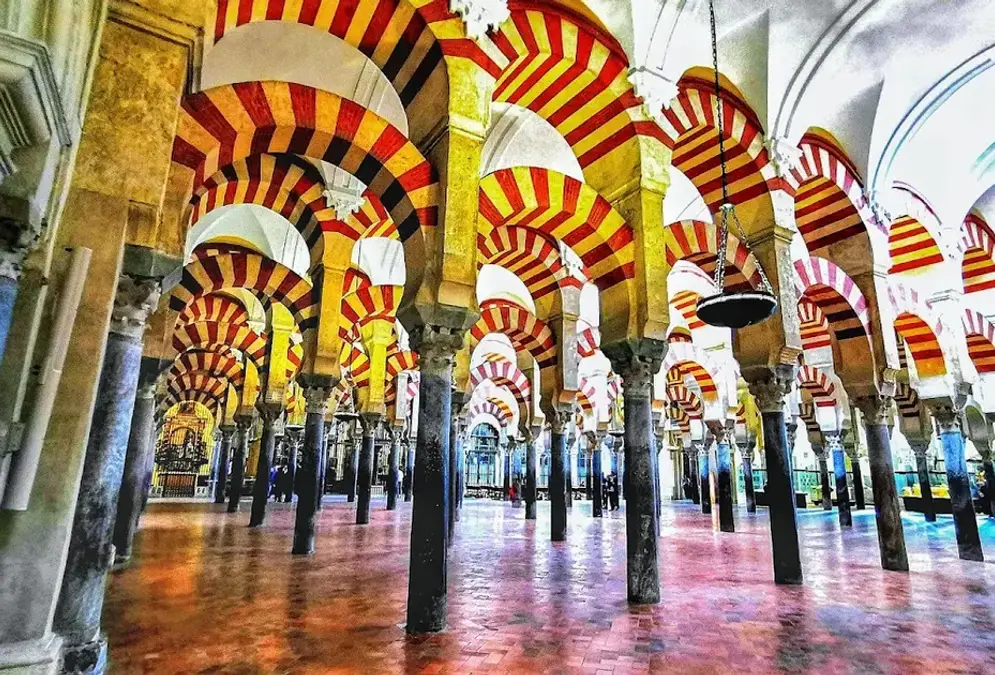
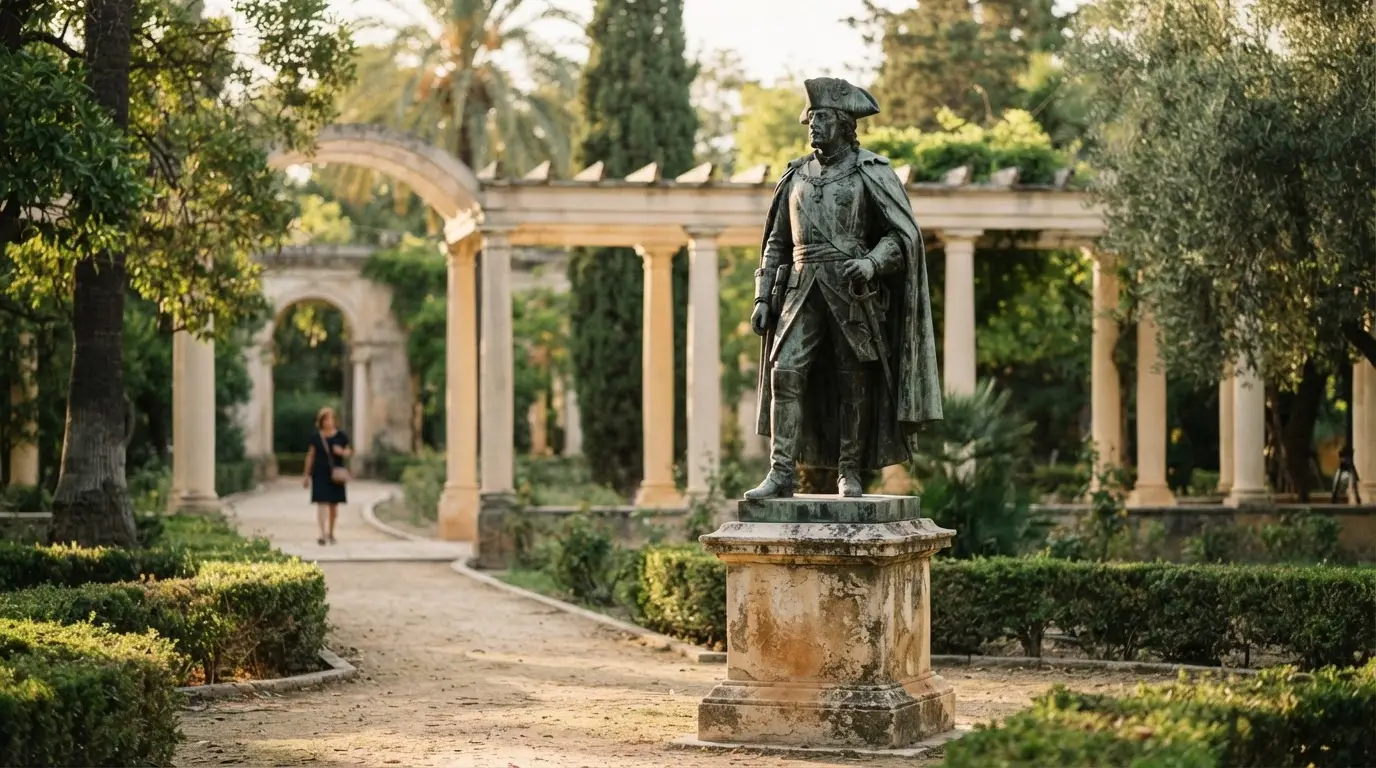
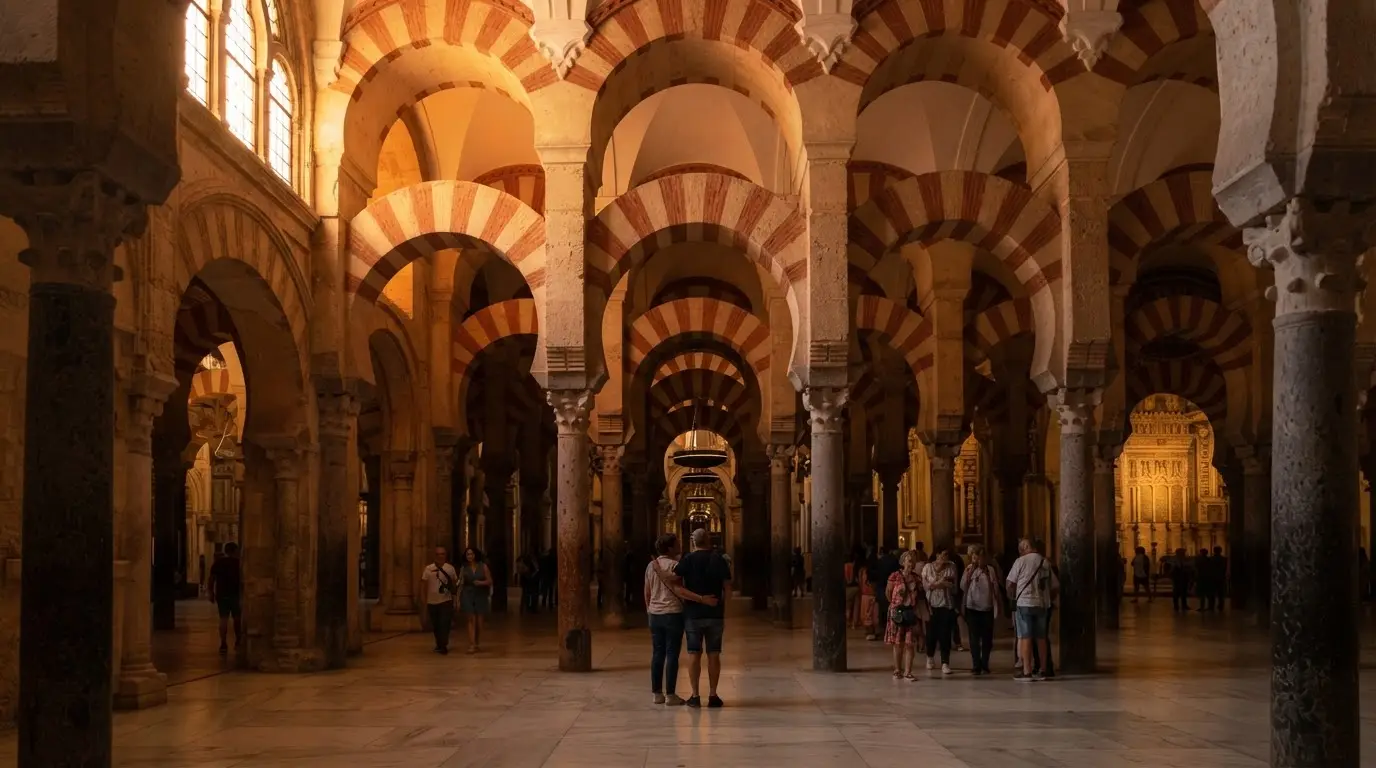
His trace in Córdoba is physical. His funeral urn stands in the Chapel of San Esteban and San Bartolomé inside the Mezquita-Catedral. A small monument to him also stands on the Paseo de la Ribera, beside the river.
The poet's life, his style and the story of his tomb are told in Luis de Góngora: The Poet Buried Inside the Mezquita. Read the full story there.
1492–1808
Córdoba's Jews were expelled in 1492 and the city settled into provincial life. The Mezquita's Renaissance nave was begun in 1523, and the arcades of Plaza de la Corredera date from the 17th century.
1560 Monument
Córdoba's finest Renaissance palace, designed by Hernán Ruiz II in 1560. Free courtyard, exhibition halls, and the only public gardens in the historic centre.
1568 Monument
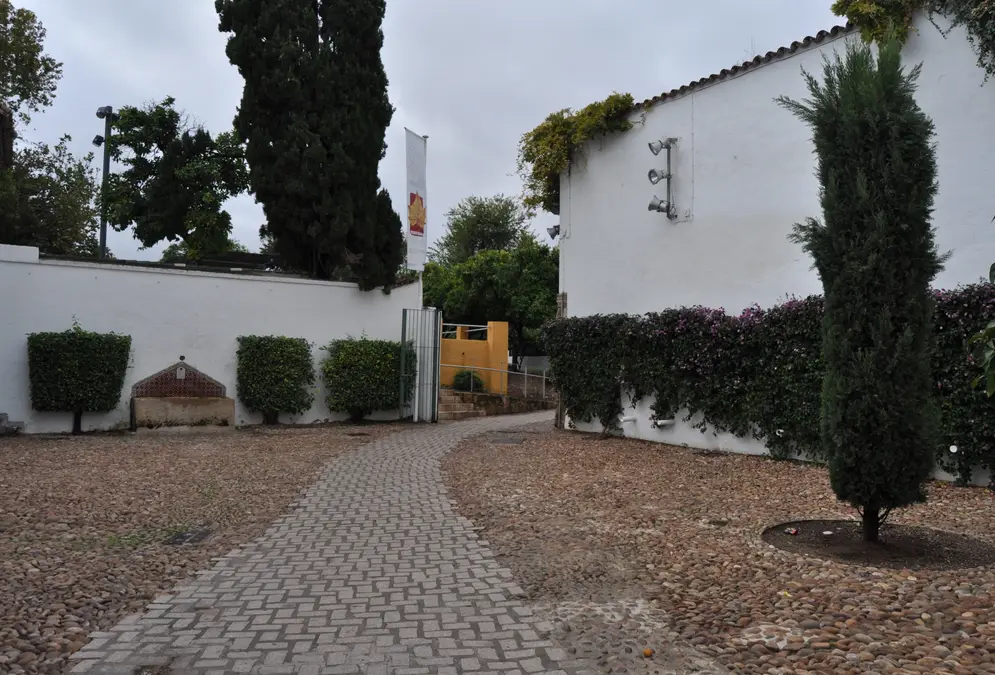
Philip II's 1568 Royal Stables, birthplace of the Andalusian horse. Evening show combining classical dressage, vaquera riding and flamenco. UNESCO heritage.
1500–1558 Historical figure
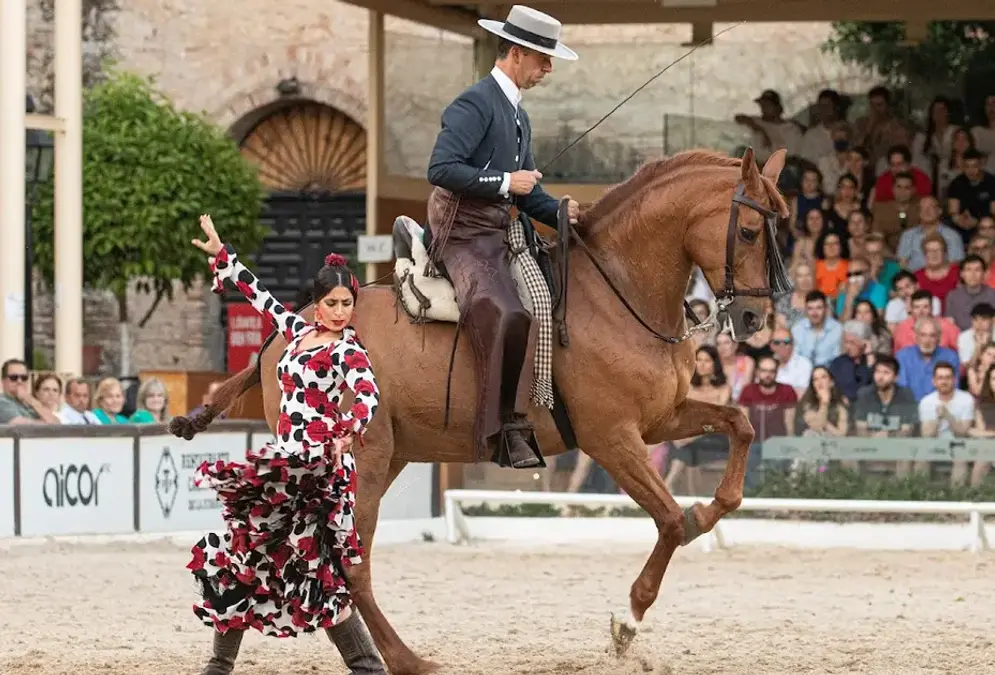
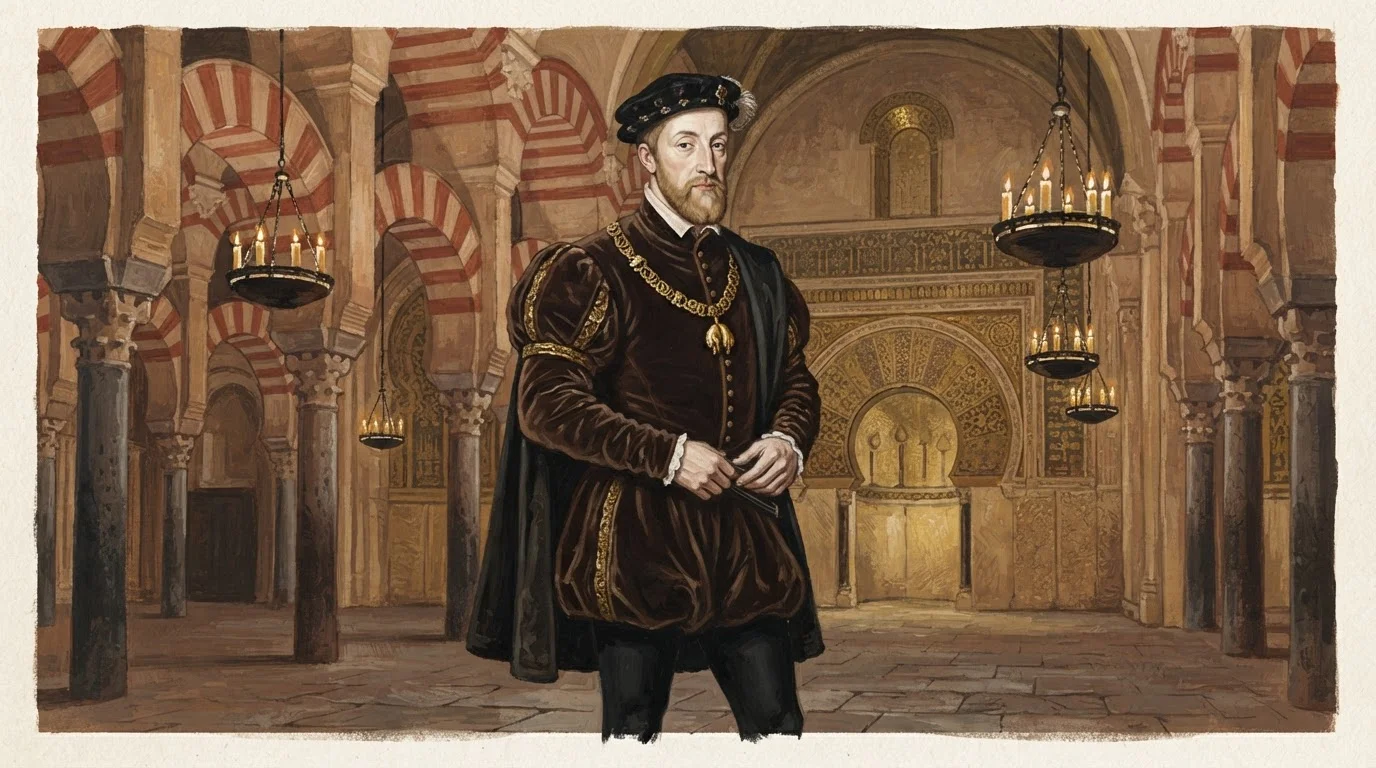
Charles V (1500-1558), Holy Roman Emperor, whose permission let a Renaissance nave rise in Córdoba's Mezquita (work began 1523). See where his trace remains.
d. 1534 Historical figure
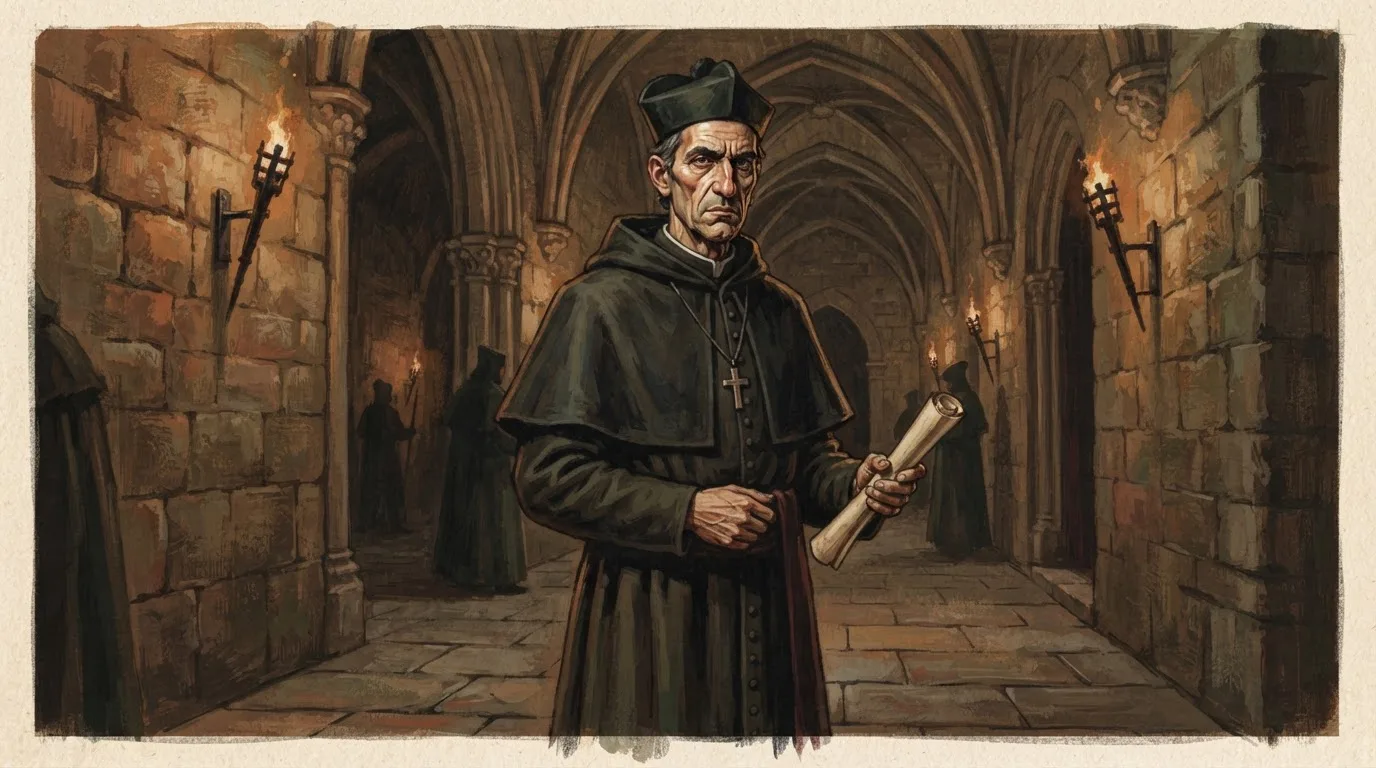
Diego Rodríguez Lucero (d. 1534), inquisitor of Córdoba from 1499, fled a stormed Alcázar in 1506. See where his trace remains and read the full story.
Undated
Monument
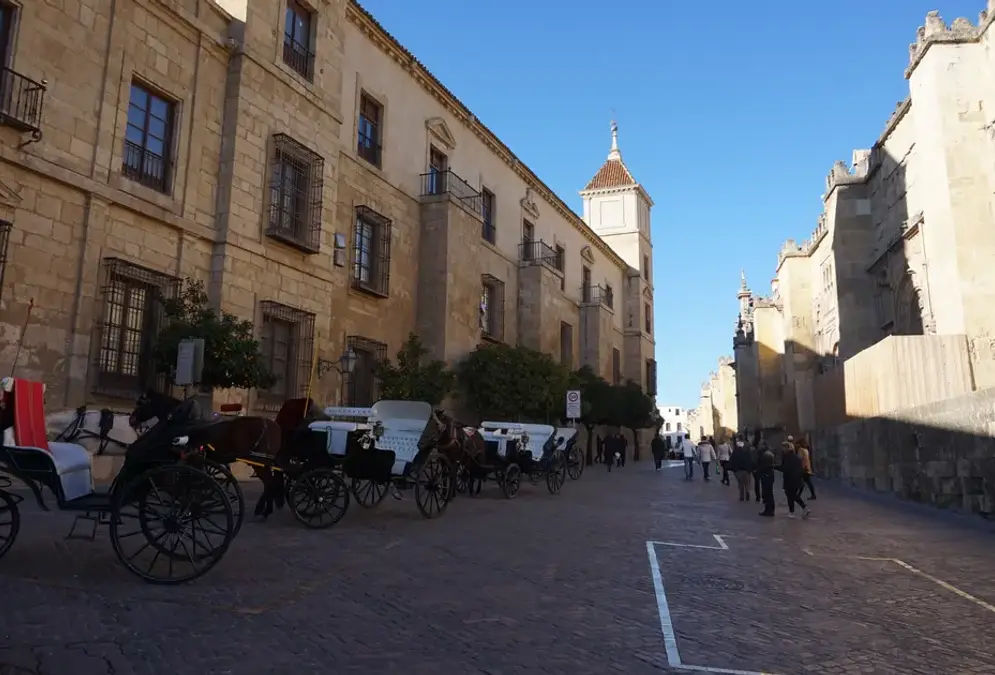
Baroque palace facing the Mezquita, free with your entrance ticket. Diocesan Museum inside: 14 centuries of Córdoba art and a courtyard most visitors skip.
Monument
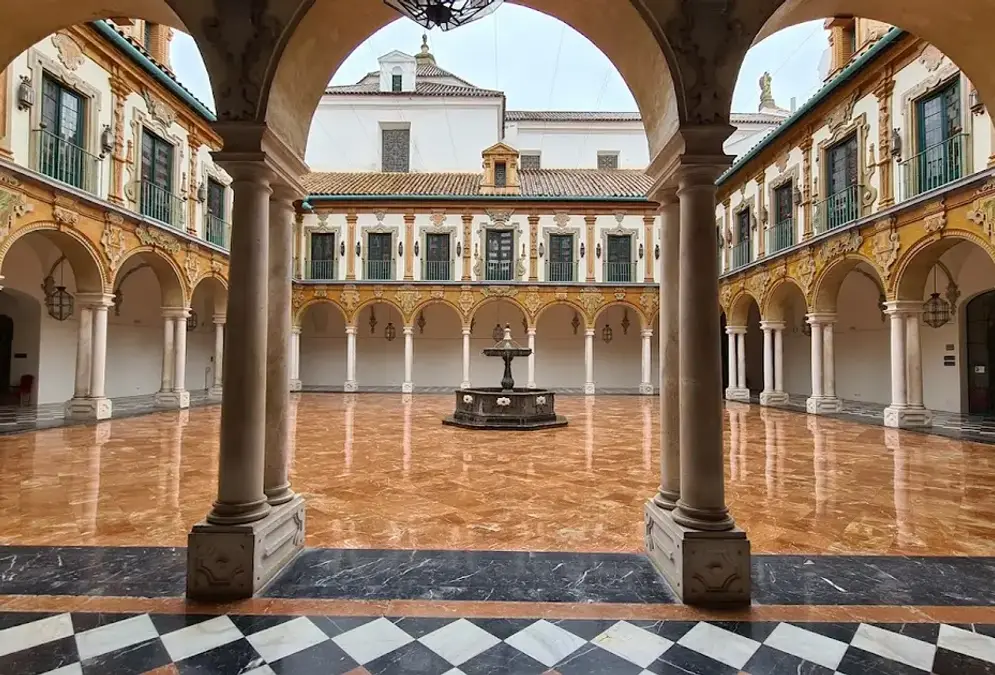
18th-century baroque palace in Córdoba: former convent with gilded altarpieces, patios and Zurbarán paintings. Visits by written request, 15 days ahead.
Monument
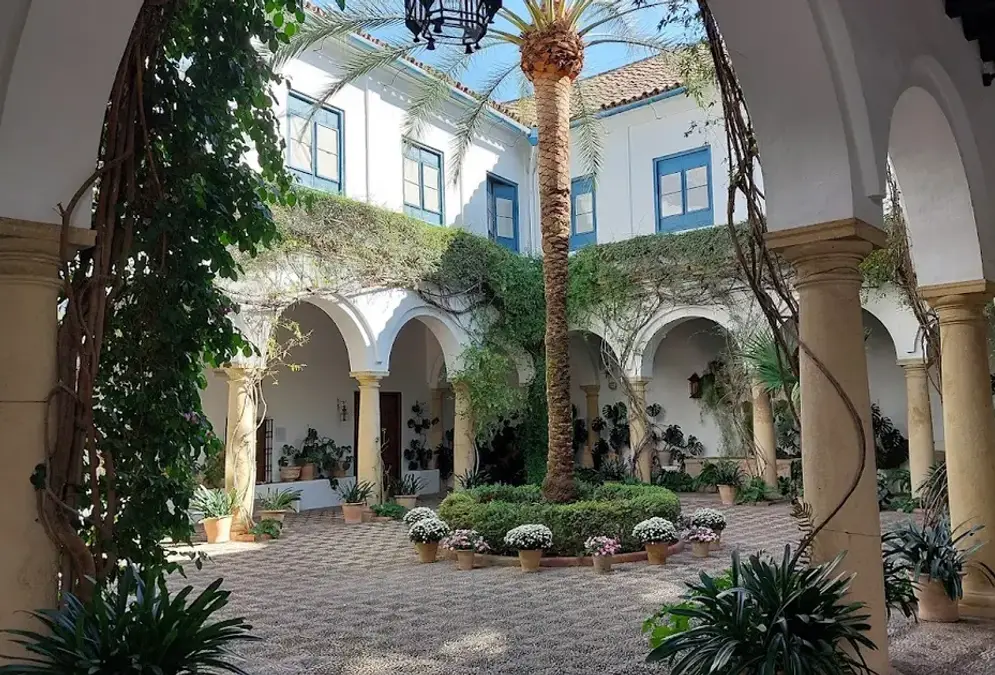
Palacio de Viana, Córdoba: walk 12 Renaissance patios, a 7,000-volume library and Flemish tapestries. Tickets from €8.50, free entry Wednesdays 2 to 5pm.
Go deeper