Inquisitor Lucero El Tenebroso: Córdoba's Feared Judge
Lucero El Tenebroso jailed 400+ people and staged Córdoba's largest auto-da-fé in 1504 — one of few Spanish inquisitors formally removed for abuse of authority.
Read the full story
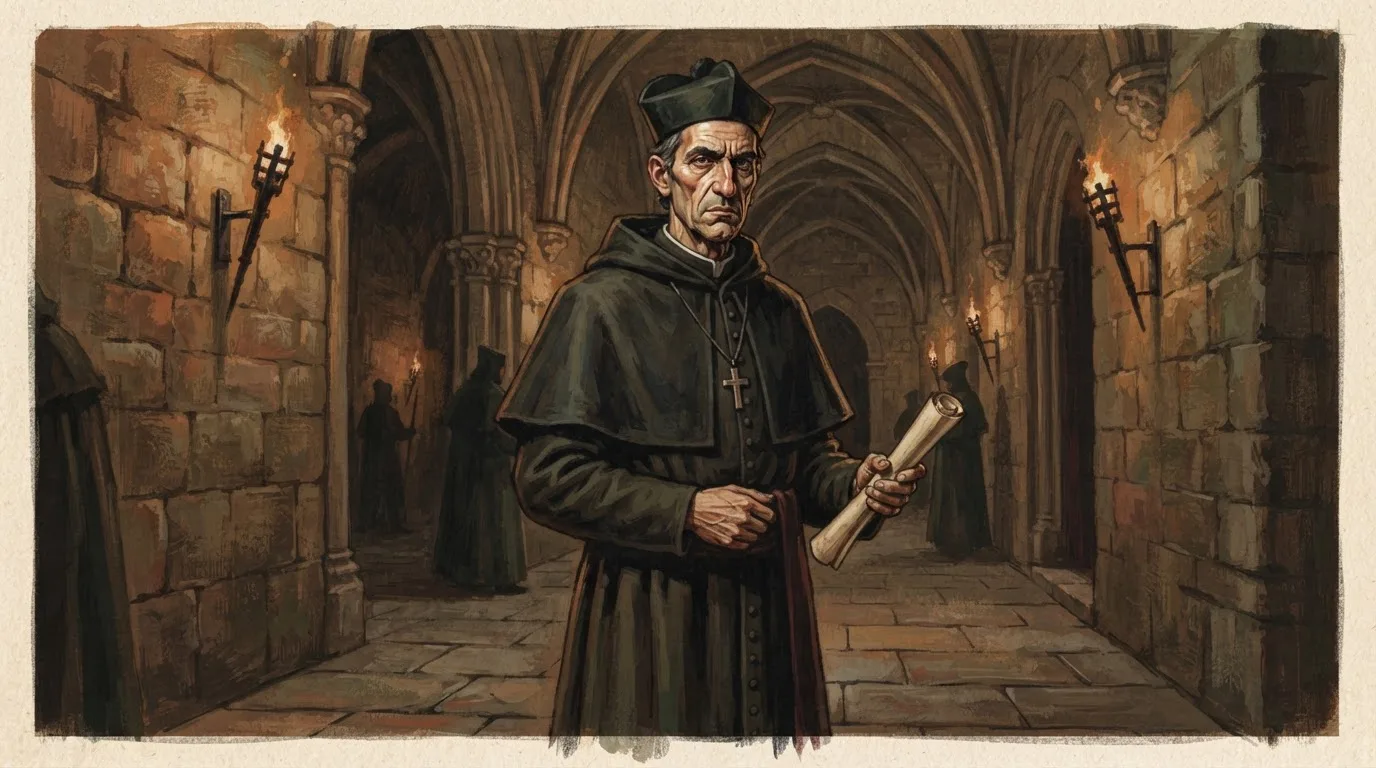
Diego Rodríguez Lucero was a priest and inquisitor of Castile, appointed to Córdoba on 7 September 1499 by Grand Inquisitor Diego Deza. He seems to have been born in Moguer, and he is better known by the nickname Lucero el Tenebroso, "the Dark One". Cisneros imprisoned and tried him in 1508. He was then allowed back to his post as a canon in Seville, where he died on 28 December 1534.
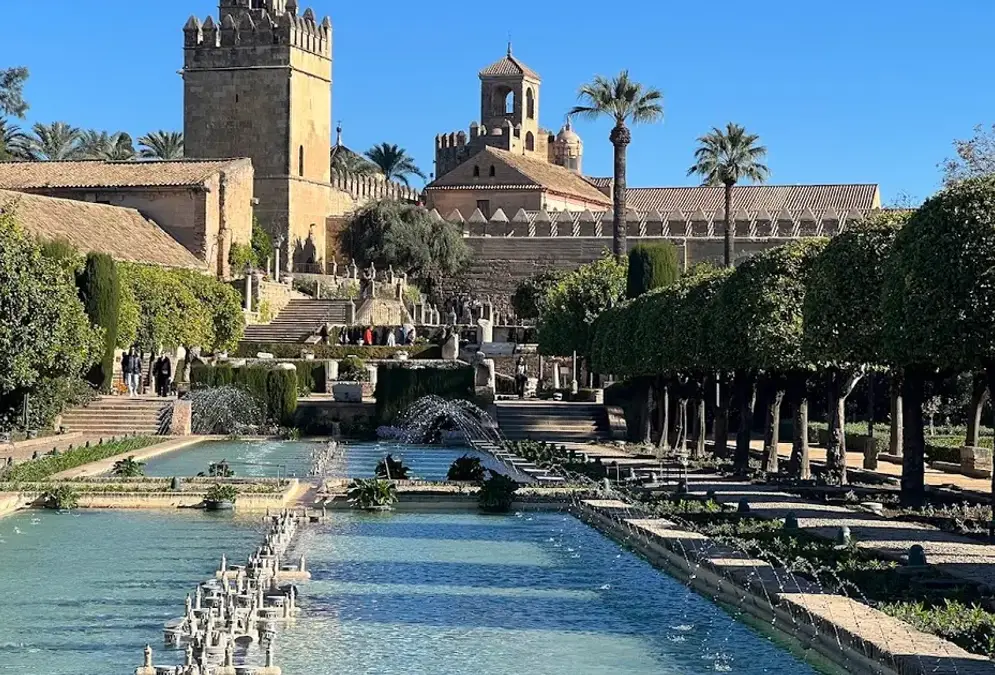
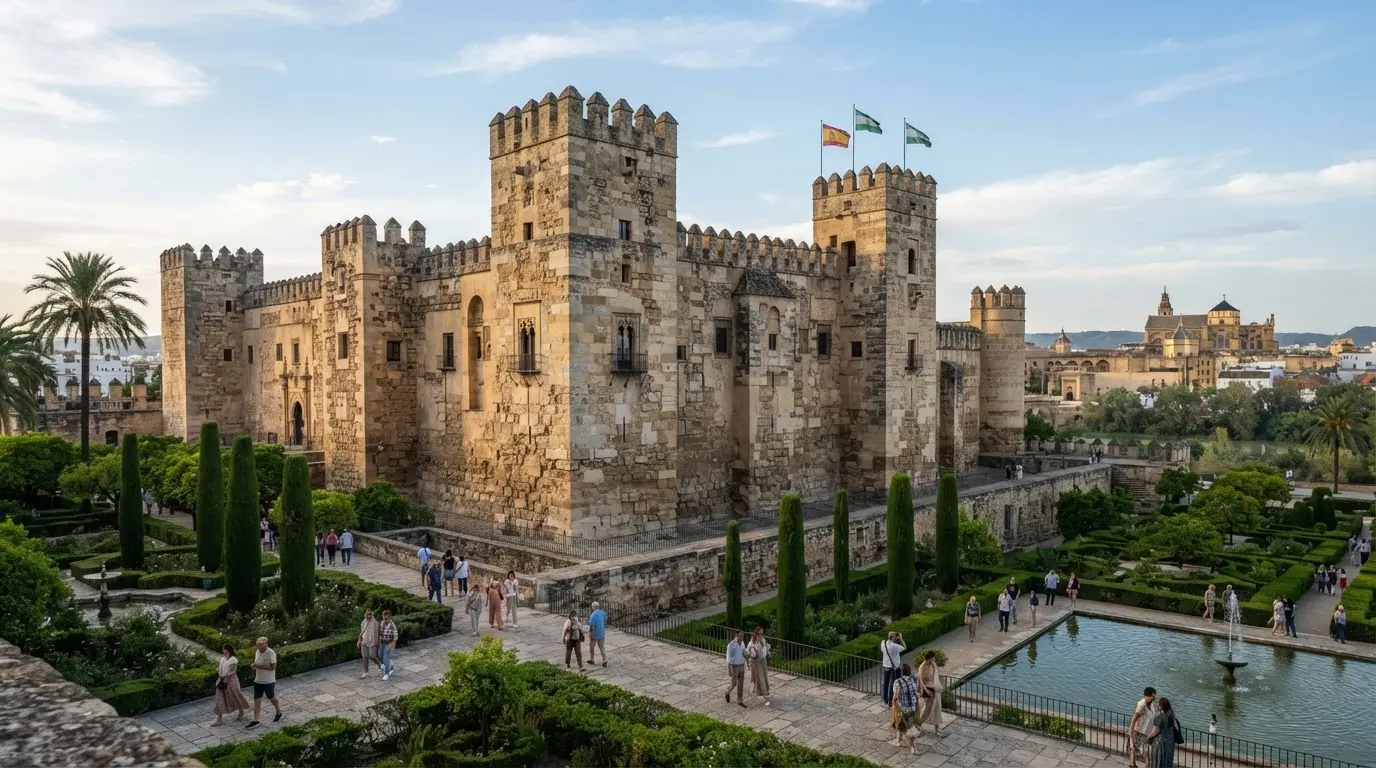
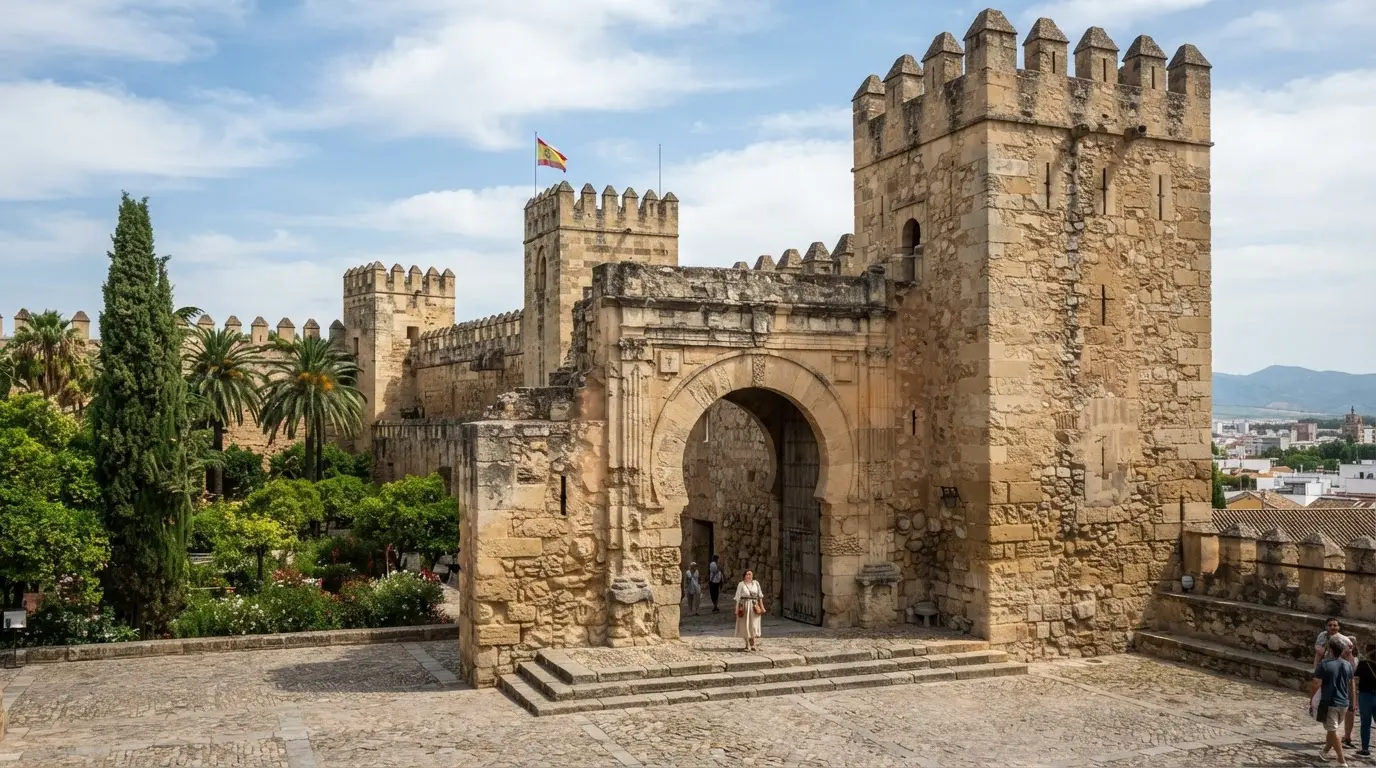
Córdoba keeps his trace in two places. His tribunal gave its address as Encarnación Street, very close to the Mezquita-Catedral. And in November 1506 the city's people stormed the Alcázar de los Reyes Cristianos to free more than 400 prisoners awaiting trial, while Lucero fled through a tunnel.
For the setting, read how the Alcázar became an Inquisition seat and what came before in the 1391 pogrom. For the trial and the 1504 auto-da-fé, read the full story.
1492–1808
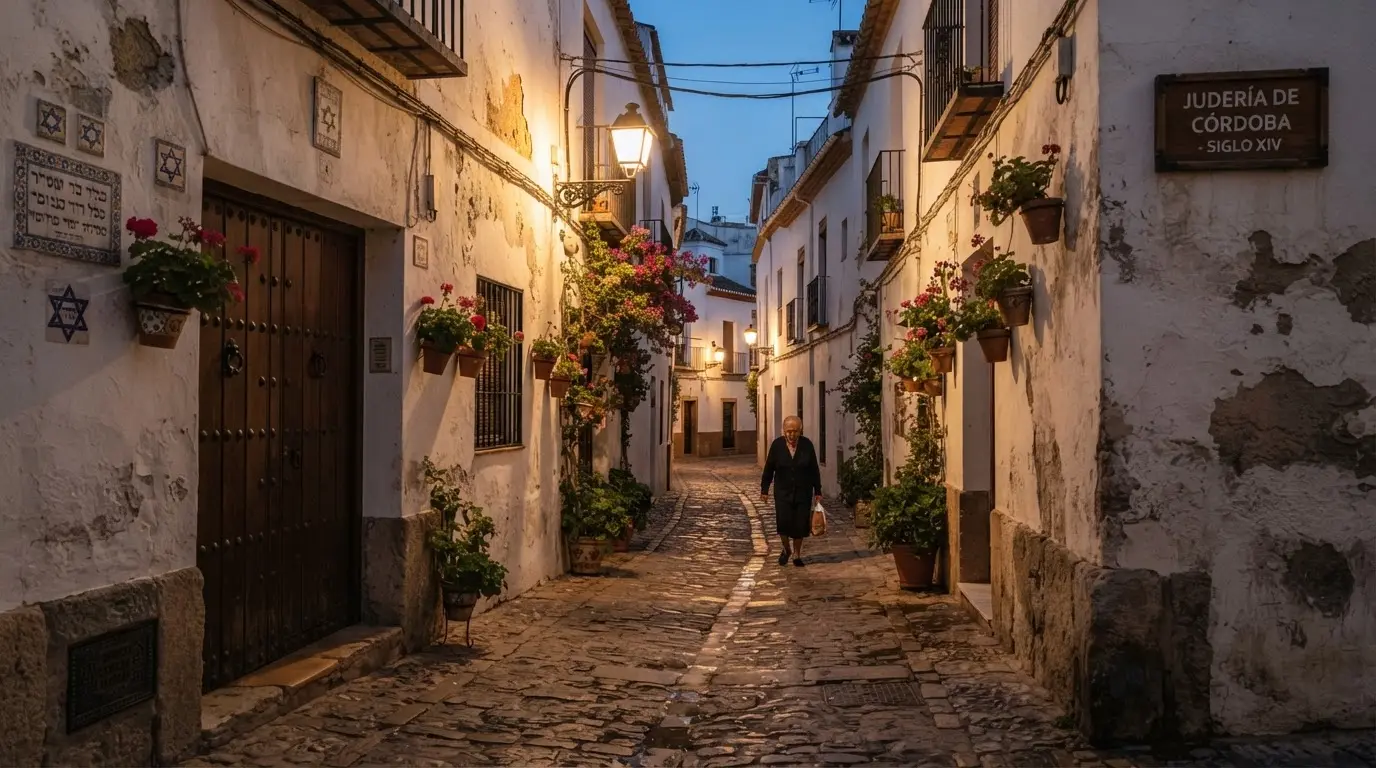
Córdoba's Jews were expelled in 1492 and the city settled into provincial life. The Mezquita's Renaissance nave was begun in 1523, and the arcades of Plaza de la Corredera date from the 17th century. Philip II's Royal Stables date from 1568, and the fountain in Plaza del Potro from 1577.
1500–1558 Historical figure
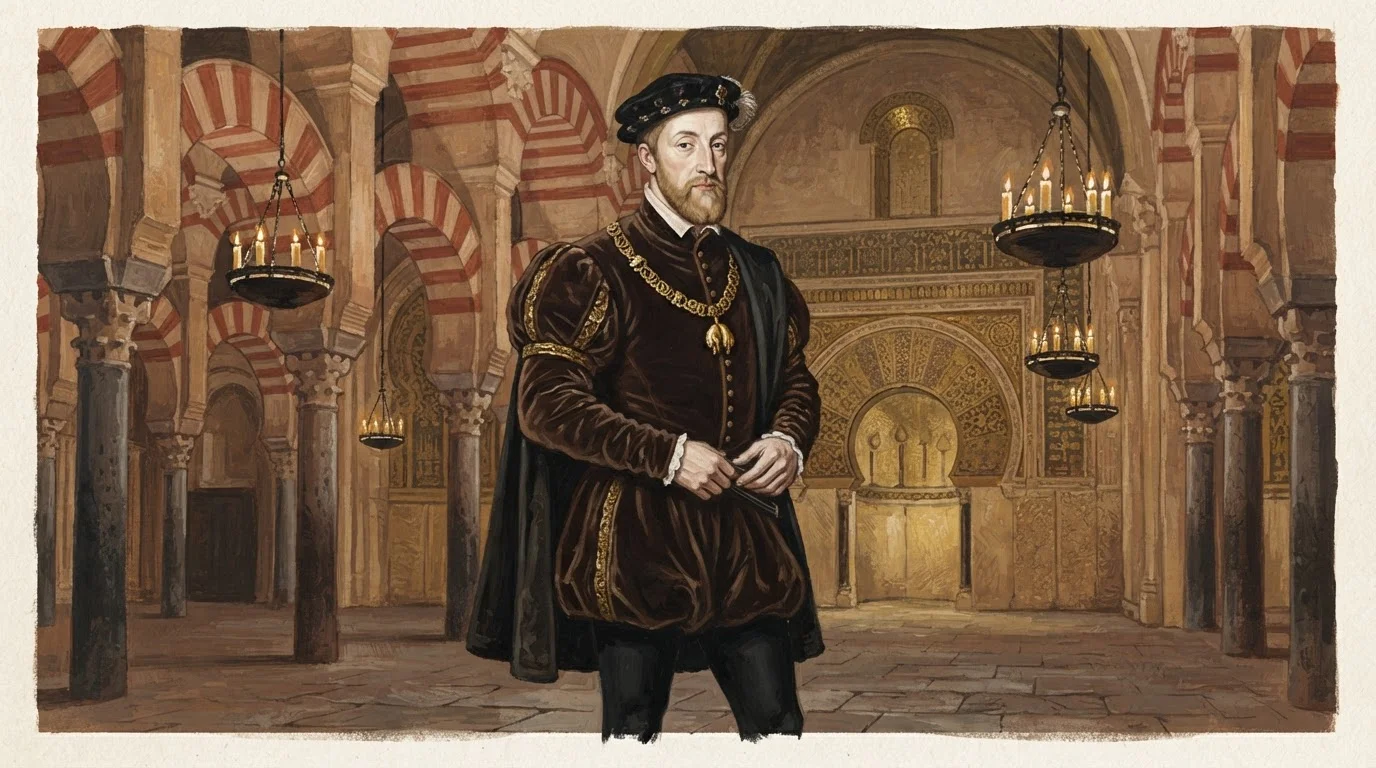
Charles V (1500-1558), Holy Roman Emperor, whose permission let a Renaissance nave rise in Córdoba's Mezquita (work began 1523). See where his trace remains.
1561–1627 Historical figure
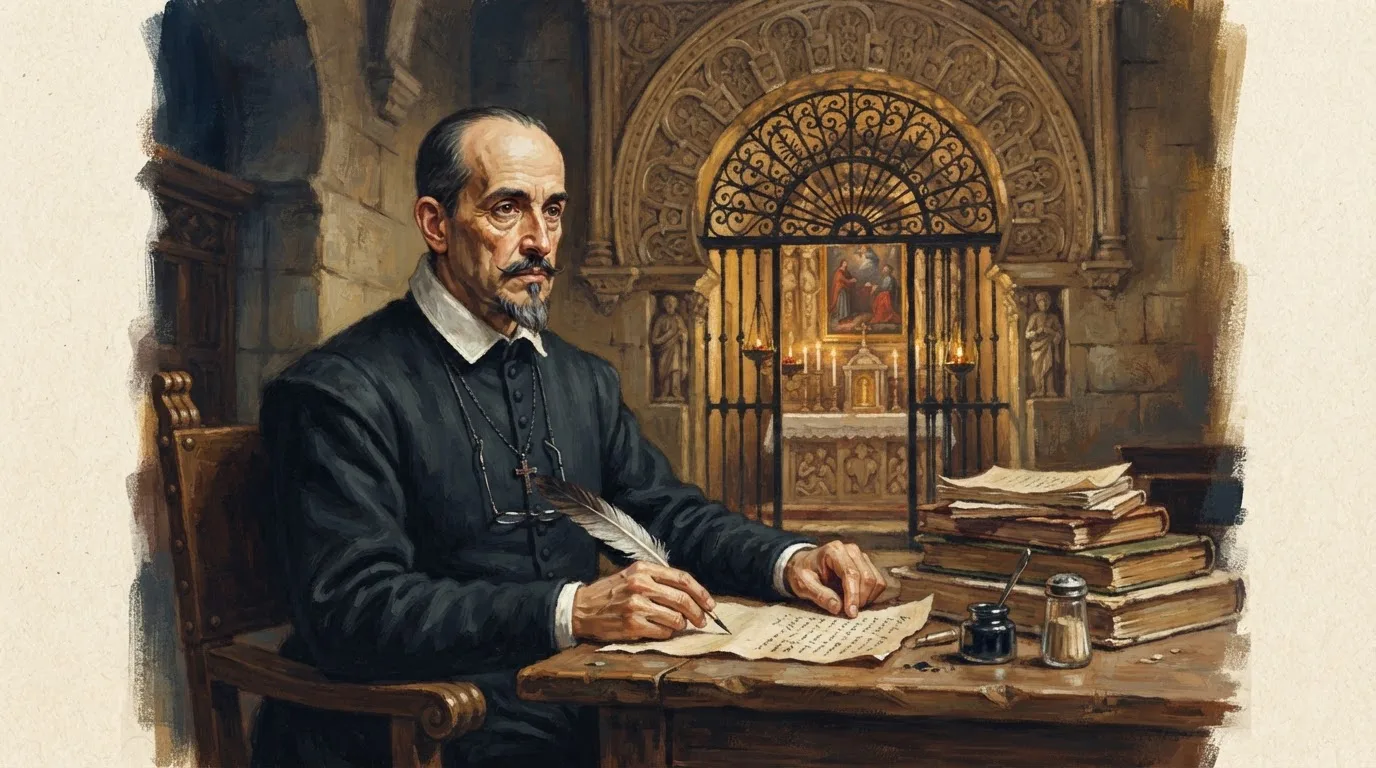
Luis de Góngora, the Baroque poet born in Córdoba in 1561 and buried in the Mezquita-Catedral. Who he was and where to find his trace in Córdoba today.
Undated
Monument
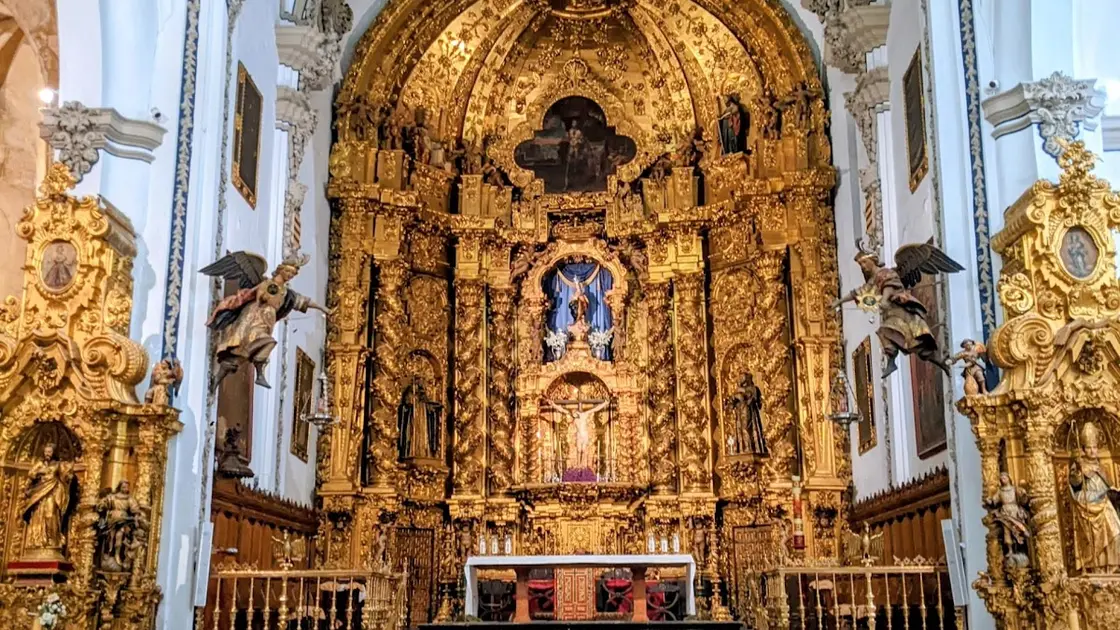
San Francisco church in Córdoba, Spain: the Baroque face of the Franciscan convent of San Pedro el Real, with Ferdinand III's only public statue in the city.
Monument
Santo Ángel, the Capuchin convent church on Plaza de Capuchinos in Córdoba: friars arrived 1629, moved into the Armuña houses in 1633, catalogued as MV-33.
Monument
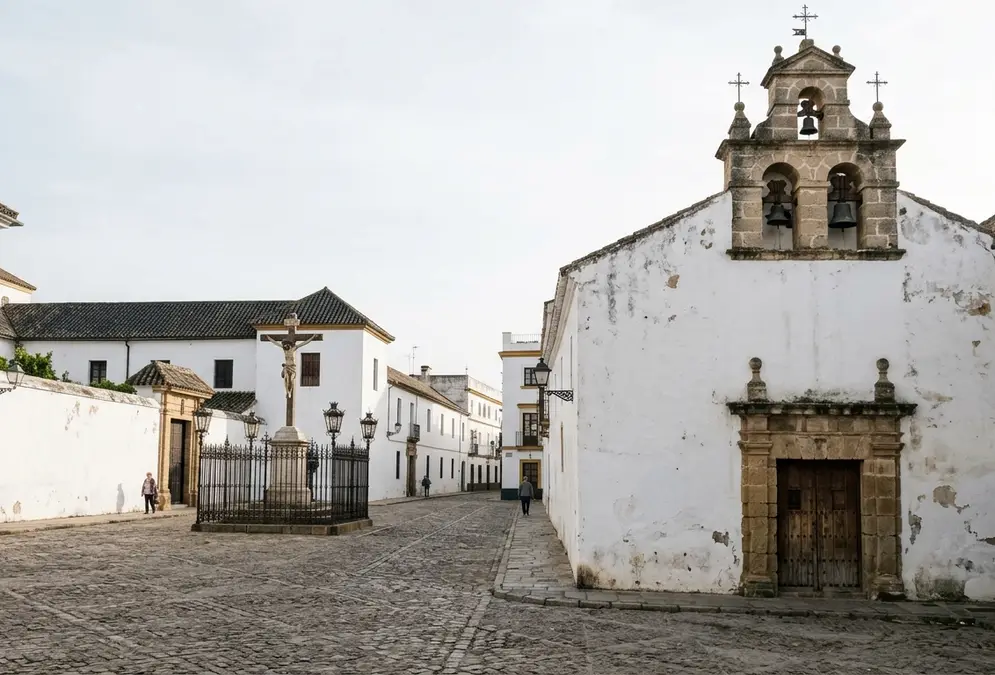
The former Santa Isabel de los Ángeles convent in Córdoba: founded 1491, seven patios, a Pedro Roldán altarpiece, BIC since 2018. Visiting not confirmed.
Monument
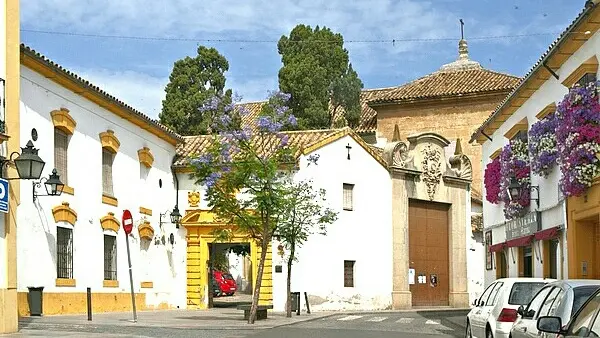
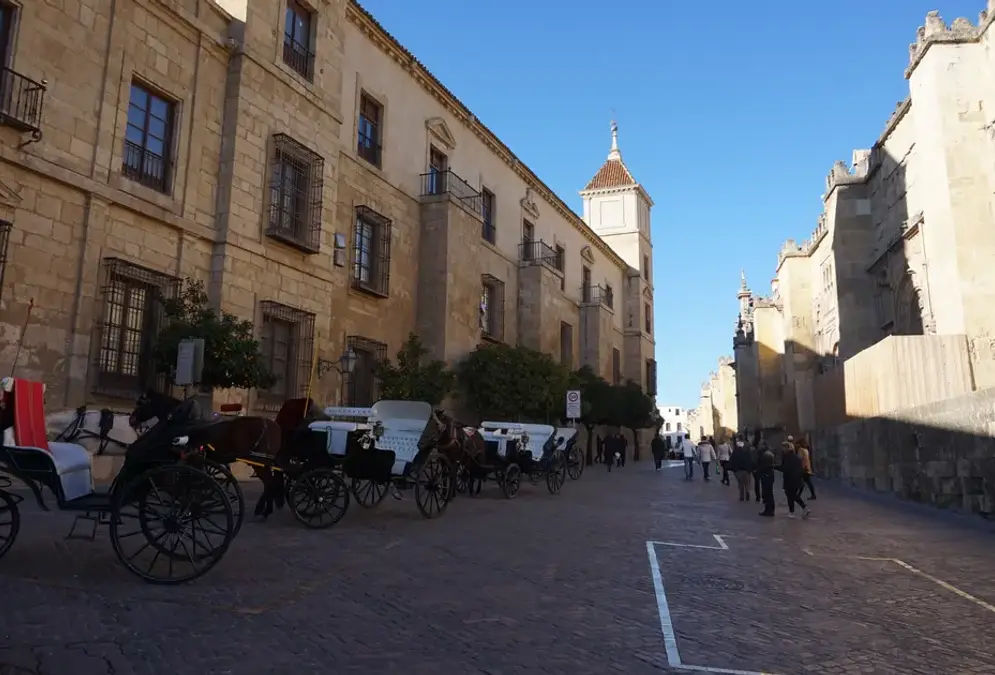
Baroque palace facing the Mezquita, free with your entrance ticket. Diocesan Museum inside: 14 centuries of Córdoba art and a courtyard most visitors skip.
Monument
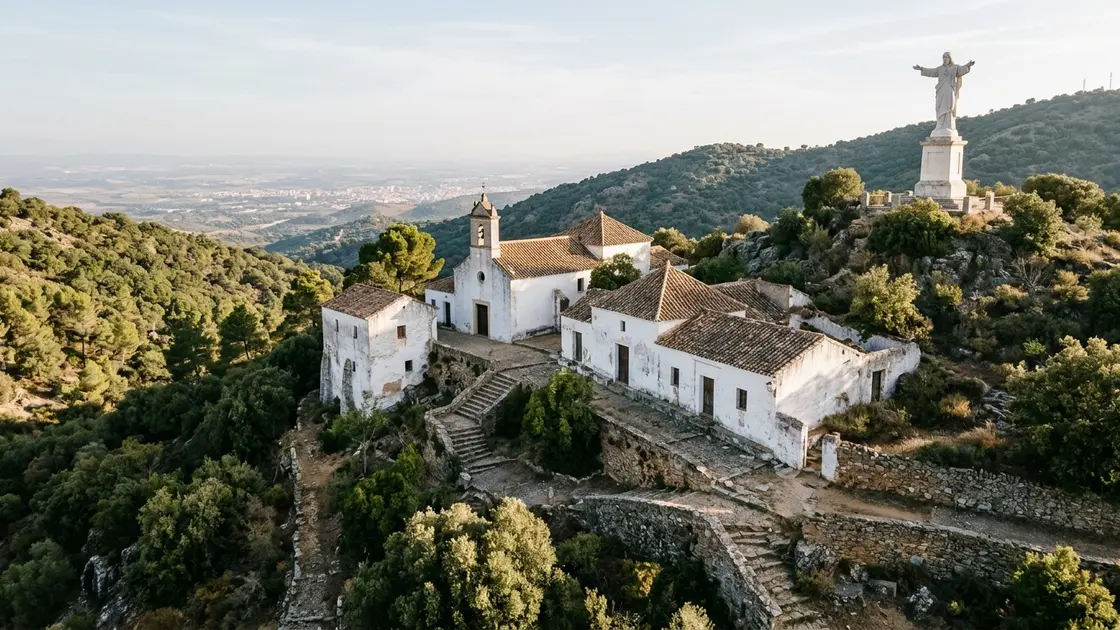
Las Ermitas near Córdoba: a hermit 'desert' on Sierra Morena with a church, the Balcón del Mundo lookout and a 2.7 km trail. No set hours or admission price.
Go deeper