Wallada bint al-Mustakfi: Córdoba's Rebel Poet Princess
Wallada bint al-Mustakfi inherited a caliph's fortune, ran Córdoba's boldest literary salon, and loved men and women openly in an unveiled, defiant life.
Read the full story
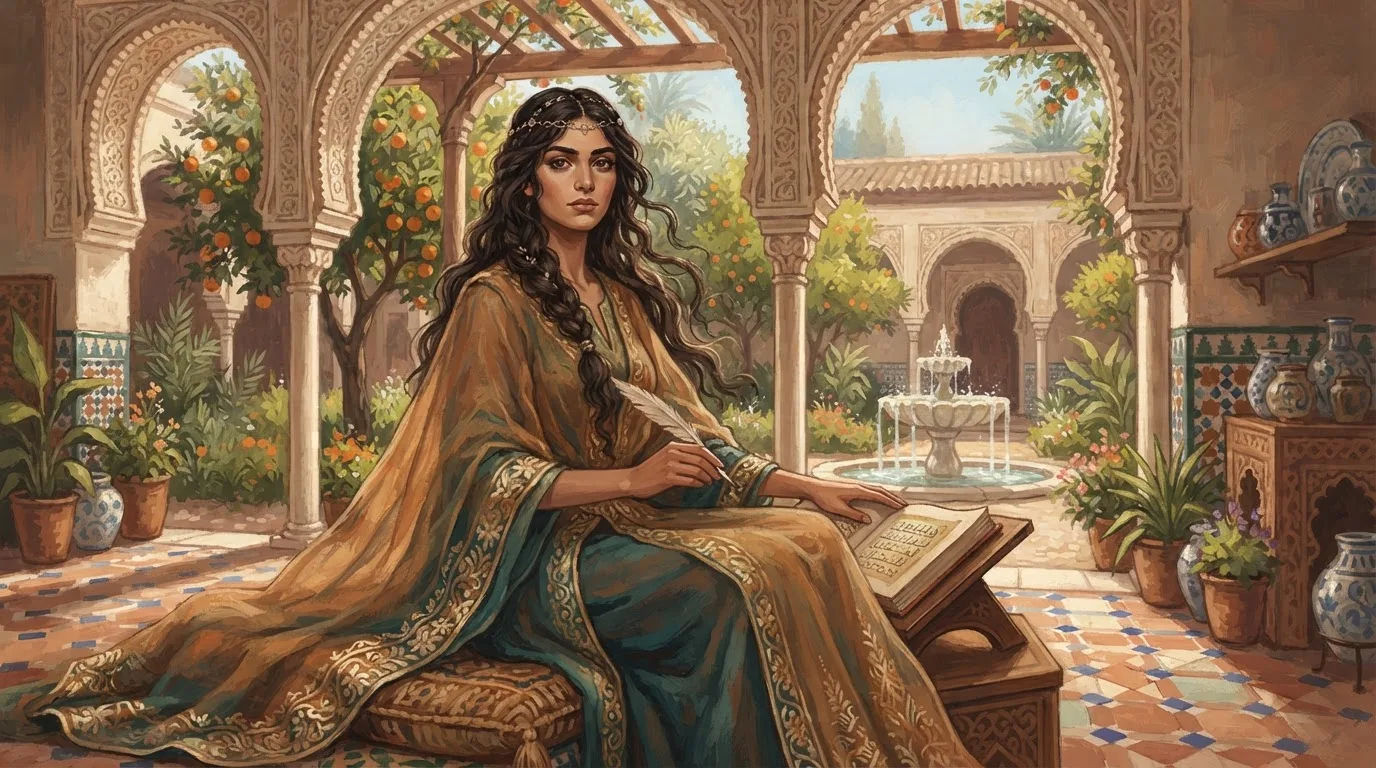
Wallada bint al-Mustakfi died in Córdoba on 26 March 1091. Daughter of a caliph, she was a poet whose salon taught verse to women of every rank, and only nine of her poems survive. Her birth year is disputed, so the date given here is approximate.
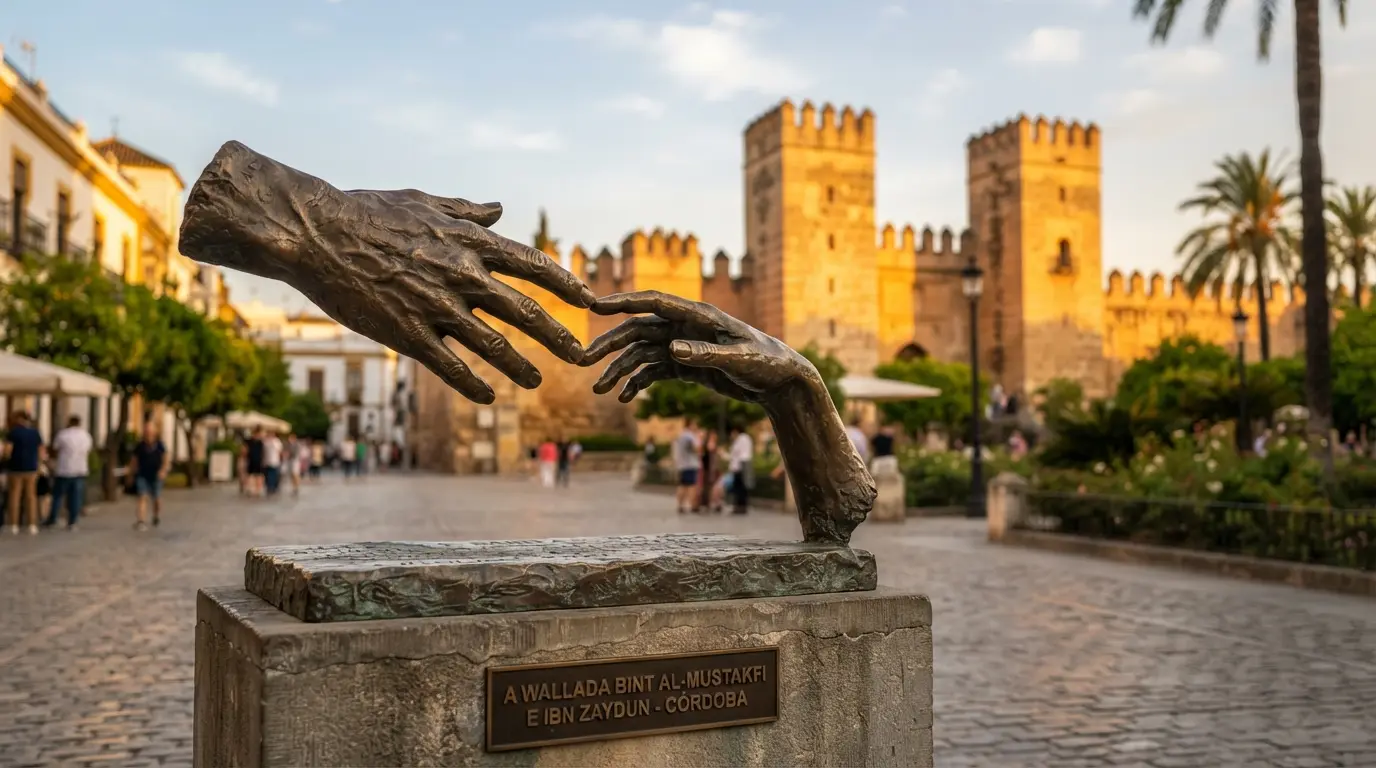
The clearest trace of her in the city today is a monument: in 1971 the city unveiled a sculpture to the lovers in the Campo Santo de los Mártires, beside the Alcázar de los Reyes Cristianos. It shows two hands and a small temple, not her face. The Judería is a short walk away and keeps the scale of the old city.
Her lover and fellow poet appears in Ibn Zaydun, her defender in Ibn Hazm, and another woman of the caliphal court in Subh. For her own story, read the full story.
929–1031
Abd al-Rahman III proclaimed the caliphate in 929, and Córdoba grew to an estimated 500,000 people. Medina Azahara was begun in 936, and the Mezquita was enlarged in 961 and 987.
936 Monument
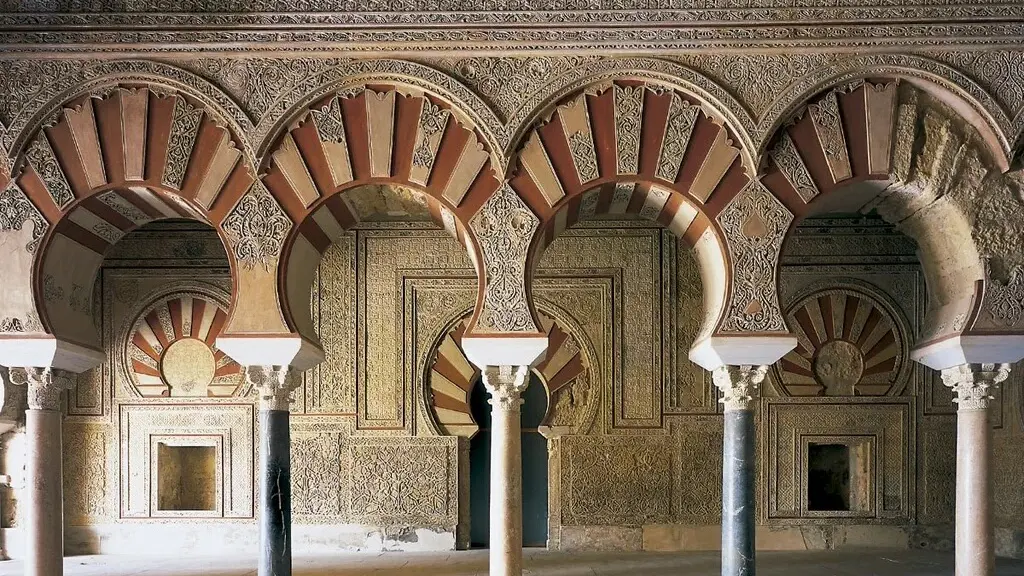
Medina Azahara is Córdoba's UNESCO listed Caliphate City: a 10th century palace 8 km from town, with the Salón Rico and award-winning museum. Plan your visit.
951–958 Monument
Climb 150 steps up the Mezquita-Catedral's 10th-century minaret-turned-bell-tower for 360-degree views over Córdoba's rooftops, Roman Bridge and Alcázar.
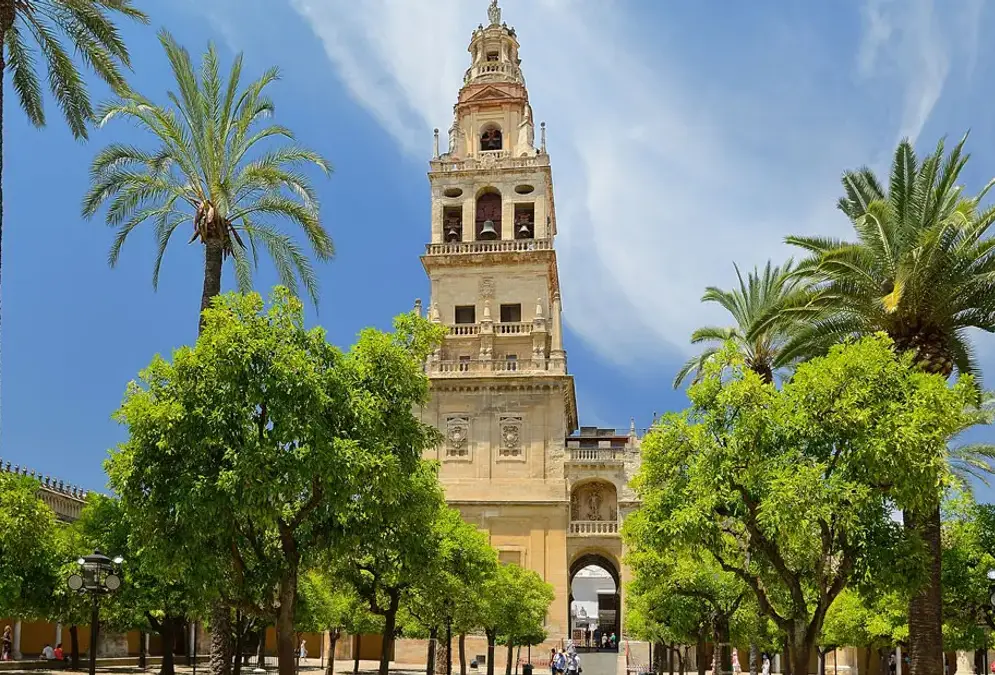
961–976 Monument
Underground 10th-century Islamic hammam beneath Córdoba's Campo Santo square, with star skylights, marble pillars and intact cold, warm and hot rooms.
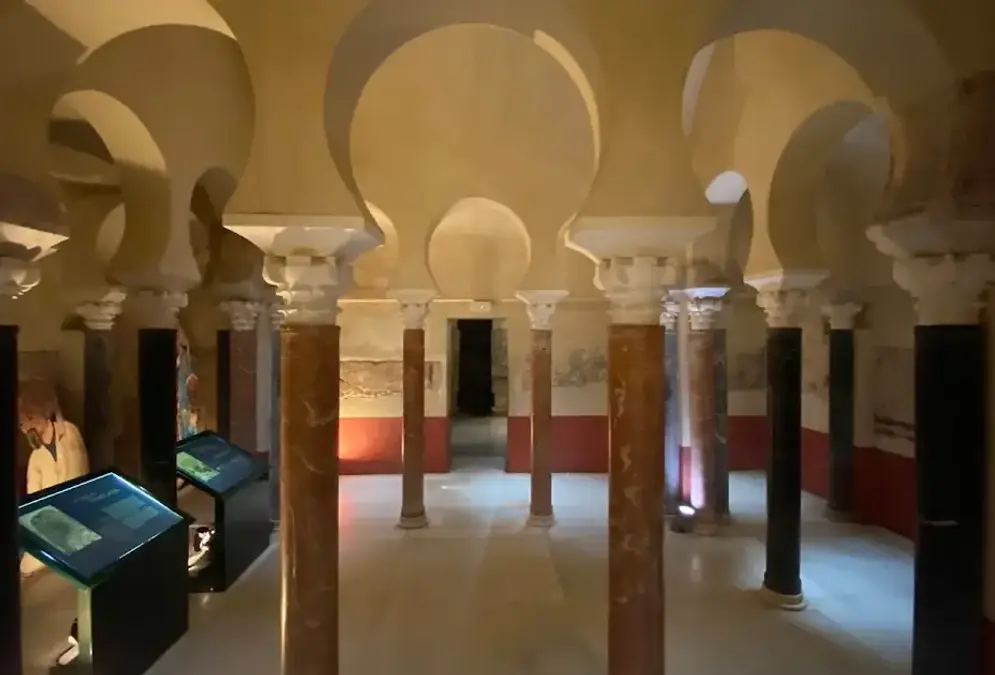
c. 890–961 Historical figure
Abd al-Rahman III (890-961), caliph of Córdoba, had Medina Azahara built and enlarged the Great Mosque. See where his trace survives and read his full story.
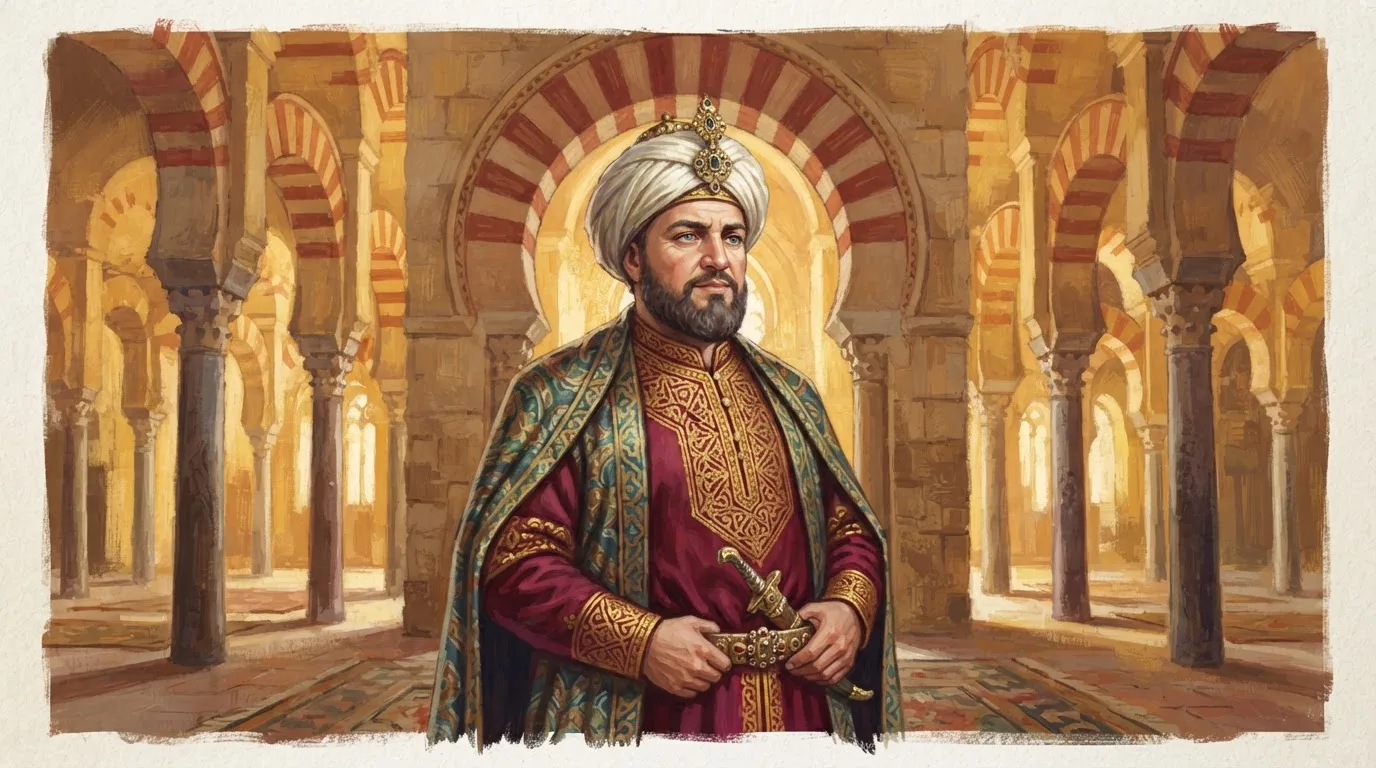
915–976 Historical figure
Al-Hakam II (915-976), caliph of Córdoba from 961, expanded the Great Mosque and its mihrab. See where his trace survives in the city and read his full story.
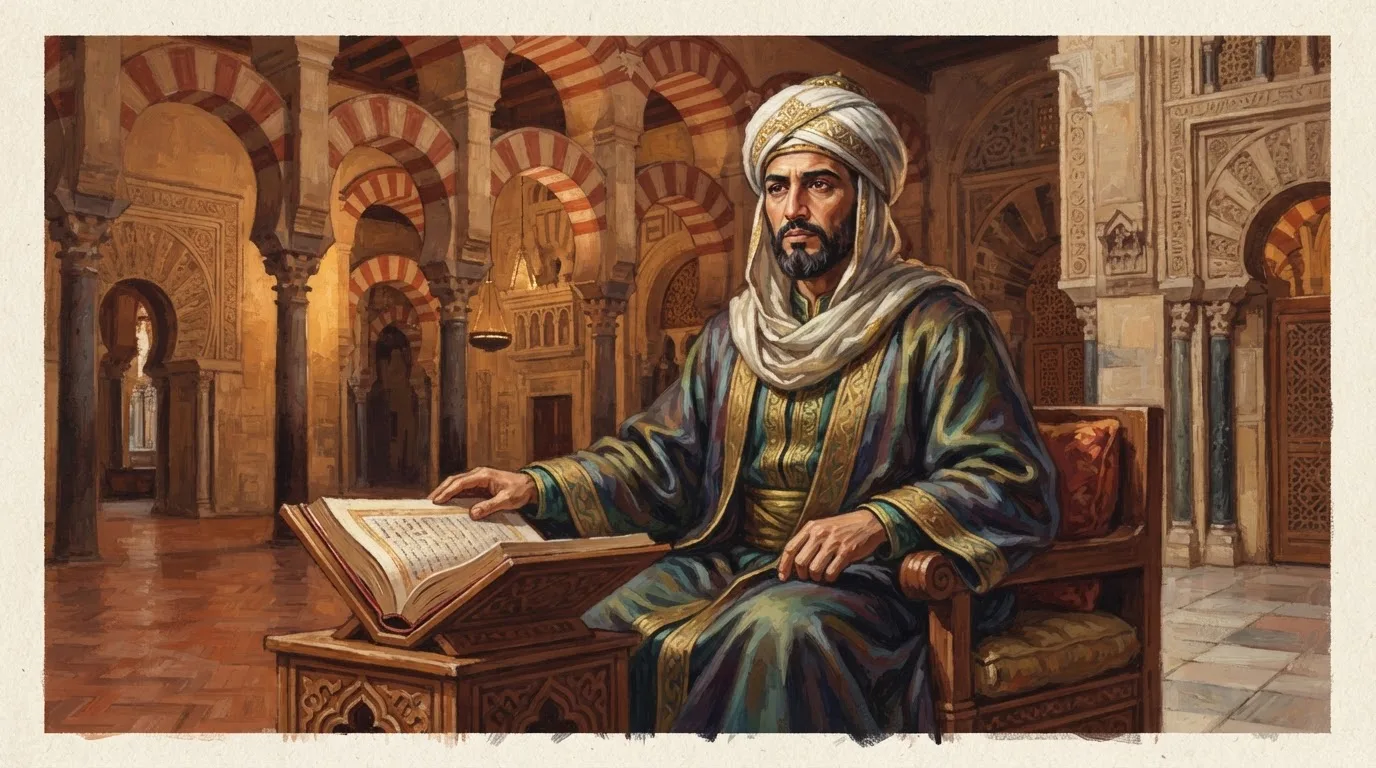
c. 915–970 Historical figure
Hasdai ibn Shaprut (c. 915-970) was physician and diplomat to Córdoba's caliphs. Visit the Judería and the Jewish sites that hold the city's later story.
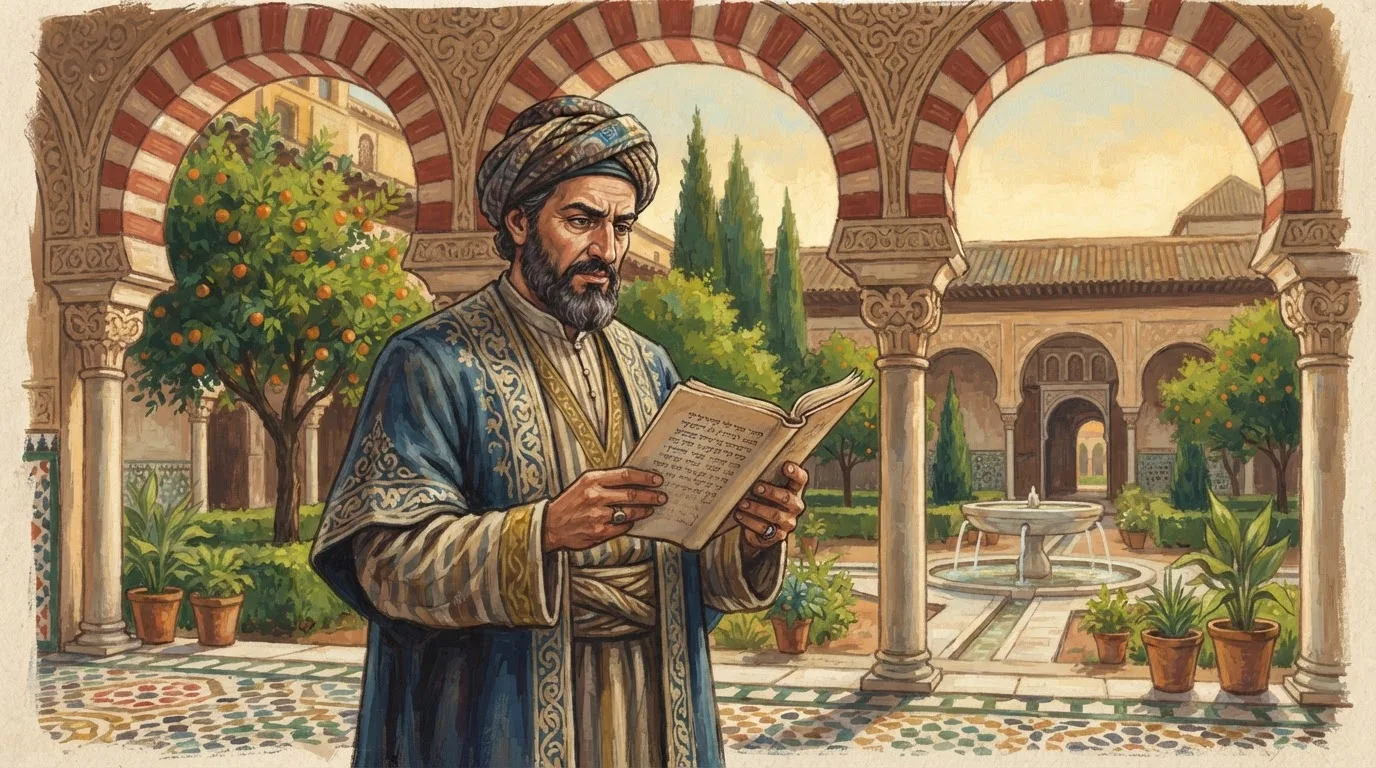
c. 936–1013 Historical figure
Al-Zahrawi (Abulcasis, c. 936–1013), Córdoba surgeon and author of the Kitab al-Tasrif. Find his trace at the Medina Azahara ruins and read the full story.
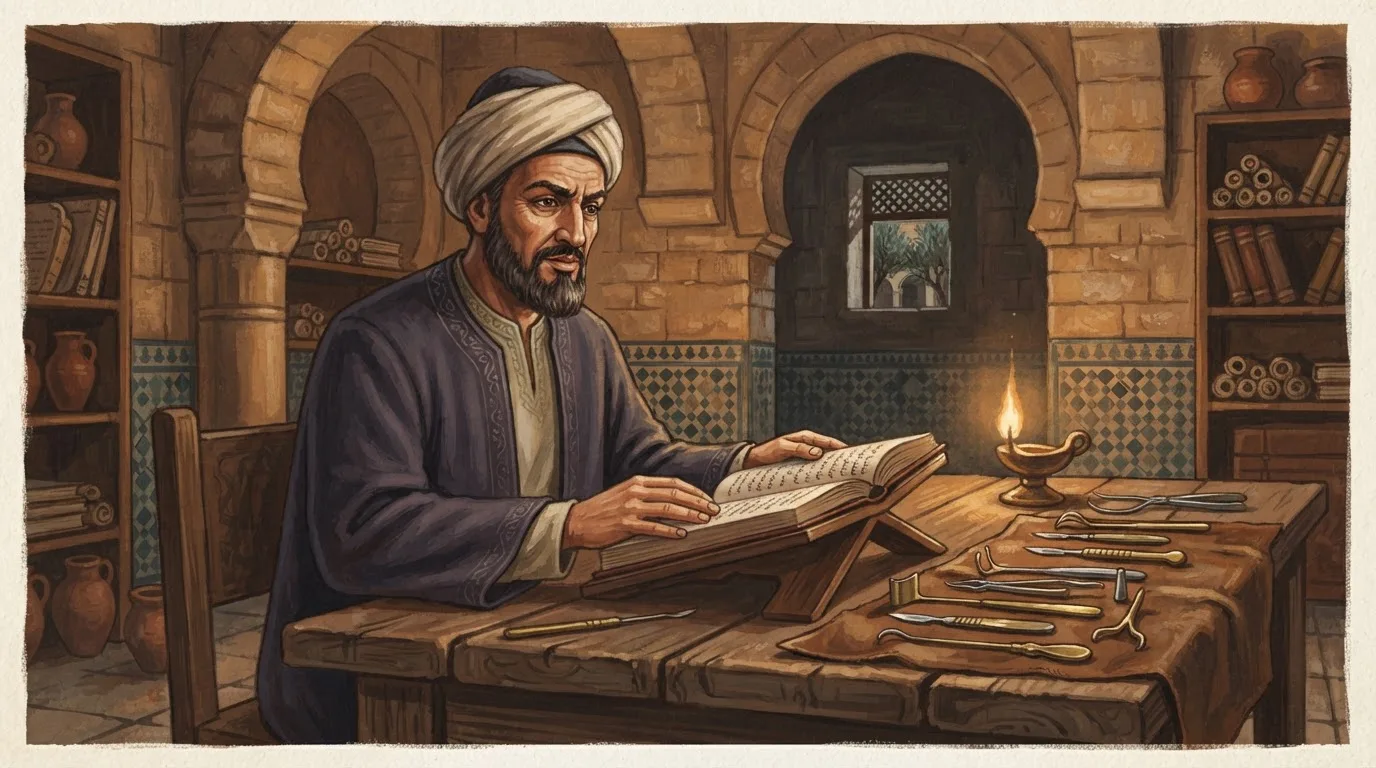
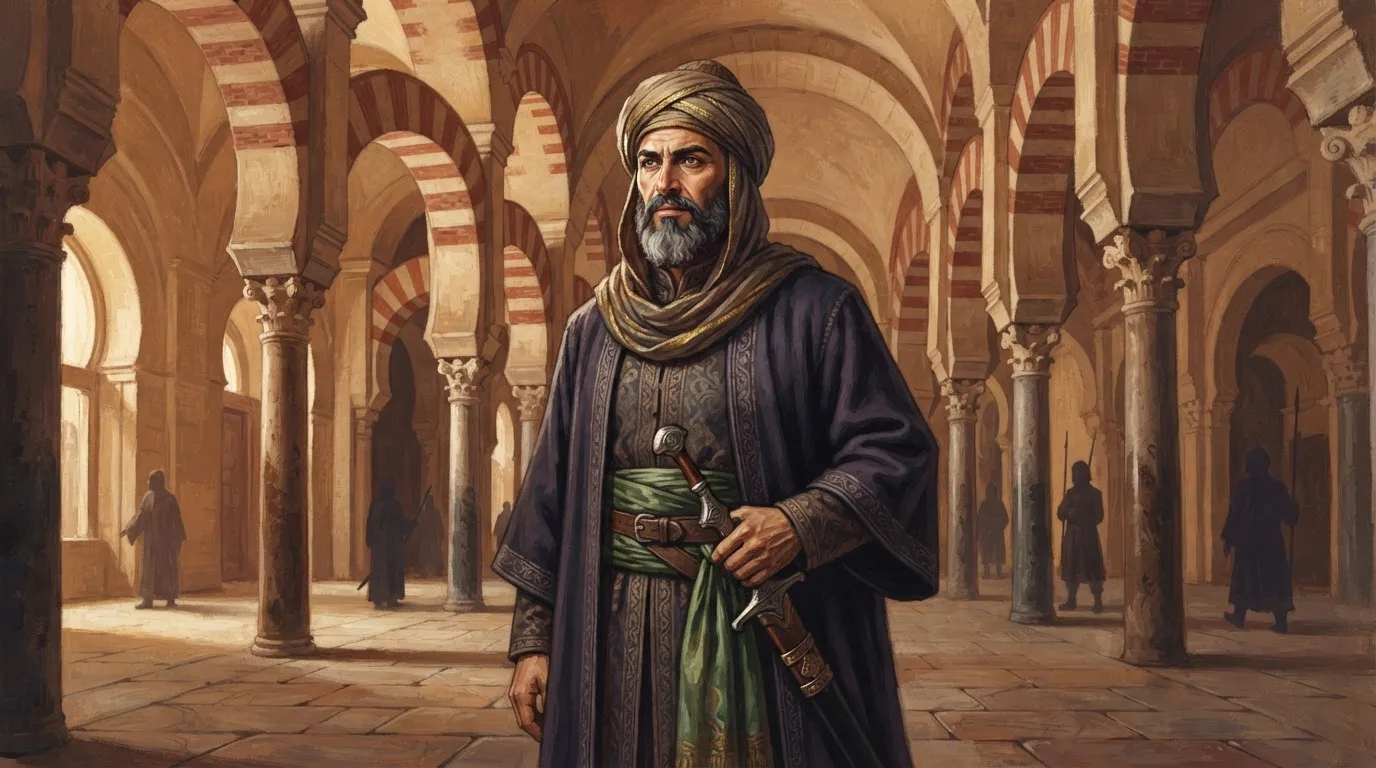
c. 938–1002 Historical figure
Almanzor (c. 938-1002) ruled Córdoba as chamberlain under a puppet caliph. See what remains of his eastern extension of the Mezquita and read his story.
Go deeper