Lucan: The Poet Who Challenged Nero and Lost
Born in Córdoba in 39 AD, Lucan wrote Rome's most defiant epic against a reigning emperor and was forced to die at 25. His Pharsalia survives to this day.
Read the full story
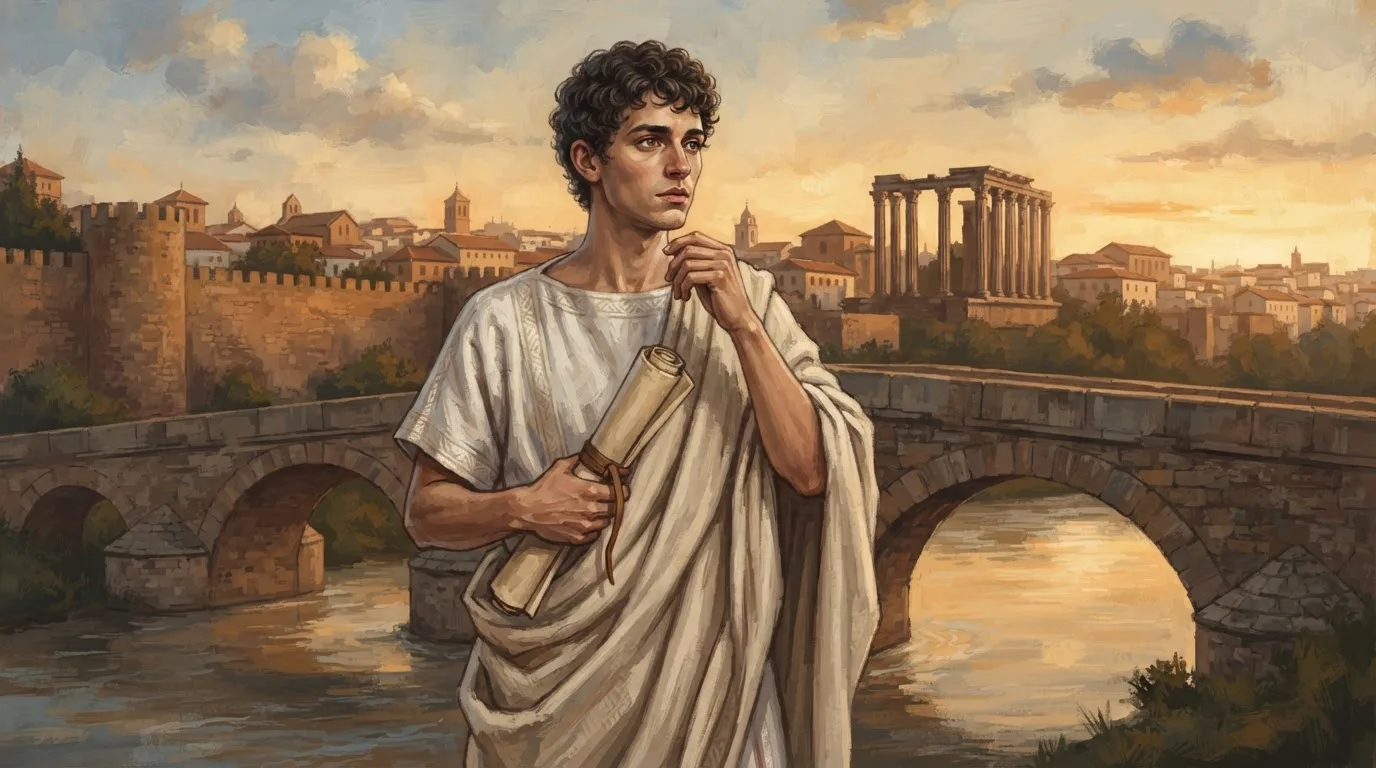
Lucan (Marcus Annaeus Lucanus) was born in Corduba, today's Córdoba, in AD 39 and was taken to Rome as an infant. His father was Marcus Annaeus Mela, his grandfather Seneca the Elder, and he grew up under the tutelage of his uncle Seneca the Younger. He found favour with Nero, wrote the Pharsalia, an epic on the civil war between Julius Caesar and Pompey, and died in AD 65, aged 25, forced to take his own life after the Piso conspiracy against Nero was discovered.
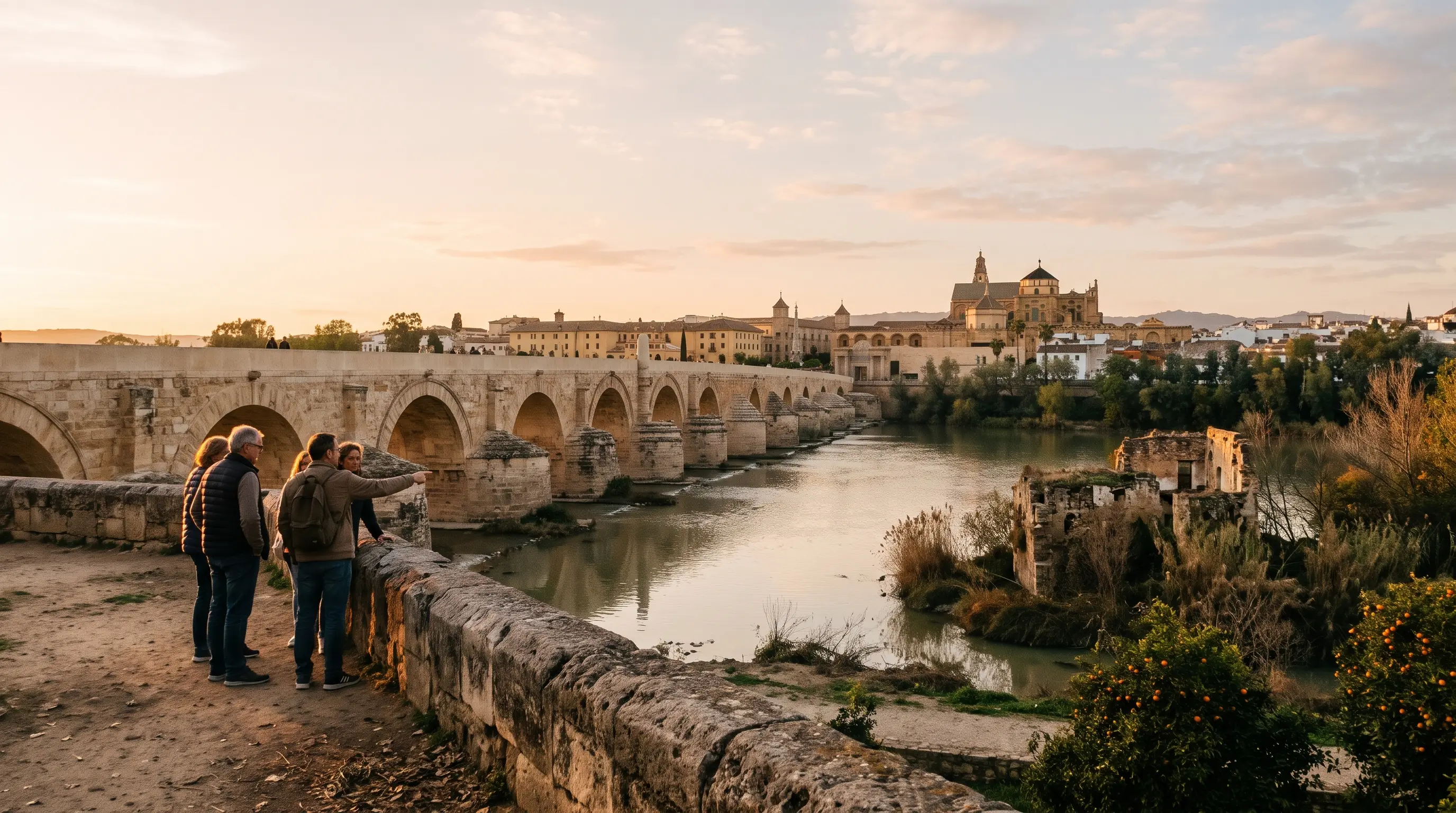
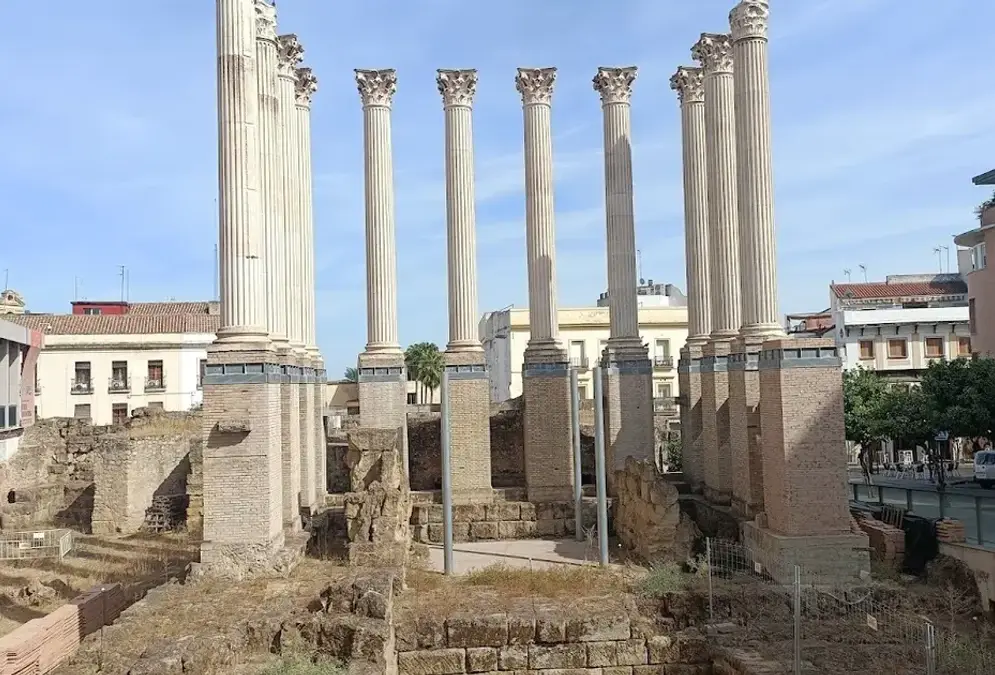
This page points to no Lucan monument. His trace in Córdoba is the Roman city he was born into: start with the Roman Temple and the Roman Bridge, the two Roman landmarks that best stand in for Corduba.
The full story of his rise, his poem and his fall is in Lucan: The Poet Who Challenged Nero and Lost. Read the full story there. Another poet born in Córdoba, Luis de Góngora, is the great lyric poet of the Spanish Baroque.
206 BCE–572
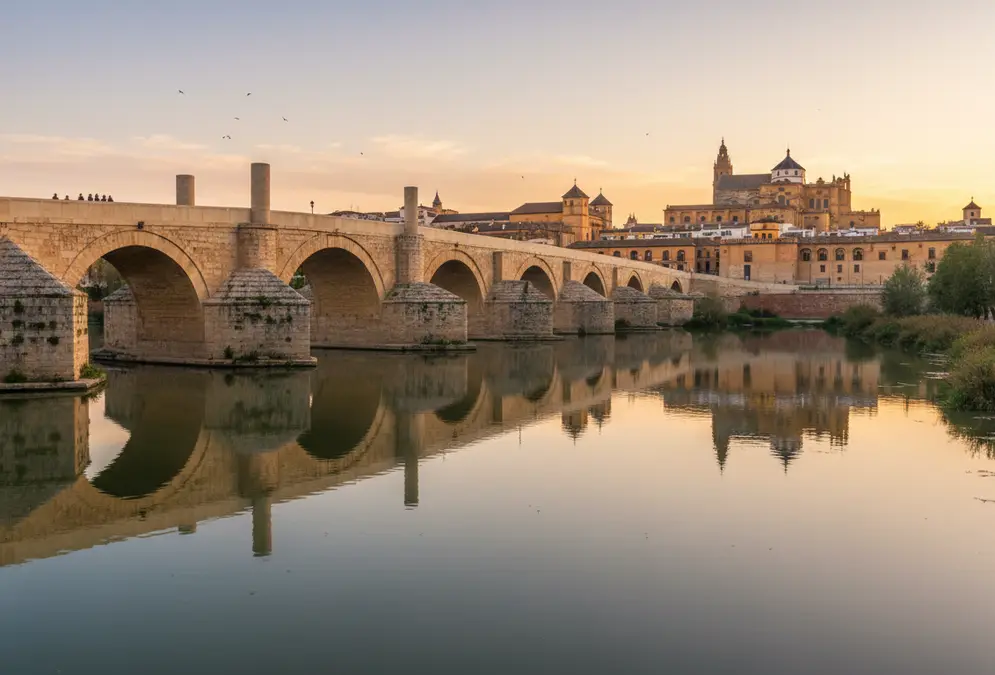
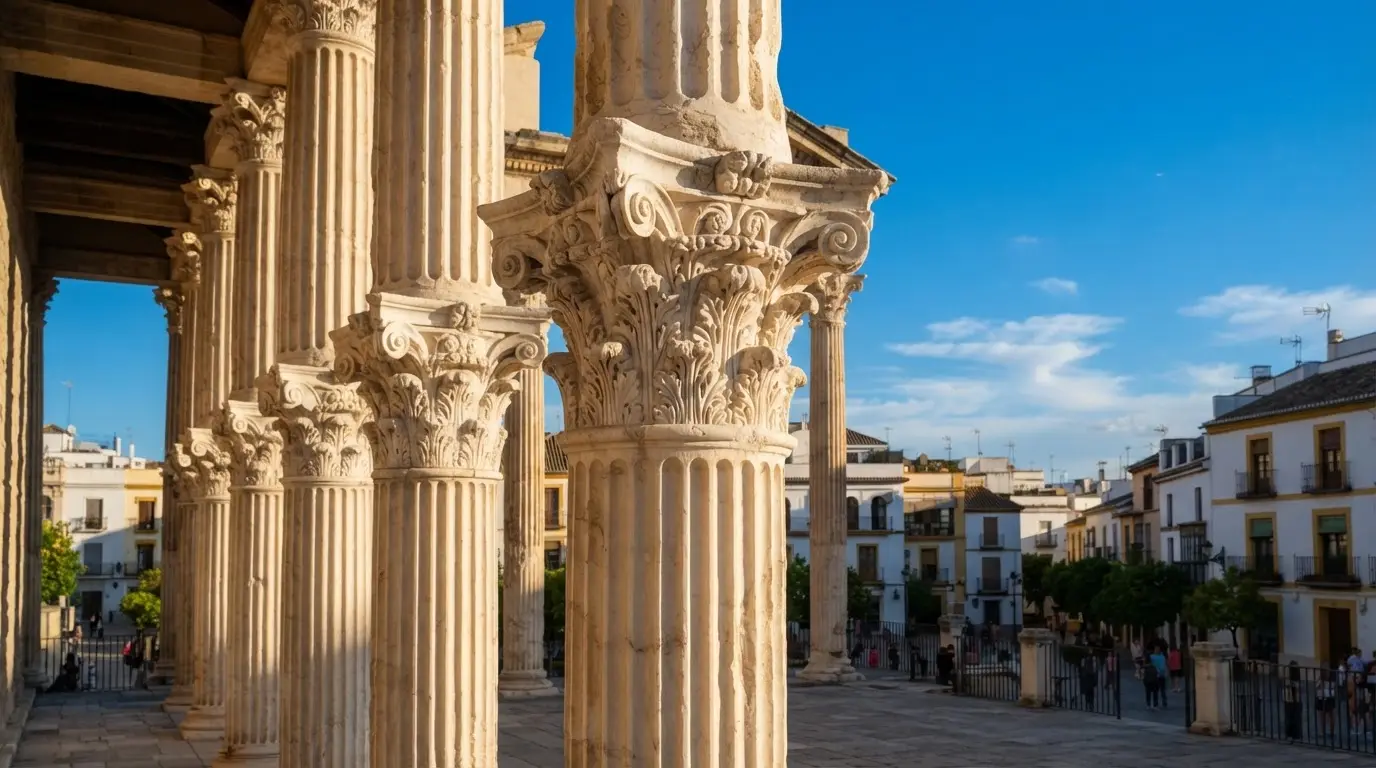
Founded around 169 BCE, Corduba became the capital of the province of Baetica and the birthplace of Seneca and Lucan. The Roman Bridge and the columns of the Roman Temple can still be visited. The bridge carries 16 arches over the Guadalquivir, and the temple's Corinthian columns rise from Calle Claudio Marcelo.
14–37 Monument
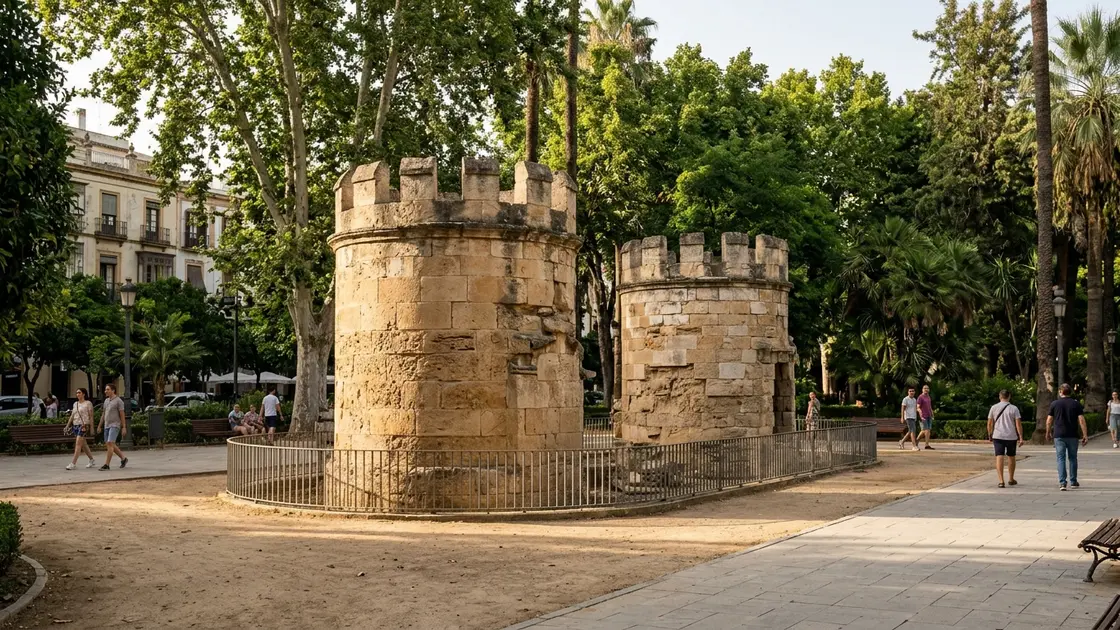
Roman mausoleums of Puerta de Gallegos in Córdoba: two 13 m cylindrical tombs from Tiberius's reign beside the Via Augusta. Visiting status is unconfirmed.
293–305 Monument
Cercadilla Roman palace in Córdoba: what survives of the tetrarchic complex, which finds sit in the museums, and why access is unconfirmed. Ask locally first.
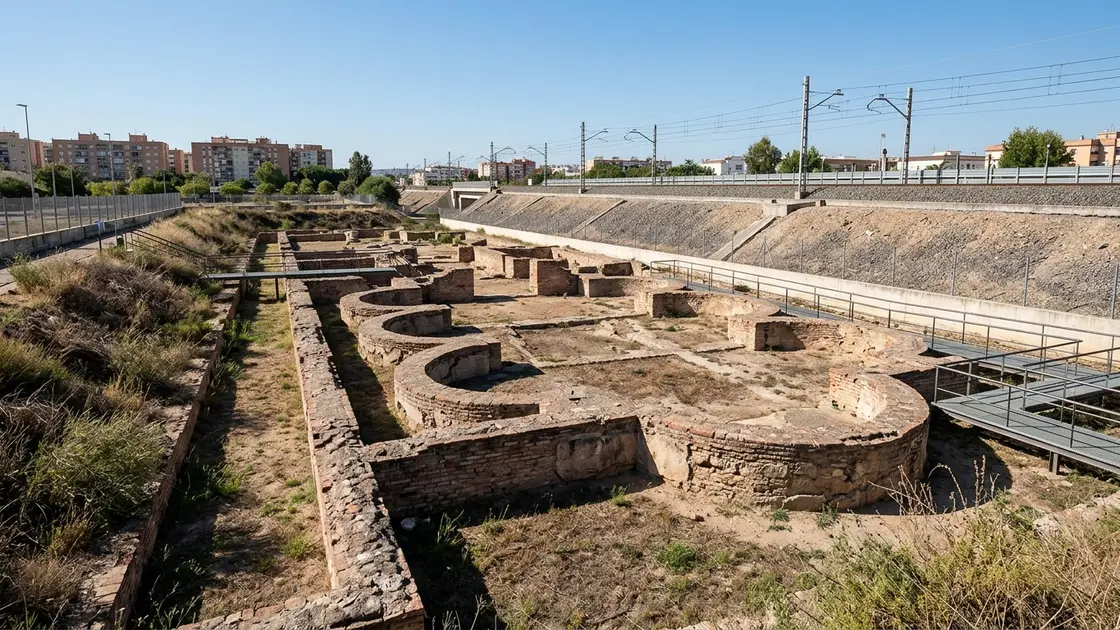
c. 54 BCE–39 CE Historical figure
Seneca the Elder, born in Roman Corduba c. 54 BC, recorded Rome's rhetoric schools and fathered Seneca the Younger. His life, surviving works and family.
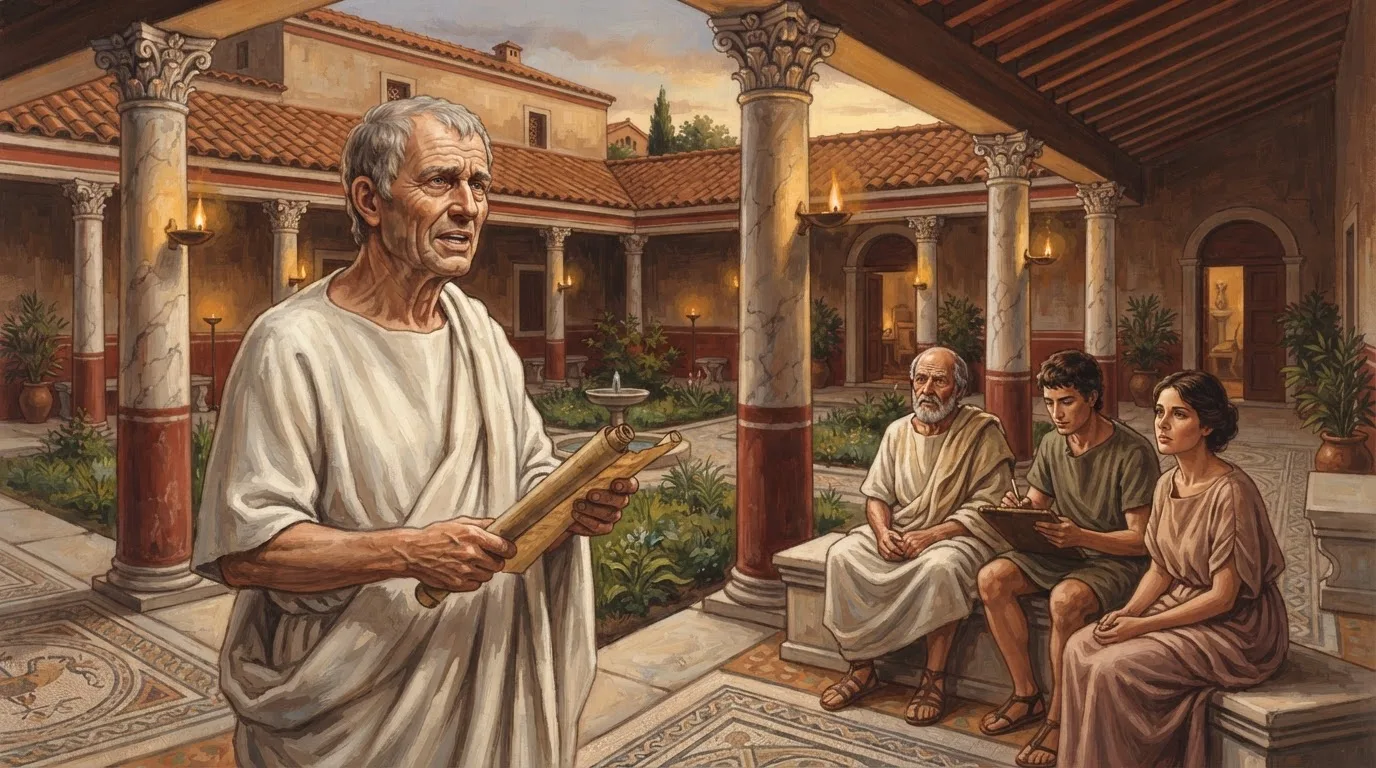
c. 4 BCE–65 CE Historical figure
Seneca the Younger, Stoic philosopher and tutor to Nero, was born in Roman Corduba around 4 BC. Who he was, and where to find his trace in Córdoba today.
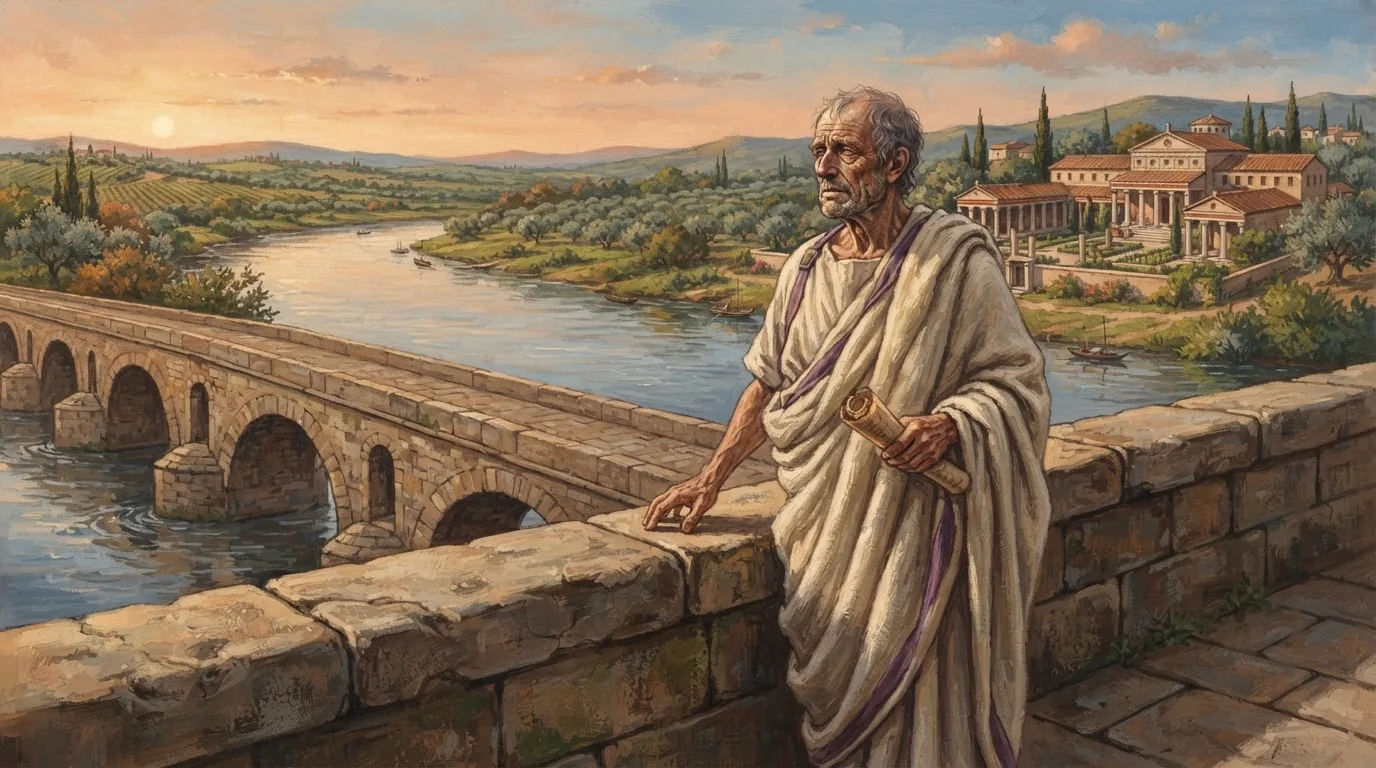
Undated
Monument
Puente Romano de Córdoba: 16 arches over the Guadalquivir since the 1st century BC. Best viewpoint for the Mezquita at sunset. Game of Thrones location. Free.
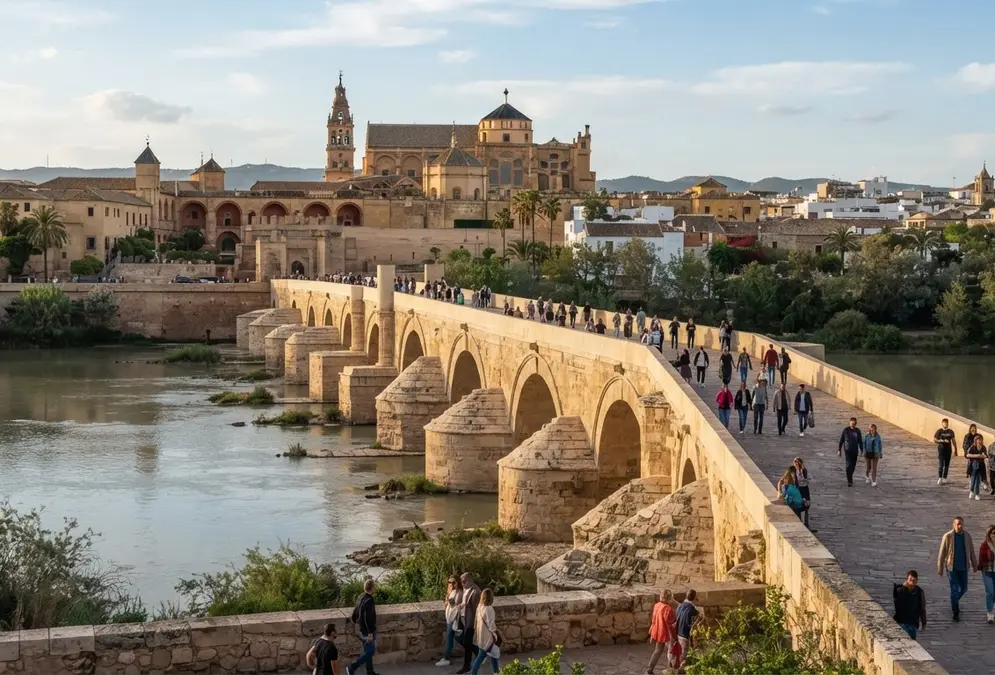
Monument
Free open-air Roman temple in central Córdoba, lit up at night. Towering Corinthian columns from ancient Corduba, once capital of Roman Baetica. Open 24 hours.
Monument
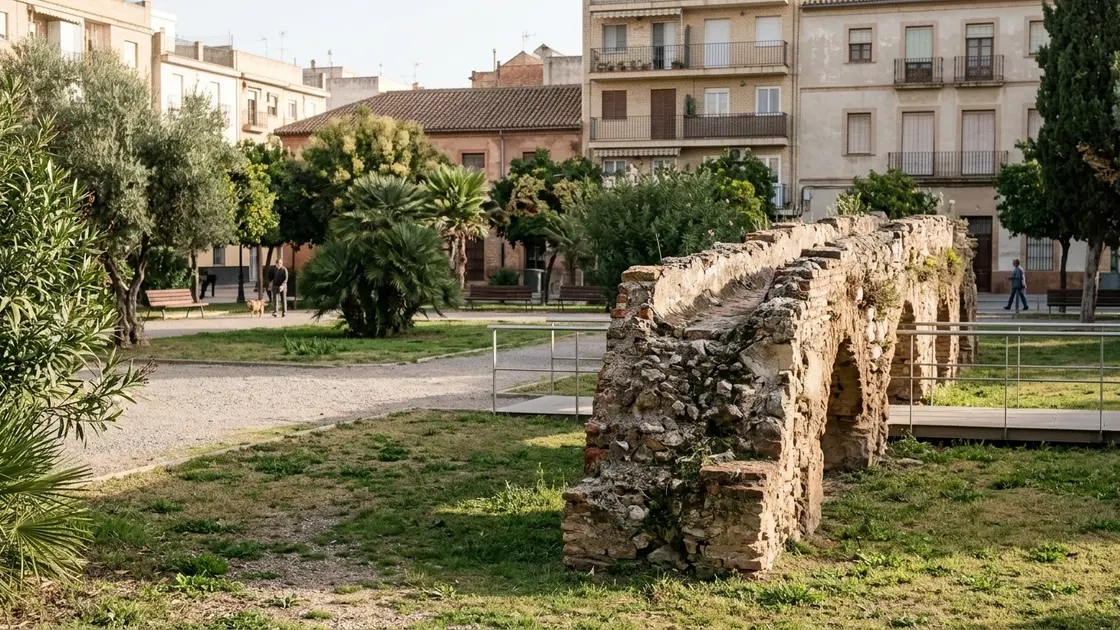
Valdepuentes Aqueduct near Córdoba: a Roman channel reused for Medina Azahara, with a caliphal bridge on private land and a small fragment reportedly shown.
Historical figure
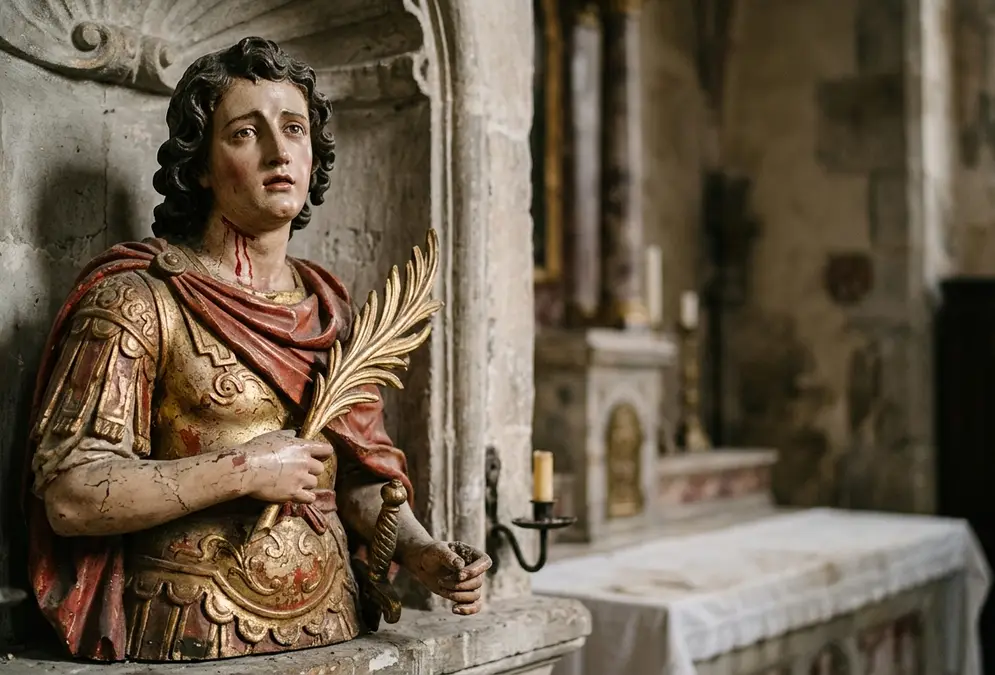
Saint Acisclus, martyr of Córdoba known from Prudentius around 398-405. His martyrdom date is unknown; the Real Academia de la Historia has no doubt he lived.
Go deeper