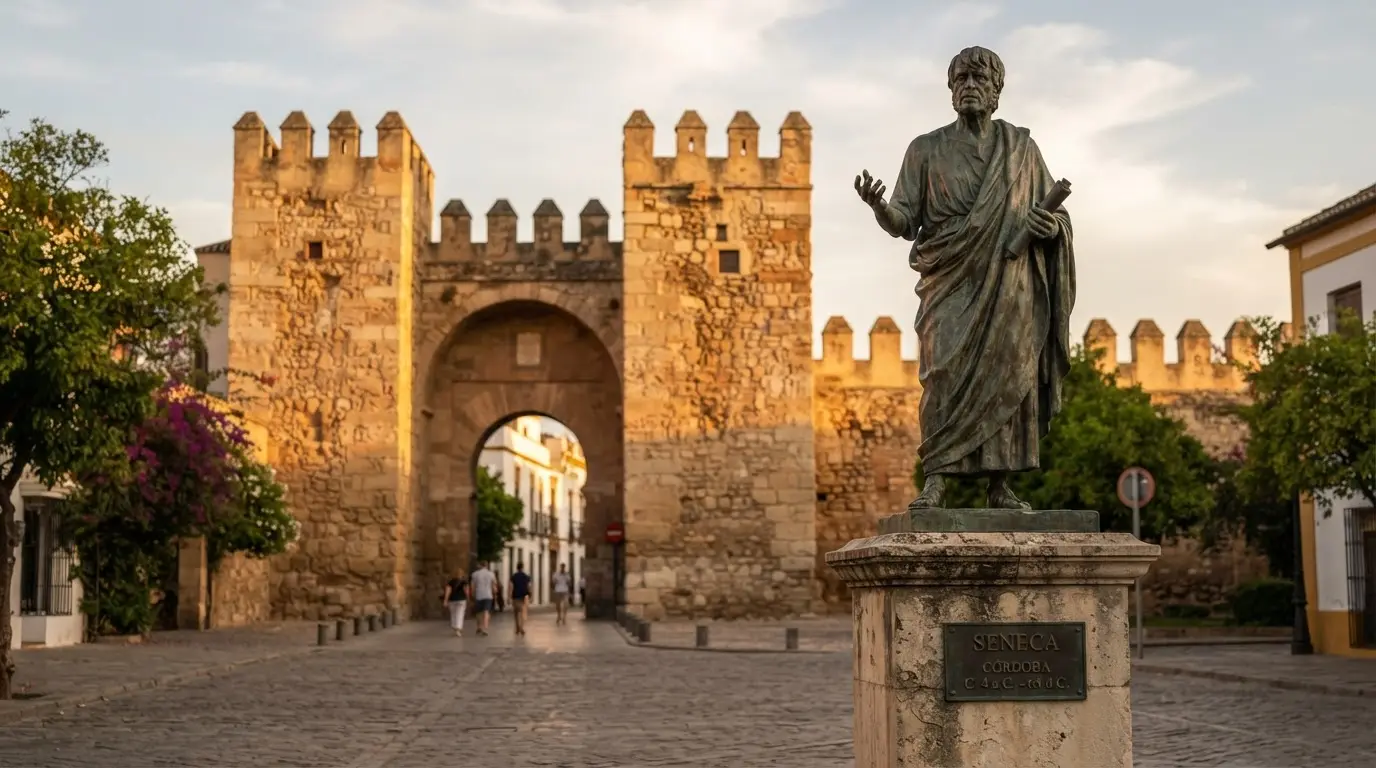
Seneca: Born in Córdoba, Philosopher to an Empire
Born in Roman Córdoba around 4 BCE, Seneca became Nero's tutor, wrote 124 Moral Letters that shaped the essay form, and died in 65 CE by opening his veins.
Read the full story
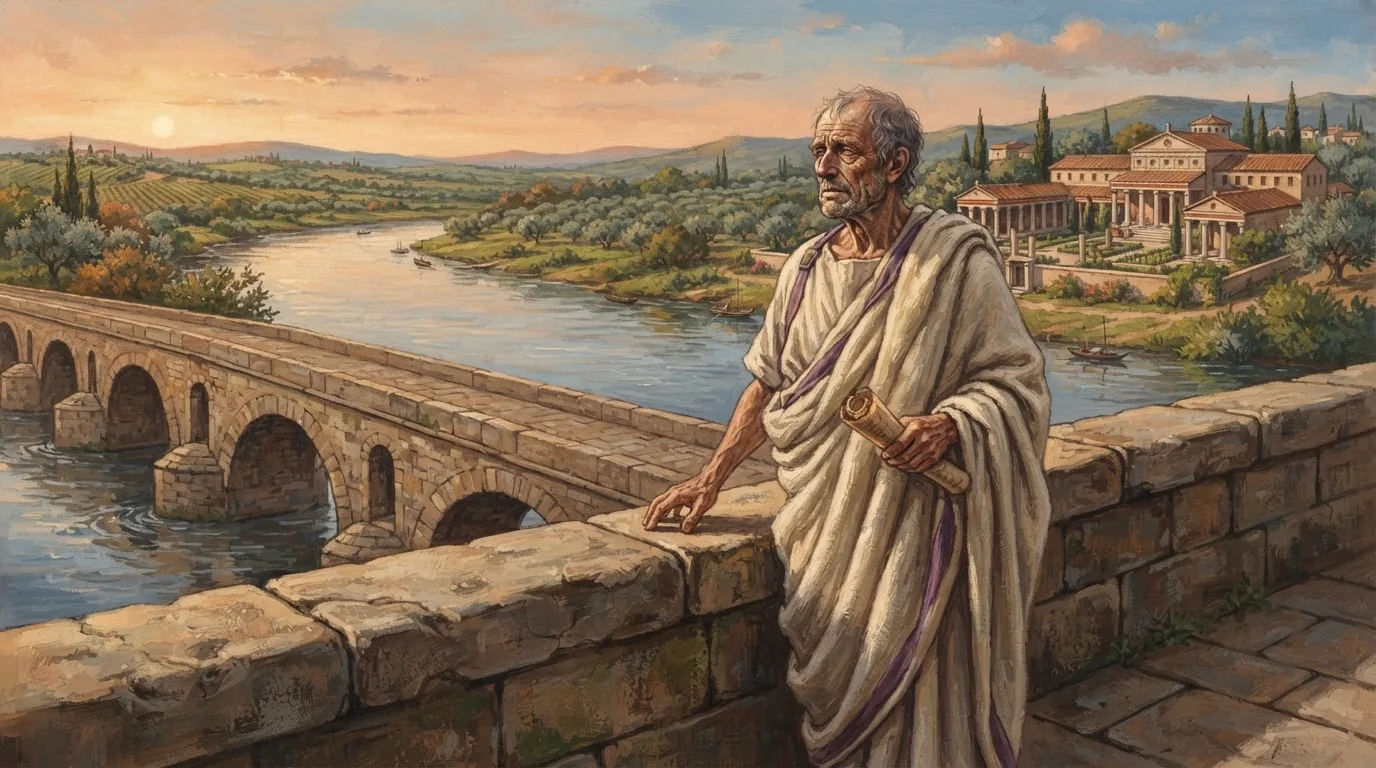
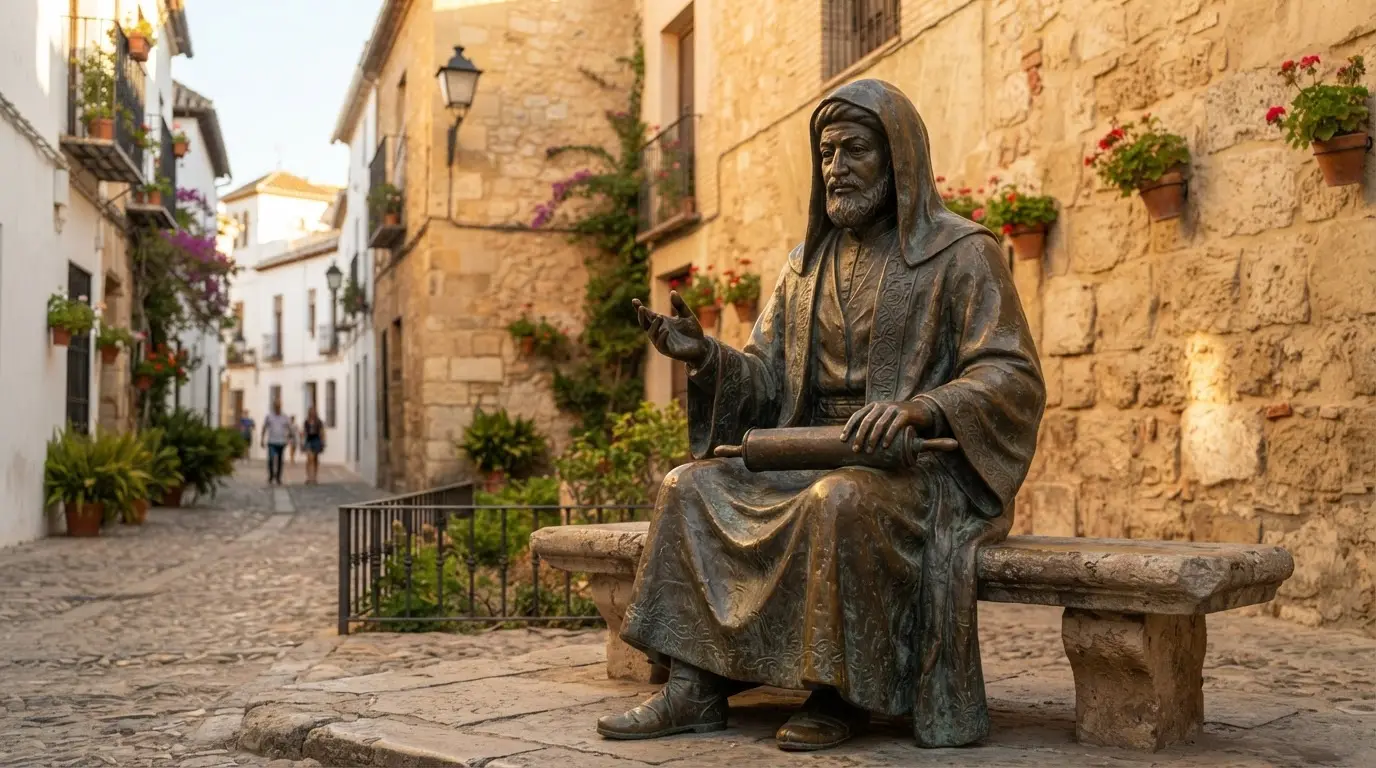
Seneca the Younger, known in Córdoba simply as Seneca, was born in Roman Corduba around 4 BC, in the province of Baetica. He became a Stoic philosopher, statesman and dramatist, and was allowed back from exile in AD 49 to become tutor to the young Nero. In AD 65 he was forced to take his own life after being implicated in the Pisonian conspiracy against the emperor.
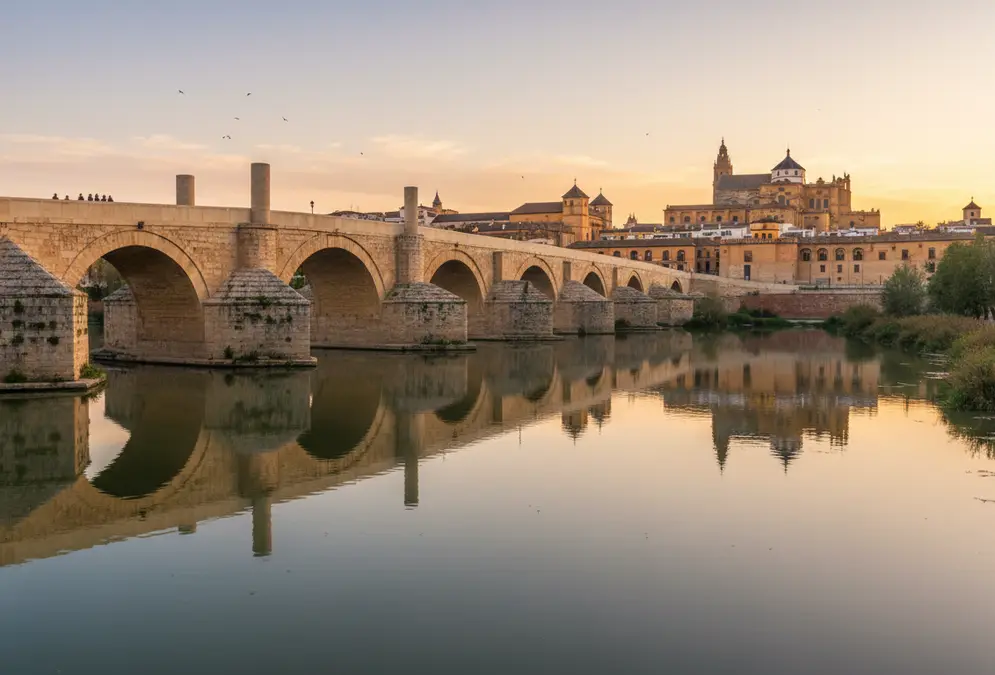
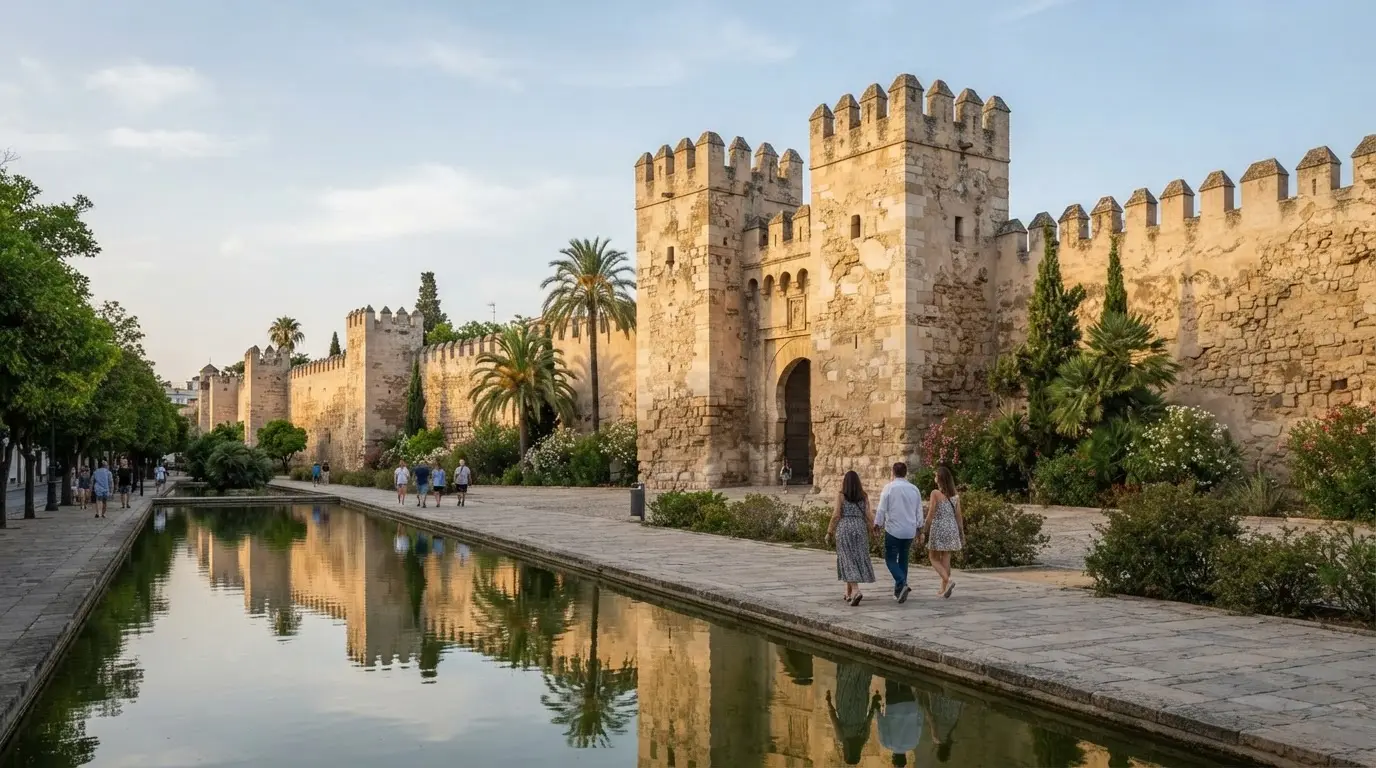
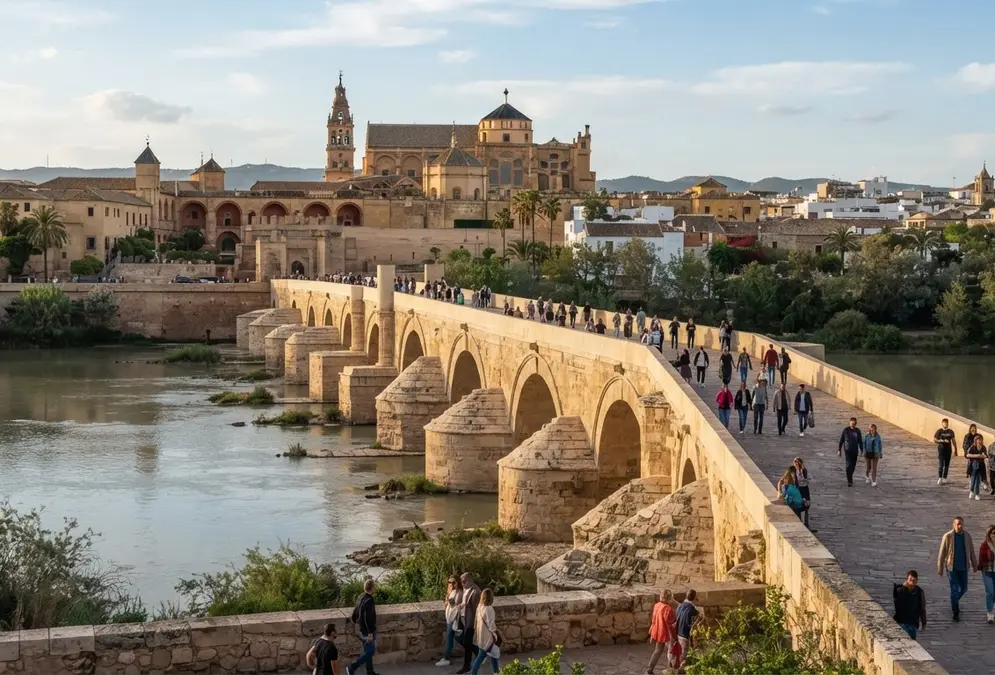
His trace in the city today is modest and easy to reach. A monument to the philosopher stands next to the Puerta de Almodóvar, and it makes a natural first stop before the Roman Córdoba walking tour, a self-guided route that presents Seneca as a citizen of the city. The Roman Temple and the Roman Bridge show the provincial capital he was born into.
Seneca came from a family of writers: his father, Seneca the Elder, has a page of his own, and his nephew was the poet Lucan. For the full story of his life, letters and death, read the full story.
206 BCE–572
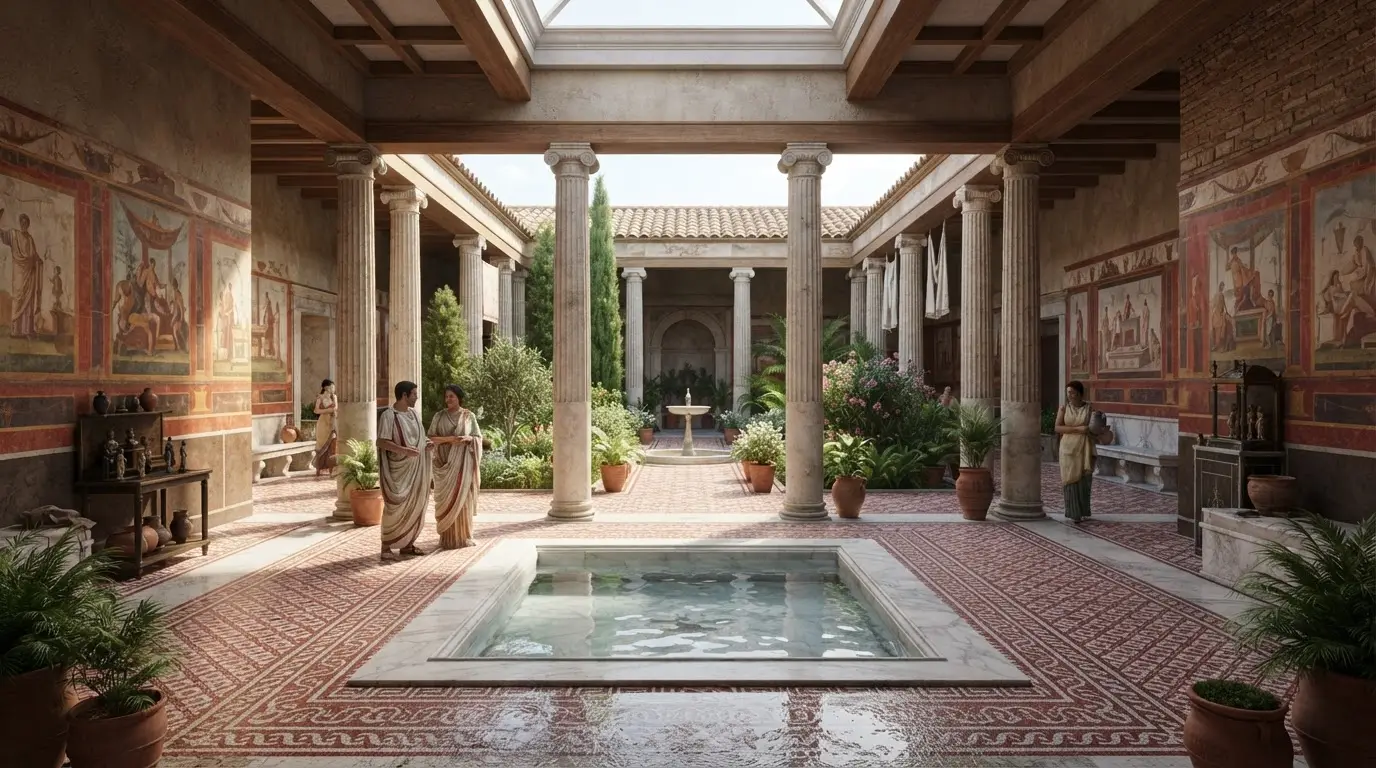
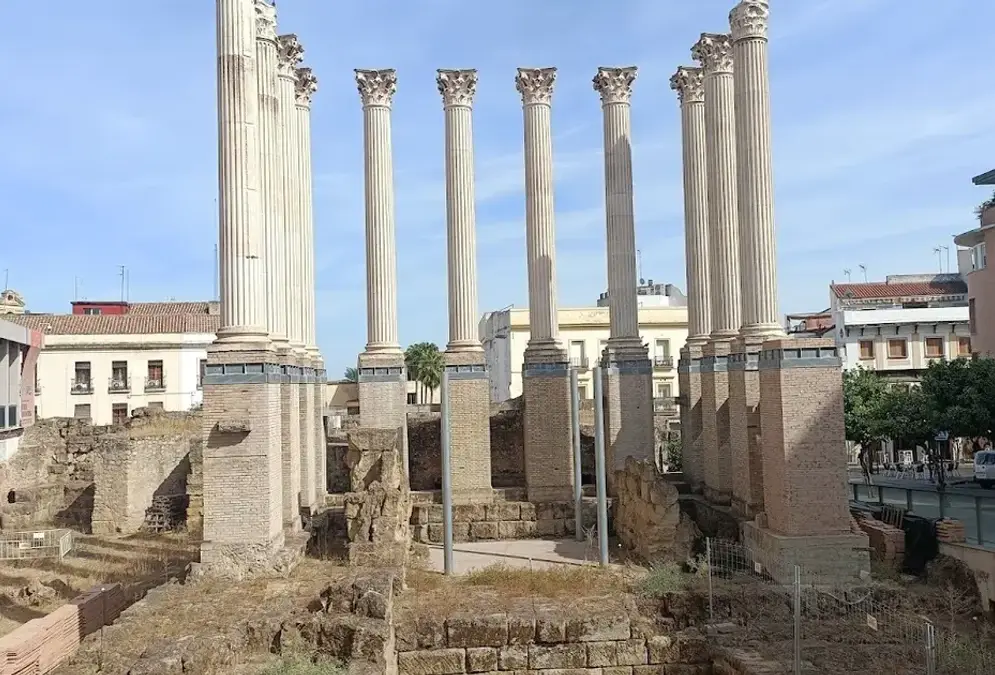
Founded around 169 BCE, Corduba became the capital of the province of Baetica and the birthplace of Seneca and Lucan. The Roman Bridge and the columns of the Roman Temple can still be visited.
c. 54 BCE–39 CE Historical figure
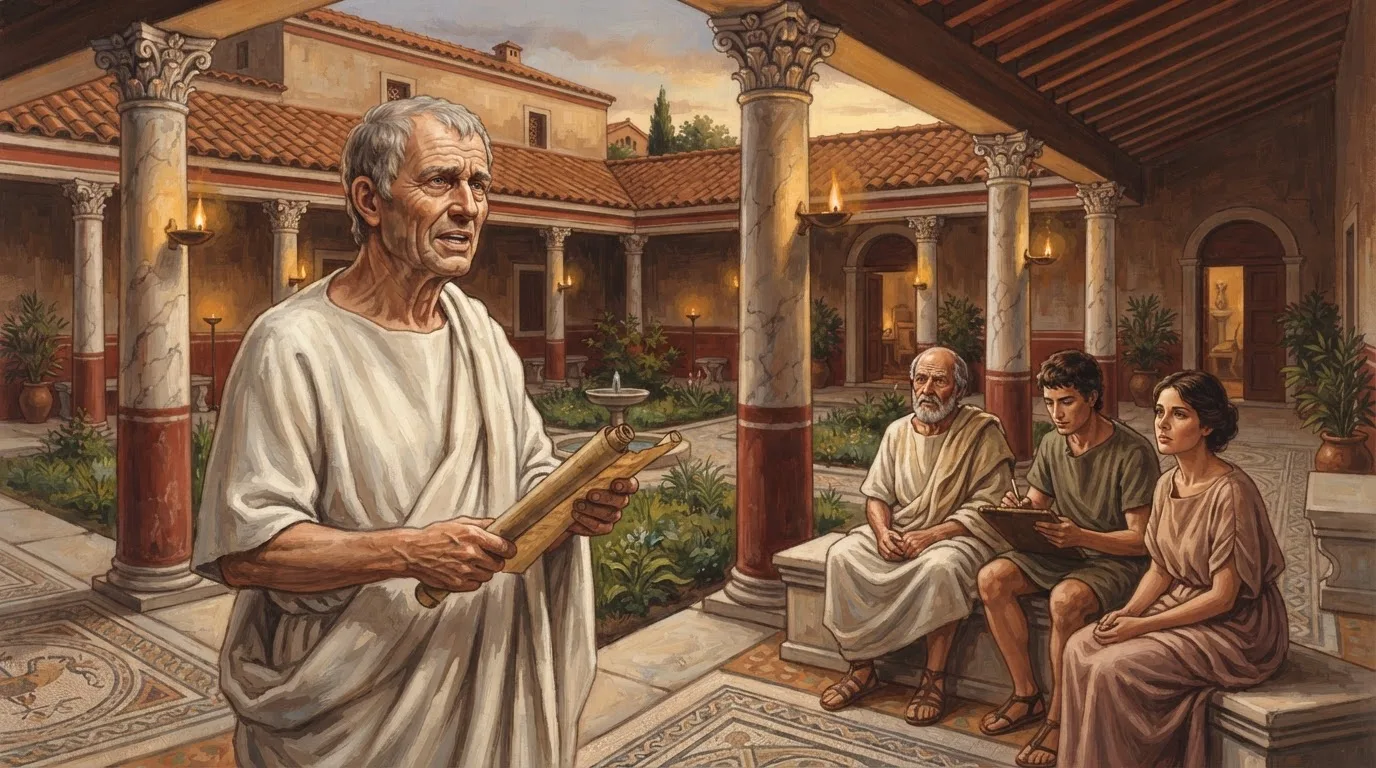
Seneca the Elder, born in Roman Corduba c. 54 BC, recorded Rome's rhetoric schools and fathered Seneca the Younger. His life, surviving works and family.
39–65 Historical figure
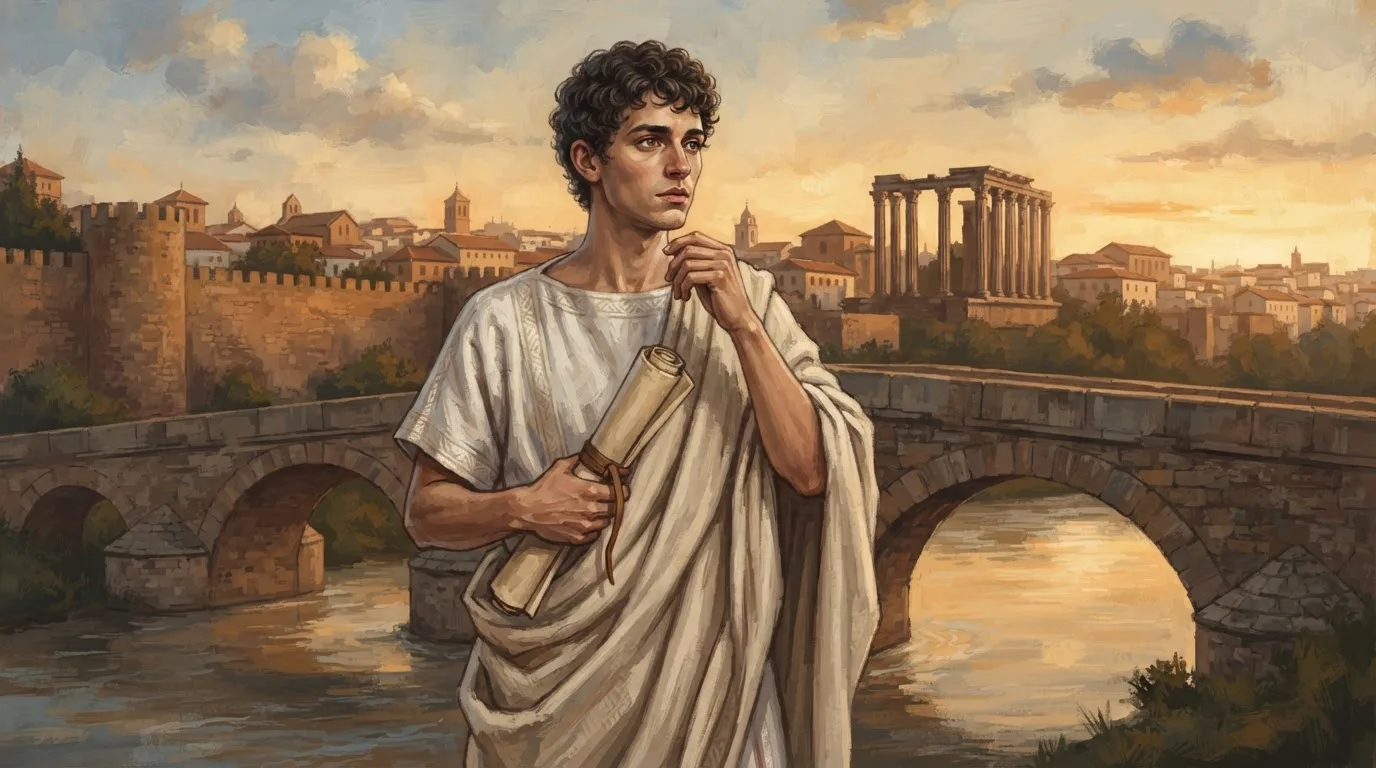
Lucan was born in Roman Corduba in AD 39 and was forced to die at 25 under Nero. Who the Pharsalia poet was, his family, and where to trace Roman Córdoba today.
Undated
Monument
Puente Romano de Córdoba: 16 arches over the Guadalquivir since the 1st century BC. Best viewpoint for the Mezquita at sunset. Game of Thrones location. Free.
Monument
Free open-air Roman temple in central Córdoba, lit up at night. Towering Corinthian columns from ancient Corduba, once capital of Roman Baetica. Open 24 hours.
Go deeper