- Also known as
- Lucius Annaeus Seneca the Elder, Marcus Annaeus Seneca
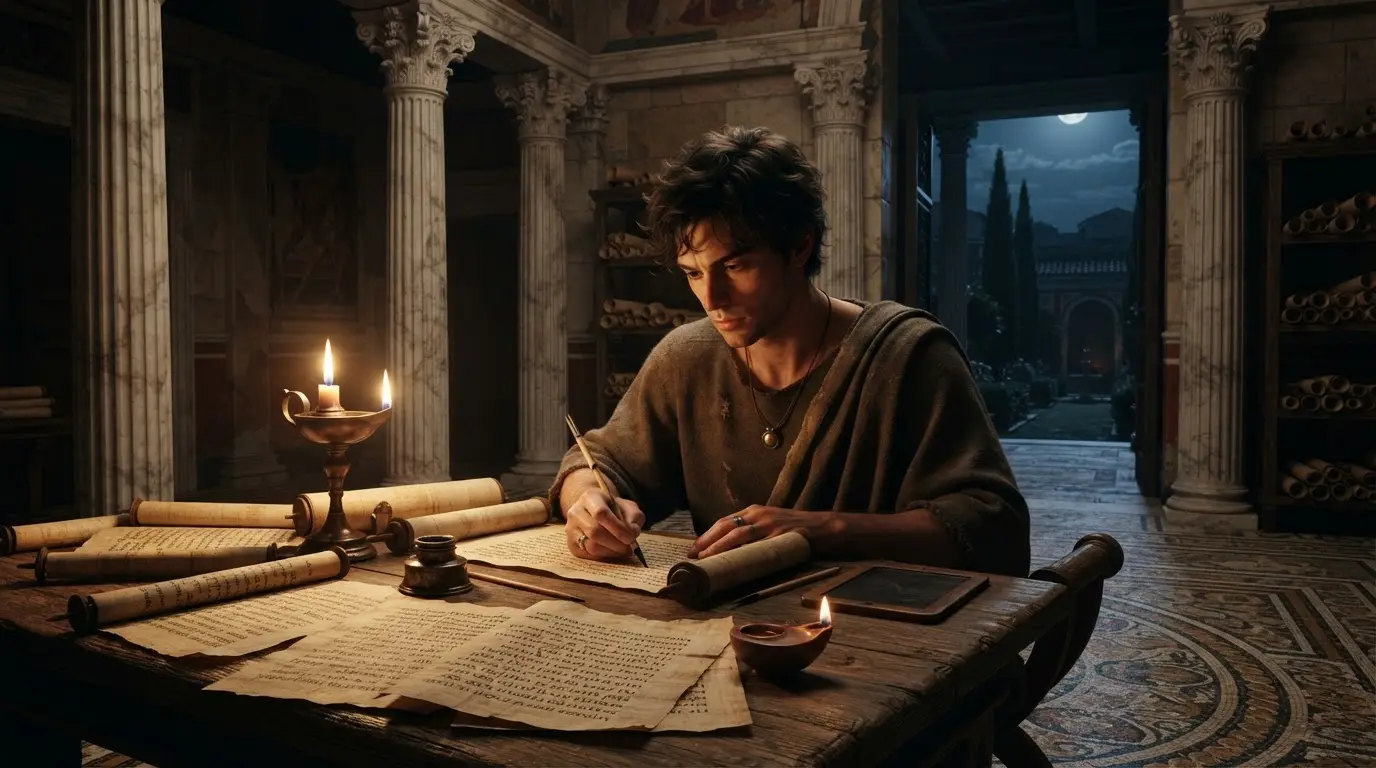
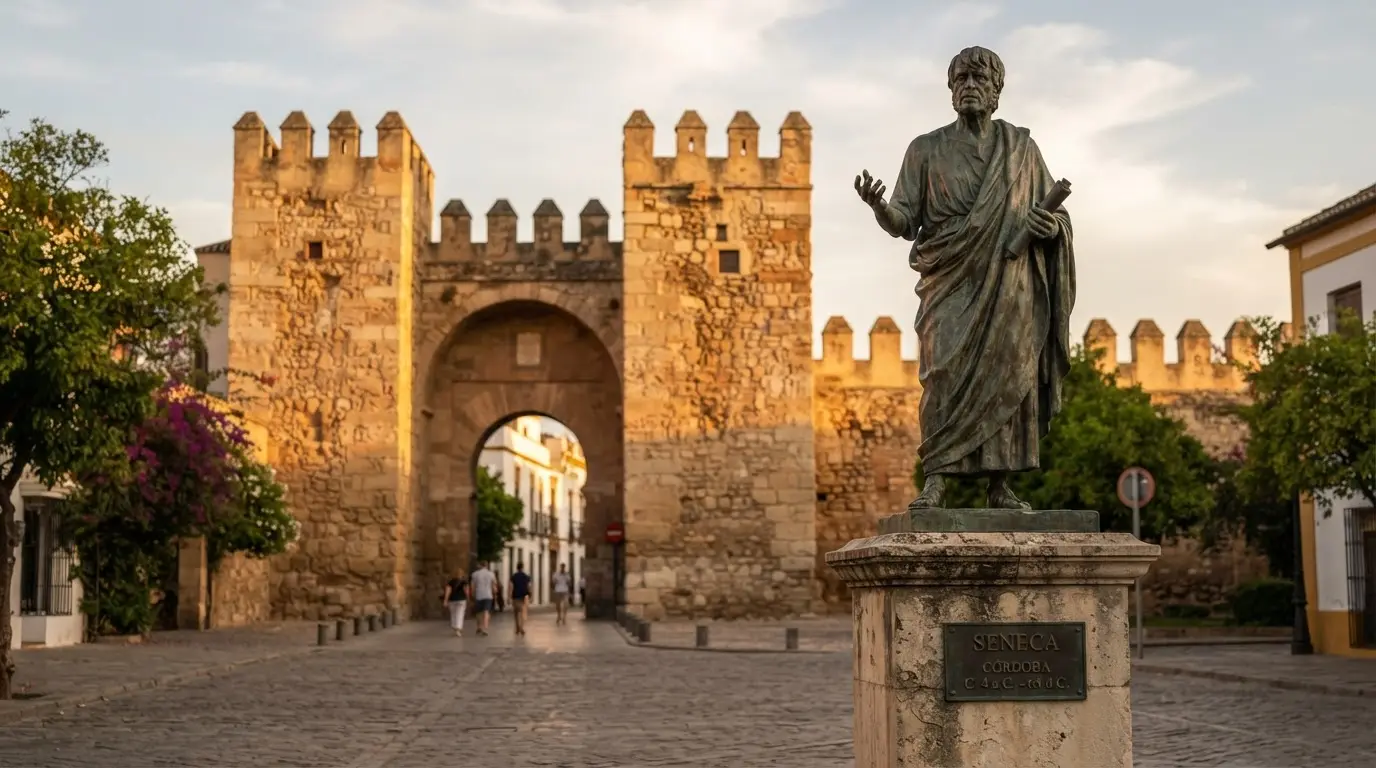
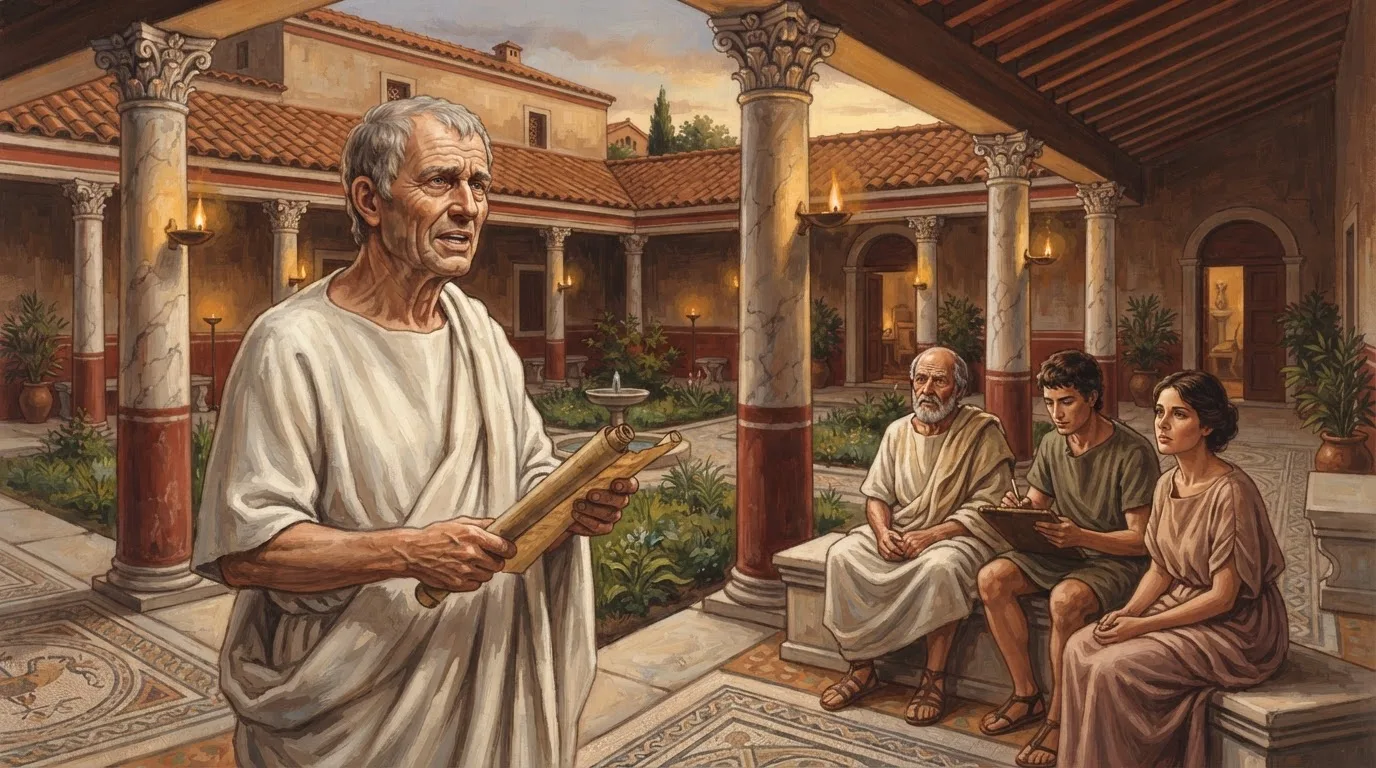
Seneca the Elder was born around 54 BC in Corduba, into a wealthy equestrian family. Older books call him Marcus Annaeus Seneca, but the manuscripts give Lucius, and many scholars now prefer it. He studied rhetoric alongside Porcius Latro under Marullus and later spent long periods in Rome listening to the famous orators of the day. His ideal speaker was Cicero, and he disapproved of the florid oratory of his own time.
What survives of his writing is a collection of recollections about the Roman schools of rhetoric: only five of the ten books of the Controversiae come down to us whole or nearly so. His principal work, a history of Rome from the start of the civil wars to the last years of his life, is almost entirely lost.
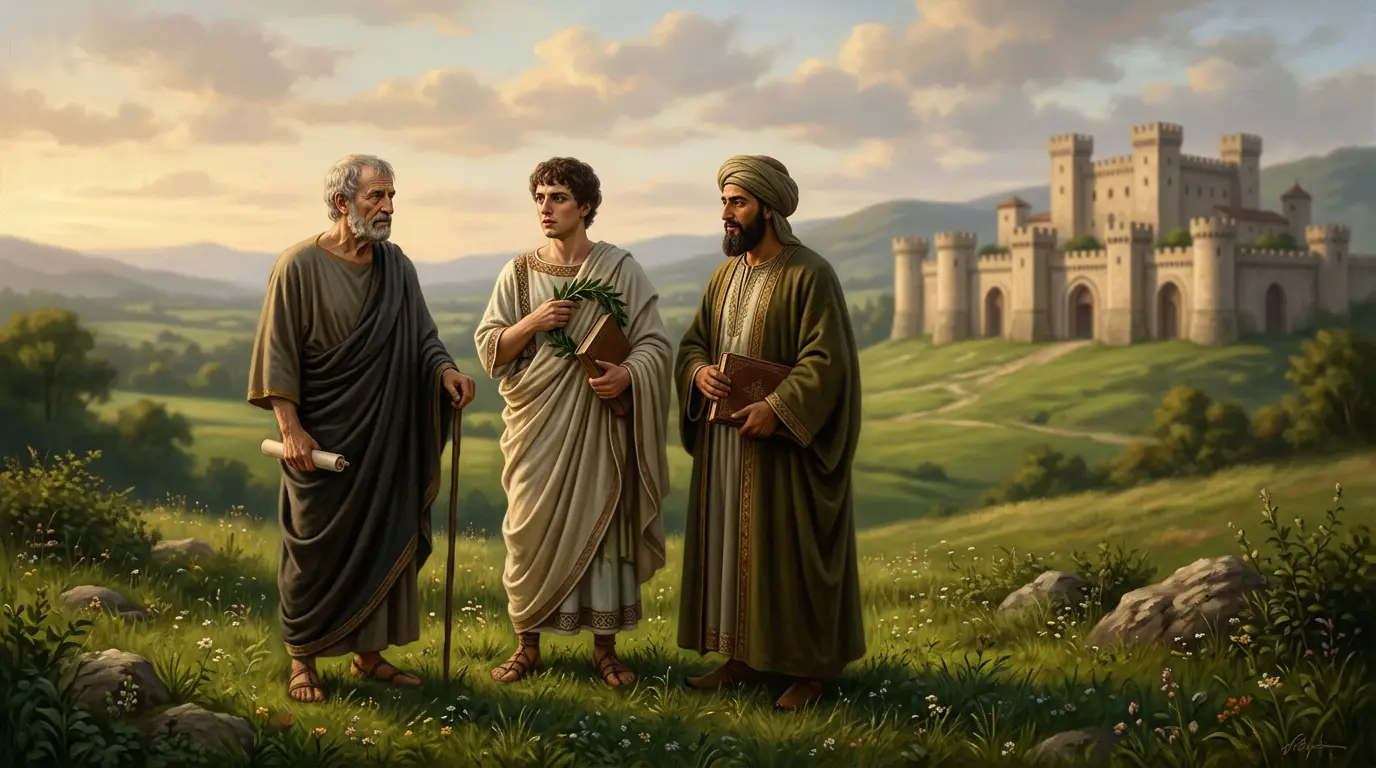
With his wife Helvia, also of Corduba, he had three sons. One was the Stoic philosopher and tutor of Nero, Seneca the Younger. Another, Marcus Annaeus Mela, was the father of the poet Lucan. Seneca the Elder died about AD 39, after the death of Tiberius. For the wider story of Roman Córdoba, see the Roman Temple and the Roman Bridge.
Places to see
In their time
-
Roman Corduba
206 BCE–572
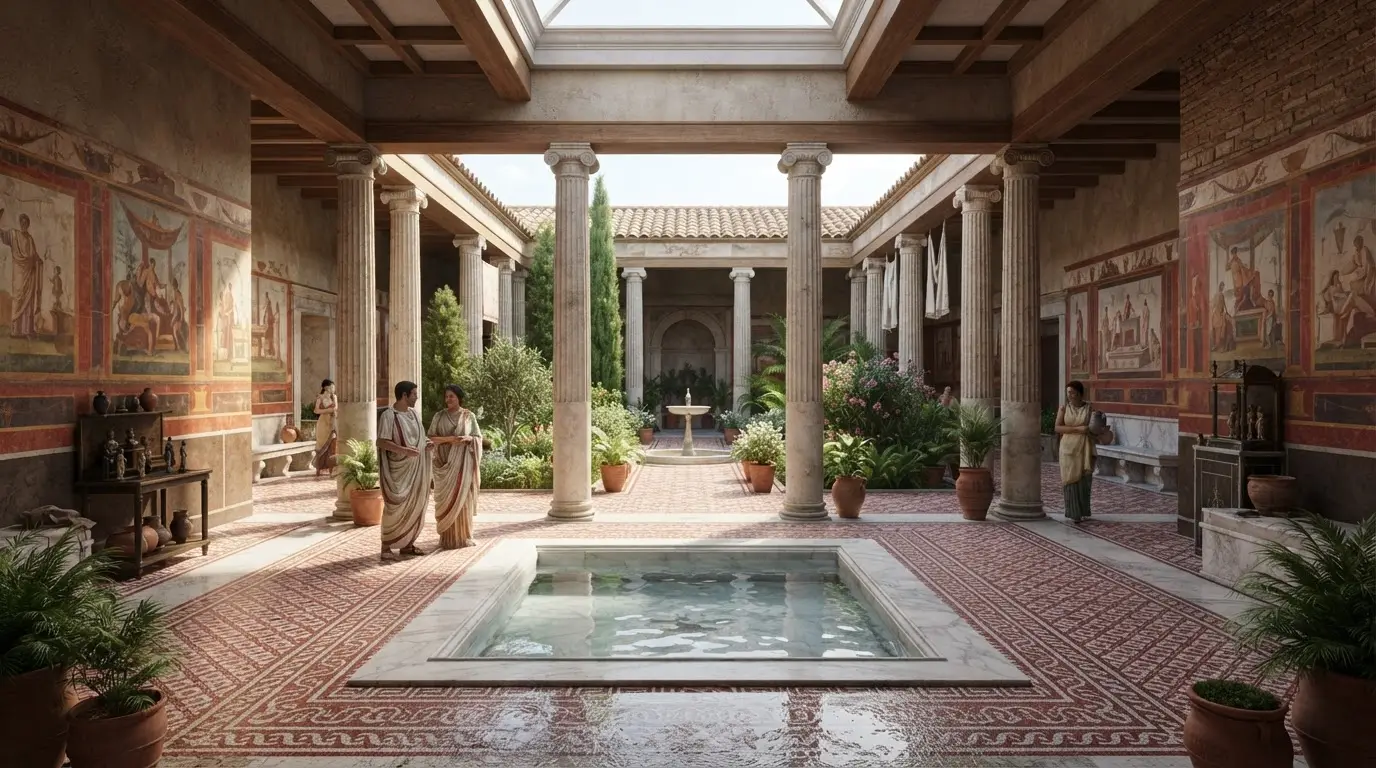
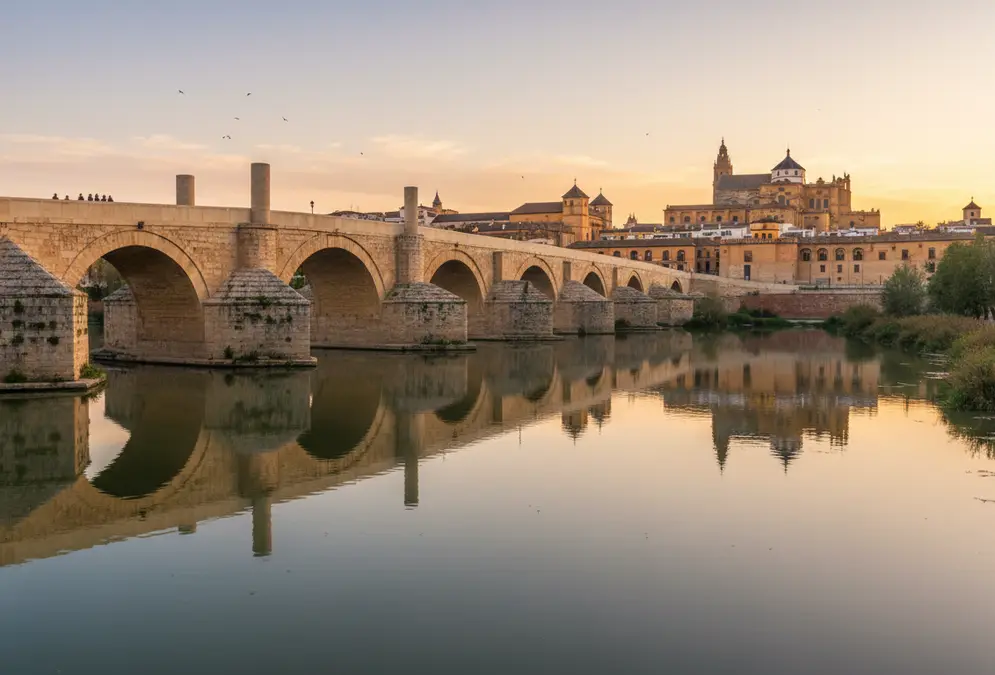
Founded around 169 BCE, Corduba became the capital of the province of Baetica and the birthplace of Seneca and Lucan. The Roman Bridge and the columns of the Roman Temple can still be visited.
-
Seneca
c. 4 BCE–65 CE Historical figure
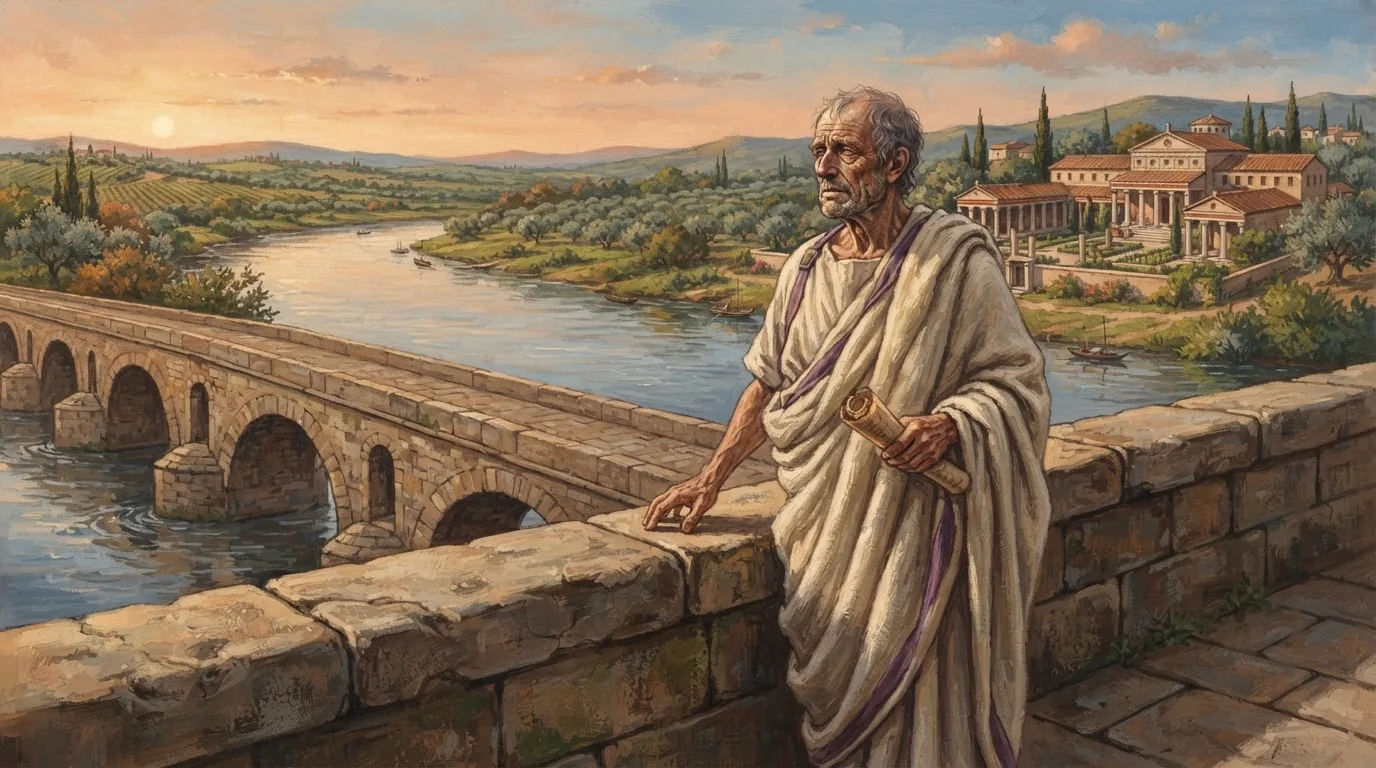
Seneca the Younger, Stoic philosopher and tutor to Nero, was born in Roman Corduba around 4 BC. Who he was, and where to find his trace in Córdoba today.
-
Lucan
39–65 Historical figure
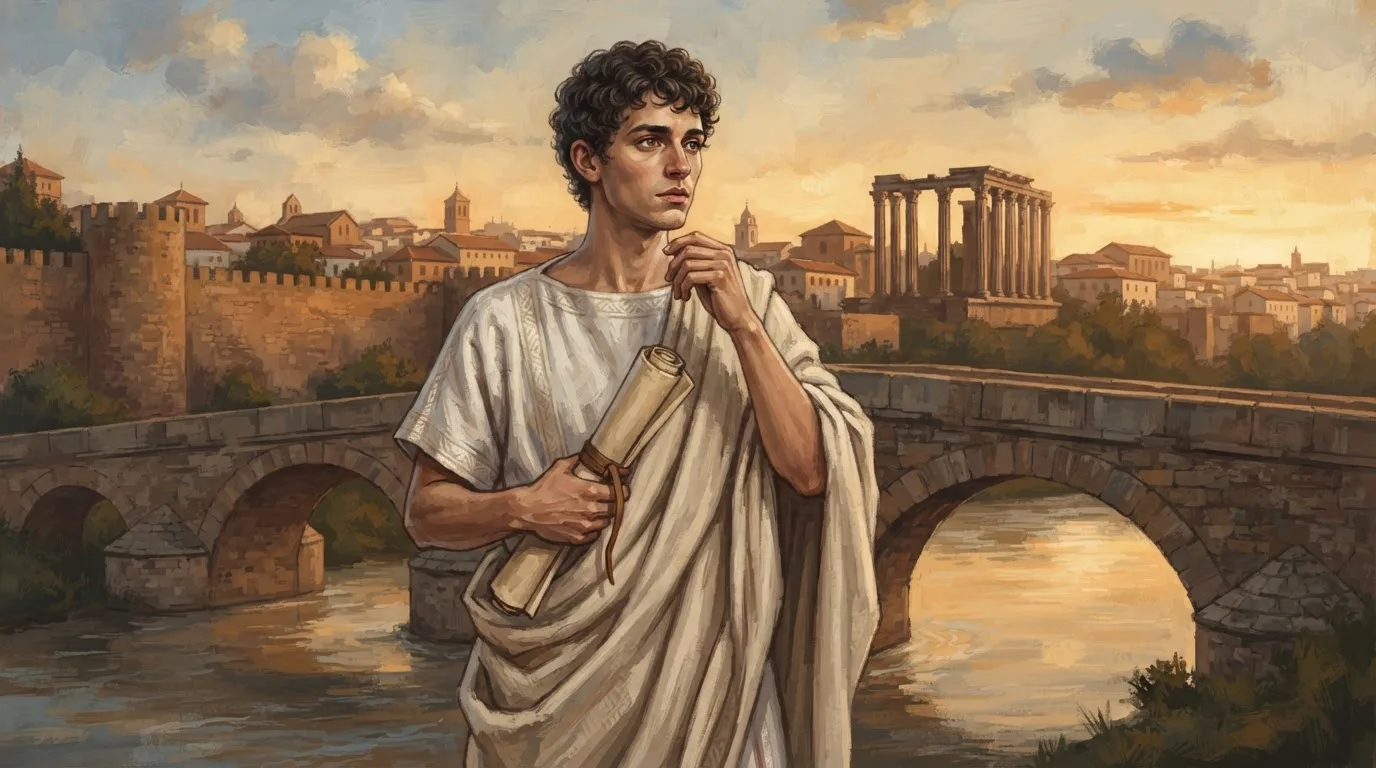
Lucan was born in Roman Corduba in AD 39 and was forced to die at 25 under Nero. Who the Pharsalia poet was, his family, and where to trace Roman Córdoba today.
Undated
-
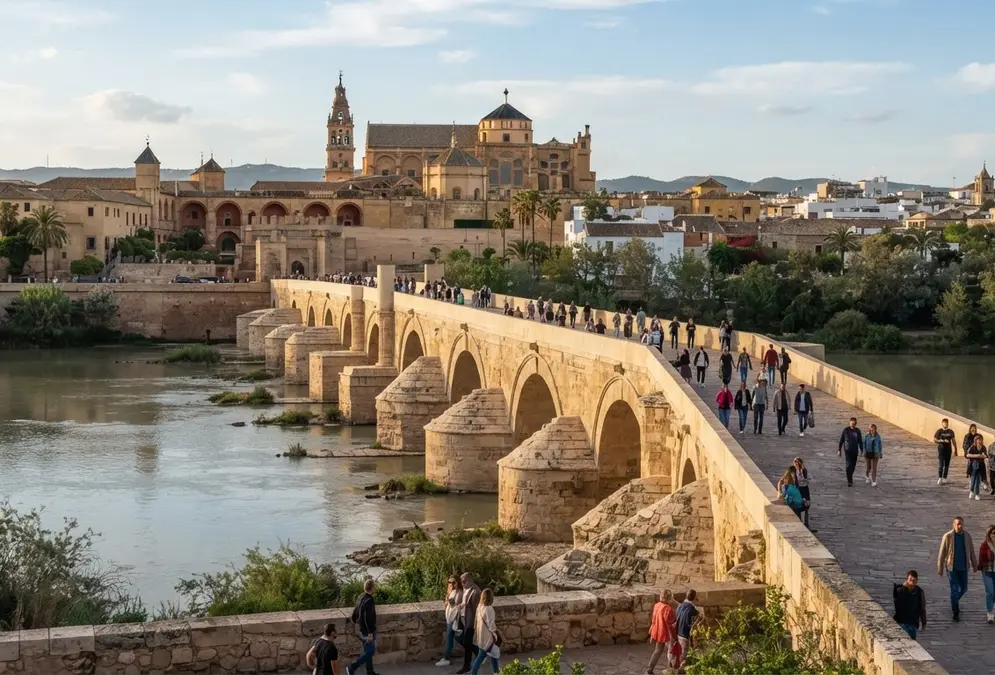
Puente Romano de Córdoba
Monument
Puente Romano de Córdoba: 16 arches over the Guadalquivir since the 1st century BC. Best viewpoint for the Mezquita at sunset. Game of Thrones location. Free.
-
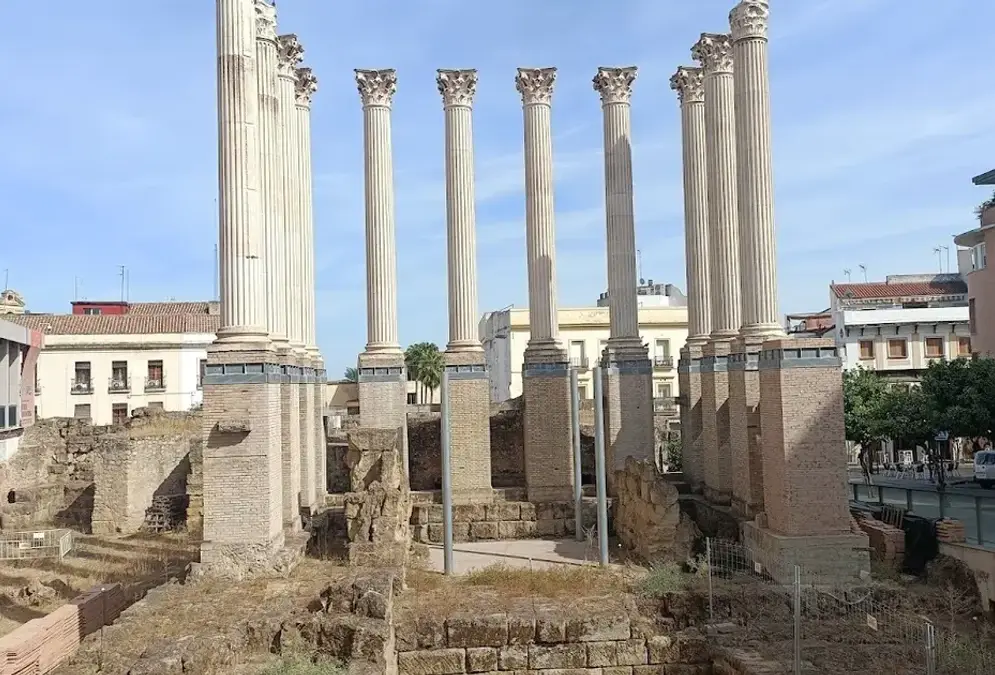
Templo Romano de Córdoba
Monument
Free open-air Roman temple in central Córdoba, lit up at night. Towering Corinthian columns from ancient Corduba, once capital of Roman Baetica. Open 24 hours.
Go deeper
-