- Also known as
- Abderramán II, Abd ar-Rahman II
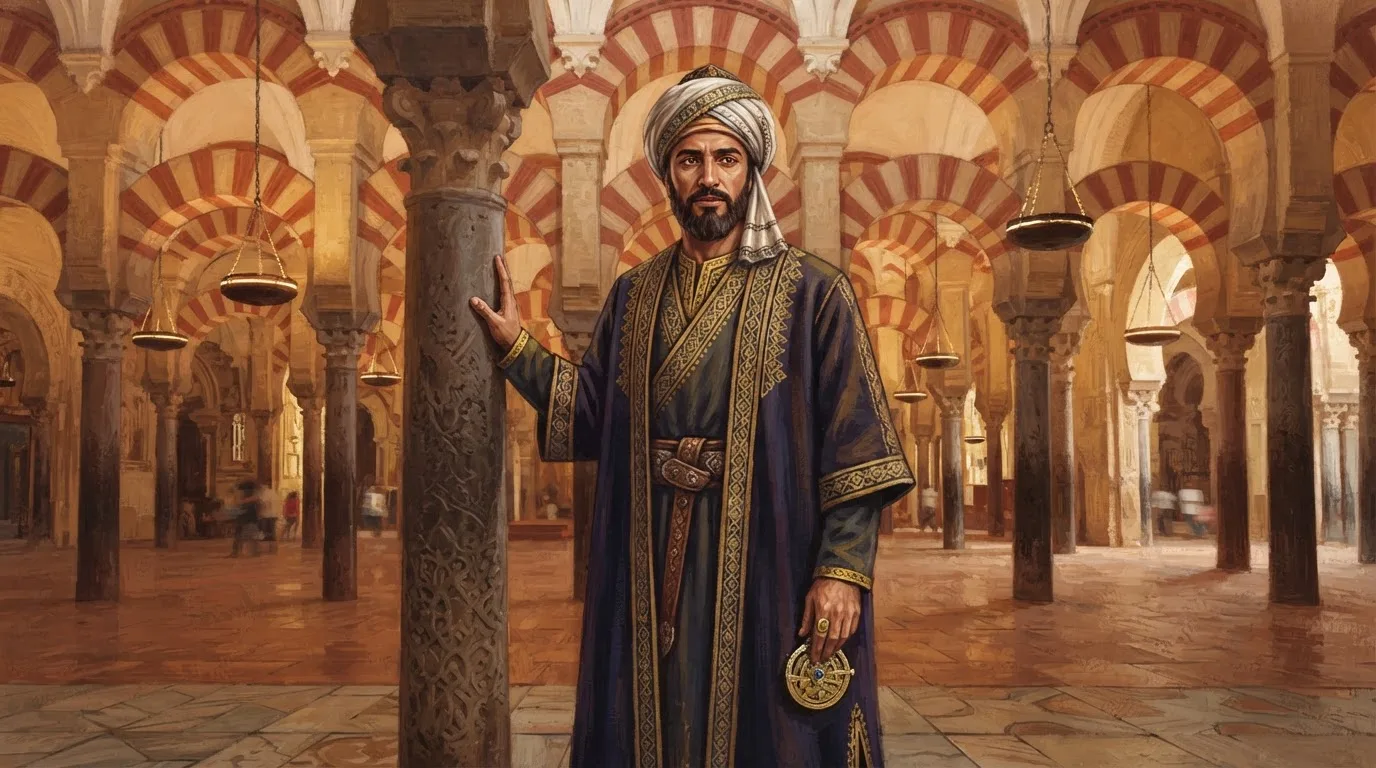
Abd al-Rahman II was born in Toledo in 792, where his father al-Hakam was governor, and ruled as emir of Córdoba from 822 until his death on 22 September 852. He is remembered as a patron of the arts and letters who made the city a major cultural centre, and as a ruler who promoted public works and repelled Norse raiders.
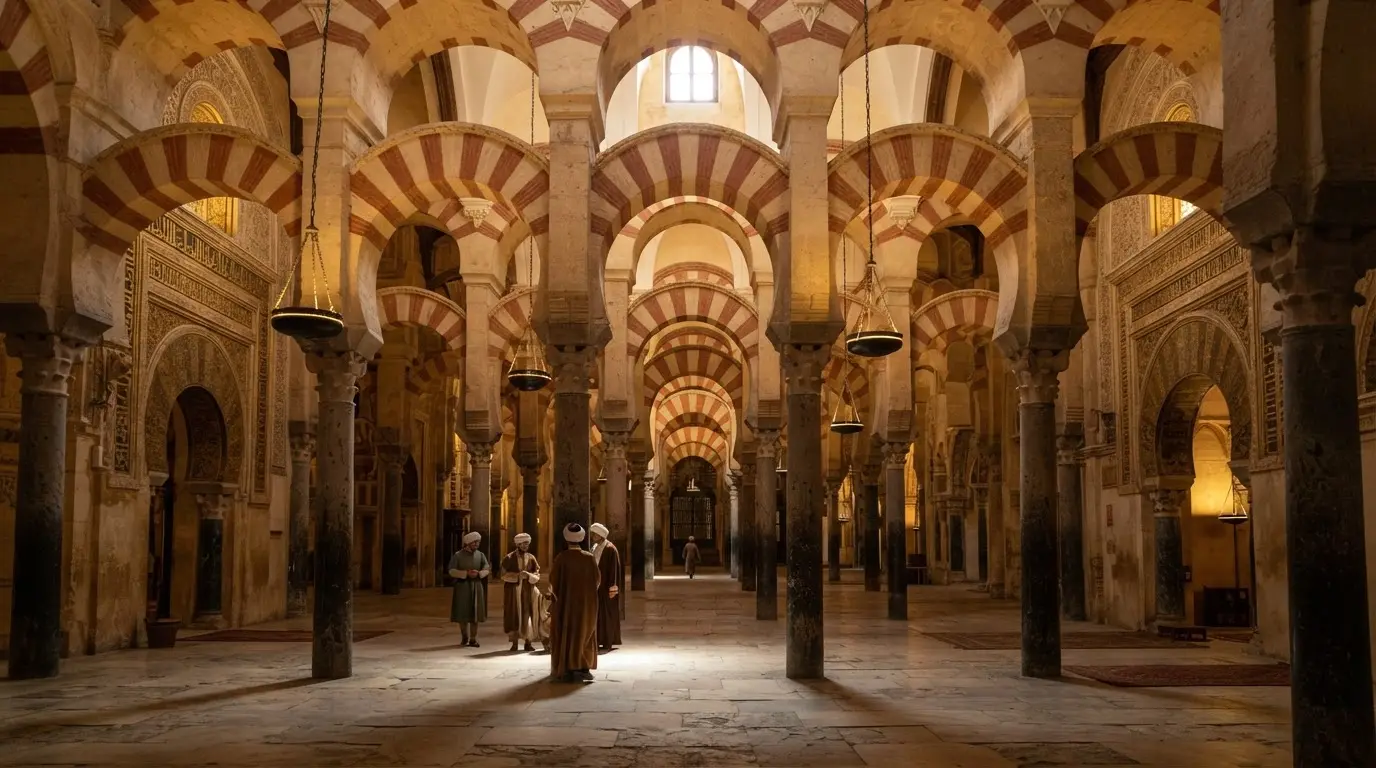
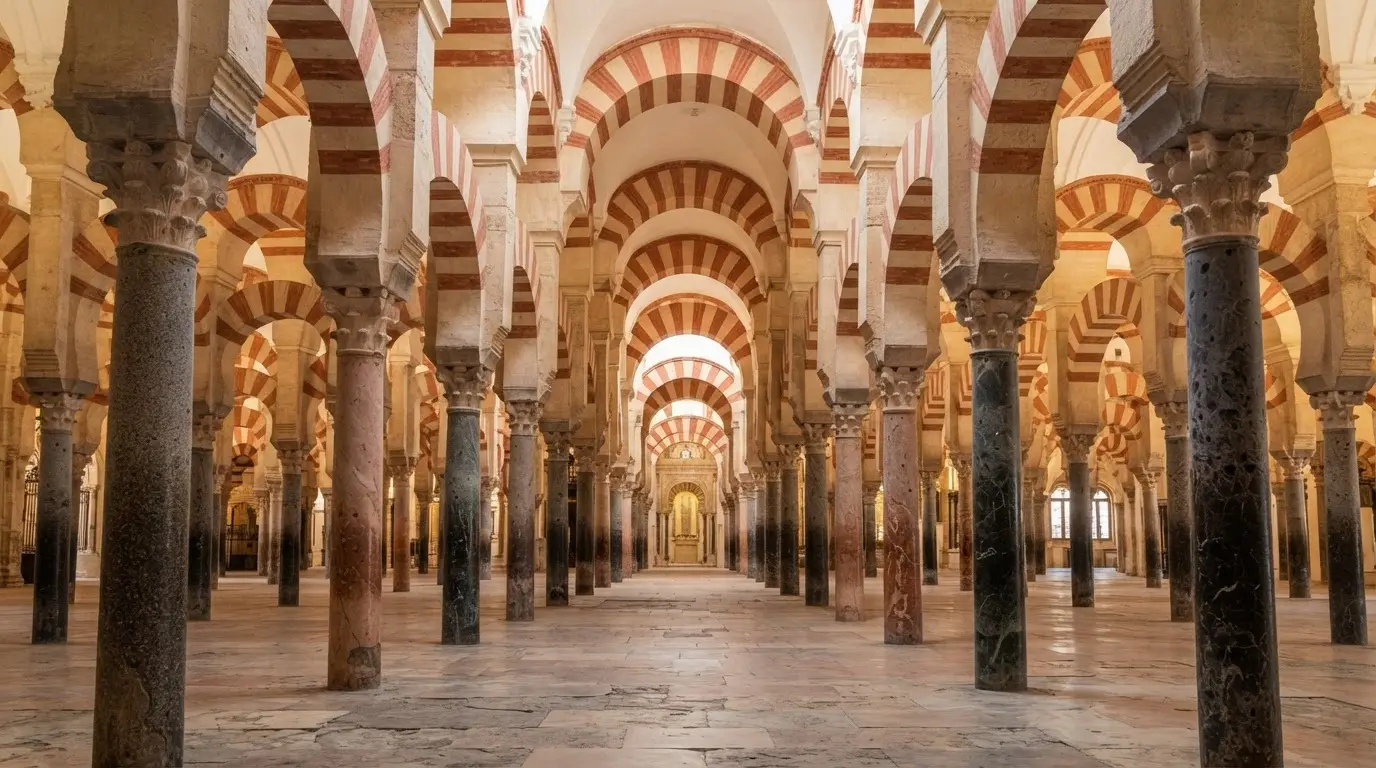
His clearest trace in Córdoba is the Mezquita-Catedral. The mosque's own timeline dates the first expansion under Abd al-Rahman II to 833-848, a phase marked by eleven capitals carved by local craftsmen in the trepan technique. He was buried in the Rawda, the royal burial chapel of the Alcázar, but no visible remains are documented there, so the Mezquita is the place to go.
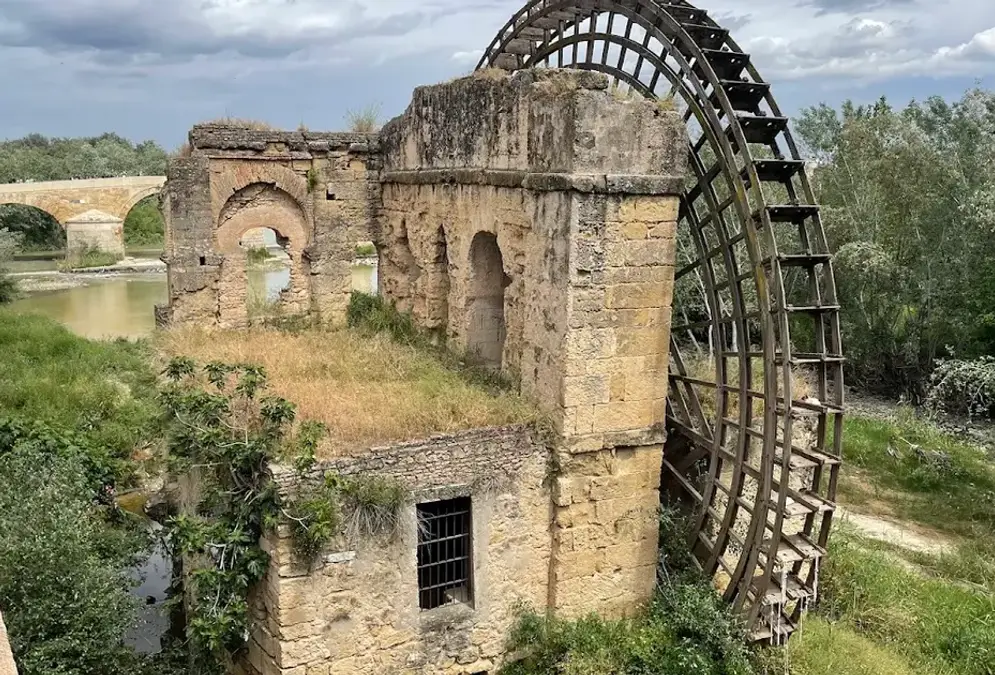
The origin of the Albolafia waterwheel on the Guadalquivir is debated, with some scholars attributing it to him, so the Mezquita is the surer trace. For related reading, see Ziryab and Vikings in Córdoba, then the Martyrs of Córdoba for the religious crisis of his last years.
Places to see
In their time
-
Umayyad Emirate
711–929
Muslim forces took Córdoba in 711, and governors ruled al-Andalus from it until Abd al-Rahman I declared an independent emirate in 756. He began the Mezquita in the 780s. In the 9th century Abd al-Rahman II built the Albolafia water wheel on the Guadalquivir, which has appeared on the city's coat of arms since the 14th century.
-
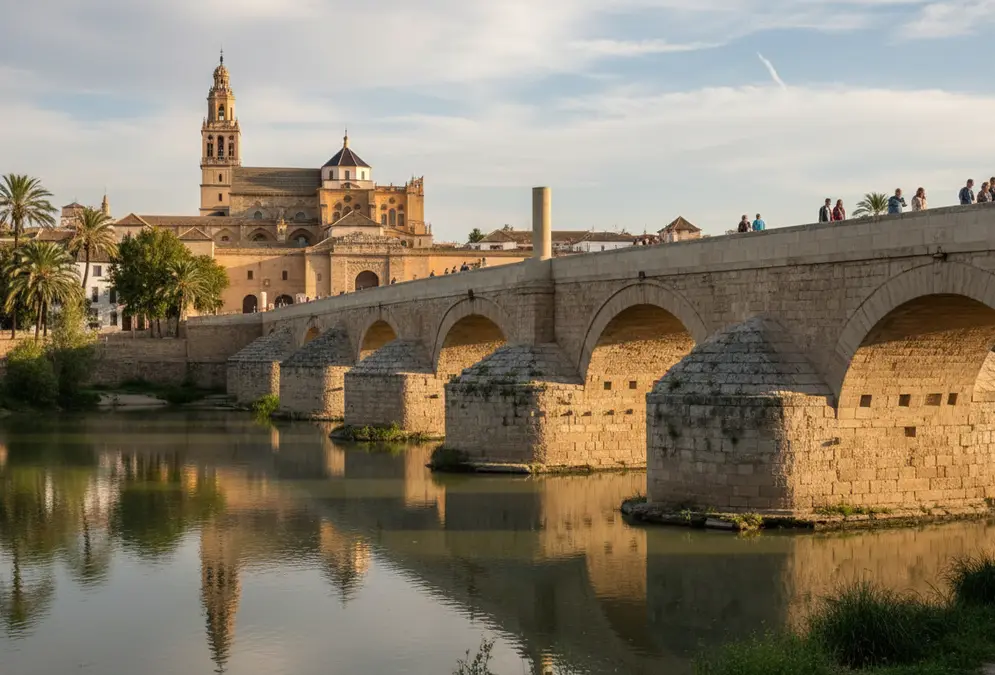
Mezquita-Catedral de Córdoba
785 Monument
856 columns, 1,300 years of Islamic and Christian history. UNESCO monument in Córdoba, Andalusia. Red-and-white arches, Byzantine mosaics, a Renaissance nave.
-
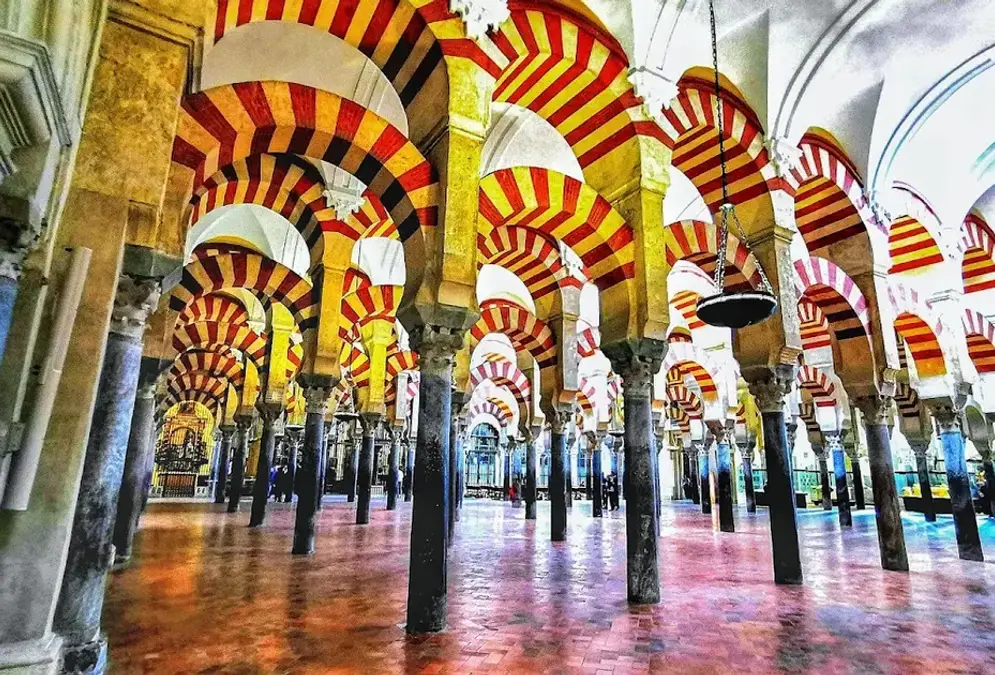
Abd al-Rahman I
731–788 Historical figure
Abd al-Rahman I (731-788) founded the Emirate of Córdoba in 756 and began the Great Mosque. Where his trace remains in Córdoba today, and where to read more.
-
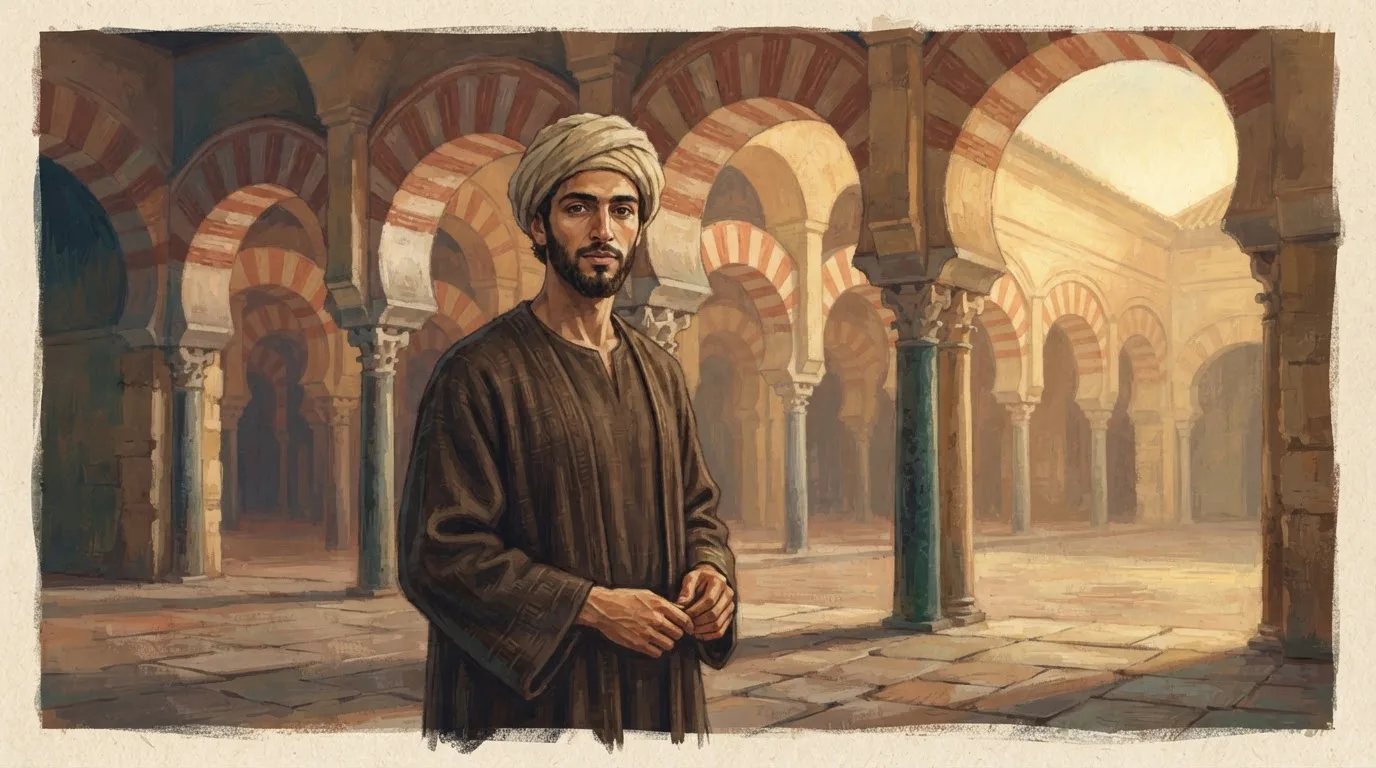
Al-Hakam I
c. 771–822 Historical figure
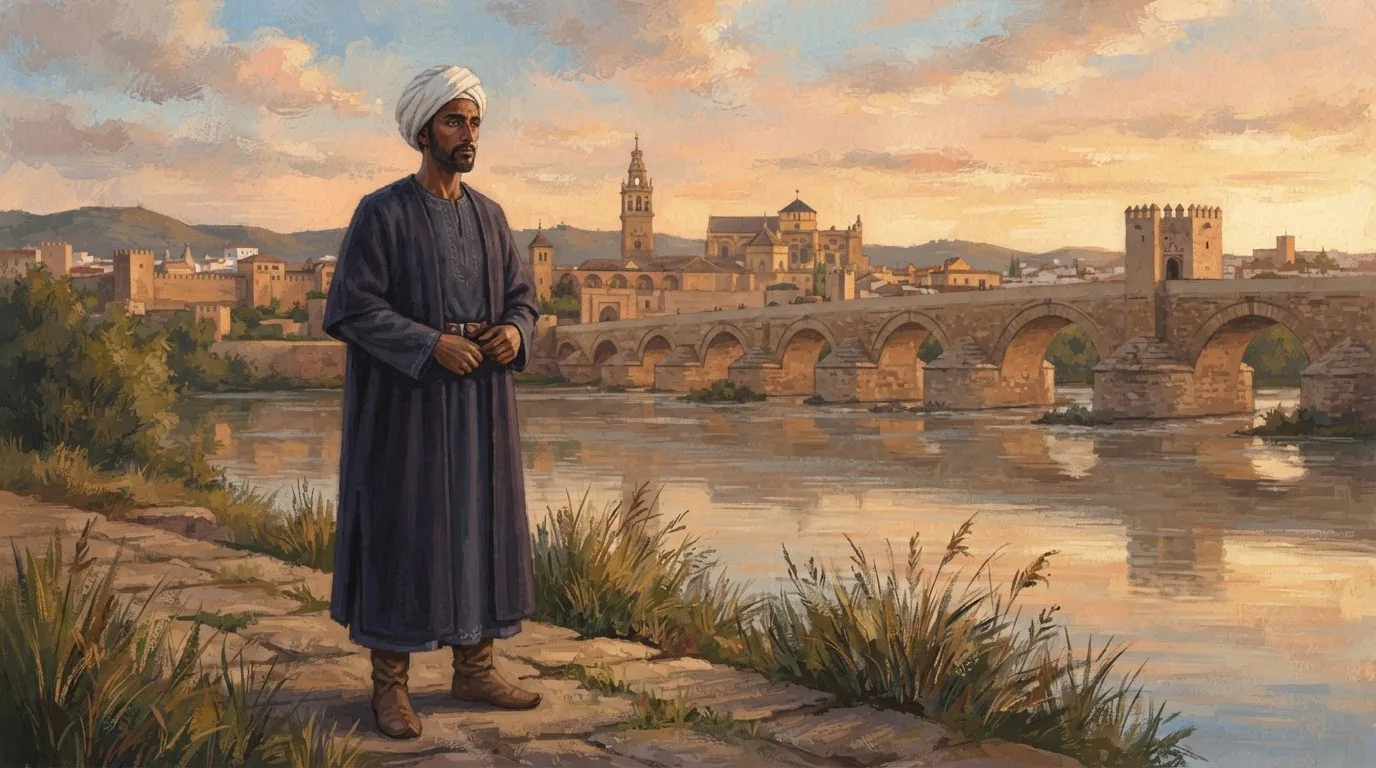
Al-Hakam I (c. 771-822), Umayyad emir of Córdoba from 796, crushed the 818 suburb revolt. See where his trace lies near the Roman Bridge and read his story.
-
Ziryab
c. 790–857 Historical figure
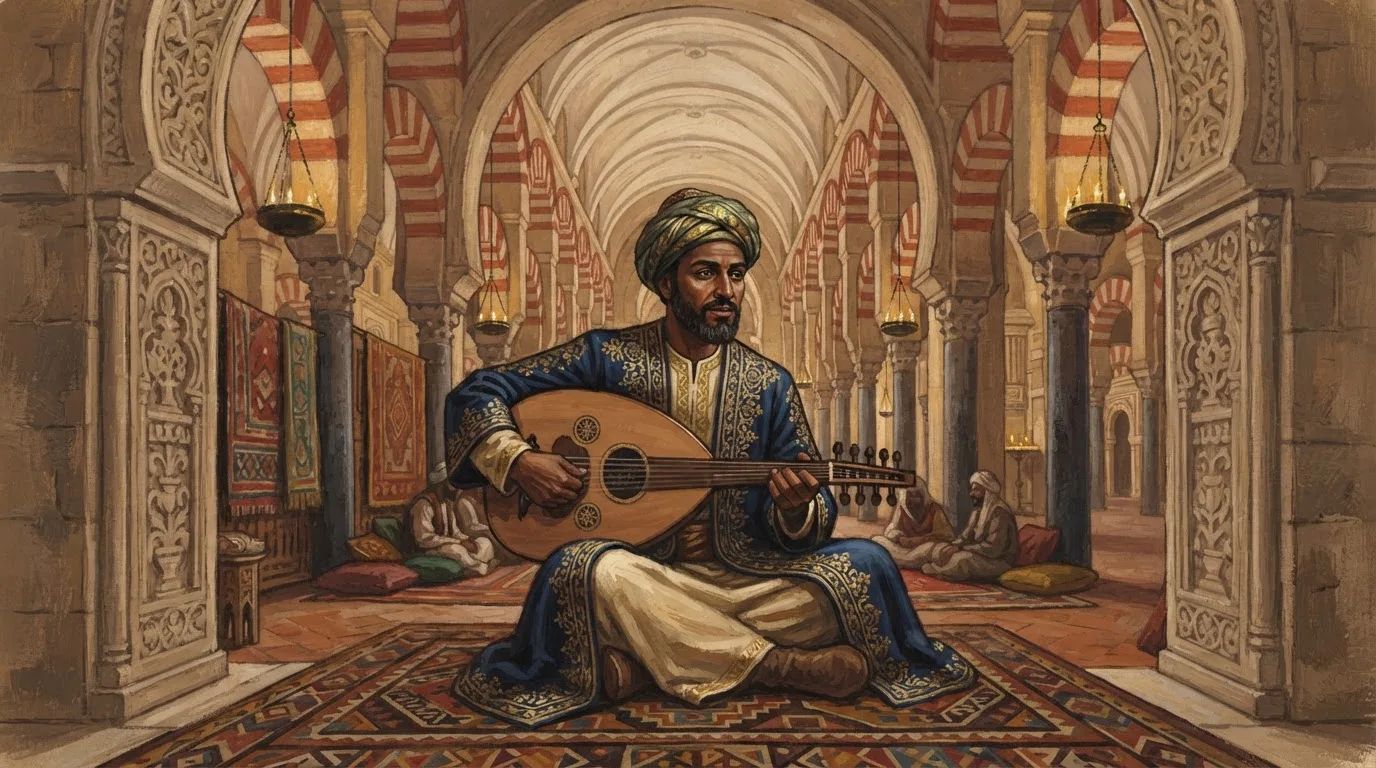
Ziryab (c. 790-857), the Baghdad-trained court musician who settled in Córdoba in 822. Who he was, and the places and reading where his trace survives today.
-
Ibn Firnas
c. 810–887 Historical figure
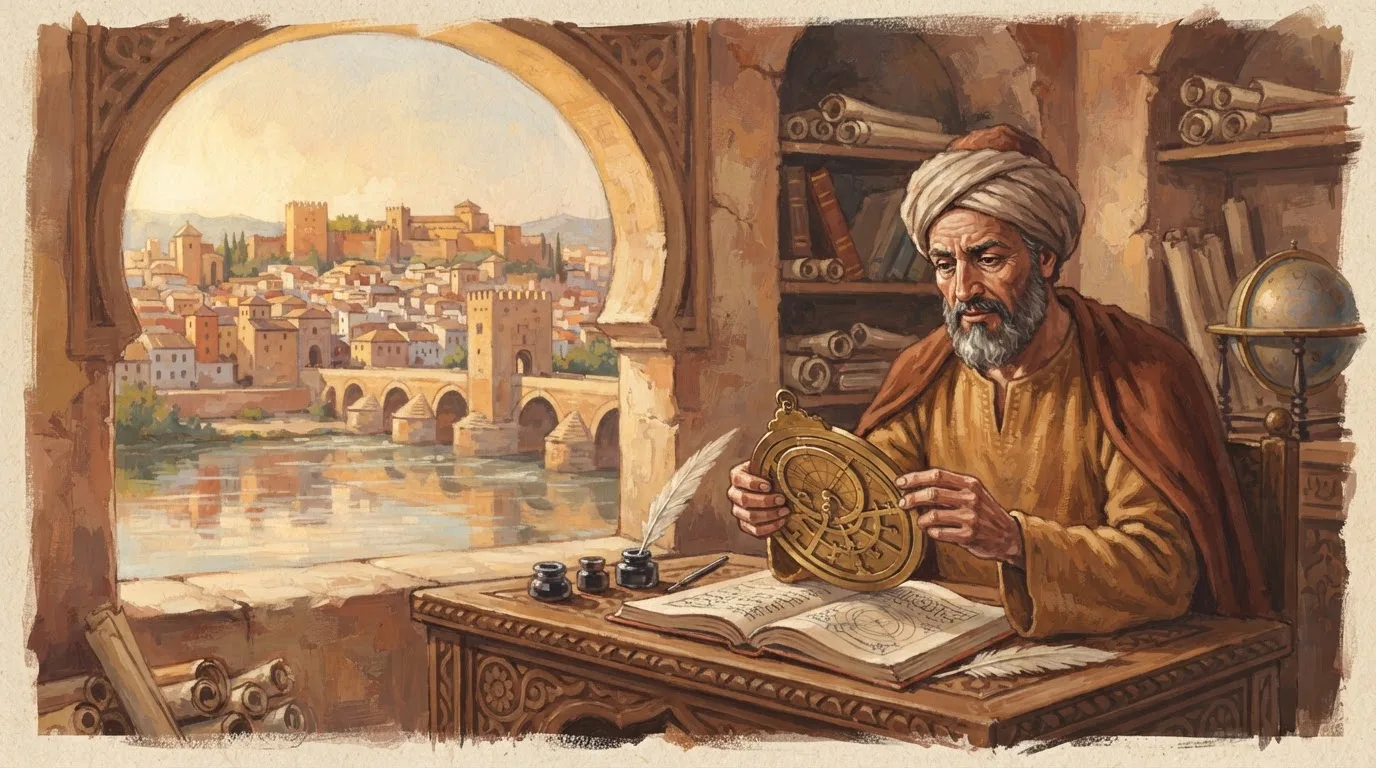
Ibn Firnas (c. 810–887), Andalusi polymath and court scholar of Córdoba. Cross the bridge that bears his name and read the full story of his flight legend.
Undated
-
Molinos del Río Guadalquivir
Monument
The Albolafia wheel turns again on the Guadalquivir, photographed from the Roman bridge against the Mezquita skyline. What's left of Córdoba's Arab mills.
Go deeper
-