Ibn Hazm's Ring of the Dove: Córdoba's Love Treatise
Ibn Hazm's Ring of the Dove (1022 CE) is the medieval Arab world's most searching analysis of love and one of the most readable books to survive Al-Andalus.
Read the full story
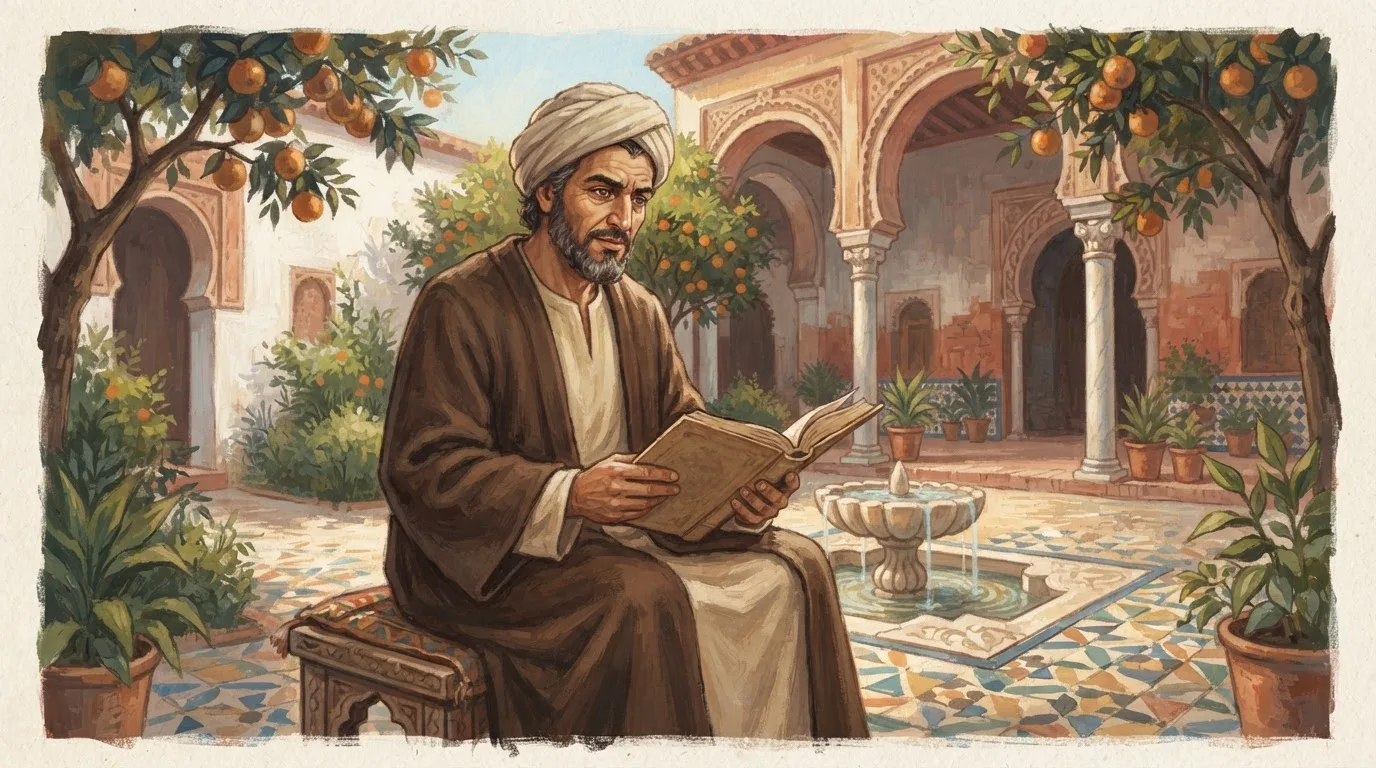
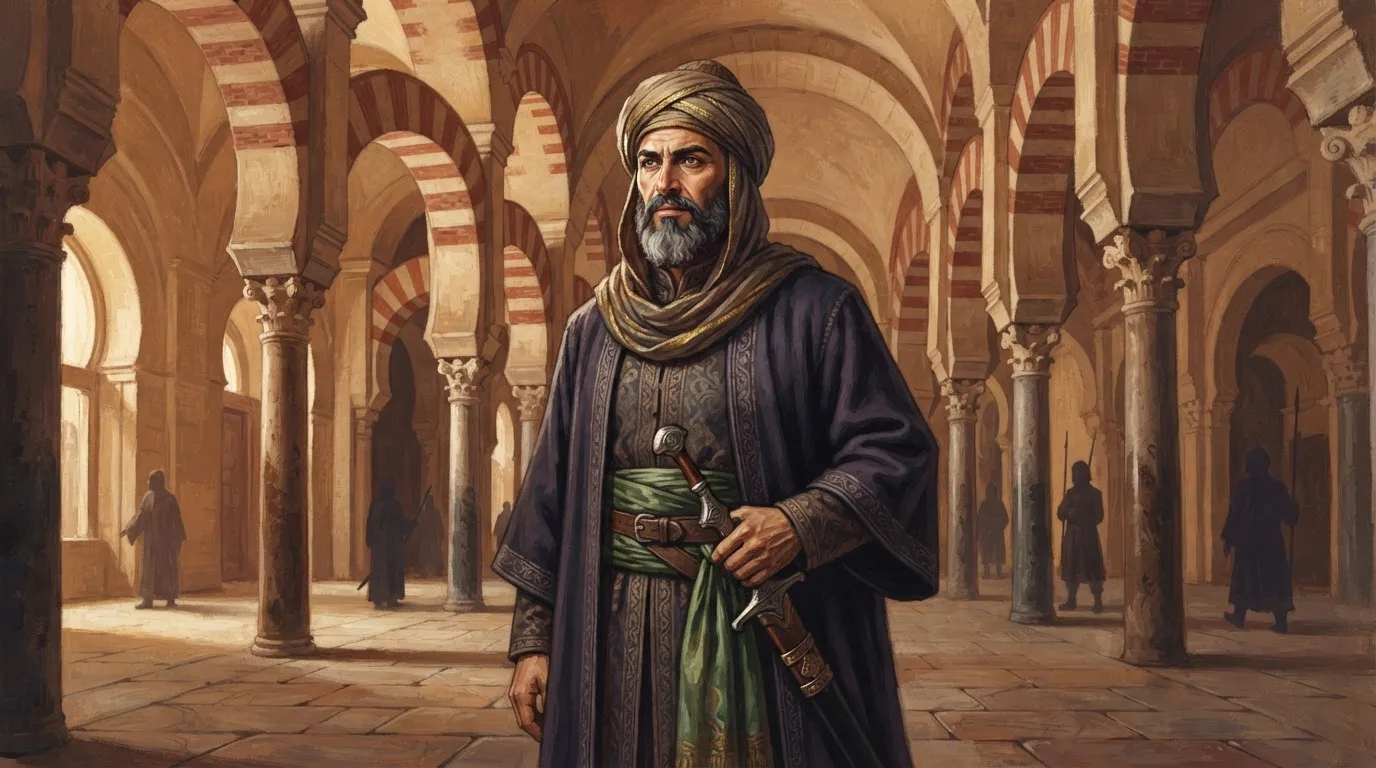
Ibn Hazm was an Andalusi jurist, historian, philosopher and theologian, born in Córdoba in November 994 in the eastern suburb of Munyat al-Mughira. He died on 15 August 1064 on his family's estate in what is now Huelva province, far from the city where he was formed. He is remembered mostly for The Ring of the Dove, a treatise on love, but in his own day he was first a fierce polemicist whose books were burned.
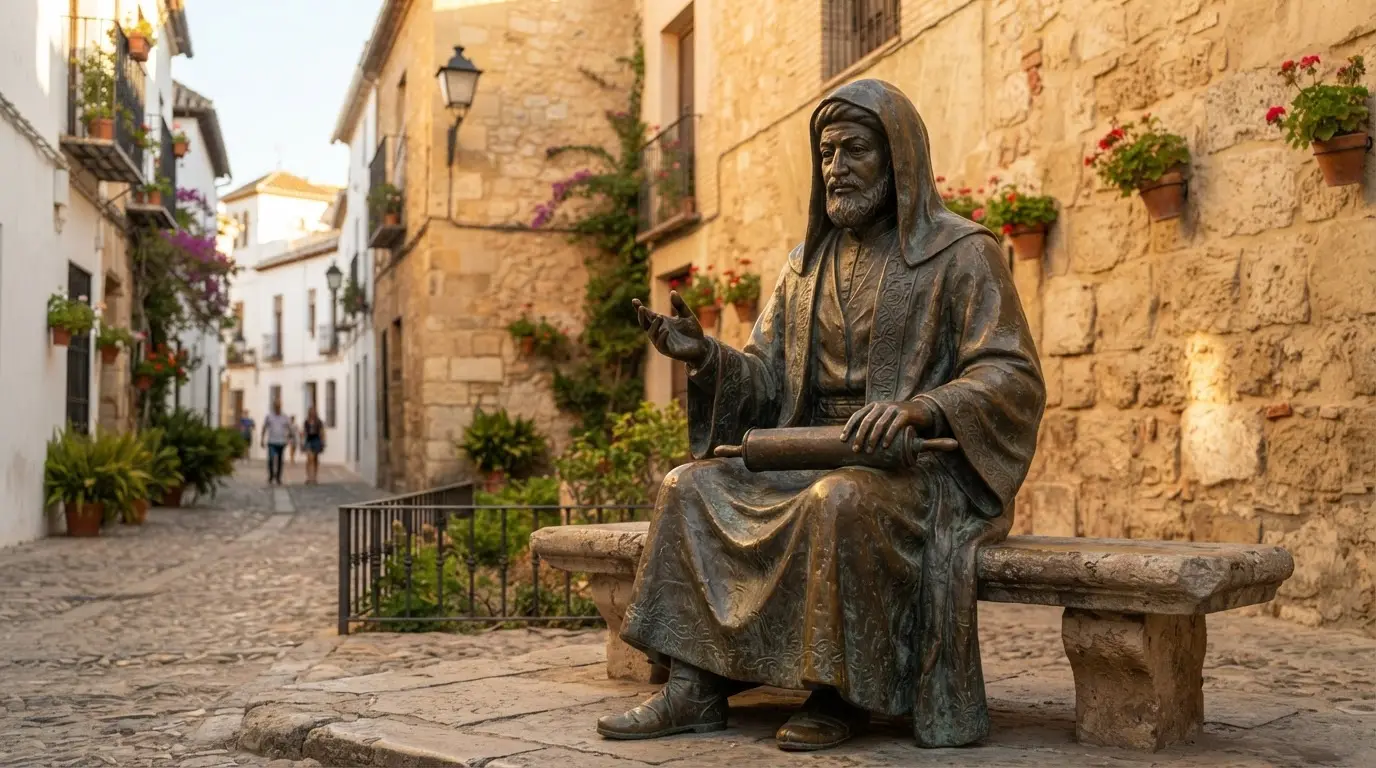
His trace in Córdoba is thin, which is part of the interest. The Mezquita-Catedral de Córdoba is the great scholarly space of the city he knew. Outside the old centre, a 20th-century statue of him by the sculptor Ruiz Olmos stands just in front of the Puerta de Sevilla, the Seville Gate on Avenida Conde de Vallellano. Most visitors walk past it.
For the poetry and the exile that followed the collapse of the caliphate, read Ibn Zaydun, Córdoba's exiled poet. For another thinker the city produced a century and more later, see Averroes. The full account of his life, his books and the troubadour debate is in Ibn Hazm's Ring of the Dove: Córdoba's Love Treatise: read the full story there.
929–1031
Abd al-Rahman III proclaimed the caliphate in 929, and Córdoba grew to an estimated 500,000 people. Medina Azahara was begun in 936, and the Mezquita was enlarged in 961 and 987.
936 Monument
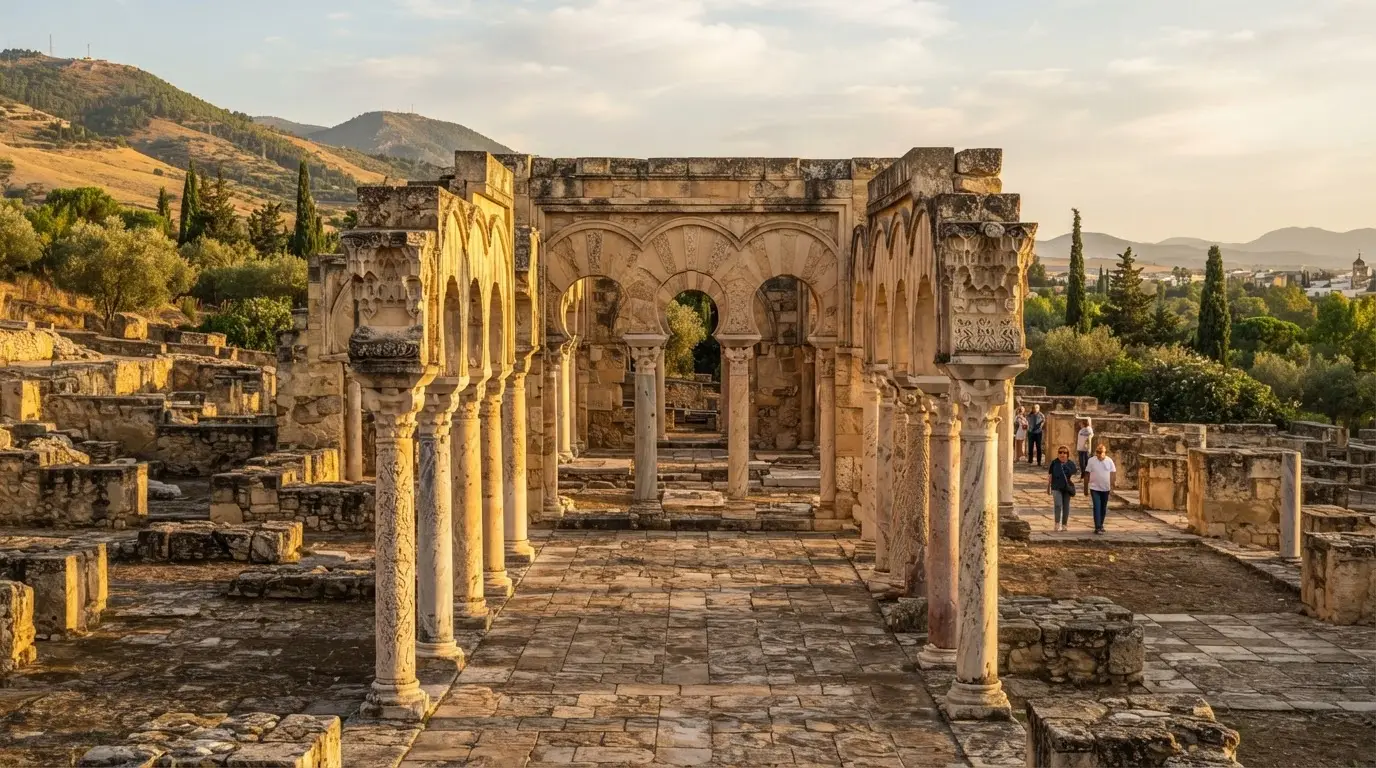
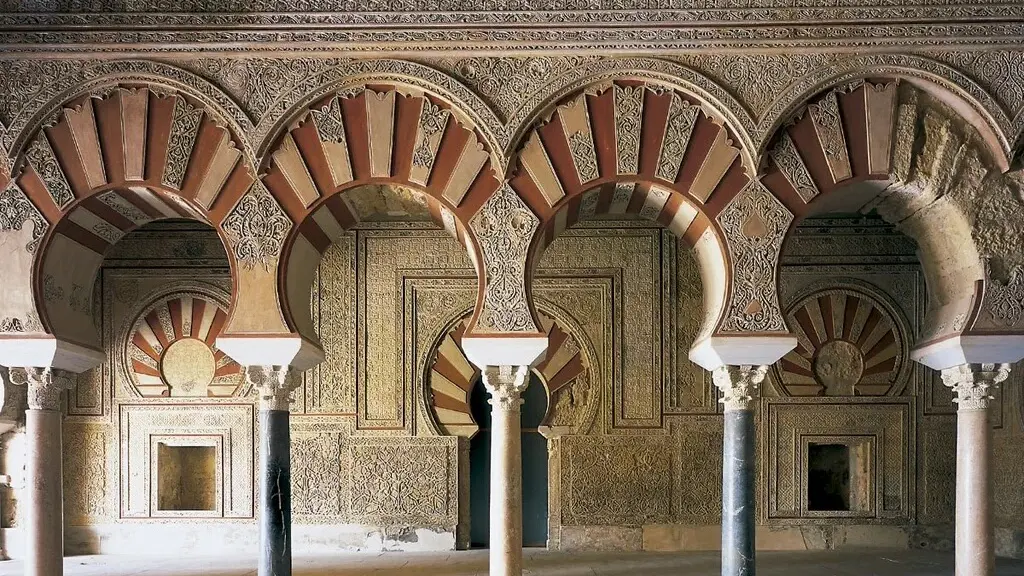
Medina Azahara is Córdoba's UNESCO listed Caliphate City: a 10th century palace 8 km from town, with the Salón Rico and award-winning museum. Plan your visit.
951–958 Monument
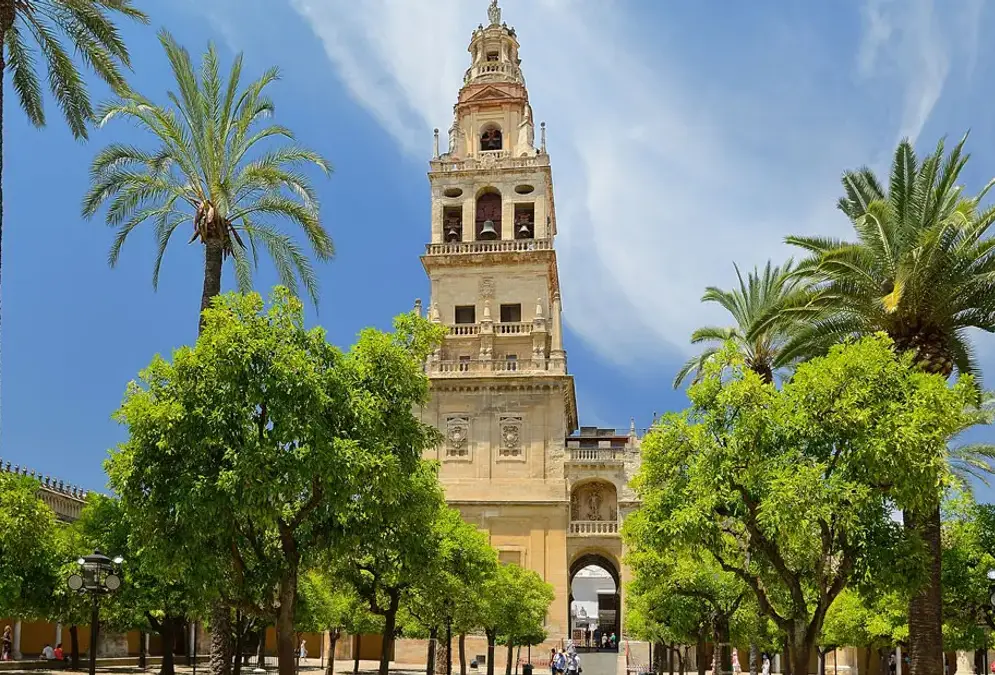
Climb 150 steps up the Mezquita-Catedral's 10th-century minaret-turned-bell-tower for 360-degree views over Córdoba's rooftops, Roman Bridge and Alcázar.
961–976 Monument
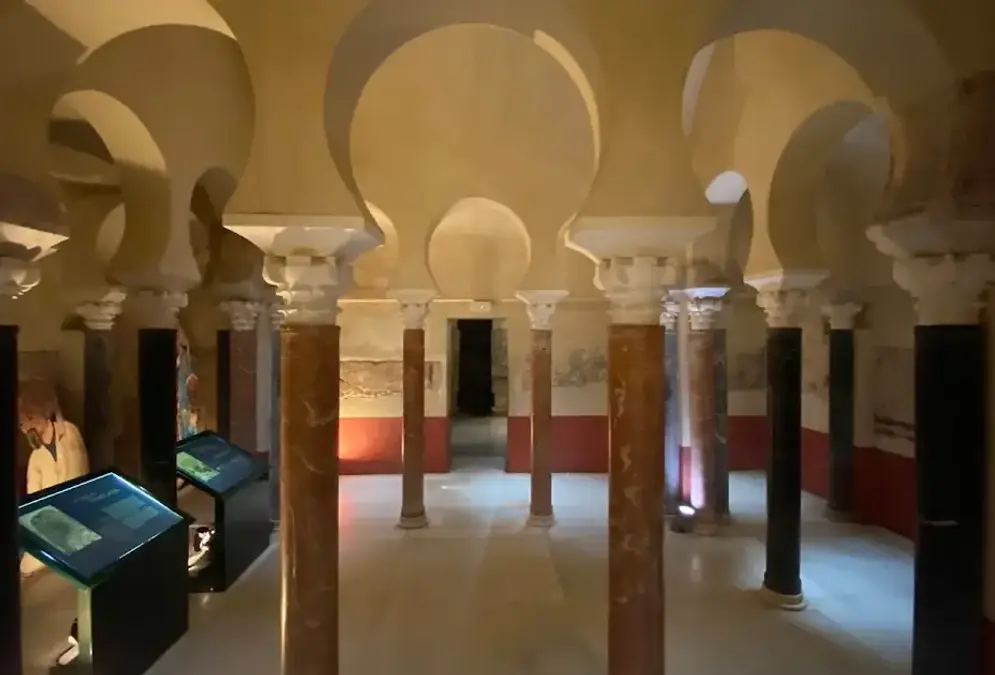
Underground 10th-century Islamic hammam beneath Córdoba's Campo Santo square, with star skylights, marble pillars and intact cold, warm and hot rooms.
c. 890–961 Historical figure
Abd al-Rahman III (890-961), caliph of Córdoba, had Medina Azahara built and enlarged the Great Mosque. See where his trace survives and read his full story.
915–976 Historical figure
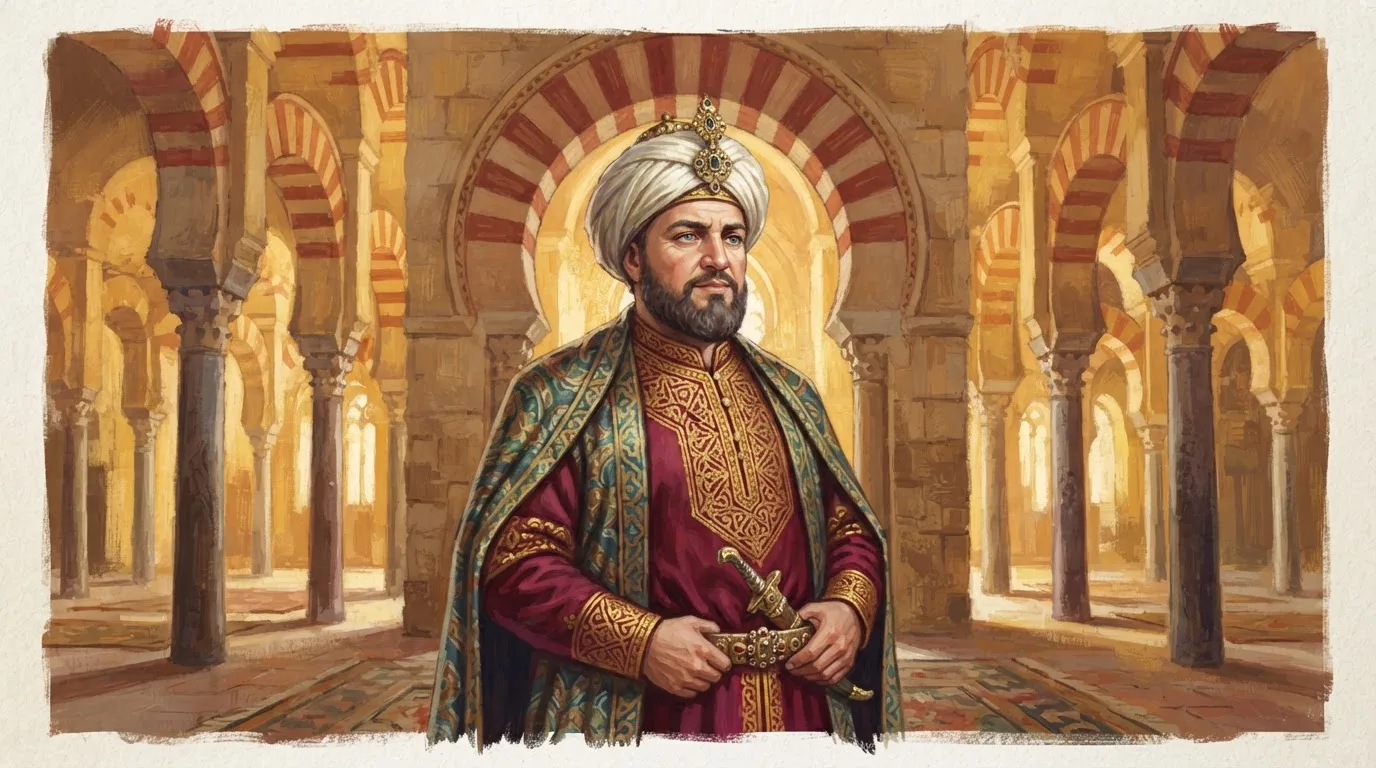
Al-Hakam II (915-976), caliph of Córdoba from 961, expanded the Great Mosque and its mihrab. See where his trace survives in the city and read his full story.
c. 915–970 Historical figure
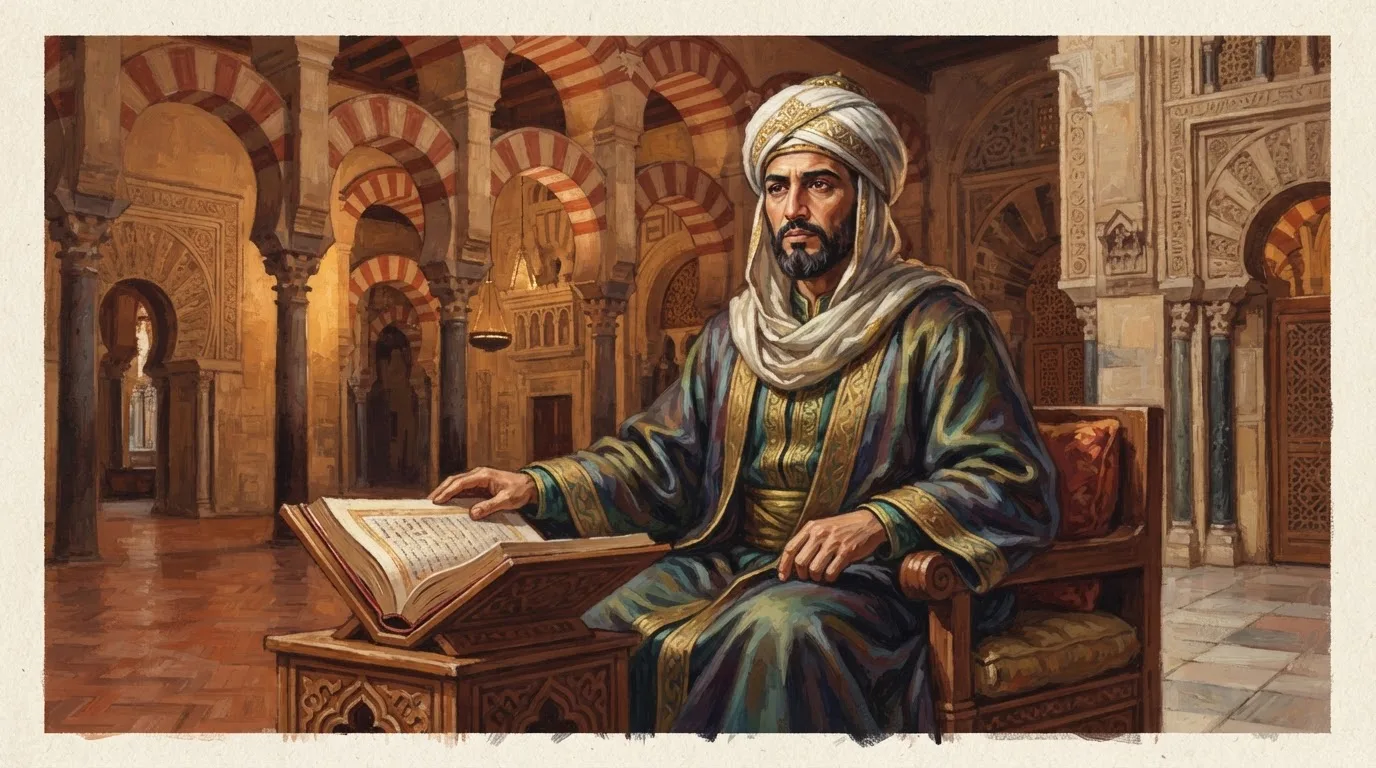
Hasdai ibn Shaprut (c. 915-970) was physician and diplomat to Córdoba's caliphs. Visit the Judería and the Jewish sites that hold the city's later story.
c. 936–1013 Historical figure
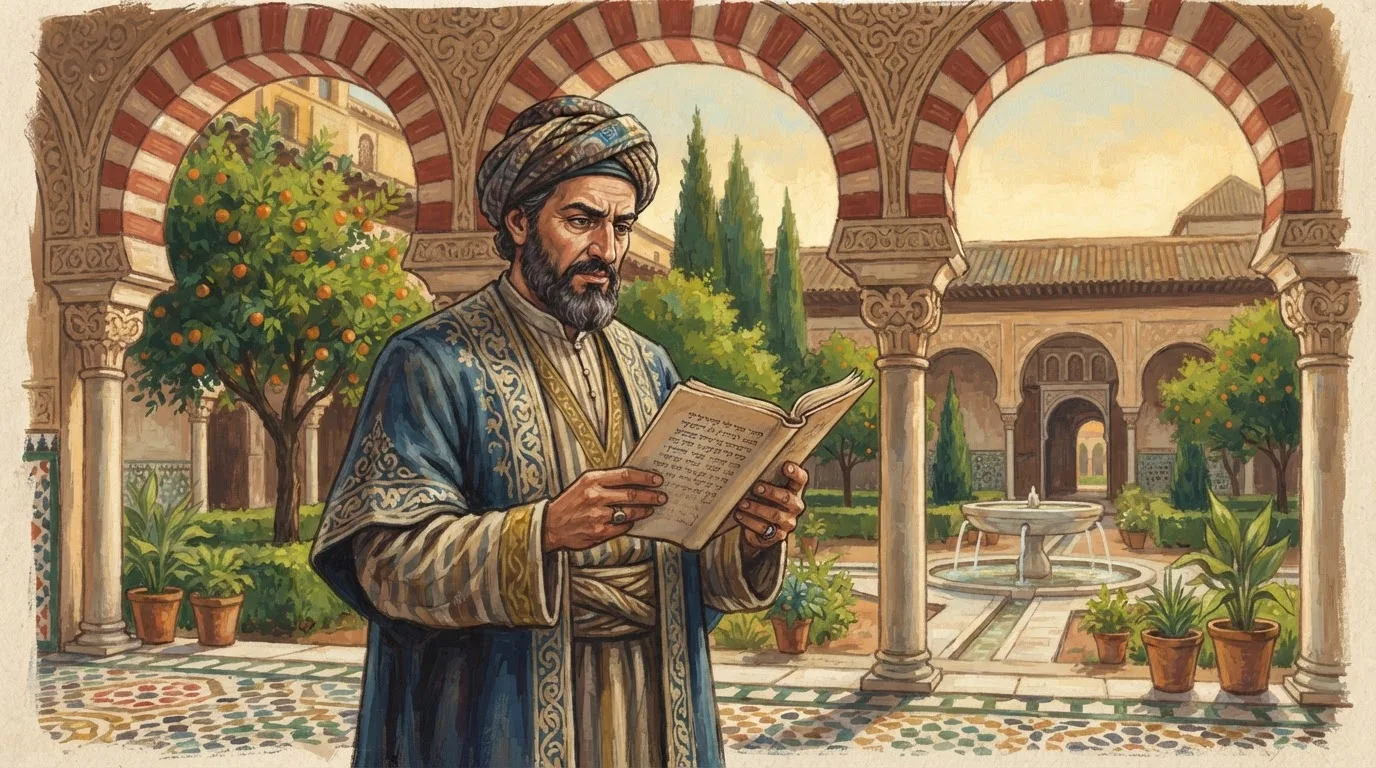
Al-Zahrawi (Abulcasis, c. 936–1013), Córdoba surgeon and author of the Kitab al-Tasrif. Find his trace at the Medina Azahara ruins and read the full story.
c. 938–1002 Historical figure
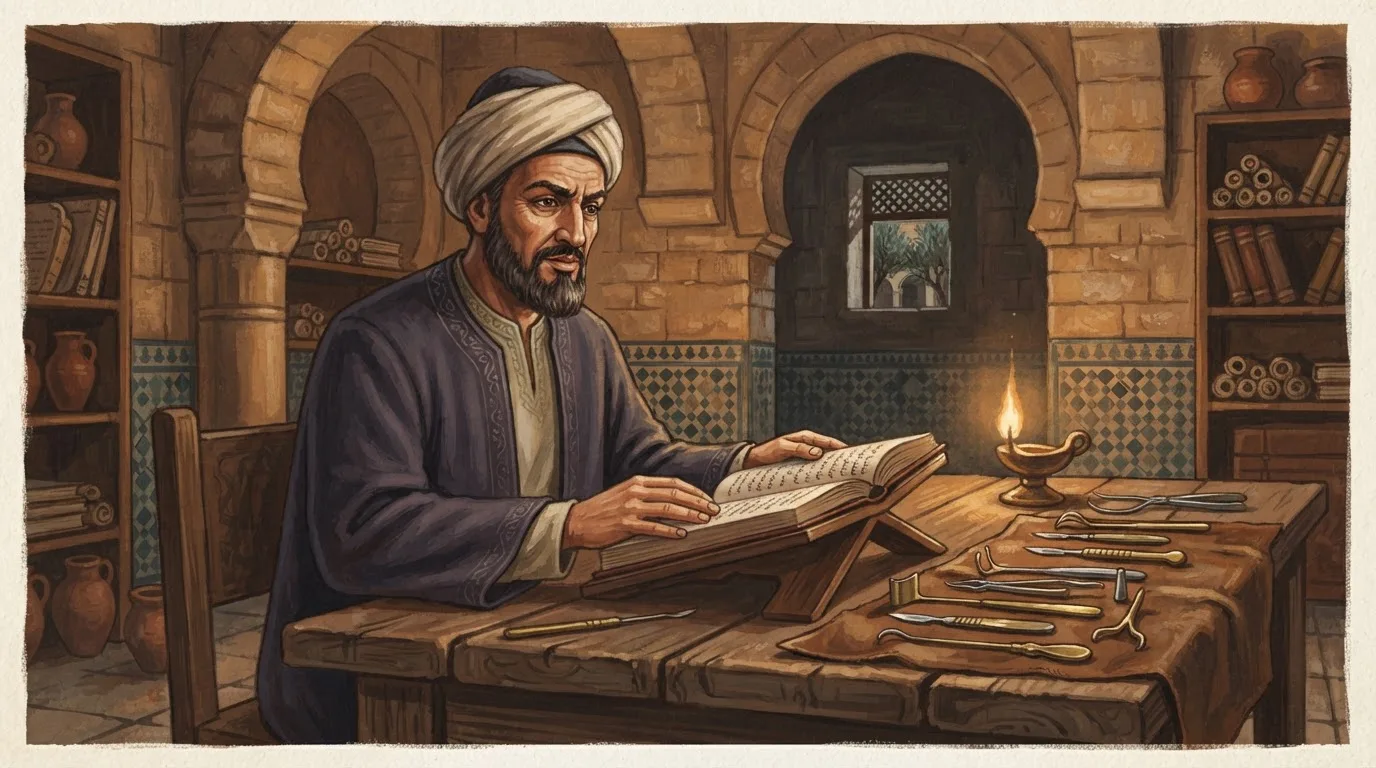
Almanzor (c. 938-1002) ruled Córdoba as chamberlain under a puppet caliph. See what remains of his eastern extension of the Mezquita and read his story.
Go deeper