
The tidy story and where it goes quiet
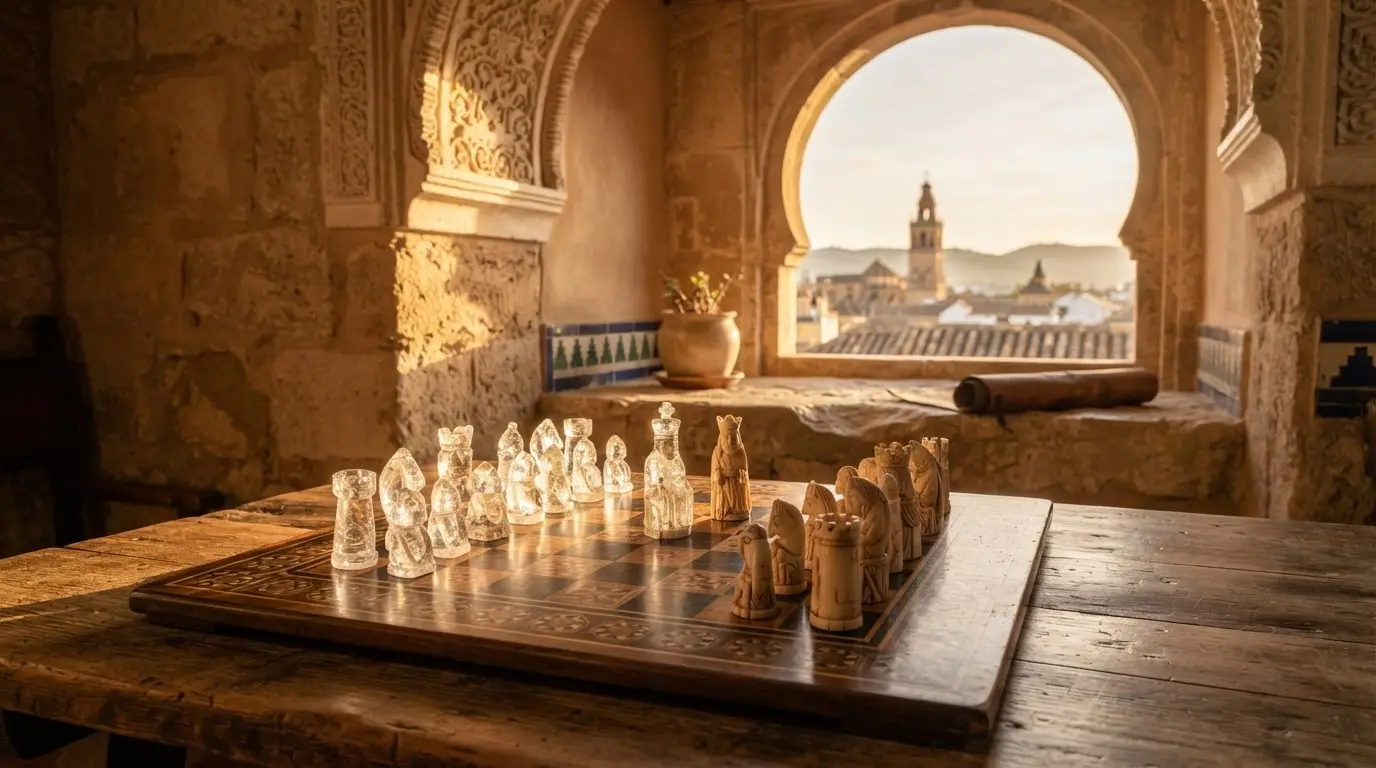
The tidy version runs like this. Baghdad's game reaches Córdoba, a court adopts it, and the pieces drift north across the frontier. The first two steps are plausible. The third, a named ruler introducing chess, is where the sources fall silent: none of the sources cited here says a Córdoba ruler, including the emir Abd al-Rahman II, introduced chess to Europe.
What is documented is narrower. Poetry, biographies and even scientific works attest that chess was played in Al-Andalus,[5] one of several games that arrived from the eastern Muslim lands. No source in this set names the player, the court or the year the game first crossed a border.
That gap matters because the ordinary explanation needs no caliph's gift. National Geographic's account has chess reaching Europe in the 10th and 11th centuries, a window that holds both the Swiss verses and the Catalan will discussed below, and it lists Spain as only one door beside Sicily and the Crusader states.[3]
Why historians still point at Córdoba
The case for the city rests on position, not paper. National Geographic calls Córdoba "likely a key entry point" for chess.[6] The hedge is doing all the work.
The paper trail that does exist is diplomatic. In 971 the caliphate palace employed five Mozarabic interpreters,[7] staff a court would need for Latin-speaking visitors. One essay on chess's diffusion speculates that the game could have arrived as an embassy gift.
Explore nearby · Museum
Museo Vivo de Al-Andalus
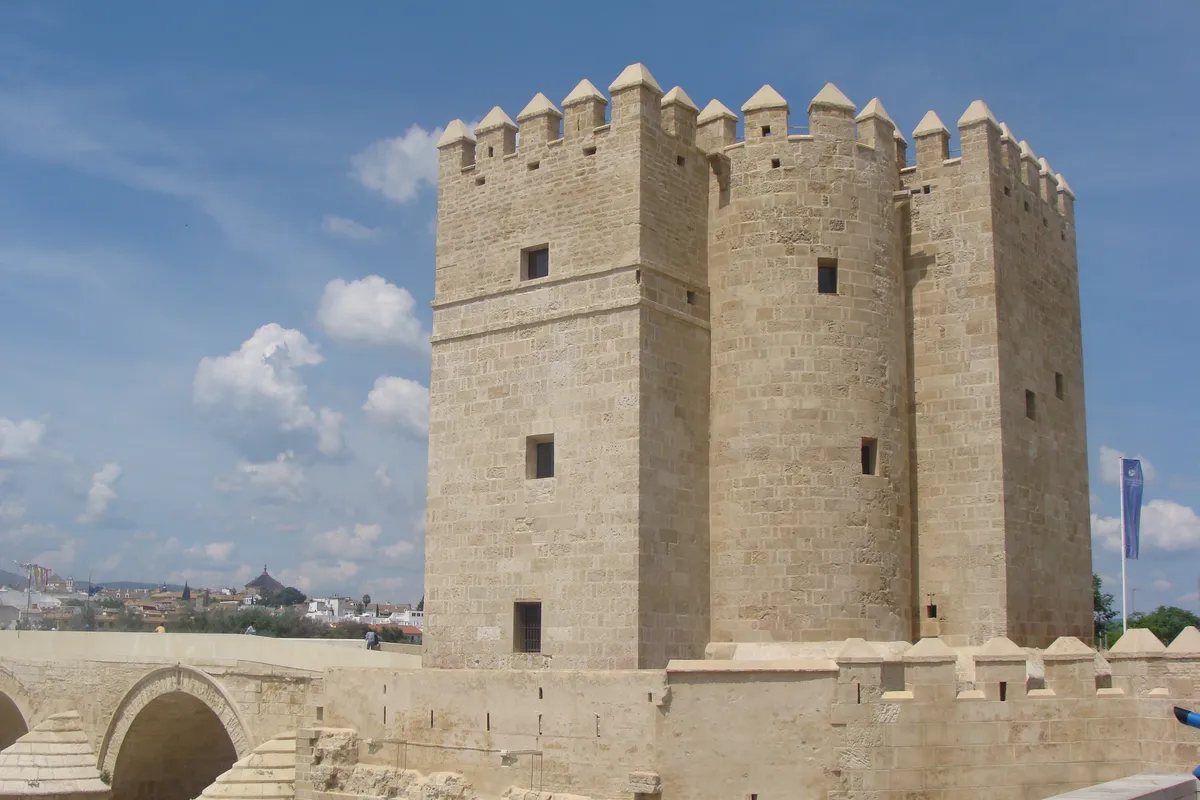
Inside the Calahorra Tower at the south end of the Roman Bridge, this 8-room museum traces Córdoba's Islamic Golden Age convivencia. Audioguide included.
Murray's 1913 work supplies the logic: the language of the game, not the paperwork, says chess is older than the earliest documents, by a century or more.[8] The essay that cites him names schools in Muslim Spain and ordinary exchanges in peaceful periods as the likely channels.
Nothing here needs a caliph's hand. The court culture of Umayyad Córdoba is well documented elsewhere on this site, from al-Hakam II's library to the musician Ziryab, and chess appears in none of those accounts.
Even the queen may be an Andalusi story. The piece began as the wazir, and whether that change happened in Al-Andalus is a question scholars leave open.[9]
Two documents, and a count called el de Córdoba
The first chess reference in a European text is not Spanish. It is a Latin poem, the Versus de scachis, in a manuscript at Einsiedeln in Switzerland, dated about 997.[1] It already has a chequerboard and a queen.
Catalonia held the title of oldest until those verses surfaced. Ara suggests they could be some 50 years older than the will,[4] though a c. 997 date against a will of 1008 to c. 1010 makes the gap nearer a decade.
The will belongs to Ermengol I, Count of Urgell. It left chess pieces to a religious house, and the sources differ only on the year, 1008[10] or around 1010.[11] National Geographic names the recipient as the monastery of Saint-Gilles in Provence, and Ara's "a convent" is consistent with that. Treat every date here as a range.
Córdoba enters through the man, not the game. Ermengol was known as "el de Córdoba", and he took part in his brother Ramon Borrell of Barcelona's 1010 expedition against Córdoba itself.[2] None of the sources here says how he came to own chess pieces, whether by raid, trade or gift.
What the will does prove is timing. By then the game was owned, valued and bequeathed in Catalonia, and Ara traces it back to Arab lands.[12]
From Córdoba's frontier to southern France
A rival legend has the caliph of Baghdad sending Charlemagne a chess set. The Cities of Light material on islamicspain.tv notes that some scholars think chess reached Europe around 1000 CE through Al-Andalus, and that the surviving set belongs to a later time.[13]
Once in the Christian kingdoms the game moved on, across them and over the border into southern France, from where northern Europe first met it.[14]
That route makes Ermengol's bequest look less odd. If National Geographic is right that the pieces went to Saint-Gilles in Provence, they were sent along the road the game itself took.
Recommended tours
Tours are selected for quality, not commission. We earn a small fee if you book — at no extra cost to you.
What Córdoba can honestly claim
The distance between the will and the Libro de los Juegos is roughly 250 years. Between 1251 and 1282 the Christian ruler of Toledo commissioned that 100-page illustrated Book of Games in Castilian.[15] By then no one needed a caliph's court to explain where the game came from.
Córdoba's honest claim is smaller than the legend. It was the cultural capital of a society that played chess, a likely gateway per National Geographic, and the city in the nickname of a Catalan count, "el de Córdoba". It is not a documented point of transmission.
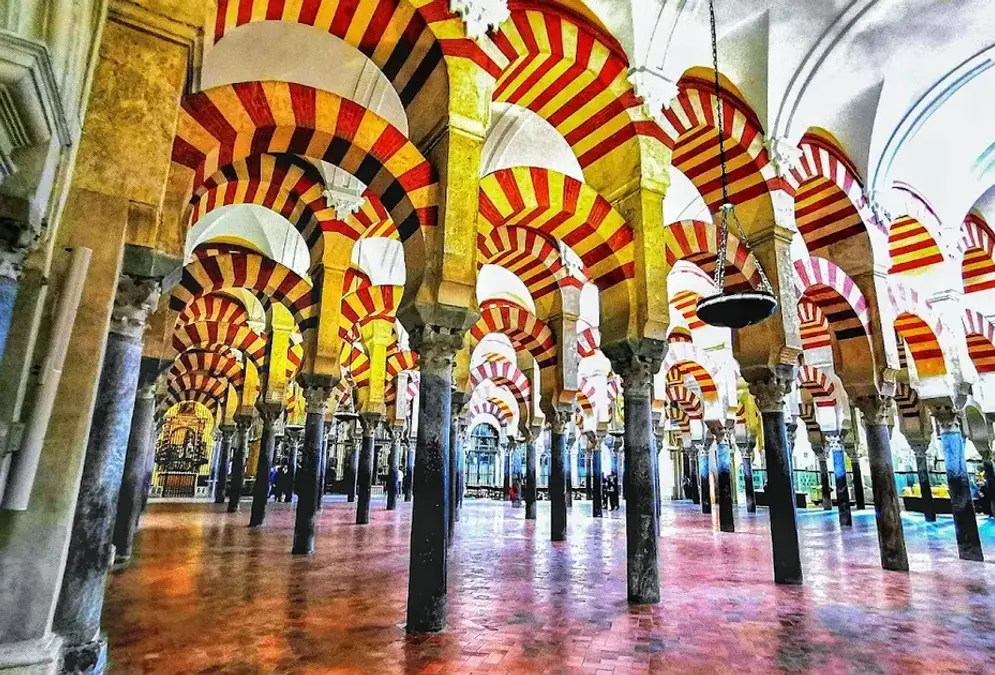
To picture that world, start at the Mezquita-Catedral, then visit Museo Vivo de Al-Andalus or Casa Andalusí for Andalusi daily life. None of them is about chess.
Deep dive · Article
Abbas Ibn Firnas: Córdoba's Polymath Who Dreamed of Flight
Abbas Ibn Firnás built lenses, glass, and astronomical tools in 9th-century Córdoba. His famed flight rests on a single account, written 750 years later.
What the evidence cannot settle is who first set a chess piece on a Christian table. The record shows a game already valued by 1010, and no name.