Articles · History
Córdoba history: from Roman Corduba to the Caliphate (Page 2)
This collection traces Córdoba from Roman Corduba through Visigothic rule to its zenith as capital of the Umayyad Caliphate, then through Christian conquest and into the modern city. It's for readers who want the events and dates behind the monuments, not just a walking route.
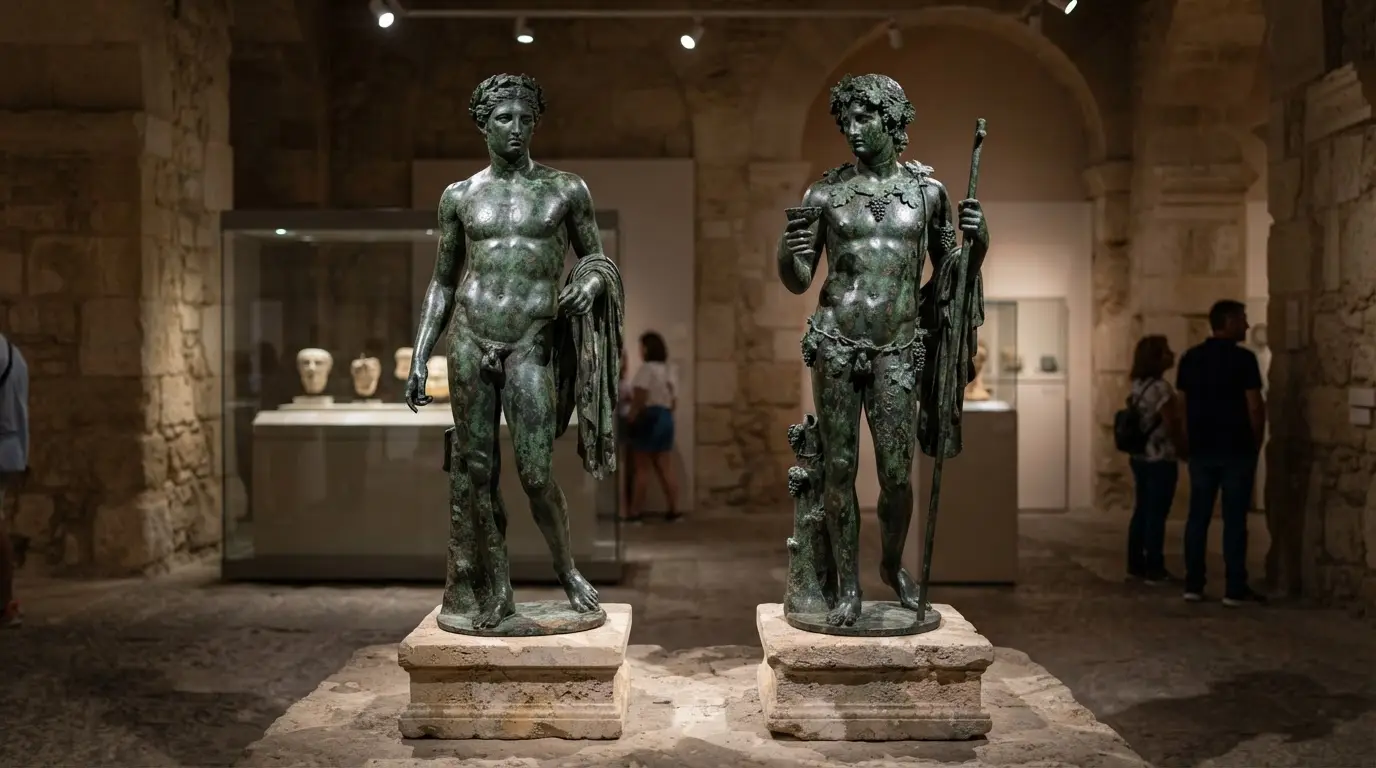
How Police Saved the Ephebes of Pedro Abad From a Black Market
Sophie Marchand
In 2012, Spanish police stopped a black-market sale of the Ephebes of Pedro Abad, rare Roman bronzes now the only such pair on display in Córdoba today.
Read
Meandro de Montoro: Córdoba's 'Andalusian Toledo' River Bend
Elena Ruiz Montoya
Córdoba's Guadalquivir wraps Montoro on three sides, a bend protected since 2011 as a Natural Monument, and the reason locals call the town 'Toledo Andaluz'.
Read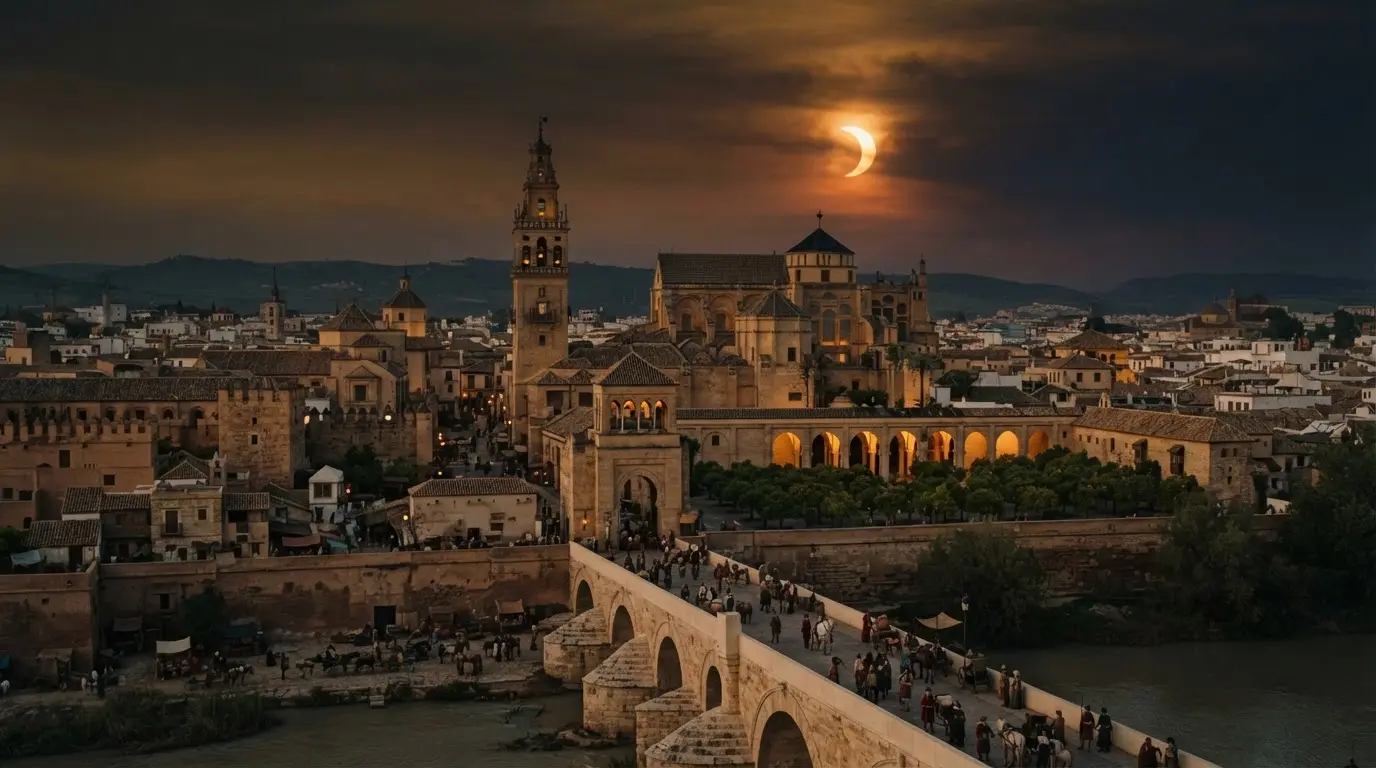
Medieval Eclipses in Córdoba: What Al-Andalus Computed
Sophie Marchand
Córdoba's medieval astronomers had the mathematics to time an eclipse precisely, yet no surviving chronicle records one actually witnessed from this city.
Read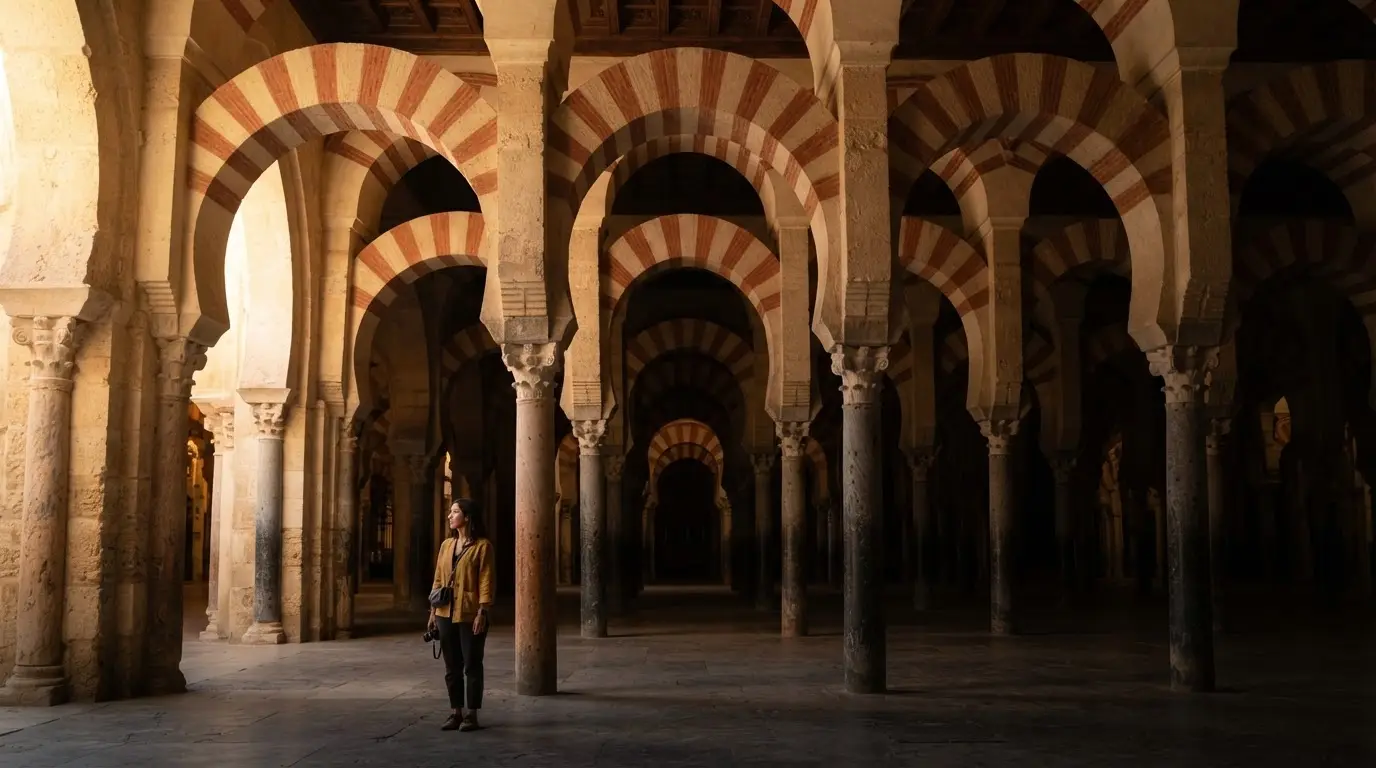
Al-Andalus Tourism Boom: What It Means for Córdoba
Sophie Marchand
Why the Al-Andalus travel segment is booming in 2026: 16 million Muslim arrivals to Southern Europe, the caliphal origin story, and what it means for Córdoba.
Read
Córdoba Paper Mill History: How Al-Andalus Made Books
Sophie Marchand Updated
How rag-paper mills reached Córdoba and al-Andalus: Xàtiva's 1056 works, the hemp-and-linen method, and the supply chain that fed al-Hakam II's copyists.
Read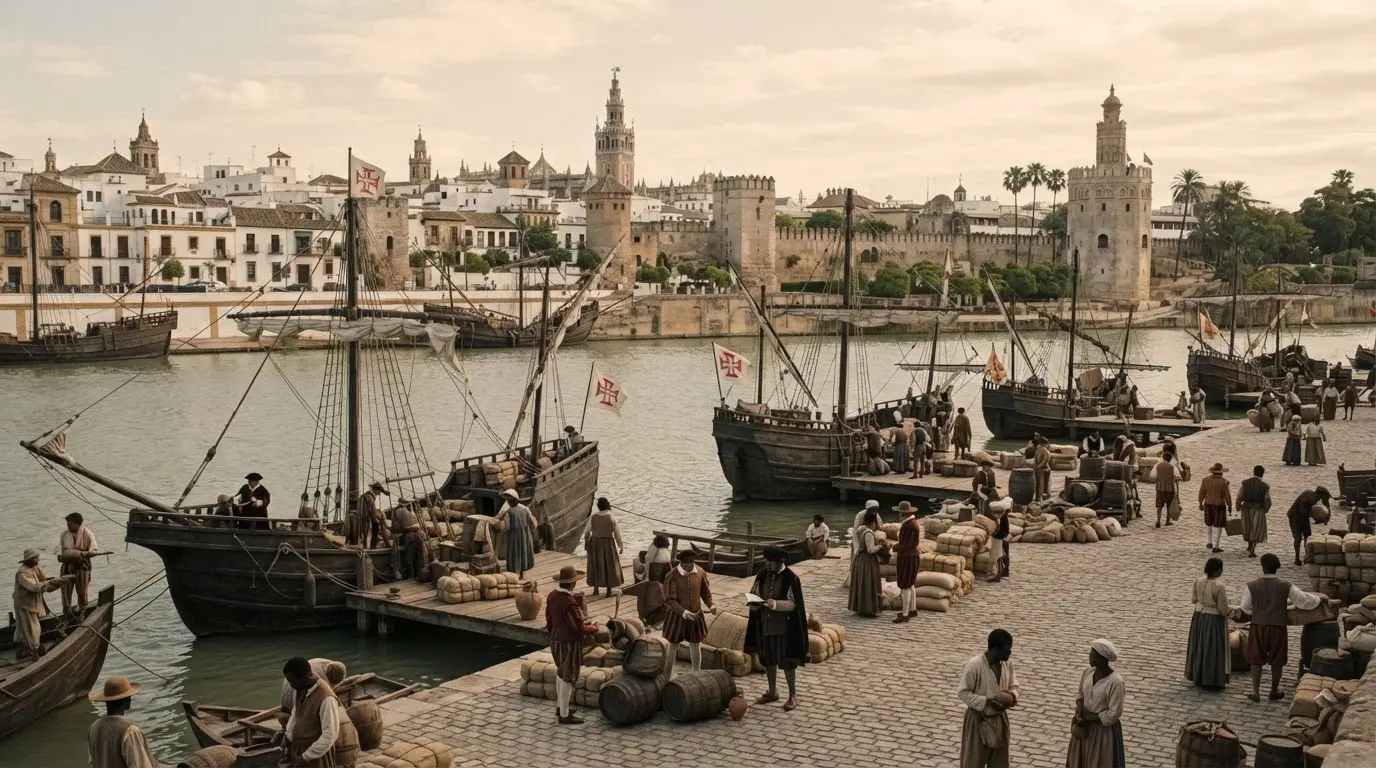
Córdoba's 16th-Century Slave Market: The Portuguese Trade
Sophie Marchand Updated
Córdoba's 16th-century slave trade sat in Seville's shadow, fed by Portuguese trading networks reaching the Guinea coast, its own record thin but real.
Read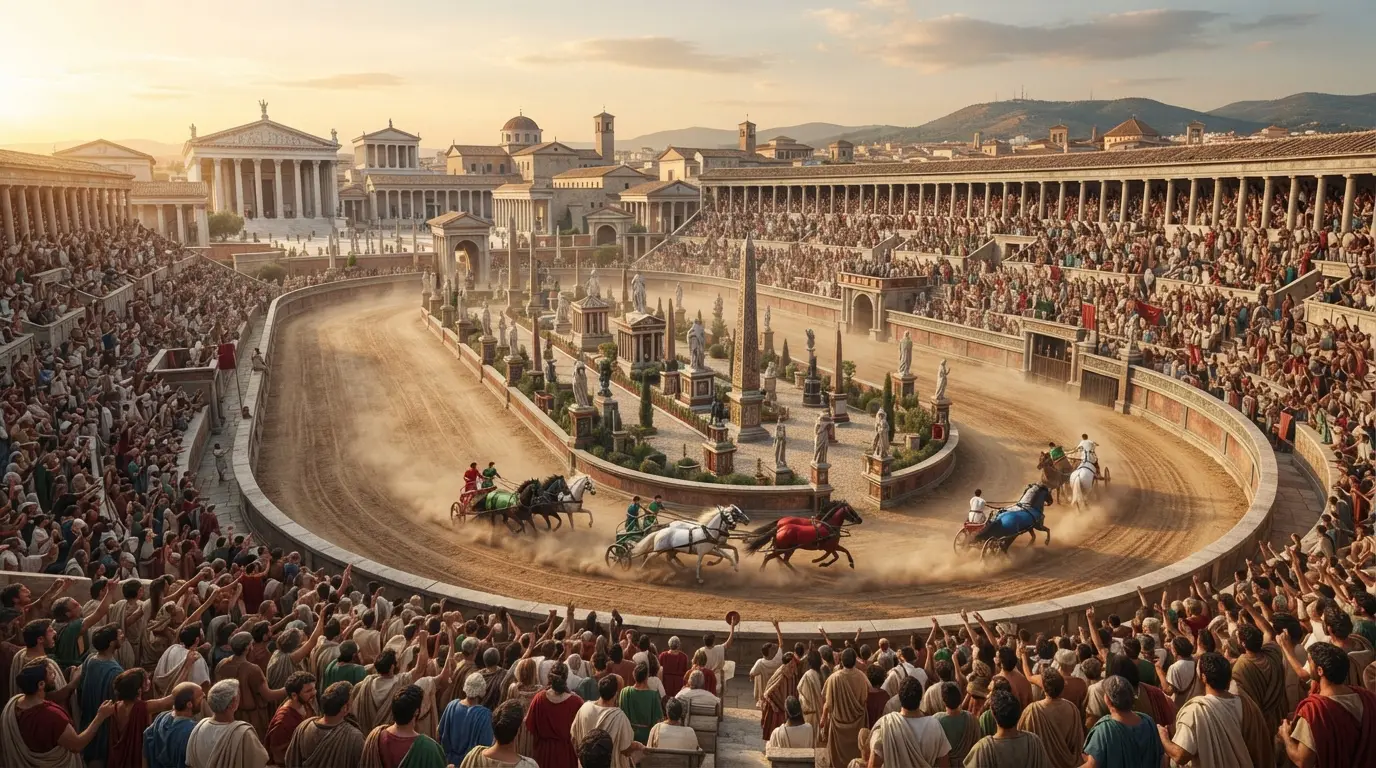
The Roman Circus of Córdoba: Chariot Races Under the Modern City
María Fernanda González Updated
Córdoba's 450-metre Roman circus held 30,000 chariot-racing fans. It lies buried beneath Plaza de la Corredera — here is where to find its surviving traces.
Read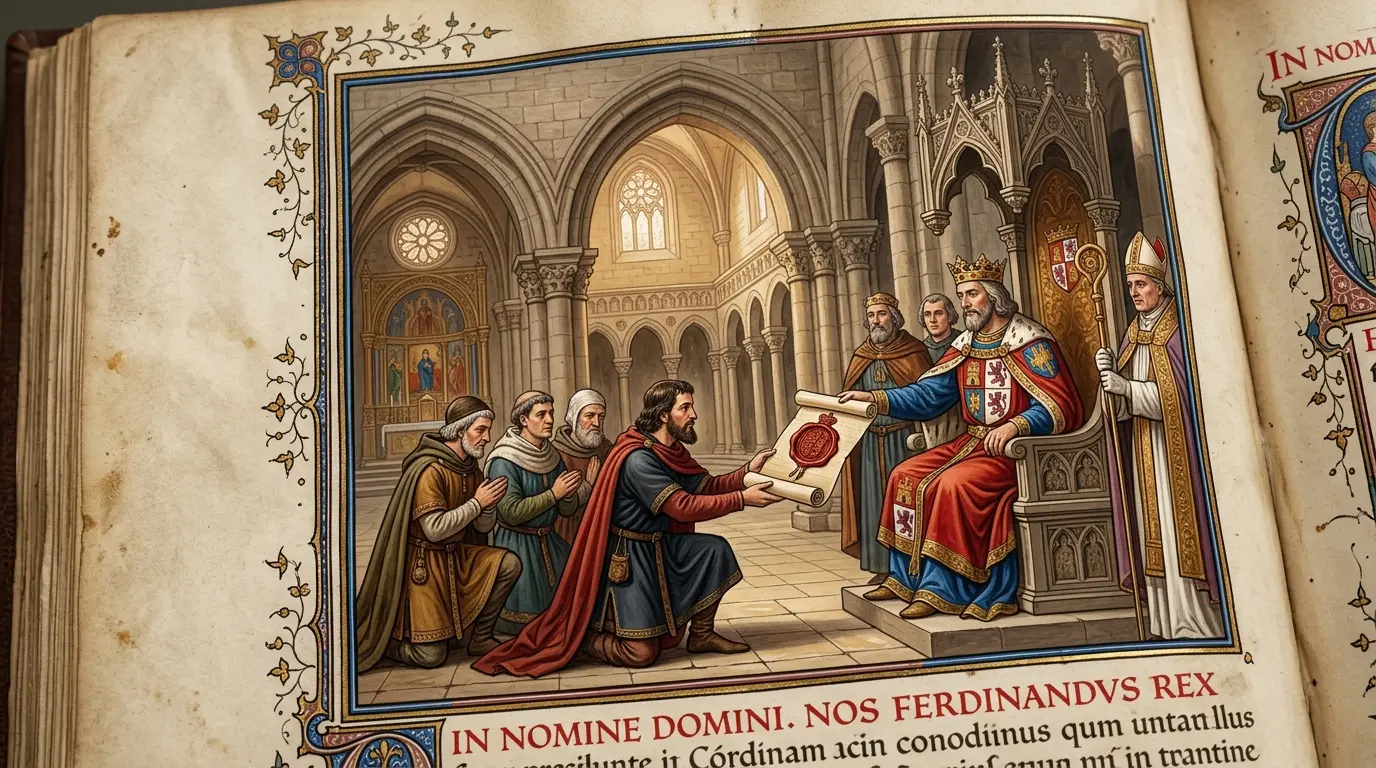
Ferdinand III's Córdoba Fuero: The Charter That Shaped the City
Sophie Marchand
Ferdinand III granted Córdoba the Fuero Juzgo on 10 March 1241 — a Visigothic code in Castilian. It created 14 parishes and governed the city 600+ years.
Read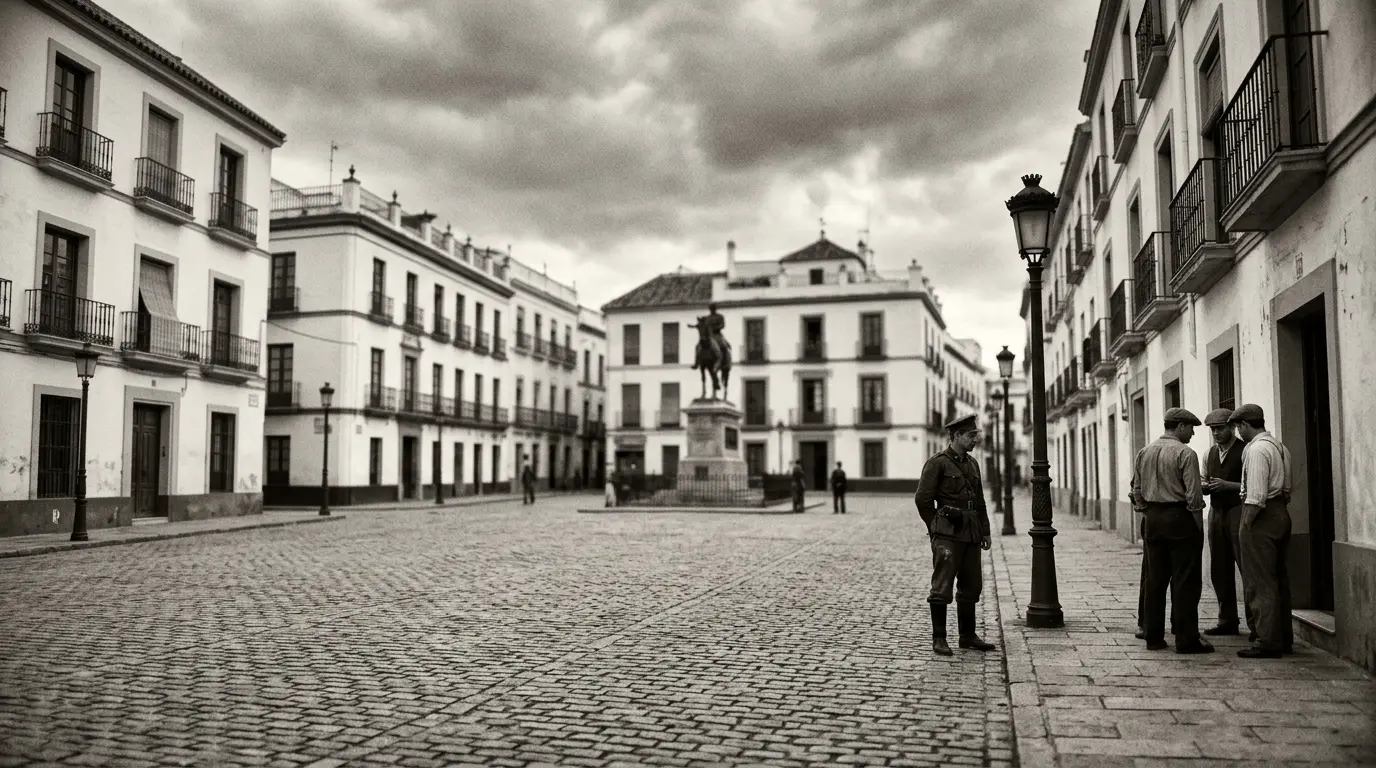
Córdoba and the Spanish Civil War: 1936 and Its Scars
Sophie Marchand Updated
On 18 July 1936, a coup plunged Córdoba into the Spanish Civil War: Plaza de las Tendillas seized, thousands executed, and a failed August counter-offensive.
Read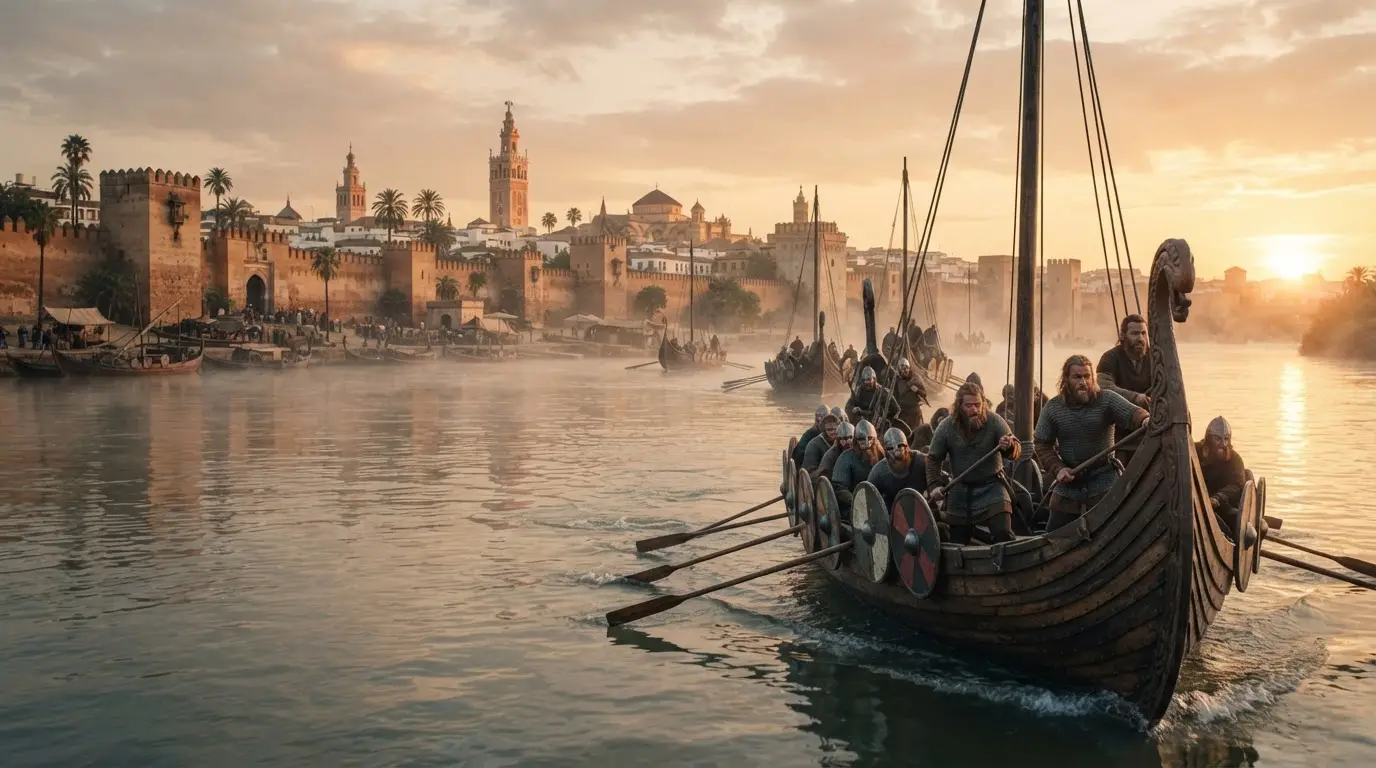
Vikings in Córdoba: the 844 raid Abd al-Rahman repelled
Sophie Marchand Updated
In 844, a Norse fleet of up to 80 ships sailed the Guadalquivir and sacked Seville. Abd al-Rahman II's response changed Andalus naval strategy for a century.
Read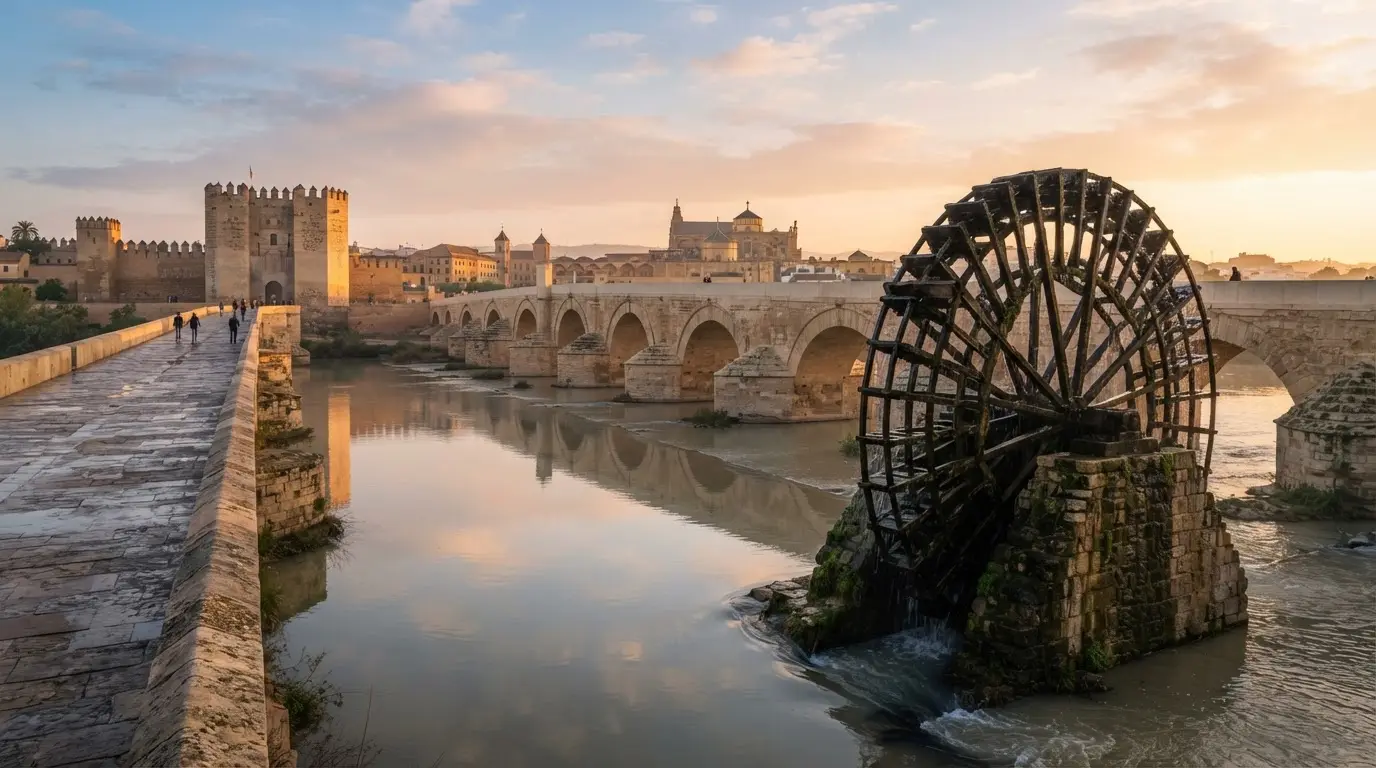
Guadalquivir Mills: Three Civilisations, One Riverbank
María Fernanda González Updated
In 1492 Isabella I ordered Córdoba's Albolafia wheel pulled down because it kept her awake. Eleven Guadalquivir mills, three civilisations, one story.
Read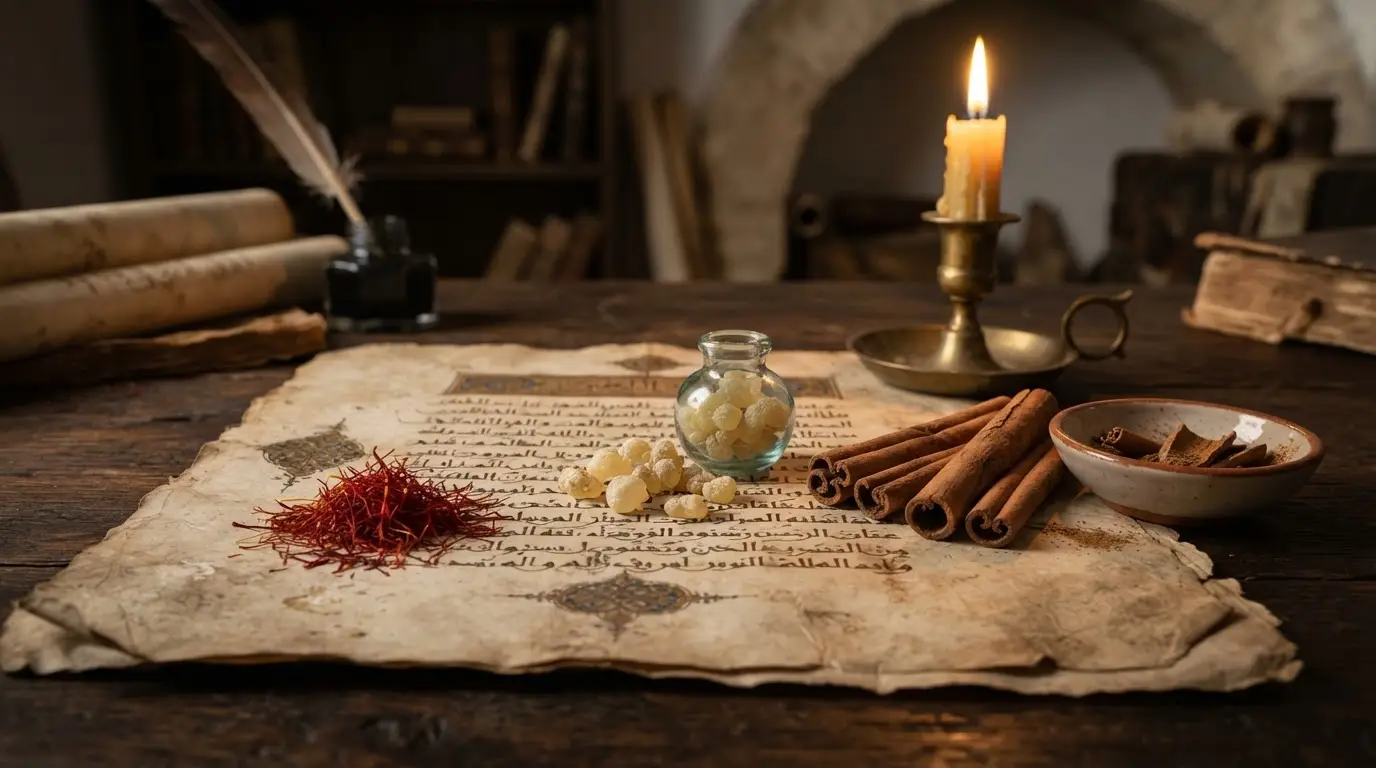
Caliphate Food in Córdoba: How Noor Rebuilt a Lost Kitchen
María Fernanda González Updated
Paco Morales spent years in medieval manuscripts before opening Noor. What caliphate food córdoba actually was — and how he rebuilt it without a single tomato.
Read