
The line that survives only in a later book
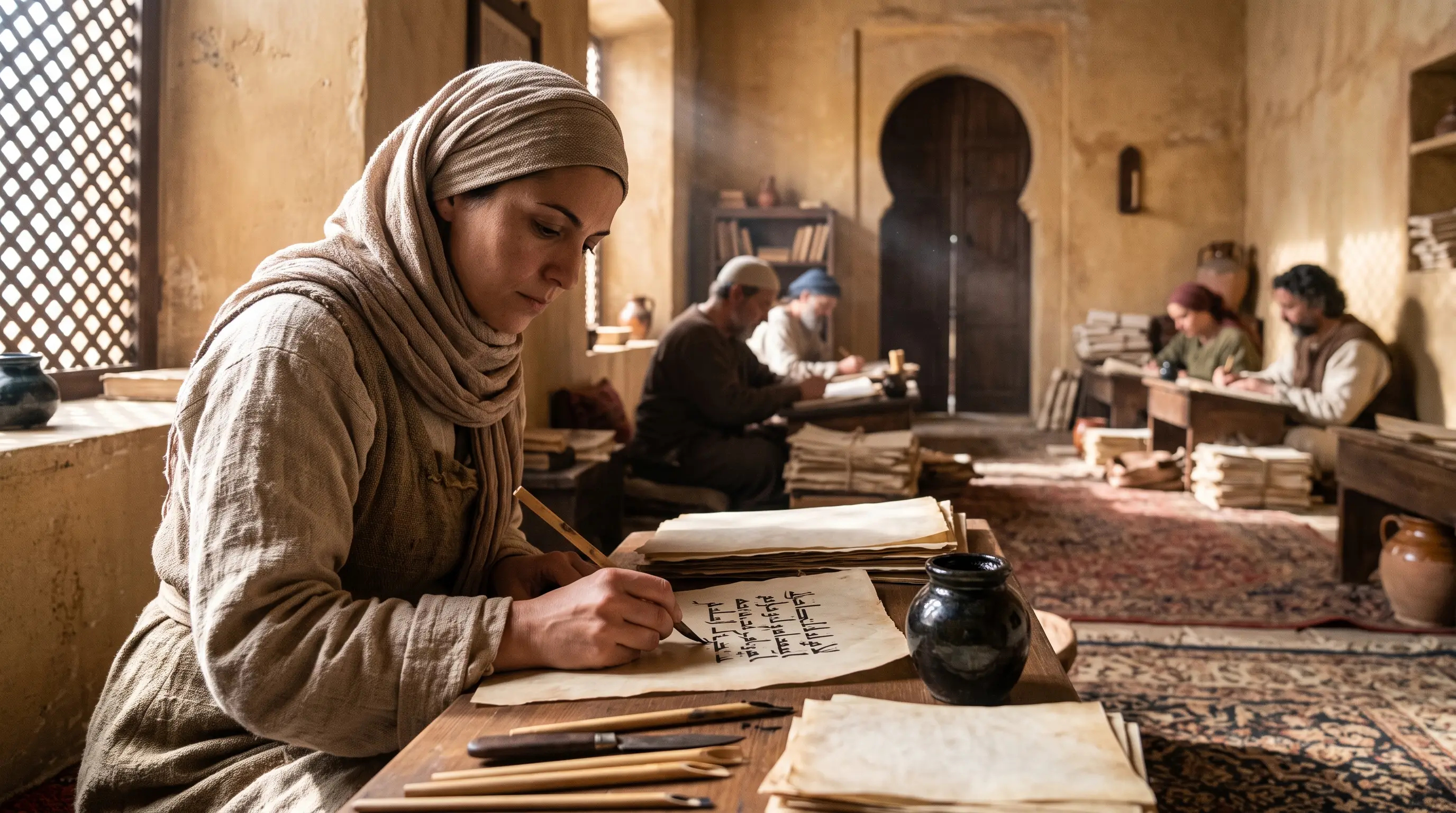
The historian Ibn Abi al-Fayyad died in 1066. Before that, says a Cambridge chapter on Qur'anic manuscripts, he reported seeing 170 women in Córdoba copying the Qur'an in Kufic script.[1] His own book is not among the sources consulted for this article. The wording reaches us through someone else.
That someone is al-Marrakushi, who died around the mid-13th century (sources give different dates), well after Ibn Abi al-Fayyad, and whose al-Mu'jib places the women in the eastern suburb (rabad) of Córdoba.[2] In our translation of the Arabic, it reads: "In the eastern suburb of Córdoba there were 170 women, all of them writing Qur'ans in Kufic script. And this is only one district; what of all its quarters?"
Read that last sentence for what it is. A rhetorical question, not a census. The chronicler counted one district and invited you to multiply, and we cannot, because nothing in the sources gives a multiplier.
The count fits the city described in Córdoba's Islamic Golden Age. Its claims are modest: one district, one script, one kind of book.
What 170 women do not prove
It does not prove a guild. No source gathered for this article uses the word, mentions pay, or names a workshop. It does not prove a 10th-century date either: Ibn Abi al-Fayyad died in 1066, so whatever he saw belongs to the 11th-century city, perhaps recalling earlier decades.
Popular summaries often say otherwise. English Wikipedia's entry on Lubna puts "more than 170 literate women" in "some suburbs" under al-Hakam II, in a sentence with a vague attribution ("Arab chronicles", tagged [which?]).[4] That version moves the count into a caliph's reign and stretches one suburb into several. The original line does neither.
So the narrow reading is the safe one. One historian, in the mid-11th century, reported 170 women copying Qur'ans in one suburb, and a later author thought the line worth repeating. That is enough to say women copied Qur'ans in Córdoba in numbers worth remarking on. It is not enough to say who trained them, who paid them, or whether they worked at home or together.
What the sources consulted do and do not give us:
Copyists, libraries and the trade behind the count
The Arabic word for the copying-and-bookselling trade is wiraqa. An Arabic-language Al Jazeera feature on its practitioners says women worked beside men in it, as copyists or as assistants.[5] The popular history site islamicspain.tv adds that women from less wealthy families were employed as copyists.[6] Treat that second claim as secondhand: the same page repeats the 170 figure.
Demand was not abstract. Rulers of Córdoba, Seville and Toledo sponsored libraries of thousands of handwritten books and kept staffs of calligraphers to copy and embellish them.[7] By the 10th century, a Cambridge chapter argues, al-Andalus had equalled and perhaps surpassed Iraq as a centre of Arabic written culture.[8] A suburb full of women copying Qur'ans is less surprising against that backdrop than on its own.
The best-known woman in this world is Lubna of Córdoba, chief secretary and copyist to Caliph al-Hakam II, for whom the city named a street in 2019.[9] Hers is a different story, a palace post rather than a suburban trade. It sets her apart from the 170 anonymous women, not among them.
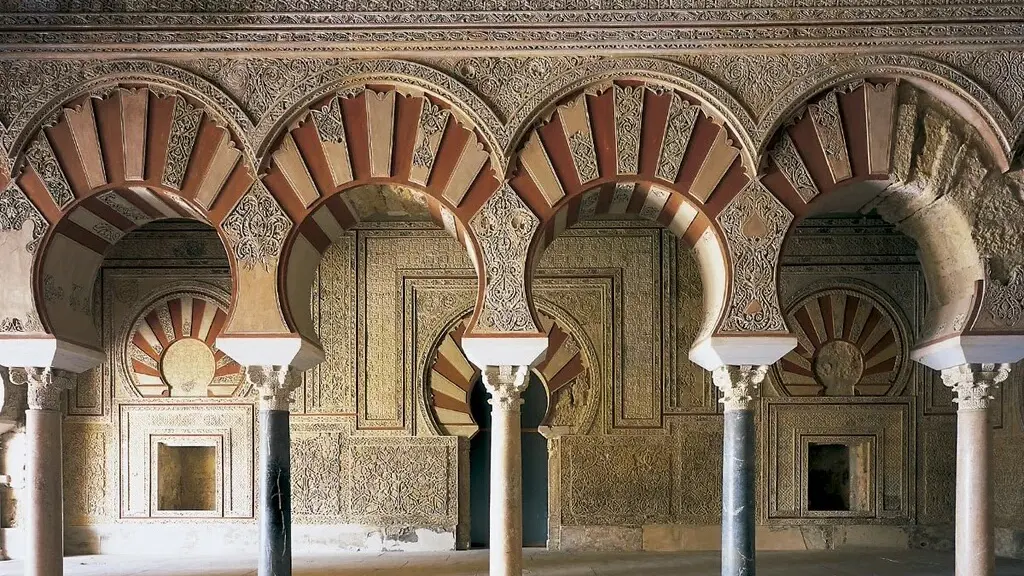
The caliph's collection has its own article, al-Hakam II's library. His dynasty's palace-city is the place to visit: Medina Azahara, which you can still walk through.
Explore nearby · Monument
Medina Azahara
Medina Azahara is Córdoba's UNESCO listed Caliphate City: a 10th century palace 8 km from town, with the Salón Rico and award-winning museum. Plan your visit.
Why the script matters to scholars
Specialists care about the script. They read Ibn Abi al-Fayyad's report as evidence that the Andalusi Kufic tradition was still being copied in the 11th century.[10]
That makes the 170 women more than a labour statistic. They were not producing a fading style, if the report is right. Whether the choice came from patrons, from the status of the Qur'an or from habit, no source used here says.
The material side of the story, from parchment to paper, belongs to papermaking arrives in Córdoba.
What is left to see in Córdoba, and what is not
No source gathered for this article names a street, workshop or building in the eastern suburb. Nothing on the ground can honestly be labelled "where the 170 worked", and any guide that does so is guessing.
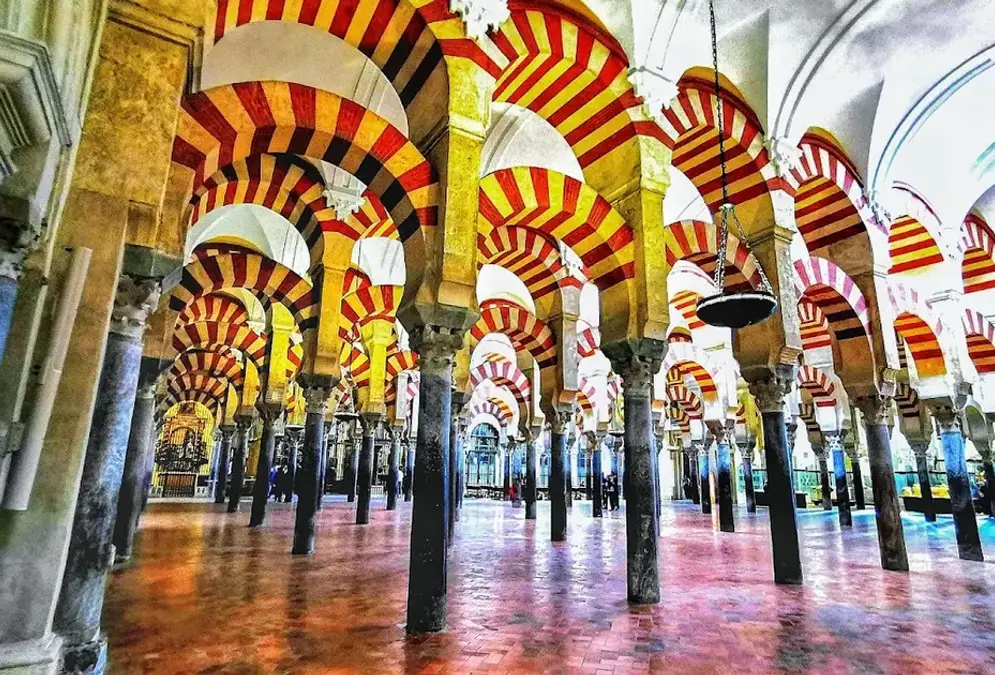
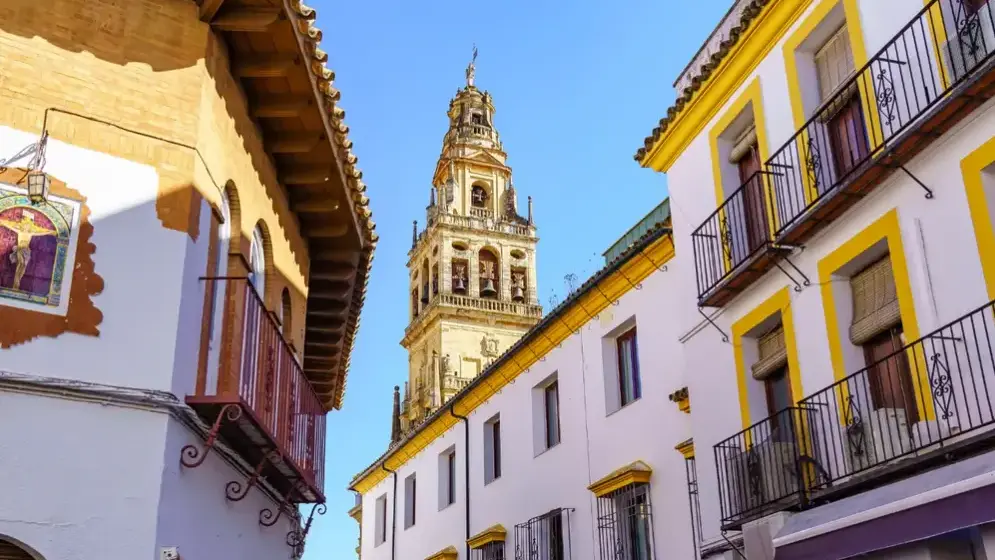
What you can do is stand inside the nearest tangible reference to the Qur'an culture the report describes. The Mezquita-Catedral is the obvious start; look at the Arabic inscriptions as you pass, and remember that the women behind this article's figure left no names there.
Deep dive · Article
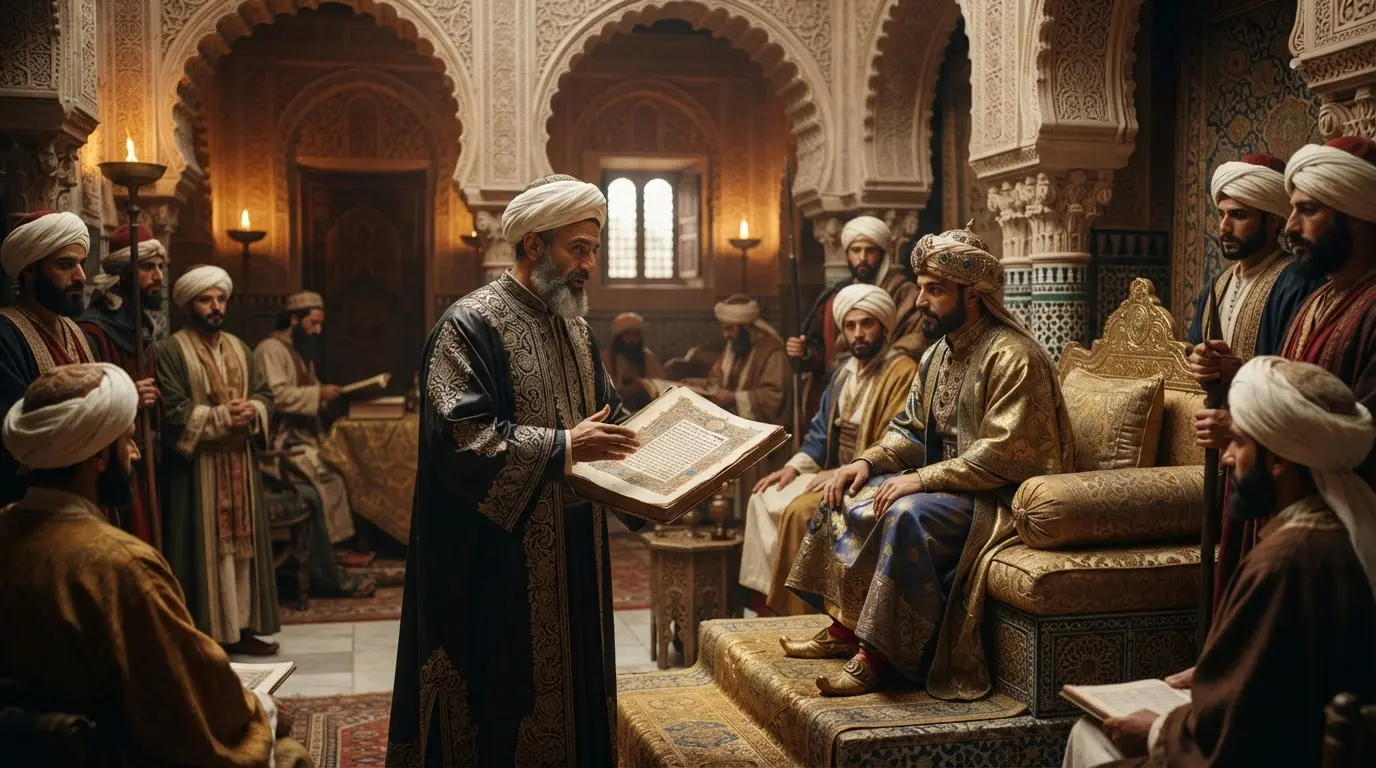
Hasdai ibn Shaprut: Córdoba's Jewish Golden Age Architect
Court physician, diplomat, and Hebrew literary patron: how Hasdai ibn Shaprut turned 10th-century Córdoba into the centre of Jewish intellectual life.
Recommended tours
Tours are selected for quality, not commission. We earn a small fee if you book — at no extra cost to you.
A name would change the picture: a colophon, a biographical entry, a signed codex. None turns up in the sources used here. For now the 170 women remain a number and a question.