Articles · History
Córdoba history: from Roman Corduba to the Caliphate (Page 3)
This collection traces Córdoba from Roman Corduba through Visigothic rule to its zenith as capital of the Umayyad Caliphate, then through Christian conquest and into the modern city. It's for readers who want the events and dates behind the monuments, not just a walking route.
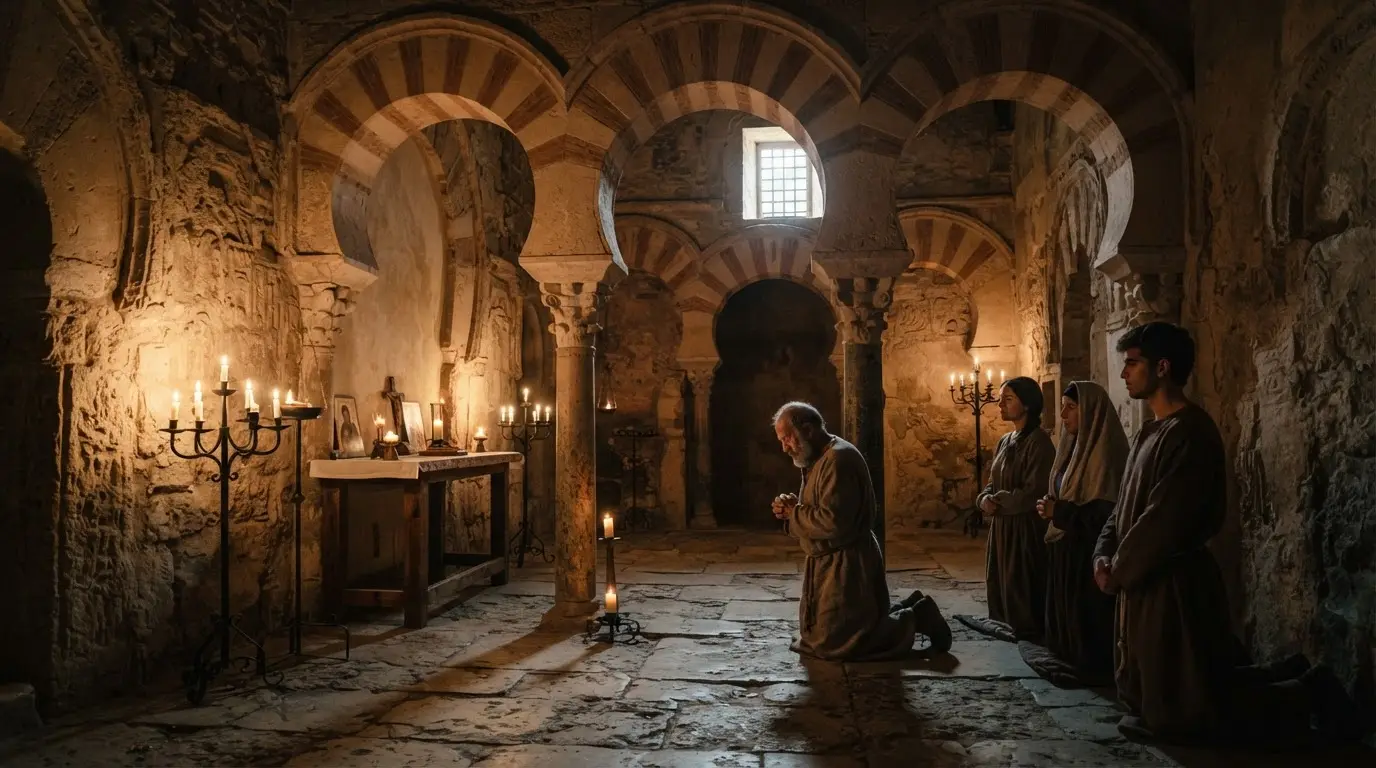
Martyrs of Córdoba: Why 48 Christians Chose Death in 850 AD
Sophie Marchand Updated
Between 850 and 859 AD, 48 Christians walked into Córdoba's courts and denounced Muhammad. Who they were, why they did it, and what split their own community.
Read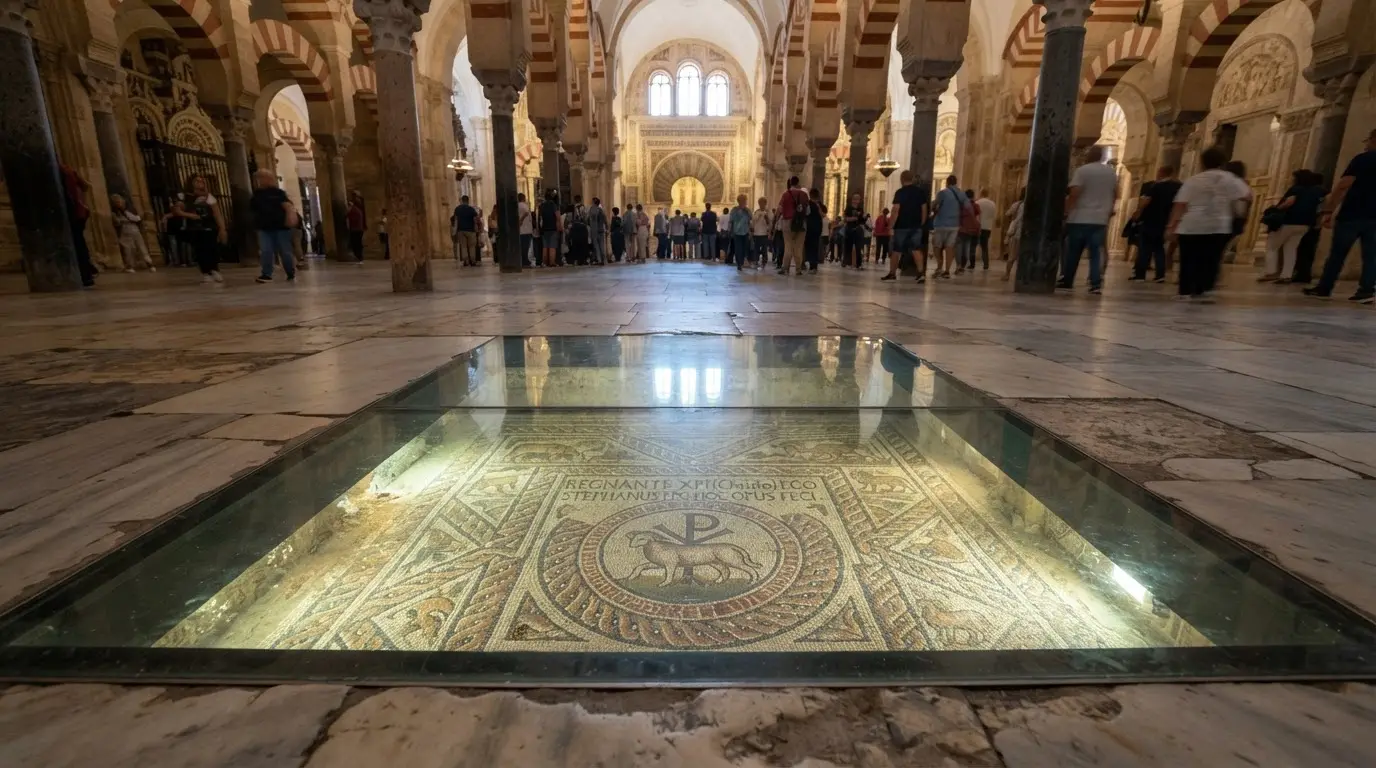
Visigothic Córdoba: What Stood on the Mezquita Site Before 785
Sophie Marchand Updated
What stood on the Mezquita site before 785? Roman Corduba, Visigothic bishops, and a contested basilica: the archaeology of pre-Islamic Córdoba explained.
Read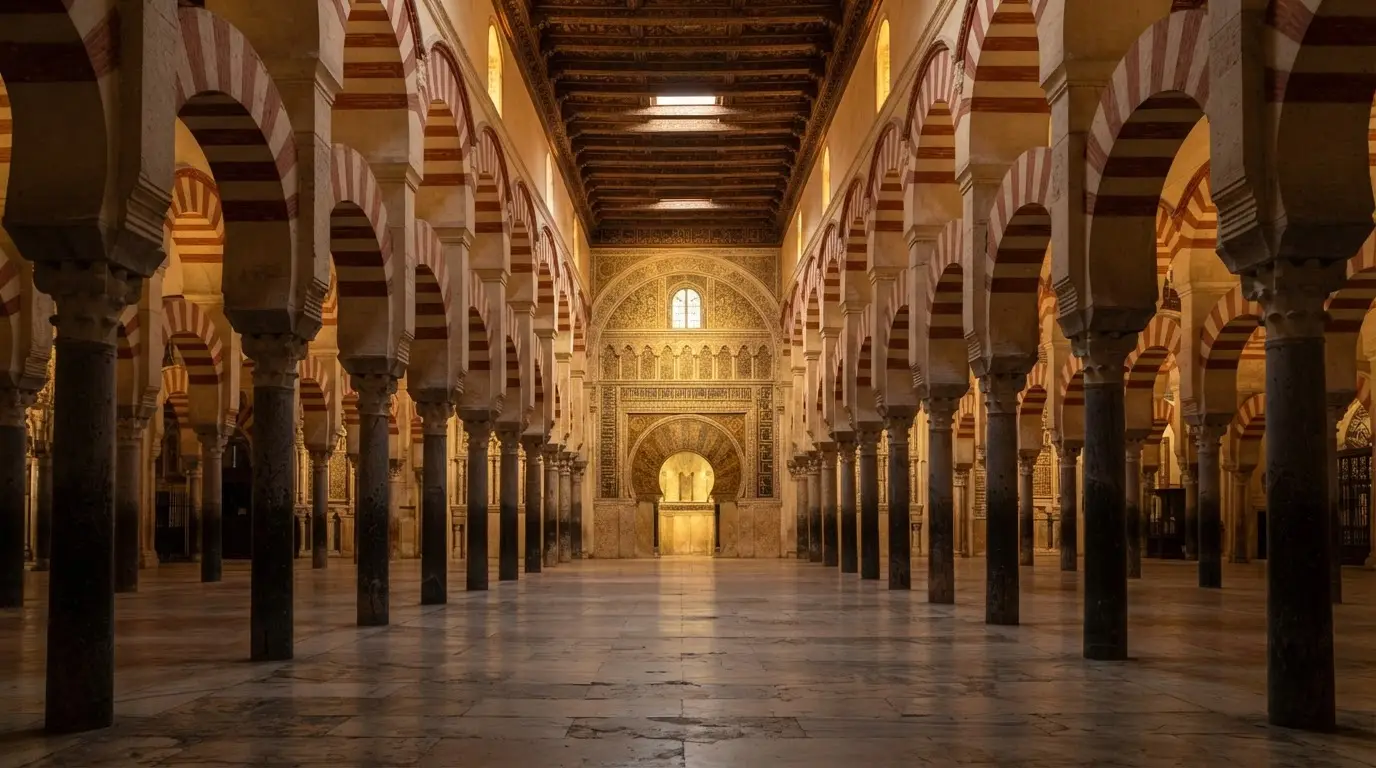
The Mezquita the Church Owns — and Muslims Can't Pray In
Sophie Marchand Updated
The Mezquita prayer ban dates to 2003, when Muslims were reportedly ejected mid-prayer. The Church registered it for a fee in 2006. Naming remains disputed.
Read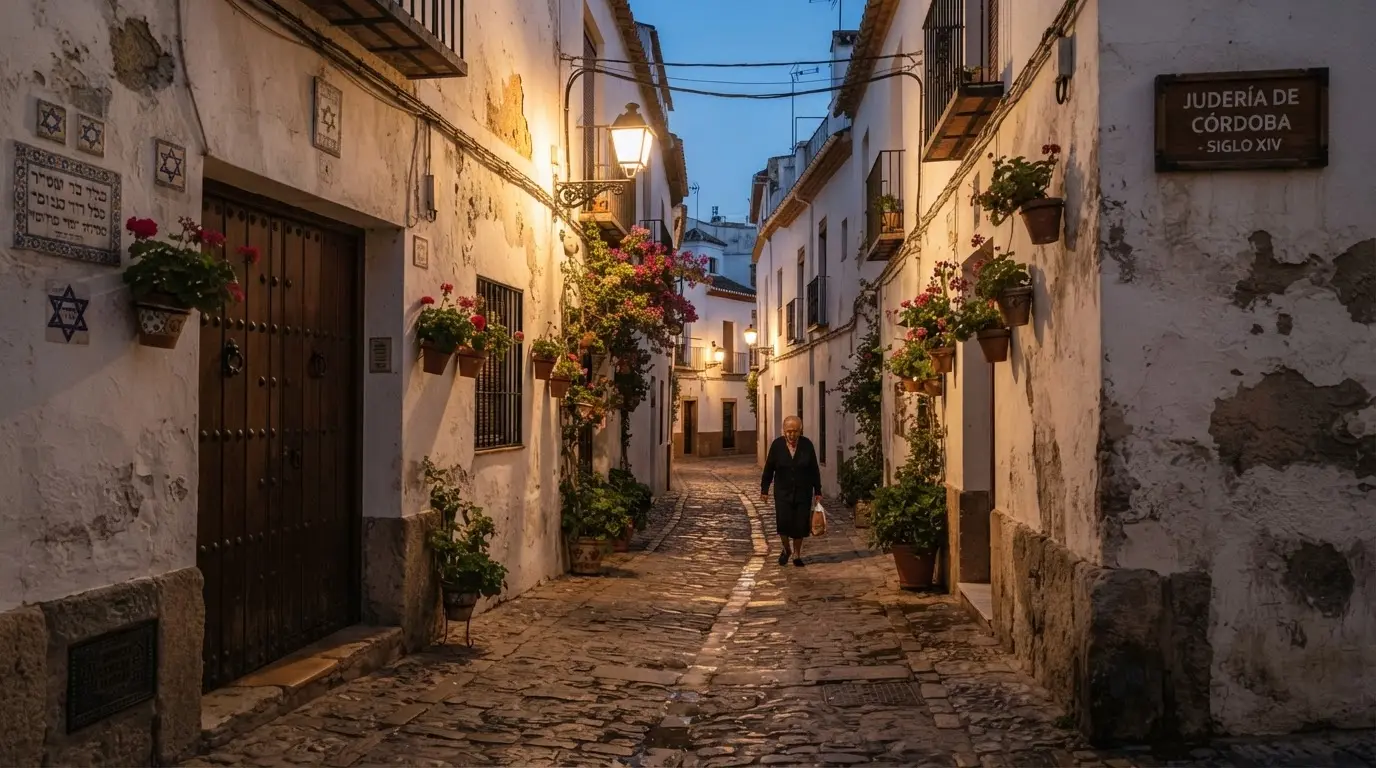
The 1391 Pogrom That Emptied Córdoba's Judería
Sophie Marchand Updated
In summer 1391, pogroms swept Córdoba's Jewish quarter. Forced conversions created the converso class and set the preconditions for the 1492 expulsion.
Read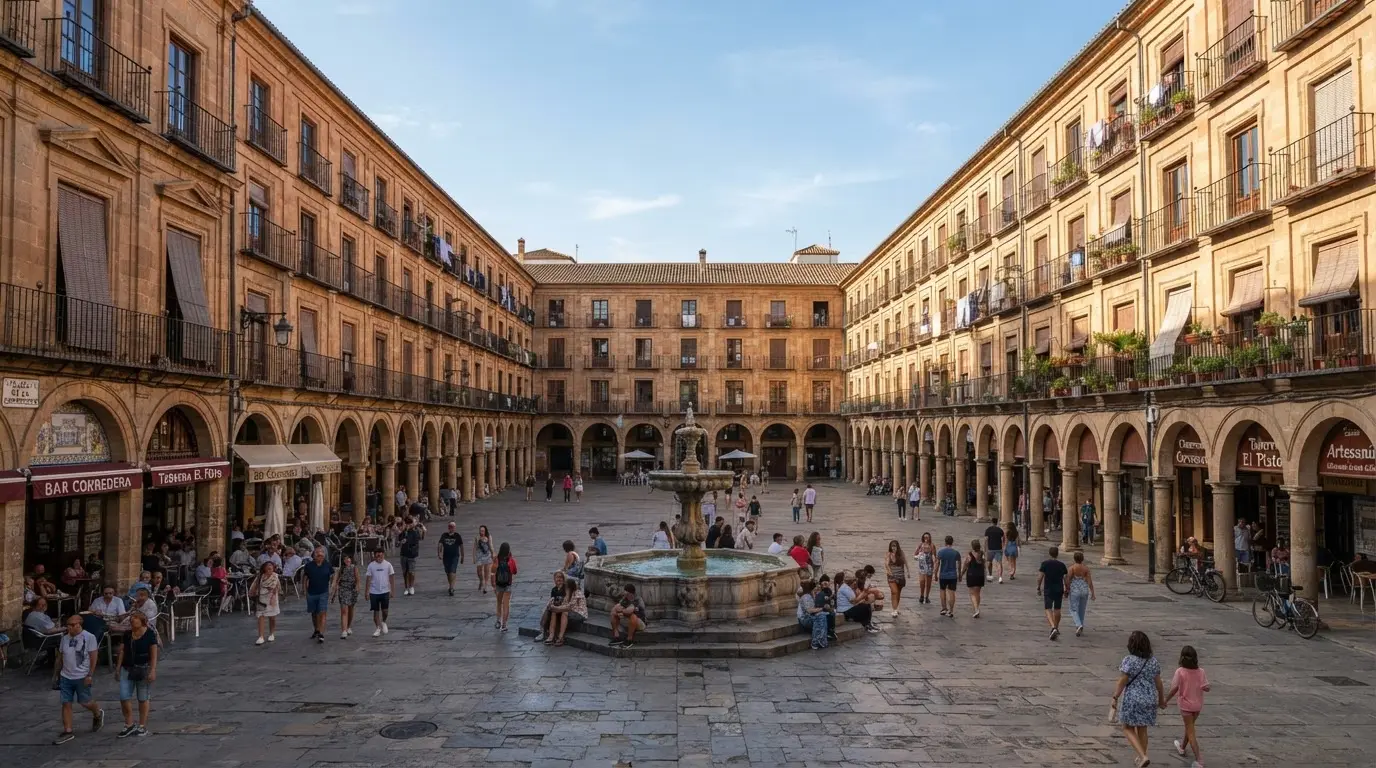
Plaza de la Corredera: Córdoba's Rectangle With Roman Roots
María Fernanda González Updated
Córdoba's only Castilian arcaded square was built in 1683. Roman mosaics found beneath it in 1959 are now in the Alcázar's Hall of Mosaics. Food market daily.
Read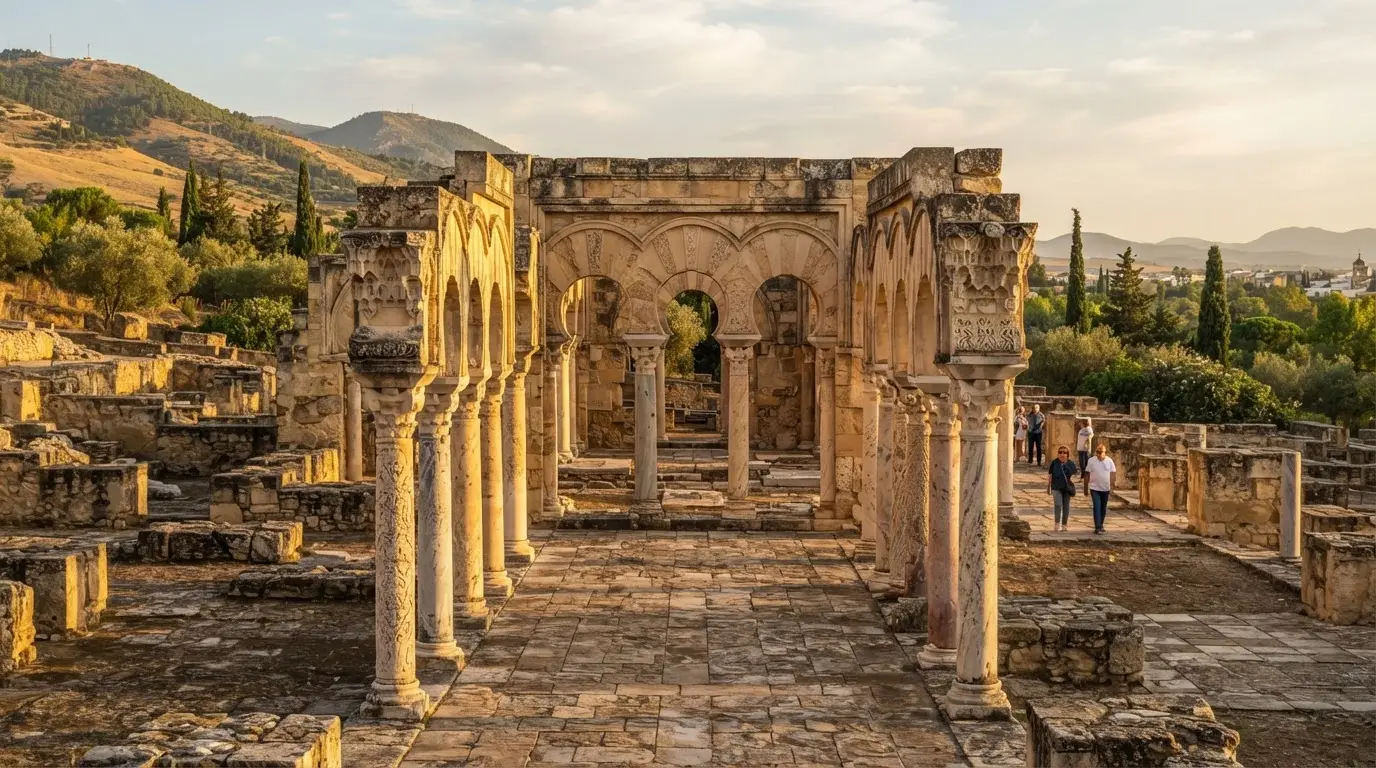
Fall of the Córdoba Caliphate: How a Civil War Ended It
Sophie Marchand Updated
The Cordoba Caliphate fell when a 1009-1013 siege and civil war destroyed the city, ending Umayyad rule and burning the palace-city of Medina Azahara.
Read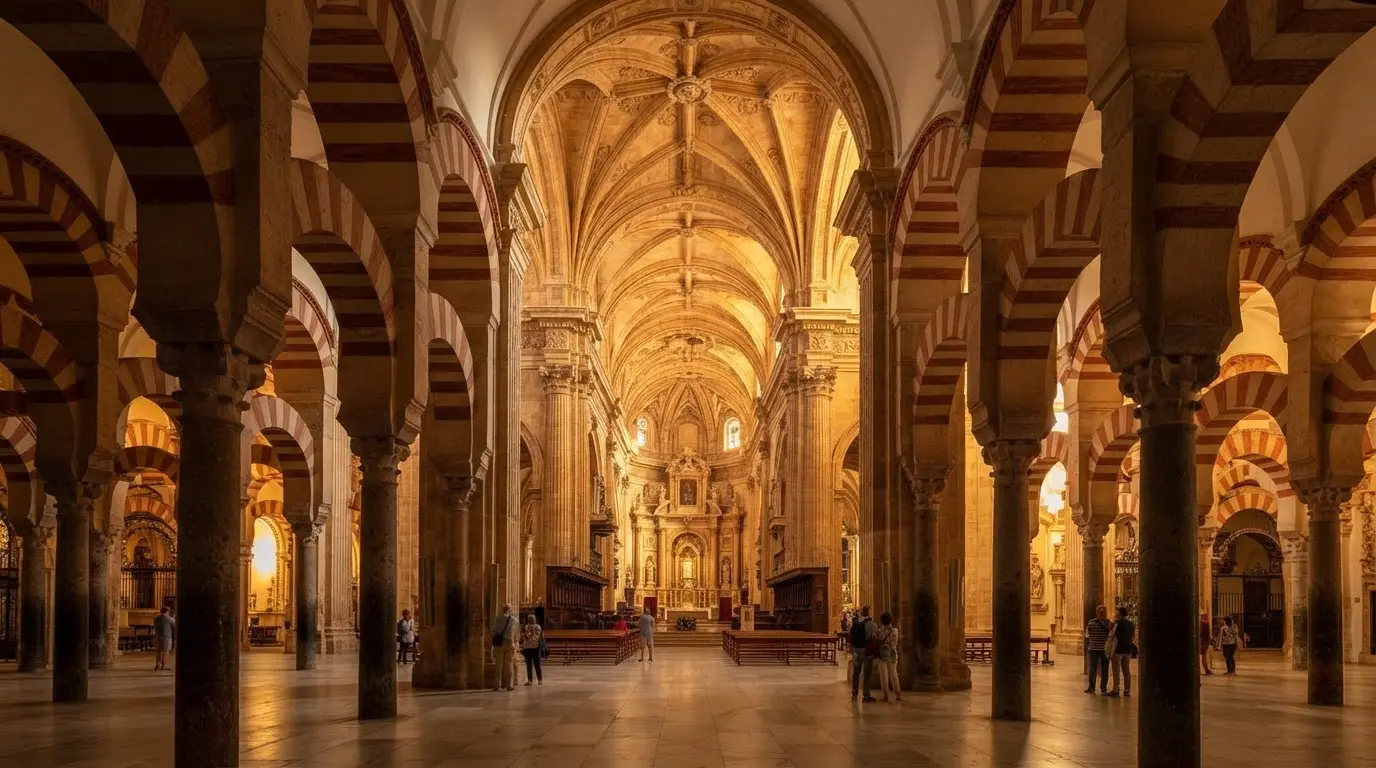
What Charles V Regretted About the Mezquita He Approved
Sophie Marchand Updated
Charles V approved inserting a Renaissance nave into Córdoba's Great Mosque in 1523, overriding local opposition. His alleged regret may be apocryphal.
Read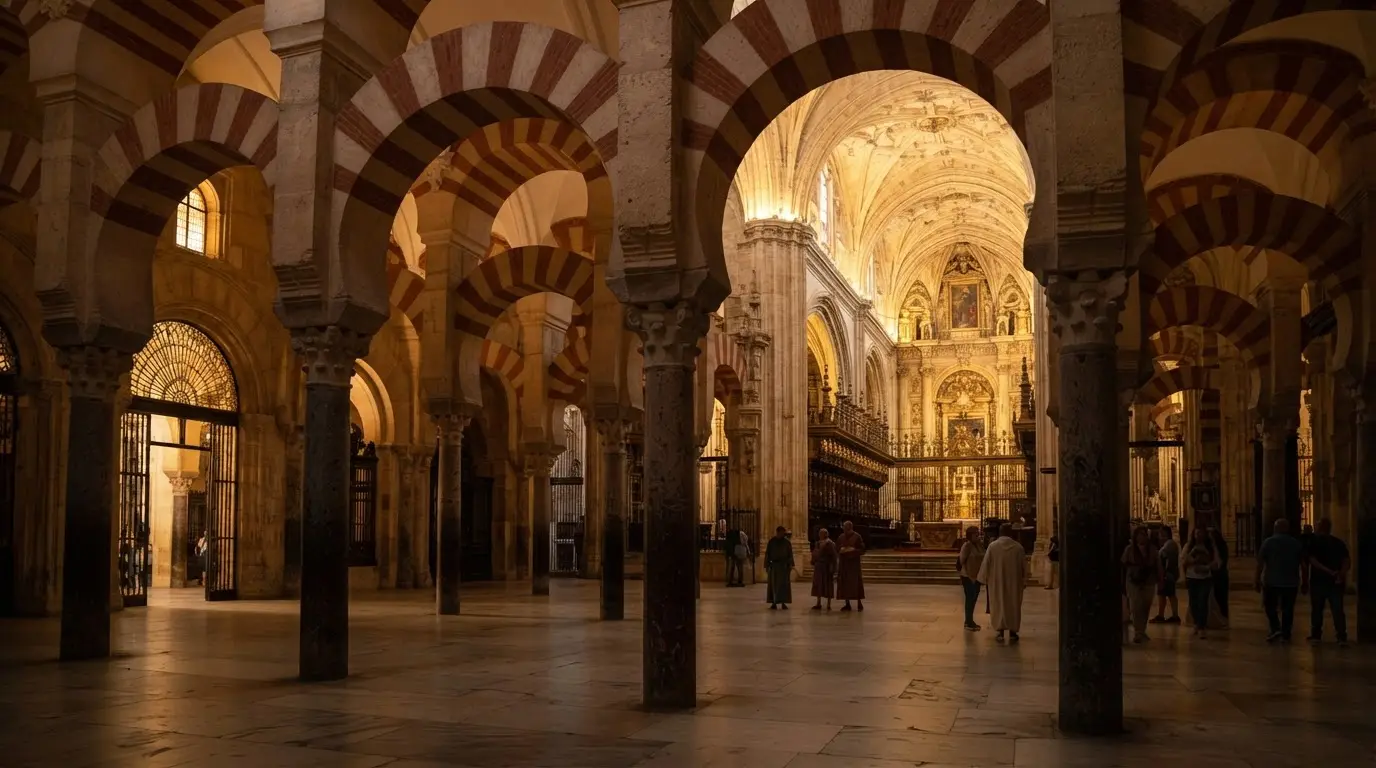
Convivencia: The Story Córdoba Tells About Itself
Sophie Marchand Updated
Convivencia, the interfaith harmony idea tied to medieval Córdoba, was coined in 1948. What the actual history shows is more complex and more interesting.
Read