Why Anyone Was Looking Here at All
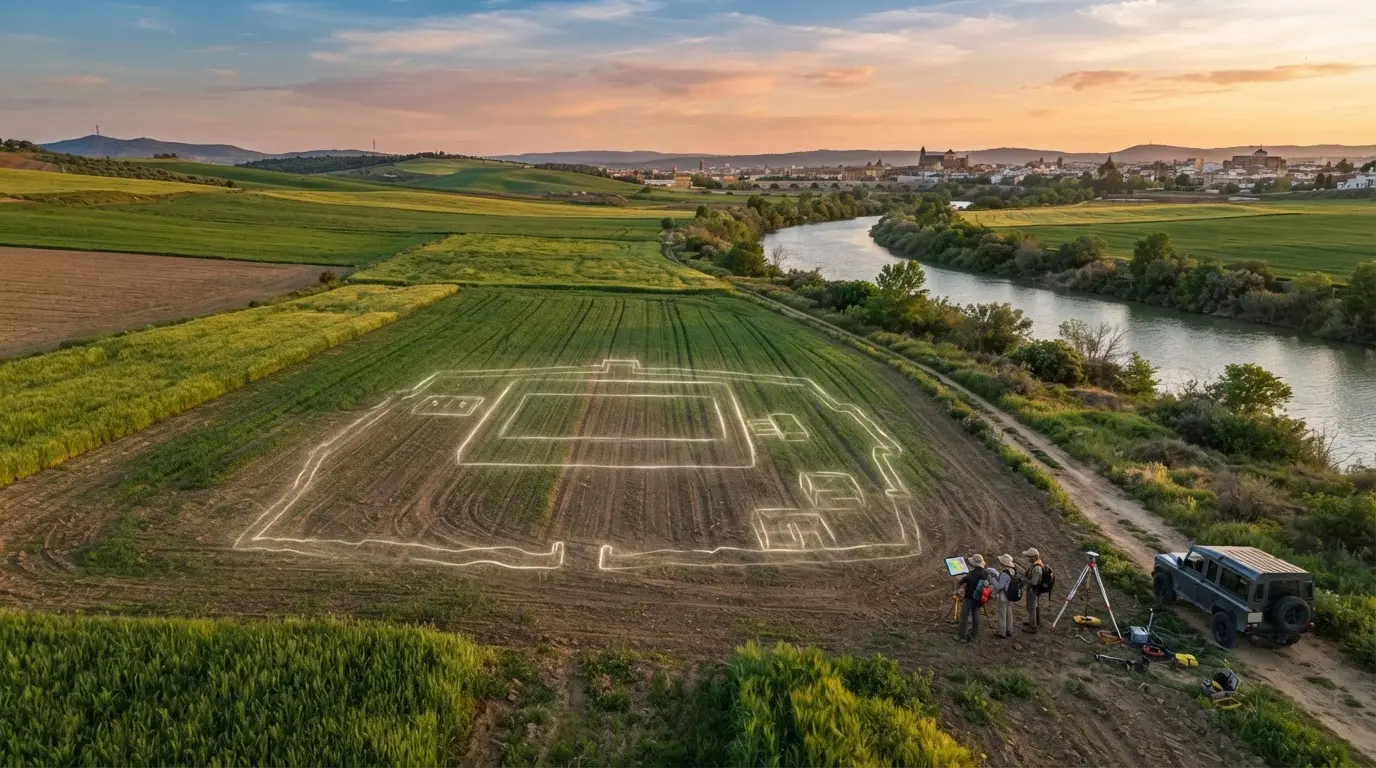
In spring 2024, the development company Altanea applied to Córdoba's Gerencia Municipal de Urbanismo for permits to build a riverside campsite on the Guadalquivir's bank.[2] Before any groundbreaking, the city's own Archaeology Service required a preventive study, standard practice in a city where new construction keeps running into the old kind.
Córdoba's development permits have a habit of turning into archaeology assignments. City hall's own renovation once ran into the Roman temple discovered beneath Córdoba's city hall, found by workers who weren't looking for one. Altanea's campsite plan got the same treatment: hire an archaeological firm, survey the ground, and see what turns up before pouring concrete.
What the Magnetic Survey Actually Found
The prospection detected a wide section of buried foundations that, in the surveyors' own description, could have marked the course of a defensive wall. Outside that presumed wall line, the same scan also picked up the remains of a large building and a prehistoric street running toward what might have been a city gate.[3]
None of it has been excavated. What exists so far is a map of magnetic anomalies, not an object anyone has touched. Ground-penetrating and magnetic-prospection surveys show a company where to dig; they don't confirm what's actually down there until someone does. The wall language in the initial report is itself hedged: could have marked, not is.
Not a visitable site
This isn't an excavated ruin with a ticket booth. The find sits on private land undergoing a preventive archaeological review tied to a pending campsite permit, with no public access, marked trail, or visiting information — and no sign that will change soon.
A Report That Took Over a Year to Surface
Behind the wall foundations is a paper trail with a gap of over a year. The Córdoba firm Arqueobética, hired to handle Altanea's preventive study, subcontracted the actual magnetic prospection to CM Prospections, whose report was drafted in May 2025.[1] The findings didn't reach the public until cordopolis reported them in early September 2026.
That lag isn't unusual for preventive archaeology, where a report can sit inside a municipal file until someone requests it or a journalist goes looking. Nothing else has surfaced yet: no peer-reviewed publication, no statement from the Junta de Andalucía's Delegación de Cultura, nothing beyond the original account of what the prospection turned up.
Explore nearby · Museum
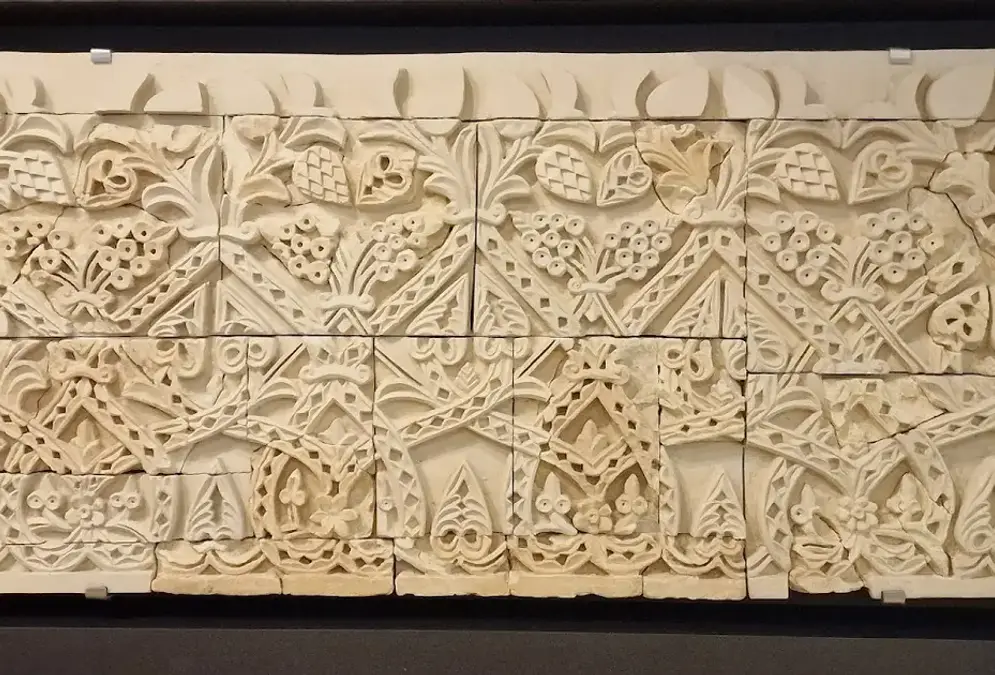
Museo Arqueológico de Córdoba
33,500 pieces in a Renaissance palace built over a Roman theatre: mosaics, Iberian sculpture, Caliphal ceramics. Free for EU citizens. Closed Mondays.
What's Actually New, and What Isn't
Pre-Roman Córdoba is not the discovery here. Archaeologists have long placed a Turdetani settlement on the Colina de los Quemados, today's Parque Cruz Conde, which was already "a well-organized urban entity, quite possibly walled" by the Orientalizing period of the 7th–6th centuries BC.[4] That's the established baseline this new find gets measured against, not replaces. That same hillside later yielded a very different kind of evidence: a radiocarbon-dated elephant bone linked to Second Punic War military activity, excavated in 2020 during hospital construction work nearby.
When Rome did arrive, it didn't erase what was there. The Roman consul who founded Corduba built the new city directly facing the earlier settlement, alongside it rather than on top of it.[5] The two Córdobas overlapped in geography for a stretch before the Turdetani town faded from use.
The traditional founding date is 169 BC, credited to the consul Marcus Claudius Marcellus, though the date itself is disputed, with some accounts placing it as late as 152 BC.[6] Either way, Roman Corduba held the ground for more than a century before Julius Caesar's forces besieged the city during the civil war that followed Pompey's defeat. Outside the city, the Ategua oppidum keeps pre-Roman defences in open country and fell to Caesar in 45 BCE.
A Decision Nobody Has Made Yet
As of September 2026, nobody with the authority to decide has said anything in public. Neither the Junta de Andalucía's Delegación de Cultura nor Córdoba's Municipal Archaeology Service has announced how the find affects Altanea's campsite plans. There is no protection order on record, no confirmation that further excavation is planned, and no sign the construction project has been shelved or cleared to proceed.
For a longer view of what pre-Roman and Roman Córdoba actually looked like before any of this turned up, Córdoba before the Mezquita covers the layers this new site would add to, if the decision ever comes. Until then, a stretch of wall foundations sits on a riverbank nobody can visit, waiting on a call nobody has made.
Deep dive · Article
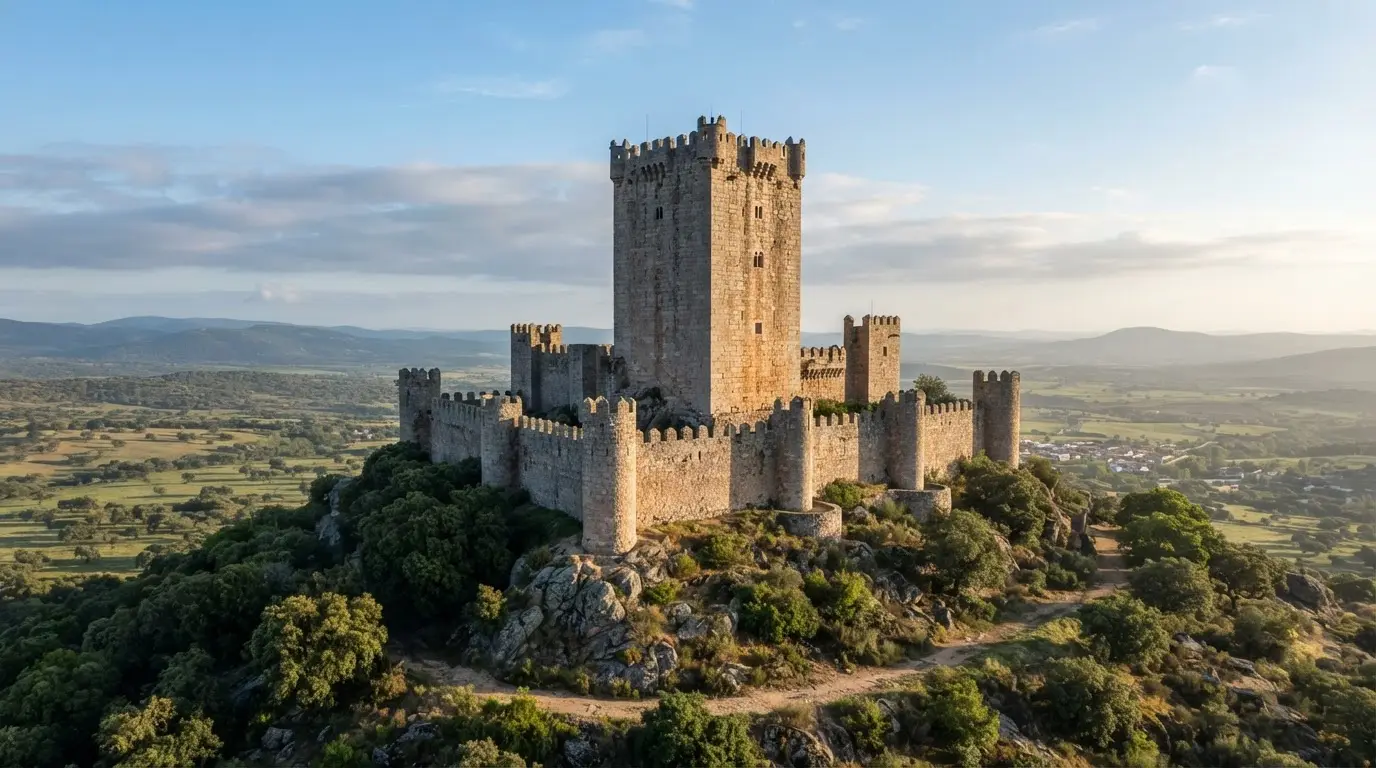
47 Metres Tall and Almost Unknown: Spain's Tallest Keep
Belalcázar Castle's 47 m keep is listed by the Junta de Andalucía as Spain's tallest. How it grew, what to see inside and how to book the free guided visit.
Recommended tours
Tours are selected for quality, not commission. We earn a small fee if you book — at no extra cost to you.