Articles · History
Córdoba history: from Roman Corduba to the Caliphate (Page 4)
This collection traces Córdoba from Roman Corduba through Visigothic rule to its zenith as capital of the Umayyad Caliphate, then through Christian conquest and into the modern city. It's for readers who want the events and dates behind the monuments, not just a walking route.
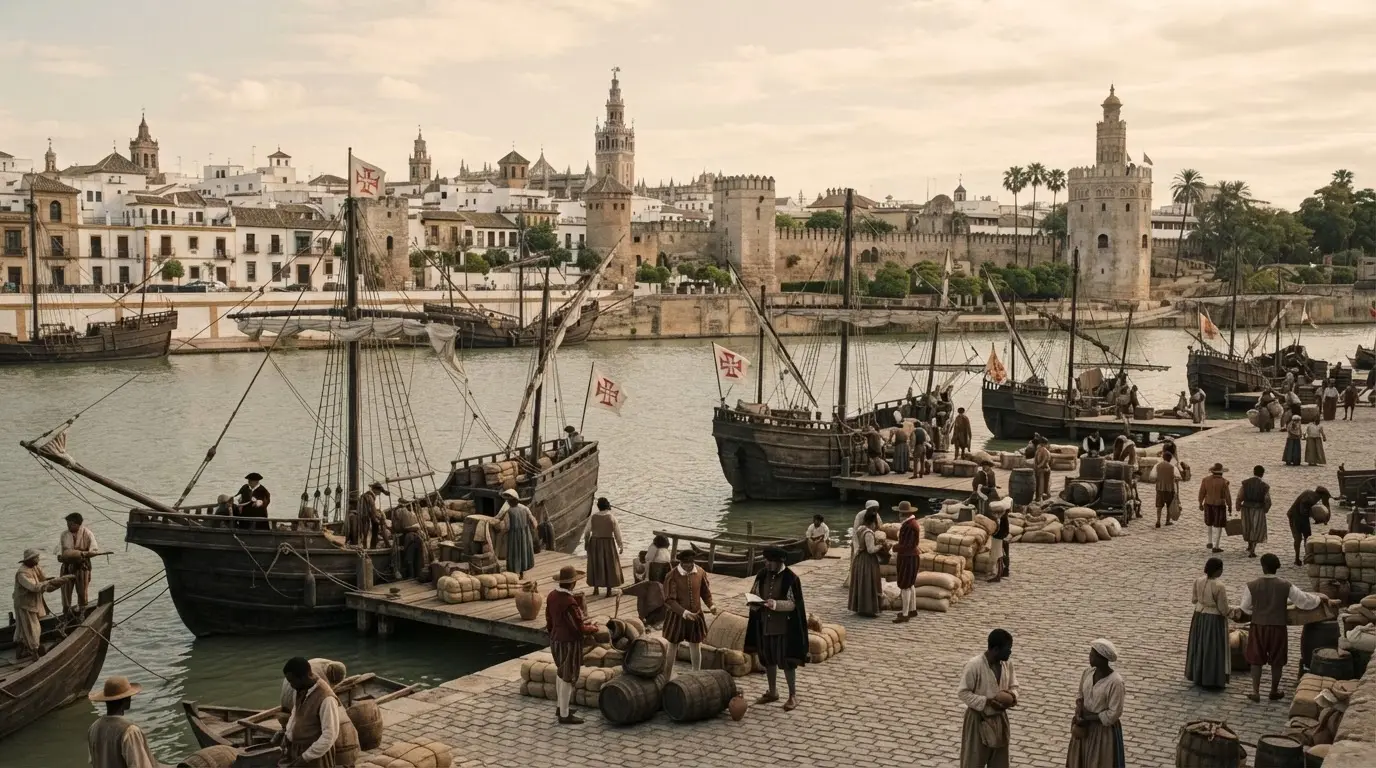
Córdoba's 16th-Century Slave Market: The Portuguese Trade
Sophie Marchand Updated
Córdoba's 16th-century slave trade sat in Seville's shadow, fed by Portuguese trading networks reaching the Guinea coast, its own record thin but real.
Read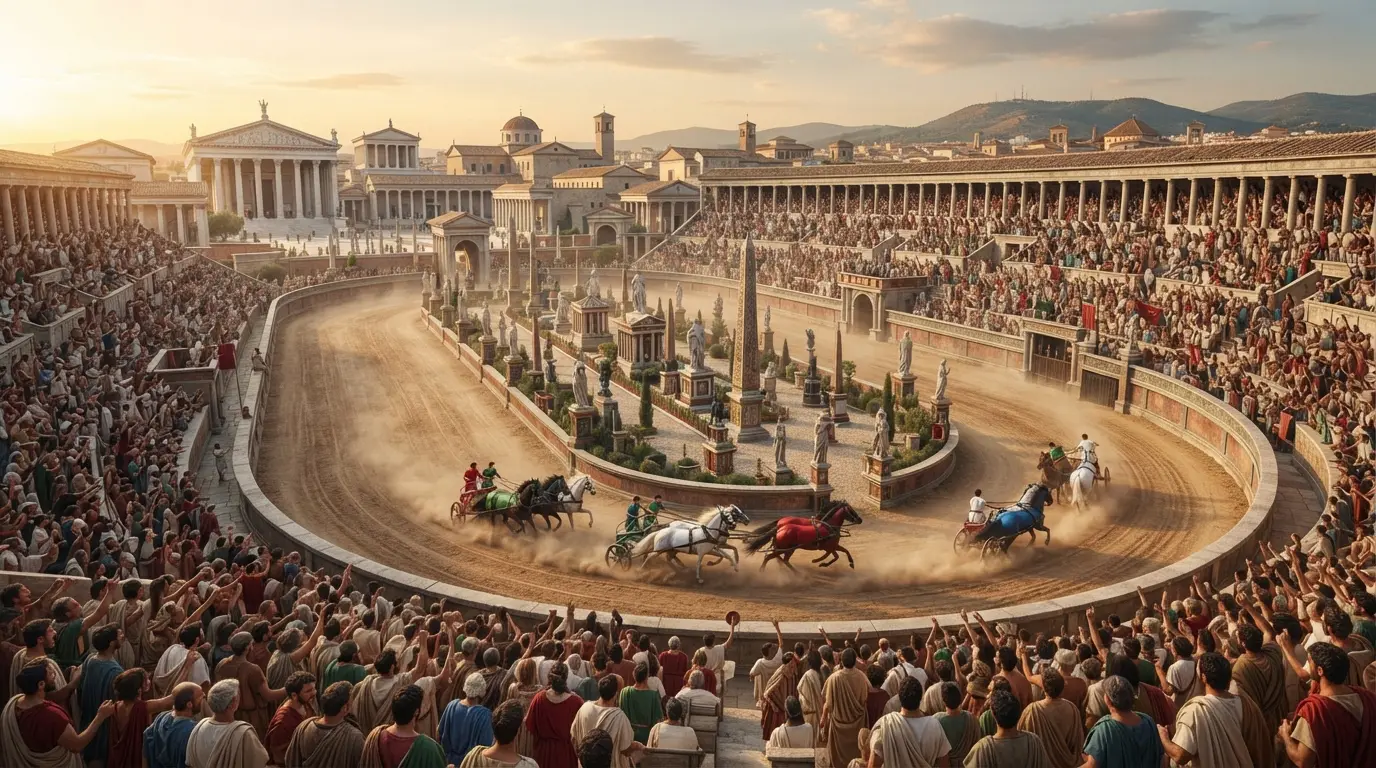
The Roman Circus of Córdoba: Chariot Races Under the Modern City
María Fernanda González Updated
Córdoba's 450-metre Roman circus held 30,000 chariot-racing fans. It lies buried beneath Plaza de la Corredera — here is where to find its surviving traces.
Read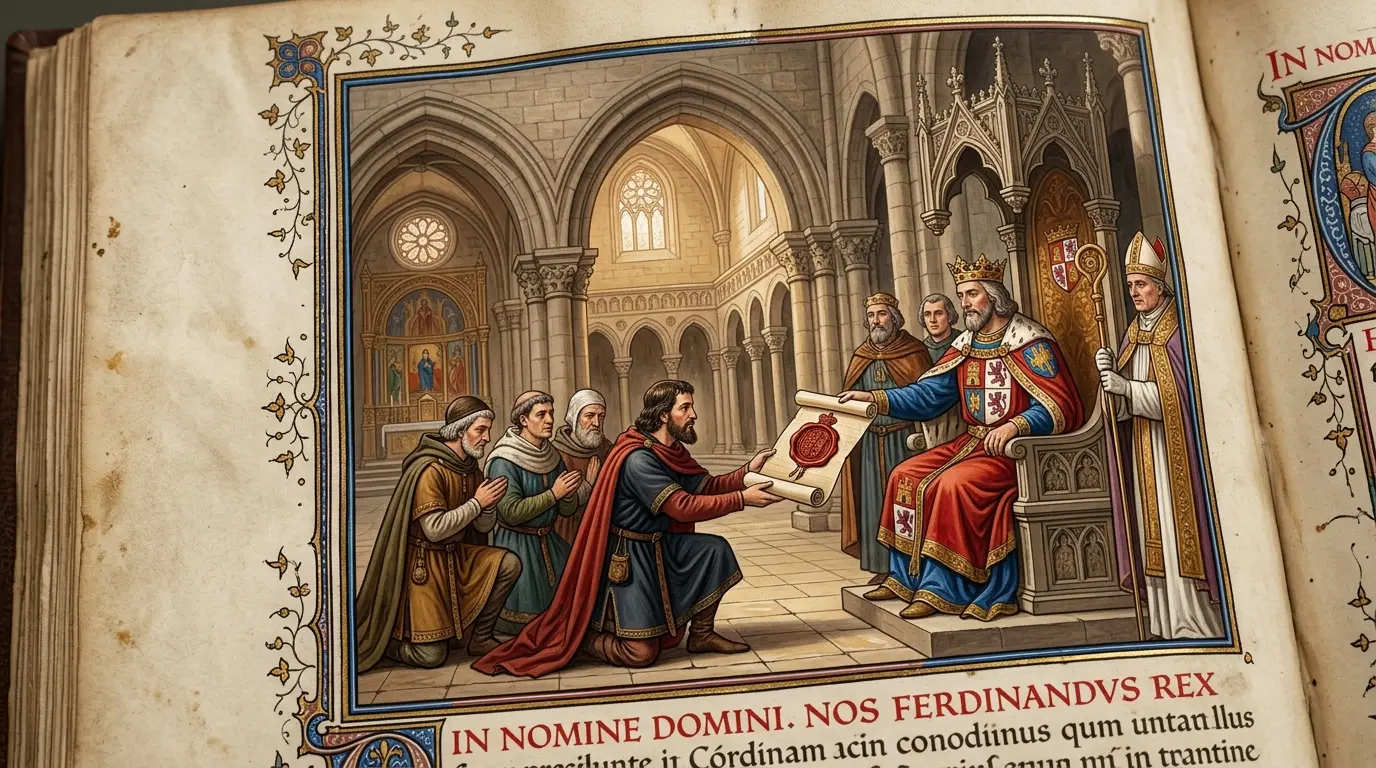
Ferdinand III's Córdoba Fuero: The Charter That Shaped the City
Sophie Marchand
Ferdinand III granted Córdoba the Fuero Juzgo on 10 March 1241 — a Visigothic code in Castilian. It created 14 parishes and governed the city 600+ years.
Read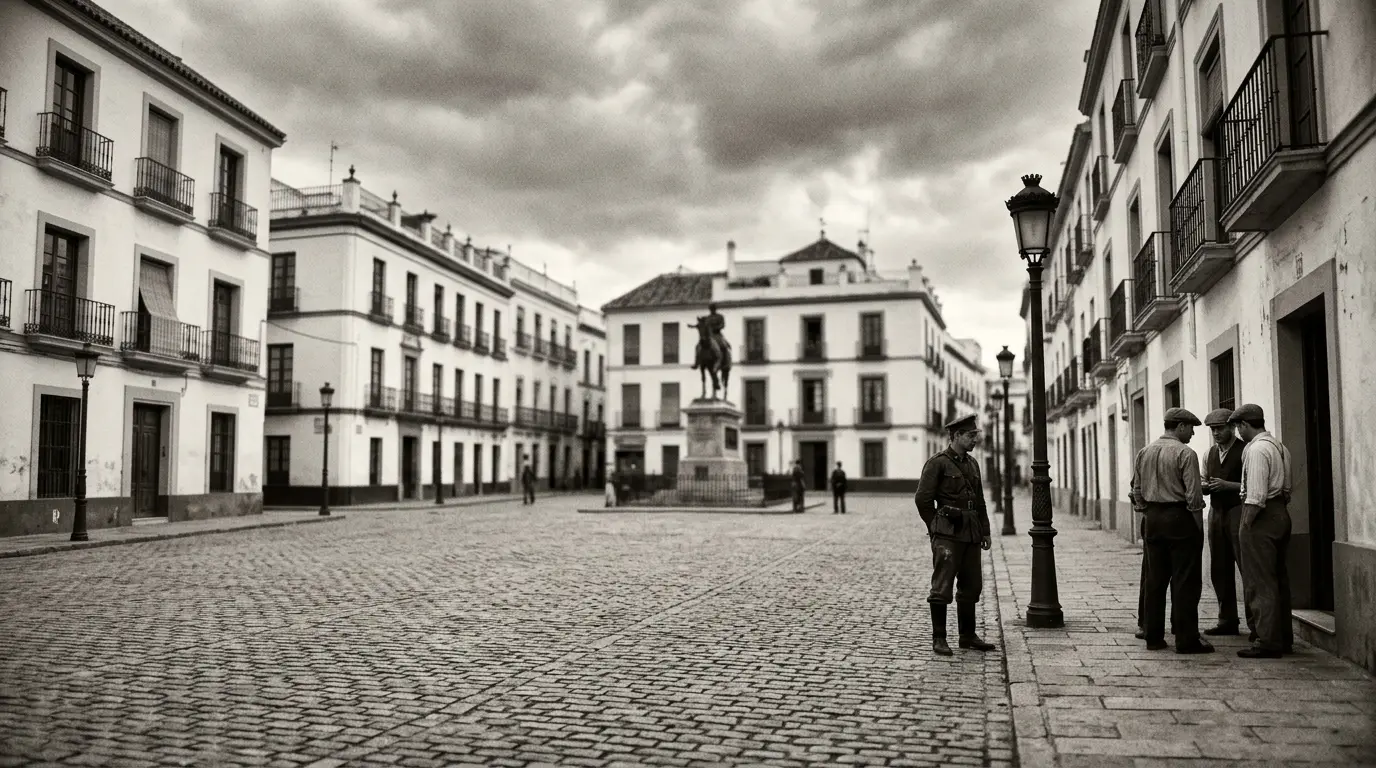
Córdoba and the Spanish Civil War: 1936 and Its Scars
Sophie Marchand Updated
On 18 July 1936, a coup plunged Córdoba into the Spanish Civil War: Plaza de las Tendillas seized, thousands executed, and a failed August counter-offensive.
Read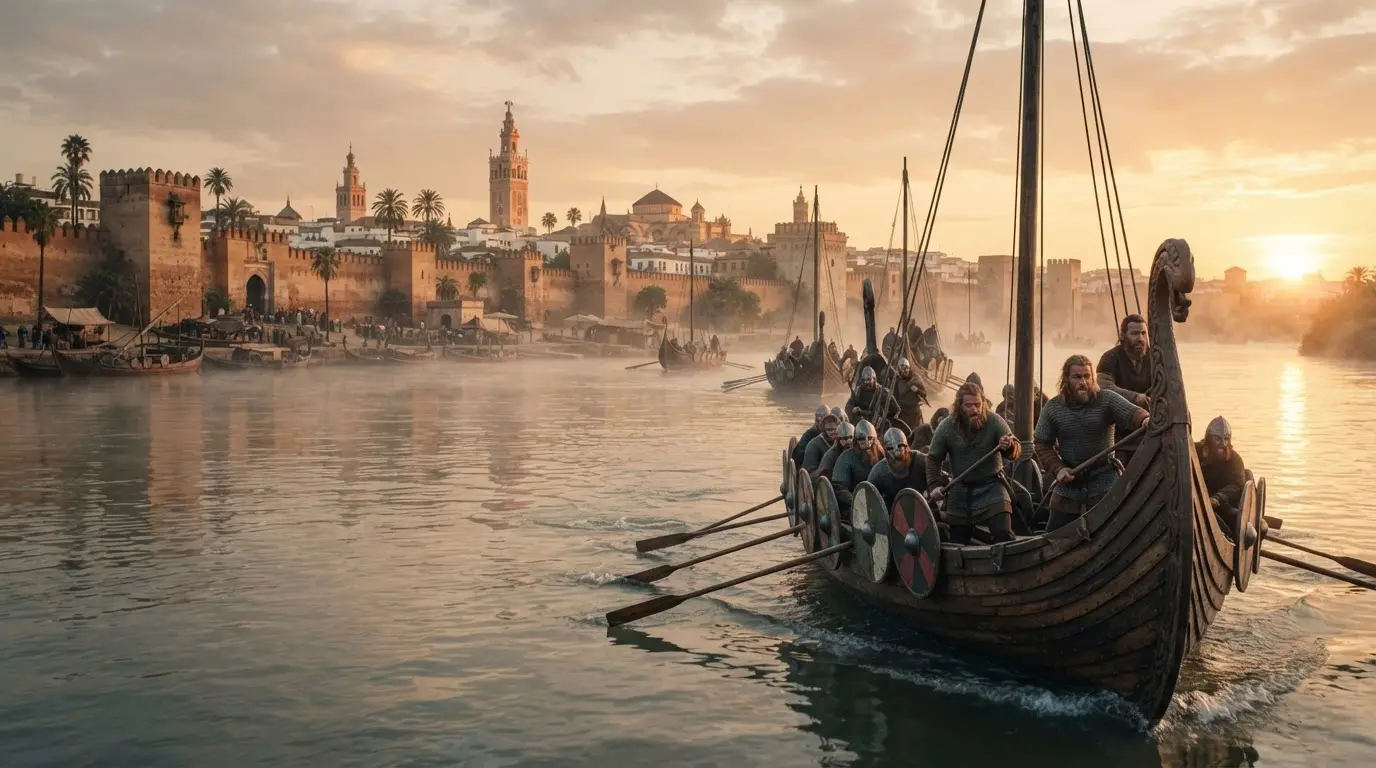
Vikings Took Seville in 844. What Did Córdoba's Emir Build?
Sophie Marchand Updated
In 844 a Norse fleet took unwalled Seville while Córdoba's emir ruled upriver. Here is what he built in response to it, and what later retellings invented.
Read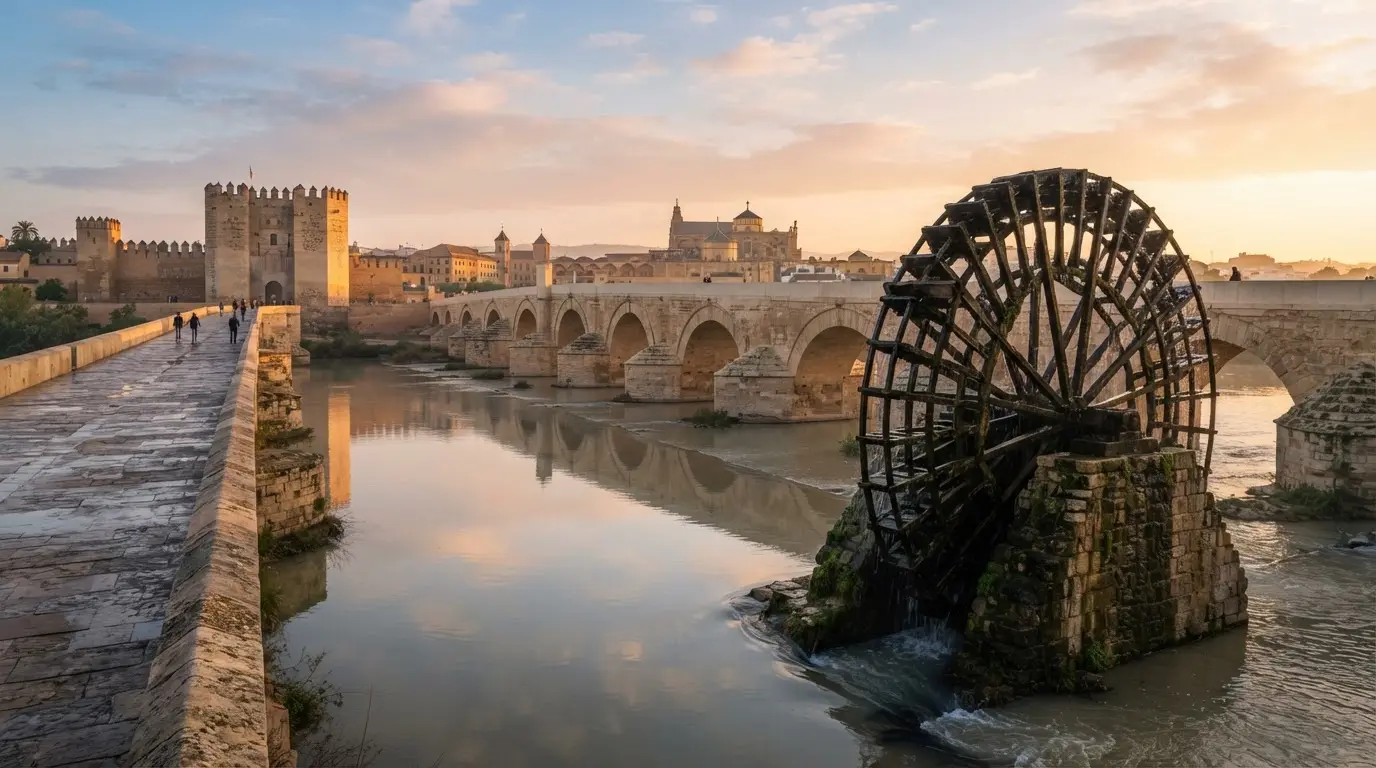
Guadalquivir Mills: Three Civilisations, One Riverbank
María Fernanda González Updated
In 1492 Isabella I ordered Córdoba's Albolafia wheel pulled down because it kept her awake. Eleven Guadalquivir mills, three civilisations, one story.
Read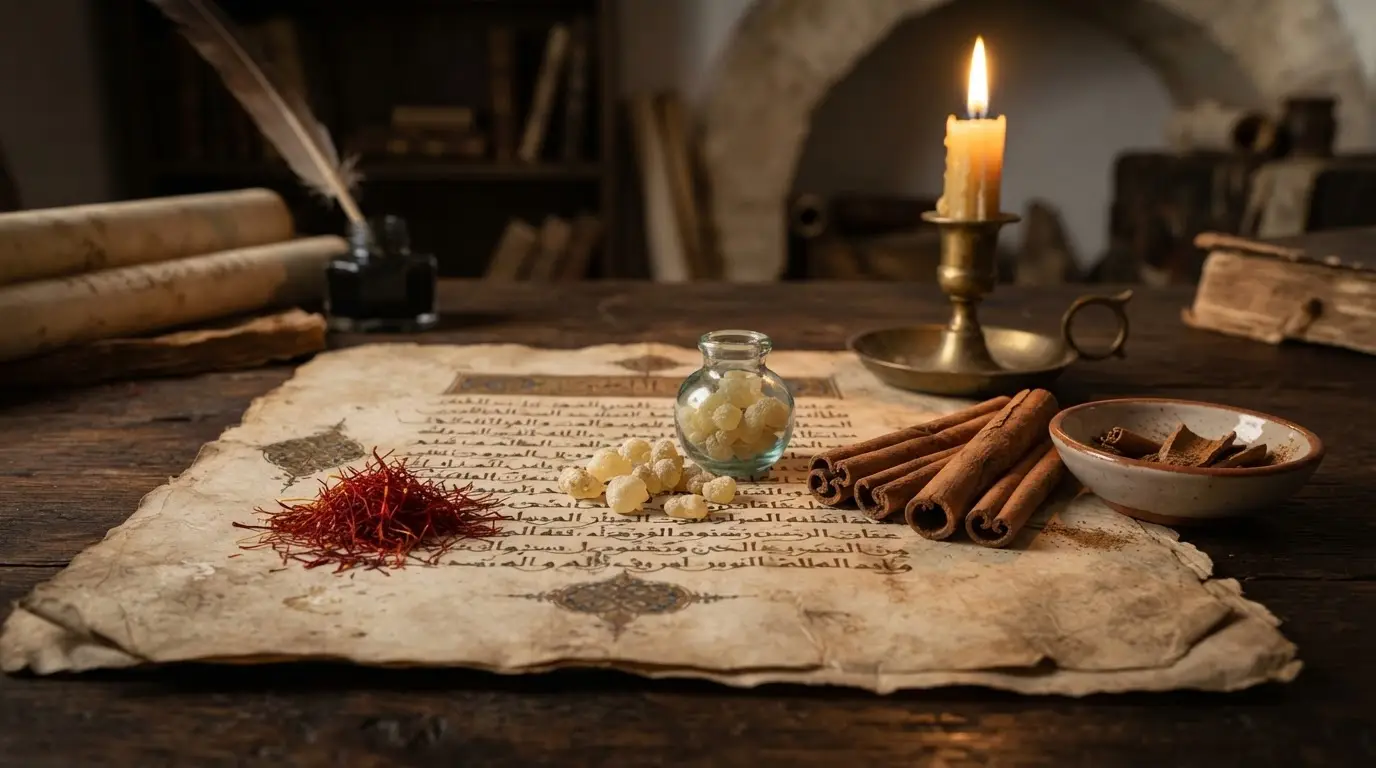
Caliphate Food in Córdoba: How Noor Rebuilt a Lost Kitchen
María Fernanda González Updated
Paco Morales spent years in medieval manuscripts before opening Noor. What caliphate food córdoba actually was — and how he rebuilt it without a single tomato.
Read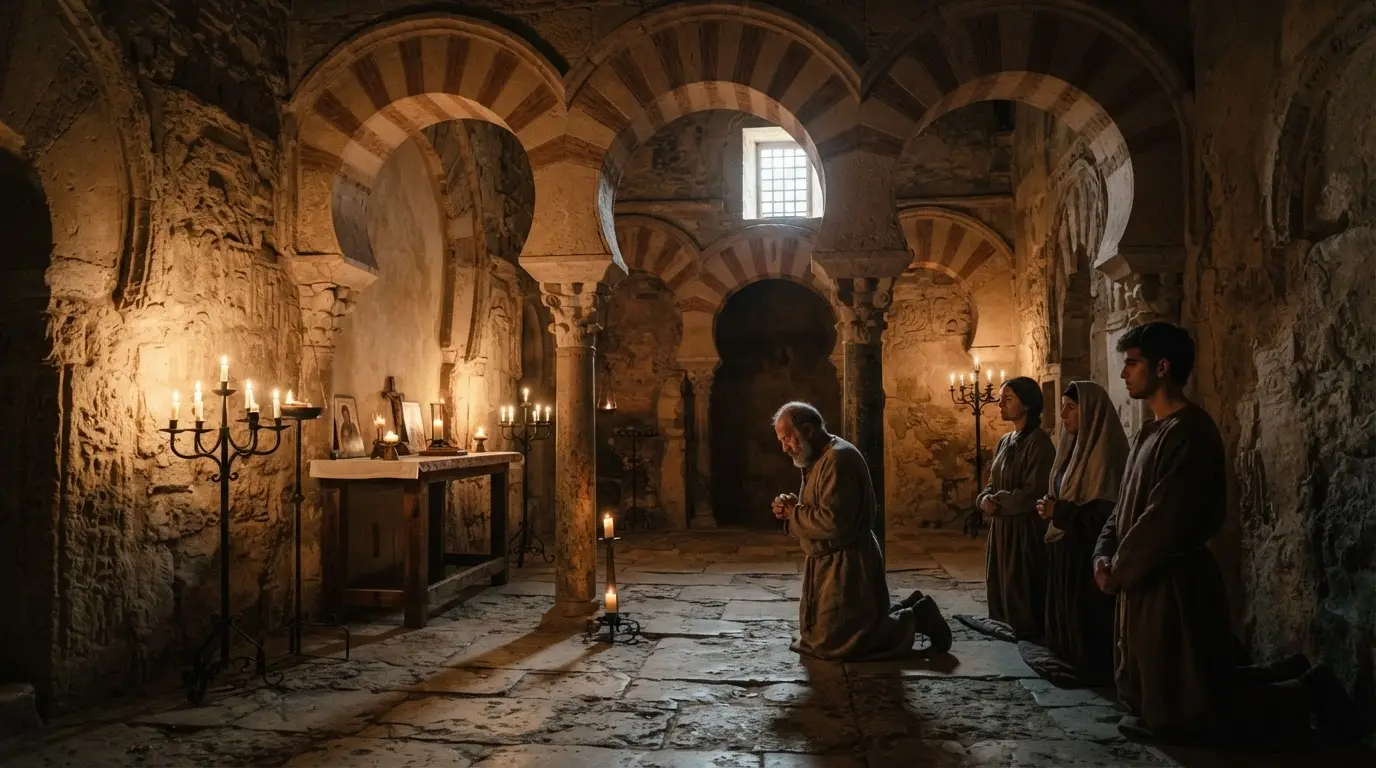
Martyrs of Córdoba: Why 48 Christians Chose Death in 850 AD
Sophie Marchand Updated
Between 850 and 859 AD, 48 Christians walked into Córdoba's courts and denounced Muhammad. Who they were, why they did it, and what split their own community.
Read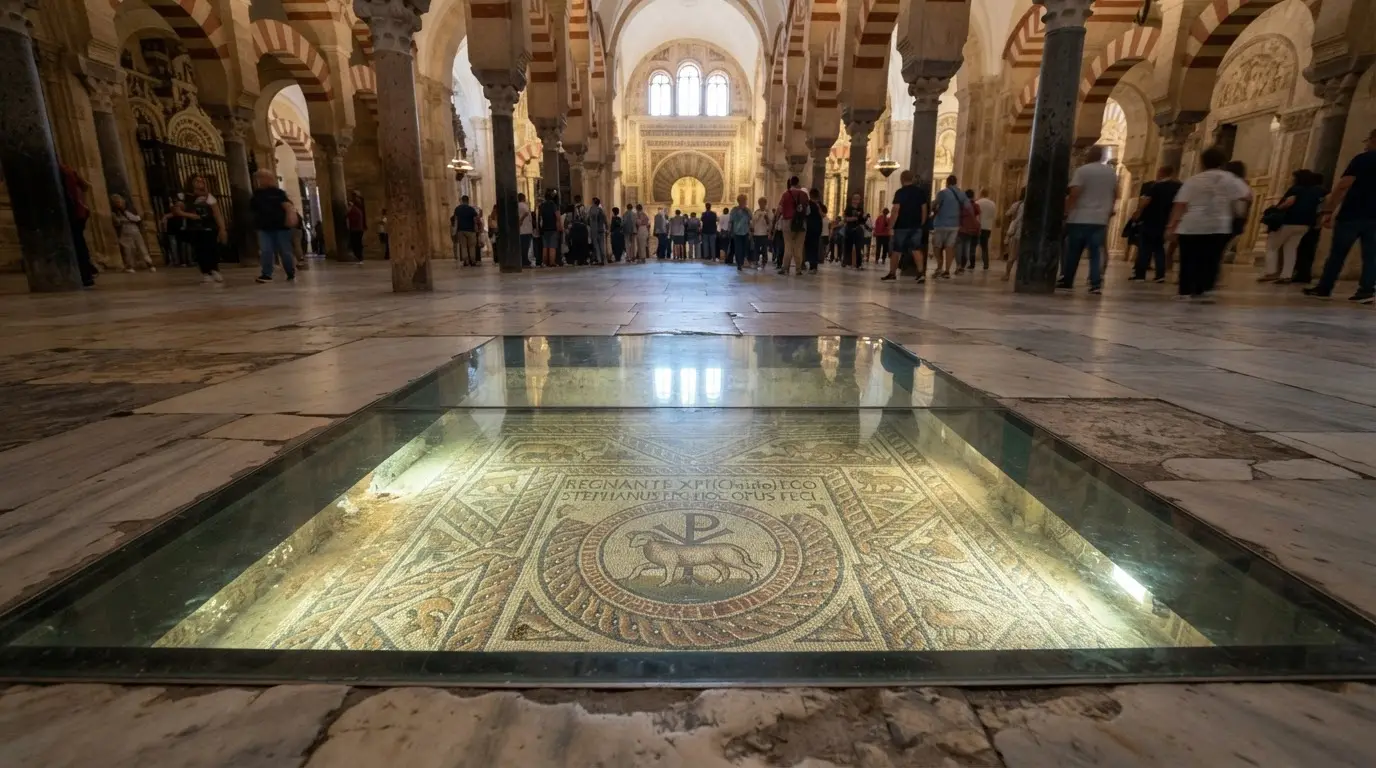
Visigothic Córdoba: What Stood on the Mezquita Site Before 785
Sophie Marchand Updated
What stood on the Mezquita site before 785? Roman Corduba, Visigothic bishops, and a contested basilica: the archaeology of pre-Islamic Córdoba explained.
Read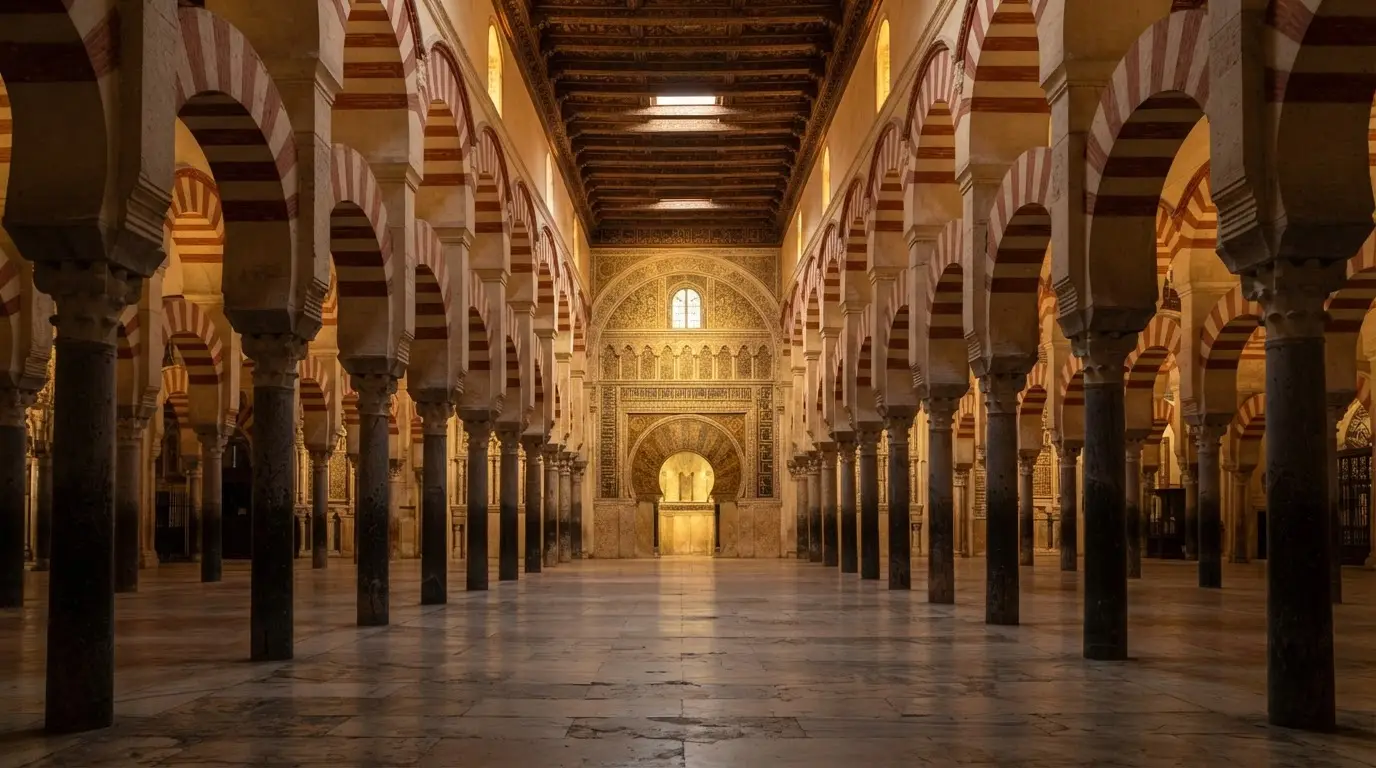
The Mezquita the Church Owns, and Muslims Can't Pray In
Sophie Marchand Updated
The Mezquita prayer ban dates to 2003, when Muslims were reportedly ejected mid-prayer. The Church registered it for a fee in 2006. Naming remains disputed.
Read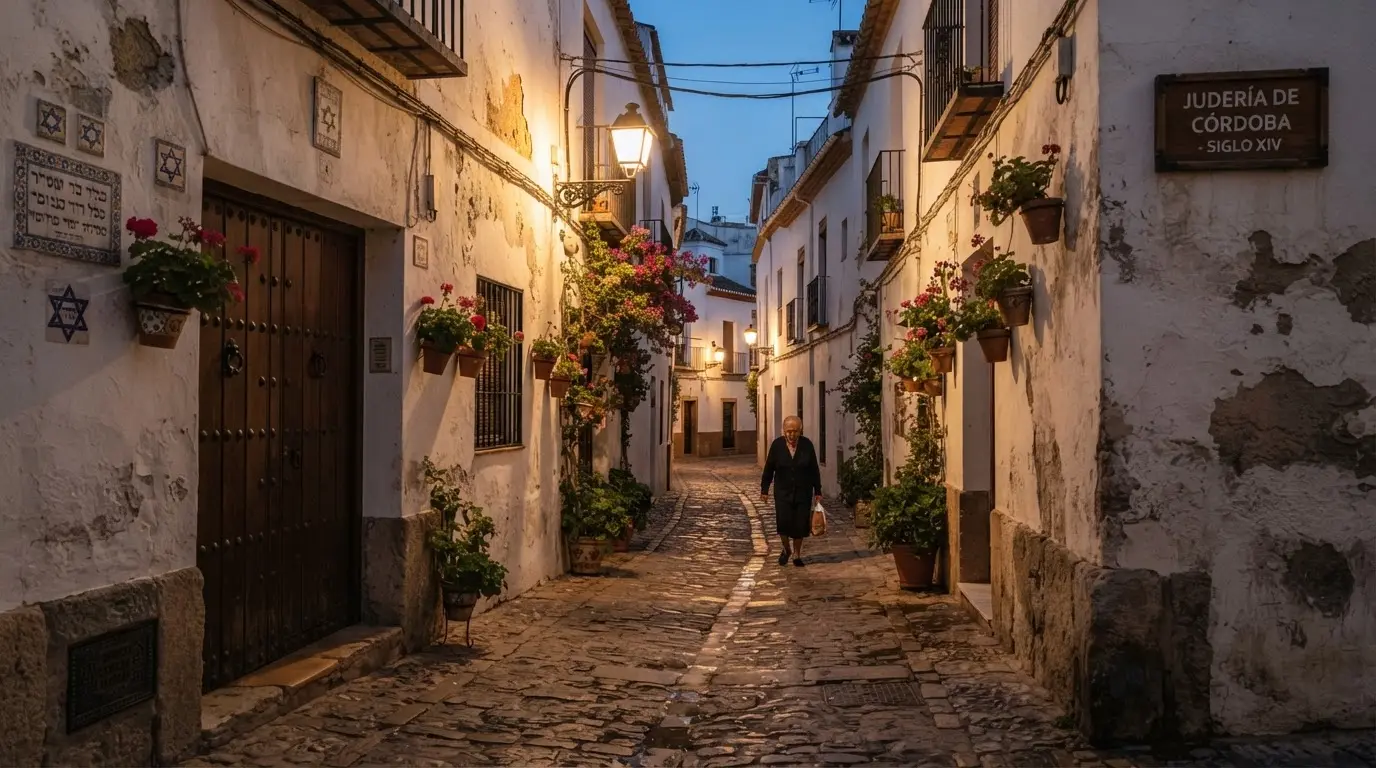
The 1391 Pogrom That Emptied Córdoba's Judería
Sophie Marchand Updated
In summer 1391, pogroms swept Córdoba's Jewish quarter. Forced conversions created the converso class and set the preconditions for the 1492 expulsion.
Read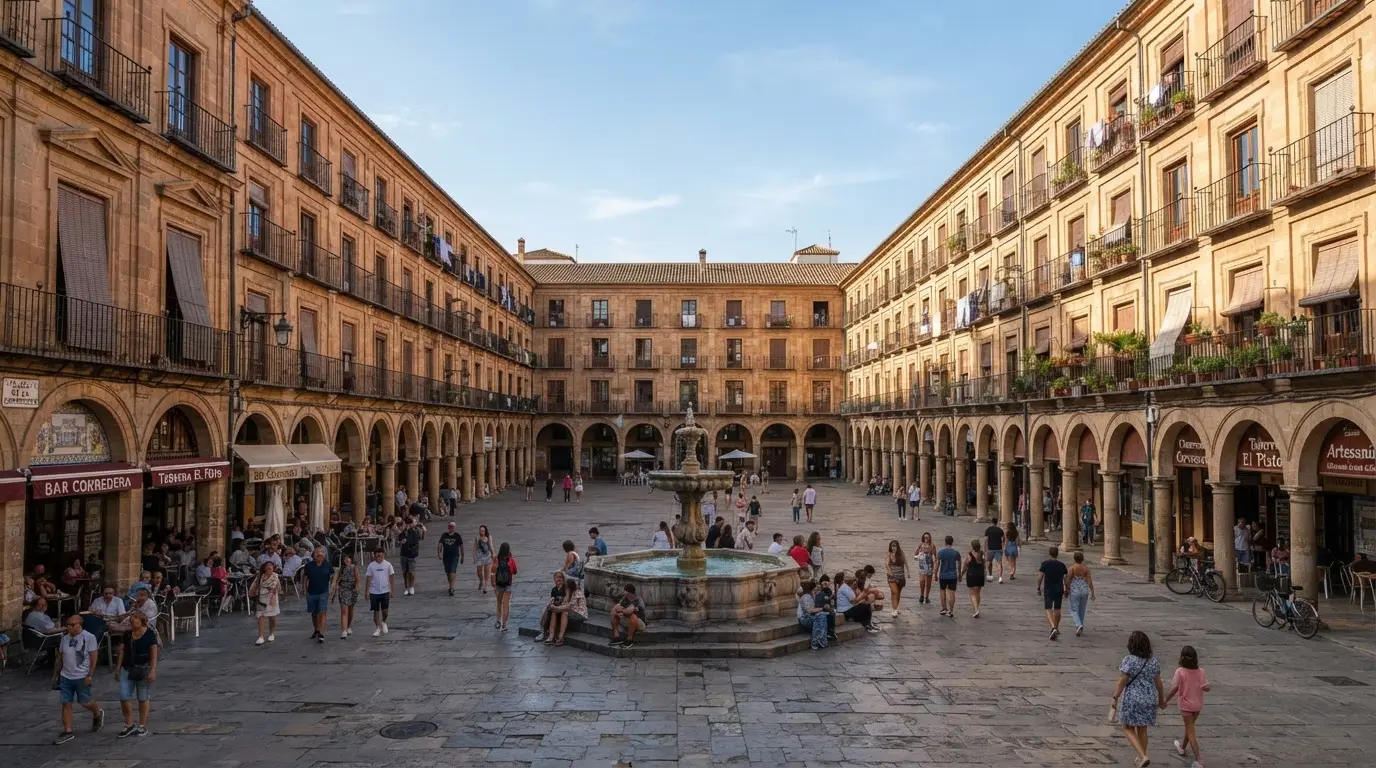
Plaza de la Corredera: Córdoba's Rectangle With Roman Roots
María Fernanda González Updated
Córdoba's only Castilian arcaded square was built in 1683. Roman mosaics found beneath it in 1959 are now in the Alcázar's Hall of Mosaics. Food market daily.
Read