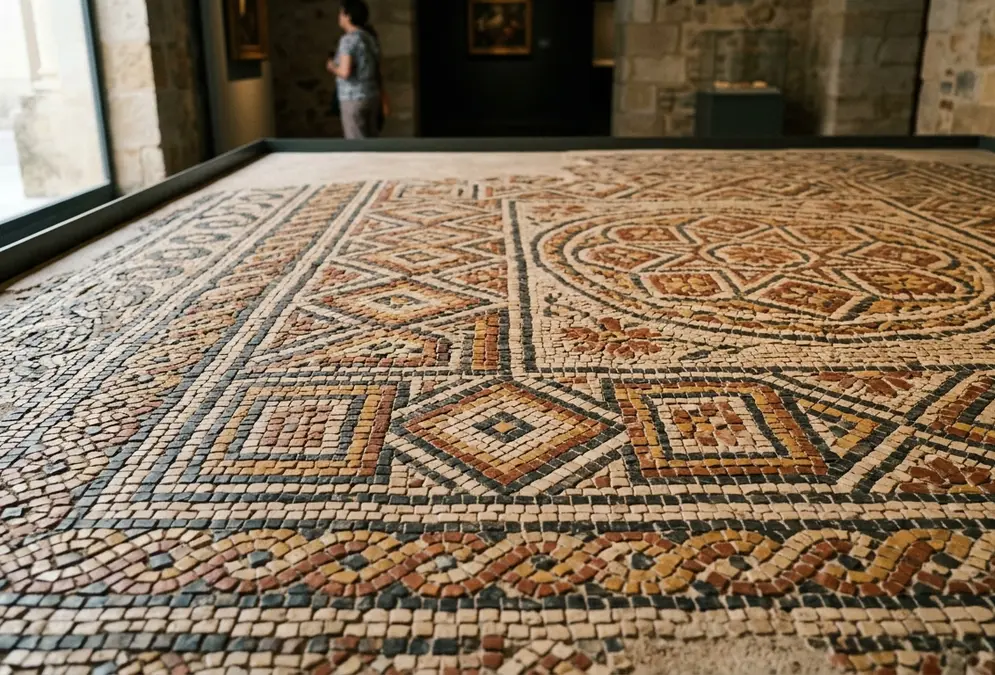
Best museums in Córdoba — Roman mosaic detail at the Museo Arqueológico de Córdoba, with geometric patterns in red and ochre

Best Museums in Córdoba

Córdoba's best museums ranked: Roman mosaics, Sephardic Jewish history, flamenco, and the world's only guadamecí collection. Prices, hours, insider tips.

Ten museums, most free or under €5, each addressing a different civilisation that built and dismantled itself on the same patch of Andalusian soil: Roman Corduba at its imperial height, the Umayyad Caliphate at its intellectual peak, Sephardic Jewish life before the 1492 expulsion, and a flamenco tradition that the city helped define. The [Mezquita-Catedral](/monument/mezquita-cathedral) gives you the physical proof of this layering, but the museums give you the specifics — what a 10th-century Caliphal palace interior looked like, what the Jewish scholars of the Judería actually studied, how Roman settlers lived in a city of 100,000 people before most of Europe had anything comparable.

The ten museums here are not ranked by size or fame. The ranking reflects what a visitor with limited time will find most useful and most distinctive. Several of the lower-ranked entries are, by any measure, more unusual than the top five: the guadamecí museum on number nine is probably the only place in the world where you can see a lost Umayyad craft recovered and practised. The bullfighting museum at number ten is polarising but occupies a 16th-century mansion in the Judería and tells a chapter of the city's identity that the archaeological record alone cannot.

Six of the ten museums on this list offer free entry, or free entry for EU citizens, or a free day each week. Córdoba's museum offer is genuinely affordable in a way that most European city equivalents are not. The three densest clusters are the **Plaza del Potro** (Bellas Artes, Julio Romero, Centro Flamenco Fosforito), the **Judería** (Casa de Sefarad, Casa Andalusí, Bullfighting Museum), and the **Roman Bridge south bank** (Museo Vivo de Al-Andalus). A third day in the city, after the Mezquita and Medina Azahara, is well spent working through these clusters on foot.

For context on the wider city: the [top 10 monuments in Córdoba](/guides/top-10-monuments-cordoba) covers the Mezquita, Alcázar, and Medina Azahara in detail. Museums and monuments overlap in Córdoba, and the two lists read best together.

Ranked list

How we chose

The places on this list were selected against the following editorial criteria.

  • Historical significance specific to Córdoba: Roman, Islamic, and Jewish layers that distinguish this city from other Andalusian destinations
  • Distinctiveness: collections that exist nowhere else, or address subjects no other Córdoba institution covers
  • Visitor experience: quality of interpretation, language access, and the physical quality of the space
  • Value: admission cost relative to what the collection delivers, including free days and EU citizen access
  • Practical accessibility: location, opening hours, and ease of combining with other visits

Reporter notebook

Insider tips

Money tip

Stack your free visits: six museums cost nothing or next to nothing

The Archaeological Museum and Fine Arts Museum are free for EU citizens (bring ID). The Guadamecí Museum charges nothing. The Bullfighting Museum is free on Fridays. The C3A is always free. Add the Centro Flamenco Fosforito at €2 and you have five hours of museum content for under €5. Non-EU visitors pay €1.50 at the Archaeological Museum and full rate at the Fine Arts Museum.

Best time

Visit the Judería museums after 4 pm when the walking tours have cleared

Guided tours from the Mezquita flood Calle Judíos between 10 am and 1 pm. The Casa de Sefarad's nine small rooms and the Casa Andalusí courtyard are crowded when a group is inside. By late afternoon, both are quiet enough to read the panels properly and sit in the courtyards. Opening times run to 19:00 or 20:00, so there is no pressure to arrive early.

Top picks

Museo Arqueológico de Córdoba

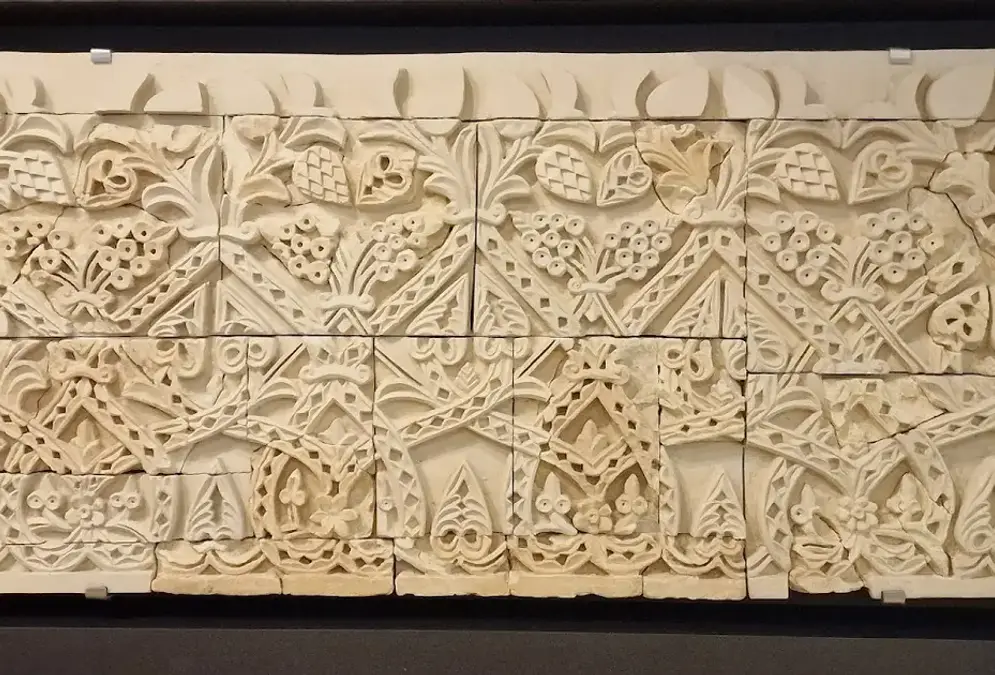
A Renaissance palace built over a Roman theatre: Museo Arqueológico de Córdoba is the right first museum for anyone trying to understand what the city was before the mosque. 33,500 pieces across Prehistoric, Roman, Visigothic, and Islamic periods, in a 16th-century building whose foundations rest on a 1st-century AD stage. The polychrome Roman mosaics from local villas and the Iberian lion of Nueva Carteya are the standout individual pieces. The Islamic ceramics from Medina Azahara are worth seeing before the ruins themselves: the specific glazing patterns help you read the archaeological layers at the site. Free for EU citizens, €1.50 otherwise. Closed Mondays. Allow 90 minutes.

Centro Flamenco Fosforito

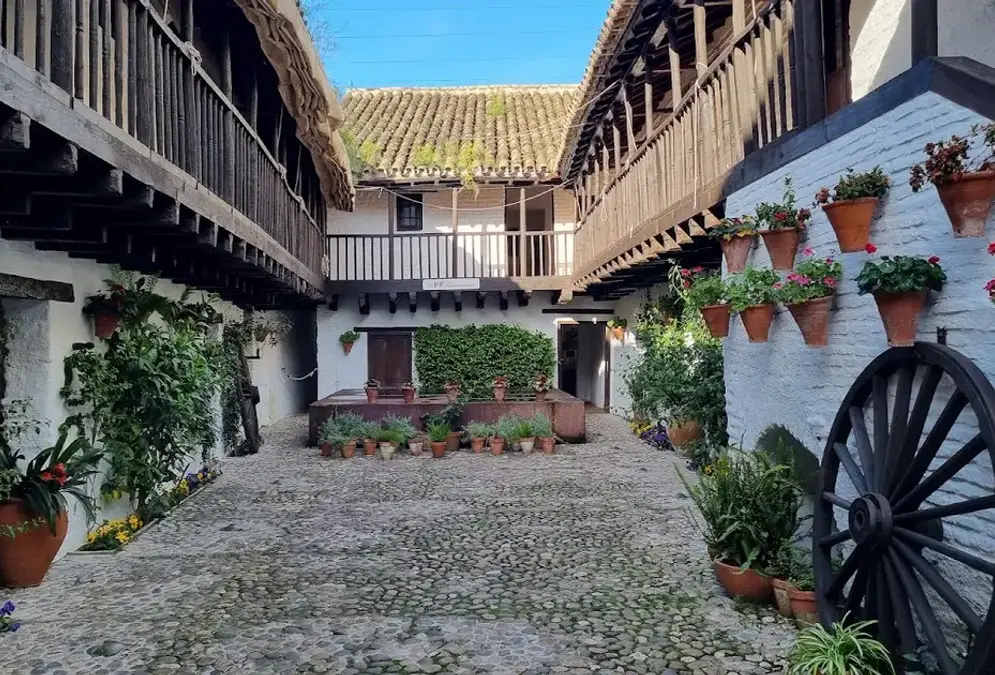
On Plaza del Potro, inside a 15th-century inn that Cervantes mentioned in Don Quixote, the Centro Flamenco Fosforito traces the Cordovan deep song tradition through instruments, photographs, touch-screen listening stations, and recordings of the singers who shaped it. Named after Antonio Fernández Díaz (Fosforito), born in Córdoba, winner of the national flamenco prize. Adults €2, students €1, under 14 free. Sunday noon performances in the courtyard are free and informal: live flamenco without tablao pricing, in a space that has hosted travellers since the 1400s. Bilingual displays. Allow 60 to 90 minutes, or time your visit to catch the Sunday show.

Casa de Sefarad

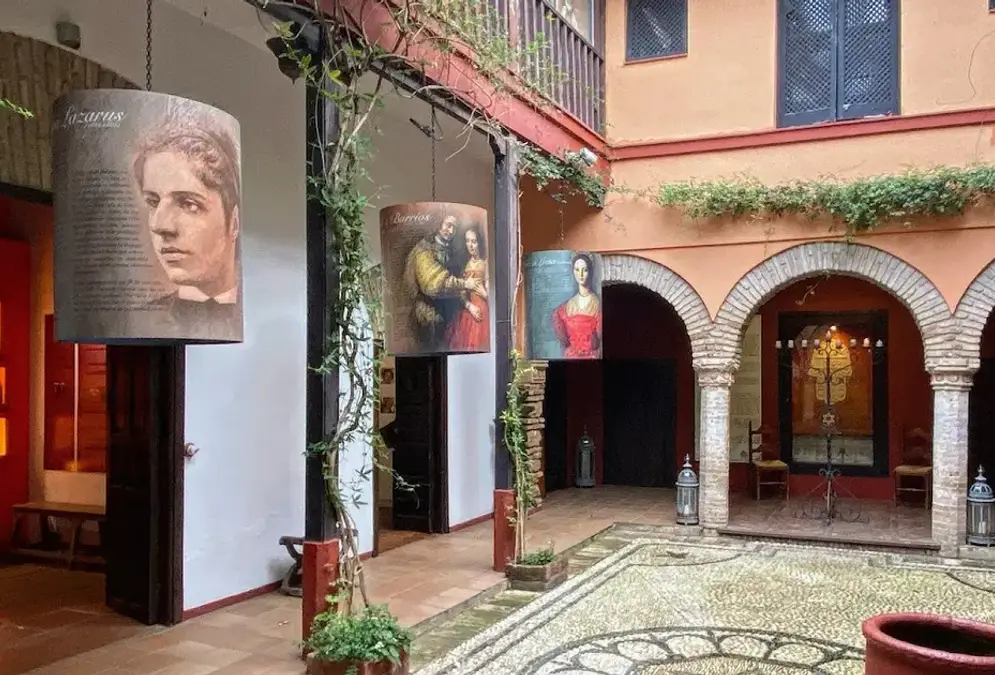
A restored 14th-century house on Calle Judíos, connected historically by an underground passage to the 1315 Synagogue 30 seconds away. Nine thematic rooms trace Sephardic Jewish life from the Umayyad Caliphate through the 1492 expulsion: Maimonides, Ladino language, the Inquisition, the festive cycle. The Casa de Sefarad opened in 2004 and draws visitors tracing ancestry under Spain's 2015 Sephardic citizenship law alongside anyone who wants to understand medieval Córdoba past its Islamic monuments. €4 adults, €3 groups. Closed Fridays. Check the website for scheduled Sephardic music concerts, which are held in the courtyard throughout the year.

10 places

History & Archaeology: Roman, Islamic and Jewish Córdoba

  1. Museo Arqueológico de Córdoba

    Museo Arqueológico de Córdoba

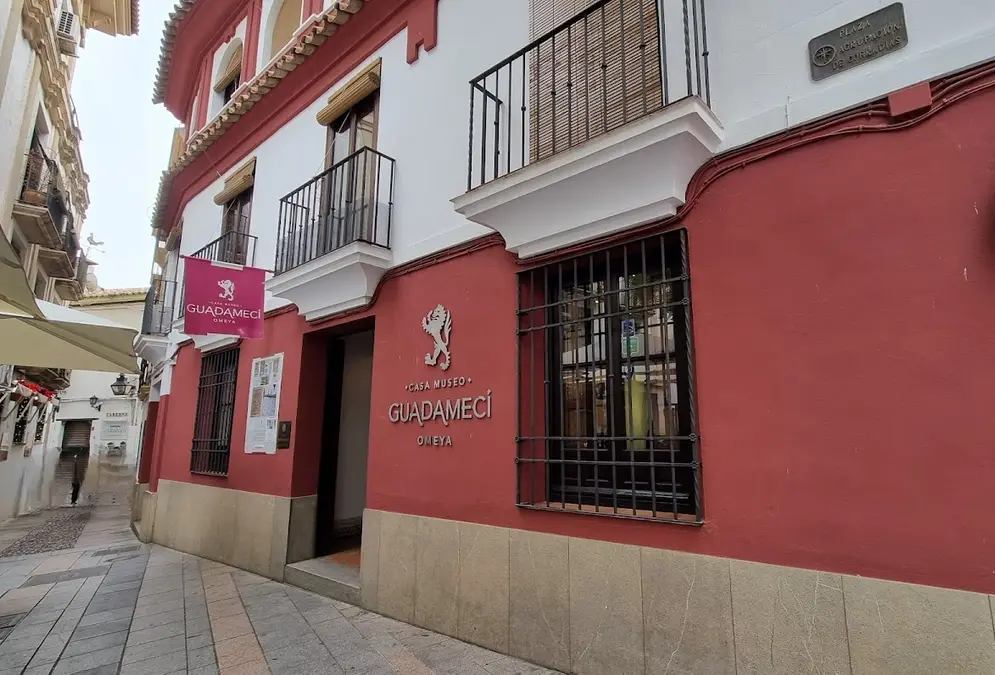
    A Renaissance palace built over a Roman theatre: Museo Arqueológico de Córdoba is the right first museum for anyone trying to understand what the city was before the mosque. 33,500 pieces across Prehistoric, Roman, Visigothic, and Islamic periods, in a 16th-century building whose foundations rest on a 1st-century AD stage. The polychrome Roman mosaics from local villas and the Iberian lion of Nueva Carteya are the standout individual pieces. The Islamic ceramics from Medina Azahara are worth seeing before the ruins themselves: the specific glazing patterns help you read the archaeological layers at the site. Free for EU citizens, €1.50 otherwise. Closed Mondays. Allow 90 minutes.

  2. Casa de Sefarad

    Casa de Sefarad

    A restored 14th-century house on Calle Judíos, connected historically by an underground passage to the 1315 Synagogue 30 seconds away. Nine thematic rooms trace Sephardic Jewish life from the Umayyad Caliphate through the 1492 expulsion: Maimonides, Ladino language, the Inquisition, the festive cycle. The Casa de Sefarad opened in 2004 and draws visitors tracing ancestry under Spain's 2015 Sephardic citizenship law alongside anyone who wants to understand medieval Córdoba past its Islamic monuments. €4 adults, €3 groups. Closed Fridays. Check the website for scheduled Sephardic music concerts, which are held in the courtyard throughout the year.

  3. Museo Vivo de Al-Andalus

    Museo Vivo de Al-Andalus

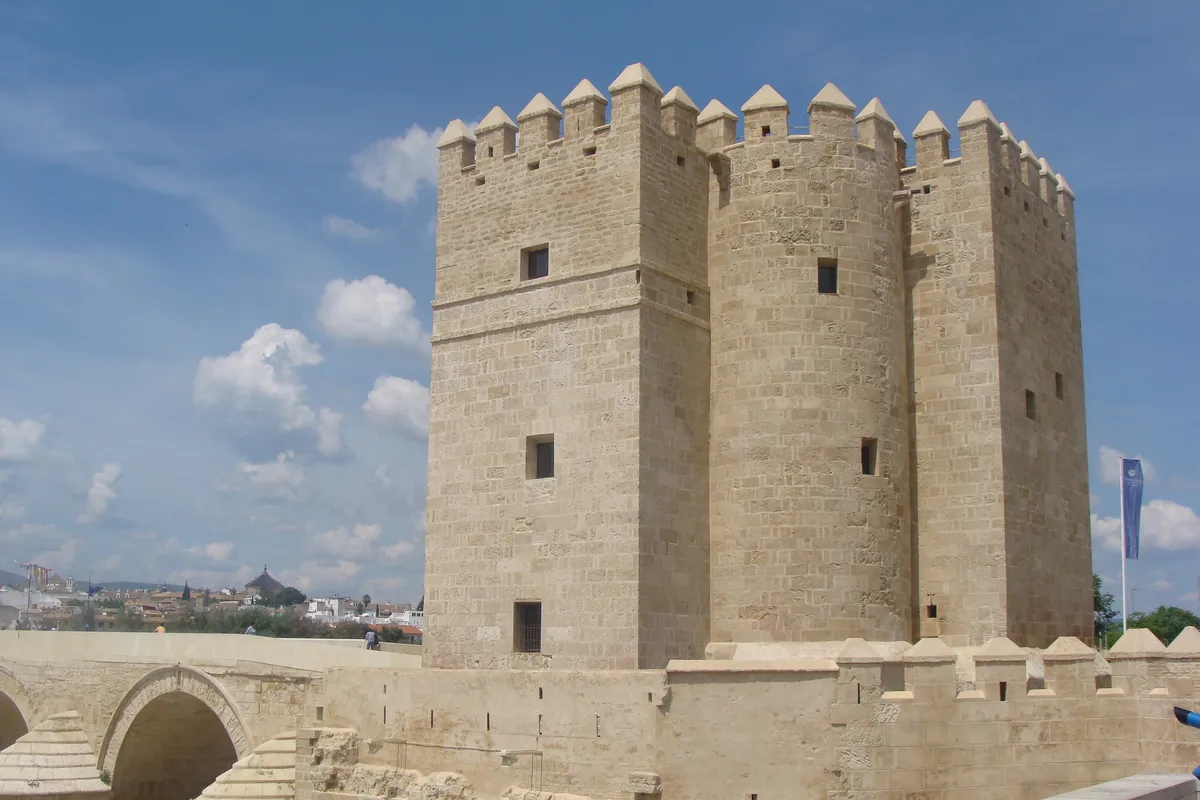
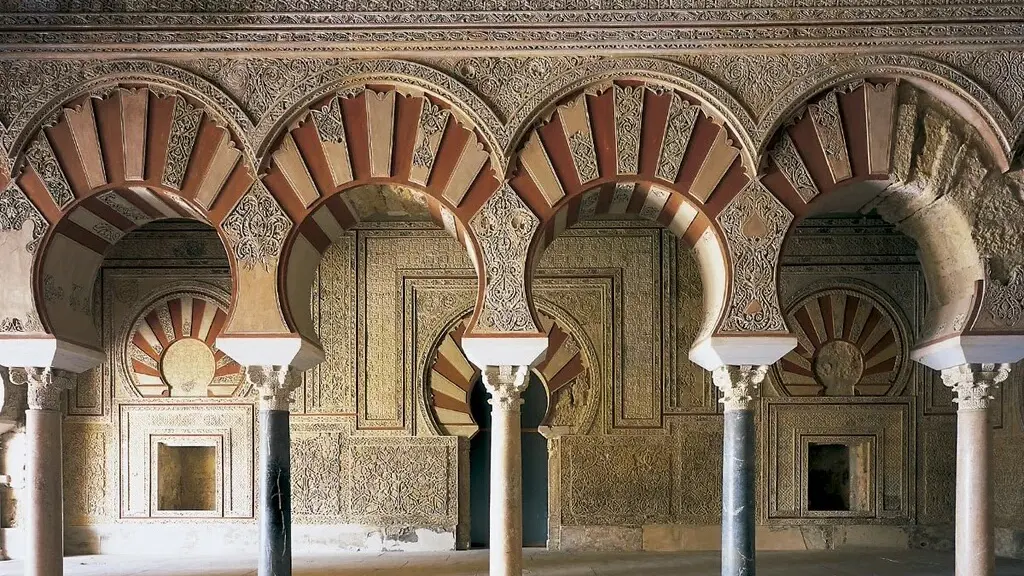
    The Museo Vivo de Al-Andalus occupies the Torre de la Calahorra, the 14th-century fortress at the south end of the Roman Bridge. Eight themed rooms argue the case for convivencia: the intellectual coexistence of Averroes, Maimonides, and Alfonso X in a Córdoba whose library held 400,000 volumes at its peak. An infrared audioguide in six languages, included in the €4.50 entry, narrates as you climb through the tower. Scale models reconstruct Medina Azahara as it looked at the Caliphate's height. The summit gives a 360-degree panorama across the Guadalquivir and the Mezquita roofline. Allow 60 to 90 minutes. Hours vary by season: check torrecalahorra.es before visiting.

Art Museums: From Baroque Masters to Contemporary Work

  1. Museo Julio Romero de Torres

    Museo Julio Romero de Torres

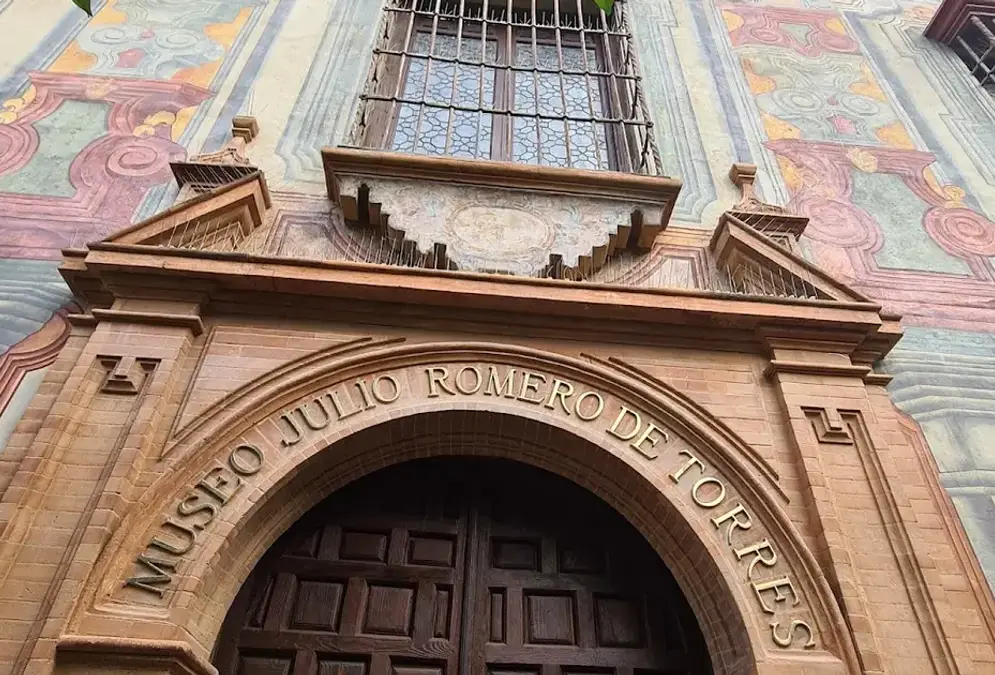
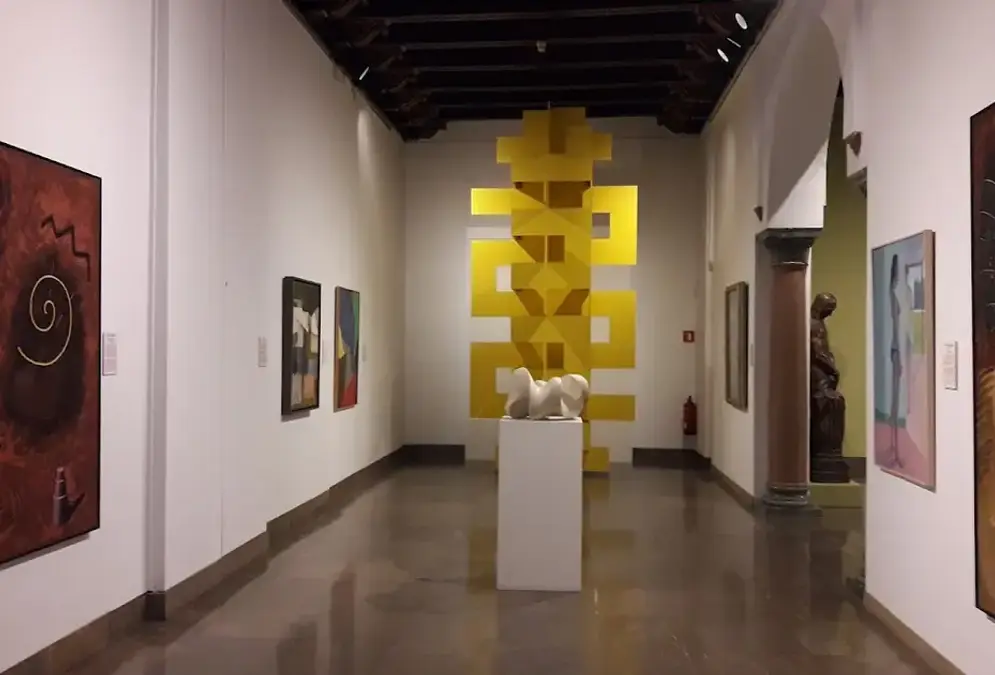
    The Museo Julio Romero de Torres holds the main collection of a painter nobody outside Córdoba seems to know and nobody inside Córdoba can stop talking about. Romero de Torres (1874–1930) was born in this building (his father ran the adjacent Fine Arts Museum) and spent his career producing dark symbolist portraits of Andalusian women set against landscapes and flamenco imagery. His final unfinished canvas, La Chiquita Piconera, has drawn commentary for nearly a century. €5 entry; free Thursday evenings after 6pm. Combined ticket with the neighbouring Bellas Artes saves €2. On Plaza del Potro, ten minutes' walk from the Mezquita.

  2. Museo de Bellas Artes de Córdoba

    Museo de Bellas Artes de Córdoba

    Córdoba's Fine Arts Museum has been in the former Hospital de la Caridad on Plaza del Potro since 1862. The collection (Spanish painting from medieval works through the 20th century) is strongest in Andalusian Baroque: Zurbarán's monumental Counter-Reformation saints, Valdés Leal's technically rigorous figure work, and Antonio Palomino, born in Córdoba, represented here in a body of work rarely seen outside Seville. These are large-format paintings that hold up to sustained looking, in a gallery that almost never crowds. Free for EU citizens. The Renaissance courtyard of the former hospital, stone arches and a central fountain, is worth pausing in before you move upstairs.

  3. Centro de Creación Contemporánea de Andalucía (C3A)

    Centro de Creación Contemporánea de Andalucía (C3A)

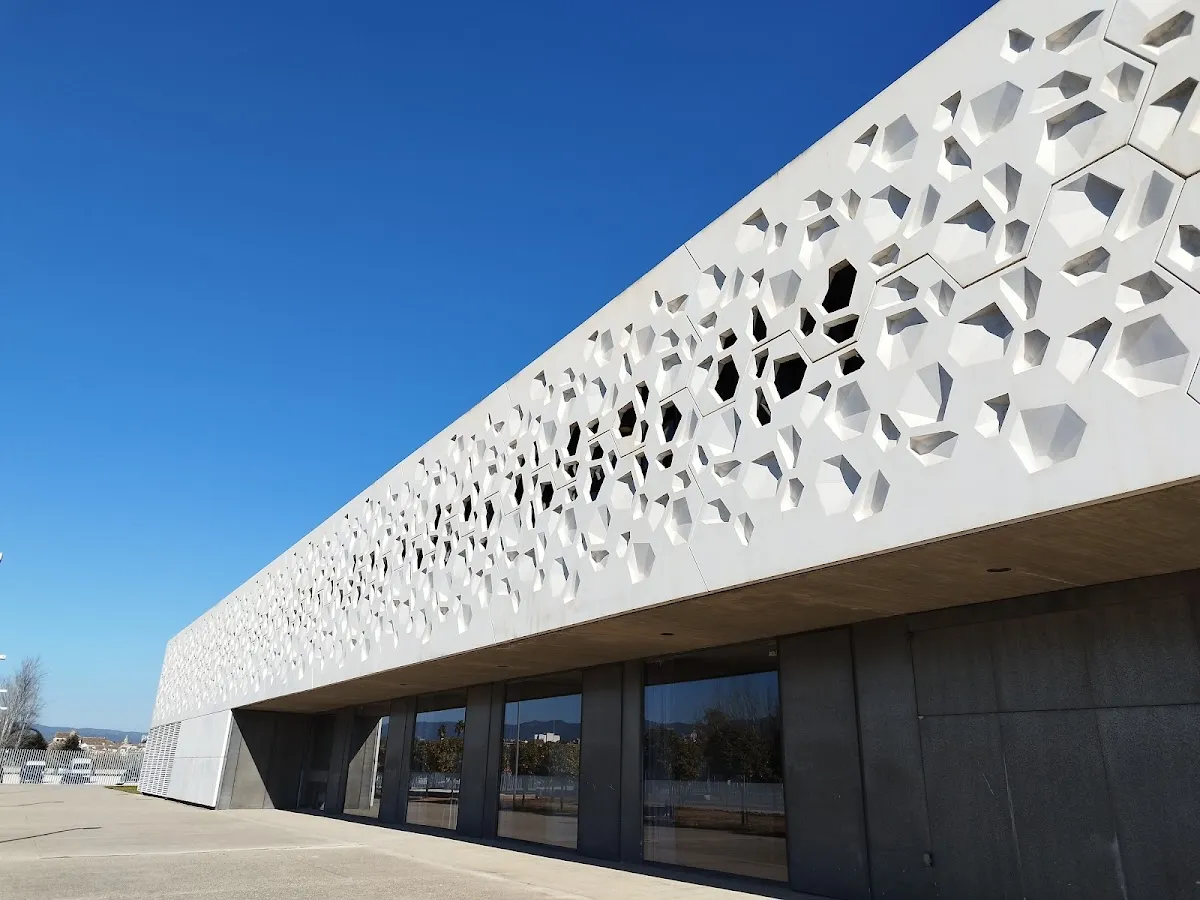
    The C3A opened in December 2016 on the Guadalquivir riverbank, about 15 minutes' walk south from the Mezquita. It is the Córdoba outpost of Seville's CAAC, with a mandate to produce contemporary work, not just display it: audiovisual labs, artist residencies, and rehearsal spaces sit alongside rotating exhibitions in visual art, performance, dance, and new media. No permanent collection; check the website before going, since the building changes entirely between shows. Free admission. Open Tuesday to Saturday 11:00–20:00, Sunday 11:00–15:00. For visitors spending three days in Córdoba, it recalibrates a trip that can otherwise feel entirely anchored in the 10th century.

The Judería Museum Cluster: Culture in a Medieval Quarter

  1. Centro Flamenco Fosforito

    Centro Flamenco Fosforito

    On Plaza del Potro, inside a 15th-century inn that Cervantes mentioned in Don Quixote, the Centro Flamenco Fosforito traces the Cordovan deep song tradition through instruments, photographs, touch-screen listening stations, and recordings of the singers who shaped it. Named after Antonio Fernández Díaz (Fosforito), born in Córdoba, winner of the national flamenco prize. Adults €2, students €1, under 14 free. Sunday noon performances in the courtyard are free and informal: live flamenco without tablao pricing, in a space that has hosted travellers since the 1400s. Bilingual displays. Allow 60 to 90 minutes, or time your visit to catch the Sunday show.

  2. Casa Andalusí & Al-Iksir Alchemy Museum

    Casa Andalusí & Al-Iksir Alchemy Museum

    Two doors on Calle Judíos, one combined ticket: the Casa Andalusí is a restored 12th-century civil house with stone floors, a central fountain, and orange trees overhead. The Paper Museum inside traces how Arab scholars carried Chinese papermaking west from the Battle of Talas (751 CE) to Al-Andalus, where it made Córdoba's famous libraries possible. Next door, the Al-Iksir Alchemy Museum (opened in 2017, the only one of its kind in Spain) reconstructs a medieval Islamic laboratory with distillation apparatus and a zodiac observatory, covering the work of Jabir ibn Hayyan and Al-Razi. Combined ticket €7.50 (Casa Andalusí alone €4, Al-Iksir alone €5). Open daily 10:00–20:00. Budget 60–75 minutes for both.

  3. Museo Taurino de Córdoba

    Museo Taurino de Córdoba

    Whatever your view of the corrida, the Museo Taurino de Córdoba offers something specific: the careers of five Cordoban matadors (Lagartijo, Guerrita, Machaquito, Manolete, El Cordobés) traced through their trajes de luces, capes, swords, and photographic archives. Manolete (1917–1947) carries the emotional weight; he was fatally gored at 30, and the embroidered silk and gold-thread suits in the cases show how much craft went into the spectacle. The building, a 16th-century mansion on Plaza de Maimónides in the Judería, is reason enough to push the door open. €4 adults; free Fridays. Use the QR codes throughout: most panels are in Spanish only, and the English audio fills in what the labels miss.

A two-hour block on an afternoon, after the Mezquita, is enough for the Plaza del Potro cluster: Bellas Artes, Julio Romero de Torres, and Centro Flamenco Fosforito are in the same square, each under 90 minutes. The Judería cluster (Casa de Sefarad, Casa Andalusí, Bullfighting Museum) works well on a morning walk before the lanes get busy, all within five minutes of each other. The Archaeological Museum pairs naturally with Medina Azahara: see the Caliphal ceramics here first, then take the shuttle west.

Free days stack up quickly. The Archaeological Museum and Fine Arts Museum are free for EU citizens. The Guadamecí Museum charges nothing. The Bullfighting Museum is free on Fridays. The C3A is always free. If you are not an EU citizen and want to keep costs down, the Centro Flamenco Fosforito charges only €2. Plan the paid visits (Museo Vivo de Al-Andalus at €4.50, Casa de Sefarad at €4) alongside the free ones, and a full day across six museums costs less than €15 per person.

Frequently asked questions about Best Museums in Córdoba

Which museums in Córdoba are free?

Several Córdoba museums are free or offer free days. The Museo Arqueológico and Museo de Bellas Artes are free for EU citizens (bring a passport or national ID). The Guadamecí Museum charges no admission. The C3A contemporary art centre is always free. The Bullfighting Museum is free on Fridays. The Centro Flamenco Fosforito charges €2, which is the lowest paid admission on this list.

How many museums can you realistically visit in one day in Córdoba?

Three to five, depending on pace. The Plaza del Potro cluster (Bellas Artes, Julio Romero de Torres, Centro Flamenco Fosforito) takes a full afternoon. The Judería cluster (Casa de Sefarad, Casa Andalusí, Bullfighting Museum) works in a morning. Combining both in one day is possible but leaves little time for the Mezquita. Most visitors spread museums across a second or third day after the main monuments.

What is the best museum in Córdoba for Roman history?

The Museo Arqueológico de Córdoba on Plaza de Jerónimo Páez is the clear choice. It holds 33,500 pieces including polychrome Roman mosaics from local villas, the Iberian lion of Nueva Carteya, and a remarkably intact 1st-century Roman theatre in the basement. Free for EU citizens, €1.50 for others. Open Tuesday to Sunday (closed Mondays).

Is the Casa de Sefarad worth visiting in Córdoba?

Yes, particularly if you want to understand the Jewish dimension of medieval Córdoba beyond what the Synagogue alone provides. The Synagogue gives you the architecture; the Casa de Sefarad gives you the life: nine rooms covering Maimonides, Ladino language, the Inquisition, and Sephardic music. €4 adults. Closed Fridays. The museum also hosts scheduled Sephardic music concerts in its courtyard; check lacasadesefarad.com for the current schedule.

What is the Museo Vivo de Al-Andalus inside the Calahorra Tower?

The Museo Vivo de Al-Andalus is a museum inside the medieval Torre de la Calahorra at the south end of the Roman Bridge. Eight rooms cover the intellectual life of Islamic Córdoba: Averroes, Maimonides, caliphate science, and the city at its peak. An infrared audioguide in six languages is included in the €4.50 ticket. The tower summit offers one of the better elevated views of the old city and the Guadalquivir.

Where is the Centro Flamenco Fosforito and what does it cost?

The Centro Flamenco Fosforito is in the Plaza del Potro, inside the 15th-century Posada del Potro. Adults pay €2; students €1; children under 14 enter free. On Sunday mornings at noon, the museum hosts free live flamenco performances in the courtyard. Opening hours: Tuesday to Saturday 8:30–19:30, Sunday and holidays 9:30–14:30. Closed Mondays.