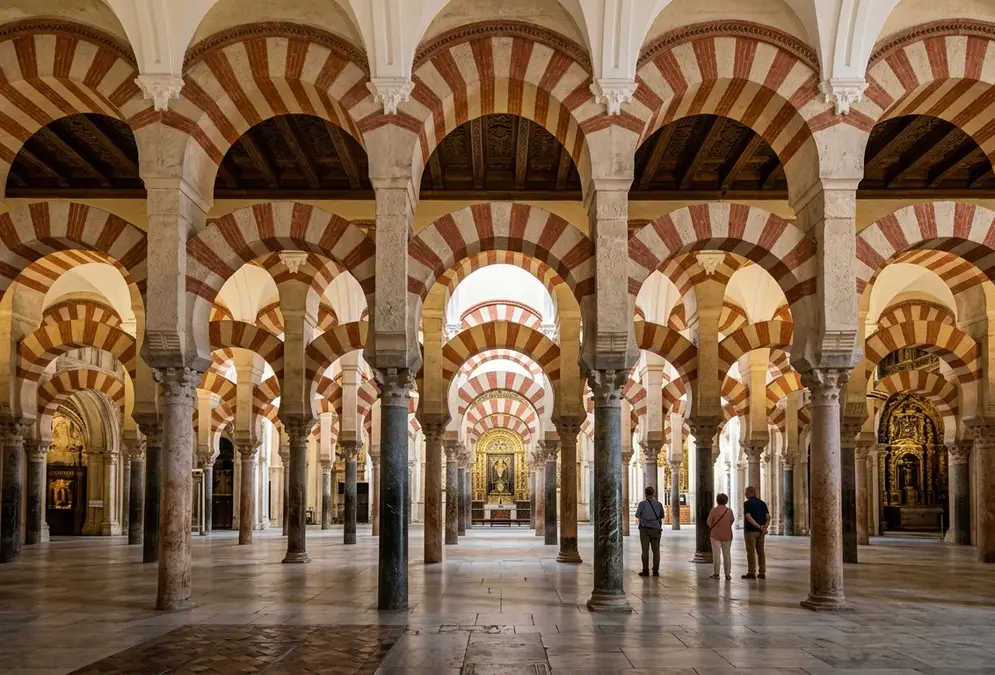
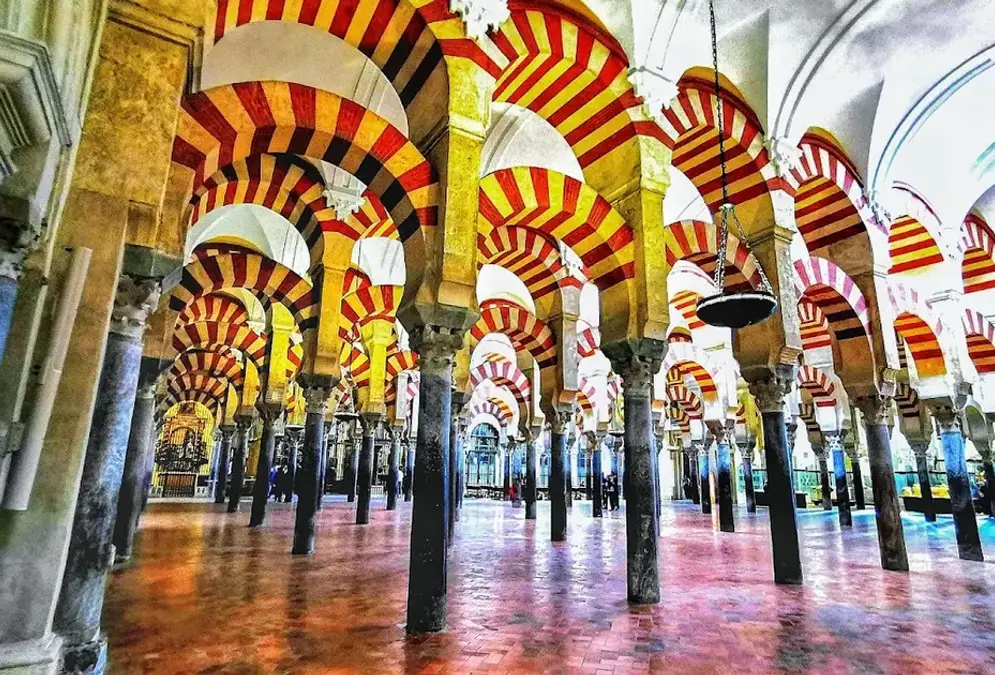
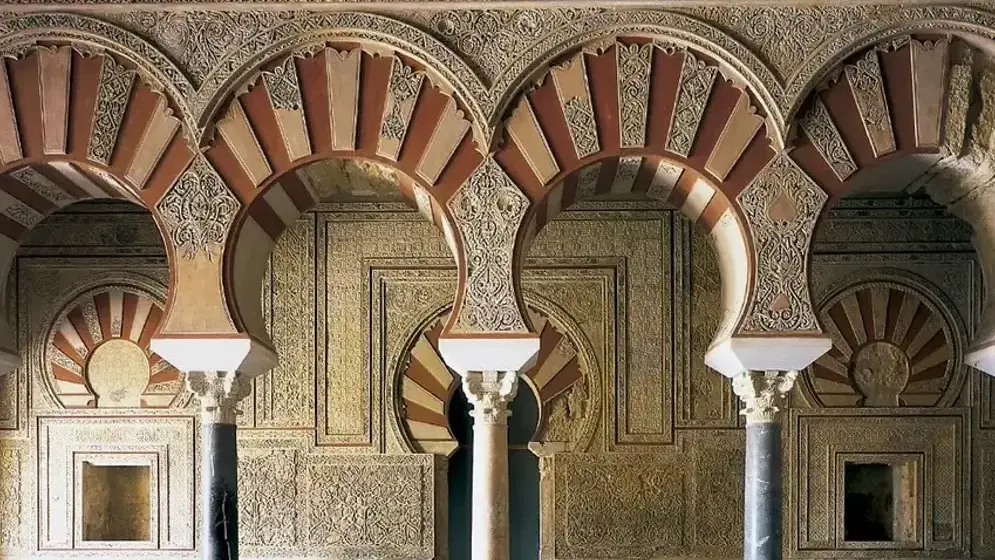
Best Córdoba sites for history lovers — interior of the Mezquita-Catedral with its forest of jasper and marble columns and red-and-white horseshoe arches

Best of Córdoba for History Lovers

Twelve history-focused picks: Mezquita guided tour, Medina Azahara, Caliphal Baths, Almodóvar Castle and more. Roman, Moorish and Jewish Córdoba made legible.

Twelve history-focused picks, ordered for how you should encounter them: guided tours first, monuments second, province day trips last. The top experience is the small-group guided tour of the Mezquita-Catedral (from €22, groups capped at 10, book 48 hours ahead). The defining excursion is Medina Azahara — Abd al-Rahman III's palace-city 8 km west, begun in 936, destroyed in 1010, buried for a thousand years, and only partially excavated since. Together they cover the Caliphate at its height and its collapse. The ten other entries fill in Roman Corduba, the Jewish quarter's 1315 synagogue, the Visigothic transition, and two province day trips for visitors with four days rather than three.

What each layer left behind is still physically present. The Romans built Corduba as the capital of the province of Baetica around 169 BC and gave it a forum, a temple of imperial cult, and the street grid that still shapes the historic centre. The Visigoths used that fabric rather than replacing it; the Umayyads who arrived in 711 did the same, recycling Roman columns and Visigothic capitals into the Mezquita's first arcade. Abd al-Rahman III then tried to build something that would surpass the entire western world, and he very nearly did. The Jews who had lived alongside all of this were expelled in 1492, leaving behind a synagogue built in 1315 whose Mudéjar stucco was carved by Muslim craftsmen for a Jewish patron. Then came the Christians, who inserted a cathedral into the mosque and used Caliphal decorative conventions to signal continuity of power.

Guided tours in Córdoba pay off precisely because this density of overlapping civilisations rewards expert interpretation. The same fragment of carved stone means something different depending on whether the guide can tell you it was originally a Roman capital, used by the Visigoths in their basilica, and then incorporated by Abd al-Rahman I into the Mezquita's first arcade in 784. Without that chain, it is just an old stone.

This guide orders its picks by how you should encounter them. The guided tours come first because they make the monuments make sense. The must-see monuments follow because, once you have the context, standing inside them is a different experience. The day trips come last: Medina Azahara, Almodóvar, and Priego are for visitors who want the province as well as the city. For the city's museum offer alongside its monuments, the best museums guide covers Córdoba's ten best institutions.

Ranked list

How we chose

The places on this list were selected against the following editorial criteria.

  • Historical depth — sites and tours where multiple civilisation layers are physically legible, not just described
  • Interpretive value — the difference a knowledgeable guide makes to understanding what you are looking at
  • Authenticity of fabric — original Roman, Caliphal, Mudéjar and medieval material in situ, not reconstructed pastiche
  • Specialist access — private patios, after-hours entry, and small-group caps that standard visits cannot replicate
  • Combination potential — how well each pick connects to adjacent sites and extends rather than repeats the same layer

Reporter notebook

Insider tips

Booking tip

Book the Mezquita guide separately from the ticket — and book early

The official small-group English tours cap at 10 people and fill at least 48 hours ahead in season. Third-party platforms sell spots in groups of up to 45. Book the official tour directly through the cathedral's site or a specialist operator. The guide is the difference between 856 columns and a legible 1,300-year history.

Crowd tip

Take the 10 am shuttle to Medina Azahara — coach groups arrive from 10:30

The first departure from Paseo de la Victoria gets you onto the ruins before the groups from Seville and Granada. The Salon Rico is the most important section and the most crowded; arriving early means 20 minutes to examine the polychrome arches and carved capitals without people in the frame.

Top picks

Guided Tour of the Mezquita with Skip-the-Line

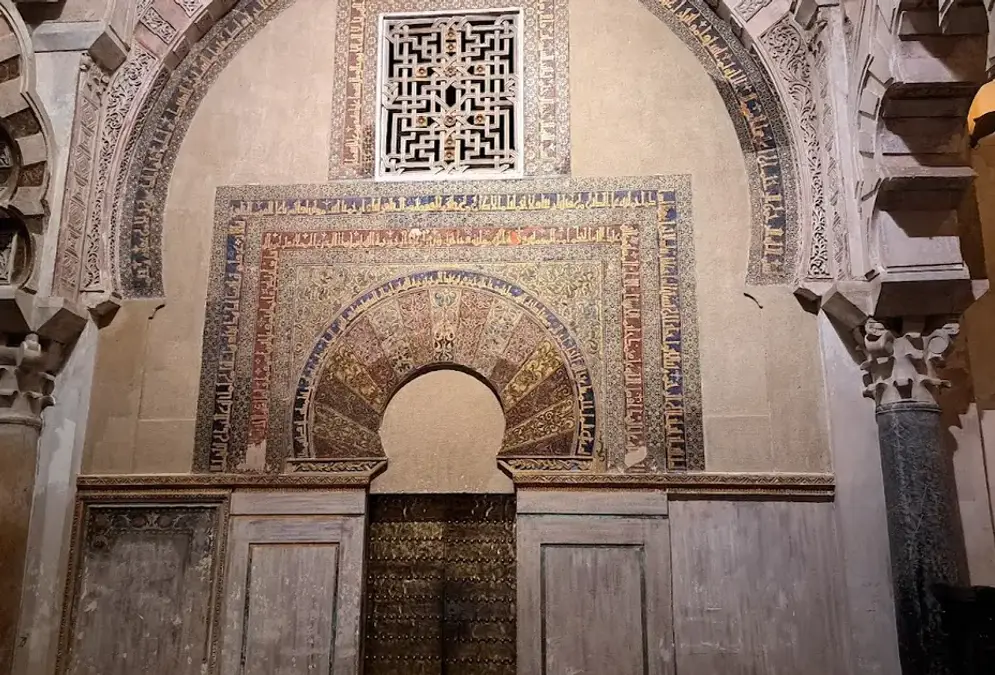
The case for booking a guide here is not about skipping queues, though it solves that too. It is about what an accredited guide actually shows you. Abd al-Rahman I built the original mosque in 784 by recycling a Visigothic church: the columns are mismatched because Roman, Visigothic, and improvised capitals were combined to reach a uniform height. A guide points this out; almost every solo visitor walks past it. The mihrab's Byzantine mosaics were sent by the Emperor in Constantinople as a diplomatic gift. The dome shape focuses sound back onto the reciter. The 1523 cathedral was inserted despite the city council's protests, and Charles V later said he regretted giving permission. Groups cap at 10; tours run from €22 and last 1h15 to 1h30.

The Soul of Córdoba – Mezquita Night Tour

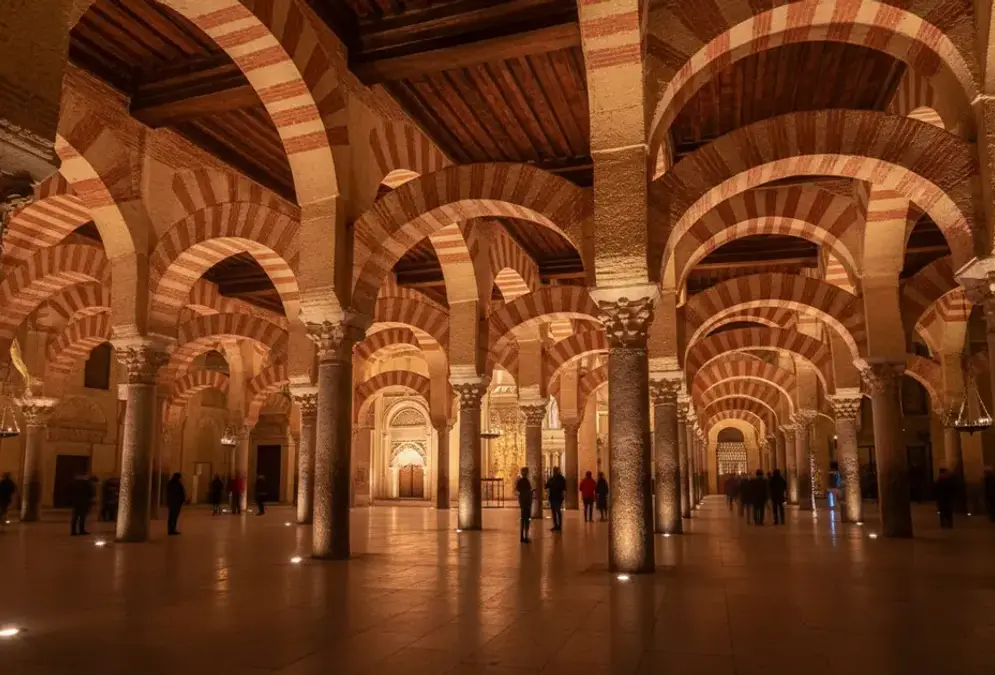
The Mezquita at night is a different building. The daytime visit gives you the columns; the night tour gives you the light the building was designed for. Warm amber spotlights throw the carved capitals into high relief and cast shadows between the 856 columns of jasper, marble, and granite. The Byzantine mosaics around the mihrab glow in a way that approximates their original appearance by firelight. The audioguide covers the same 1,300 years of history as the daytime tour, but the silence matters: no tour groups, no ambient noise. Maximum 80 people per session. Book at least two weeks ahead for weekend slots April through October; from €20. Winter sessions start at 8 pm, summer sessions at 10 pm.

Free Walking Tour of Córdoba

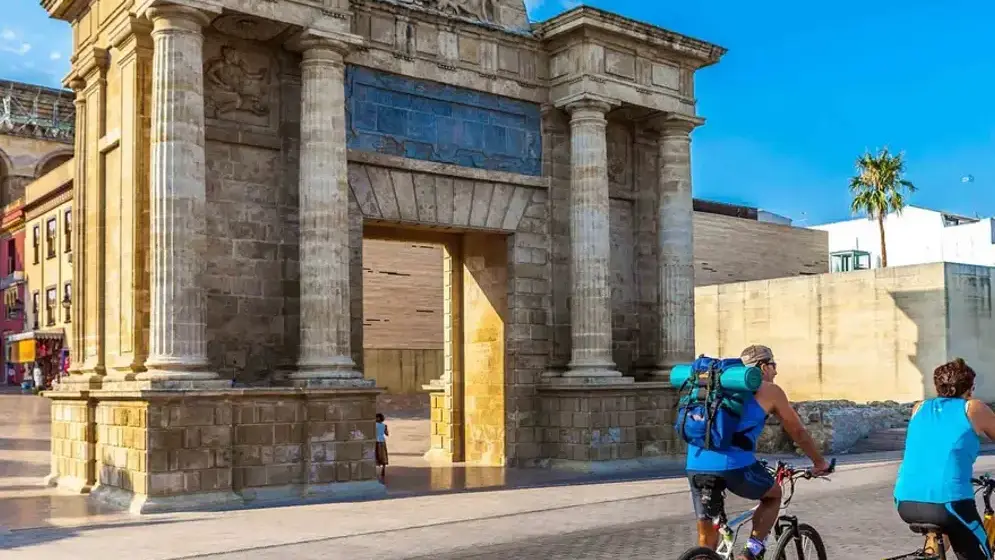
Before paying for anything else, the free walking tour gives you the narrative framework the rest of the visit depends on. Two hours through the Judería, past the Mezquita exterior, across the Roman Bridge, and around the Alcázar walls with a guide explaining what you are looking at. Groups cap at 6 to 8 people, so questions get answered. The tour does not include entry to any monument, but it gives you the historical sequence from Roman Corduba through the Caliphate to the Reconquista, which makes every paid visit that follows more coherent. Daily at 10:30 am; pay what you think it was worth at the end (the standard is €10 to €15).

12 places

Start Here: Guided Tours That Make the City Legible

  1. Guided Tour of the Mezquita with Skip-the-Line

    Guided Tour of the Mezquita with Skip-the-Line

    The case for booking a guide here is not about skipping queues, though it solves that too. It is about what an accredited guide actually shows you. Abd al-Rahman I built the original mosque in 784 by recycling a Visigothic church: the columns are mismatched because Roman, Visigothic, and improvised capitals were combined to reach a uniform height. A guide points this out; almost every solo visitor walks past it. The mihrab's Byzantine mosaics were sent by the Emperor in Constantinople as a diplomatic gift. The dome shape focuses sound back onto the reciter. The 1523 cathedral was inserted despite the city council's protests, and Charles V later said he regretted giving permission. Groups cap at 10; tours run from €22 and last 1h15 to 1h30.

    Guided Tour
  2. The Soul of Córdoba – Mezquita Night Tour

    The Soul of Córdoba – Mezquita Night Tour

    The Mezquita at night is a different building. The daytime visit gives you the columns; the night tour gives you the light the building was designed for. Warm amber spotlights throw the carved capitals into high relief and cast shadows between the 856 columns of jasper, marble, and granite. The Byzantine mosaics around the mihrab glow in a way that approximates their original appearance by firelight. The audioguide covers the same 1,300 years of history as the daytime tour, but the silence matters: no tour groups, no ambient noise. Maximum 80 people per session. Book at least two weeks ahead for weekend slots April through October; from €20. Winter sessions start at 8 pm, summer sessions at 10 pm.

    Guided Tour
  3. Free Walking Tour of Córdoba

    Free Walking Tour of Córdoba

    Before paying for anything else, the free walking tour gives you the narrative framework the rest of the visit depends on. Two hours through the Judería, past the Mezquita exterior, across the Roman Bridge, and around the Alcázar walls with a guide explaining what you are looking at. Groups cap at 6 to 8 people, so questions get answered. The tour does not include entry to any monument, but it gives you the historical sequence from Roman Corduba through the Caliphate to the Reconquista, which makes every paid visit that follows more coherent. Daily at 10:30 am; pay what you think it was worth at the end (the standard is €10 to €15).

    Tour
  4. Córdoba Patios Tour

    Córdoba Patios Tour

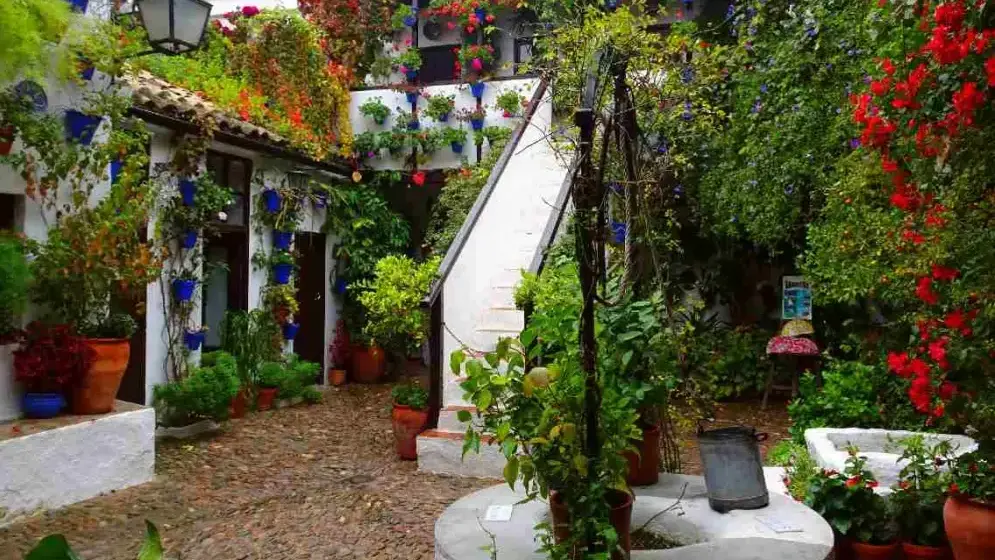
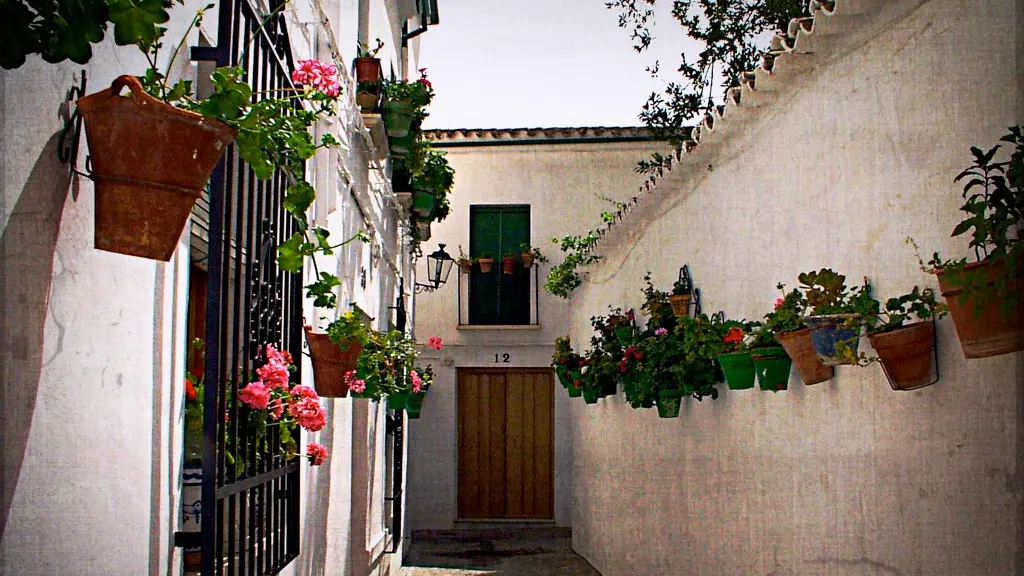
    The patio tradition is 2,000 years old and connects the Roman courtyard house to the Islamic domestic architecture that arrived in 711 to the living Cordovan custom that UNESCO inscribed in 2012. A guided tour visits six to eight private patios, including modest homes where families have tended hundreds of pots for three generations. The guides explain the architectural chain: Romans bringing the central courtyard, the Arabs adding fountains and planting for cooling, the tradition formalising in the 20th century into competition. Outside the May festival (4 to 17 May 2026), the Palacio de Viana has 12 patios spanning five centuries of the same tradition, open year-round from €5. Tours from €16.

    Guided Tour
  5. Guided Cycling Tour of Córdoba

    Guided Cycling Tour of Córdoba

    The cycling tour's edge over the walking version is geographical: it reaches the Fernandine churches that no walking tour includes. San Lorenzo and Santa Marina are Gothic-Mudéjar churches built after the 1236 Reconquista to replace the mosques in the outer neighbourhoods. San Lorenzo's bell tower started life as a minaret; the base is still clearly Caliphal in its proportions. On foot, the extra 3 km puts them out of range. By bike, 10 minutes through residential streets where locals outnumber tourists. The standard 2-hour route also covers the Mezquita, Alcázar, Roman Bridge, and Judería. Bikes and helmets included; groups to 15 people. From €29.

    Tour

Islamic & Moorish Córdoba: The Caliphate's Physical Legacy

  1. Medina Azahara

    Medina Azahara

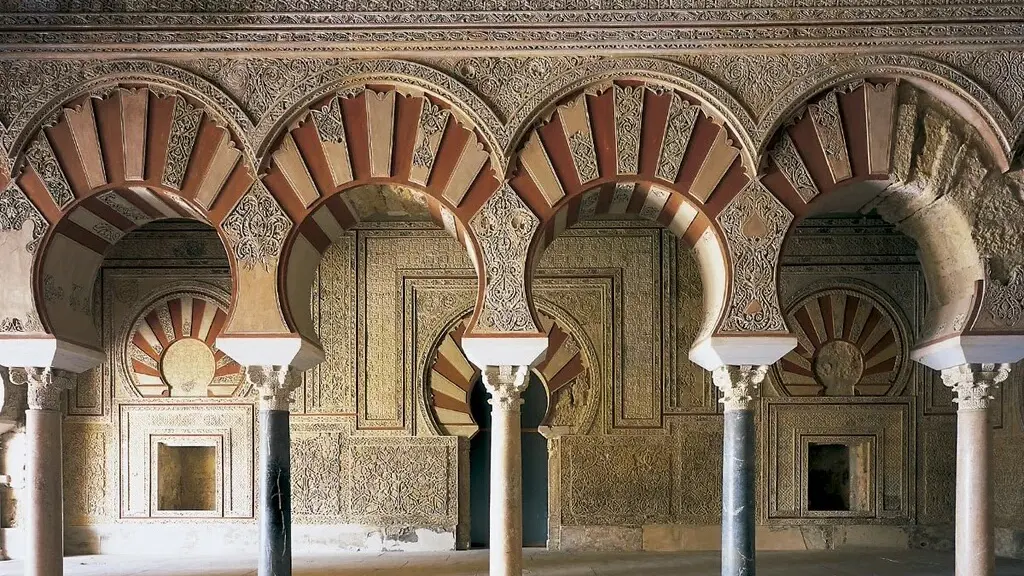
    Abd al-Rahman III broke ground in 936 on a palace-city intended to surpass Baghdad and Constantinople. More than 10,000 workers over 25 years; polychrome marble from North Africa; a reflecting pool designed to make the throne room shimmer. By 1010 it had been looted and left to disappear under fields for nearly a thousand years. The partly reconstructed Salon Rico makes the ambition legible: the polychrome arches in pink and white marble survive, along with the most refined carved capitals in Andalusian Caliphal stonework. Visit the museum before walking the ruins — the 3D reconstructions explain what the scattered foundations actually were. Free for EU citizens with ID; closed Mondays.

  2. Caliphal Baths (Baños del Alcázar Califal)

    Caliphal Baths (Baños del Alcázar Califal)

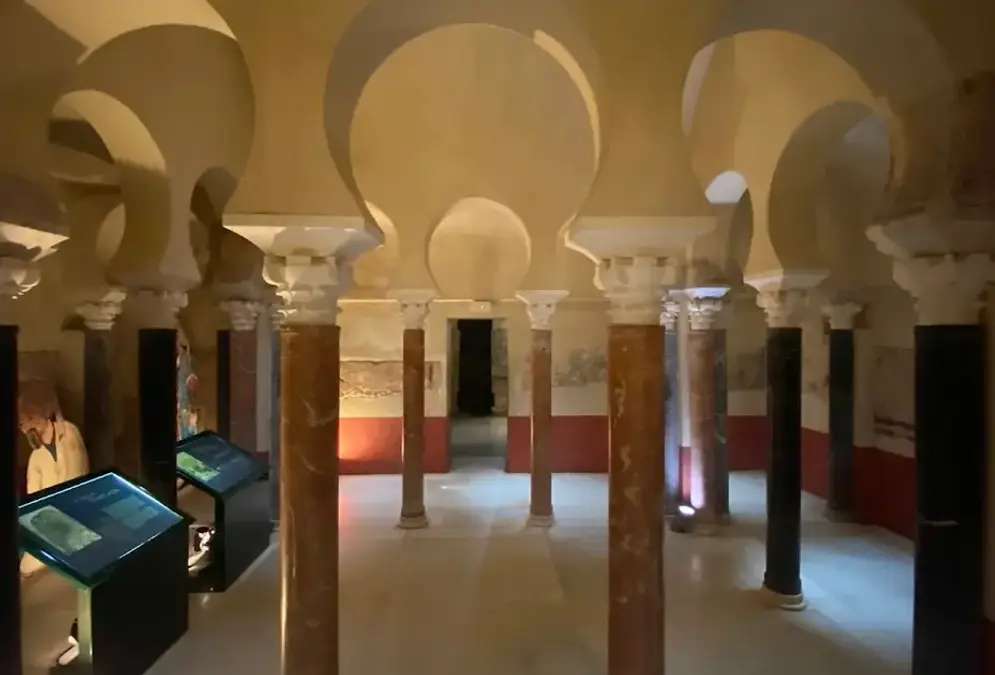
    Below the Campo Santo de los Mártires square, two minutes from the Alcázar, the Caliphal Baths built by Al-Hakam II around 961 to 976 survive in better condition than almost any other Caliphal remains in Spain. The hypocaust heating system beneath the floors is intact. The star-shaped skylights that diffused coloured light into the steam are intact. The marble pillars and carved capitals, likely salvaged from earlier Roman or Visigothic structures, are intact. The plasterwork carries Kufic script. The sequence of cold, warm, and hot chambers follows the standard Islamic hammam layout. At its peak, Córdoba had 300 baths like this. €3, 30 to 45 minutes, almost no queue.

Beyond the City: Day Trips into the Province

  1. Excursion to Medina Azahara

    Excursion to Medina Azahara

    The monument page for Medina Azahara explains what you are looking at; this is how you get there with a guide who can tell you what it means. The standard excursion from Córdoba runs 1h40 to 4 hours depending on the format, includes a guide in Spanish or English, and covers the interpretation centre before the ruins. Groups cap at 20 people. The reason to book rather than go independently: the guide sequences the visit correctly, starting with the museum's 3D reconstructions before the archaeological site, which makes the scattered foundations readable rather than confusing. Book the 10 am weekday departure; coach groups from Seville and Granada arrive from 10:30. From €22.

    Guided Tour
  2. Almodóvar Castle

    Almodóvar Castle

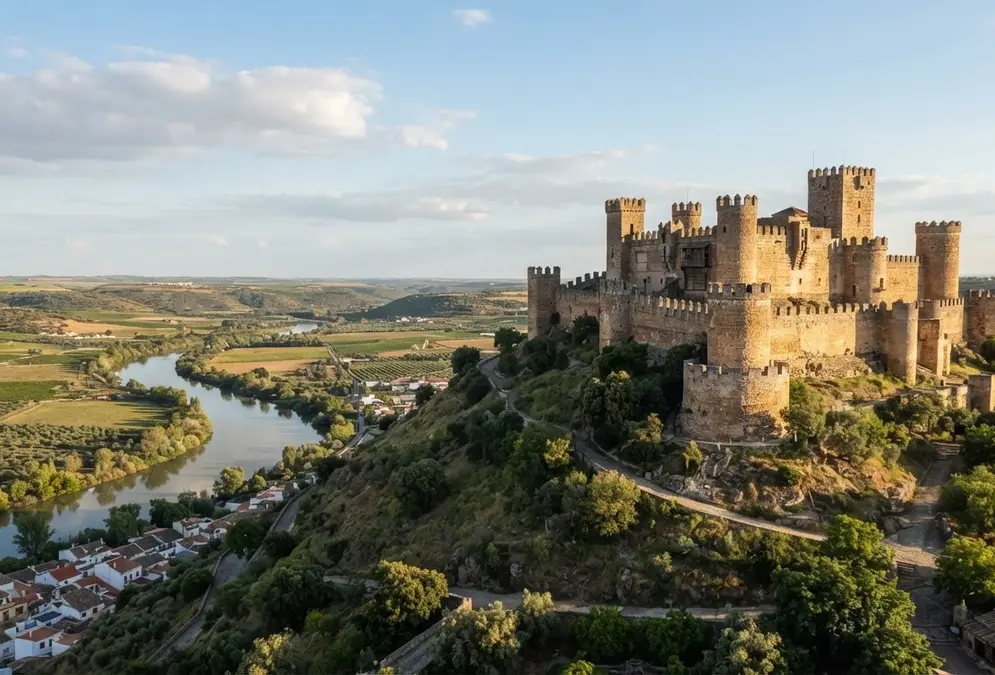
    Almodóvar del Río Castle is 22 km west of Córdoba, sitting on a hilltop above the Guadalquivir since the 8th century when the Arabs raised the first walls. Nine towers, a throne room, dungeons with medieval tableaux, an armoury, and views across the olive groves that made this region one of Rome's most productive agricultural provinces. The free audioguide in English covers the castle's history through to Pedro I of Castile in the 14th century. What Almodóvar adds to a Córdoba history itinerary is the military and defensive layer: the Mezquita and Medina Azahara both represent the Caliphate at its most confident; the castle shows what the same geography looked like from the outside, under siege. Half a day from the city; from €9.

    Guided Tour
  3. Priego de Córdoba Day Trip

    Priego de Córdoba Day Trip

    Priego is 50 km southeast, which is why most visitors skip it. That is a mistake. In the 18th century this was one of the wealthiest towns in Spain, and the wealth went into Baroque churches of exceptional quality. The Iglesia de la Asunción has a Sagrario chapel whose gilded plasterwork took decades to complete. The Fuente del Rey is a monumental fountain with 139 water jets and mythological sculpture, built between the 16th and 19th centuries. The medieval Barrio de la Villa climbs to the Balcón del Adarve, a cliff-edge terrace over olive groves extending to the Sierra Subbética. The town also sits at the centre of one of Spain's best olive oil denominations of origin. Full day; by car 1 hour 20 minutes from Córdoba.

    Tour

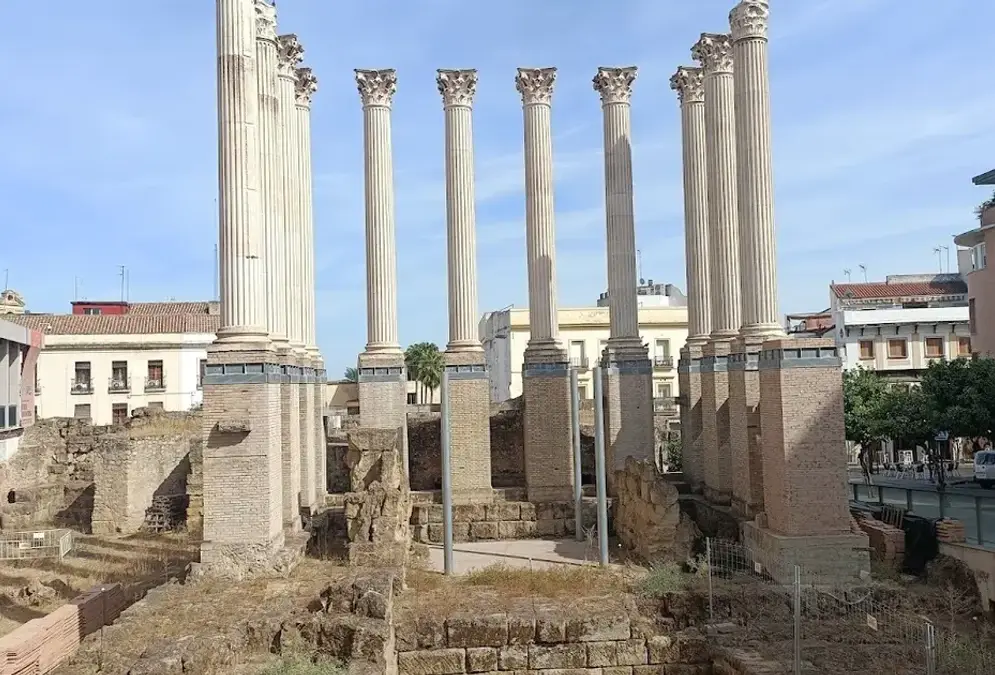
A focused three-day structure: Day one for the guided tours that provide the interpretive framework. Book the Mezquita guided tour for the morning (at least 48 hours ahead for an English small-group departure), then the free walking tour at 10:30 am gives a broader historical narrative before you pay for anything else. The Mezquita night tour runs the same evening from 8 pm in winter or 10 pm in summer; book two weeks ahead for weekend sessions. Day two for the must-see monuments: the Caliphal Baths and Synagogue are both under 45 minutes and free or near-free; combine them with the Alcázar gardens in a single morning. The Roman Temple on Calle Capitulares is ten minutes on foot and best seen after dinner when the uplighting is on. Day three for the day trips. Medina Azahara demands a half-day: take the first shuttle to be ahead of coach groups from Seville and Granada. In the afternoon, the cycling tour covers the Fernandine churches on the city's edge that no other tour reaches. Save Almodóvar Castle and Priego de Córdoba for a fourth day or a return visit — both reward a full day and feel rushed if squeezed into a programme already dense with monuments.

Frequently asked questions about Best of Córdoba for History Lovers

How many days do you need to cover Córdoba's main historical sites?

Three days is the comfortable minimum for a history-focused visit. Day one for the Mezquita guided tour and free walking tour (plus the night tour in the evening). Day two for the Caliphal Baths, Synagogue, Alcázar, and Roman Temple. Day three for Medina Azahara as a half-day trip, with the cycling tour or patios visit in the afternoon. A fourth day opens up Almodóvar Castle and Priego de Córdoba as day trips into the province.

Is a guide worth it for the Mezquita, or can you manage on your own?

A guide is worth it for a first visit. The Mezquita's 1,300-year history involves Roman columns recycled by Visigoths, reused again by Abd al-Rahman I in 784, a mihrab with Byzantine mosaics sent from Constantinople, and a Renaissance cathedral inserted in 1523 over the city council's protests. Without a guide, this sequence is hard to reconstruct from the information panels alone. Official small-group tours cap at 10 people, include skip-the-line access, and run from €22. Groups of up to 45 on third-party platforms are cheaper but make questions impossible.

What is the best historical site in Córdoba outside the city centre?

Medina Azahara, 8 km west of the city. Abd al-Rahman III began building it in 936 as a palace-city to rival Baghdad; 10,000 workers over 25 years. It was destroyed in 1010 and buried for nearly a thousand years before excavations resumed in 1911. The partly reconstructed Salon Rico shows the original scale. Entry is free for EU citizens. Allow a half-day; the easiest way to visit is the organised excursion from Córdoba (from €22), which includes a guide and the shuttle from the visitor centre to the ruins.

Can you see Córdoba's history without booking tours?

Yes, though you will understand less. The free walking tour (pay what you like at the end) gives the narrative framework without an entry fee. The Caliphal Baths, Roman Temple, and Synagogue are all self-guided and cost €3 or less. Medina Azahara is free for EU citizens. The Mezquita at the free morning entry window (Monday to Saturday 8:30 to 9:30 am) saves €20. Where guides genuinely change the experience is the Mezquita interior — the visual complexity rewards expert interpretation in a way that most monuments do not.

What is the best combination of sites for one day in Córdoba?

If you have one day: the free walking tour at 10:30 am for the historical framework, then the Mezquita with a guided tour (book in advance) for 2 hours, then the Judería, Synagogue, and Caliphal Baths in the afternoon. That covers the Roman, Caliphal, and Jewish layers in a single circuit. End with the Roman Temple on an after-dinner walk; the uplighting is on until late. The Mezquita night tour is the right finish if you want to go deeper into the Islamic layer before leaving.

Are the day trips from Córdoba worth the effort for history lovers?

Medina Azahara absolutely: it is a major UNESCO site that most visitors to Córdoba never see, and the half-day investment is low relative to what it adds. Almodóvar Castle (22 km west) adds the military and defensive layer of the same medieval period, which the city-centre monuments do not cover. Priego de Córdoba (50 km southeast) is for those with a fourth day; the Baroque churches and medieval quarter are exceptional, and the local olive oil denomination of origin is one of Spain's best.