Search the site

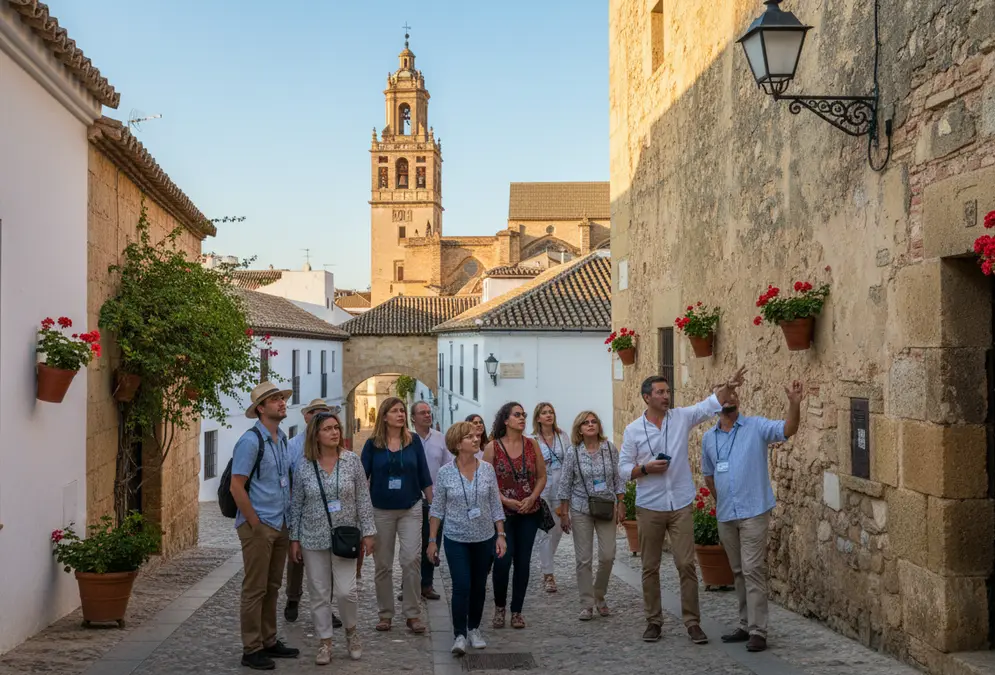
Guided walking tour group on a cobblestone street in Córdoba's Judería with the guide pointing at historic stone facades

Top 10 Activities & Experiences in Córdoba

The best things to do in Córdoba, Spain: guided tours, hammam visits, flamenco shows, food tours, horse shows, and unmissable day trips ranked for 2026.

Córdoba is not a beach town or a hiking destination. The best experiences here are not outdoors or adrenaline-based — they happen in small rooms, around tables, and inside buildings that took centuries to become what they are. The city was the largest in Western Europe in the 10th century. That past is not decorative; it's structural. Every building that matters in Córdoba is a physical argument about who controlled this place, when, and at what cost.

The activities that work best here are the ones that give you access to that argument. A guided tour of the Mezquita-Catedral turns 856 columns into a comprehensible story about an Islamic capital and the Christian reconquest that grew inside it. An evening at the hammam puts you in the same ritual — cold water, heat, steam — that 600 public baths ran for the city at its Caliphal peak. A food tour through the Judería connects salmorejo and rabo de toro to the specific geography and agricultural economy that produced them.

Seasonal timing shifts the calculus for several entries. Patio visits are only meaningful in May during the Festival de los Patios, when private courtyards open their doors to a competition that has run since 1918. Medina Azahara requires a morning start before the heat makes the shadeless ruins difficult. The hammam operates every day until midnight — it works in any weather, any month, and tends to be better on the nights you least expect it.

Use this list as a planning framework. The first two entries alone justify the trip.
  1. 1
    Guided Tour of the Mezquita with Skip-the-Line

    Guided Tour of the Mezquita with Skip-the-Line

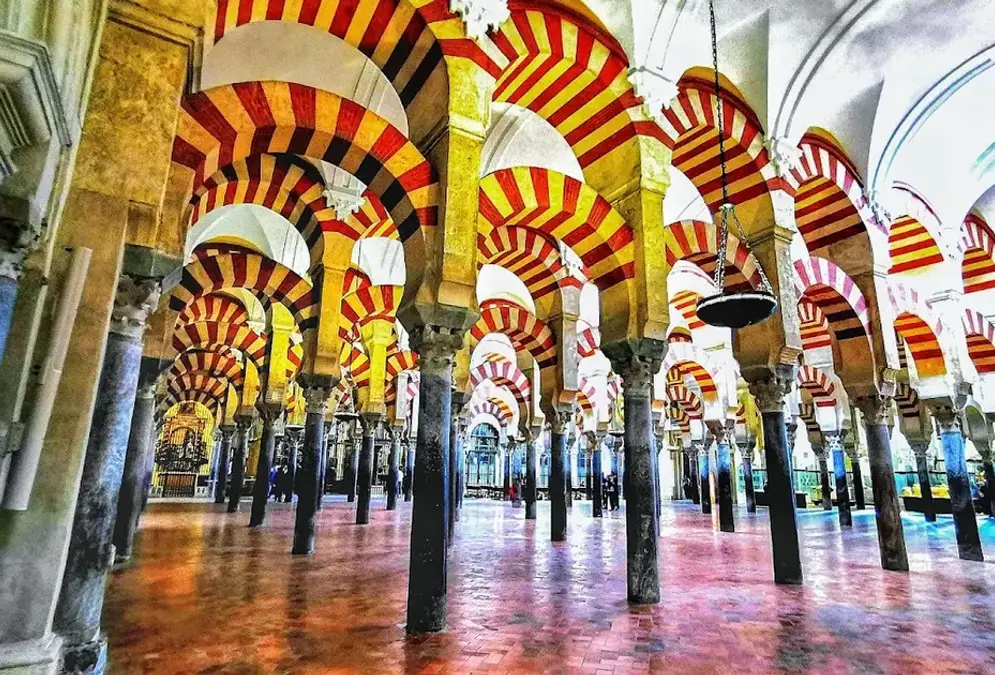
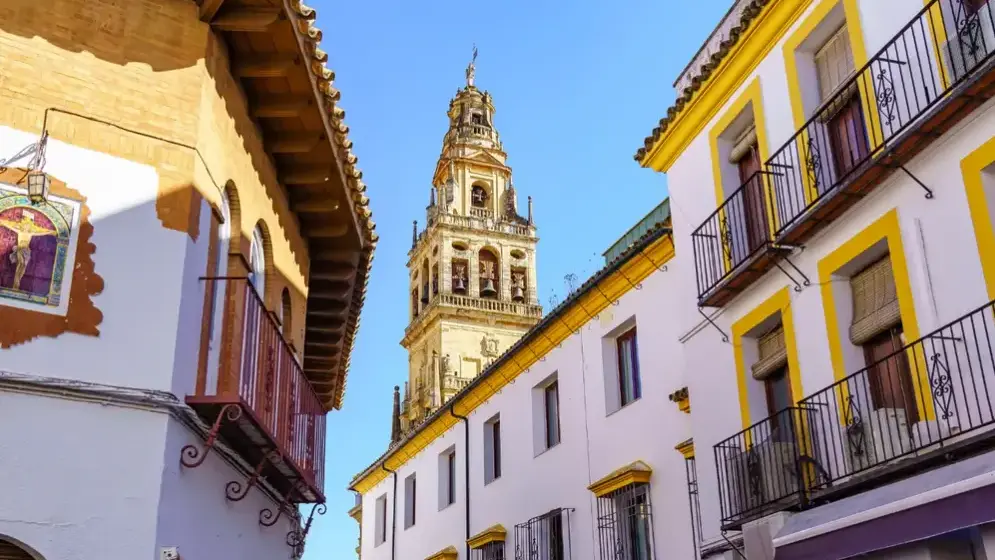
    Without a guide, the Mezquita is beautiful and bewildering. With one, it becomes the clearest possible explanation of what Córdoba actually is. You stand in front of the Renaissance nave that Charles V ordered built into the center of the mosque — reportedly telling his architects, once he saw the result, that they had destroyed something unique to build something ordinary — and suddenly the whole city makes sense. Tours run daily in English and Spanish from €22, groups capped at 10, and skip-the-line access in spring and autumn saves up to two hours of waiting.

    Guided Tour Discover
  2. 2
    Hammam Al Ándalus Arab Baths

    Hammam Al Ándalus Arab Baths

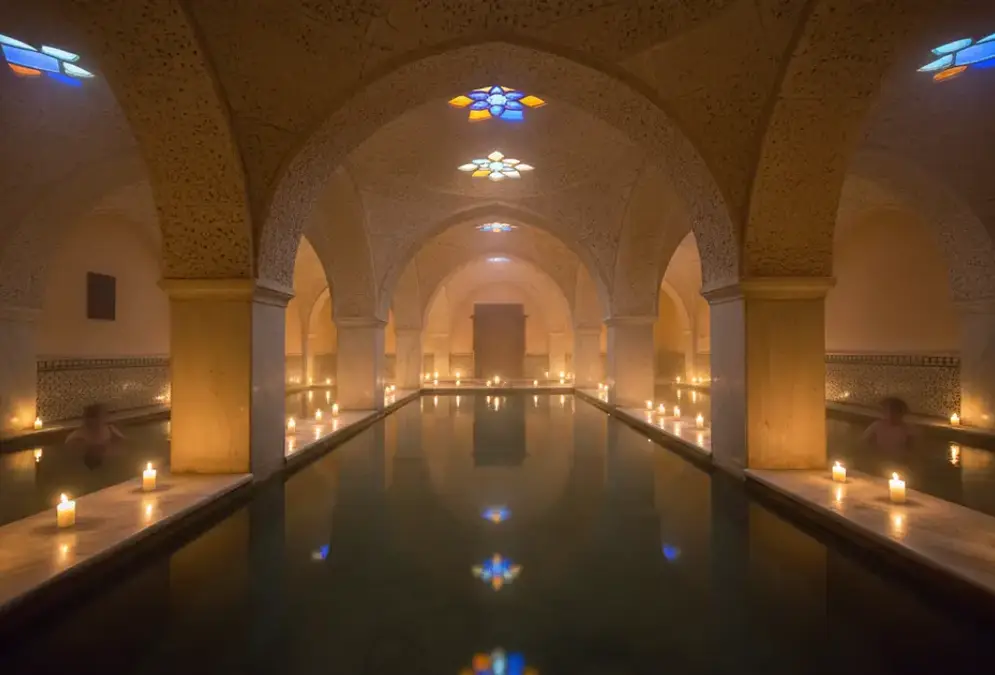
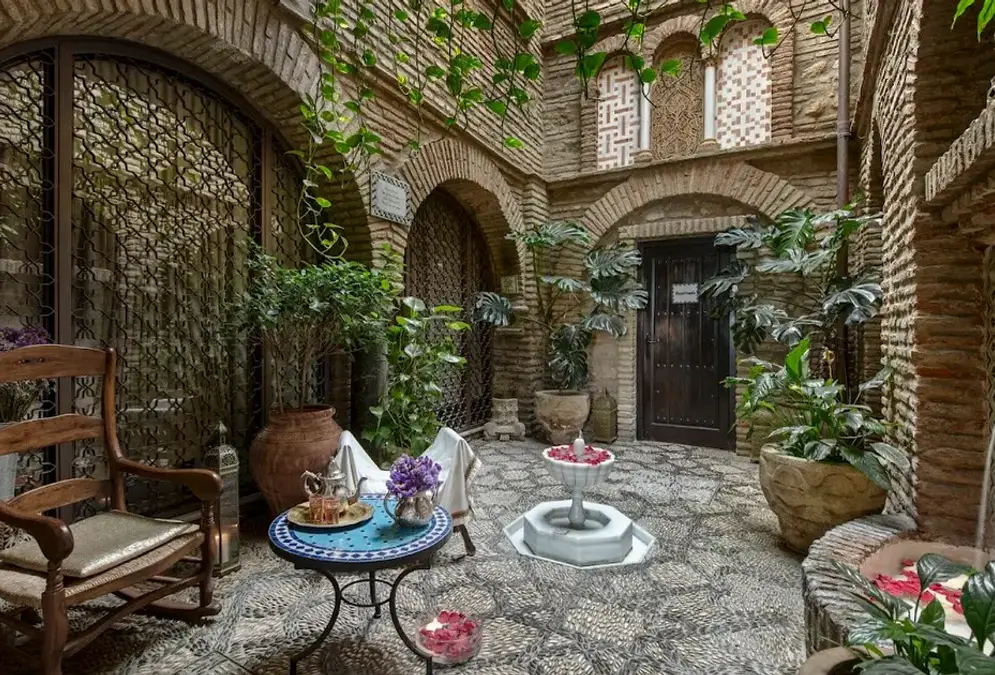
    The Hammam Al-Ándalus operates in a restored 9th-century building five minutes from the Mezquita. The thermal circuit runs cold (18°C), warm (36°C), hot (40°C), then a steam room. Your muscles stop working in any meaningful way after about twenty minutes. The mint tea in the relaxation room afterwards is not optional. The 600 public bathhouses that served Córdoba at its Caliphal peak performed exactly this ritual; the building's age makes that fact feel less like historical trivia and more like continuity.

    Wellness Discover
  3. 3
    Flamenco Show in Córdoba

    Flamenco Show in Córdoba

    The tablaos in the Judería seat 20 to 40 people in 16th-century vaulted rooms where no amplification is used and none is needed. You sit close enough to see the dancer sweat, to watch the guitarist's fingers on the fret board, to feel the floor vibrate when the heel strikes land. The soleás are slow and private, the bulerías accelerate into something close to controlled chaos. Shows run seven nights a week from 8:30pm, from €18 with a drink. Friday and Saturday sell out — book three days ahead.

    Show Discover
  4. 4
    Córdoba Food Tour

    Córdoba Food Tour

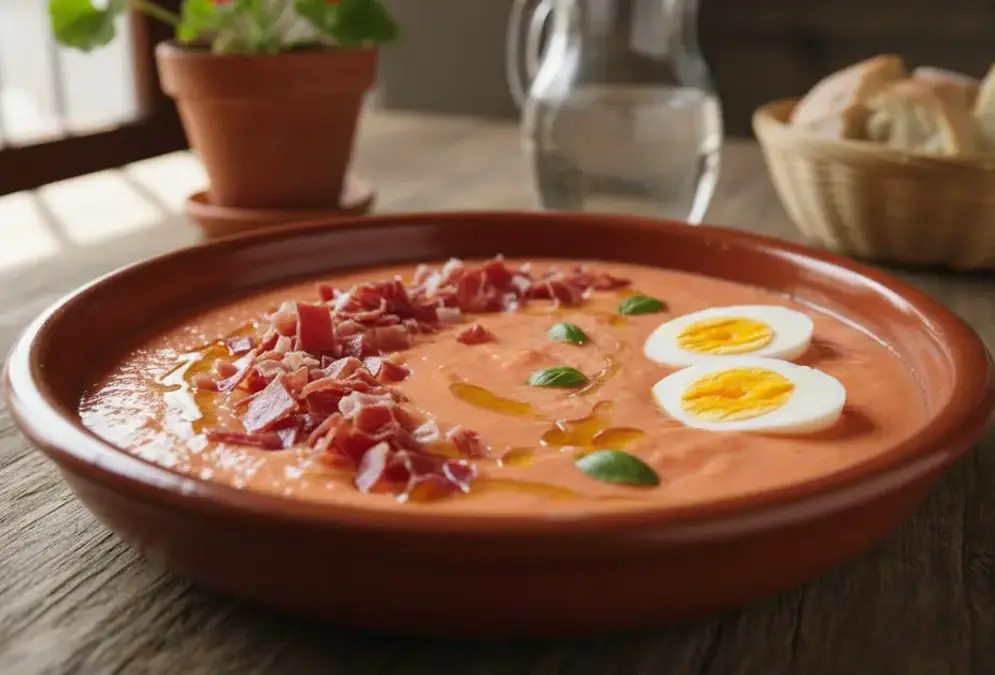
    Three hours on foot through the historic tapas bars, eating and drinking rather than photographing. A good guide knows which bar still makes salmorejo from the original five-ingredient recipe versus which one runs a tourist-menu approximation — the difference is immediately obvious once you taste both. The circuit covers salmorejo, flamenquín, rabo de toro, berenjenas con miel, and Montilla-Moriles wine. By the end you have eaten an actual meal and understand why Cordovan food is distinct from Andalusian food more broadly.

    Food & Drink Discover
  5. 6
    Excursion to Medina Azahara

    Excursion to Medina Azahara

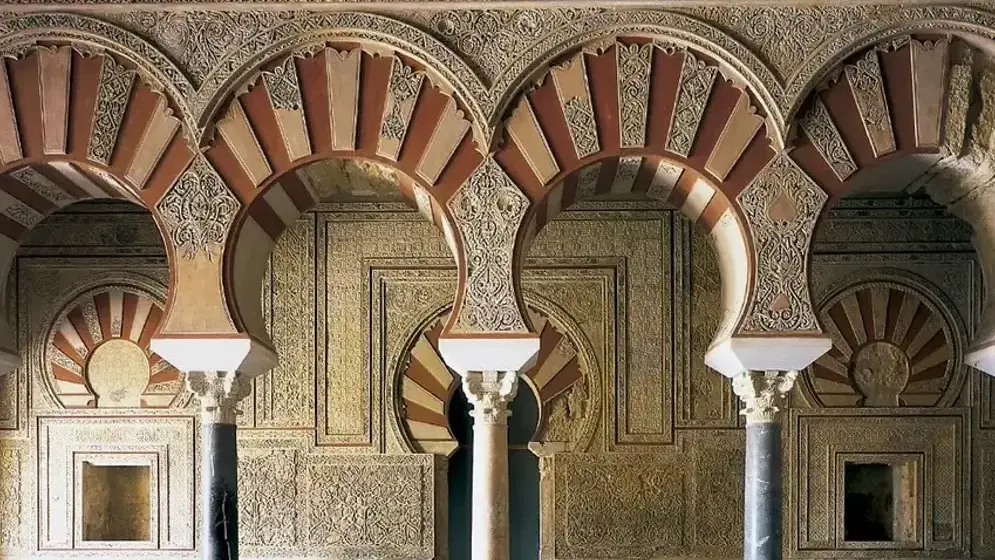
    Abd al-Rahman III began building Medina Azahara in 936 — a new city and palace complex 8km west of Córdoba, completed in 25 years and destroyed within a generation by civil war. What remains at the UNESCO-listed site is substantial: the Salon Rico's polychrome arches are among the finest surviving examples of Caliphal architecture anywhere. Go with a guide. The scale and state of the ruins require interpretation to make sense of, and the on-site museum adds enough context that self-guided visits regularly disappoint.

    Guided Tour Discover
  6. 7
    Cooking Class in Córdoba

    Cooking Class in Córdoba

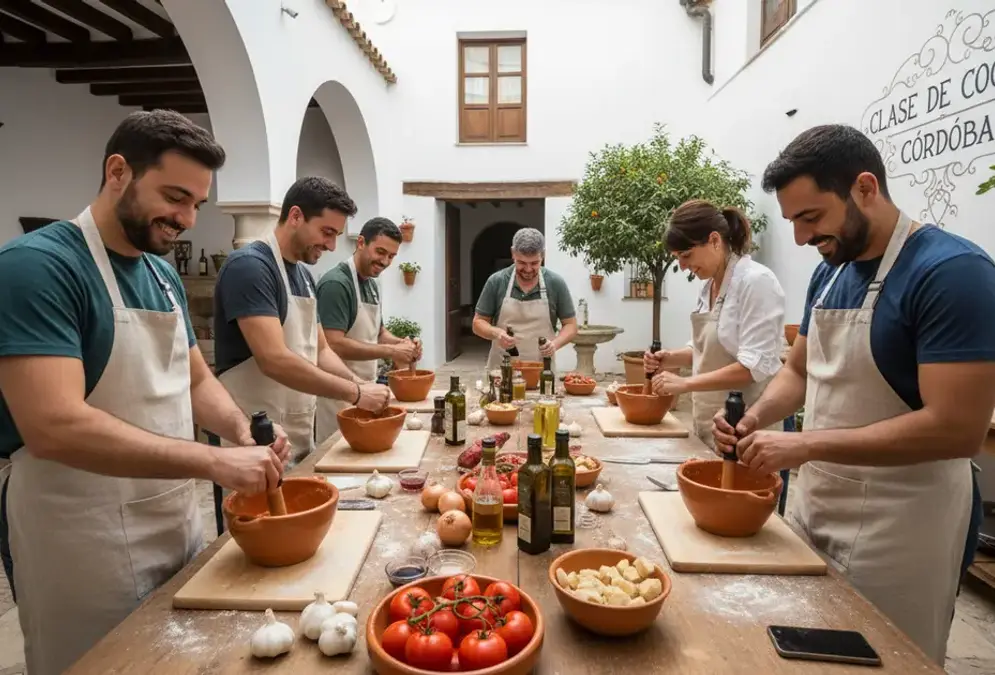
    A morning class that starts at the Mercado de la Corredera — choosing which tomatoes make the best salmorejo, watching the vendor explain the oil — and ends with eating what you made over a shared table is a different experience from eating the same dishes in a restaurant. You learn that salmorejo requires a spoon to stand in it; that flamenquín is rolled not folded; that berenjenas con miel uses molasses, not honey, in the traditional recipe. Classes run 10am–2pm, €50–75 per person.

    Food & Drink Discover
  7. 8
    Olive Oil Tasting

    Olive Oil Tasting

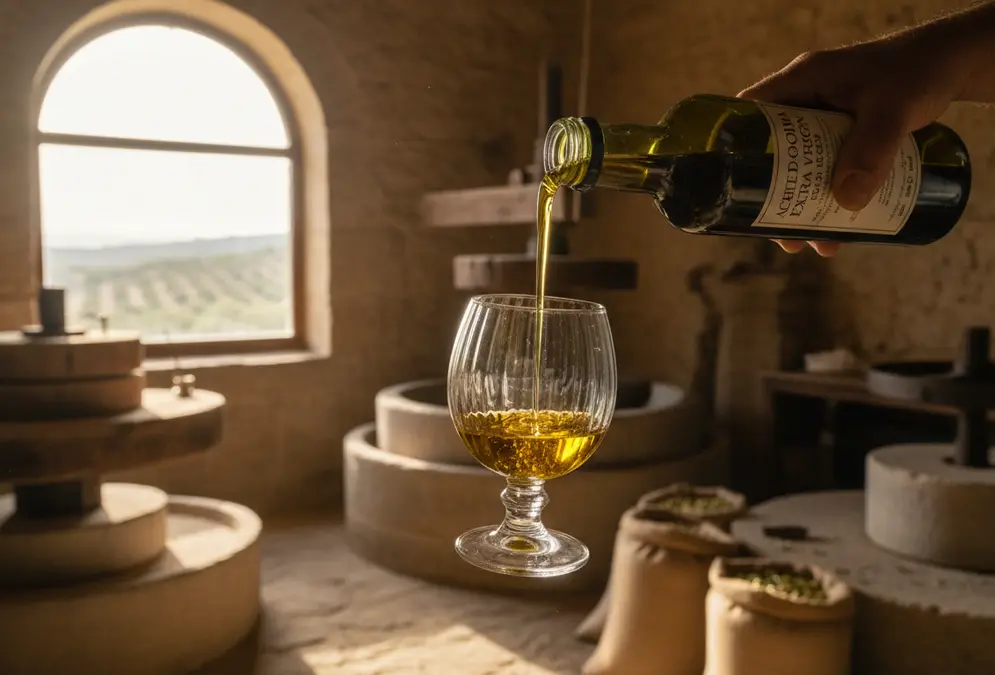
    Córdoba province produces more olive oil than most countries. A structured tasting with a certified sommelier walks through Picual, Hojiblanca, and Arbequina side by side — early-harvest versus late-harvest, cold-pressed versus conventional — and teaches you to identify freshness, bitterness, and that specific pepper catch at the back of the throat as quality markers rather than flaws. Tasting sessions include the estate and production context, which matters: understanding why Sierra Morena Picual tastes different from Campiña Arbequina requires knowing what grows where.

    Food & Drink Discover
  8. 9
    Free Walking Tour of Córdoba

    Free Walking Tour of Córdoba

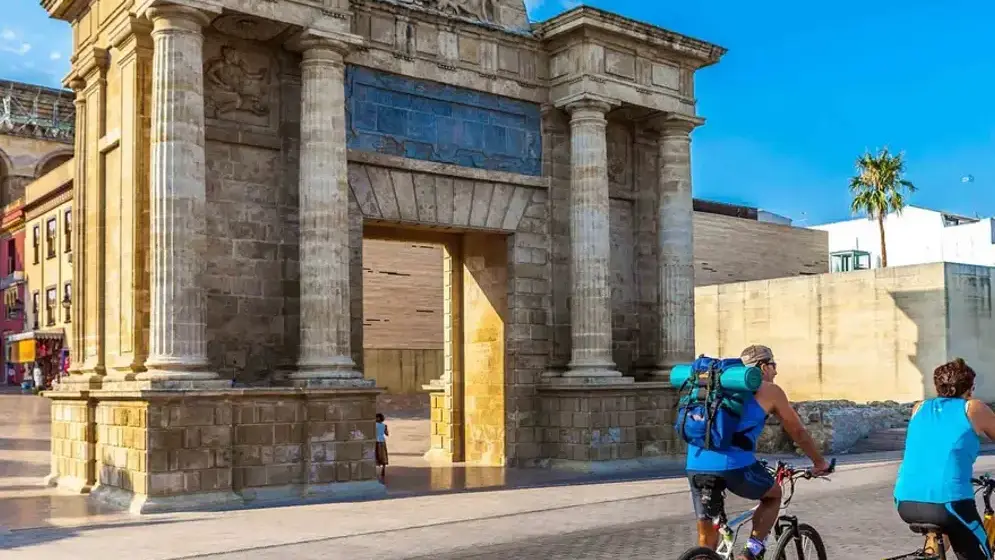
    Two hours on foot through the Mezquita exterior, the Judería lanes, the Roman Bridge, and Plaza de la Corredera, led by a local guide on a tip-based model. The best free tour guides in Córdoba are trained historians or architecture students, not hospitality workers running a script. This is a first-morning activity — use it to orient yourself before independent exploration, and pay the guide what you'd pay for a coffee per 20 minutes of interesting conversation. €10–15 per person is fair.

    Tour Discover
  9. 10
    Guided Cycling Tour of Córdoba

    Guided Cycling Tour of Córdoba

    Córdoba's historic centre is compact enough to cycle in two hours — Mezquita to Alcázar to Fernandine churches to Roman Bridge — while moving slowly enough to absorb the guide commentary at each stop. Useful for visitors who want to cover more ground than a walking tour allows without losing the context that a bus tour removes. Tours run daily in English and Spanish, bikes and helmets included. The route through the quieter residential streets east of the Judería is not on any walking circuit.

    Tour Discover

Reporter notebook

Insider tips

Practical observations gathered the way a local journalist would keep them: short, specific, and more useful than brochure copy.

Booking tip

Book the Hammam for Late Evening

The 22:00 and 22:30 sessions at Hammam Al-Andalus are the most atmospheric — candlelit pools, fewer visitors, and the meditative silence of the ancient building at night. These slots are also the ones with the most last-minute availability, even in high season.

Best time

Medina Azahara: Morning Only

Visit Medina Azahara exclusively in the morning. By midday in spring and autumn the site is shadeless and uncomfortable; in summer it is unbearable after 11am. The 9:15 first shuttle gives you 90 minutes before coach groups arrive.

What to bring

Essentials for a Cordoba Activity Day

Carry a refillable water bottle (public fountains throughout the historic centre), comfortable flat shoes for cobblestones, and sunscreen even in spring. The sun in Cordoba is stronger than visitors from northern Europe expect, and dehydration ruins afternoon plans.

Money tip

Free Tours Deserve Good Tips

Cordoba's free walking tours are tip-based, and many guides are trained historians or architecture students. A fair tip is 10-15 euros per person for the 2-hour tour — this is their primary income, and the quality of information you receive is often better than paid tours.

Practical Tips

The highest-impact combination for a first visit is a guided Mezquita tour in the morning followed by an evening hammam session — historical context first, then the ritual that was running in this city when the mosque was built. Book the guided tour 2–3 days ahead; the hammam can usually be arranged same-day outside July and August. Flamenco on Friday and Saturday evenings sells out — book 3–5 days ahead for the better tablaos. For Medina Azahara, the half-day morning excursion with a guide is significantly more rewarding than self-guided; the scale and complexity of the ruins require interpretation.

Frequently asked questions

How much does a guided Mezquita tour cost in Córdoba?

Guided tours with skip-the-line entry typically cost €22–30 per person, including the €13 general admission. Groups are usually limited to 10 people. Tours run daily in English and Spanish, departing from the Puerta del Perdón entrance. The skip-the-line component alone justifies the supplement in spring and autumn when queues exceed an hour.

How much does the Hammam Al-Ándalus cost and can I walk in?

A standard 90-minute thermal circuit at Hammam Al-Ándalus costs €35–38 per person. Adding a 15-minute massage brings it to €50–60. Walk-in availability exists midweek outside summer, but booking online is strongly recommended. The website offers online booking at cordoba.hammamalandalus.com. The latest slots (10–11pm) are atmospheric and often have last-minute availability.

Is a flamenco show in Córdoba worth the money?

Yes, at the Judería tablaos specifically. The vaulted 16th-century rooms provide natural acoustics that amplify heel strikes and guitar in a way that no purpose-built venue can replicate — the intimacy (usually 20–40 spectators) creates a genuinely different experience from tourist shows in larger theatres. Shows start at 8:30pm, cost from €18 with a drink, and last 60–70 minutes.

How long does a trip to Medina Azahara take from Córdoba?

Allow half a day — 3 to 4 hours total including transport. The tourist bus from Paseo de la Victoria takes 20 minutes each way. The site itself requires 1.5–2 hours to see properly with a guide, or 2.5–3 hours self-guided. Morning visits are recommended before coach groups arrive after 11am and before the heat peaks in summer.

Are cooking classes available in Córdoba and what do they include?

Several operators offer half-day classes (typically 10:00–14:00) covering salmorejo, flamenquín, and berenjenas con miel — the three Cordovan classics most requested by visitors. Classes typically start at the Mercado de la Corredera for ingredient sourcing, move to a kitchen for preparation, and conclude with eating what you made. Prices run €50–75 per person. Book online 2–3 days ahead.