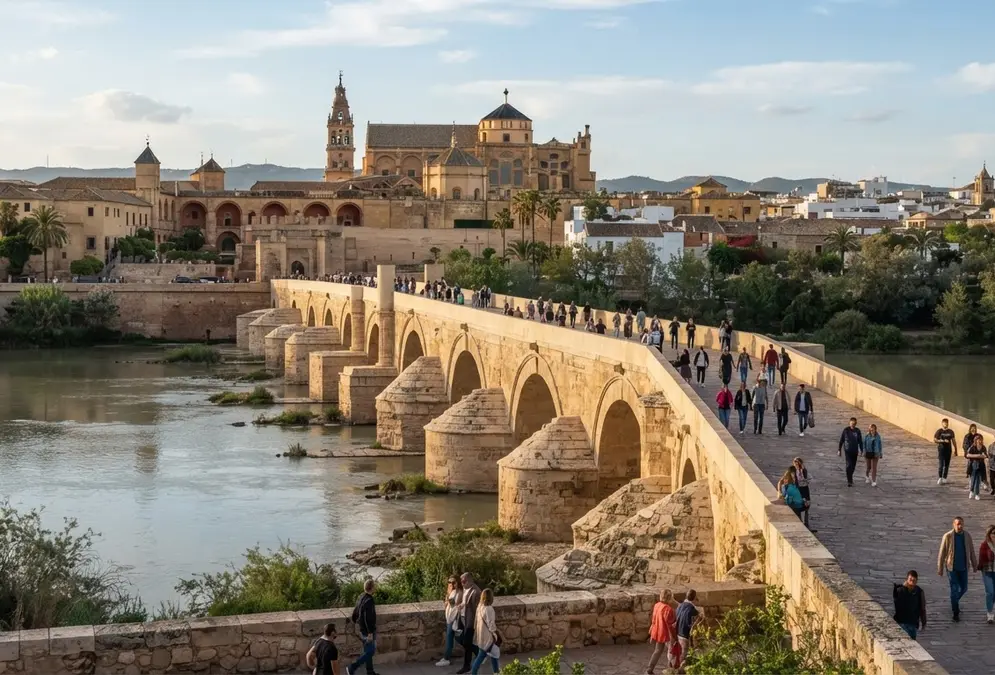
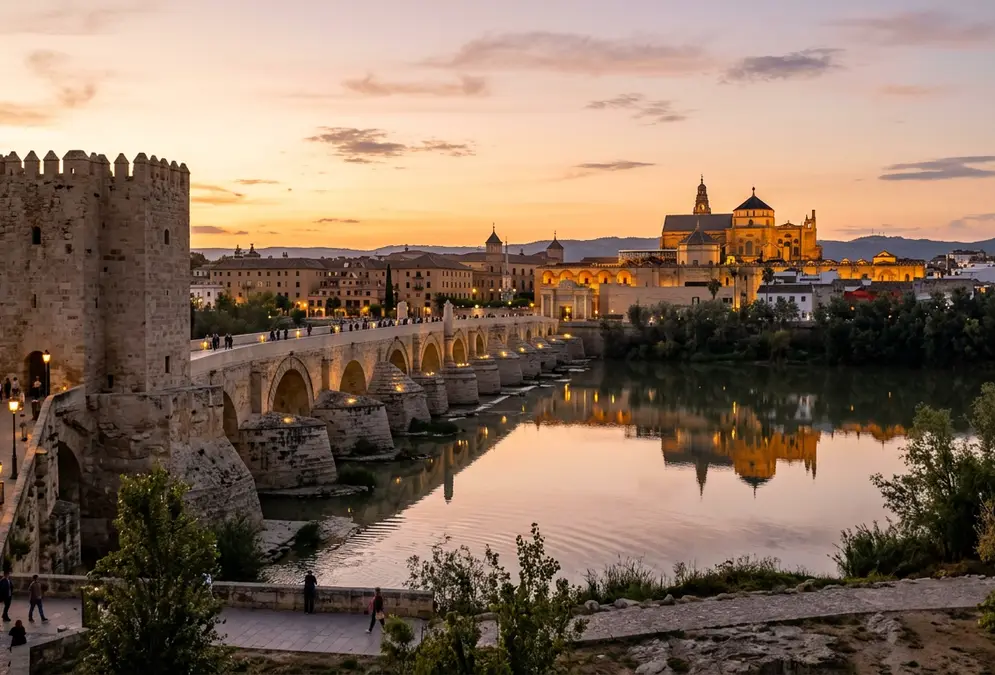
Free and budget things to do in Córdoba — the Roman Bridge with the Mezquita-Catedral reflected in the Guadalquivir at sunset

Free and Budget Things To Do in Córdoba

Córdoba packs UNESCO heritage into a city where most top sights are free. Roman Bridge, patios, C3A: a full day costs under €15. The complete budget guide.

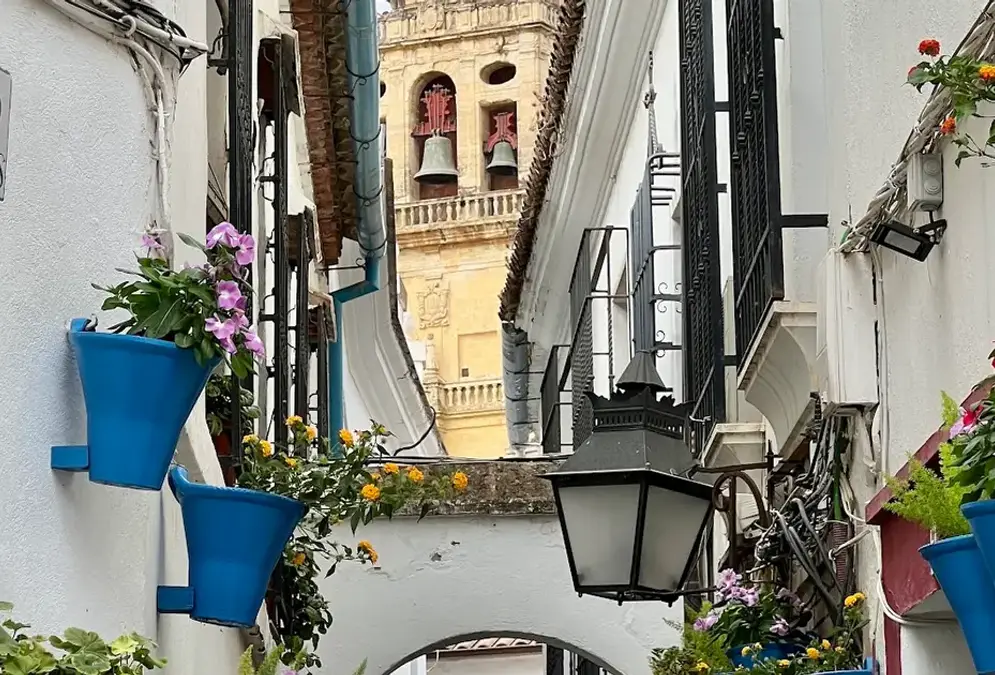
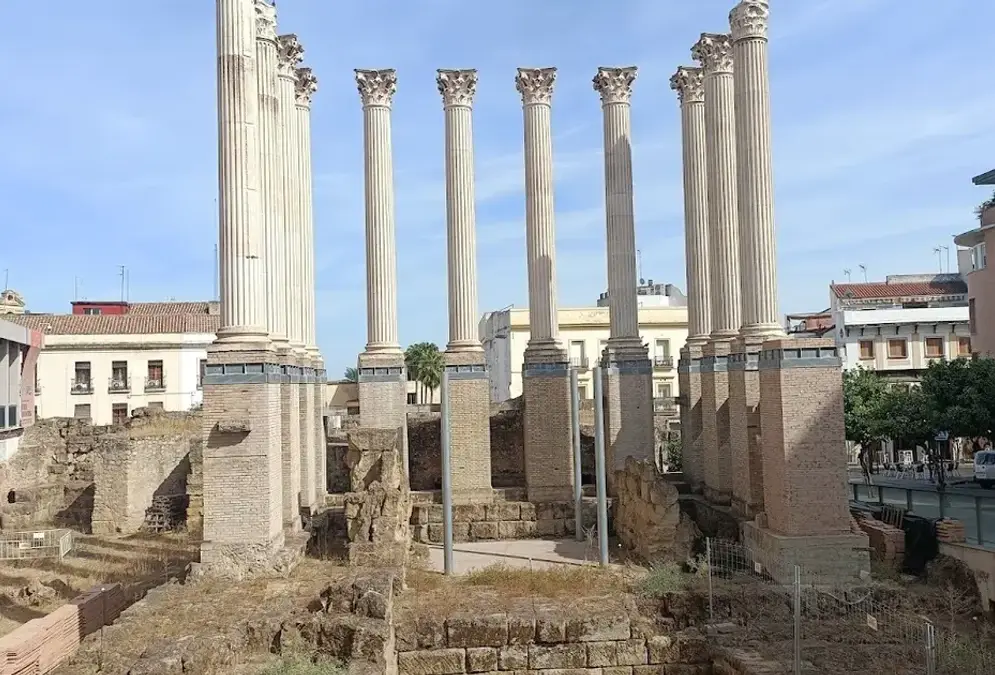
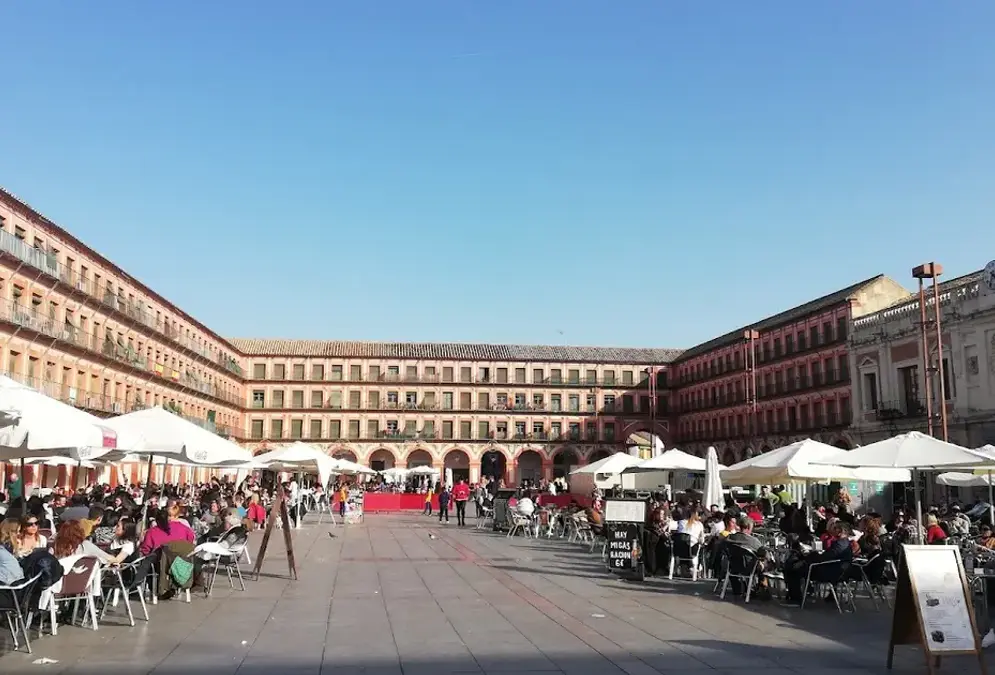
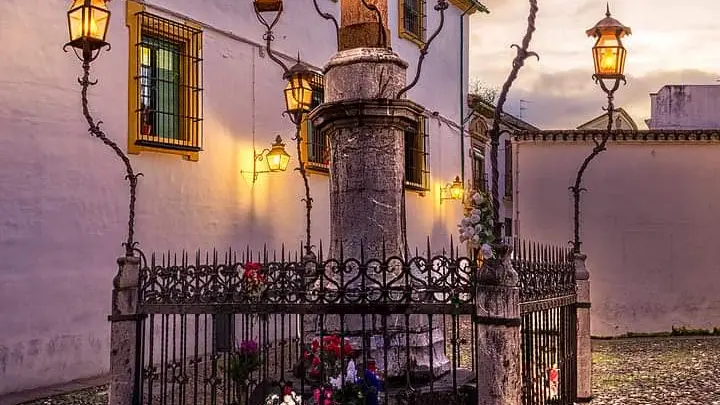
Córdoba is one of the few UNESCO cities in Europe where you can spend a full day inside world-class heritage without paying a single euro in entry fees. The Roman Bridge has been free to walk since Julius Caesar's engineers built it in the 1st century BC. The Roman Temple, floodlit at night on Calle Claudio Marcelo, costs nothing. The Calleja de las Flores, the Plaza de la Corredera, the Cristo de los Faroles, the San Basilio patios: all free, all within walking distance of each other.

When the paid attractions do charge, the prices stay low. The Centro Flamenco Fosforito is €2 for adults, with free live recitals every Sunday at noon in the 15th-century Posada del Potro courtyard. The contemporary art centre C3A, fifteen minutes along the riverbank from the Mezquita, is always free. The Museo de Bellas Artes holds Zurbarán and Valdés Leal canvases at no charge for EU citizens. Julio Romero de Torres Museum is €5 but free on Thursday evenings after 6pm.

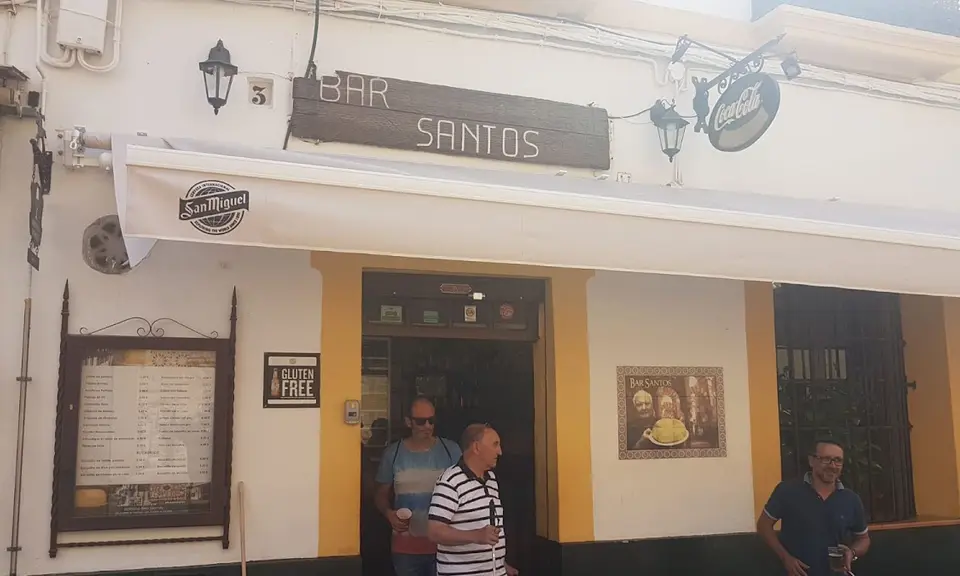
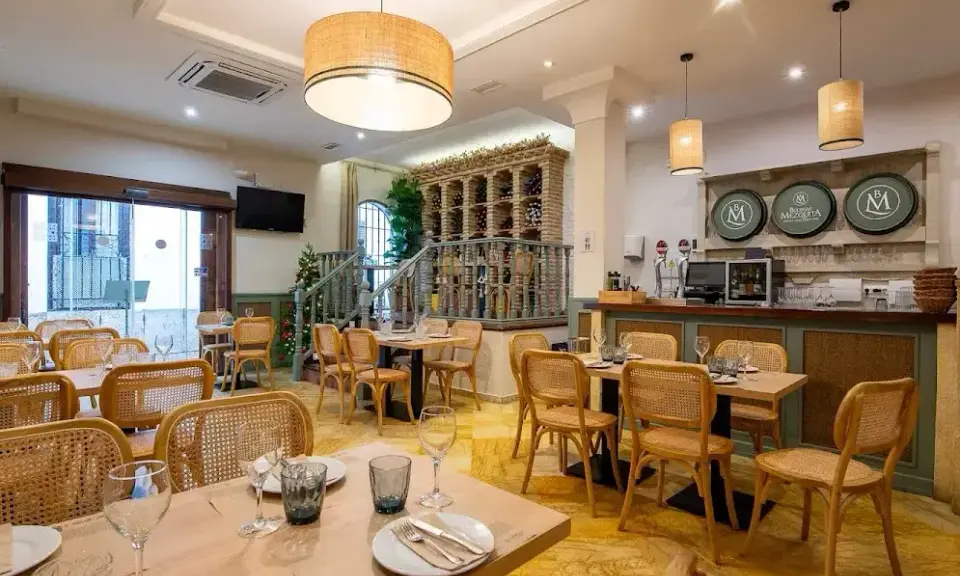
Food works out the same way. A tortilla slice at Bar Santos costs €2-3. Salmorejo and a glass of house Montilla-Moriles at Bodegas Mezquita runs around €7-9 sharing a couple of tapas. The free walking tour runs on a pay-what-you-wish model: the suggested tip is €10-15, still cheaper than any standard guided tour in the region. A full day including a free tour, lunch at a traditional taberna, three or four museums, and a long evening walk through the historic centre comes in under €15 in entry fees. Add lunch and a drink: another €12-15. That is less than a single entry ticket to many comparable European sites.

This guide covers the 14 best free and budget options in the city: open-air monuments you can visit at any hour, museums that charge nothing or a token fee, and restaurants where locals eat at local prices. It also flags the entry hacks worth knowing: the Mezquita's free morning window (Monday to Saturday, 8:30 to 9:30am), free Tuesdays at the Alcázar, and the Palacio de Viana's free Wednesday afternoons.

Ranked list

How we chose

The places on this list were selected against the following editorial criteria.

  • Entry price: free, always-free, or under €5 per adult
  • Visitor value: quality of the experience relative to cost, not quality in absolute terms
  • Central location: walkable from the historic centre without needing transport
  • Combination potential: works in sequence with other stops on the same day
  • Authenticity: places that locals actually use, not recreations designed for visitors

Reporter notebook

Insider tips

Money tip

The Mezquita is free Monday to Saturday 8:30-9:30am

Arrive at 8:15am and join the queue outside the Puerta del Perdón. When the doors open at 8:30, you have the 856 columns almost to yourself for about twenty minutes before the first paid-entry groups come in. The light through the forest of columns at that hour is something the midday visit cannot replicate. This is the single most valuable free hour in Córdoba.

Best time

Free Tuesdays at the Alcázar and free Wednesday afternoons at Palacio de Viana

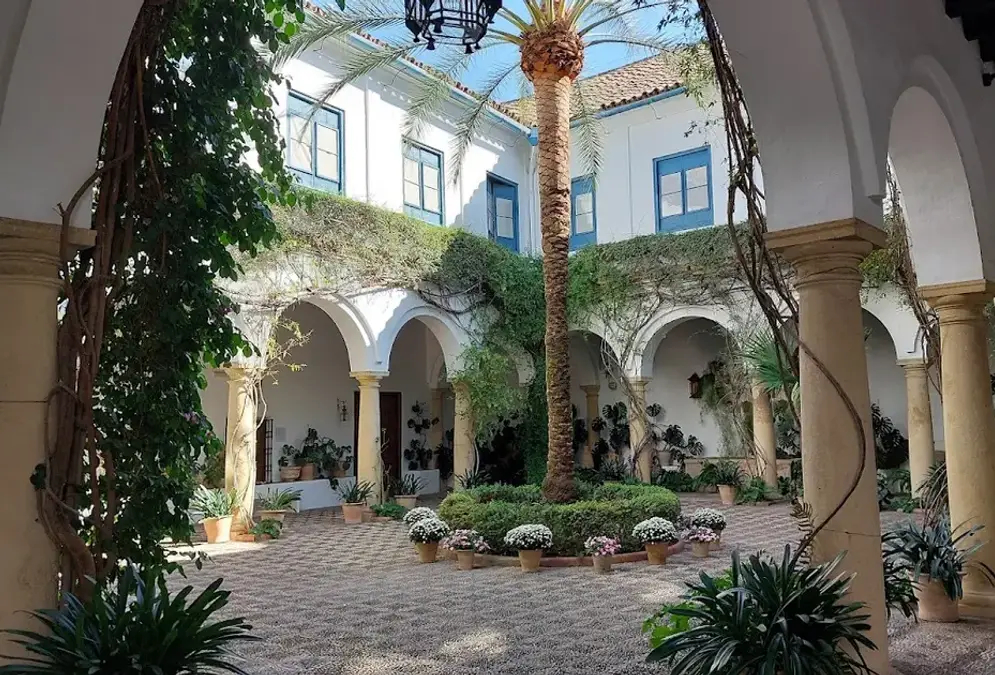
The Alcázar de los Reyes Cristianos (normally €5) is free every Tuesday. The Palacio de Viana with its twelve patios (normally €5-9) is free every Wednesday from 2 to 5pm. Locals know both dates. Combine the Alcázar free Tuesday with the adjacent Caliphal Baths at €3 and the Patios de San Basilio nearby for a free morning in the San Basilio neighbourhood.

14 places

Free Guided & Cultural Experiences

  1. Free Walking Tour of Córdoba

    Free Walking Tour of Córdoba

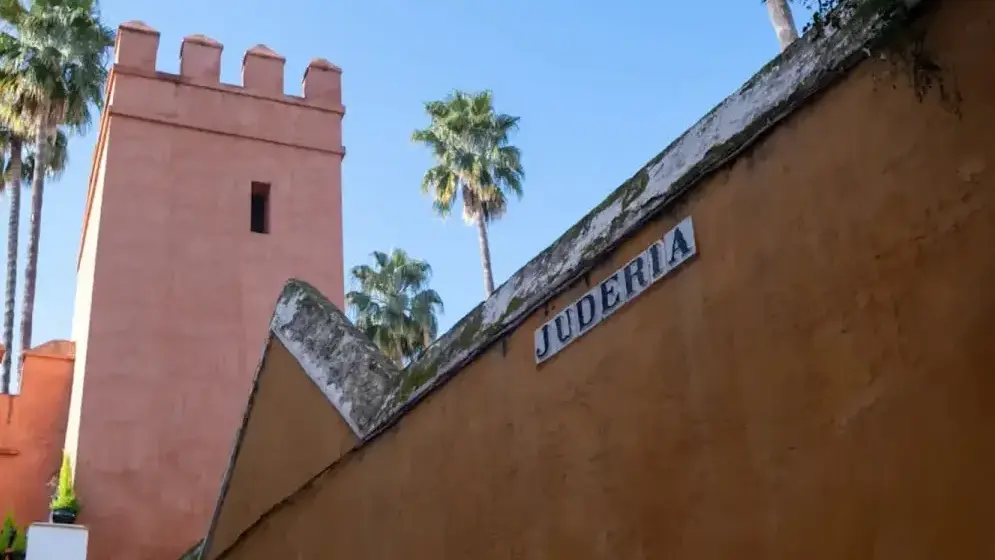
    Free (tip €10-15 suggested). The pay-what-you-wish walking tour is the sharpest introduction to the city's three-culture history. Two hours, groups capped at 6-8 people, passing the Mezquita exterior, through the Judería lanes, over the Roman Bridge and past the Alcázar walls. The guide earns 100% of whatever you give at the end. Meet at Plaza de las Tendillas or Plaza del Triunfo depending on the operator; book the day before in high season. Daily at 10:30am.

    Tour
  2. Centro de Creación Contemporánea de Andalucía (C3A)

    Centro de Creación Contemporánea de Andalucía (C3A)

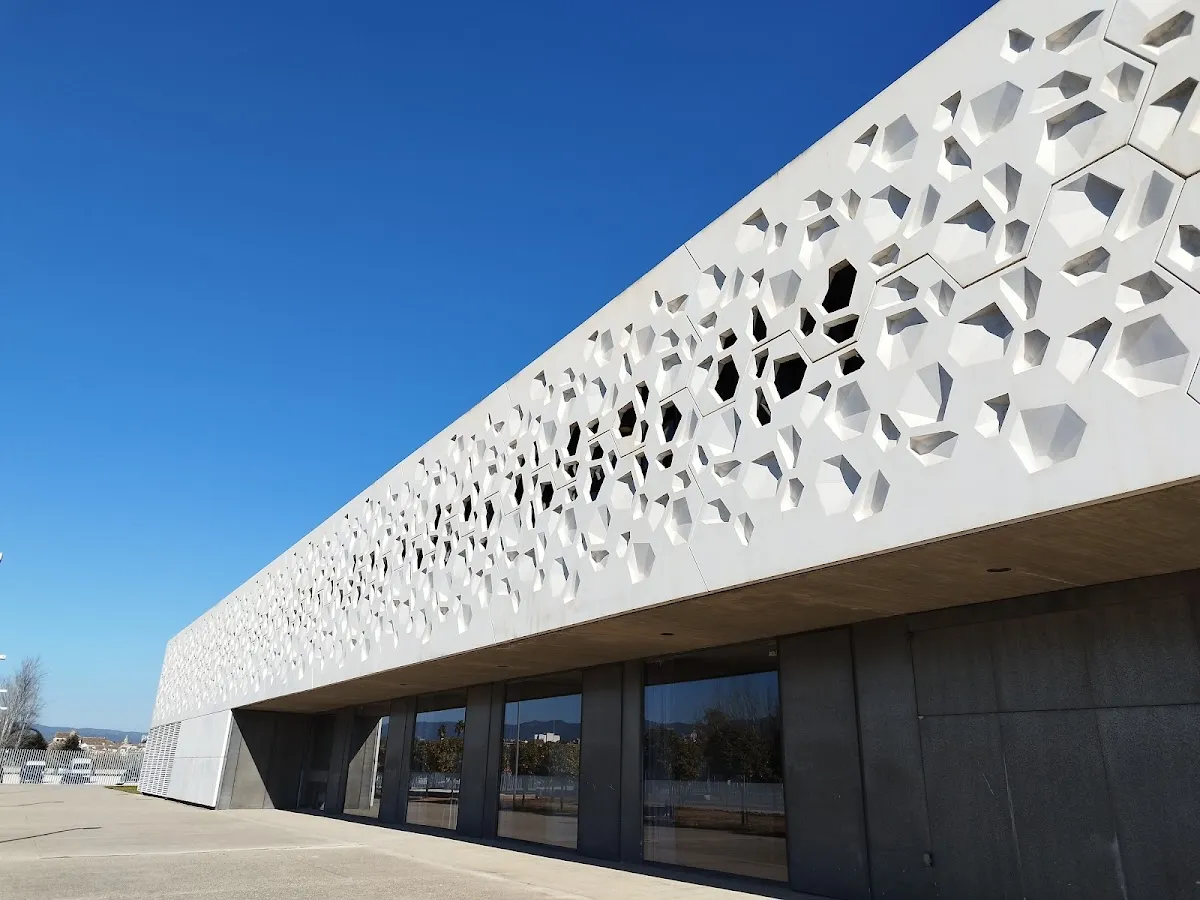
    Free; Tue-Sat 11:00-20:00, Sun 11:00-15:00. Fifteen minutes' walk along the riverbank from the Mezquita, the Centro de Creación Contemporánea de Andalucía is not a museum of the city's past. It is a working production space for contemporary visual art, performance, dance, and new media, on the Guadalquivir near the Roman Bridge. No permanent collection; rotating exhibitions mean the building changes entirely between visits. The C3A is a reminder that Córdoba has a present tense, not just a past one. Allow 45-90 minutes depending on what is showing.

  3. Centro Flamenco Fosforito

    Centro Flamenco Fosforito

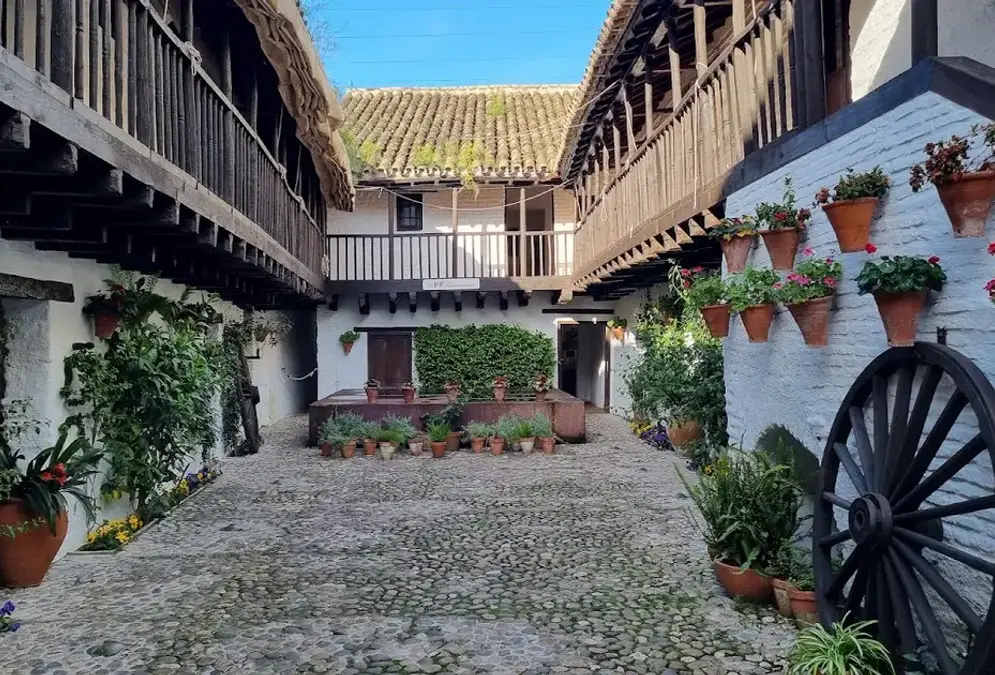
    €2 adults, €1 students, under-14 free. In the 15th-century Posada del Potro on Plaza del Potro, the Centro Flamenco Fosforito traces the Cordovan deep song tradition through instruments, photographs, listening booths with archival recordings, and an interactive rhythm station where you can attempt the compás patterns. Free Sunday noon recitals in the courtyard are the best reason to time your visit: live flamenco in the space Cervantes described, without the €30-plus tablao pricing. Allow 1-1.5 hours.

Historic Squares, Patios & Parks

  1. Patios de San Basilio

    Patios de San Basilio

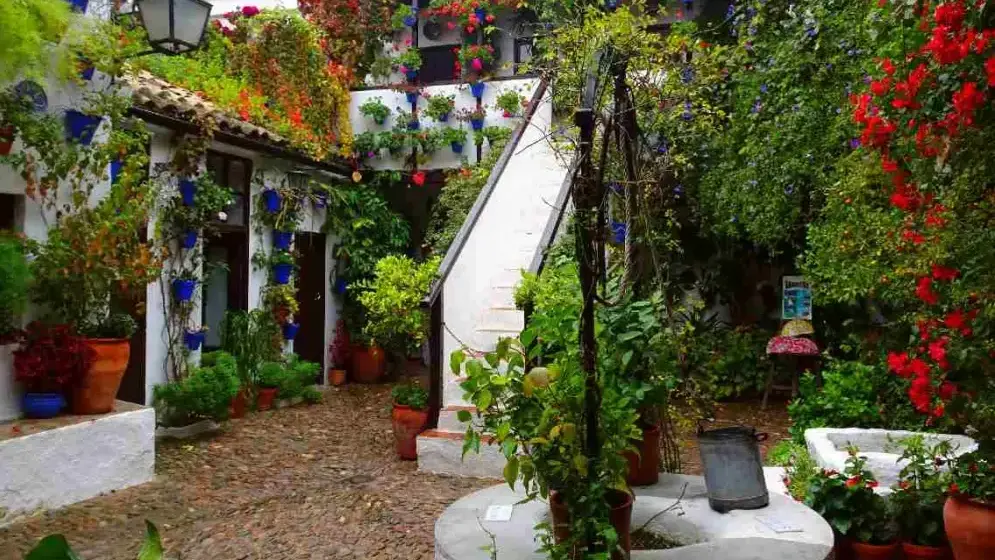
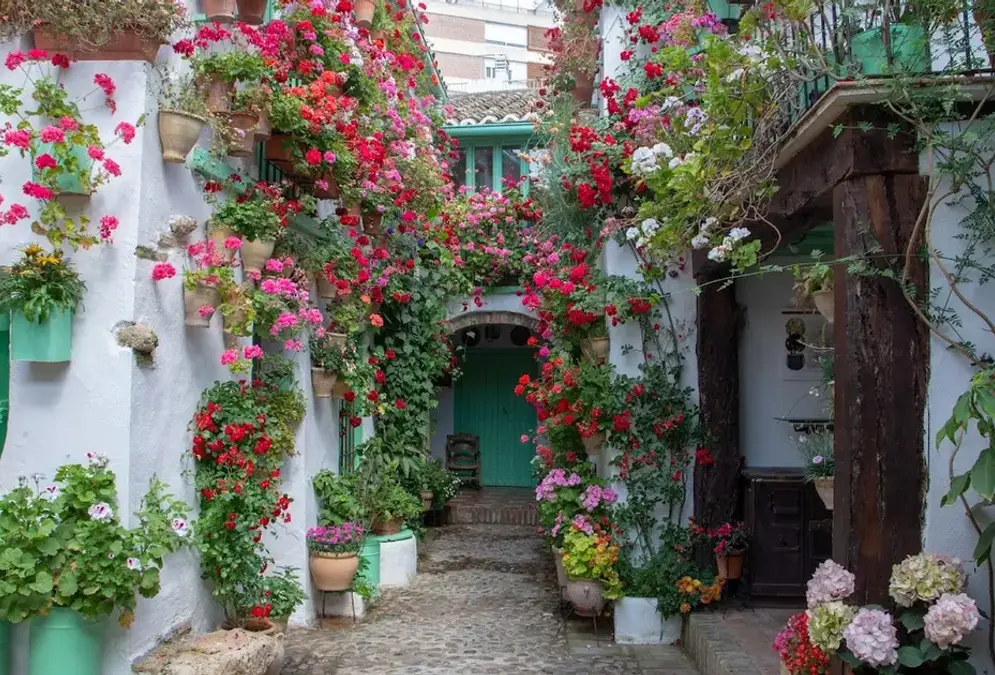
    Free or €2-3 donation. Between Calle San Basilio and the Alcázar walls, residents maintain flower-filled courtyards their families have tended for generations: geraniums massed in terracotta pots, bougainvillea on whitewashed walls, orange trees scenting the lane. Most patios open roughly 10am-2pm and 5pm-8pm. During the May festival, over 50 patios open free across the neighbourhood. Outside festival season, the visit is quieter and you can talk with the owners. Allow 1-2 hours.

  2. Parque de la Asomadilla

    Parque de la Asomadilla

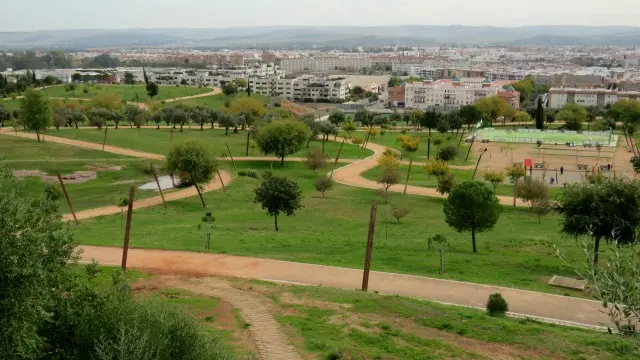
    Free, open until 2am in summer. Twenty-seven hectares of Mediterranean woodland on the northern hills, the second-largest urban green space in Andalusia. The 20-30 minute climb to the summit viewpoint takes in the city and the Sierra Morena on clear days. The park has 1,200 mature trees of 18 local species and is almost entirely free of tourists. Cordobans use it for evening walks when the old town holds summer heat past midnight. The extended hours to 2am in summer are not a tourist amenity; this is where locals go.

  3. Plaza del Potro

    Plaza del Potro

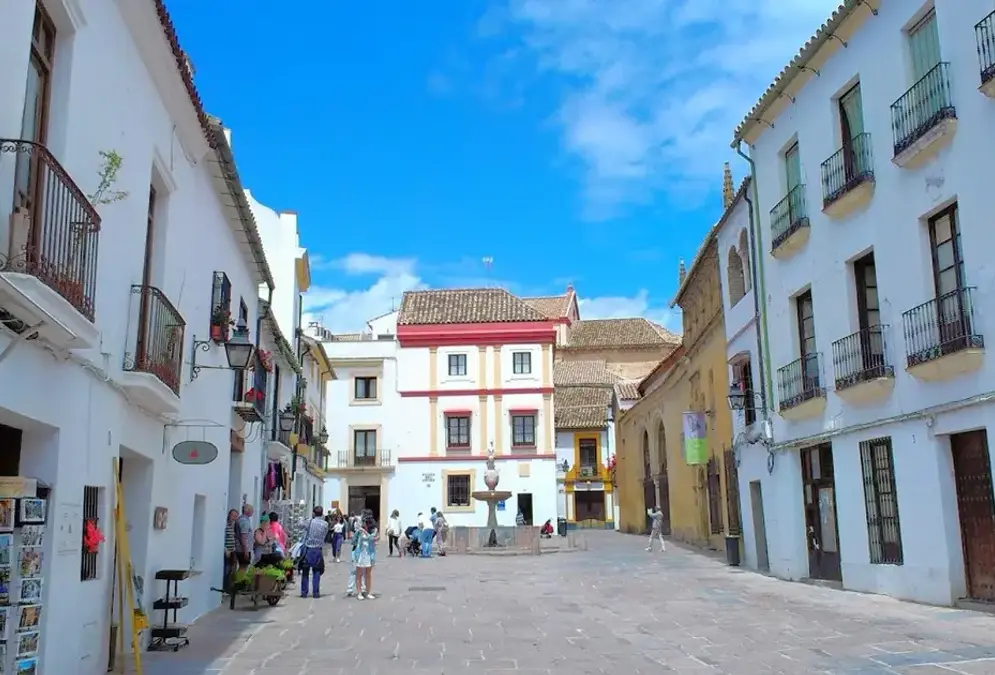
    Free (square); museums free for EU citizens, €4.50 others. The 1577 Renaissance fountain and the Posada del Potro inn that Cervantes mentioned in Don Quixote anchor a square that now holds three cultural venues. The Centro Flamenco Fosforito (€2 adults), the Museo de Bellas Artes (free EU), and the Julio Romero de Torres Museum (€5, free Thu after 6pm) all face the square. Combined, they make this the densest cultural afternoon in the city for under €10. Allow 30 minutes for the square, 1.5-2 hours for the museums.

A sample budget day in Córdoba: start at 8:15am at the Mezquita for the free entry window (8:30-9:30am, Monday to Saturday). Walk through the Calleja de las Flores and down to the Roman Bridge before the tour groups arrive. At 10:30am, join the free walking tour from Plaza del Triunfo for two hours through the Judería and the main monuments (tip: €10-12). Lunch at Bar Santos for €5-8: tortilla and a beer, cash. Afternoon at Plaza del Potro: Centro Flamenco Fosforito for €2 and the Museo de Bellas Artes for free if you have an EU passport. Walk to the Roman Temple on Calle Claudio Marcelo and sit on the plaza while the sun drops. Dinner at Bodegas Mezquita: two tapas and a glass of wine for €12-14. Evening: Cristo de los Faroles at dusk when the eight lanterns come on, then back along the Roman Bridge after dark. Total entry fees: €0-4 (depending on Mezquita timing and passport). Food and tip: €27-35. Full day spend: roughly €30-40. That is the price of a single entry ticket to several comparable European sites.

Frequently asked questions about Free and Budget Things To Do in Córdoba

Is Córdoba expensive for tourists?

Córdoba is one of the most affordable UNESCO heritage cities in Europe. Most of the top monuments are free to enter: the Roman Bridge, the Roman Temple, the Calleja de las Flores, the Plaza de la Corredera, and the Patios de San Basilio are all open without charge. The paid attractions charge modest fees: the Mezquita is €20 but free Monday to Saturday 8:30-9:30am, the Alcázar is €5 and free on Tuesdays, and Medina Azahara is free for EU citizens. Food is equally affordable if you eat where locals eat: a lunch menu del día runs €10-14 with wine.

What are the best free sights in Córdoba?

The Roman Bridge (free, 24 hours) gives the city's defining view at sunset. The Roman Temple on Calle Claudio Marcelo is free and most striking at night when the columns are floodlit. The Calleja de las Flores, the Plaza de la Corredera, the Cristo de los Faroles, and the San Basilio patios are all free. The C3A contemporary art centre on the Guadalquivir is always free. The Museo de Bellas Artes and Centro Flamenco Fosforito are free or €2 depending on your passport and the day.

How can I visit the Mezquita for free?

The Mezquita offers free entry Monday to Saturday from 8:30am to 9:30am. Arrive at the Puerta del Perdón at 8:15am to be among the first through the doors. Outside that window, adult tickets cost €20, with reduced prices for students (€14) and children (€10 for ages 10-14; under-10 free). Booking online avoids queues that can exceed 90 minutes in April, May, and October.

Which museums in Córdoba are free?

The C3A contemporary art centre is always free (Tue-Sat 11am-8pm, Sun 11am-3pm). The Museo de Bellas Artes is free for EU citizens and has Zurbarán and Valdés Leal canvases. The Centro Flamenco Fosforito charges €2 for adults but is arguably the best-value cultural stop in the city, with free live recitals every Sunday at noon. The Julio Romero de Torres Museum costs €5 but is free on Thursday evenings after 6pm.

Where should I eat near the Mezquita on a budget?

Bar Santos on Calle Magistral González Francés, two minutes from the Mezquita, is the right answer. A slice of the famous giant tortilla costs €2-3, a bocadillo with beer €5-7. Cash only. For a slightly wider spread, Bodegas Mezquita on Calle Céspedes (about 100 metres from the entrance) serves salmorejo, flamenquín, and berenjenas con miel at €4-6 per tapa with house wine at €2.50 a glass. Two tapas and a drink per person runs €12-15.

Can you do a full day in Córdoba for under €20?

Yes, easily. The Roman Bridge, Calleja de las Flores, Roman Temple, Plaza de la Corredera, Plaza del Potro, and C3A are all free. The free walking tour is pay-what-you-wish (suggest €10-12). The Mezquita is free Monday to Saturday 8:30-9:30am. Lunch at Bar Santos runs €5-8. The Centro Flamenco Fosforito is €2 with a free Sunday recital included. Total entry fees: €0-4. Add food: €15-20. Full day budget: €15-25 all in, covering world-class heritage with time to spare.