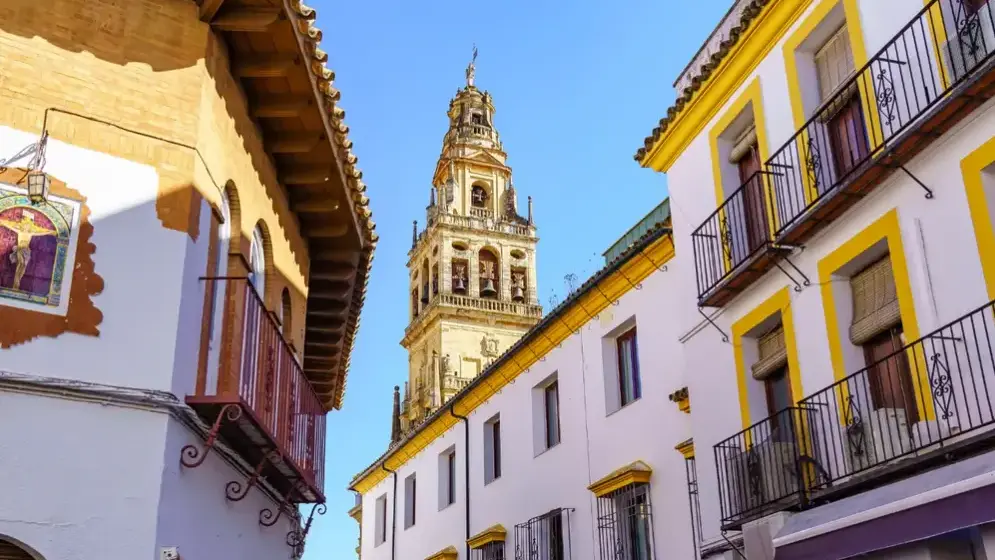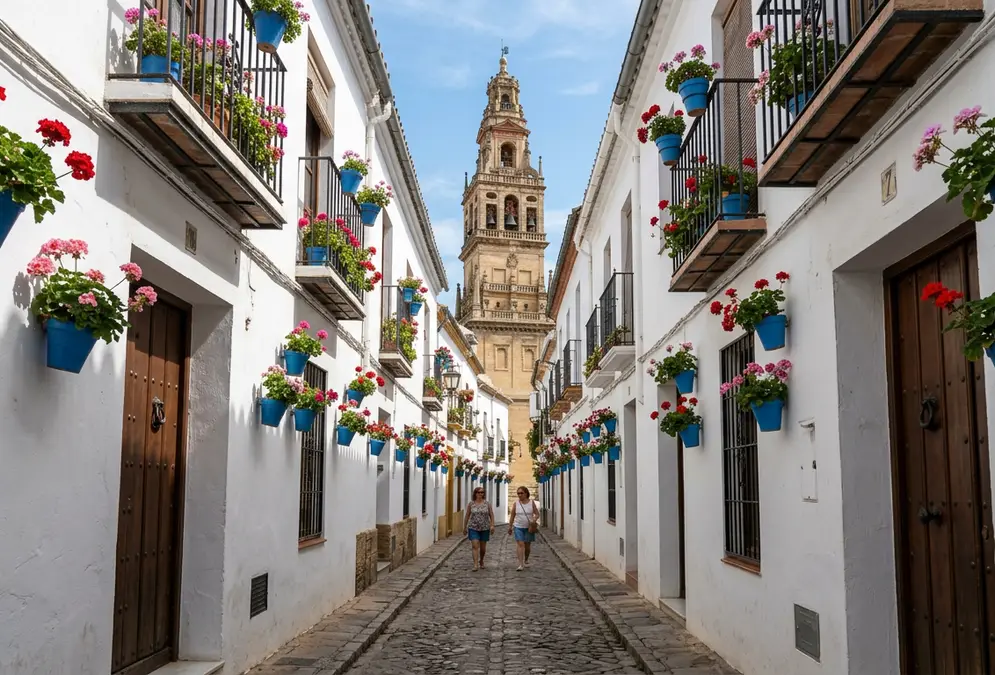

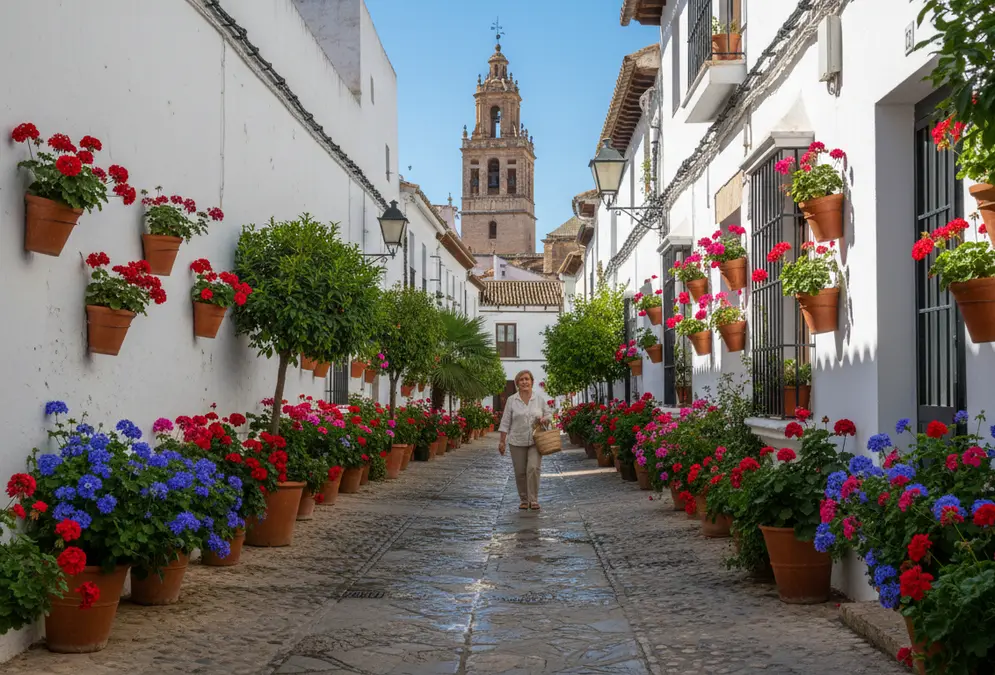
Best walking routes in Córdoba — cobblestone alley in the historic centre with whitewashed walls and the Mezquita bell tower visible at the end of the street

Best Walking Routes in Córdoba

Córdoba's seven best self-guided walks: Jewish Quarter, Roman ruins, Moorish arches, riverside loop and tapas trail. Flat routes within 2km of the Mezquita.

These are 7 self-guided walks covering every major district of Córdoba's historic centre — the Judería, the Roman quarter around Plaza de la Corredera, the Moorish monuments from the mosque to the Caliphal Baths, the Guadalquivir riverside, the patio neighbourhoods of San Basilio and Santa Marina, and a tapas trail through the bars of Centro. Each route runs between 1.8km and 3km and takes 1–3 hours at a comfortable pace, all within a compact area small enough that you can combine two walks in a single day without backtracking. The historic centre is just over 2 square kilometres, UNESCO-listed in its entirety, and almost everything worth seeing falls within a 20-minute walk of the Mezquita. There is no metro to take, no bus that threads these streets, no taxi that fits down Calle Judíos. You walk. The only question is which layer of the city you want to follow.

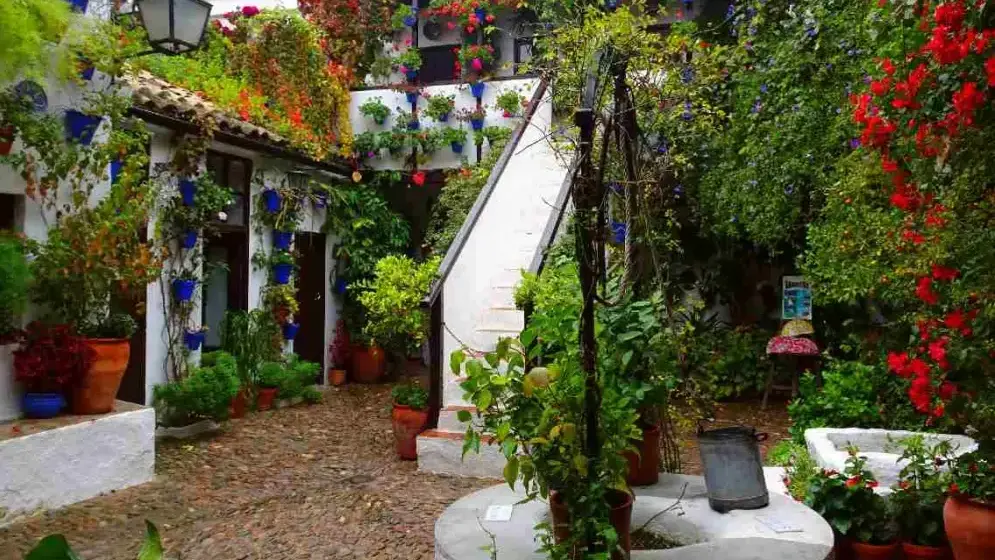
The walks here cover three millennia without doubling back on each other. The Roman route begins at a bridge laid in the 1st century BC and ends at an archaeological museum built over a theatre 124 metres wide. The Jewish Quarter walk threads 1.8km through the same street grid that Sephardic families navigated until 1492. The Moorish architecture tour starts at a gateway built on Islamic foundations and finishes at 12 courtyards where the caliphal taste for shade and water outlasted the caliphate by 500 years. These are not themed tourist circuits in the ordinary sense. They are the actual bones of the city, visible at street level.

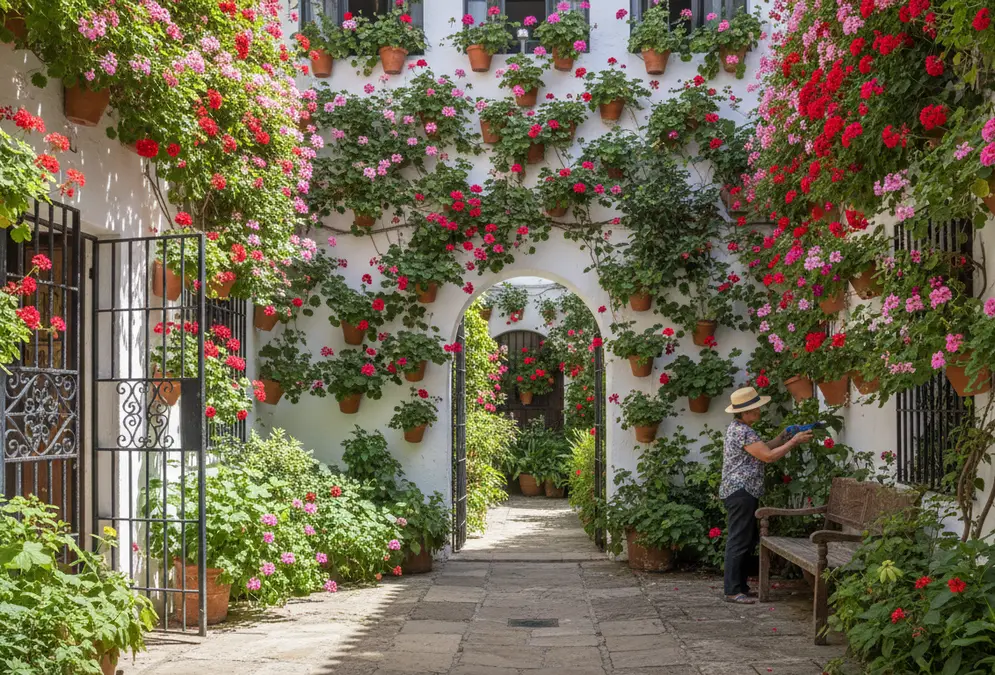
Practical reality: the historic centre is cobblestone throughout. Flat soles matter. In July and August, the narrow lanes trap heat by 11am and walking becomes genuinely uncomfortable by noon. The city is at its best in April and May, when the patios are in full bloom, and again in October and November, when the light is low and the tour groups thin out. The tapas trail works any season as long as you time it for a weekday lunch between 1pm and 4pm, when the bars fill with workers rather than visitors and the tortilla at Bar Santos is freshest off the pan.

Ranked list

How we chose

The places on this list were selected against the following editorial criteria.

  • Self-guided accessibility: each route works without a guide, with clear waypoints and public transport backup
  • Distinct cultural layer: each walk targets a different historical period or theme to avoid repetition
  • Tested route: distances and durations are based on walked verification, not map estimates
  • Signage and navigation quality: routes use named streets and landmarks rather than GPS coordinates alone
  • Combination value: walks connect to each other geographically, allowing multi-route days without backtracking

Reporter notebook

Insider tips

Best time

Walk before 9:30am in spring and summer

The tour coaches park on Calle Torijos by 9:30am and the Judería lanes fill within 20 minutes. Starting any of the heritage walks at 9:00am gets you through Calleja de las Flores, the synagogue, and the Mezquita exterior before the first groups arrive. The stone is still cool, the geraniums are freshly watered, and the light on the caliphal stonework is better in the morning than at any other time.
What to bring

Flat rubber soles and 500ml of water per person

The Judería's cobblestones are smooth enough in wet weather to slide under leather. Rubber-soled trainers or walking shoes make a real difference over a 3km route. In summer, the narrow lanes between the Mezquita and the Caliphal Baths trap heat after 11am; 500ml per person is a minimum, and the only drinking fountains on the heritage routes are inside the Alcázar gardens.

Top picks

Jewish Quarter Heritage Walk

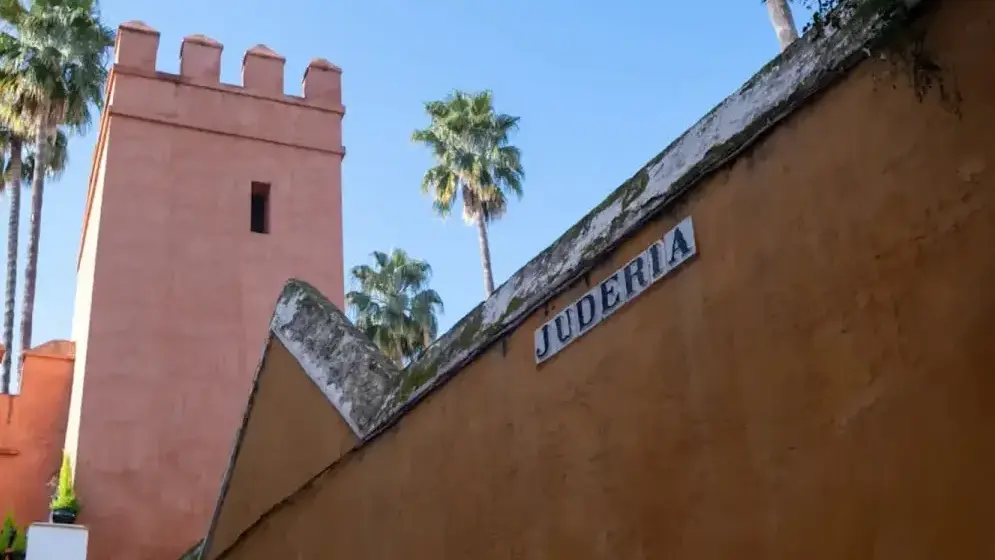
The shortest route on this list and arguably the most concentrated. 1.8km through La Judería: the 14th-century synagogue on Calle Judíos (entry €0.30 for EU citizens) with its Mudéjar stucco intact after 700 years; Casa de Sefarad, five rooms covering Sephardic life in a restored medieval house; the Calleja de las Flores before 9:30am, when the geranium pots catch soft morning light and the Mezquita tower frames the end of the alley. The circuit is two hours at an easy pace, flat throughout, and ends at the Alcázar gardens. The Judería is best walked in April, when the orange trees are in blossom and the stone is still cool before 10am.

Three Cultures Heritage Route

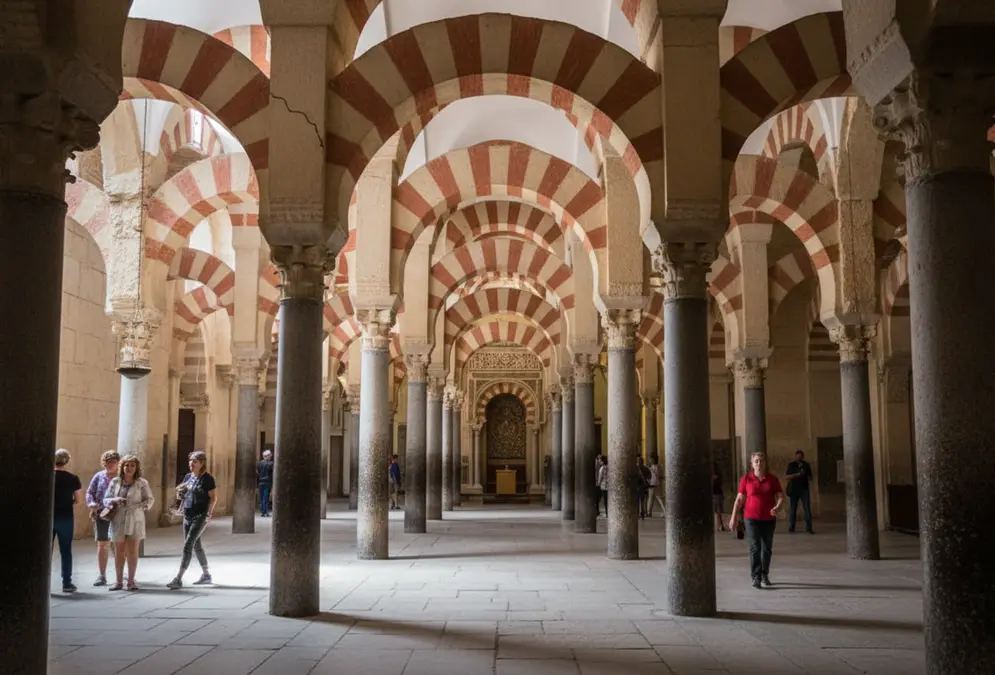
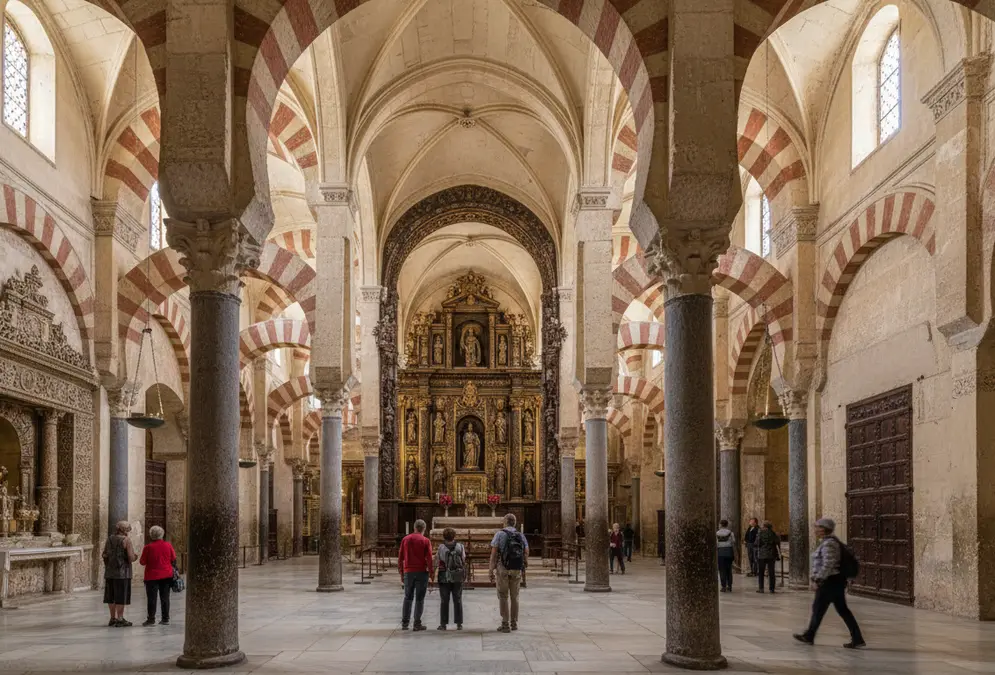
3km through the Islamic, Jewish, and Christian layers of medieval Córdoba on a single circular loop. The route starts and ends at the Mezquita, where Abd al-Rahman I laid the first stone in 784. Nine stops between: the Caliphal Baths on Calle Velázquez Bosco, where the 10th-century star-vaulted ceilings are mostly intact; the synagogue (1315); the Capilla de San Bartolomé, a 15th-century Catholic chapel covered floor to ceiling in Islamic geometric work by craftsmen who converted but never changed vocabulary. Three hours at a comfortable pace, with the Mezquita accounting for 45–60 minutes of that. Start at 9:30am before the tour groups claim the Judería.

Roman Córdoba Walking Route

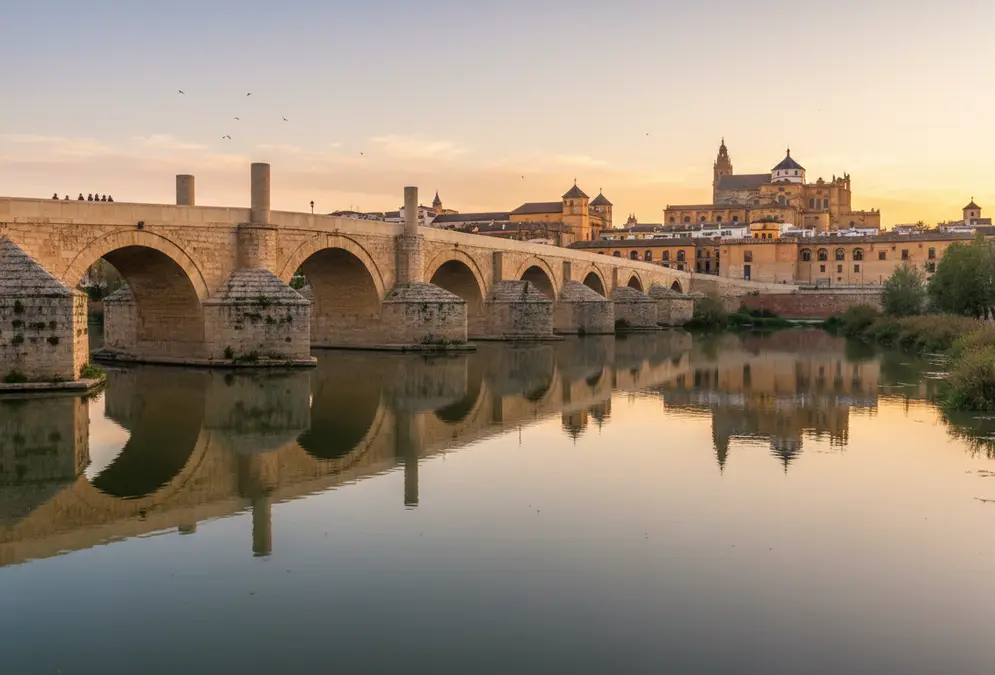
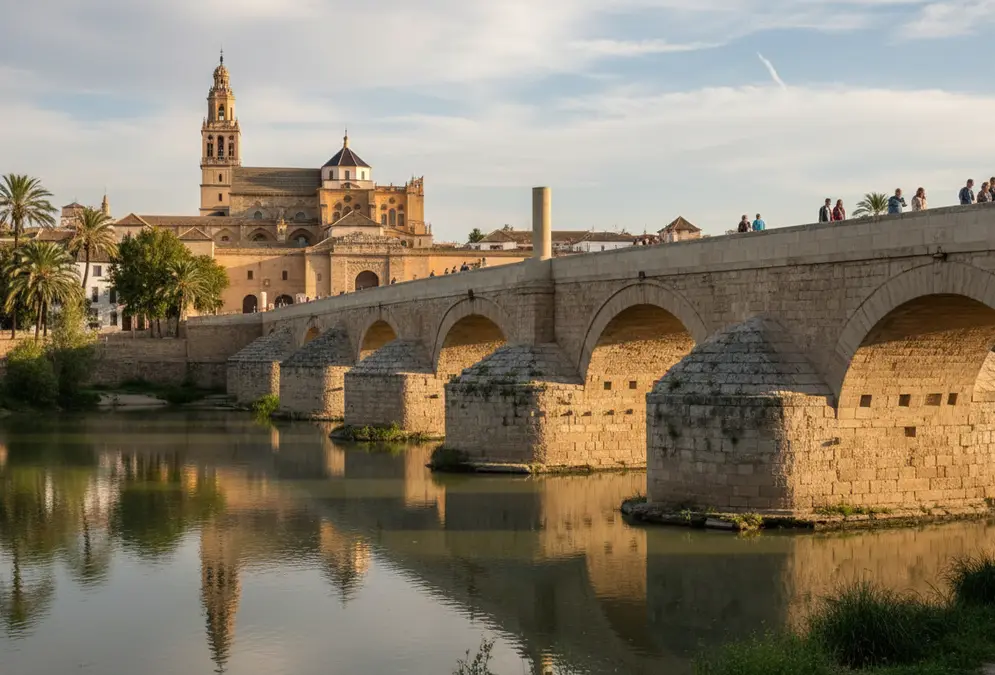
2.5km from the Roman Bridge to the Archaeological Museum, past eight sites from a city that Julius Caesar rebuilt and Seneca was born in. The eleven Corinthian columns of the Roman Temple on Calle Capitulares are 9 metres tall and never close. The Plaza de la Corredera sits over a circus 450 metres long, its starting gates roughly under the bar that sells the best coffee in the square. The Archaeological Museum ends the walk inside a 16th-century palace built over a theatre 124 metres in diameter, visible through glass floors. Closed Monday; entry €1.50 for EU citizens.

7 places

Spring (mid-March through May) and autumn (September through November) are the best seasons for all seven walks. July and August are manageable with an early start, but the stone streets of the Judería hold heat from around 11am and the afternoon becomes genuinely unpleasant between noon and 5pm. Wear flat-soled shoes on any route through the historic centre: the cobblestones are polished smooth in places and punishing on leather soles.

For combining walks, the Jewish Quarter and Three Cultures routes overlap in the Judería and can be merged into a single 4–5 hour morning. The Roman route starts at the same bridge as the riverside loop, so both work as a single day. The tapas trail pairs with any of the heritage routes as an afternoon-into-evening extension.

Two days covers all seven at a comfortable pace: morning heritage walk, afternoon patios or riverside, evening tapas. Three days is better if you want time inside the monuments.

Frequently asked questions about Best Walking Routes in Córdoba

Is Córdoba's historic centre walkable?

Yes. The entire UNESCO-listed historic centre covers about 2 square kilometres, and almost every monument worth seeing is within a 20-minute walk of the Mezquita. There is no useful metro or bus network within the old walls. All seven walks on this list are flat, with no significant elevation change, and the longest route (the riverside loop) is 3km.

What is the best time of year to walk in Córdoba?

April and May for the patio season and mild temperatures. October and November for quieter streets and low autumn light. July and August are possible with a start before 9:30am, but the stone lanes trap heat and walking after 11am becomes uncomfortable when temperatures reach 38–42°C. The Christmas and winter months (December to February) are cool and nearly crowd-free.

Which walk is best for a first visit?

The Jewish Quarter walk (1.8km, 2–3 hours) covers the most concentrated section of the historic centre and includes the Mezquita exterior, the synagogue, Casa de Sefarad, Calleja de las Flores, and the Alcázar gardens. It is the most efficient introduction to the city. The Three Cultures Route (3km) is better if you have already seen the basics and want the deeper historical narrative.

Do I need a guide for these walks?

All seven routes are designed for self-guided walking. The Mezquita is the one exception worth considering: without a guide, the 1,300 years of overlapping history inside the building is hard to decode. A guided Mezquita tour (from €22, capped at 10 people) can be added to any of the heritage walks without disrupting the overall route.

How much shade is there on the walking routes?

The Judería and San Basilio routes have natural shade from narrow alleys and overhanging buildings for most of their length. The riverside loop is the most exposed: the south bank path between the Torre de la Calahorra and the Puente de San Rafael runs in full sun. The Roman Temple and Roman Bridge sections are fully open. In summer, plan exposed sections before 10am or after 6pm.

Can I walk Córdoba with a pushchair or wheelchair?

The main routes are navigable with a pushchair using wider parallel streets alongside the cobblestone lanes. The riverside walk (Paseo de la Ribera) is fully smooth and accessible. The Mezquita and Alcázar have accessible entrances. The Caliphal Baths have steps at the entrance. The synagogue has one small step. The historic centre as a whole rates moderate for wheelchair use: accessible buildings, difficult street surfaces.