Culinary Experiences
Córdoba Cooking Classes & Food Experiences
Six ways to get inside Córdoba's food culture: from making salmorejo in a city winery to tasting olive oil at a DOP mill in the Subbética. This guide covers every hands-on experience worth booking.

Written by
Pedro Del Pozo Seven years covering Córdoba's gastronomy, taberna culture, and the Montilla-Moriles DO.
Updated Published
Córdoba's food culture is not a uniform tradition. It is layered: Roman olive groves, Moorish spice markets, Sephardic recipes that survived the Reconquista, Christian confraternities still making the same honey-drizzled aubergines they made in the 16th century. Salmorejo, the thick chilled tomato soup, is the city's anchor dish. The olive oil from the province's Subbética and Sierra Morena groves, protected under four separate DOP seals, is some of the finest produced anywhere in Spain. A cooking class or a tasting gives you a way into both.
This guide covers six types of hands-on food experience, at prices ranging from €8 for a bodega tour in Montilla to €75 for a guided food tour of the old city. The six are: a city cooking class in a working winery, a countryside cooking retreat at Finca Las Encinas near Iznájar, a guided food tour through tabernas and bodegas, an evening wine tasting focused on Montilla-Moriles, a bodega day trip to the source, and an olive oil tasting at a DOP mill. Each is bookable independently; some work well in sequence across a longer stay.
Most experiences require 24 to 48 hours' notice. Groups are small (8 to 12 people maximum) and fill quickly from April to October. If you are travelling in high season, book before you arrive. All experiences in this guide run in English.
At a glance
- Cooking classes
- From €23, max 10 people, English spoken
- Food tours
- 3 hours, 4–6 tastings, from €60
- Wine tastings
- City evening from €24, Bodegas from €8
- Olive oil DOP
- Baena, Priego de Córdoba, Lucena
- Best season
- Year-round, Nov–Jan for olive harvest
In this guide
Jump to a section
Cooking Classes in Córdoba
Cooking class at Bag in Box Cordoba — salmorejo and paella in a working winery
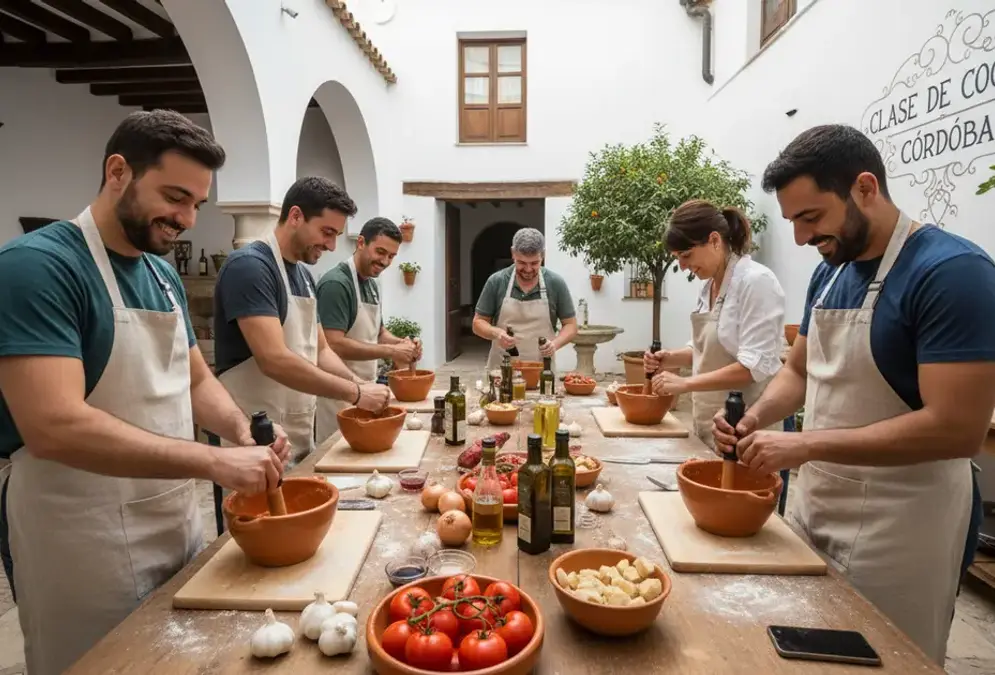
Two settings, two different kinds of experience. In the city, Bag in Box Cordoba runs classes inside an active winery on Calle Alfaros, surrounded by oak barrels and the faint smell of fermenting must. In the countryside, Finca Las Encinas outside Iznájar operates half-day and multi-day sessions with views over the reservoir. Both are intimate: 10 people maximum. Both run in English and Spanish.
What you learn
The one-hour session at Bag in Box focuses on salmorejo: tomato selection (the variety matters more than most people realise), the right bread-to-tomato ratio, and the slow emulsification with olive oil that gives the soup its characteristic thickness. The two-hour version adds paella, working through the sofrito base, the moment to add rice, and the socorrat finish. At Finca Las Encinas, the curriculum is wider: flamenquín (the Cordovan pork roll, not the Sevillian one), berenjenas con miel (aubergines fried then dressed with cane honey, a Moorish inheritance), and local salads using Subbética olive oil. Multi-day retreats cover bread, pastries, and a full seasonal menu.
Practical details
Bag in Box Cordoba: Calle Alfaros, Centro Histórico. One-hour salmorejo class from €23; two-hour salmorejo and paella class from €50. Maximum 10 participants. Book at least 48 hours ahead in high season. Classes start at 11:00 or 18:00. The winery also sells its own wines; it is worth picking up a bottle of their amontillado after class.
Finca Las Encinas: Outside Iznájar, 75 km south of Córdoba. Half-day session from €45. Multi-day packages available (accommodation on-site). Own transport required or arrange transfer from Córdoba. Best in spring (March to May) when the countryside is green and the reservoir is full.
Guided Food Tours
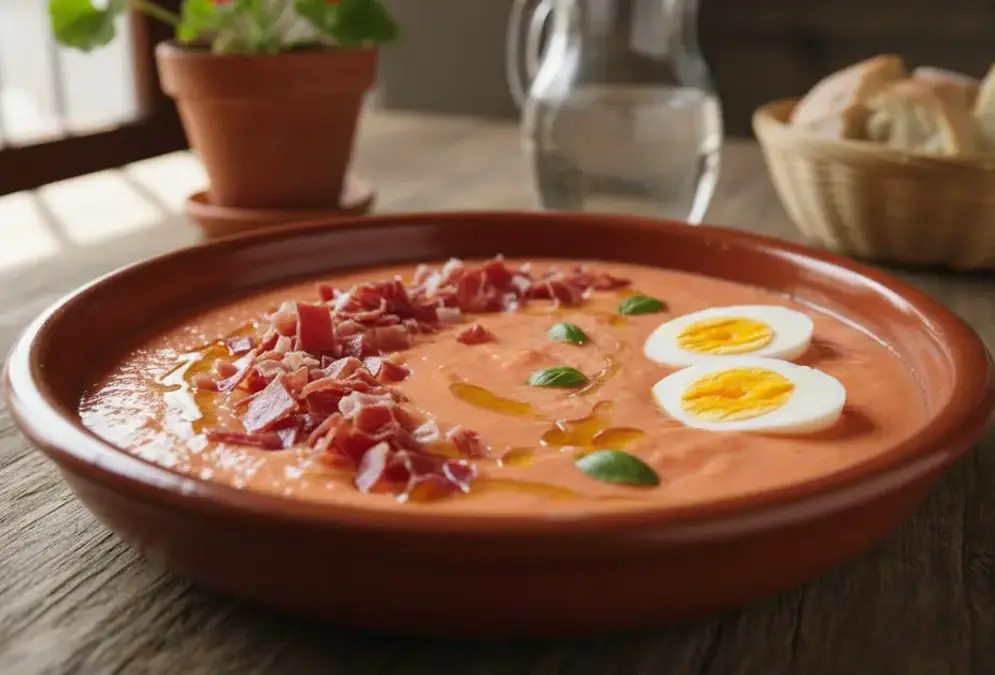
A guided food tour covers three hours, four to six stops, and groups of 8 to 12
A guided food tour in Córdoba covers three hours and four to six stops: a covered market stall, a century-old taberna, a bodega bar, a bakery. Groups are kept at 8 to 12 people so you are not herded. Departures at 18:30 (afternoon) or 20:00 (evening). The guide is local and explains not just what you are eating but why it tastes the way it does — the Moorish origins of the cane honey on the aubergines, why salmorejo uses day-old bread rather than fresh.
What you eat across the stops: salmorejo at the spot the guide considers definitive, flamenquín (a pork fillet rolled in serrano ham and breadcrumbed, a Cordovan invention), berenjenas con miel, a plate of rabo de toro (oxtail braised for hours with thyme and Montilla wine), and Montilla-Moriles wines throughout. No tourist-menu substitutions. The bars on the route are working neighbourhood bars, not set-dressing for tour groups. If your visit falls on a first Saturday of the month, pair a morning at the Ecomercado organic market on Gran Capitán with the evening food tour: the market shows you the producers, the tour shows you what the city does with their ingredients.
Evening or late-afternoon?
The 20:00 departure fits Spanish dining rhythms better in summer: the streets are cooler, the bars are livelier, and you finish at 23:00 when the city is still going. The 18:30 option works better in winter or for those with an early start the next day.
Wine Tastings: City Evening and Bodega Day Trip
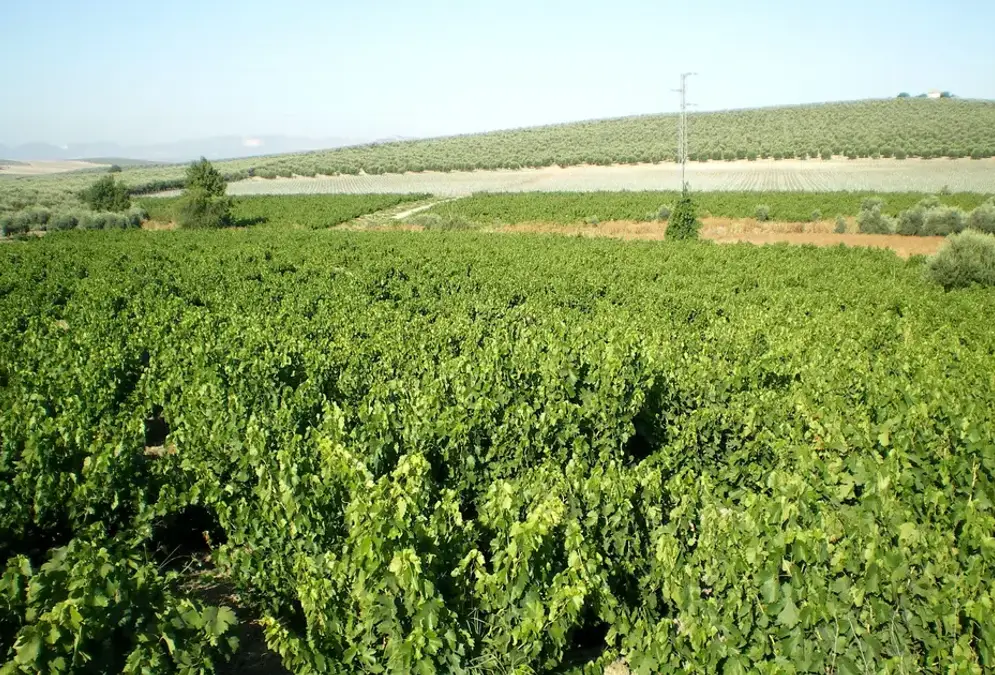
Montilla-Moriles in a historic bodega — Fino, Amontillado, Oloroso and the sweet Pedro Ximénez
The Montilla-Moriles appellation sits 40 km south of Córdoba, on chalky albero soils that drain fast and stress the vine. The dominant grape is Pedro Ximénez, which the heat and that chalky ground push to 15 or 16 percent alcohol naturally, without fortification. The result is a spectrum of styles: Fino (pale, dry, mineral), Amontillado (amber, nutty, longer-aged), Oloroso (darker, fuller, oxidative), and the sweet PX. Most visitors meet it in a bodega bar without knowing what they're drinking. These two experiences give it a name and a context.
Evening Wine Tasting (no car needed)
Location: Calle Moriscos 10, in the historic centre, a five-minute walk from the Mezquita. Duration: 90 minutes. Starts at 20:00. Four wines (Fino, Amontillado, Oloroso, Pedro Ximénez), each paired with a small tapa. Maximum 12 people. The sommelier explains the velo de flor, the yeast layer that forms on Fino during ageing and gives it its distinctive saline quality. Guided in English and Spanish. Price: €24 per person.
Best first evening in Córdoba
Ninety minutes here, and you know the four styles of Montilla-Moriles wine by taste. Every bar visit for the rest of your trip becomes more legible: you recognise what is in the glass and why it pairs with what is on the plate.
Alvear bodega in Montilla, founded 1729 — the cathedral-scale solera hall alone is worth the trip
Day Trip to the Bodegas
The three major houses in Montilla are worth visiting in person. Alvear (founded 1729, the oldest bodega in Andalusia) has a cathedral-scale solera hall that takes 20 minutes just to walk through. Toro Albalá produces the Don PX Gran Reserva, which scored 100 points from Robert Parker and is still available to taste at the bodega for a fraction of its retail price. Pérez Barquero runs guided tours that cover four to six wine styles, from young Fino to 30-year-old Oloroso. Closed Sundays. Tastings from €8 to €25 depending on the selection. Organised excursion with transport from Córdoba from €50.
Olive Oil Tastings
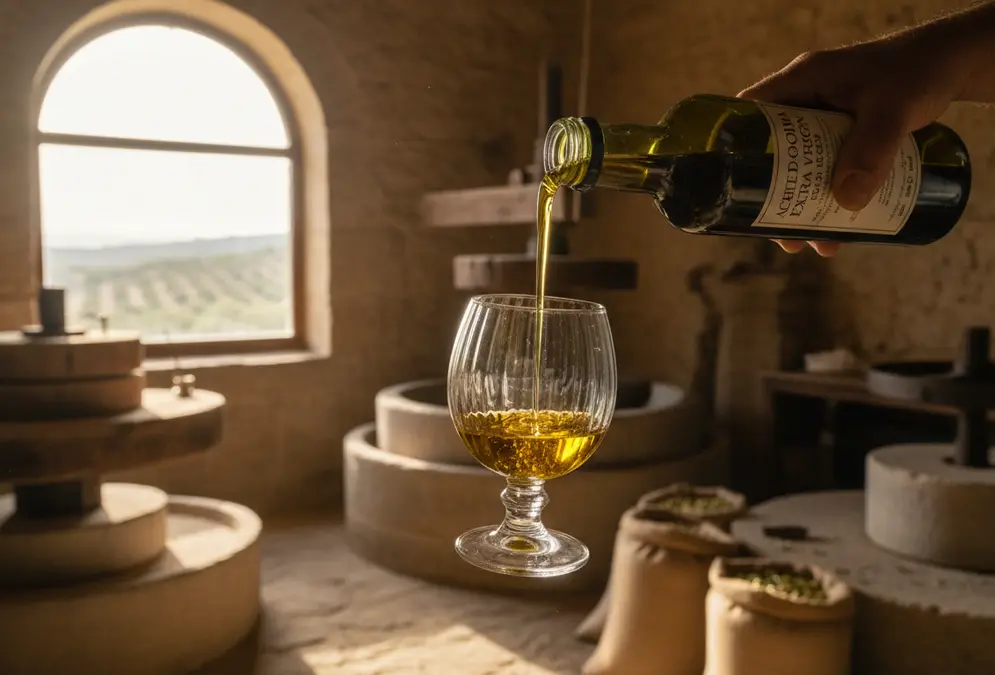
Professional olive oil tasting follows a strict protocol — opaque blue glasses eliminate colour bias
Córdoba province holds four separate DOP (Protected Designation of Origin) seals for olive oil: Baena, Priego de Córdoba, Lucena, and Montoro-Adamuz. They are not interchangeable. Baena uses the Picuda variety, which produces oils with a distinct floral quality and mild pepperiness. Priego de Córdoba, at over 700 metres altitude in the Sierra Subbética, blends Picudo, Hojiblanca, and Picual to produce some of the most complex oils in Spain (several have won World's Best Olive Oil at international competitions). Lucena sits lower and produces fuller-bodied oils with more pronounced bitterness, while Montoro-Adamuz represents the Sierra Morena groves northeast of the city.
A professional tasting follows a specific protocol: the oil is warmed to 28°C in opaque blue glasses (to eliminate colour bias), then assessed on three axes: fruitiness (green or ripe, grass or almond), bitterness (a quality, not a flaw), and pungency (the catch in the throat that signals fresh polyphenols and high antioxidant content). Tasters work through three or four oils in sequence, comparing styles and vintages.
Nuve Olivo in Priego de Córdoba runs 90-minute tastings from €15 per person (€55 minimum booking). They compare four to six oils and explain the milling process with a tour of the facility. Núñez de Prado in Baena (organic since 1795, still family-owned) allows visits by appointment, including the historic stone mill and a comparison of traditional versus centrifuge extraction. The best time to visit either is November to January, during the harvest, when the mill is running and the oil is at its freshest: you can follow an olive from the tree to the press to the glass in the same morning.
Prefer to compare producers without driving out to a mill? Each winter the Córdoba Olive Oil Festival brings more than 40 producers from all four provincial DOPs to Plaza de las Tendillas for guided tastings and live cooking demonstrations. It is a public, one-afternoon alternative to the private mill visit above. Dates move year to year, so check ahead if you want to time a trip around it.
Priego de Córdoba: the Gastronomy Day Trip
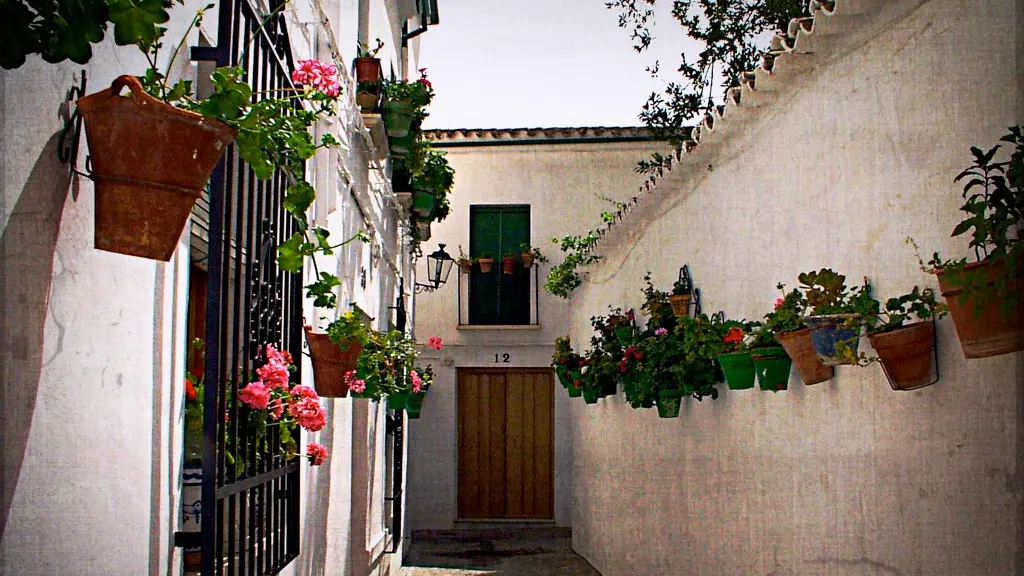
Priego de Córdoba — one of Andalusia's best-preserved historic centres, surrounded by award-winning olive groves
Priego de Córdoba, 50 km southeast of the city, earns its place as a gastronomy destination for two reasons: the DOP olive oil produced in the surrounding hills, among the most awarded in Spain by volume, and a historic centre that makes for one of the better afternoon walks in the province. The Fuente del Rey, a Baroque fountain with 139 water jets arranged across three pools, was completed in the early 19th century and is still in full use. The Barrio de la Villa (the old Moorish quarter) runs uphill from it through whitewashed lanes hung with geraniums in spring. The Balcón del Adarve, a cliff-edge terrace at the top, looks out over an unbroken olive grove that runs to the horizon.
Combine the town visit with an olive oil tasting at a local DOP mill: Nuve Olivo is a ten-minute drive from the centre. The Priego Castle (10th century, Moorish foundations, expanded in the 14th century) is open for visits and has good views from the tower. The town's pastry tradition is equally worth attention: local confiterias make priego roscos (anise-spiced ring biscuits) and pestiños that differ noticeably from the Córdoba city versions.
Getting there: public bus from Córdoba, around €9 each way, journey time 1 hour 20 minutes. By car, 55 minutes via the A-339. Organised day trip with transport from Córdoba from €35. Best in spring (March to May) and early autumn (September to October) when temperatures are moderate and the light is good for walking.
Frequently asked questions
Do I need to book food experiences in Córdoba in advance?
Yes. Most operators require at least 24 to 48 hours' notice, and popular experiences fill quickly in high season (April to October). Cooking classes at Bag in Box Cordoba cap at 10 people; food tours cap at 8 to 12. Book as soon as your dates are confirmed, especially for June to September travel.
What is the best food experience for a first-time visitor?
For breadth, start with the food tour: three hours, four to six tastings at real tabernas, a local guide who explains the history behind each dish. For depth, the cooking class puts you in front of the stove making salmorejo and paella, which gives you a different kind of understanding. If you have time, pair both.
Can I do a food tour or cooking class without speaking Spanish?
Yes. English-language options are available for all the experiences in this guide. Cooking classes at Bag in Box Cordoba are taught in Spanish and English. Food tours booked through GetYourGuide run in English. The evening wine tasting at Calle Moriscos is guided in English and Spanish. Confirm the language when booking.
What is the price range for food experiences in Córdoba?
From €8 for a bodega tour in Montilla to €60 to €75 for a guided food tour. Cooking classes start at €23 (one hour) or €50 (two hours with paella). The evening wine tasting is €24. Olive oil tastings start at €15. The Priego de Córdoba day trip can be done by public bus for around €9 each way.
Is olive oil tasting available year-round?
Yes. Tastings run year-round at mills in Baena and Priego de Córdoba. The most atmospheric time is November to January, when mills are running at full capacity and some farms let you join the olive picking. Outside harvest season, booking is easier and the pace is quieter.
Can dietary restrictions be accommodated on food tours and cooking classes?
Most operators can adapt for major dietary requirements (vegetarian, vegan, gluten-free) if you give advance notice at the time of booking. Same-day requests usually result in a reduced version of the experience. The cooking class can often be tailored since you control the preparation; food tours have less flexibility as they involve partner venues.
Further reading
Sources
3 references Show Hide
- DO Montilla-Moriles (opens in a new tab)
Official Denomination of Origin for Montilla-Moriles wines
- DOP Priego de Córdoba (opens in a new tab)
Protected Designation of Origin for Priego de Córdoba olive oil
- GetYourGuide Córdoba (opens in a new tab)
Cooking classes, wine tastings, and food experiences in Córdoba