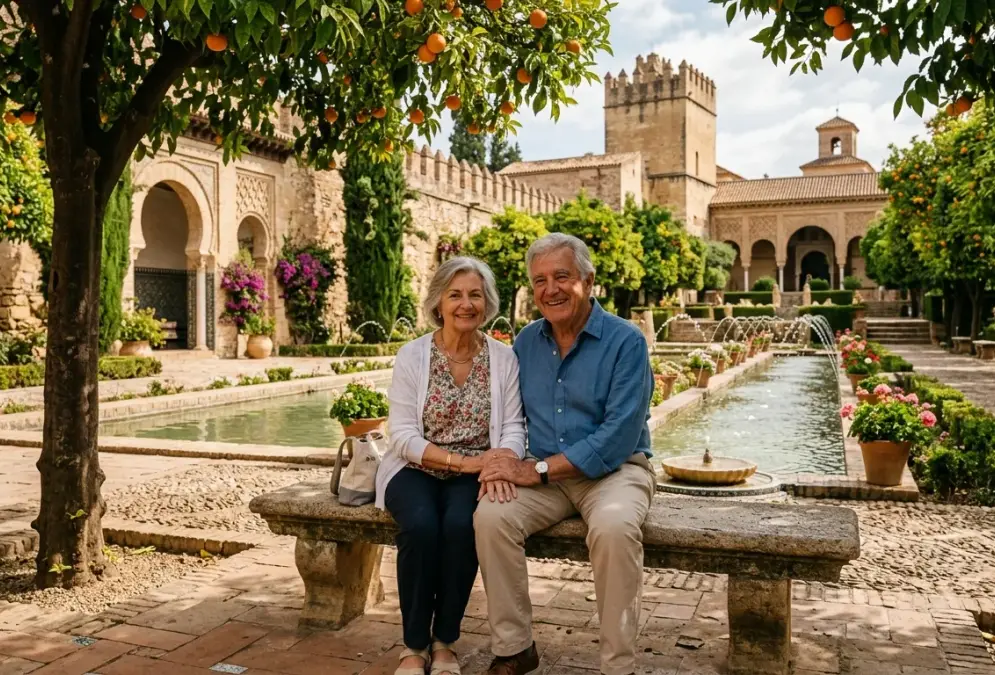
Senior Travel Guide
Senior travel in Córdoba
Córdoba is more senior-friendly than it first appears. The historic centre clusters into flat, walkable zones of 1–2 km, the Mezquita and main museums have wheelchair access and audio guides, and October to November offers 15–22°C weather with a fraction of the summer crowds. This guide covers what matters: which routes work at a slower pace, which sites have seating and elevators, when to go, and how to structure days so you see the most without exhausting yourself.

Written by
María Fernanda González Ten years covering Córdoba's UNESCO heritage sites, sourcing from Junta de Andalucía documentation.
Updated Published
Córdoba rewards travelers who move slowly. The UNESCO-listed historic centre covers about 2 km end to end, most of it flat around the Mezquita zone and the Guadalquivir riverside. You do not need a car, you rarely need a taxi, and the major monuments (the Mezquita-Catedral, the Alcázar, the Museo Arqueológico, the Palacio de Orive) all have elevator or ramp access. Not all of the old town is cobblestoned: the streets directly south of the cathedral and along the river are paved and level, and the riverside path runs for over a kilometre without a single step.
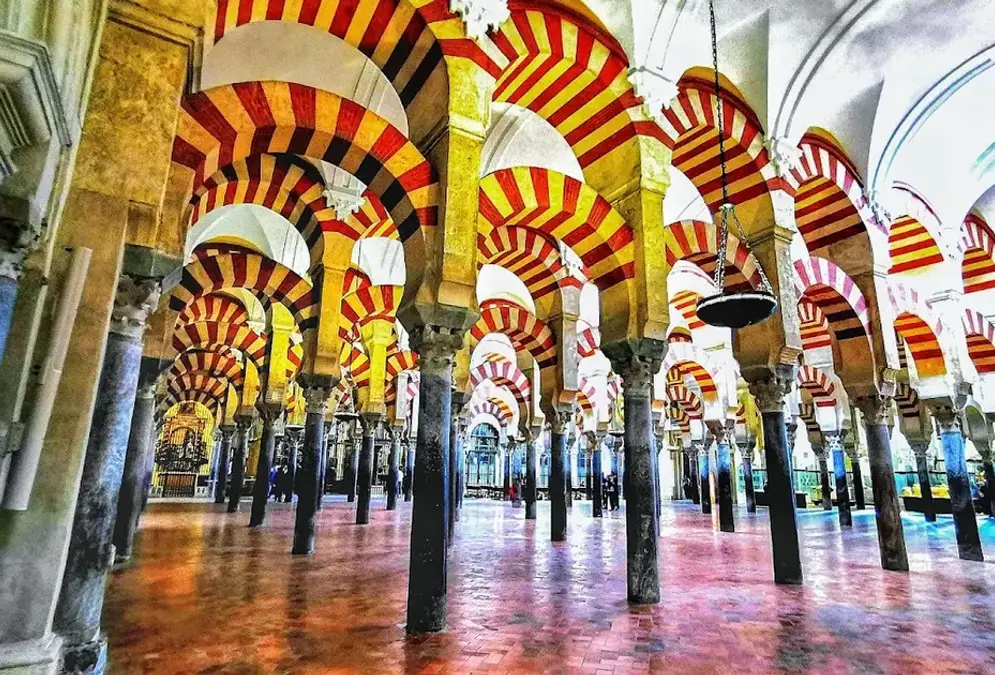
Timing matters more than terrain. The city's busiest sites are manageable at 8:30 AM, when tour buses have not yet arrived and the light inside the Mezquita falls through the forest of columns at its best angle. The Jewish Quarter alleys, where the cobblestones are uneven and the lanes narrow, can be done on foot at a slow pace or skipped in favour of the riverside circuit. A two-day structure, with one major site each morning and a proper rest in the middle of the day, covers the essential Córdoba without wearing you out. If you're visiting in October, the FLORA Festival adds free monumental floral installations in historic courtyards — all venues are flat and wheelchair-accessible.
This guide is built around practical decisions: which sites are genuinely accessible, which routes work at a measured pace, when crowds peak and when they thin, and how to move around without depending on car hire. Whether you're planning a first visit or returning after many years, the information here is intended to help you build an itinerary that suits your pace.
In this guide
Jump to a section
Free Mezquita entry: Mon–Sat 8:30–9:30 AM
The Mezquita-Catedral opens to visitors free of charge Monday to Saturday from 8:30 to 9:30 AM. Arrive at 8:25 for the quietest possible start: fewer people, cooler air, and the morning light through the arches at its best. Outside this window, tickets cost €15 and should be booked online in advance to avoid a 20-minute queue at peak season.
Quick verdict
Córdoba works well for senior travelers. Here's the summary:
Best season: October–November (15–22°C, low crowds)
Terrain: Mostly flat in Mezquita zone; cobblestones in Jewish Quarter
Top accessible sites: Mezquita, Museo Arqueológico, Roman Bridge
Daily pace: One major site plus a rest mid-day works well
Transport: Taxis and tourist train for longer distances
Best for: History-focused, cultural travel, slow itineraries
Best time to visit
Córdoba's climate is extreme in summer and mild in autumn and spring. The choice of month changes the experience more than any other single factor.
October and November (recommended)
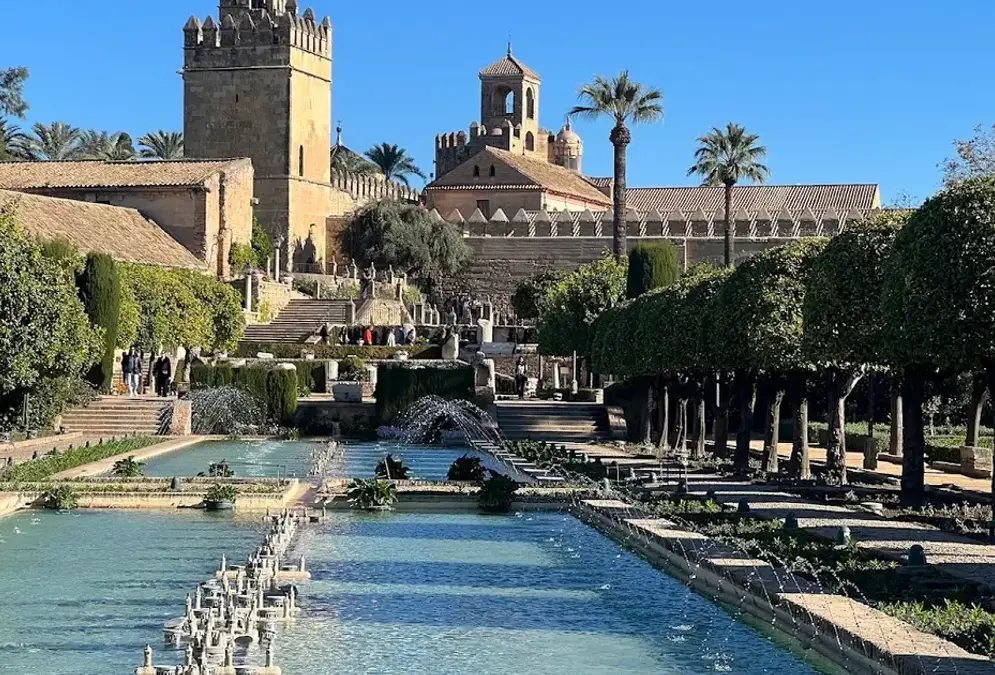
Temperatures run 15–22°C through October and November. The summer crowds have gone, accommodation costs less, and the city settles into its post-harvest rhythm. The Alcázar gardens are still in colour. Mornings and evenings require a light jacket, but midday is comfortable for extended walking. This is the best window for a relaxed, unhurried trip.
April and May (good, but busier)
Spring temperatures are similar to autumn (16–24°C), but April and May bring Córdoba's peak tourist season. The Patio Festival in May adds real congestion to the Judería and the streets around the Mezquita. If you visit in spring, book accommodation and Mezquita tickets well in advance, and plan to arrive at major sites by 9 AM.
July and August (avoid)
Córdoba regularly reaches 38–40°C in July and August. The stone streets retain heat well into the evening. Extended outdoor walking in these conditions is genuinely uncomfortable, and for anyone with cardiovascular or respiratory concerns, potentially risky. If summer is the only option, limit outdoor sightseeing to before 10 AM and after 6 PM.
Quietest daily windows: 8:30–9:30 AM (free Mezquita entry, minimal crowds) and after 4:30 PM, when most tour groups have left the main sites.
Accessible attractions
Accessibility varies considerably between sites. These are the confirmed details for the main monuments.
Mezquita-Catedral
Elevator at Puerta de Deanes entrance, ramps throughout. Wheelchairs on loan at no charge. Audio guides available. Adapted toilets. Guide dogs welcome. The bell tower (steep stairs) is optional and can be skipped.
Full wheelchair accessMuseo Arqueológico
Elevator between floors 1 and 2; stairlift to the lower-level Roman theatre museum. The archaeology collection is accessible throughout. One of the most manageable museums in the city for visitors with mobility concerns.
Elevator and stairliftPalacio de Viana
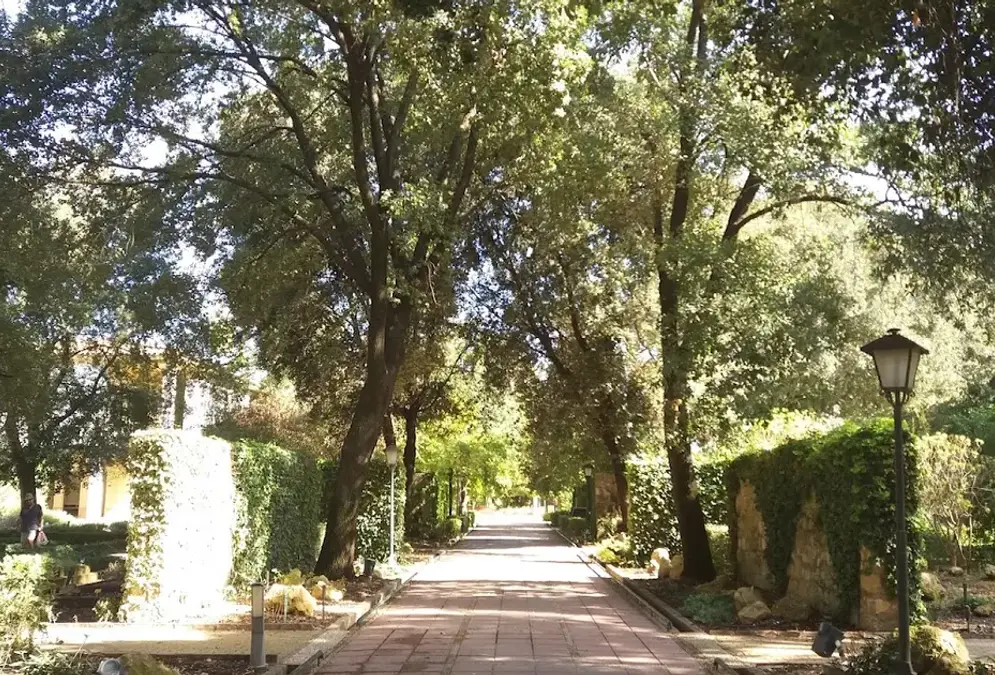
Accessibility not fully confirmed — ground-floor patios are level but some areas have steps. Call ahead if this is on your list. The Palacio de Orive nearby has a fully accessible Renaissance courtyard, free entry, and the Jardines de Orive — the only public green space in the historic centre, with paved paths, benches, and shade.
Confirm Viana aheadRoman Bridge (Puente Romano)
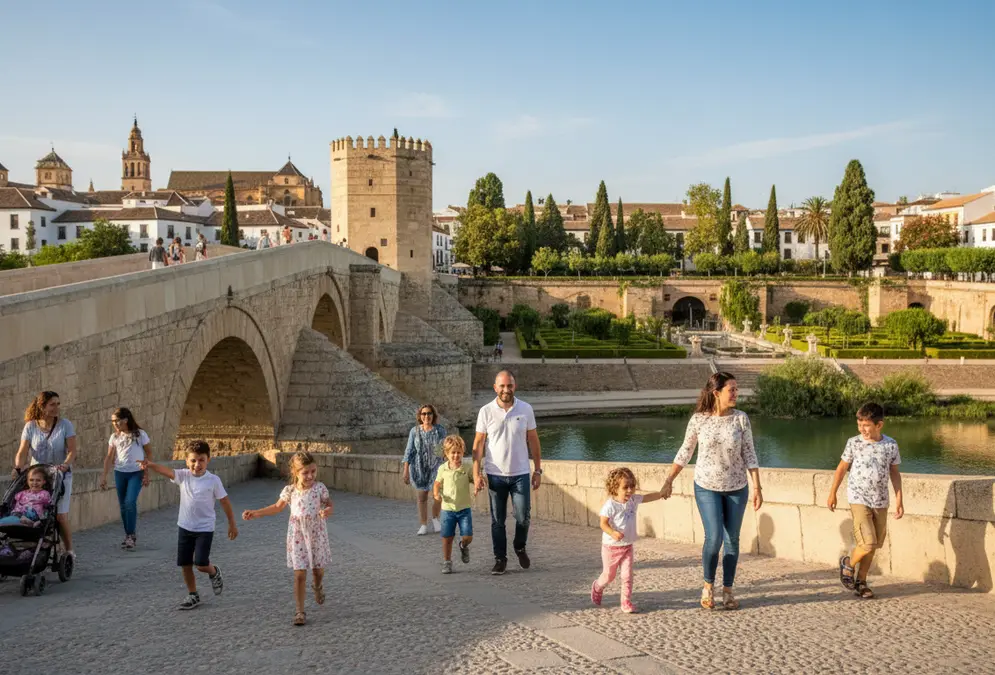
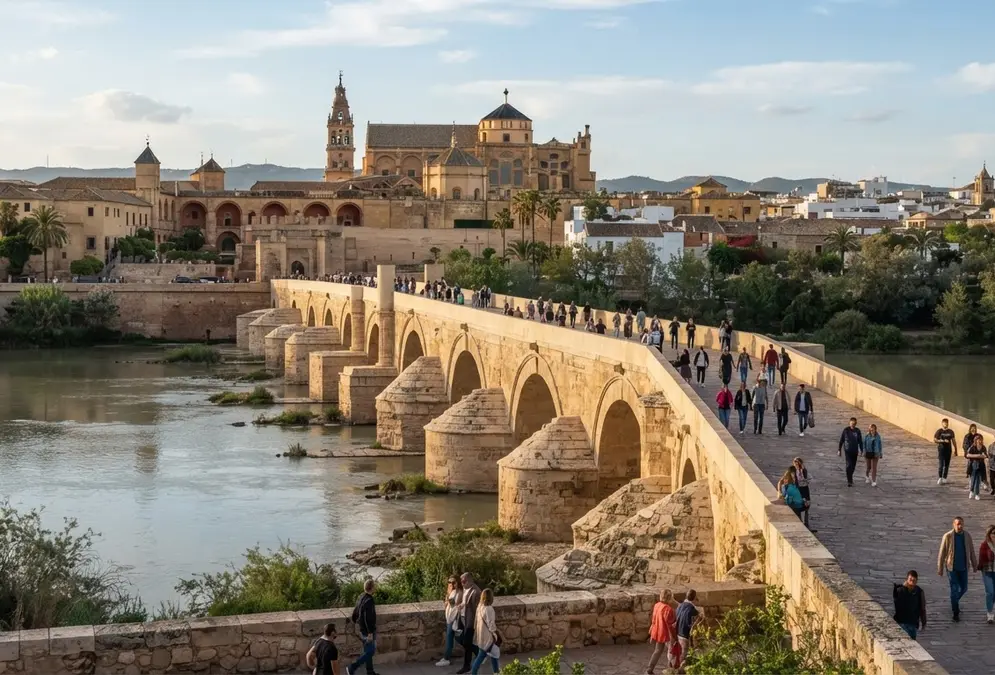
Flat paved surface across the Guadalquivir. No steps, no ramps needed. The riverside path connecting the bridge to the Mezquita and Alcázar is paved and level. One of the most accessible walks in the city.
Fully flat and pavedJewish Quarter (Judería)
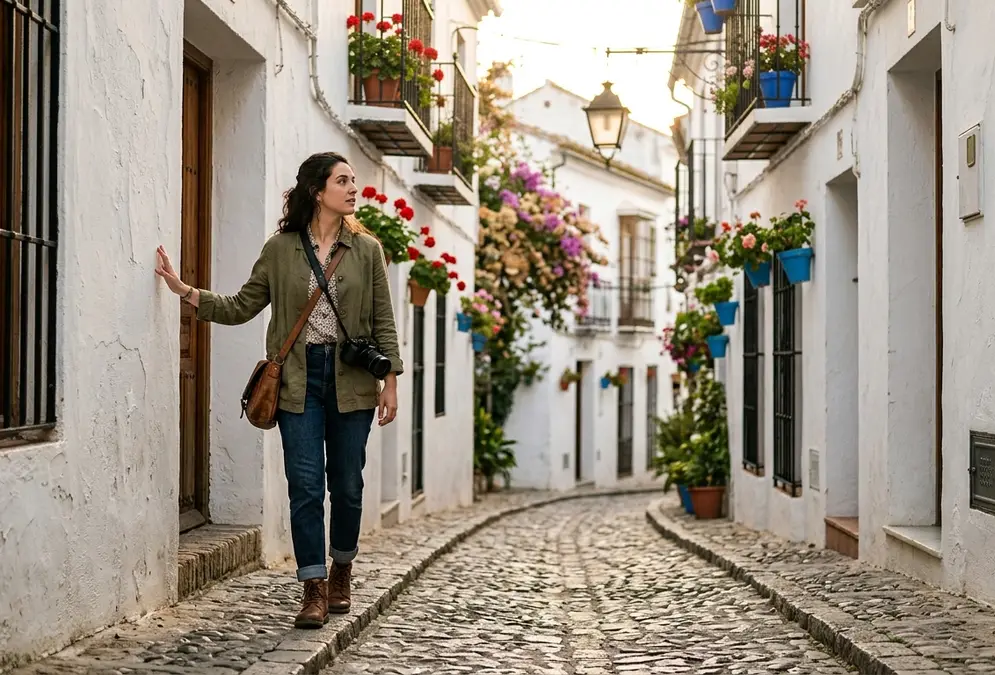
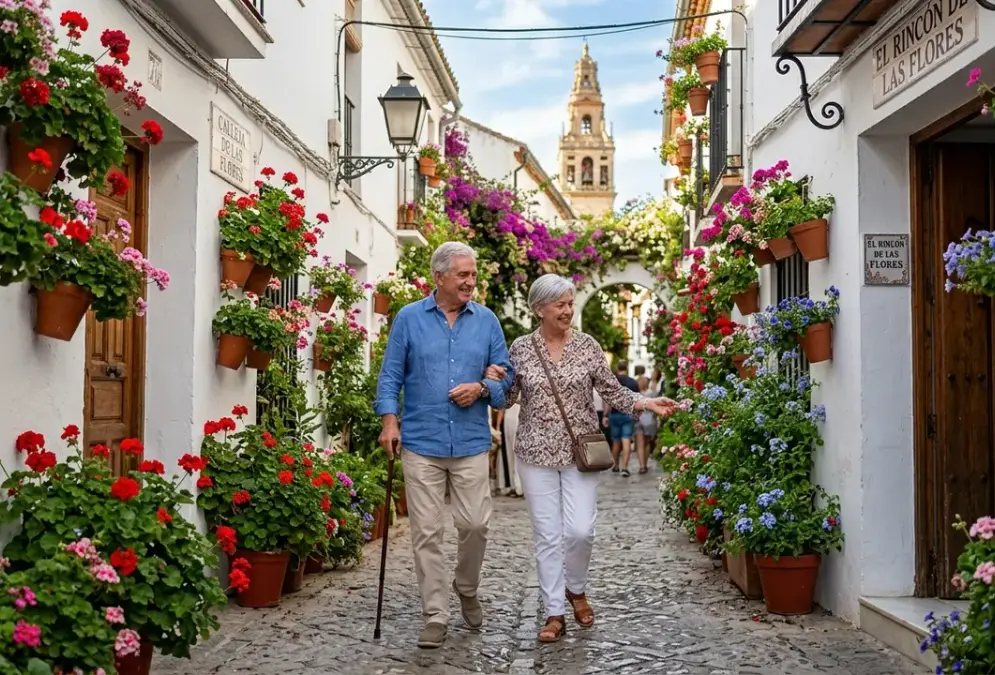
Uneven cobblestones and narrow alleys throughout. Challenging for wheelchairs and walking frames. Manageable at a slow pace for those walking without mobility aids. The Calleja de las Flores is shaded and doable if you take your time.
Limited accessibilityBarrio de las Flores / Patios
Cobblestones and narrow lanes throughout. Steep sections in places. Generally not suitable for those using wheelchairs or walking frames. Worth seeing from the entrance to Calleja de las Flores rather than the interior streets.
Not suitable for mobility aidsAlcázar accessibility: call ahead
The Alcázar de los Reyes Cristianos has undergone accessibility improvements, but reports on current provisions vary. If wheelchair access or elevator availability is essential for your visit, call the site directly before arriving. The phone number and opening hours are on the official Turismo de Córdoba website.
Palacio de Viana (12 patios, 17th-century palace): accessibility not confirmed. Call ahead if this is on your list.
Low-impact walking routes
The Mezquita zone and the riverside give you Córdoba's best monuments without the uneven terrain of the Jewish Quarter.
River circuit (recommended)
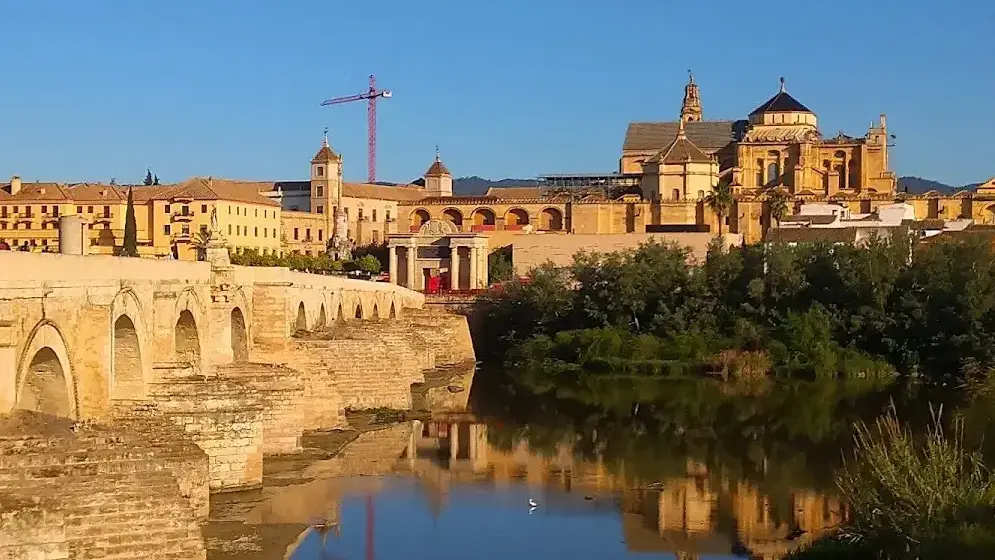
Mezquita, Alcázar, Roman Bridge, Torre de la Calahorra. Mostly flat, 1–2 km total. The Guadalquivir riverside path is paved and level for over a kilometre with benches spaced throughout. This circuit covers the four most significant monuments in the city without a single steep incline.
Allow 3–4 hours at a relaxed pace including time inside the Mezquita.
Calleja de las Flores
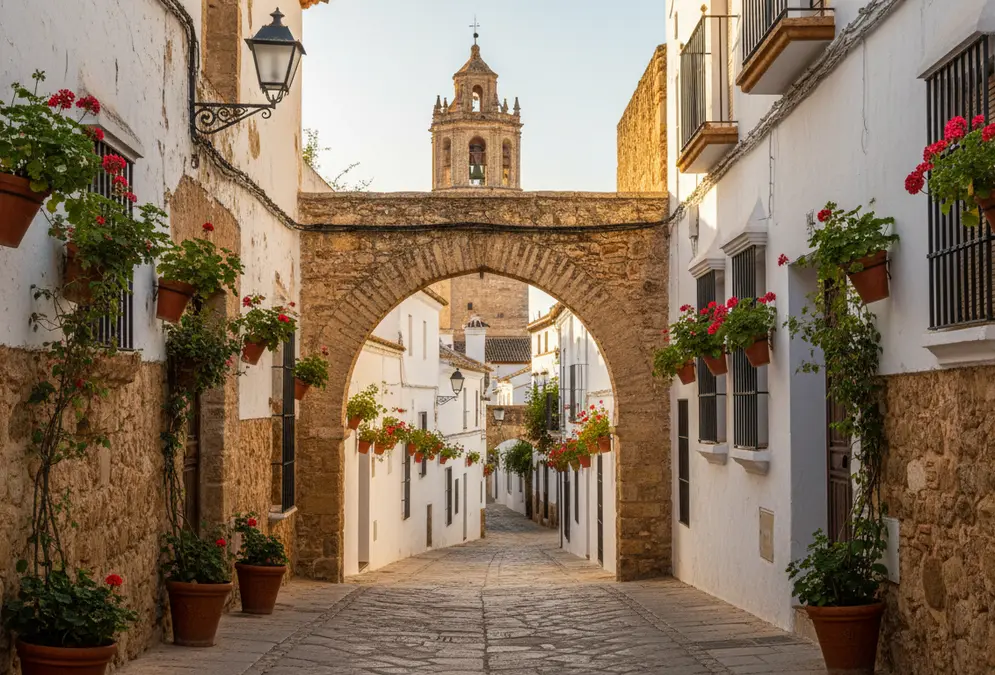
A narrow, shaded alley with building walls on both sides that block the afternoon sun. It leads directly to the Mezquita bell tower viewpoint, the most photographed angle in Córdoba. Cobblestoned, but straight and short (under 100 metres). Manageable for most walkers at a slow pace. Enter from the north (Calle Velázquez Bosco side) and walk through.
Parque Cruz Conde
A 32-acre municipal park northwest of the historic centre with paved paths, shaded seating, and a design that favours accessible walking. Good for a mid-day break or an easy morning walk away from the tourist sites. Fountain areas, tree-lined avenues, and a calm pace.
Key walking distances
Mezquita to Alcázar 5 min
Mezquita to Roman Bridge 3 min
Roman Bridge to Torre de la Calahorra 5 min
Train station to Mezquita 15 min
Old town end to end 20 min
For more detail on self-guided routes, see our walking routes guide.
Pacing your days
In summer and early autumn, the structure of your day matters as much as where you go. A mid-day rest built into your schedule is not a concession; it's how locals have lived here for centuries.
Daily rhythm that works
8:30–10:30 One major site, before midday heat and peak tour bus arrival. The free Mezquita window closes at 9:30.
10:30–13:00 Café with table seating (avoid standing bars at this hour). Walk the riverside or a second smaller site.
13:00–16:30 Lunch at a sit-down restaurant (eat at 1:30–2 PM to avoid the noon rush). Rest at the hotel in the hottest part of the afternoon, especially May–October.
16:30–18:30 Second activity or museum visit. Golden afternoon light, smaller crowds as tour groups have dispersed.
Evening Riverfront walk or terrace dinner. Córdoba eats late (9–10 PM), so early restaurant arrivals at 8 PM get quieter service.
Suggested 2-day itinerary
Day 1
Morning: Mezquita-Catedral (arrive 8:30 for free entry, or 10 AM with pre-booked ticket)
Late morning: Alcázar gardens (short walk from the Mezquita)
Afternoon: Rest at hotel during peak heat
Late afternoon: Sunset walk along the Roman Bridge and Guadalquivir riverfront
Day 2
Morning: Museo Arqueológico (elevator access, Roman theatre in the basement)
Late morning: Calleja de las Flores and cathedral square
Afternoon: Rest
Evening: Dinner at Taberna Salinas (sit-down, traditional Cordoban cuisine, central location)
Three days adds a half-day trip to Medina Azahara (8 km west, taxi or Bus C3) or a morning at the Jardín Botánico.
Transport and getting around
The historic centre is compact enough to walk, but knowing the options for when you've had enough for the day is useful.
Taxis
Cheap by northern European standards. Use for station arrivals with luggage, the trip to Medina Azahara (8 km west), or simply when your feet are done for the day. Cabs are plentiful in the historic centre and at the train station. No need to pre-book for short city trips.
Tourist train (Tren Turístico)
Covers all major historic sites at a slow, seated pace. Departs from near the Mezquita and runs continuously during the day. A good option for a rest-day tour or when the heat makes extended walking unappealing. Check at the departure point for current timetable.
Bus C3
Runs from the centre to Medina Azahara for €1.30 each way. Departs from Glorieta Ibn Rushd (near the Alcázar). Frequency is limited, so check the schedule before heading out. A useful option if you want to visit the ruins without a taxi fare.
Walking
The primary mode of getting around the historic centre. Most attractions are 3–15 minutes apart on flat ground. The Mezquita zone and riverside are the most accessible areas. Start your day on foot and take a taxi home when you've had enough.
Avoid driving in the centre. The historic centre has pedestrianised streets, extremely limited parking, and one-way systems that are disorienting even for locals. Take a taxi or train to the city limits and walk in from there.
Practical information
Numbers and logistics worth knowing before you arrive.
Emergency contacts
112: Pan-European emergency number. English available. Police, fire, ambulance.
061: Andalucía ambulance service direct line.
Hospital Universitario Reina Sofía: Avda. Menéndez Pidal, Córdoba. The main hospital for the city and region.
Pharmacies (Farmacias)
Farmacias de guardia rotate 24-hour duty throughout the city. Look for the illuminated green cross sign. The duty pharmacy list is posted on every pharmacy door, or search "farmacia de guardia Córdoba" on your phone map.
Mezquita visit tips
Audio guides: Available at the entrance. Recommended over self-guided; the interior is large and the history is not obvious from the architecture alone.
Tickets: Book online in advance. Avoid the queue to buy at the door, which can run 20 minutes at peak season.
Useful planning links
Confirming Alcázar accessibility
If elevator or ramp access at the Alcázar de los Reyes Cristianos is important for your visit, contact the site directly via the Turismo de Córdoba website before booking. Provisions have improved in recent years but specific details are worth confirming in advance.
Six things seniors should know before arriving
- Book Mezquita tickets online: the queue to buy at the door can take 20 minutes at peak season
- The free entry window (Mon–Sat 8:30–9:30 AM) is your best chance to see the Mezquita without crowds
- October and November are the ideal months: mild temperatures, post-summer quiet
- Taxis are cheap by northern European standards and save energy for sightseeing
- The tourist train covers the major sites without walking; use it on a hot or tiring day
- Cobblestones in the Jewish Quarter are uneven; comfortable flat shoes matter more than style here


All accessible monuments
The full catalog of monuments we've reviewed for accessibility, beyond the editorial guide above.

Hotels close to the Mezquita
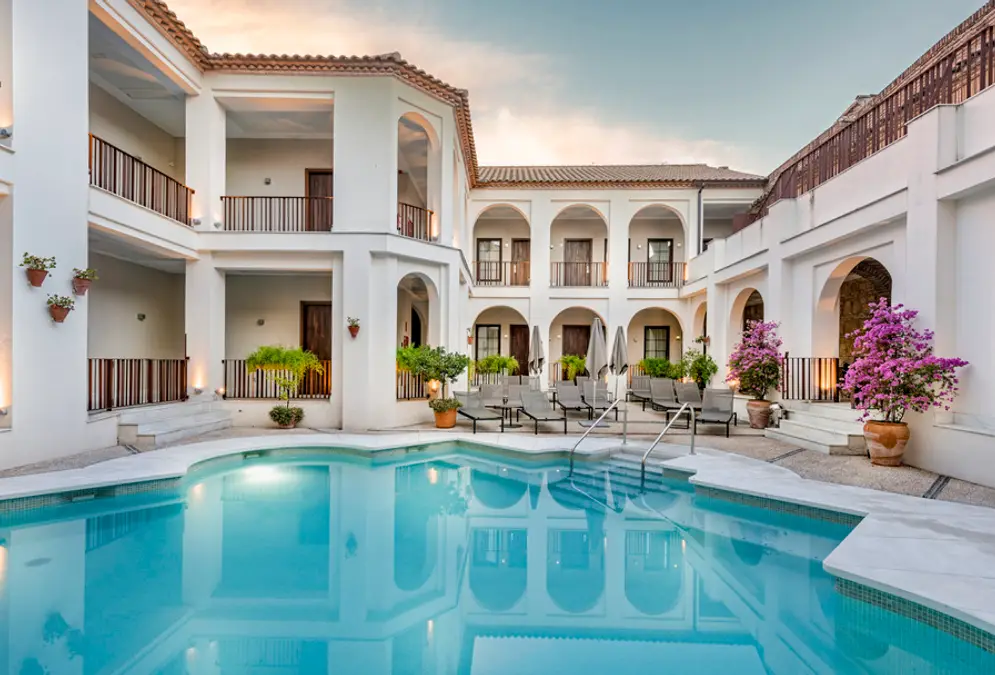
Hotels in the historic centre within walking distance of the main accessible sites.
Córdoba's compact layout is an advantage rather than a constraint. You can see the Mezquita, the Alcázar, the Roman Bridge, and the best of the historic centre in two days at a pace that leaves room to sit, eat well, and look at things properly. The city is better when you slow it down.
Senior travel FAQ
Is Córdoba easy to get around for older or less mobile travelers?
The Mezquita zone and riverside area are mostly flat and accessible. The Jewish Quarter has uneven cobblestones and narrow alleys that can be tiring. The Mezquita-Catedral has full wheelchair access (elevator, wheelchairs on loan at no charge), and the Museo Arqueológico has elevator access between levels. For a fully accessible trip, focus on the river circuit: Mezquita, Alcázar, Roman Bridge, Torre de la Calahorra. Taxis are cheap and useful when your feet need a break.
When is the best time to visit Córdoba for seniors?
October and November are the best months: 15–22°C average temperatures, smaller crowds, and harvest-season atmosphere. April and May are mild but bring the largest tourist numbers (including the Patio Festival in May). Avoid July and August: Córdoba regularly hits 38–40°C, which makes extended outdoor sightseeing genuinely dangerous in the heat.
Can you visit the Mezquita without climbing stairs?
Yes. The Mezquita-Catedral has elevator access at the Puerta de Deanes entrance and ramps throughout. Wheelchairs are available on loan at the entrance at no charge. The interior floor is level marble. Audio guides are available and recommended. The only area not fully accessible is the bell tower climb (optional, steep stairs), which most visitors skip.
Is one day enough in Córdoba for seniors, or should I plan for more?
Two full days is the right pace for a relaxed senior trip. On a single day, you can realistically cover the Mezquita and the riverside in the morning, and either the Alcázar or the Jewish Quarter in the afternoon. Two days lets you spend more time inside each site, take proper rest breaks, and still fit in the Museo Arqueológico or Medina Azahara. Three days is ideal if you want to day-trip to nearby villages or take the tourist train.
Is there a tourist train in Córdoba?
Yes. The Tren Turístico de Córdoba covers all major historic sites at a slow, comfortable pace. It departs from near the Mezquita and runs continuously during the day. A good option on warmer days or when you want to cover more ground without walking. There is no fixed timetable; check at the departure point or the tourism office for current operating hours.
Where should senior travelers stay in Córdoba?
Stay in the historic centre, within walking distance of the Mezquita. Hotels in the Judería or just north of the cathedral mean you're 5–10 minutes from everything without needing taxis for morning visits. Avoid properties accessed by steep alley approaches if mobility is a concern. See our accommodation guide for specific options.
Plan your Córdoba trip
Practical guides to help you visit at the right time, in the right order, without the queues.
Further reading
Sources and further reading
4 references Show Hide
- Mezquita-Catedral de Córdoba — Accessibility (opens in a new tab)
Official visit information including accessibility provisions, audio guides, and adapted services
- Turismo de Córdoba — Official Tourism Site (opens in a new tab)
Official Córdoba tourism information including self-guided tours, attraction details, and visitor guidance
- Accessible Spain Travel (opens in a new tab)
Specialist accessible tourism operator with practical Spain accessibility guidance
- Spain.info — Senior Tourism (opens in a new tab)
Spain's national tourism board with senior-focused travel resources