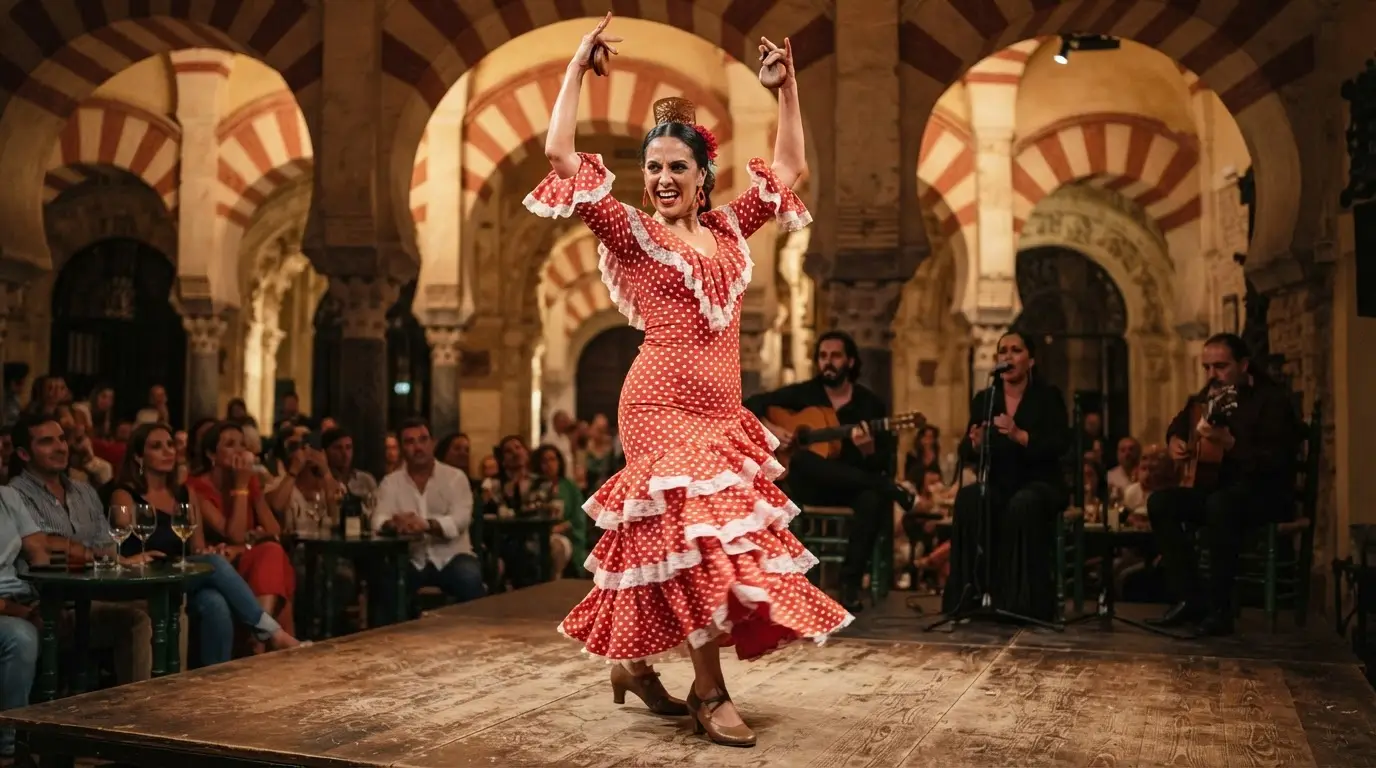

Structure vs improvisation: the defining fault line
The clearest way to distinguish sevillanas from flamenco is not the costume or the guitar. It is whether the dancer knows in advance what happens next.
Sevillanas follow a fixed, immovable structure. Every sevillana consists of exactly four coplas (sections), and within each copla the dancers move through a small set of structured phases, commonly described as the paseíllo, the pasada, and the careo, with some teachers counting a closing remate as a fourth. Sources disagree on the exact count, but the sequence itself is fixed and repeats identically every time. The music is in 3/4 time (compás de tres), and its phrase resolutions signal transitions that even a beginner can learn to hear. The footwork, arm positions, and spatial relationship between partners are pre-established. A sevillana danced at the Córdoba feria today follows the same architecture as one danced at a Seville fair in 1890.
Flamenco depends on improvisation built from deep structural knowledge. Each palo (flamenco form) has its own rhythmic cycle (compás), its own emotional register, and its own melodic conventions. The dancer responds to the singer; the singer responds to the guitar; the guitar responds to the audience's palmas (handclapping). No two performances are identical. Some of the most important palos include:
- Soleá: 12-beat cycle, profound and slow, the foundation of Córdoba's own flamenco tradition
- Seguiriya: tragic, linked to themes of death and suffering, among the most demanding forms
- Alegrías: festive and technically intricate, associated with Cádiz
- Bulerías: fast, witty, conversational, often closing a show
- Tangos: 4-beat, Gitano in character, accessible without being superficial
Castanets appear in sevillanas as a defining feature; they are rare in traditional flamenco performance, where the hands articulate rhythm through palmas and the body itself. That reversal catches most tourists by surprise.
| Sevillanas | Flamenco | |
|---|---|---|
| Structure | Fixed: 4 coplas, same every time | Improvised within palo framework |
| Time signature | 3/4 (compás de tres) | Varies by palo (12-beat, 4-beat, etc.) |
| Castanets | Defining feature | Rarely used |
| Duende | Not applicable | Central concept |
| Who dances | Anyone — social participation | Trained specialists |
| Where | Feria casetas, social gatherings | Tablaos, festivals, concert halls |
| Learning curve | Hours to days | Years of training |
The concept of duende belongs only to flamenco. The word resists exact translation, but it names the force of authentic emotion in performance: the moment when technique dissolves into something that feels involuntary. A sevillana cannot have duende. It is not structured to allow for it. For more on where to encounter genuine flamenco performance in Córdoba, see the flamenco in Córdoba discovery guide.
How sevillanas and flamenco split apart
The divergence between sevillanas and flamenco was not a single event but a slow cultural sorting that accelerated when flamenco professionalized in the 19th century.
The café cantante era (roughly 1850–1910) was decisive.[2] Flamenco moved from private Roma gatherings and rural festivals into commercial venues in Seville, Cádiz, and Jerez, where audiences paid to watch specialist performers.[3] This shift created a professional class of flamenco artists and an audience trained to judge subtle differences between a mediocre siguiriya and a transcendent one. Flamenco became something you watched and judged, not something you did.
Sevillanas traveled the opposite route. Their home was always the fair, the neighborhood association, the patio. The Feria de Sevilla, formalized in 1847,[4] gave sevillanas their dominant context, and the form adapted to that context: learnable, social, designed so that strangers can dance together without prior coordination. The form actually absorbed some flamenco ornamentation during the 19th century, which is why a sevillana can look flamenco to an outside eye. The surface borrowed from flamenco; the structure did not.
By the early 20th century, the two traditions were institutionally separate. Flamenco had its critics, its festivals (festivales de cante), its peñas (clubs of devoted aficionados). Sevillanas had its orchestras, its feria circuit, its children's classes in April. In Córdoba, the formation of flamenco peñas in the early 1970s, the city's principal club, the Peña Flamenca de Córdoba, was officially constituted on 28 November 1971, made this separation visible: membership required serious afición for flamenco specifically, not folk dance generally.
Recommended tours
Tours are selected for quality, not commission. We earn a small fee if you book — at no extra cost to you.
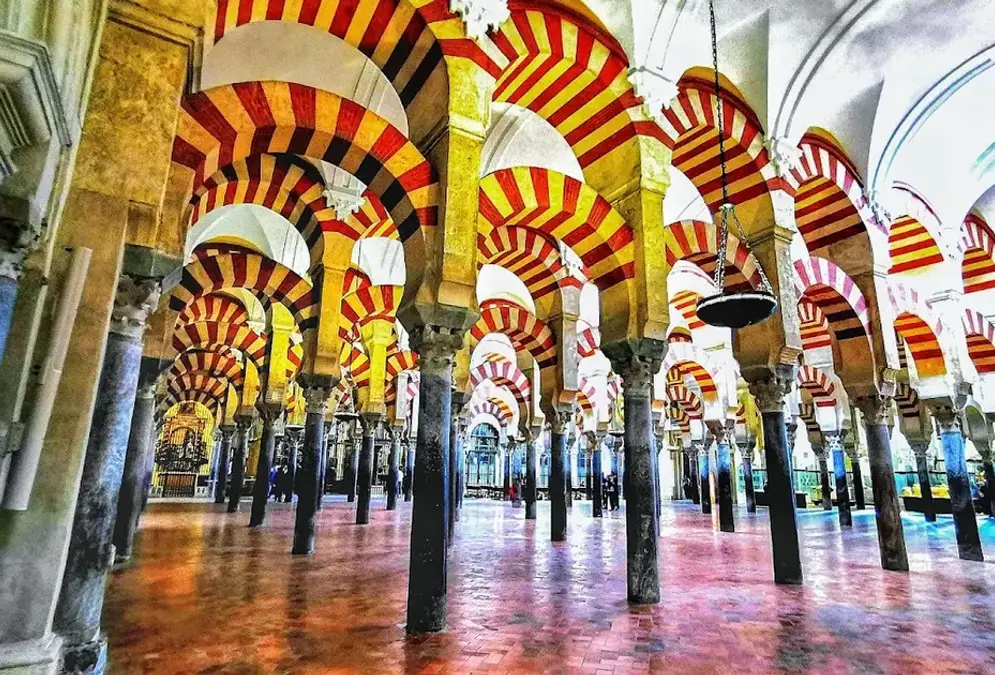
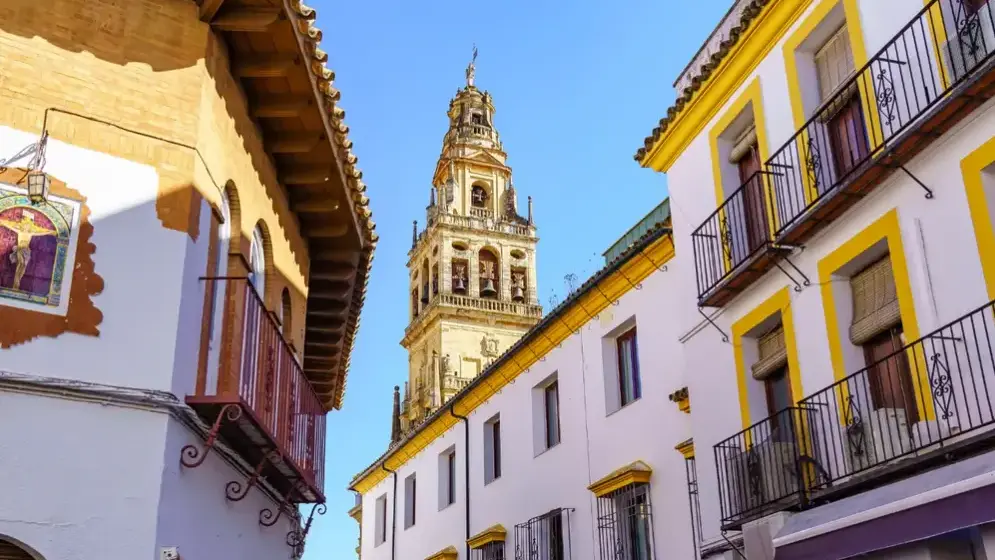
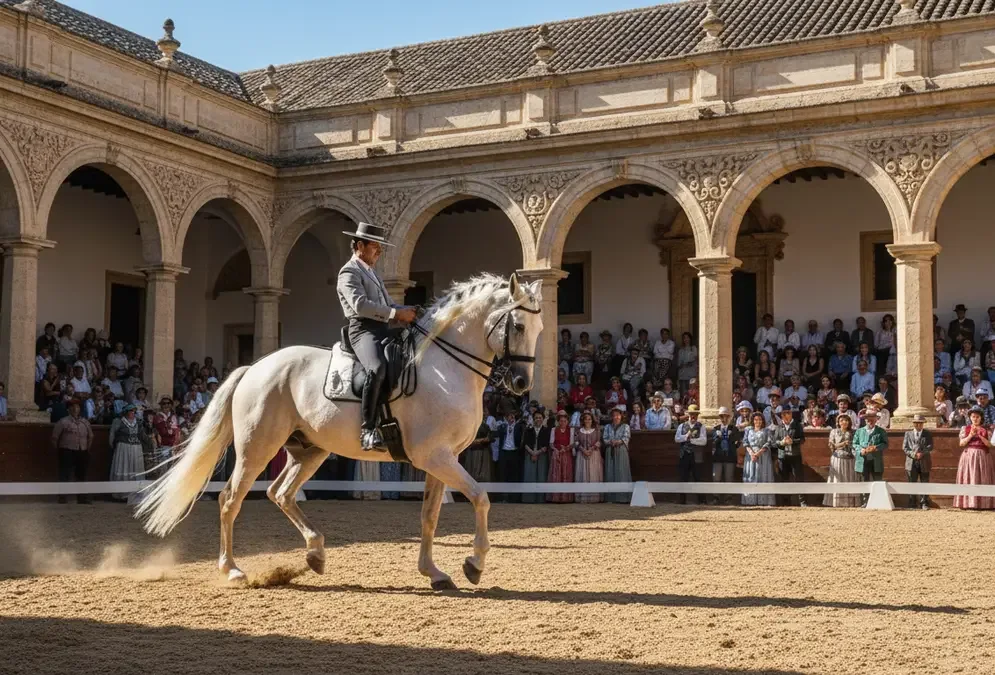
The 20th century also produced a third category that confuses the picture: stylized sevillanas composed for radio and mass consumption. These share the four-copla structure but are smoother, more polished, more emotionally neutral than the raw popular forms of the 19th century. They are what most tourists hear at tourist-oriented flamenco shows when the venue mixes both traditions. The authenticity question is real but separate from the structural question: a radio sevillana is still structurally a sevillana.
When and where you will encounter each in Córdoba
Knowing which form you are watching changes what to look for. The contexts in Córdoba are distinct.
At the Feria de Córdoba, held each May at El Arenal, you will see sevillanas. The casetas (open fair tents) run live orchestras that play sevillanas sets, four to six songs at a time, with short breaks between. Anyone can step onto the floor. The form is participatory by design. Couples, friends, and strangers join and exit without ceremony. This is not a flamenco show; it is a social event in which dancing happens. The companion article how to dance sevillanas covers the feria floor in practical detail.
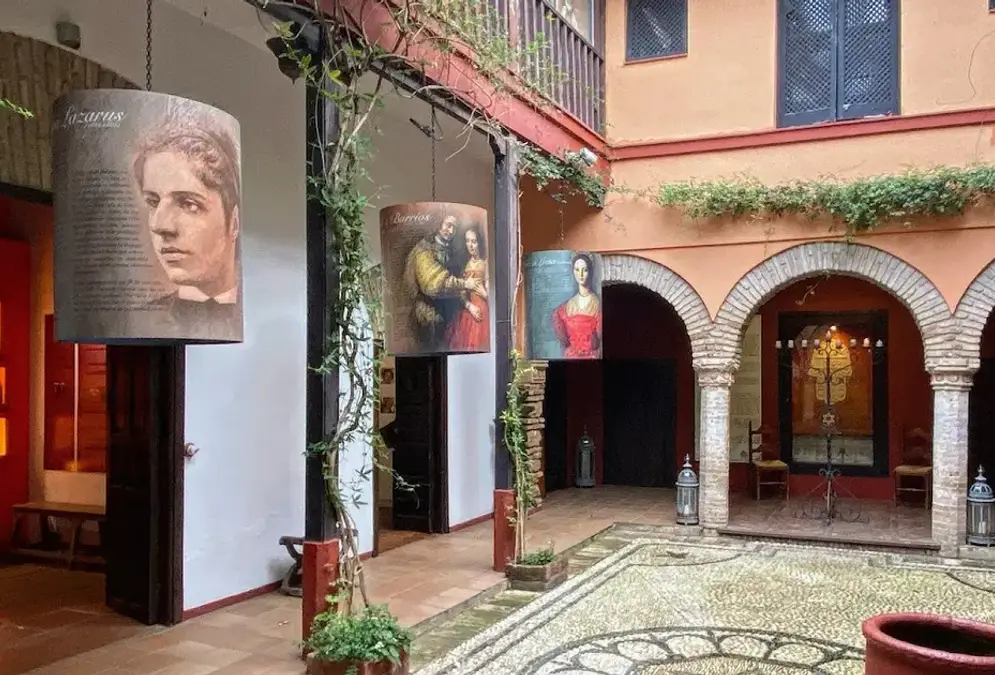
Explore nearby · Museum
Casa de Sefarad
14th-century house in Córdoba's Judería with five themed rooms on Sephardic Jewish life, from medieval Al-Andalus to the 1492 expulsion. Live concerts included.
For genuine flamenco, the venues are different. the professional tablao steps from the Mezquita runs professional flamenco shows in Córdoba: a singer, a guitarist, a dancer, and a percussionist working through a sequence of palos. The experience is intimate and emotionally intense in a way that the feria floor is not. You sit; you watch; you listen for the compás under the footwork. A flamenco show in this format takes about 90 minutes and rewards attention to the spaces between notes as much as the notes themselves.
The Festival de la Guitarra de Córdoba (July) brings internationally significant flamenco guitarists and singers to the city's outdoor venues, including the Alcázar gardens and the Gran Teatro. This is concert-format flamenco, not tablao, and the quality of the guitar playing here is exceptional. For the instrument itself, see what trade sources say about Córdoba's flamenco guitar maker. Tickets sell weeks in advance.
The separation is not absolute. At some neighborhood peñas during the feria week, you may encounter flamenco proper alongside or after the sevillanas sets, performed by members or invited artists. But the casual visitor will not find this by walking in off the street. The peñas are members' associations; their flamenco evenings are not publicized as tourist attractions.
Córdoba's own flamenco voice: cante cordobés
Córdoba occupies a specific place in the history of flamenco, one that most international visitors do not know about.
The city has a flamenco tradition distinct from Seville. The afición in Córdoba has historically been more knowledgeable, more demanding, and more suspicious of commercial simplification than audiences in other Andalusian cities. The term cante cordobés refers not to a single style but to the particular character that flamenco from Córdoba acquired: deliberate, measured, oriented toward moral depth rather than virtuosic display.
The soleá de Córdoba is the most documented example. The soleá is one of flamenco's foundational forms: a 12-beat cycle with a gravitational pull toward resolution that makes even a mediocre performance feel inevitable. The Cordoban version derives from the soleá de Triana (Seville), but the transmission history is traceable. Sevillian singer Ramón El Ollero brought the style to Córdoba in the 19th century; Juanero El Feo transmitted it to the next generation of Cordoban artists. What they passed on was a soleá more deliberate and longer than the Sevillian model, with a recitative quality that allowed for extended moral reflection, the verse expressing lived wisdom rather than pure emotional discharge.
The line of transmission continued through the 20th century. Fosforito (Antonio Fernández Díaz, 1932–2025) swept all prizes at the 1956 Concurso Nacional de Arte Flamenco de Córdoba and spent his career defining what cante from Córdoba's sierra could be.[5] El Pele (Manuel Moreno Maya, born 17 January 1954, in Córdoba's San Pedro neighbourhood) extends the same tradition into the contemporary period: technically demanding, emotionally uncompromising, rooted in the Cordoban sense that flamenco is something serious.[6]
This tradition has no equivalent in sevillanas, which are not organized by city schools or artist lineages. You either know the four coplas or you do not. The depth of the Cordoban flamenco tradition is one reason the two forms are worth distinguishing: the tourist who treats sevillanas as a gateway to flamenco is not wrong, but the gateway leads somewhere considerably more complex.
Which to watch, which to learn: the practical guide
The question visitors usually arrive with is practical. They have four days in Córdoba, some of which overlaps with the feria, and they want to know whether to book a tablao show, learn a few sevillanas steps, or both.
Learn sevillanas if you want to participate. The four-copla structure is learnable in a single afternoon workshop. Several flamenco academies in the casco histórico run crash courses in the weeks before the feria, covering the paso, the pasada, and the braceo (arm work). After two hours you can join a caseta floor without causing problems. Two hours of flamenco instruction gives you exactly nothing usable on a public floor.
Watch flamenco if you want to understand the tradition. A tablao show at this Judería venue will show you what duende looks like when a singer pushes into it, what a 12-beat compás does to a room, and why flamenco audiences fall silent at specific moments rather than applauding throughout. This understanding changes how you watch the sevillanas floor afterward.
The best sequence for a feria visitor:
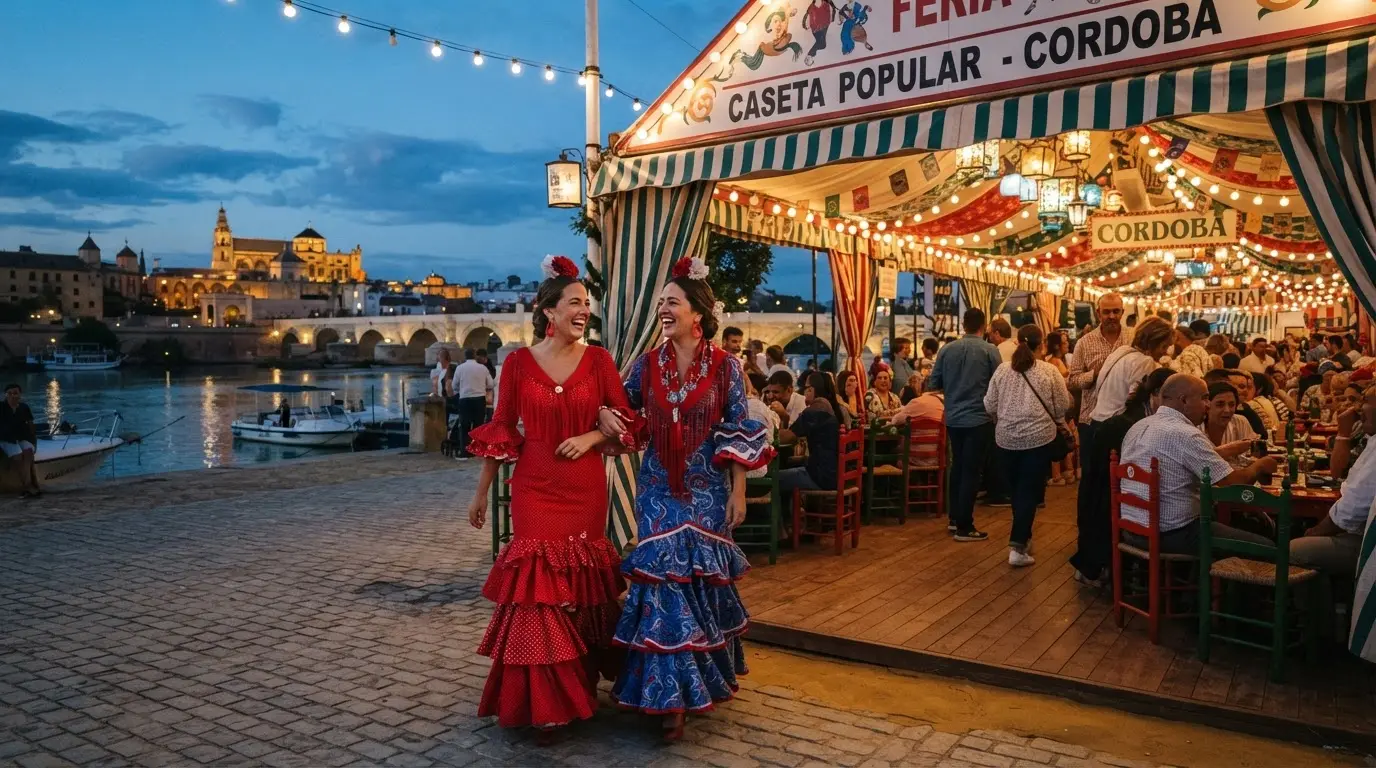
Deep dive · Article
Feria Córdoba vs Seville: The Real Differences
Córdoba's casetas need no invitation; Seville's 1,000+ are mostly private. Founded in 1284 vs 1847 — see how the two ferias compare, and why it matters.
- Afternoon before the feria opens: sevillanas workshop at a local academy (2 hours, 20–40€)
- First feria evening: arrive at a public caseta around 8pm, watch one complete sevillana from the edge of the floor, then join
- Any evening outside feria week: tablao show (90 minutes, 30–55€ including a drink)
What to listen for at each. At the feria, listen for the phrase resolution in the music, the moment the melody settles and the section changes. At the tablao, listen for the palmas patterns under the guitar and the way the dancer's feet answer the singer's phrases. These are different listening exercises for different forms. Trying to apply the same attention to both misses what each one actually is.