Articles · People & legends
Córdoba's people: philosophers, poets and legendary figures (Page 4)
This is where Córdoba's people come first: the philosophers, physicians, poets and rebels who made the city a center of thought, and the legends that grew up around them. For readers curious about who actually lived behind the monuments' facades.
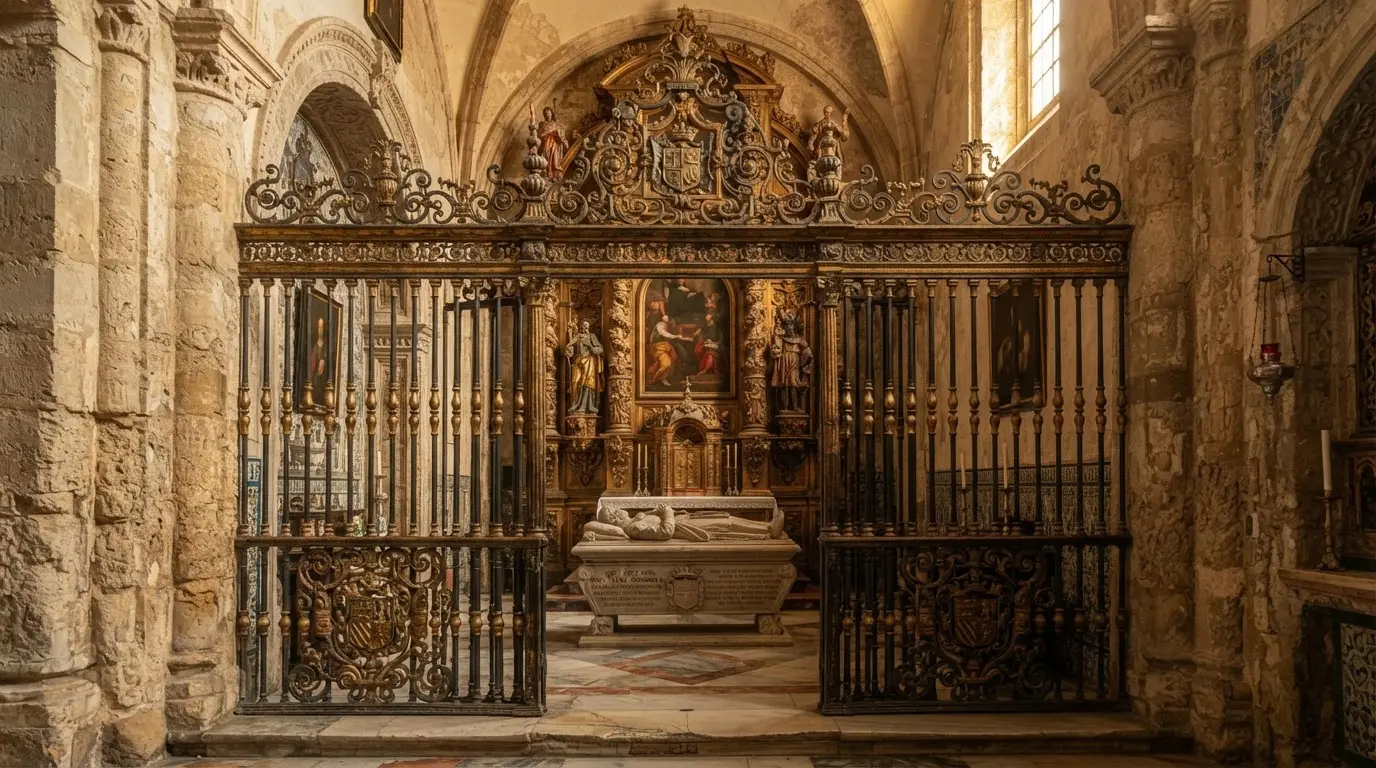
Luis de Góngora: The Poet Buried Inside the Mezquita
María Fernanda González Updated
Luis de Góngora, born in Córdoba in 1561, invented a style of poetry so difficult it scandalized Spain. His tomb is inside the Mezquita, behind an iron grille.
Read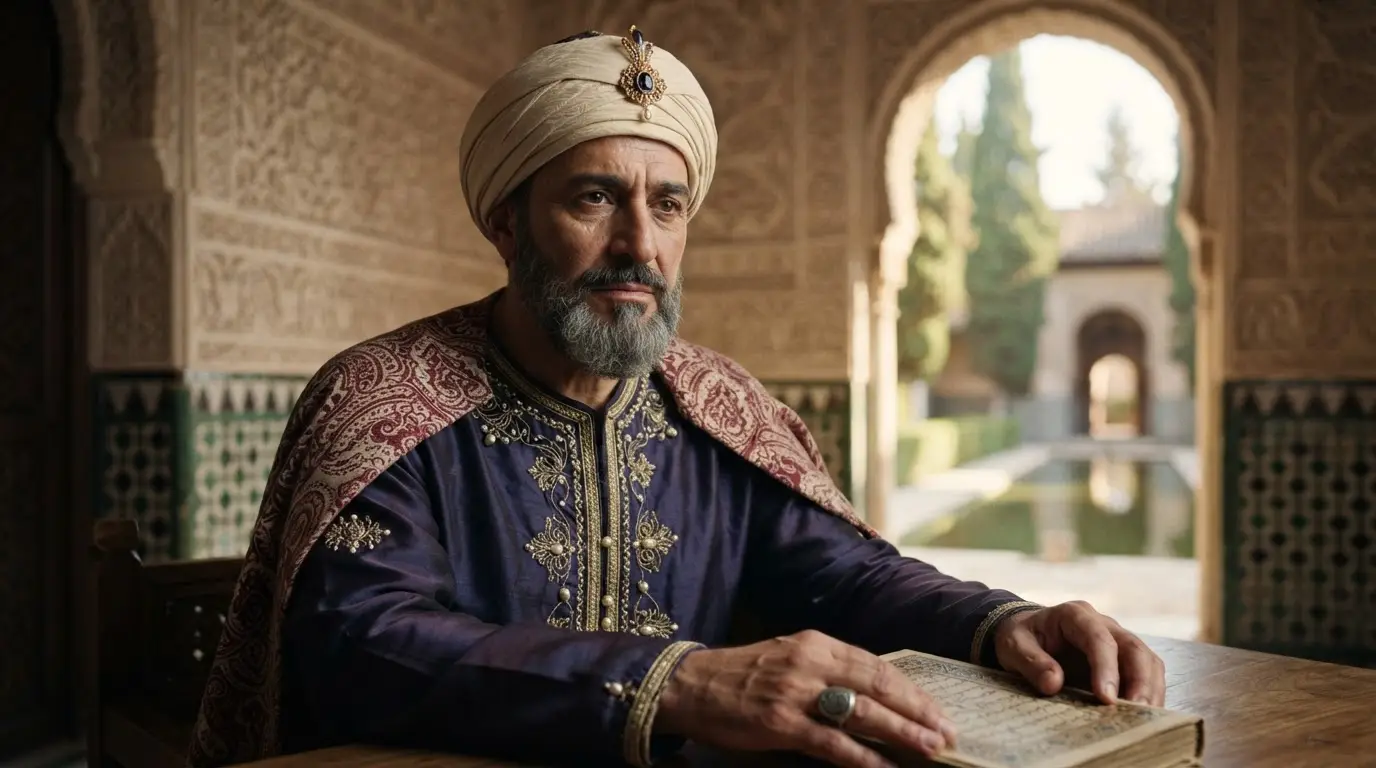
Almanzor: The Man Who Dismantled the Caliphate From Inside
Sophie Marchand Updated
Almanzor ran Córdoba for 25 years without claiming the caliphate. Fifty-seven undefeated campaigns, the bells of Santiago, a purged library — and civil war.
Read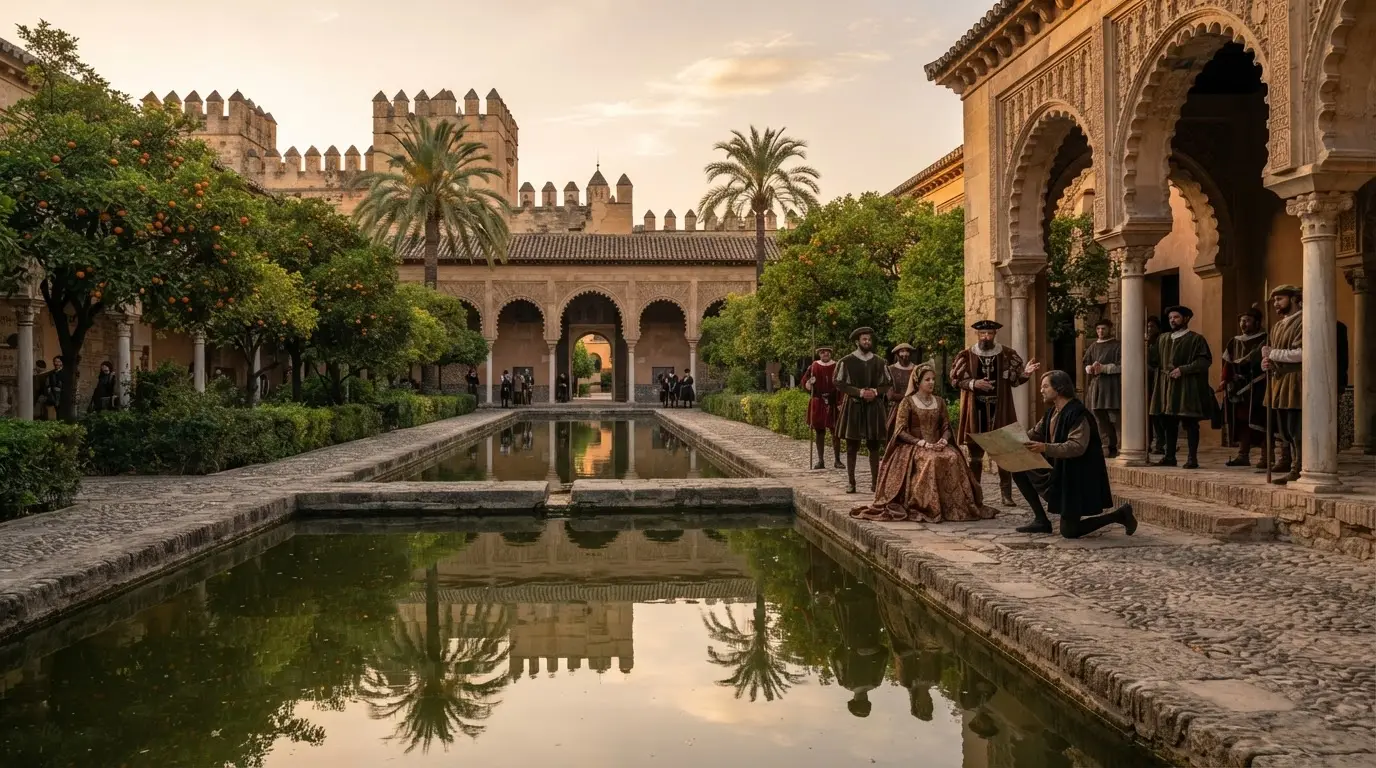
Columbus in Córdoba: The Promise He Never Kept
Sophie Marchand Updated
Beatriz Enríquez de Arana met Columbus in Córdoba in 1487, bore his son Ferdinand, and raised him alone. Columbus never married her, despite a deathbed apology.
Read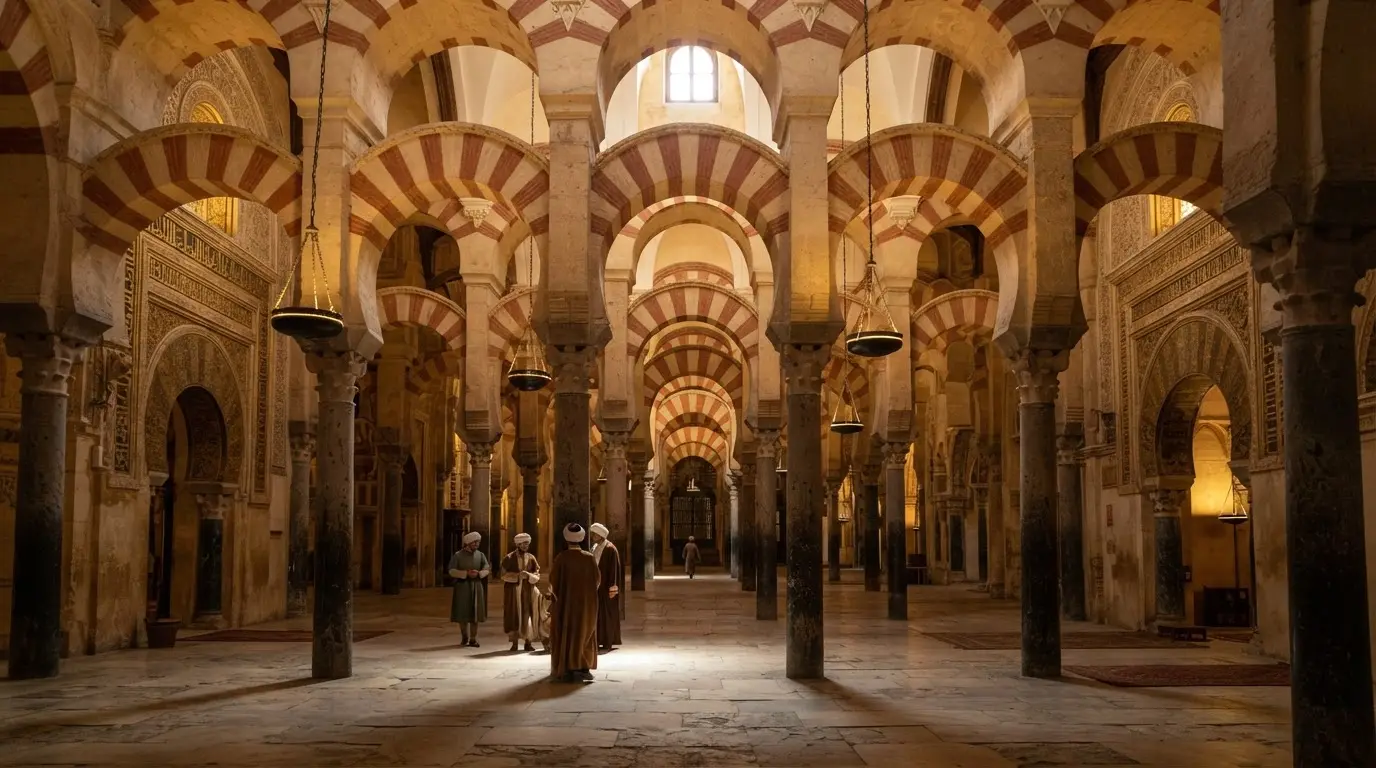
Ziryab: The Musician Who Invented Your Dinner in Córdoba
Sophie Marchand Updated
Ziryab added a fifth string to the oud and reshaped court fashion and table manners in 9th-century Córdoba. Tradition credits him with the three-course meal.
Read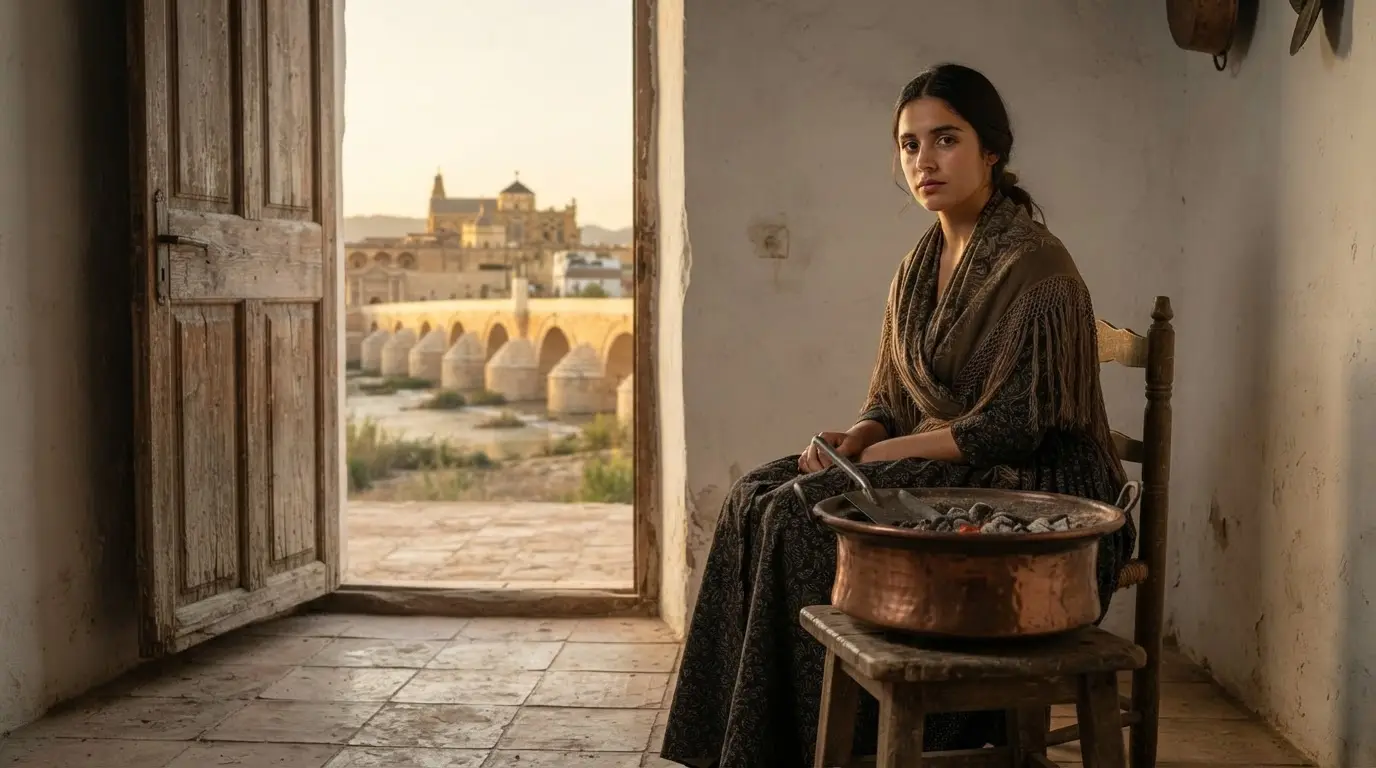
Julio Romero de Torres: The Painter Who Made Córdoba Sensual
Sophie Marchand Updated
Julio Romero de Torres (1874–1930) turned Córdoba's women, light, and flamenco into Andalusian symbolism. His last painting remains in his Córdoba museum.
Read
Gran Capitán: Córdoba's General Who Helped Shape Modern War
María Fernanda González Updated
El Gran Capitán, born in Montilla in 1453, helped take Granada and won Cerignola. Córdoba keeps his equestrian statue by Mateo Inurria in the Tendillas.
Read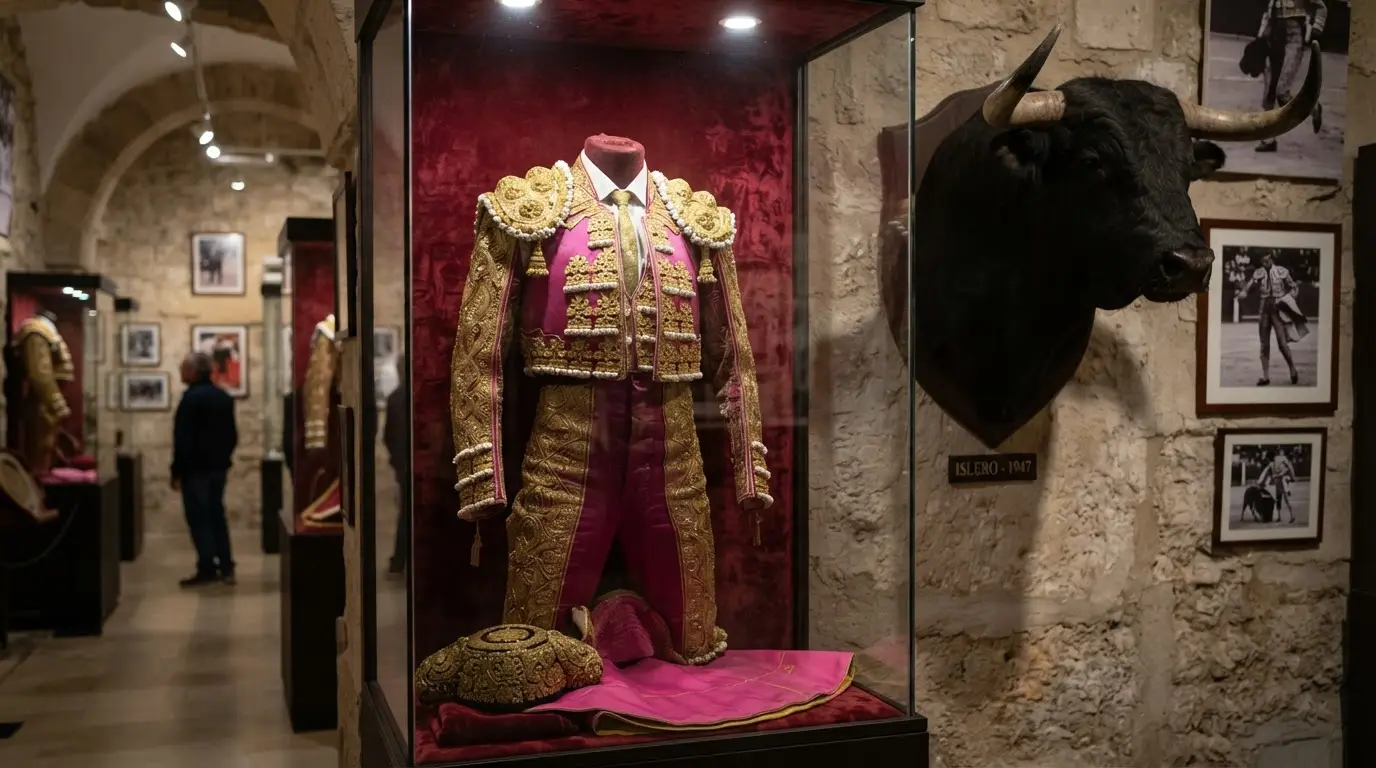
Manolete: Córdoba's Last Sad God of the Ring
Sophie Marchand Updated
Gored by the bull Islero in Linares on 28 August 1947, Manolete died aged 30 and Franco declared three days of mourning. See his statue and tomb in Córdoba.
Read
Ibn Hazm's Ring of the Dove: Córdoba's Love Treatise
Sophie Marchand Updated
Ibn Hazm's Ring of the Dove (1022 CE) is the medieval Arab world's most searching analysis of love and one of the most readable books to survive Al-Andalus.
Read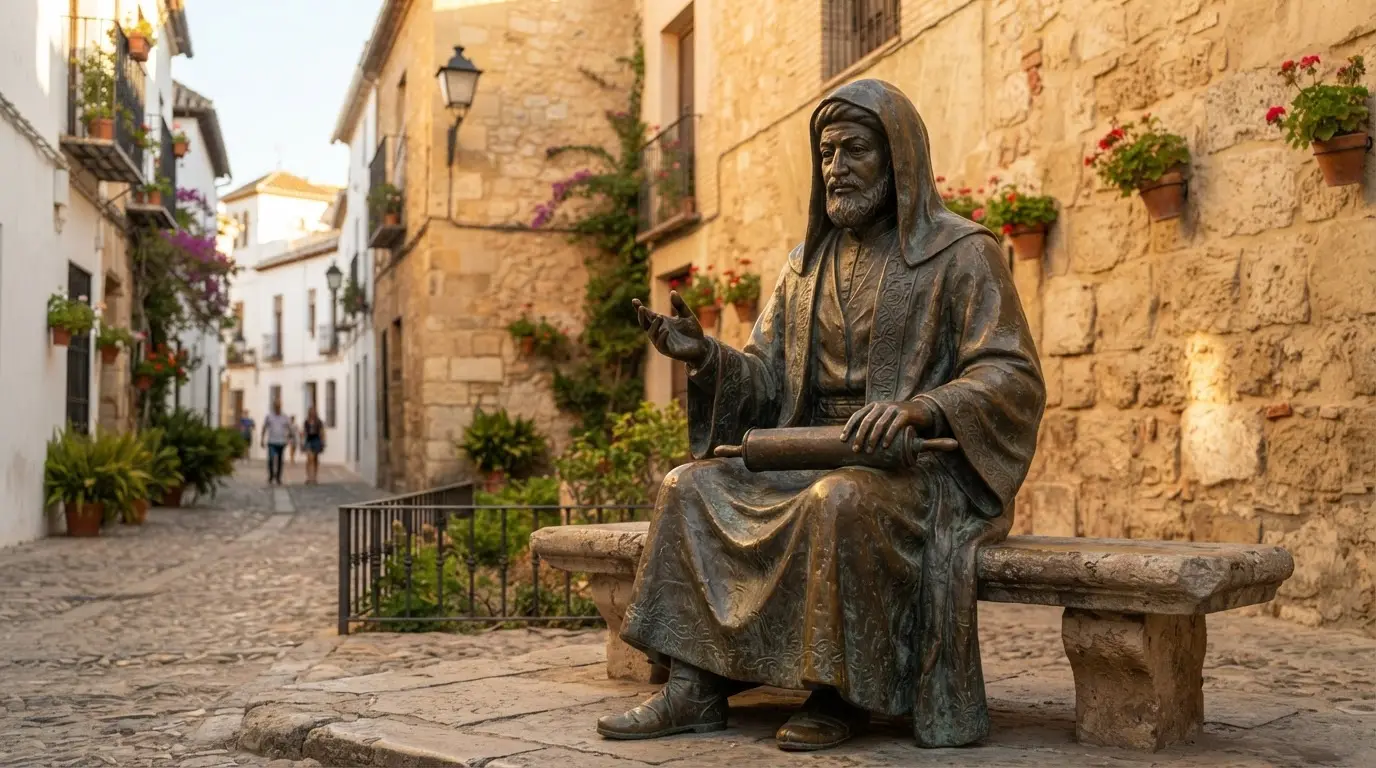
Maimonides: Córdoba's Philosopher Who Changed Judaism
Sophie Marchand Updated
Born in Córdoba in 1138, Maimonides codified Jewish law, reconciled Aristotle with the Torah, and influenced Aquinas. His statue stands in the Judería today.
Read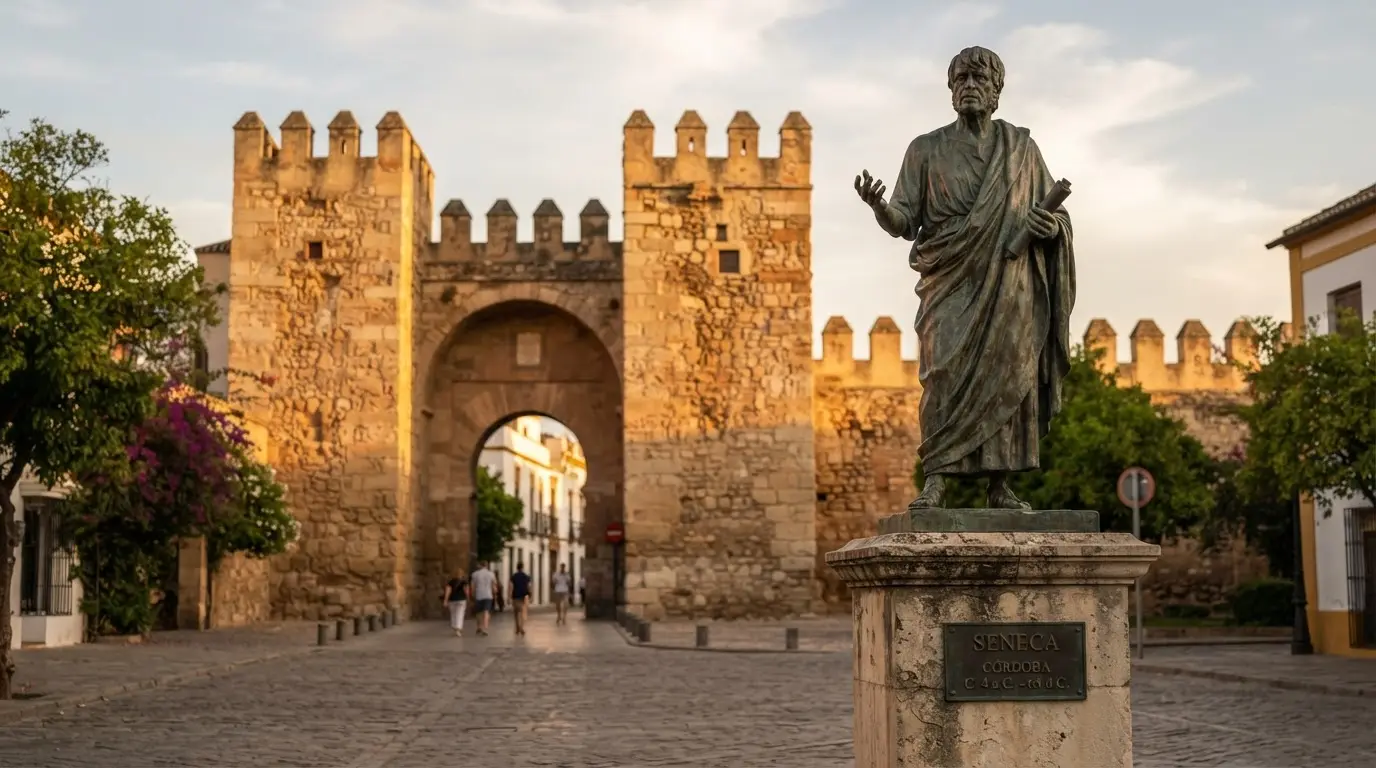
Seneca: Born in Córdoba, Philosopher to an Empire
María Fernanda González Updated
Born in Roman Córdoba around 4 BCE, Seneca became Nero's tutor, wrote 124 Moral Letters that shaped the essay form, and died in 65 CE by opening his veins.
Read