Articles · People & legends
Córdoba's people: philosophers, poets and legendary figures (Page 2)
This is where Córdoba's people come first: the philosophers, physicians, poets and rebels who made the city a center of thought, and the legends that grew up around them. For readers curious about who actually lived behind the monuments' facades.
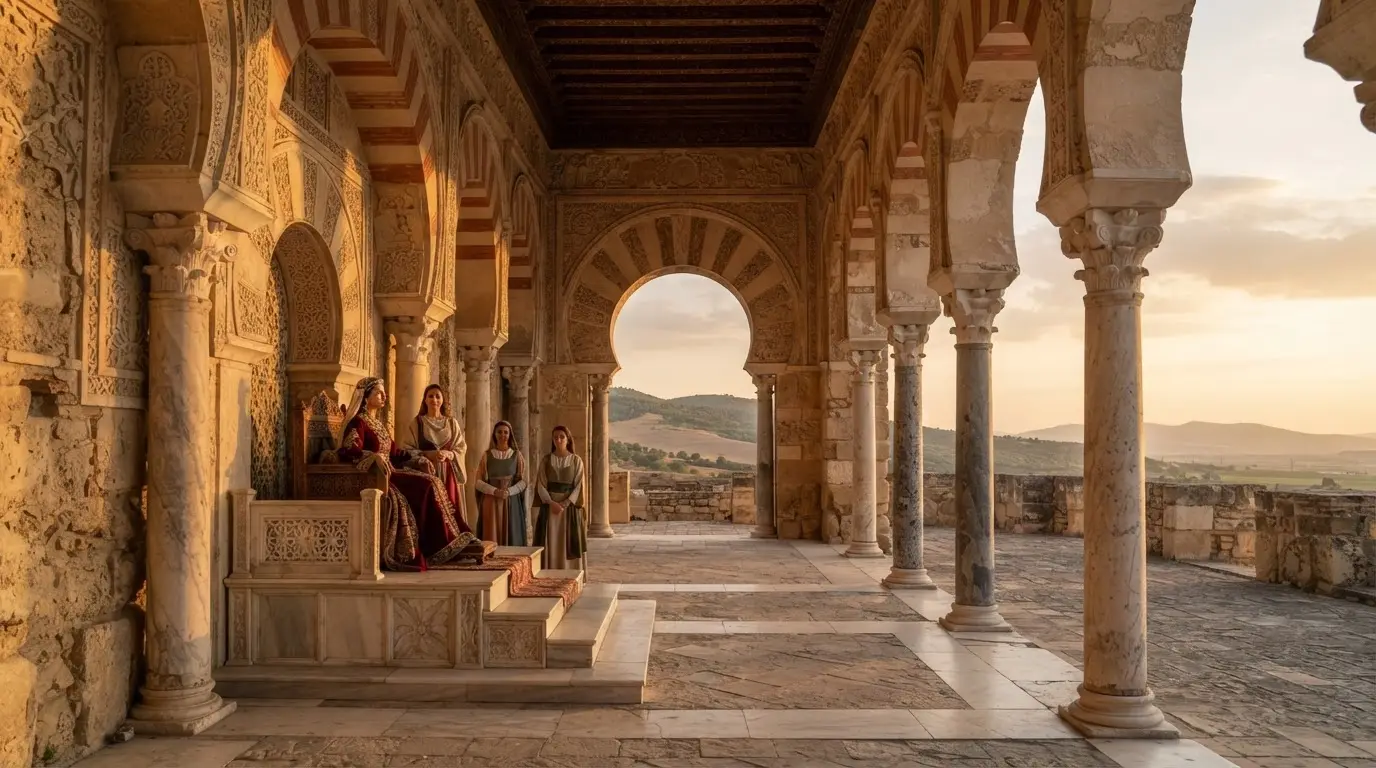
Subh of Córdoba — The Slave Who Ruled the Caliphate
Sophie Marchand Updated
Subh was a Basque concubine who became regent of Córdoba in 976. She put Almanzor in power, then spent a decade trying to bring him down — and failed.
Read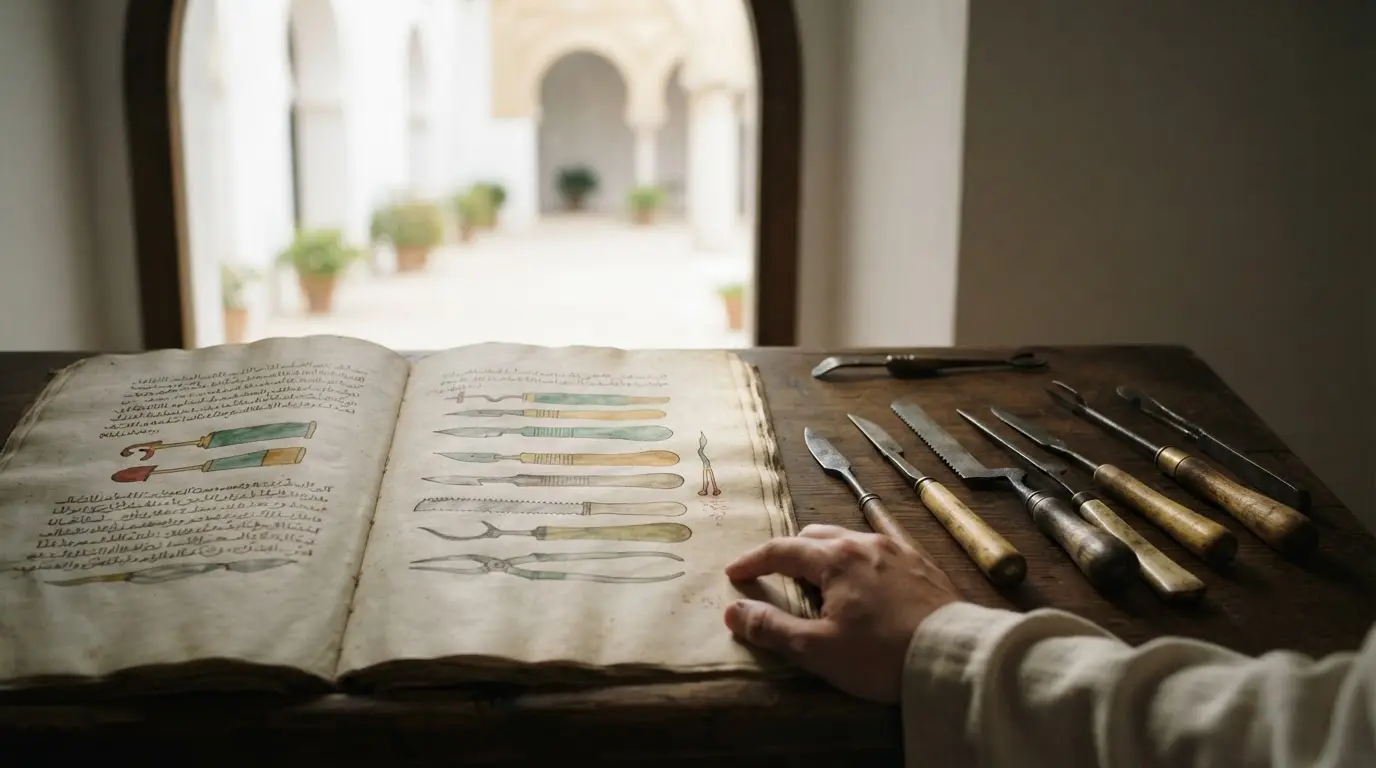
Al-Zahrawi Córdoba: the surgeon who invented the scalpel
Sophie Marchand Updated
Al-Zahrawi, the father of modern surgery, was born near Córdoba in 936 CE. He invented the scalpel and catgut sutures, and shaped surgery for 500 years.
Read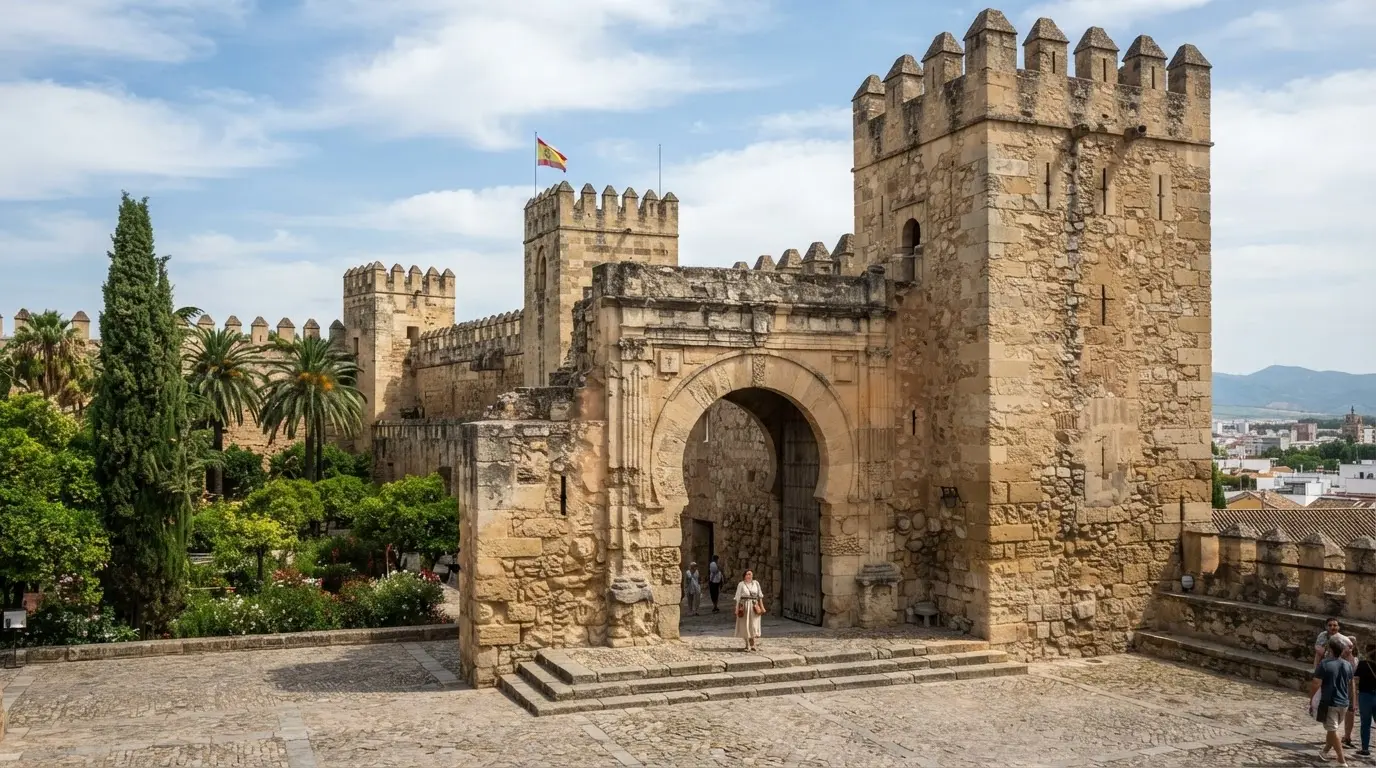
Inquisitor Lucero El Tenebroso: Córdoba's Feared Judge
Sophie Marchand Updated
Lucero El Tenebroso jailed 400+ people and staged Córdoba's largest auto-da-fé in 1504 — one of few Spanish inquisitors formally removed for abuse of authority.
Read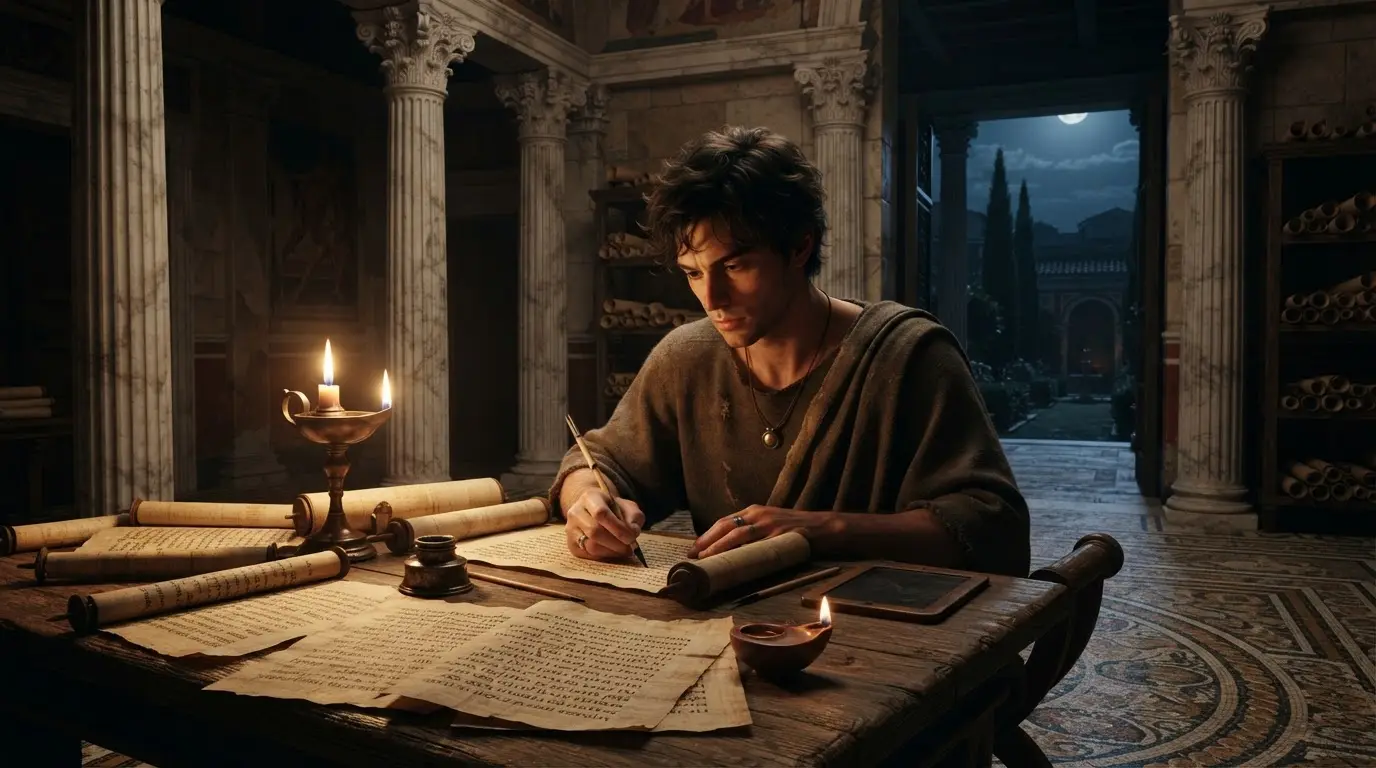
Lucan — The Poet Who Challenged Nero and Lost
Sophie Marchand Updated
Born in Córdoba in 39 AD, Lucan wrote Rome's most defiant epic against a reigning emperor and was forced to die at 25. Complete story of lucan poet cordoba.
Read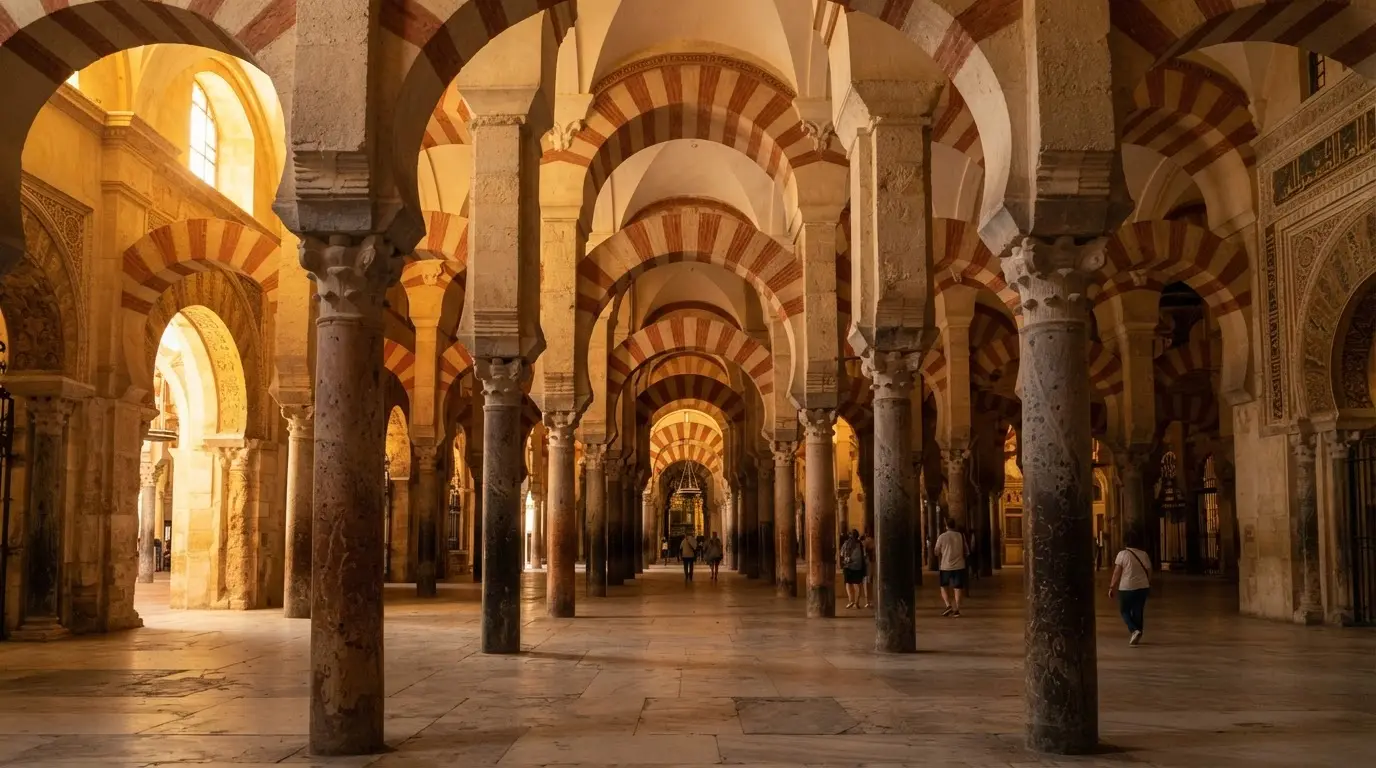
Abd al-Rahman III: The Morning Córdoba Became a Caliphate
Sophie Marchand Updated
Abd al-Rahman III was the first Caliph of Córdoba, declared on January 16, 929, ruling a city of up to 500,000 people and building Medina Azahara in 936.
Read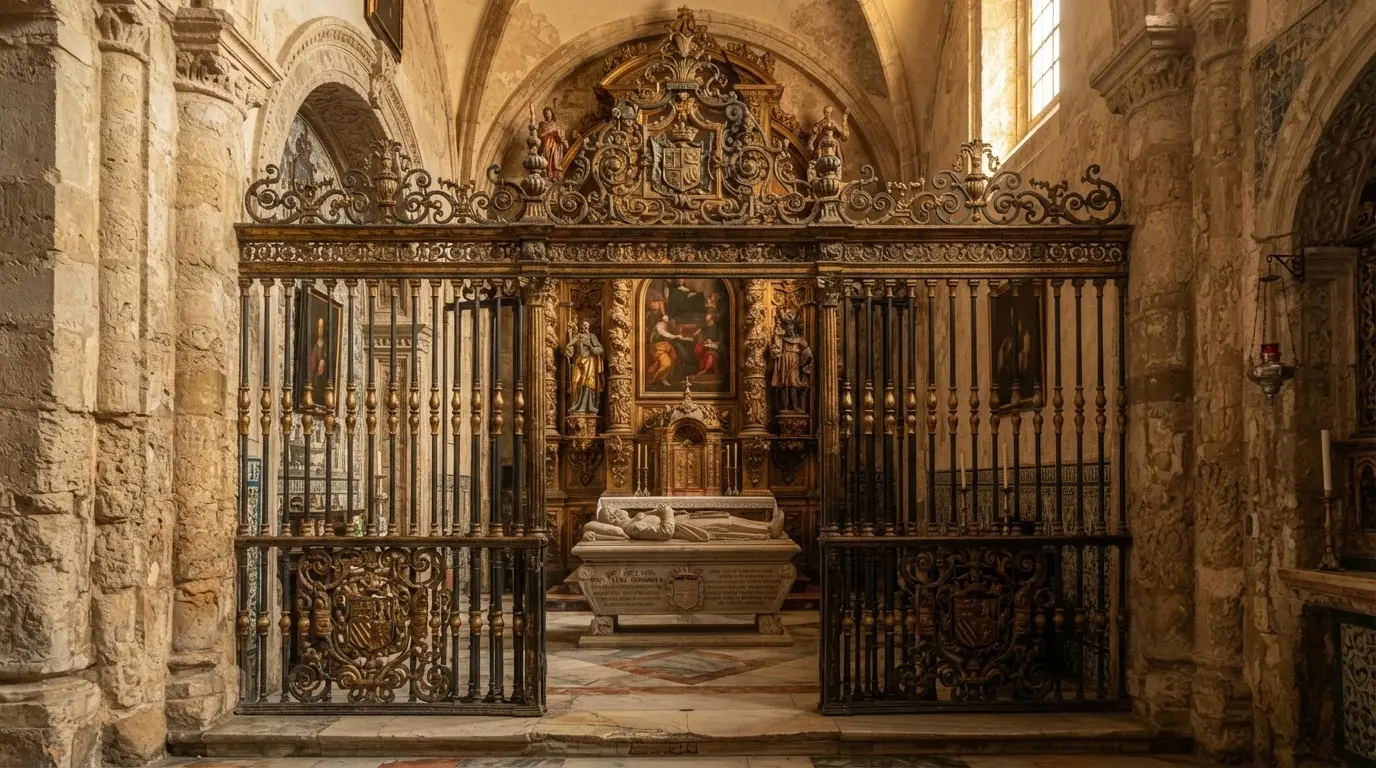
Luis de Góngora: The Poet Buried Inside the Mezquita
María Fernanda González Updated
Luis de Góngora, born in Córdoba in 1561, invented a style of poetry so difficult it scandalized Spain. His tomb is inside the Mezquita, behind an iron grille.
Read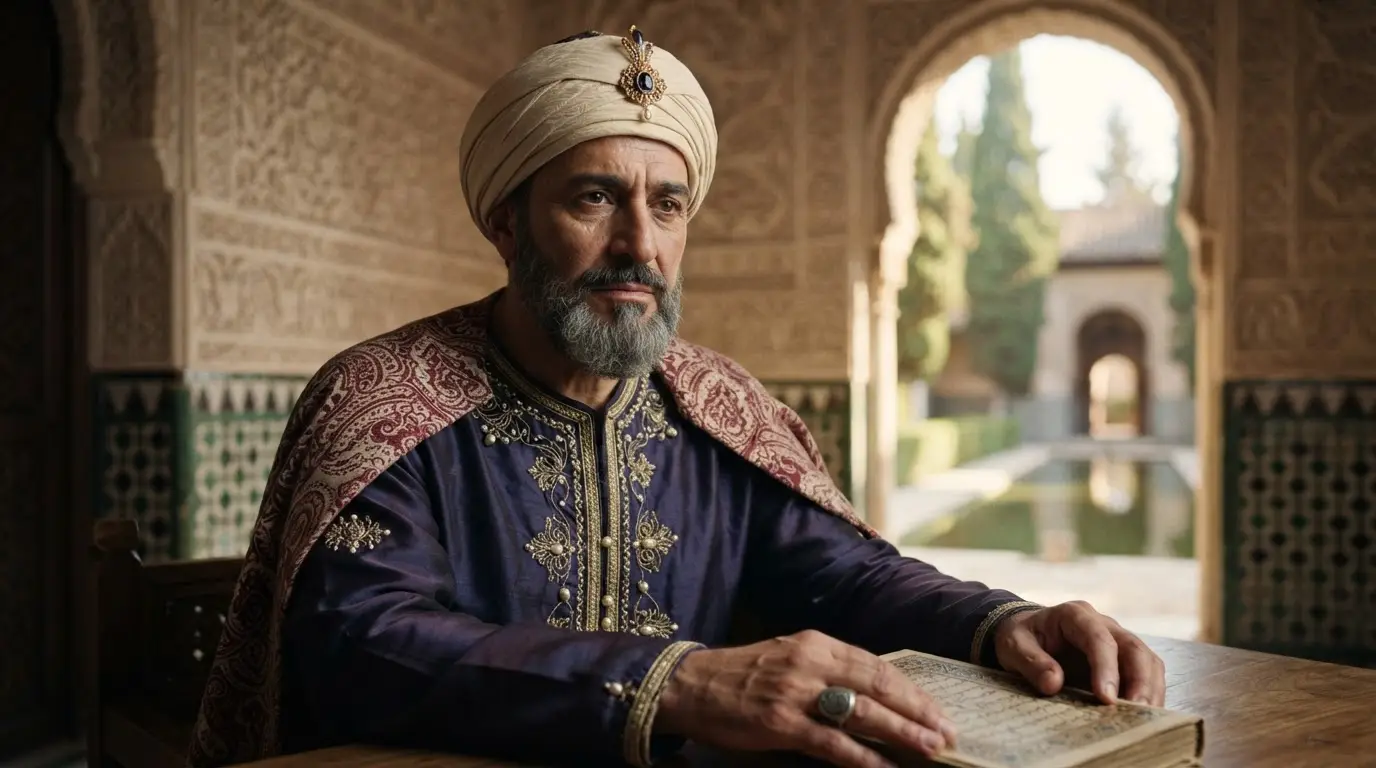
Almanzor — The Man Who Dismantled the Caliphate From Inside
Sophie Marchand Updated
Almanzor ran Córdoba for 25 years without claiming the caliphate. Fifty-seven undefeated campaigns, the bells of Santiago, a purged library — and civil war.
Read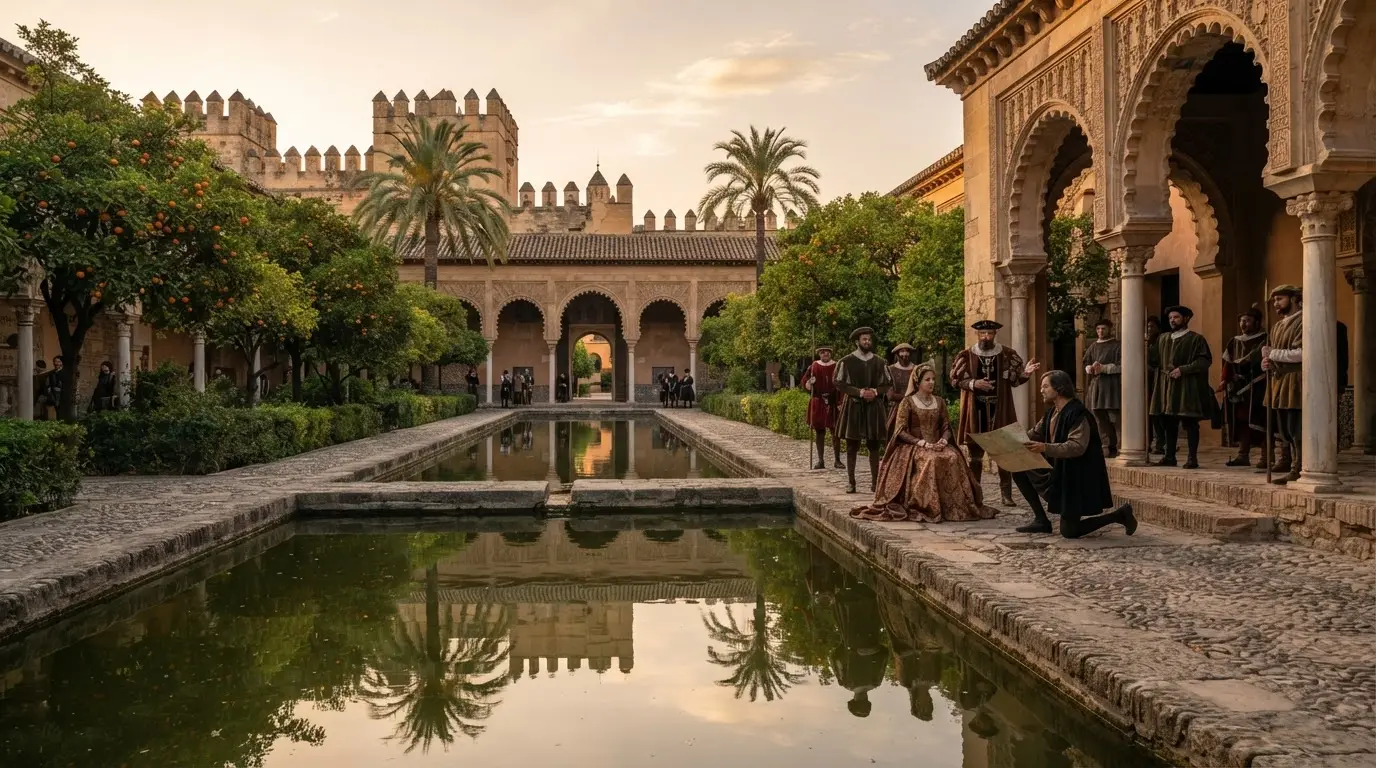
Columbus in Córdoba: The Promise He Never Kept
Sophie Marchand Updated
Beatriz Enríquez de Arana met Columbus in Córdoba in 1487, bore his son Ferdinand, and raised him alone. Columbus never married her, despite a deathbed apology.
Read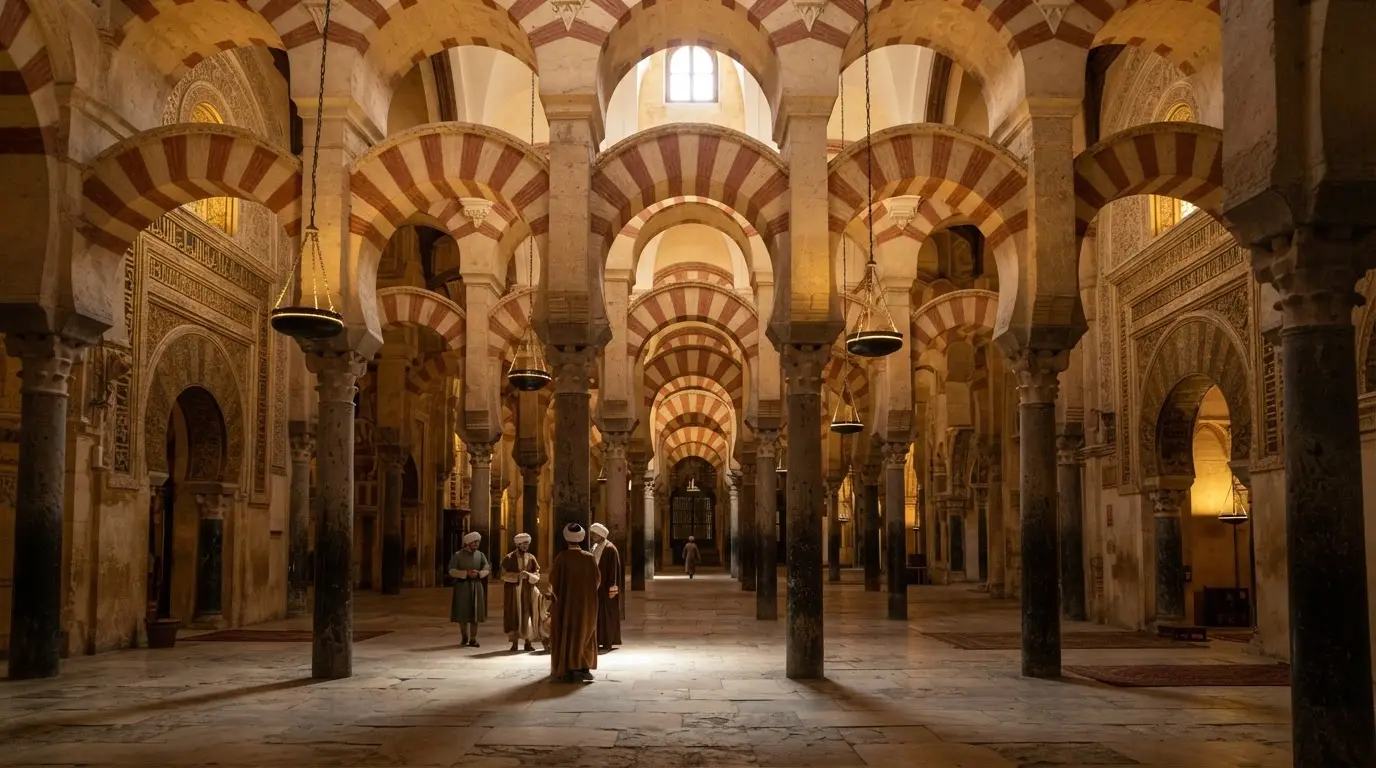
Ziryab — The Musician Who Invented Your Dinner in Córdoba
Sophie Marchand Updated
Ziryab was a Baghdad musician who settled in Córdoba in 822 CE, added a fifth string to the oud, and tradition credits him with inventing the three-course meal.
Read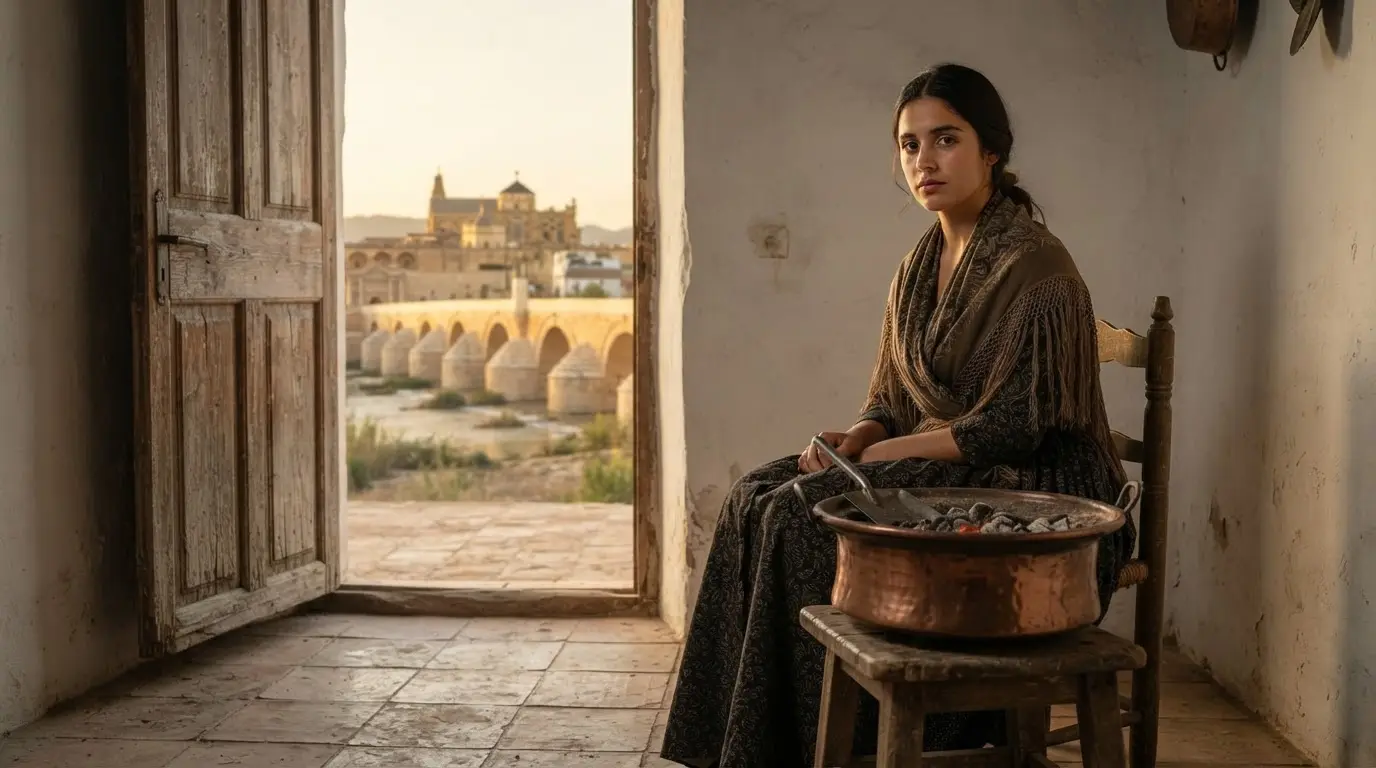
Julio Romero de Torres: The Painter Who Made Córdoba Sensual
Sophie Marchand Updated
Julio Romero de Torres (1874–1930) turned Córdoba's women, light, and flamenco into Andalusian symbolism. His last painting remains in his Córdoba museum.
Read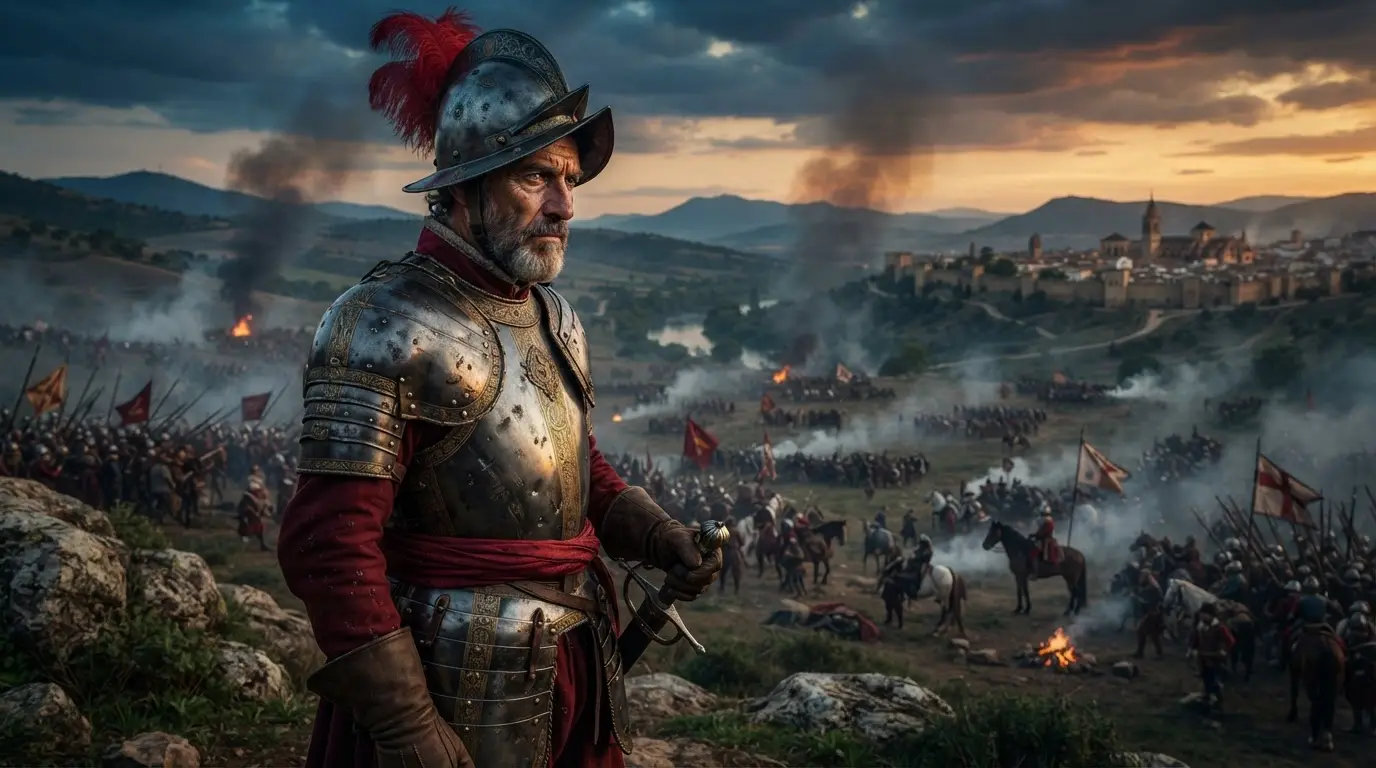
Gran Capitán: Córdoba's General Who Invented Modern War
María Fernanda González Updated
Gran Capitán, born near Córdoba in 1453, negotiated Granada's surrender and won the first battle ever decided by firearms. Córdoba built him no statue.
Read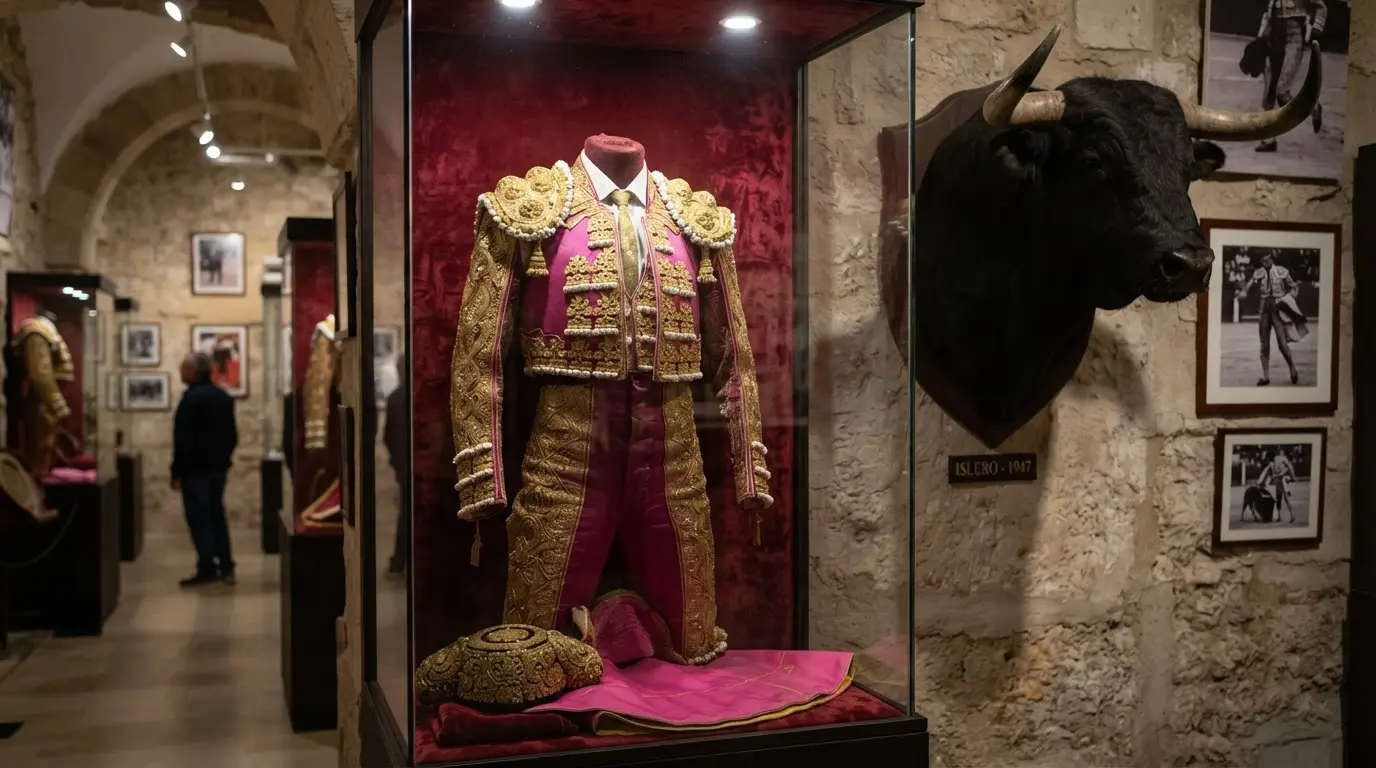
Manolete: Córdoba's Last Sad God of the Ring
Sophie Marchand Updated
Manolete was gored by Islero in Linares on August 28, 1947, dying at 30. Islero's head sits in Córdoba's Museo Taurino; Franco declared three days of mourning.
Read