The Church of San Basilio is the parish church of the quarter that carries its name, built in 17th-century Baroque style on the site of a Basilian monastery founded in 1590. It is also stop 12 on the Mezquita-Catedral's Fernandine Churches Route. Come for a working neighbourhood church in the old Alcázar Viejo, not for a medieval one, and check the opening situation before you walk over.
What the church is
The parish church stands on the site of a monastery founded in 1590, and the Wikipedia entry for the quarter describes it as Baroque, with period furnishings. The quarter itself takes its name from the saint to whom the parish of Nuestra Señora de la Paz, Our Lady of Peace, was dedicated.
The monks were Basilians. A local-history column quoting the parish priest records that they settled in the Alcázar Viejo on 19 November 1590 and founded a monastery dedicated to Nuestra Señora de la Paz, after an earlier attempt in the Magdalena quarter in 1586 had not taken hold. They stayed in Córdoba until 1835.
A route church, not a medieval one
The Cathedral Chapter's route leaflet lists San Basilio among the churches of the Fernandine route, marked 12 on its map, and describes the route's temples as founded in the context of Ferdinand III's conquest. For San Basilio that is the route label, not the building's story. The documented origin on this site is the 1590 monastery, so go expecting a Baroque parish church rather than a medieval one.
The leaflet also calls the route buildings living churches that keep their liturgical function, which is the practical point: this is a parish church first and a heritage stop second.
Confirm access before you walk over
No permanent opening hours are published for the church. Because it is a working parish church, check the Mezquita-Catedral's Fernandine route information first, and plan around services.
Where it sits
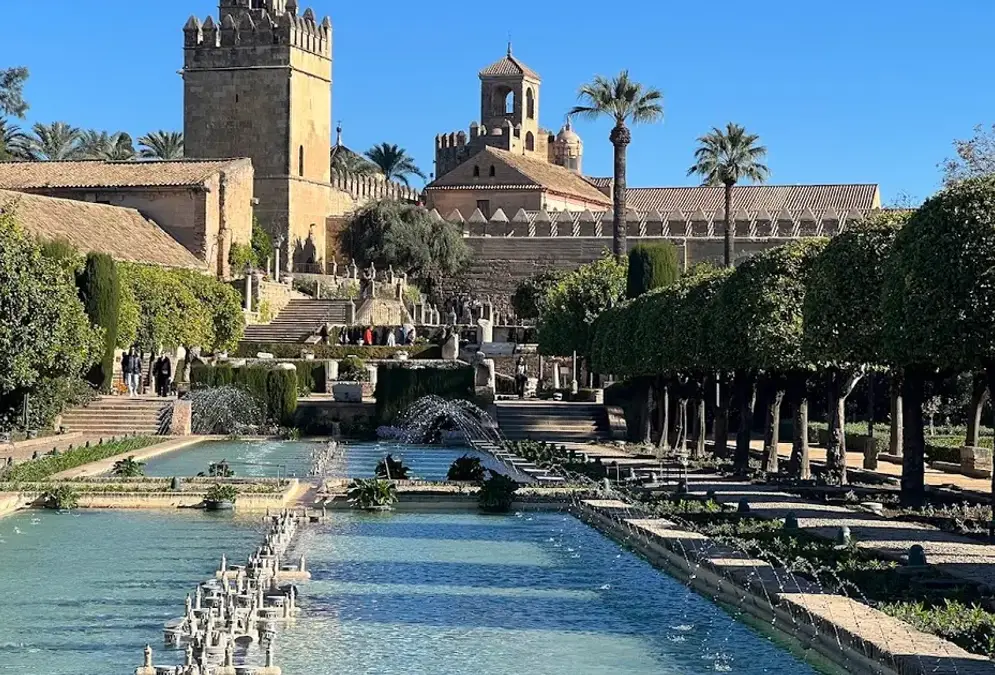
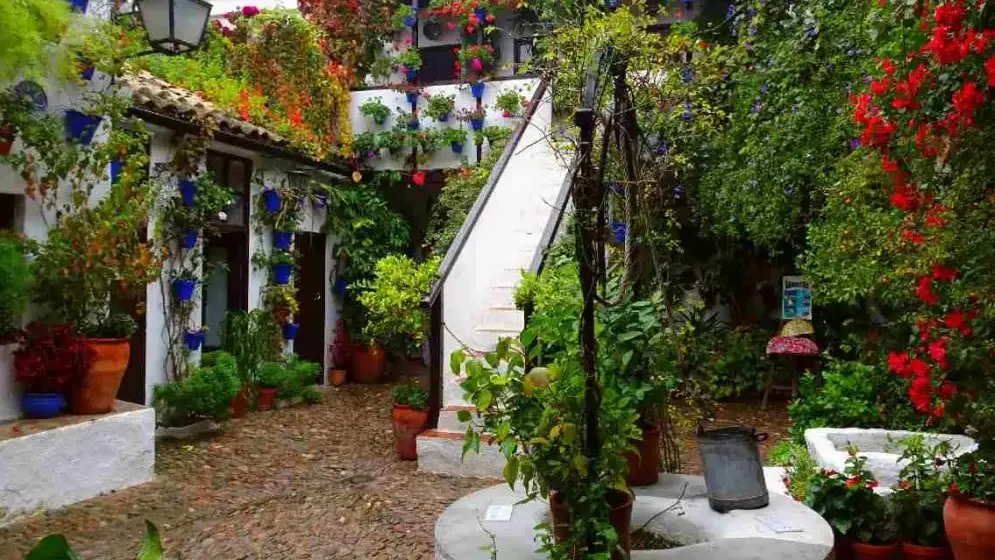
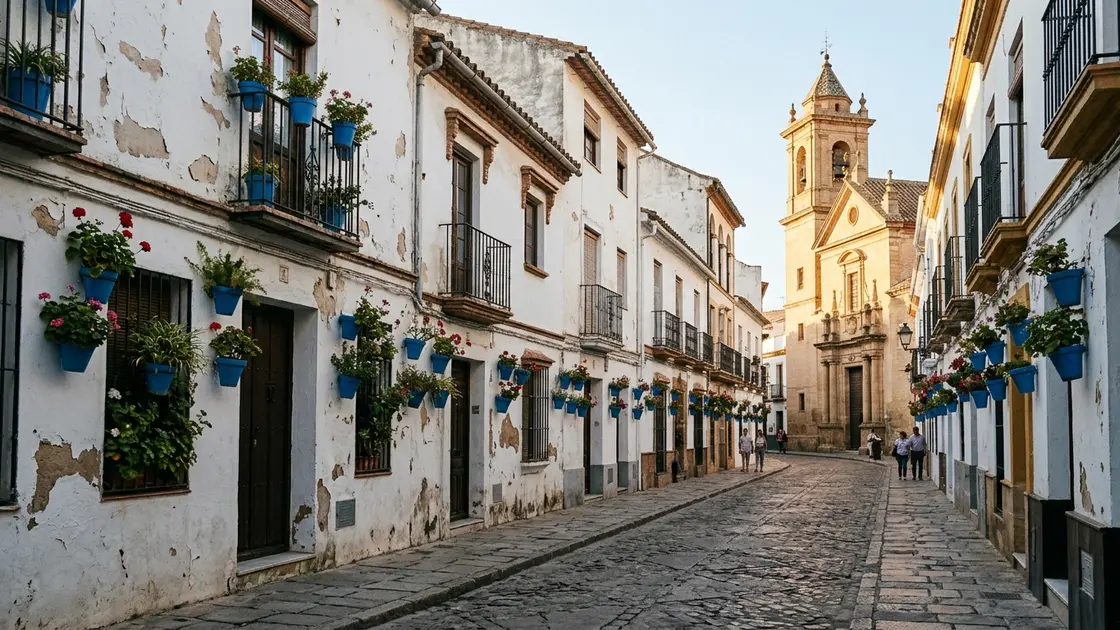
San Basilio is in the Alcázar Viejo quarter, whose three main parallel streets are Postera, Enmedio and San Basilio. Plan it alongside the Alcázar de los Reyes Cristianos, the Caballerizas Reales and the Patios de San Basilio, which belong to the same part of the historic centre.
UNESCO extended the World Heritage property in 1994 to take in part of the historic centre, the Alcázar and the Guadalquivir banks, the same listing that protects the Mezquita-Catedral.