Basílica Visigoda de San Vicente
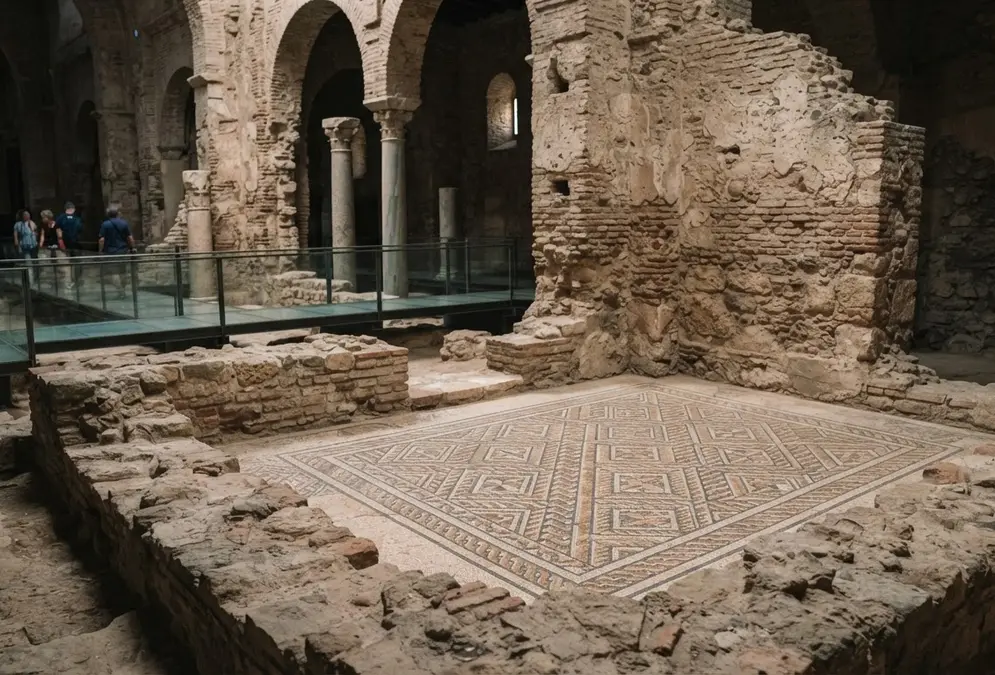
Remains of the Visigothic Basilica of San Vicente sit in the Mezquita-Catedral basement: 6th-century masonry stamped with a workshop name and floor mosaics.
Monuments
From the Roman Temple to medieval fortifications, discover the ruins that tell two thousand years of Córdoba's history.
28 monuments
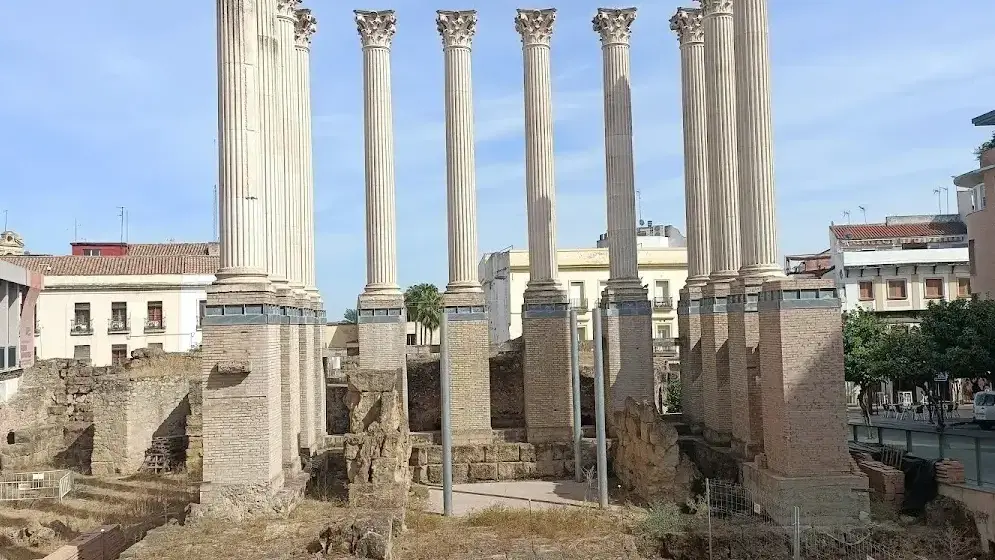
Córdoba's historical monuments span two thousand years of continuous occupation, from the Roman conquest in the 2nd century BC through the Umayyad caliphate, the Christian reconquest, and into the present day. The Roman Temple of the 1st century AD, once dedicated to the imperial cult, stands reconstructed beside the Palacio de la Merced — an extraordinary survival in the heart of the modern city. The Puerta de Almodóvar, a 14th-century Almohad gate, still defines the western boundary of the old medina, while the medieval walls threading through the Jewish quarter preserve the outline of the Islamic city. The Calahorra Tower guards the Roman Bridge and houses a museum tracing the three cultures of Al-Andalus. Together these monuments reveal Córdoba not as a single city but as a palimpsest of civilisations — each era building on, around, and sometimes over the last. Walking between them without a fixed itinerary is often the most rewarding approach: a carved Roman capital repurposed as a fountain, a Visigothic column embedded in a mosque wall, a medieval turret converted into a private home. This layering is not accidental — it is the defining character of Córdoba's urban fabric.
Remains of the Visigothic Basilica of San Vicente sit in the Mezquita-Catedral basement: 6th-century masonry stamped with a workshop name and floor mosaics.
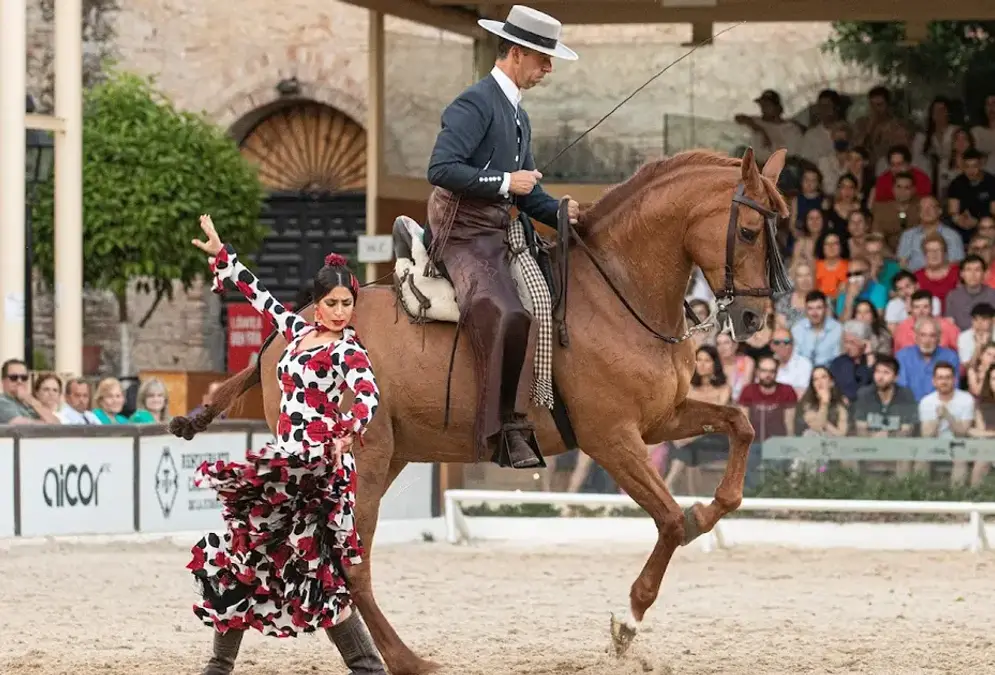
Philip II's 1568 Royal Stables, birthplace of the Andalusian horse. Evening show combining classical dressage, vaquera riding and flamenco. UNESCO heritage.
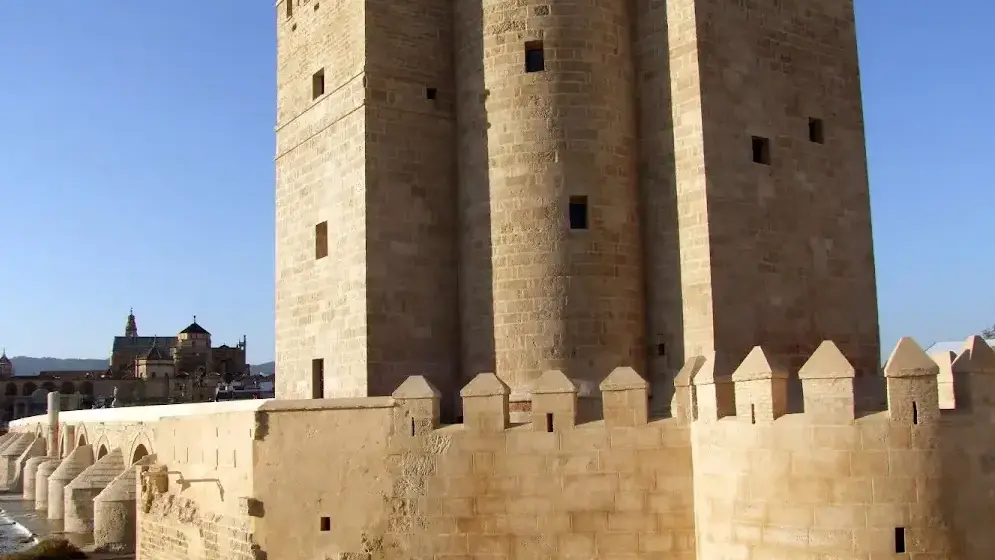
12th-century Islamic tower at the end of the Roman Bridge. Museum of Al-Andalus with rooftop views of the Mezquita and Guadalquivir. €4.50 adult entry.
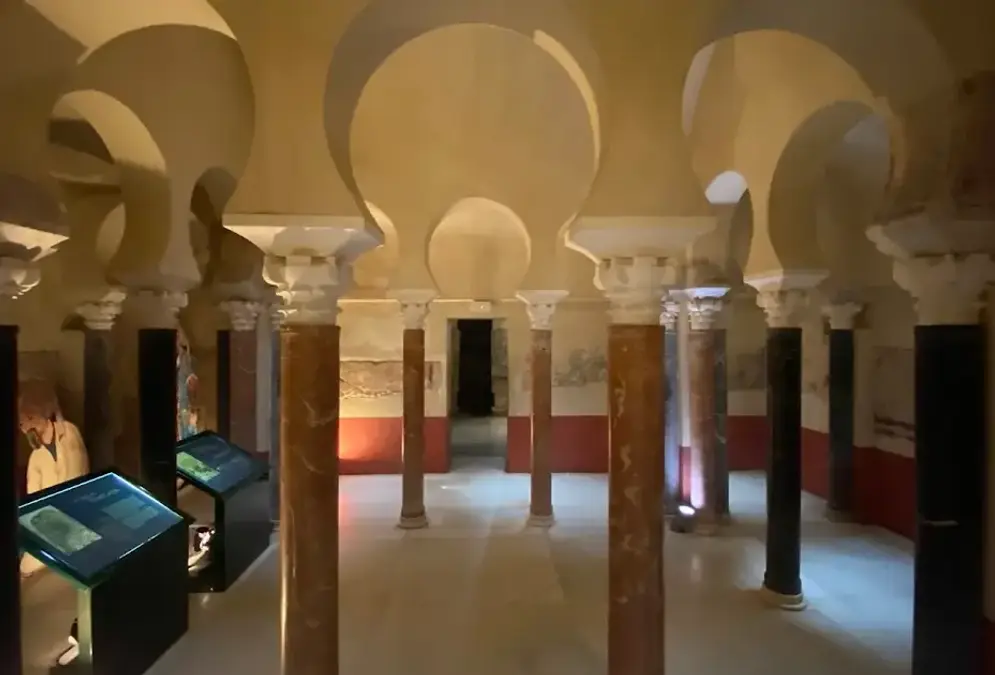
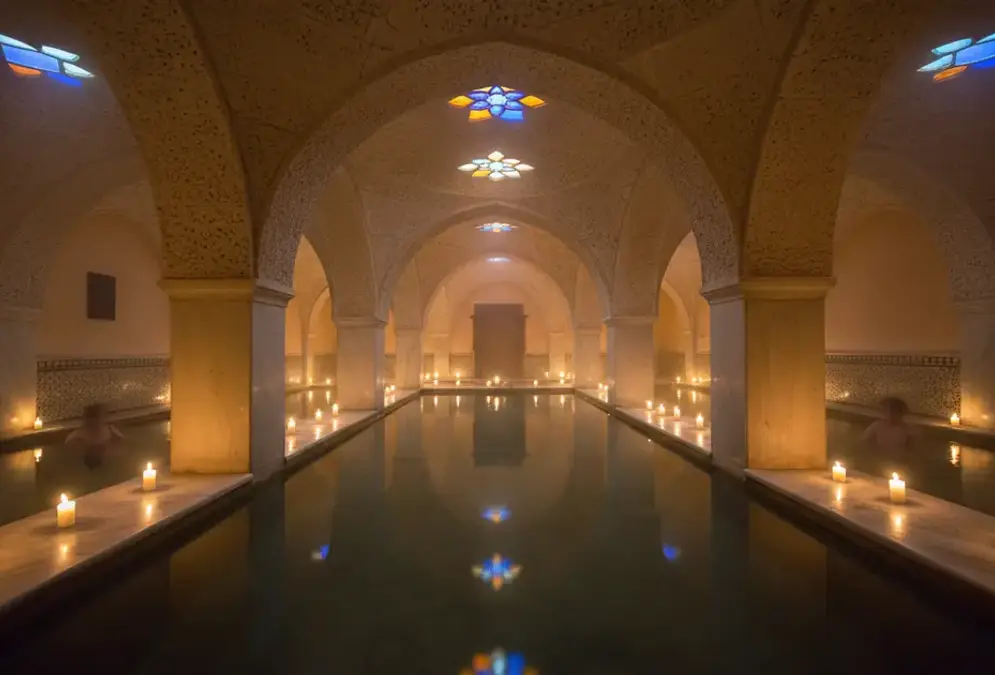
Underground 10th-century Islamic hammam beneath Córdoba's Campo Santo square, with star skylights, marble pillars and intact cold, warm and hot rooms.
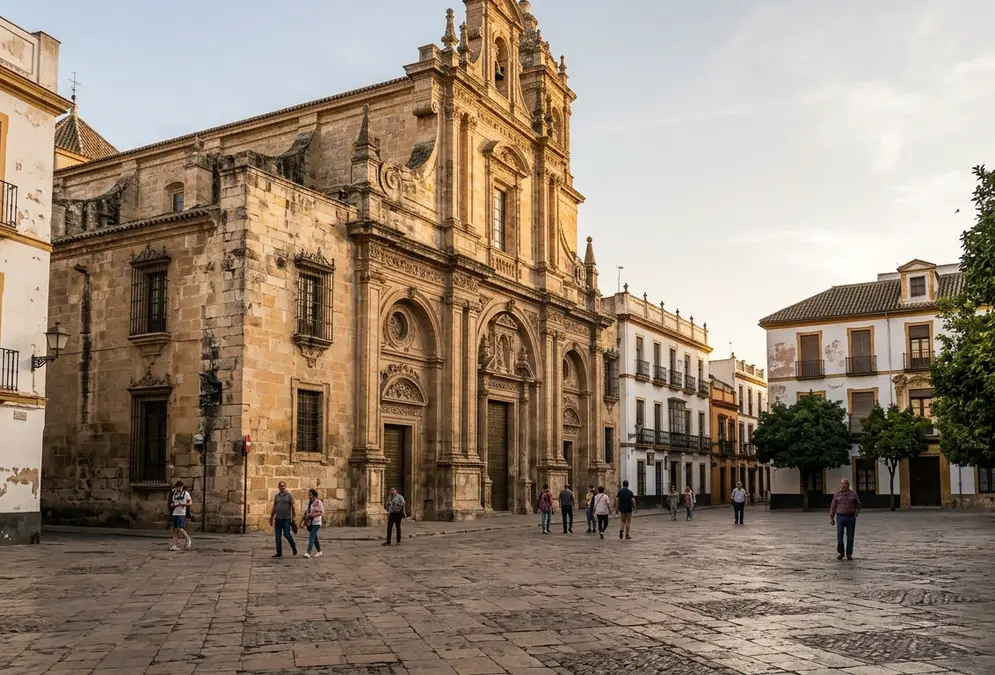
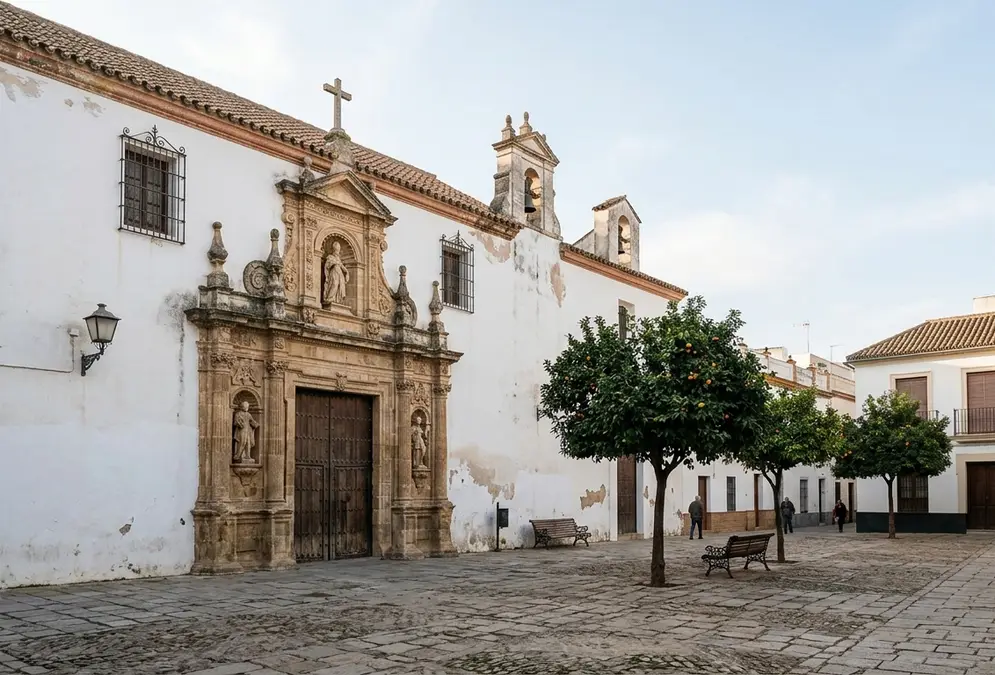
Iglesia de la Compañía in Córdoba: the BIC Jesuit church on Plaza de la Compañía, built 1555-1567, with its college history and 18th-century Baroque additions.
Santo Ángel, the Capuchin convent church on Plaza de Capuchinos in Córdoba: friars arrived 1629, moved into the Armuña houses in 1633, catalogued as MV-33.
Convento de Santa Clara in Córdoba: a defunct Poor Clares convent built on a 976 mosque, with minaret and horseshoe arch. Under restoration, hours unpublished.
Convento de Santa Cruz in Córdoba's San Pedro quarter: a 15th-century Poor Clares convent and listed BIC monument. No permanent opening hours are published.
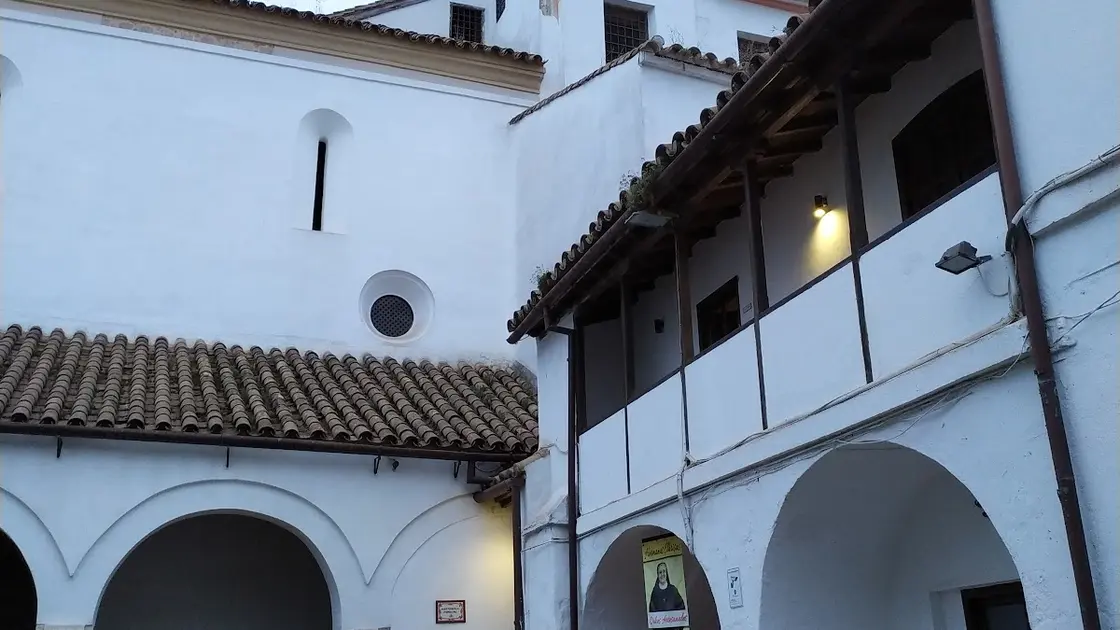
The former Santa Isabel de los Ángeles convent in Córdoba: founded 1491, seven patios, a Pedro Roldán altarpiece, BIC since 2018. Visiting not confirmed.
Santa María de Gracia, the Discalced Trinitarian convent church on Plaza del Cristo de Gracia: 1607 licence, 1686 church, and the Christ of Grace since 1618.
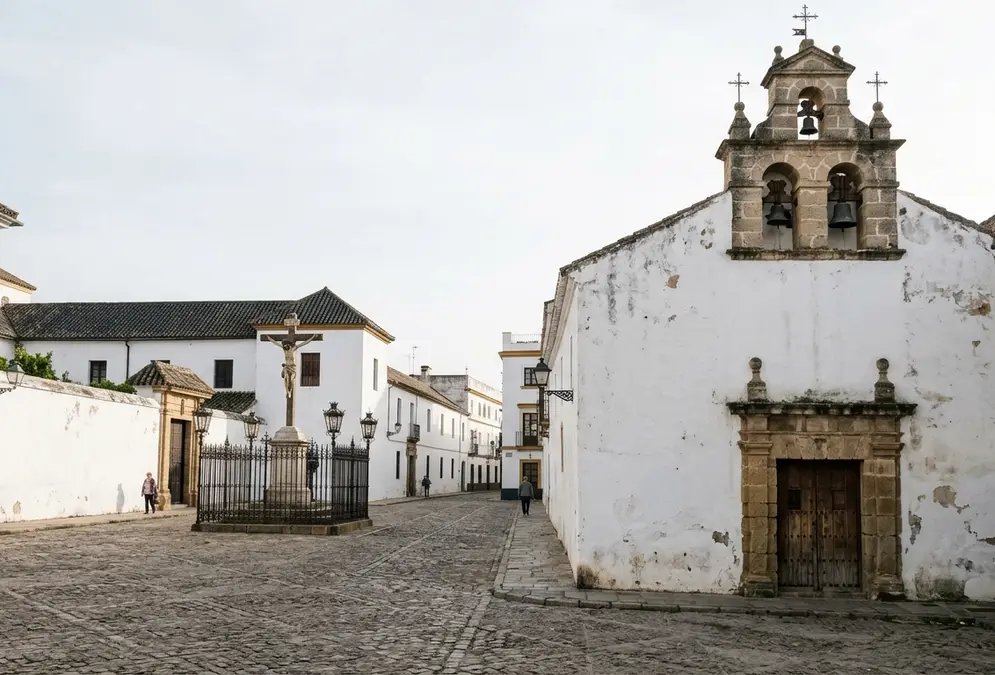
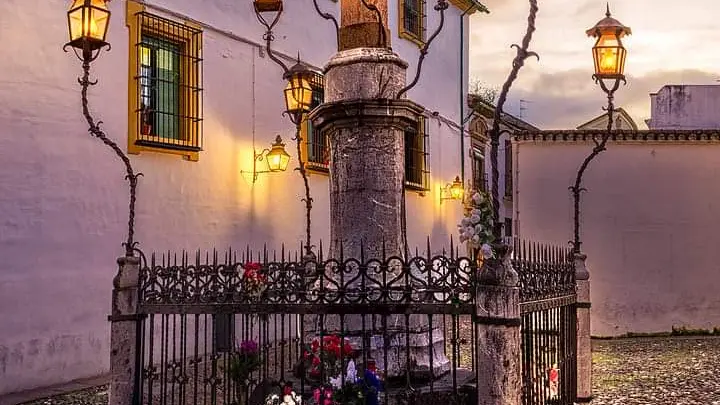
1794 Christ sculpture on Plaza de Capuchinos, encircled by eight wrought-iron lanterns. Most affecting at dusk when they are lit. Free, open 24 hours.
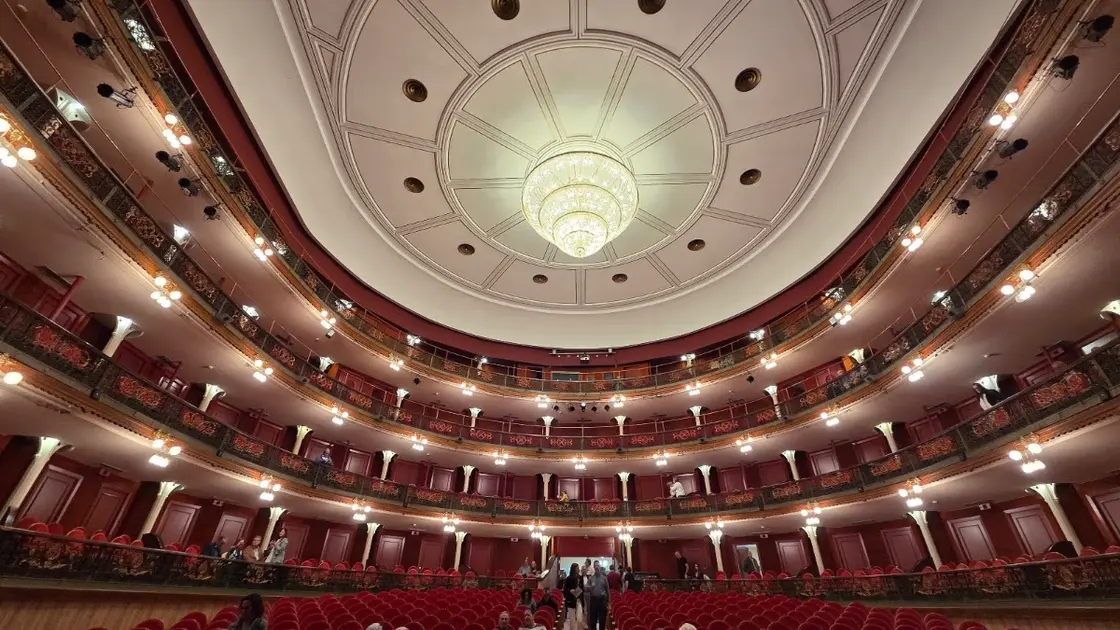
Gran Teatro de Córdoba, the 1873 Italian-style opera house on Avenida del Gran Capitán: history, 946-seat horseshoe hall, programme and how to buy tickets.
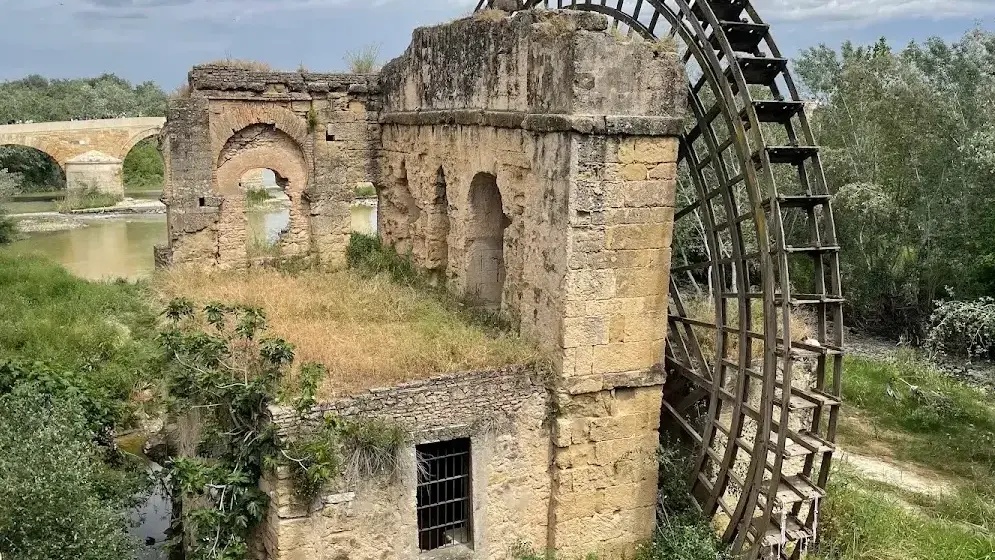
The Albolafia wheel turns again on the Guadalquivir, photographed from the Roman bridge against the Mezquita skyline. What's left of Córdoba's Arab mills.
Arab baths in Córdoba's Judería, steps from the Mezquita. Hot, warm and cold pools with optional massages in brick-vaulted, candlelit rooms. From €24.
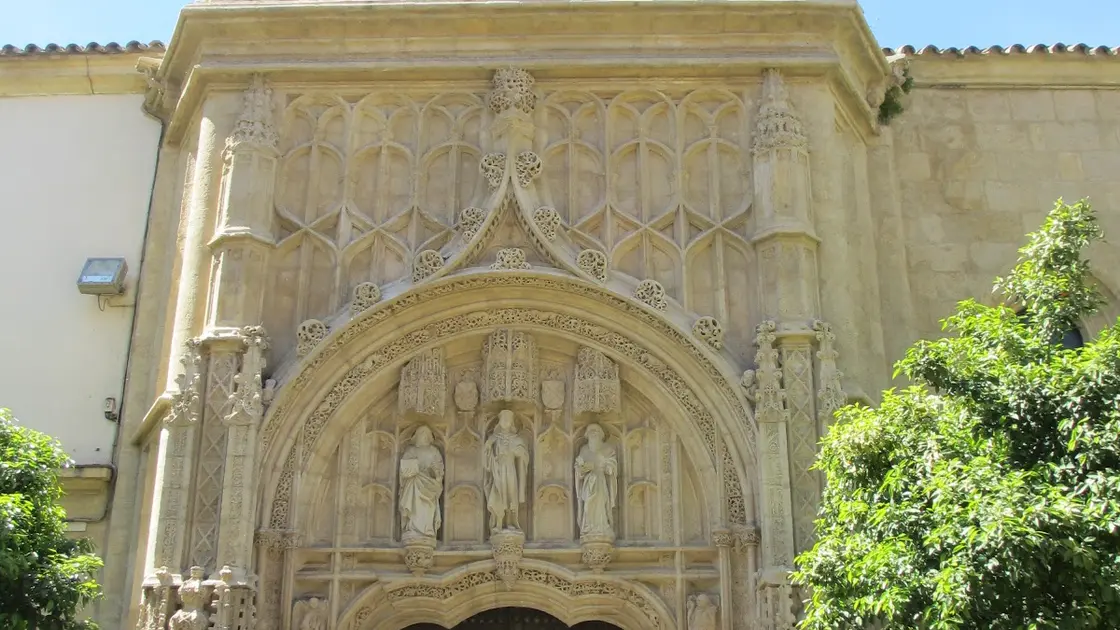
Hospital de San Sebastián in Córdoba: Hernán Ruiz's 1512-1516 hospital opposite the Mezquita, now the congress palace with a Mudéjar cloister and Gothic portal.
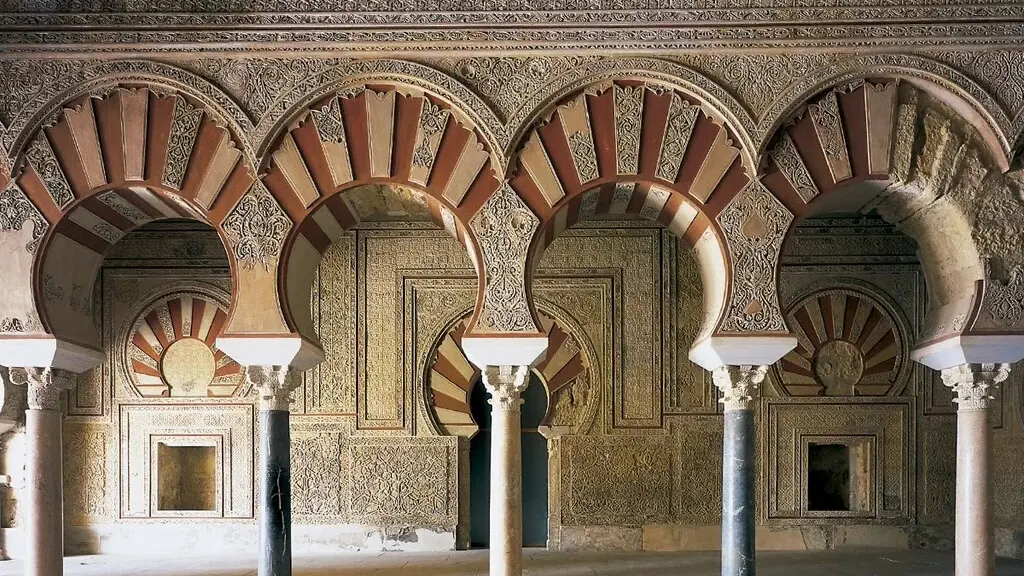
Medina Azahara is Córdoba's UNESCO listed Caliphate City: a 10th century palace 8 km from town, with the Salón Rico and award-winning museum. Plan your visit.
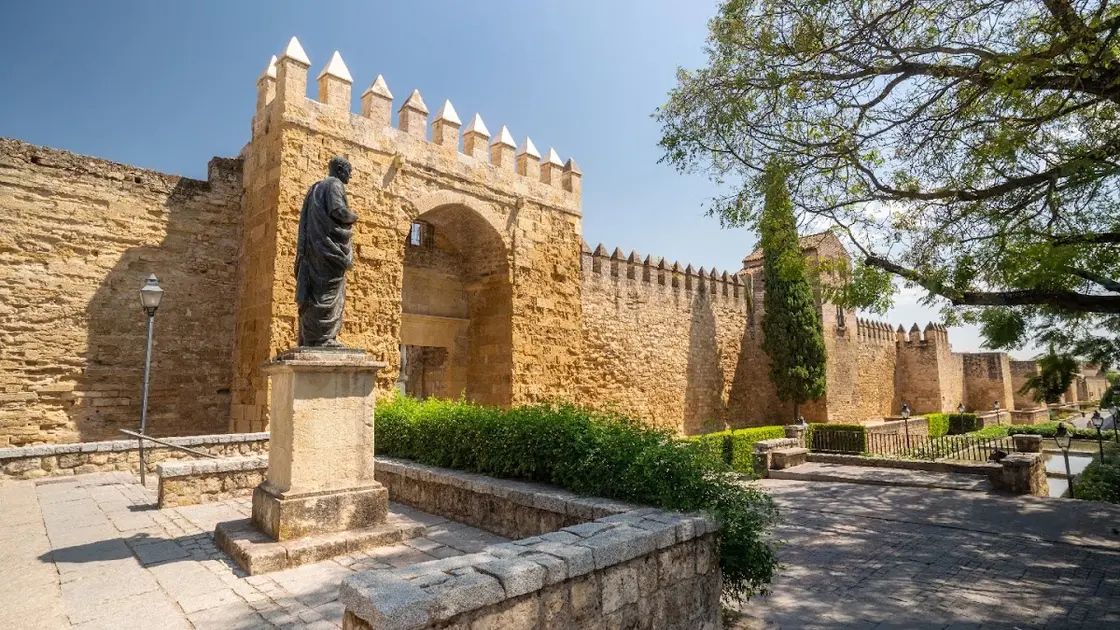
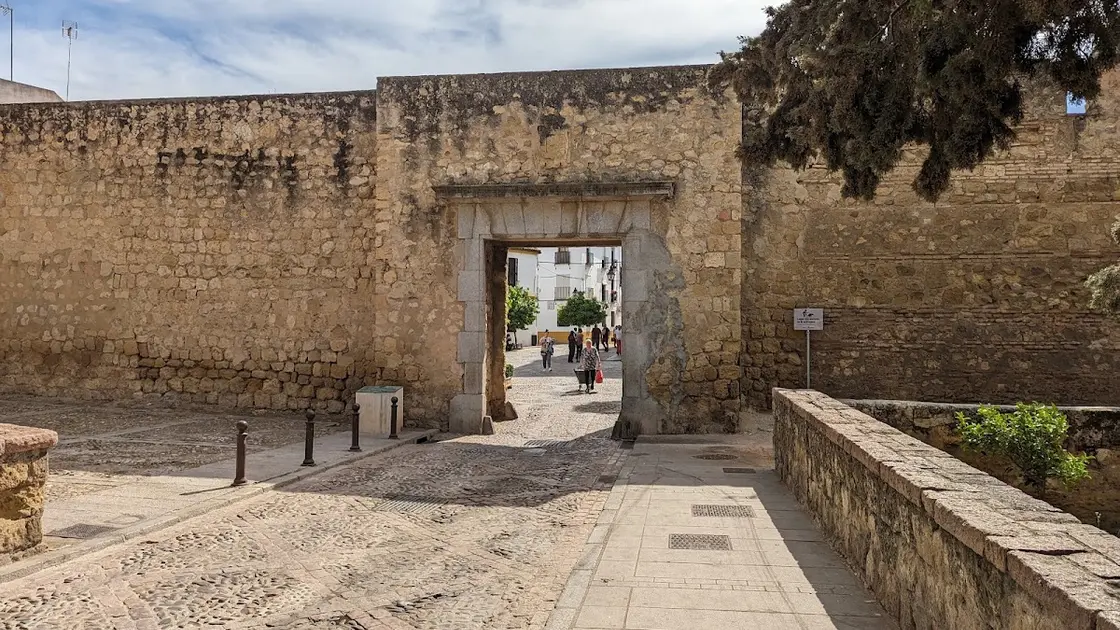
Puerta de Almodóvar in Córdoba: one of three surviving medieval gates, with 10th-century origins, full crenellation and Seneca's statue nearby. Visitor guide.
Puerta de Sevilla in Córdoba: a surviving city gate on the western walls, dated to the 14th century by one source and a reconstruction by another. Visit guide.
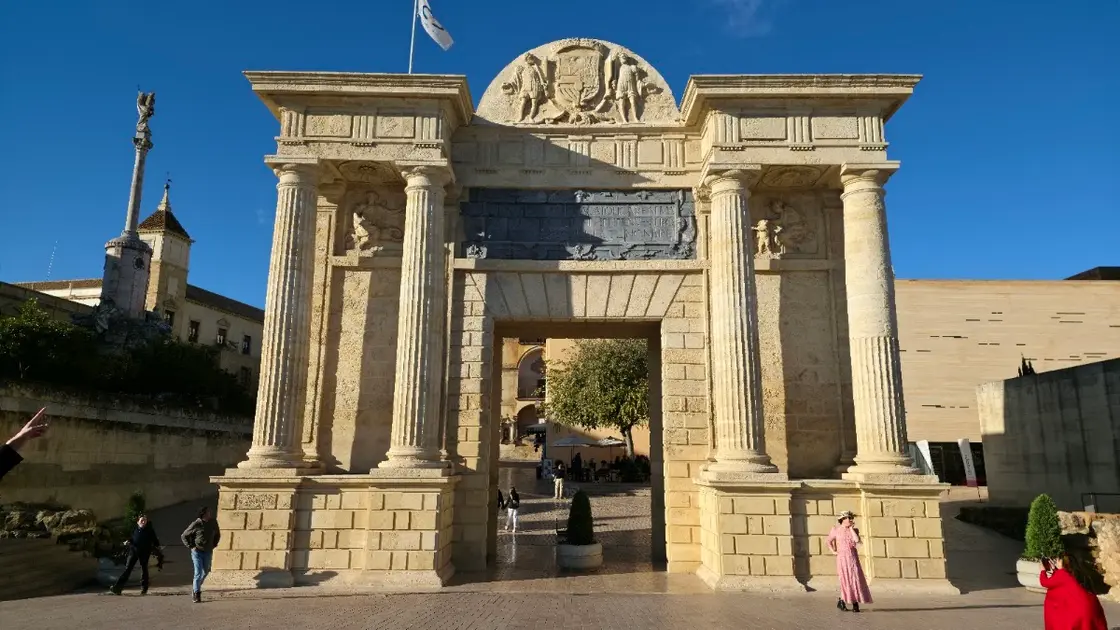
Puerta del Puente in Córdoba: Renaissance gate at the Roman Bridge, redesigned by Hernán Ruiz III for Philip II. Interior listed as temporarily closed.
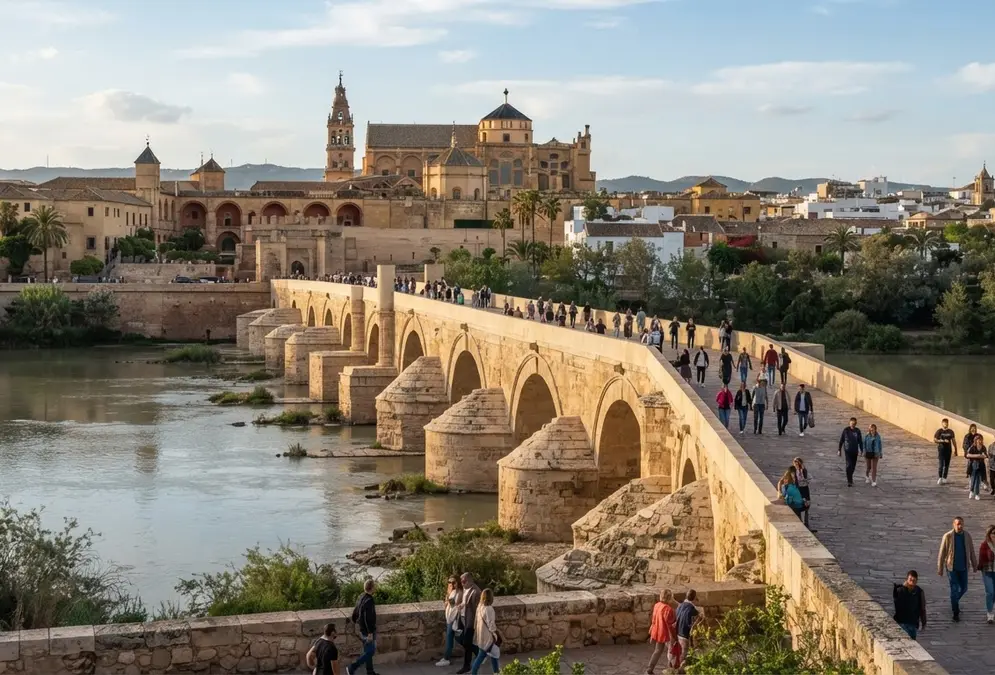
Puente Romano de Córdoba: 16 arches over the Guadalquivir since the 1st century BC. Best viewpoint for the Mezquita at sunset. Game of Thrones location. Free.
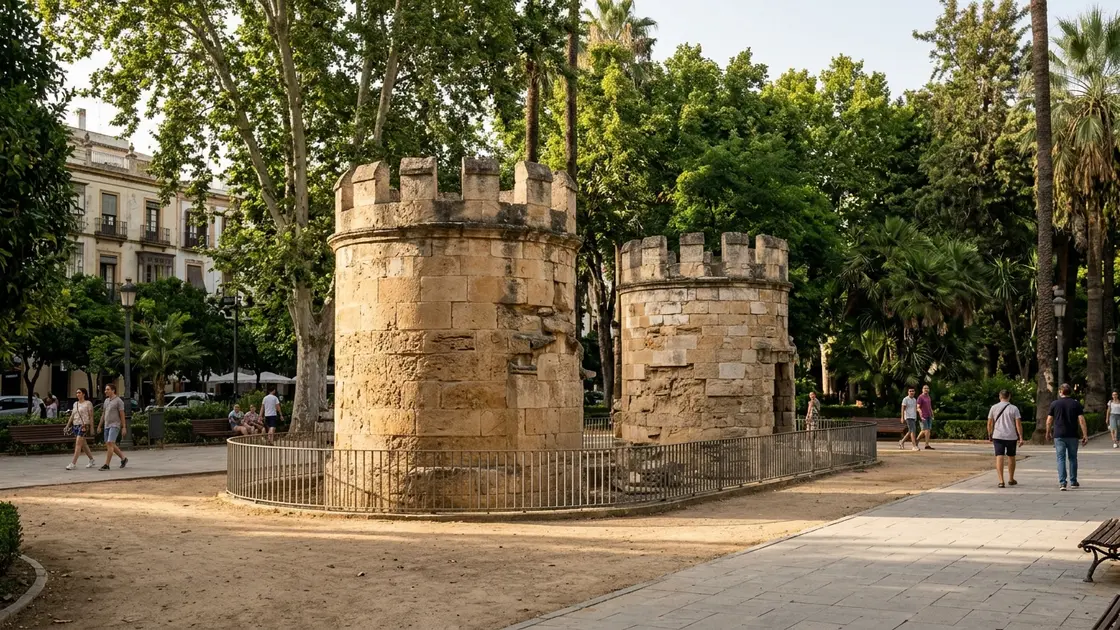
Roman mausoleums of Puerta de Gallegos in Córdoba: two 13 m cylindrical tombs from Tiberius's reign beside the Via Augusta. Visiting status is unconfirmed.
Free open-air Roman temple in central Córdoba, lit up at night. Towering Corinthian columns from ancient Corduba, once capital of Roman Baetica. Open 24 hours.
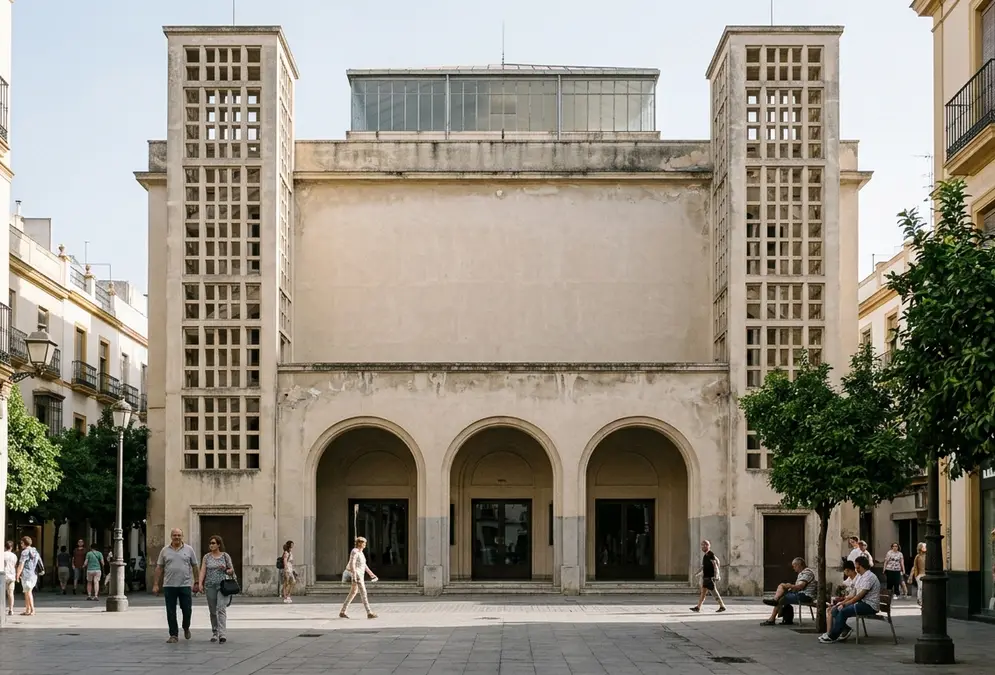
Teatro Góngora in Córdoba: Luis Gutiérrez Soto's 1929-1932 Rationalist cine-teatro with Art Deco interiors, a glass rooftop hall and how to plan a visit.
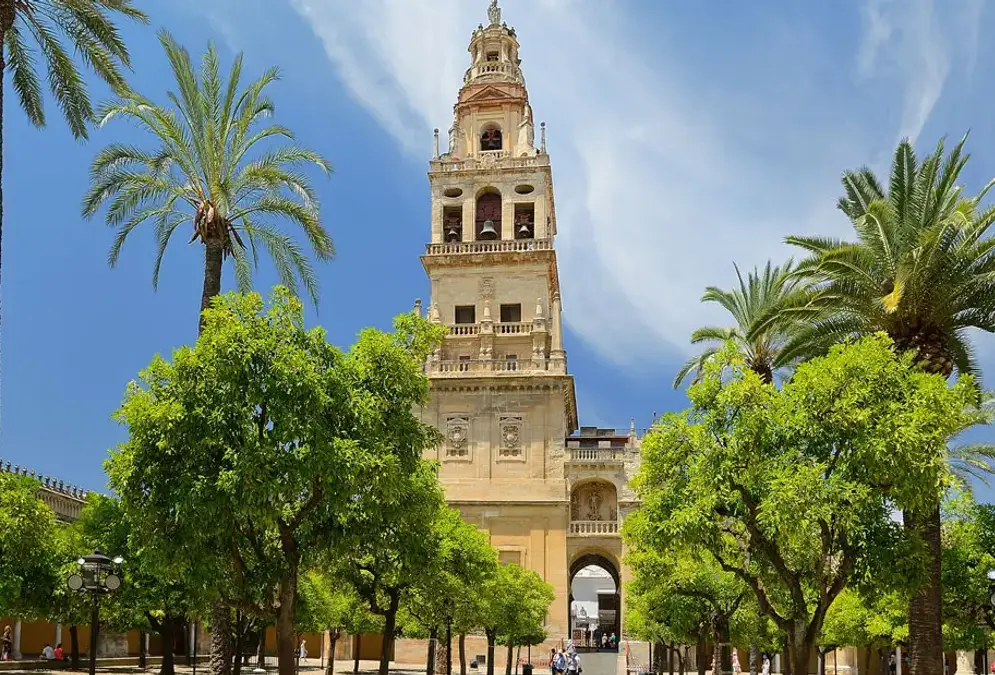
Climb 150 steps up the Mezquita-Catedral's 10th-century minaret-turned-bell-tower for 360-degree views over Córdoba's rooftops, Roman Bridge and Alcázar.
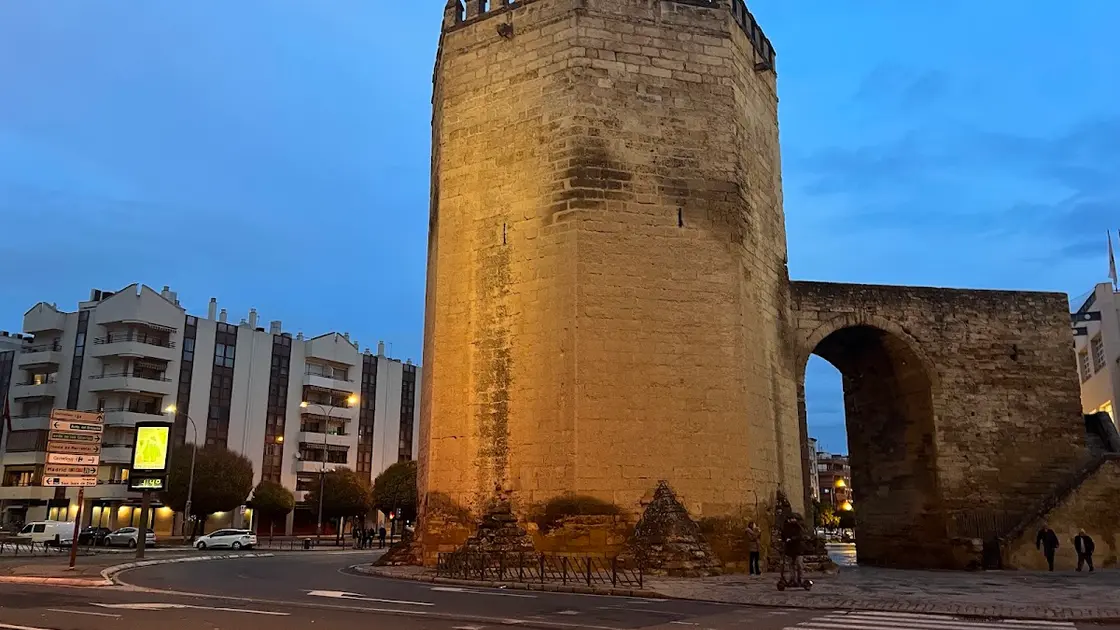
Torre de la Malmuerta in Córdoba: an octagonal albarrana tower built 1406-1408 for Henry III, with its wall arch, legend and no published opening hours.
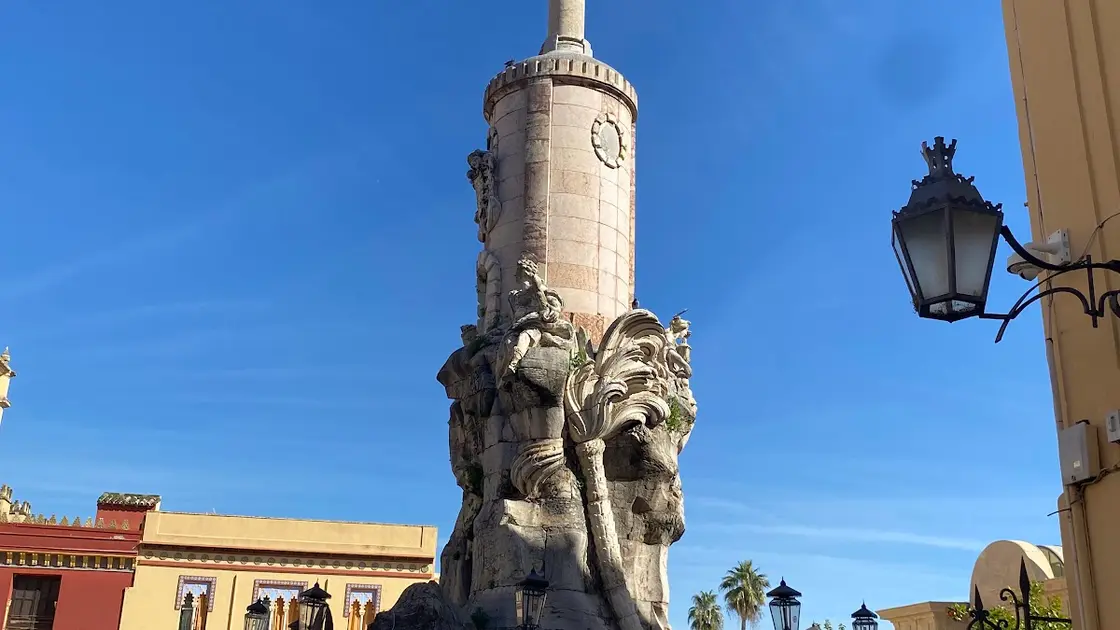
Córdoba's Triunfos de San Rafael: devotional columns to the city's guardian archangel, from the 1651 Roman Bridge statue to the Puerta del Puente triumph.
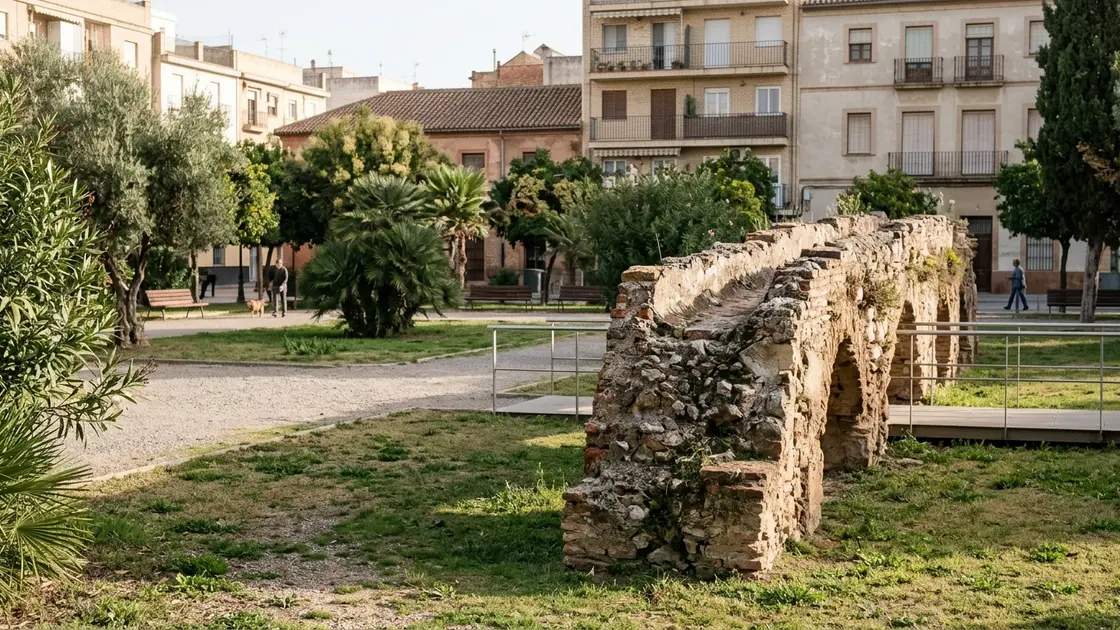
Valdepuentes Aqueduct near Córdoba: a Roman channel reused for Medina Azahara, with a caliphal bridge on private land and a small fragment reportedly shown.
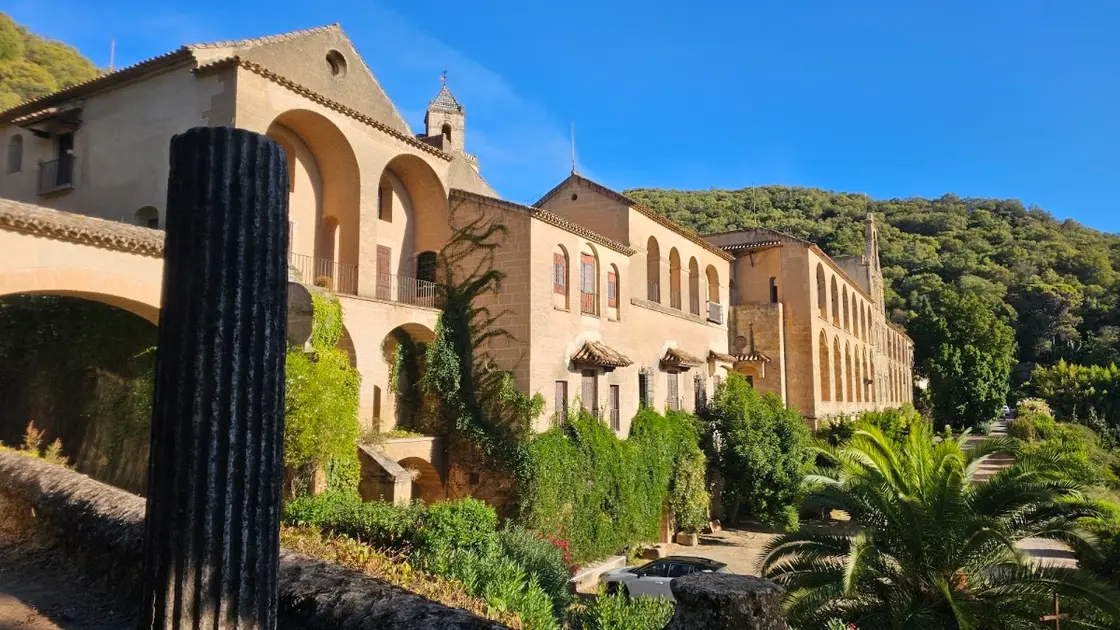
Visit guide to the Real Monasterio de San Jerónimo de Valparaíso near Medina Azahara: Gothic cloister, 1405 foundation, and how its arranged visits work.