Basílica del Juramento de San Rafael
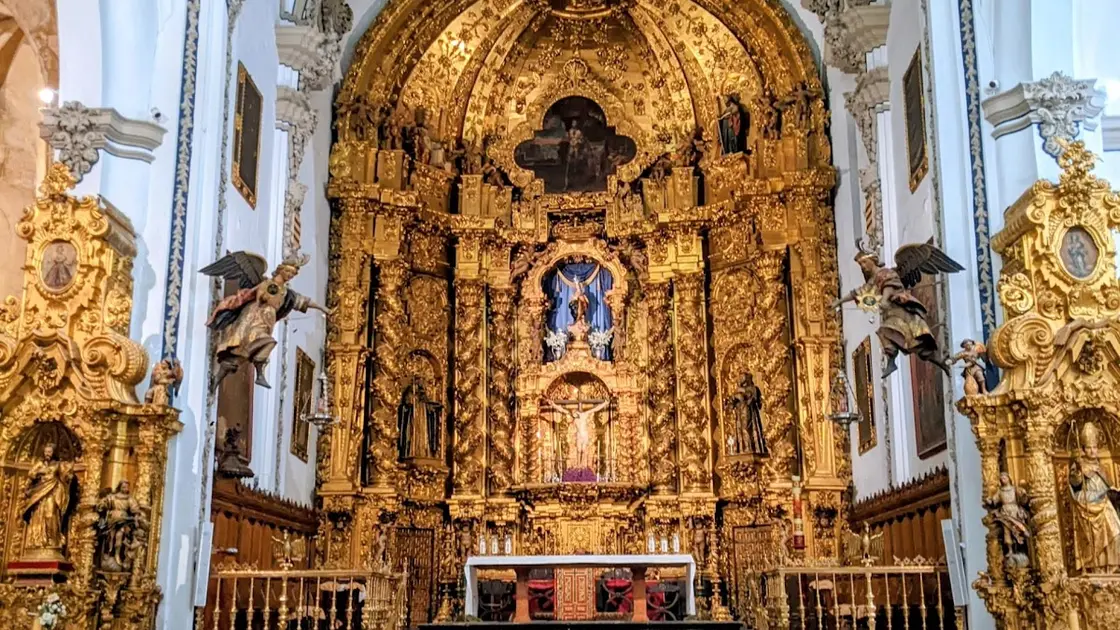
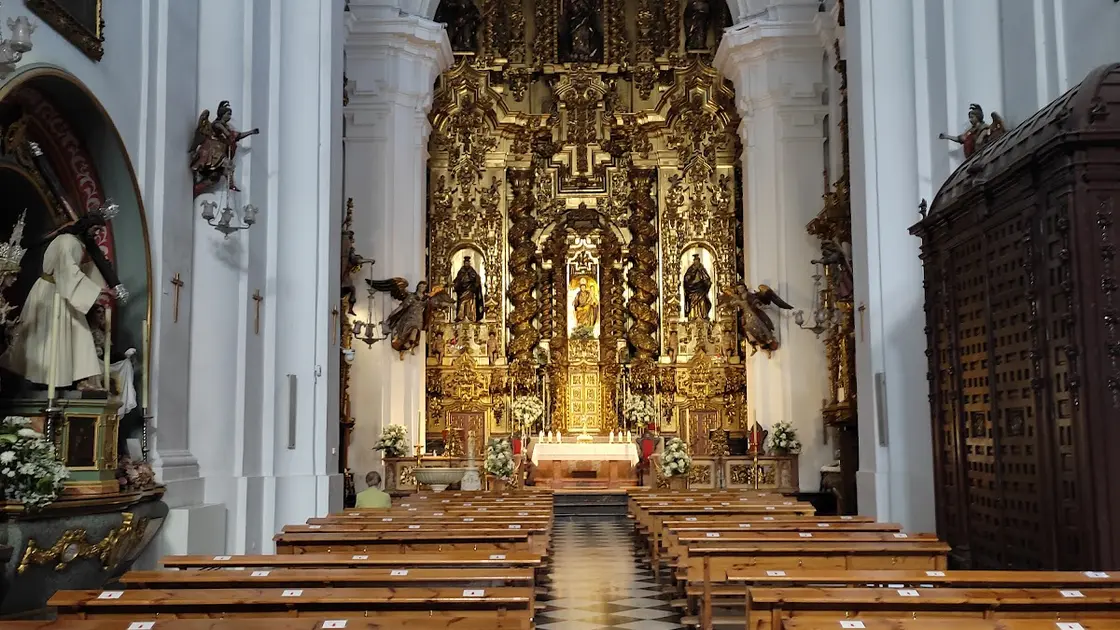
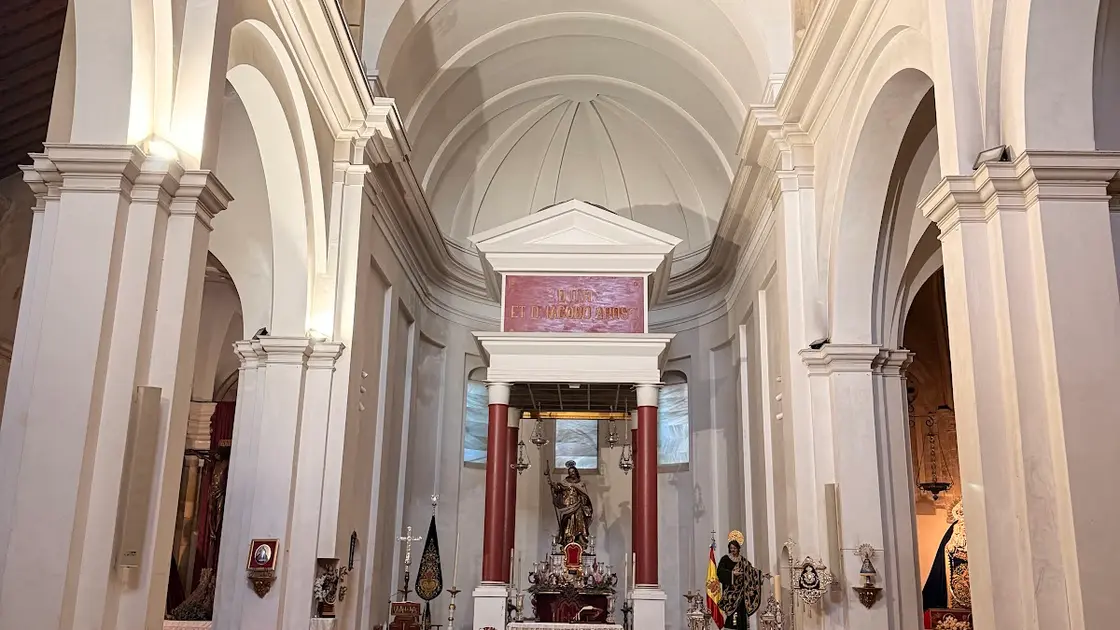
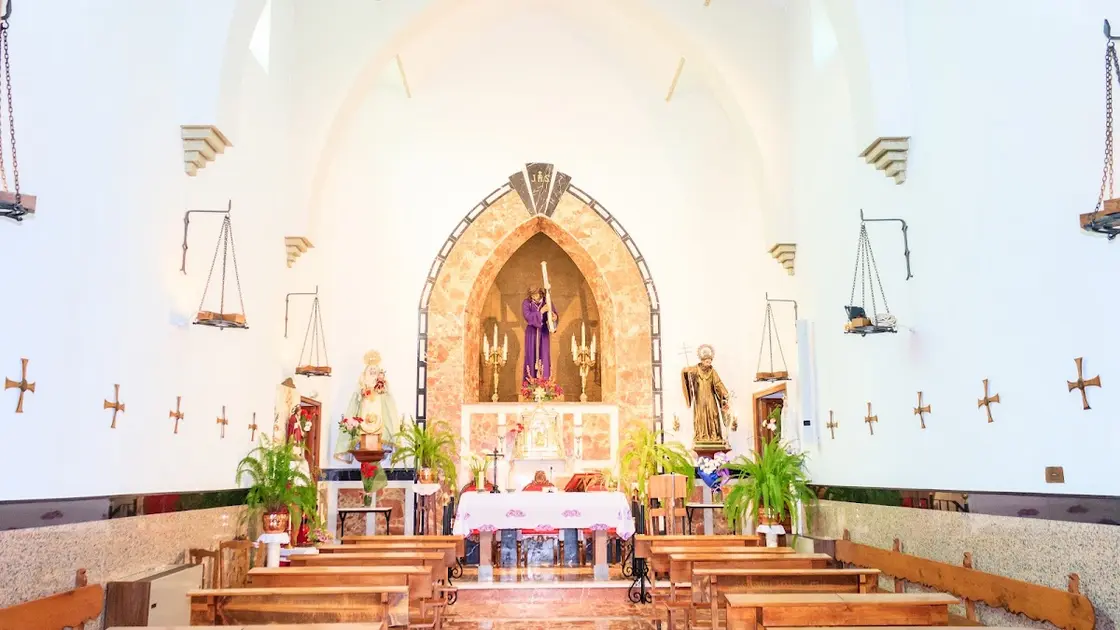
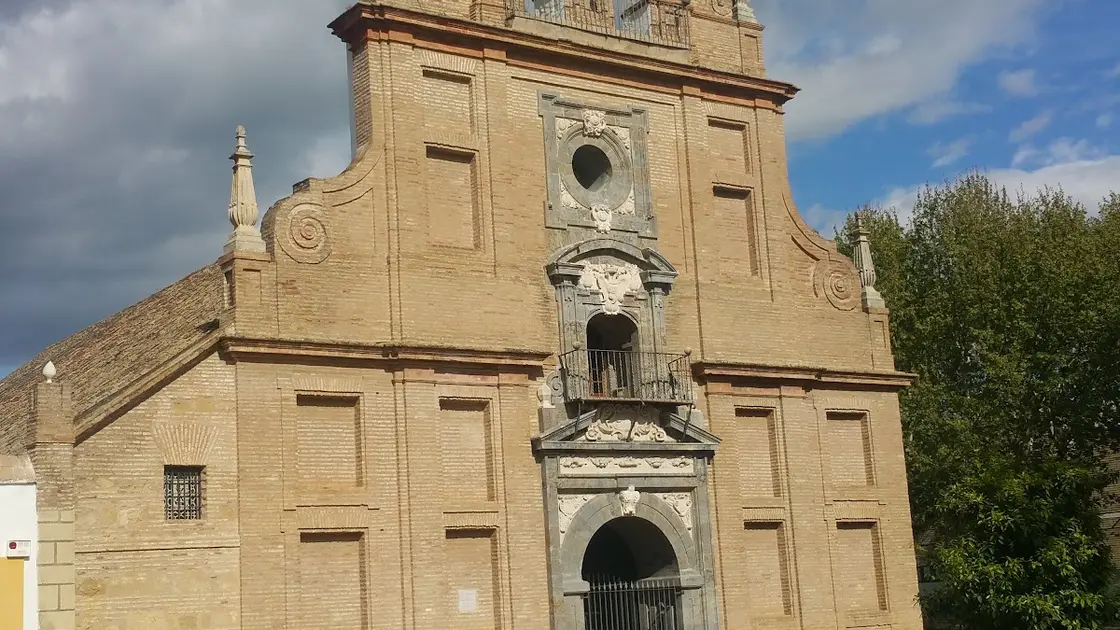
Basílica del Juramento de San Rafael in Córdoba: a neoclassical minor basilica with a round central nave, built 1796-1806 for the city's guardian archangel.
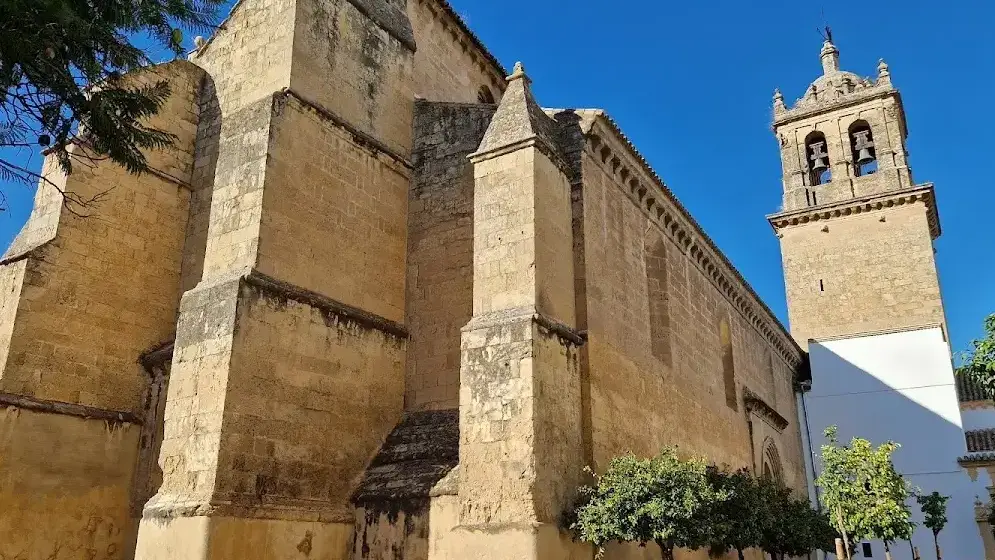
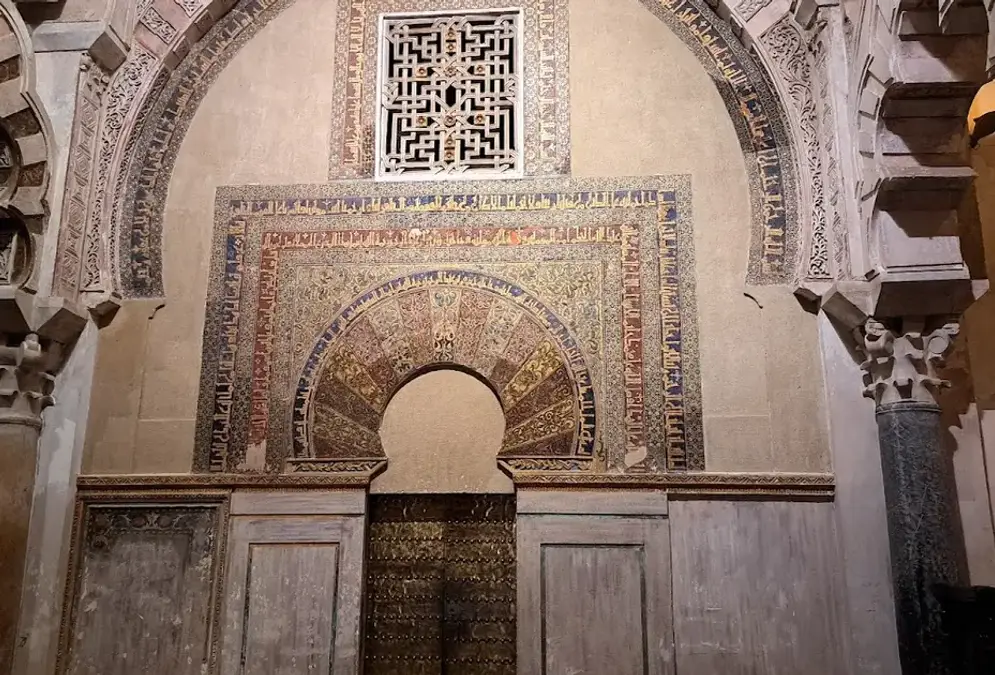
Córdoba's extraordinary religious landscape is the direct result of the city's role as the meeting point of three Abrahamic faiths over fifteen centuries. At its centre stands the Mezquita-Catedral, one of the most architecturally complex buildings on Earth: a forest of 856 columns inside a former Visigothic cathedral, with a Renaissance nave inserted by Charles V at the heart of the mosque. The Synagogue of Córdoba, built in 1315 and one of only three surviving medieval synagogues in Spain, retains its original Mudéjar plasterwork inscriptions in the former Jewish quarter. The Fernandine churches — fourteen Gothic churches founded by Ferdinand III after the reconquest of 1236 — were each built on the site of a former mosque, often reusing Moorish columns and prayer niches. This architectural recycling is visible in churches such as San Lorenzo, where the original minaret became a bell tower, and Santa Marina, whose fortified exterior evokes the militarised piety of the reconquest era. These religious buildings together map the entire spiritual history of the city across fifteen centuries of faith, conflict and coexistence.
Basílica del Juramento de San Rafael in Córdoba: a neoclassical minor basilica with a round central nave, built 1796-1806 for the city's guardian archangel.
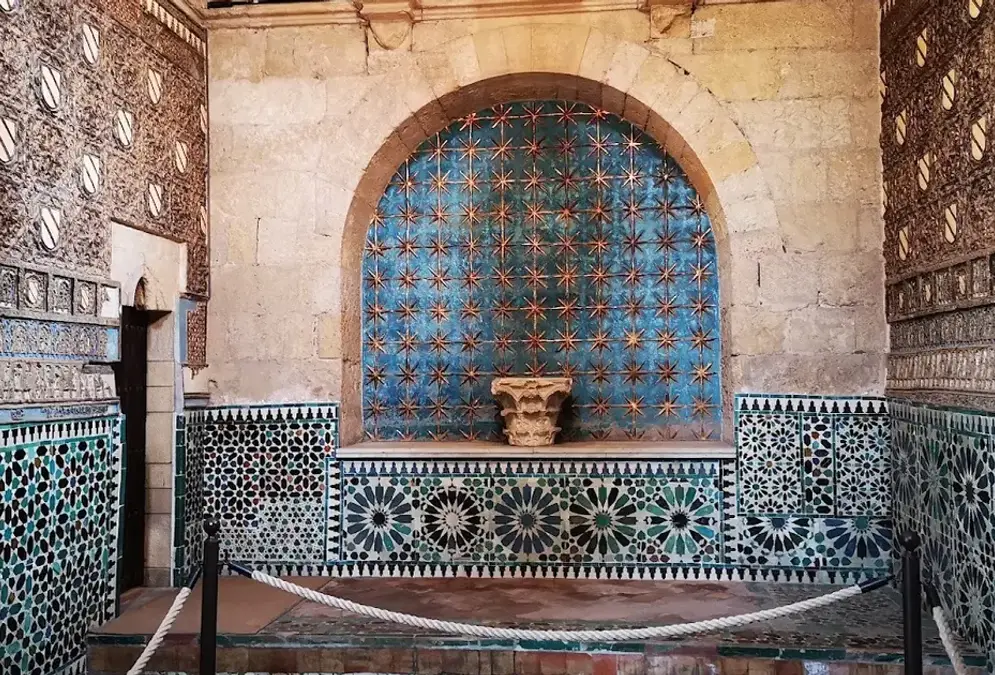
A late 14th-century Gothic-Mudéjar chapel in Córdoba with exquisite plasterwork, blending Christian and Islamic artistic traditions over 600 years old.
Carmen de Puerta Nueva church in Córdoba holds Juan de Valdés Leal's Baroque altarpiece, a stop on the Fernandine Churches Route. Visits follow worship times.
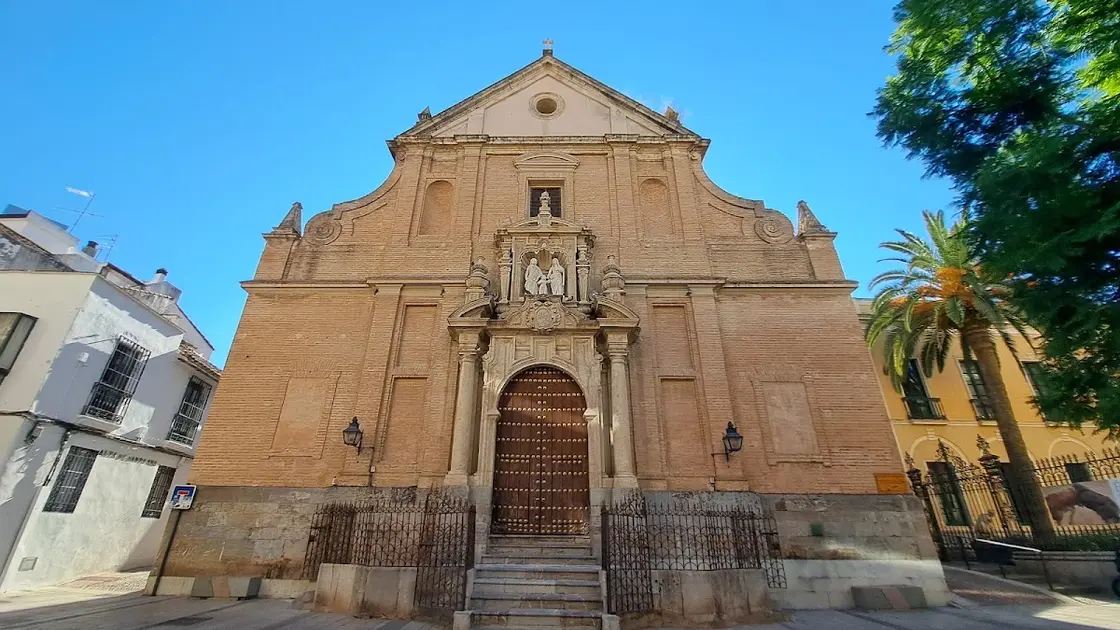
San Agustín church in Córdoba: begun in 1328, Baroque since the early 1600s, home of Nuestra Señora de las Angustias and stop 8 on the Fernandine route.
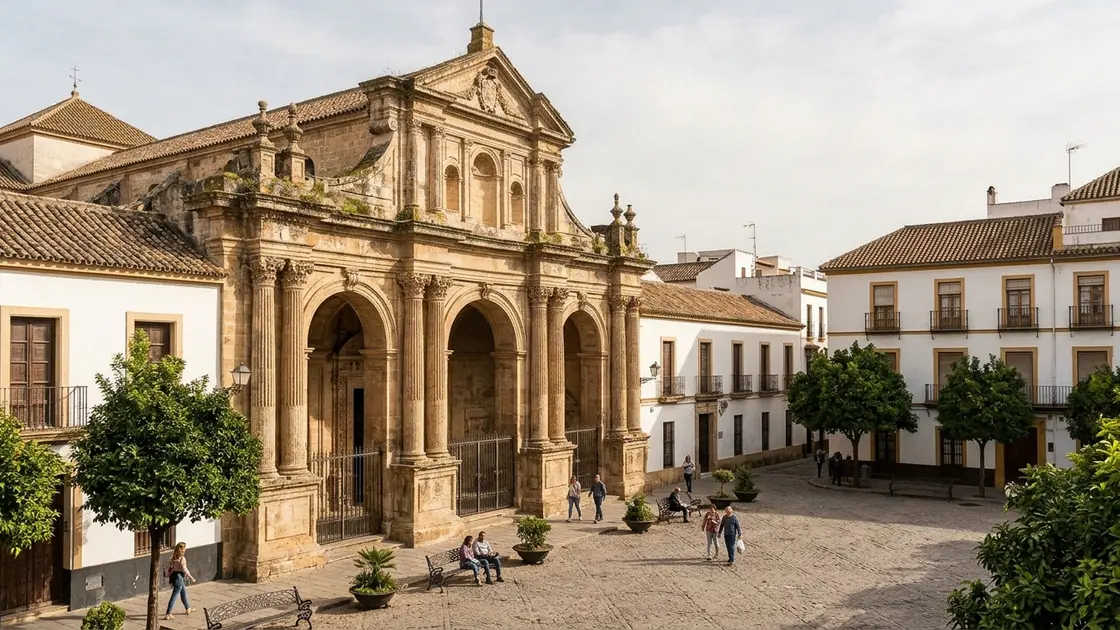
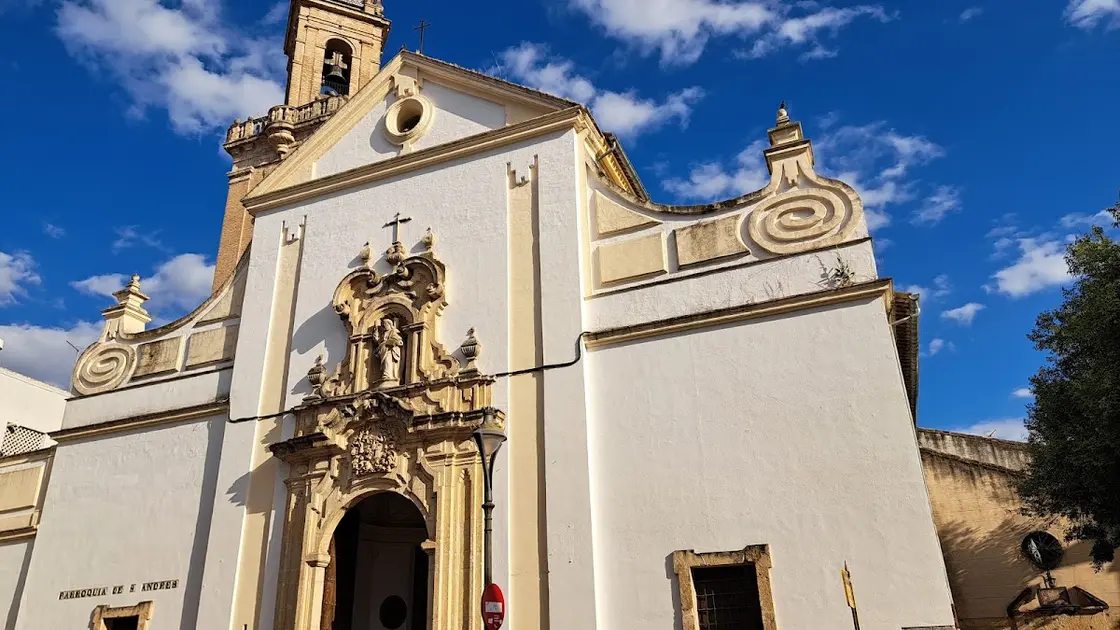
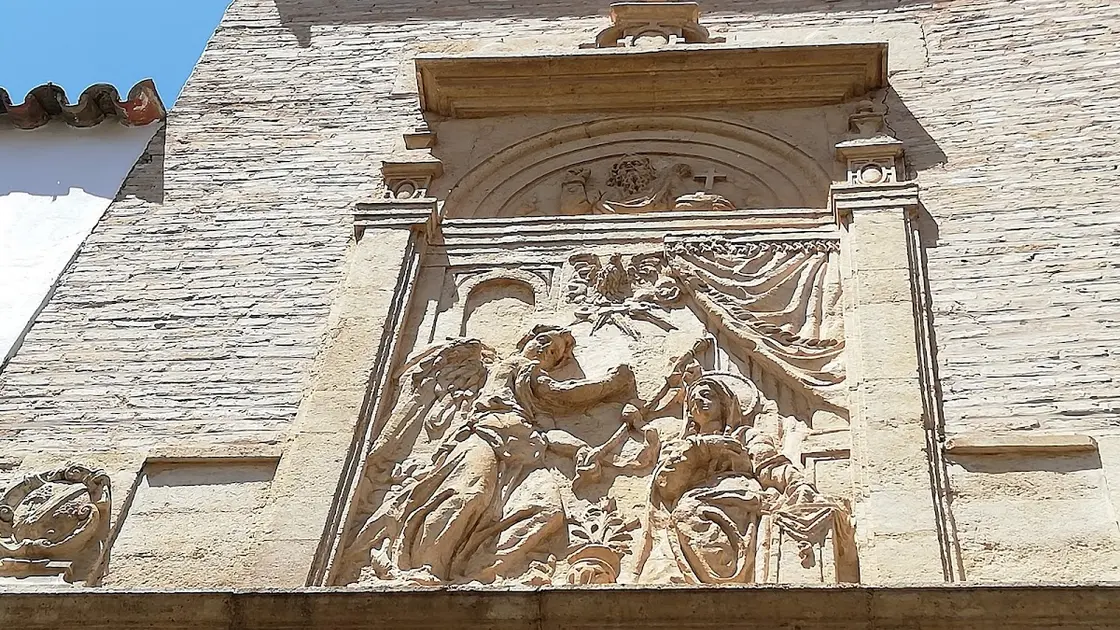
San Andrés church in Córdoba: Fernandine church with a Baroque nave, a surviving Gothic apse and a Plateresque facade. Free on the Mosque-Cathedral route.
San Basilio church in Córdoba: a Baroque parish church on a 1590 Basilian monastery site, and stop 12 on the Mezquita-Catedral's Fernandine Churches Route.
San Francisco church in Córdoba, Spain: the Baroque face of the Franciscan convent of San Pedro el Real, with Ferdinand III's only public statue in the city.
San Juan y Todos los Santos (La Trinidad), Córdoba: a Fernandine-founded parish church rebuilt in the 1700s, with Antonio Palomino's sacristy wall paintings.
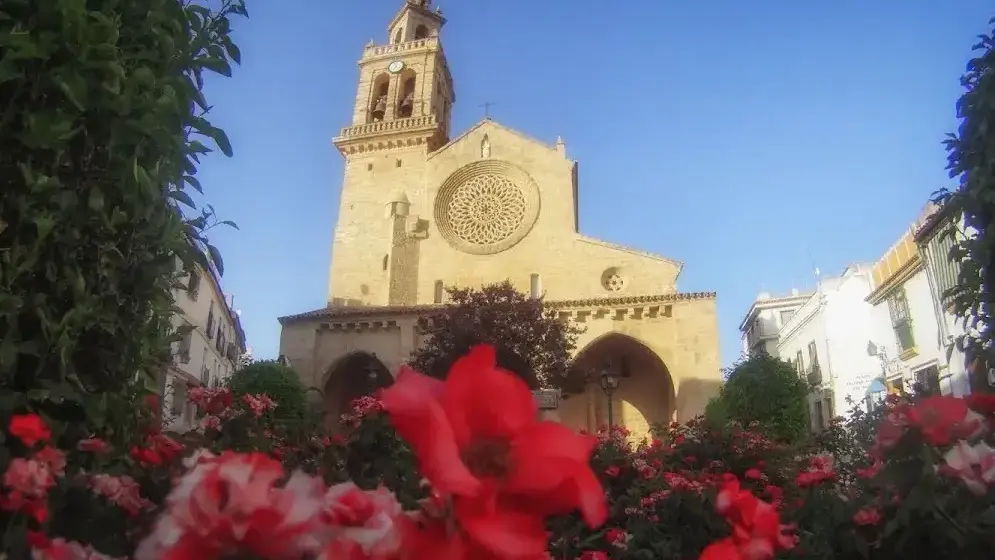
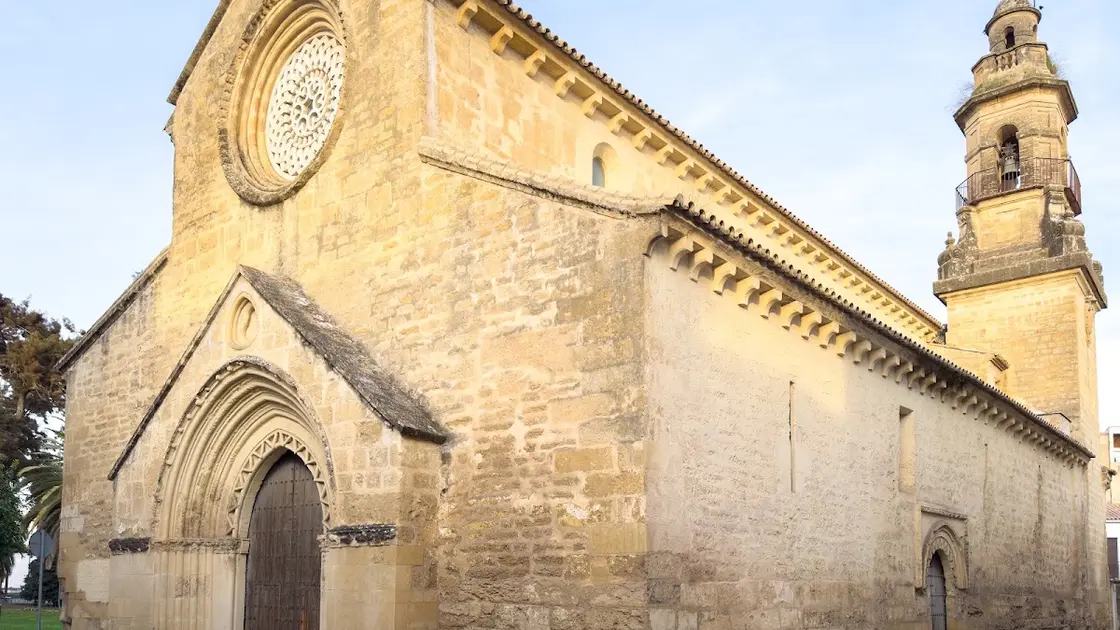
13th-century Fernandine church featuring a unique Gothic rose window, triple-arch portico and a bell tower raised on a former mosque minaret. Route ticket €6.
13th-century Fernandine church with a Gothic rose window that floods the interior with coloured light. Quiet orange-tree plaza in Córdoba. Free entry.
San Nicolás de la Villa is a Fernandine church in Córdoba with a Renaissance portal and a Catholic Monarchs-era tower built on a former Islamic minaret.
San Pablo church in Córdoba: a Dominican foundation of the 1230s with a painted timber nave, a Gothic Rosary chapel and a 1708 portal. Fernandine route, €6.
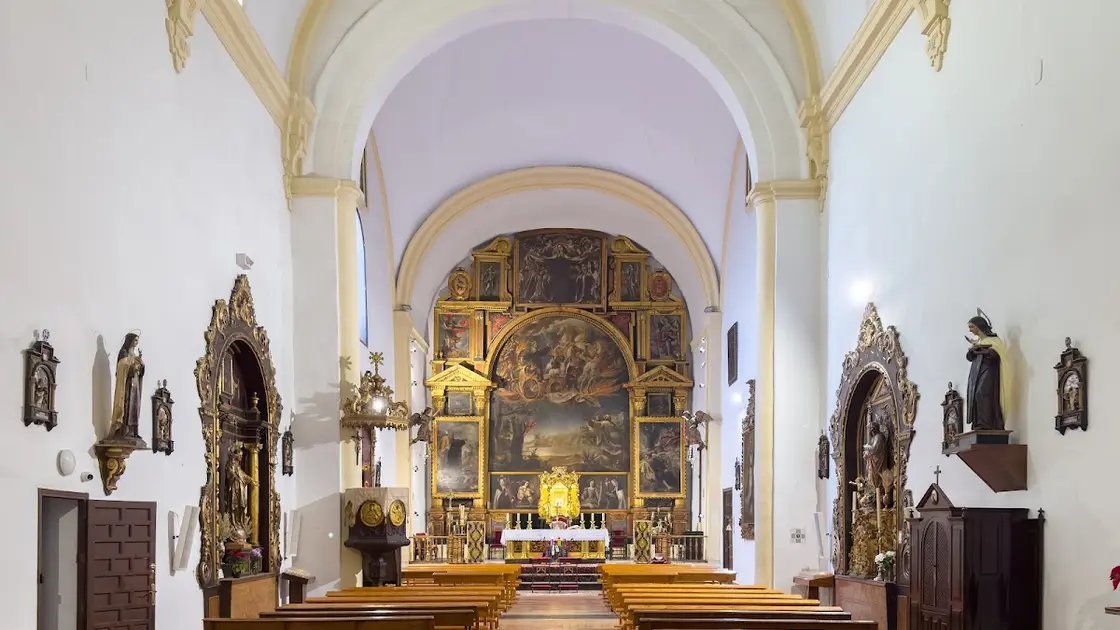
Basílica Menor de San Pedro in Córdoba: a Gothic-Mudéjar Fernandine church in the Axerquía with a Valdés Leal painting, Holy Martyrs chapel and route access.
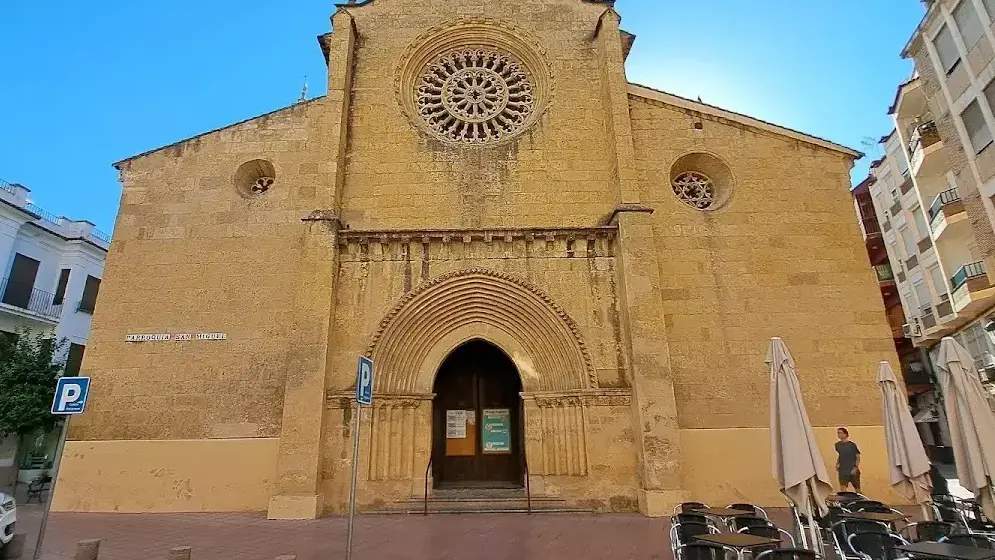
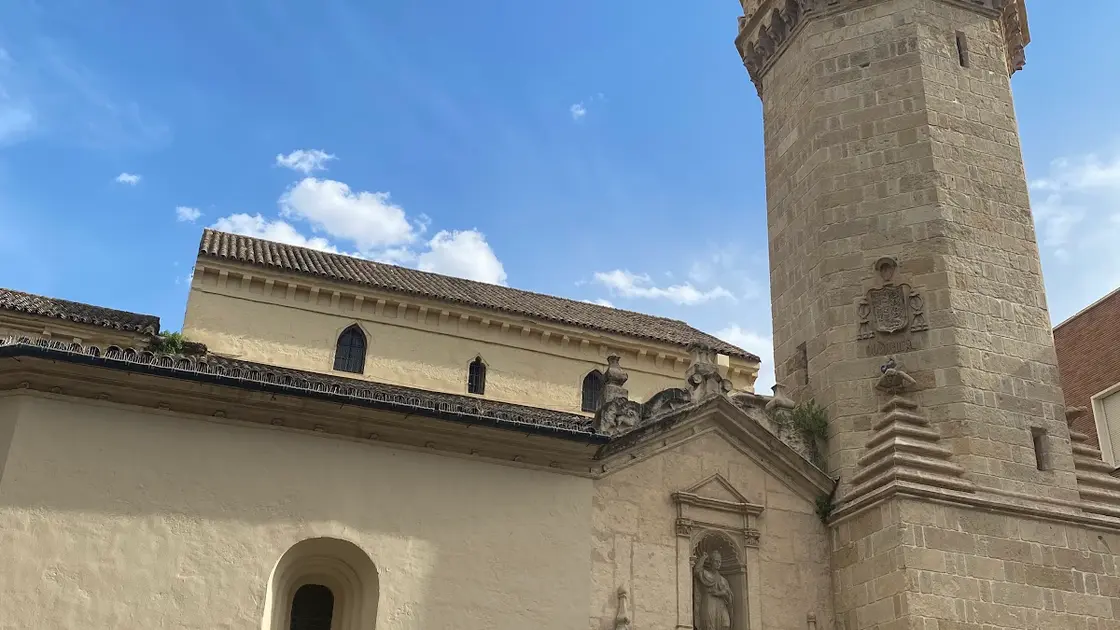
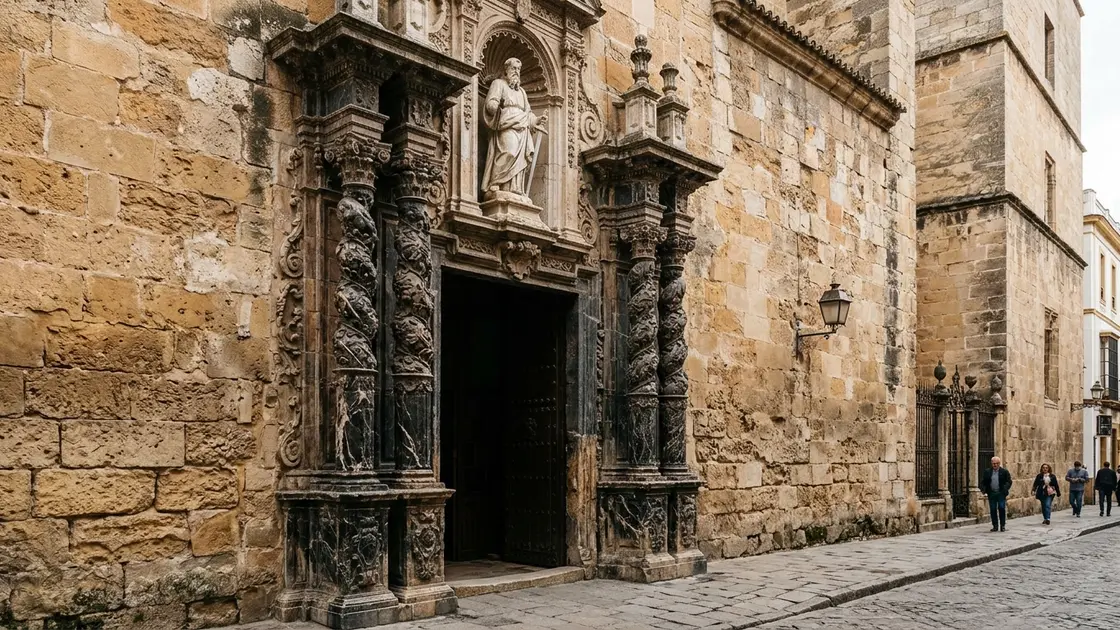
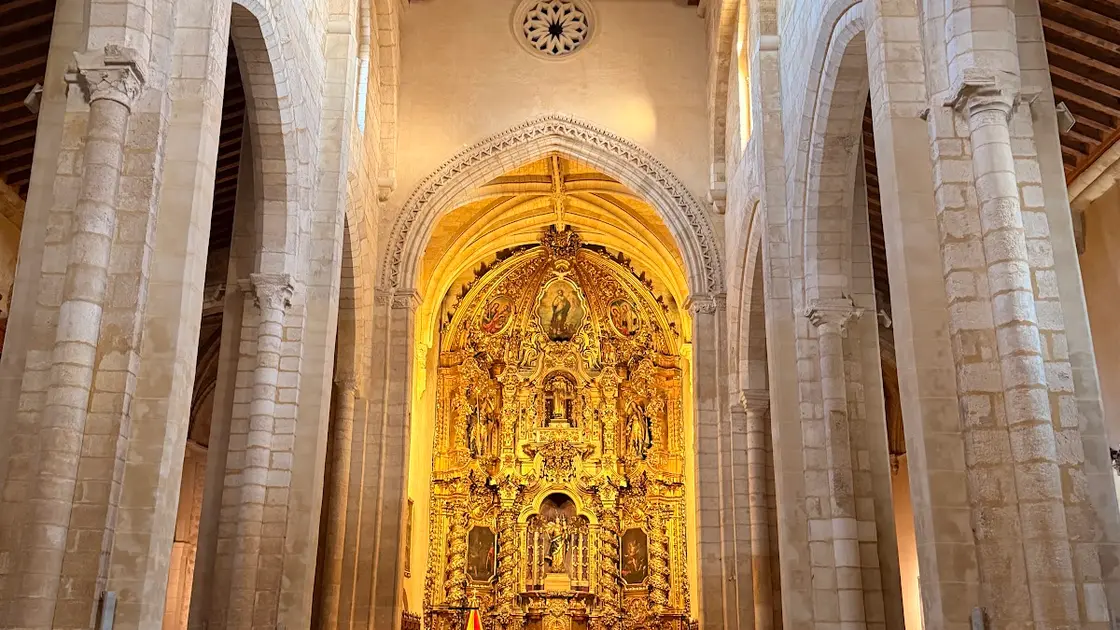
Fernandine church in Córdoba with a Romanesque-Gothic façade, rose window, minaret-based bell tower and the Manolete statue. Visited on the €6 Fernandine route.
Fernandine church in Córdoba's Axerquía: Gothic-Mudéjar fabric, a minaret inside the bell tower, a 1979 fire and a Holy Week crucifix. Route ticket €6.
Regina Coeli church in Córdoba, a Dominican convent church listed as a Bien de Interés Cultural in 1979. Restoration under way; no opening hours published.
Convento de Santa Ana in Córdoba: a Discalced Carmelite convent founded 1589, with a Baroque church of 1608 and a rebuilt altarpiece. No published hours.
Hospital de Jesús Nazareno in Córdoba: a medieval-rooted charity church, remodelled in the 1800s, with a neo-Mudéjar artesonado and 17th-century paintings.
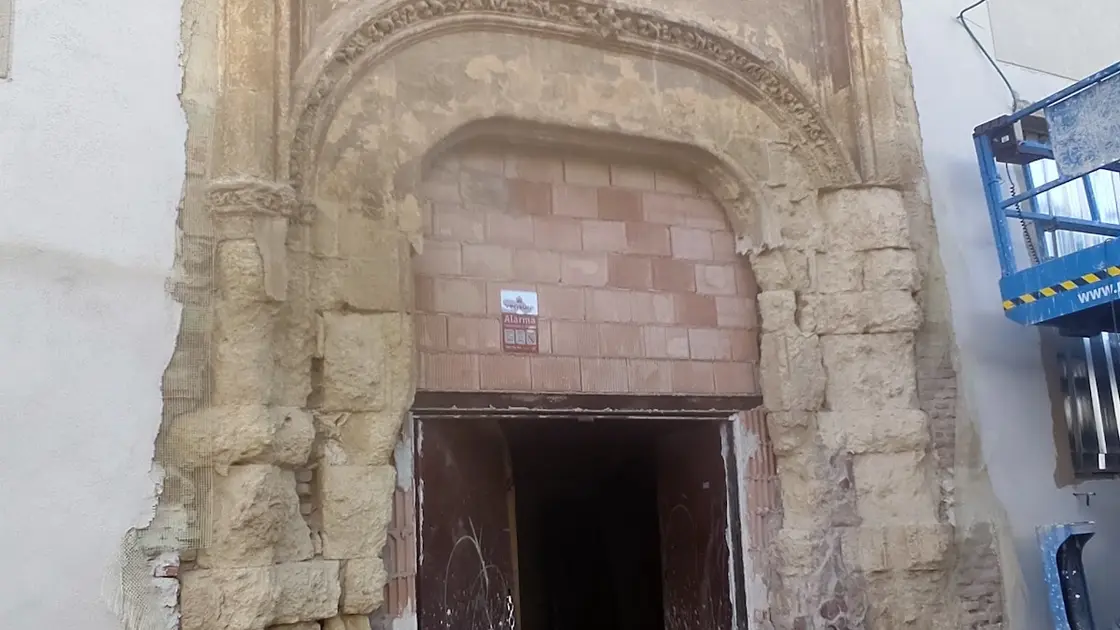
La Magdalena church in Córdoba: deconsecrated Fernandine church with Mudéjar-Gothic fabric, the city's oldest church doorway and a 1791 tower. No set hours.
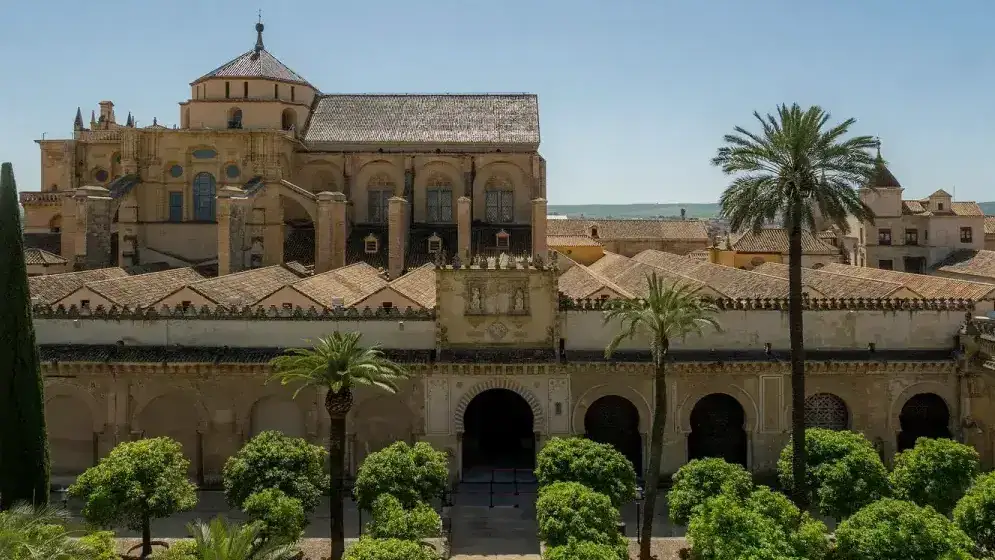
856 columns, 1,300 years of Islamic and Christian history. UNESCO monument in Córdoba, Andalusia. Red-and-white arches, Byzantine mosaics, a Renaissance nave.
Monasterio de la Encarnación, Córdoba: enclosed Cistercian convent founded 1510, with a single-nave Baroque church. What is known, and why to check access.
Fuensanta Sanctuary in Córdoba: a 15th-century riverside shrine with the city's only fully Gothic humilladero, 472 ex-votos and a feast on 8 September.
Built in 1315, one of only a few medieval synagogues still standing in Spain. Mudéjar stucco and Hebrew inscriptions in the heart of Córdoba's Judería.