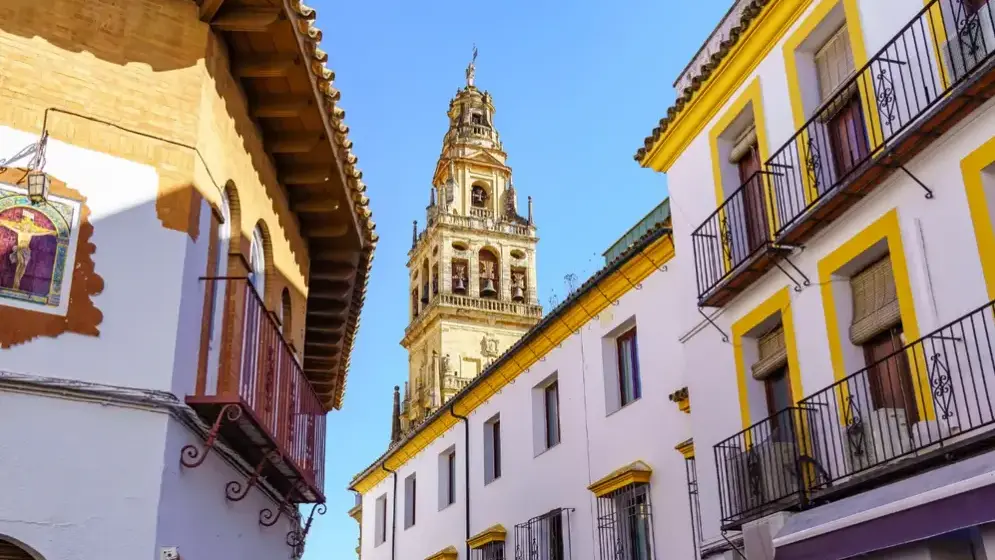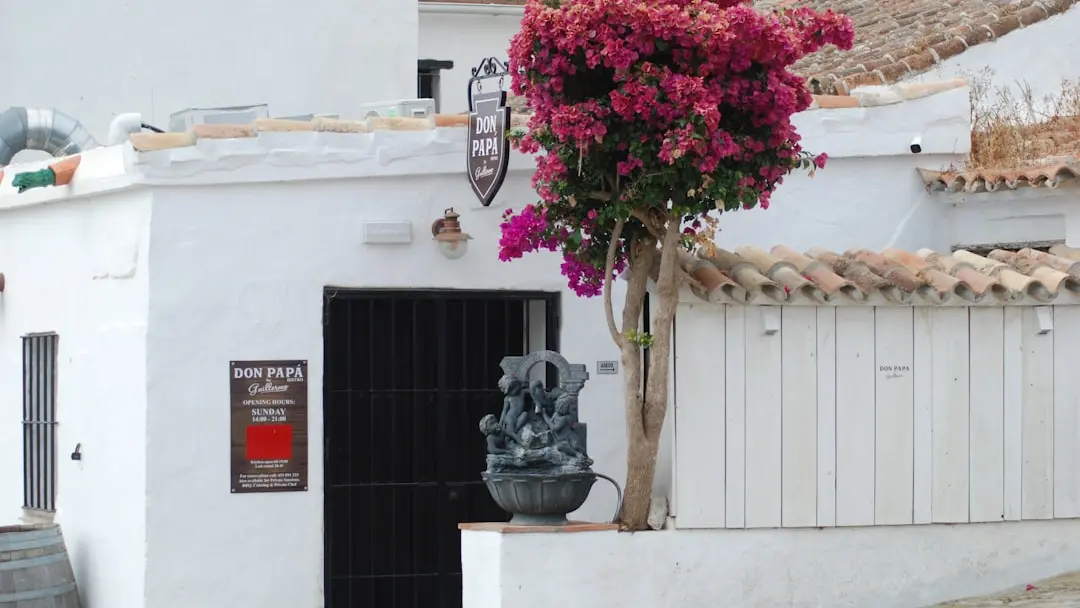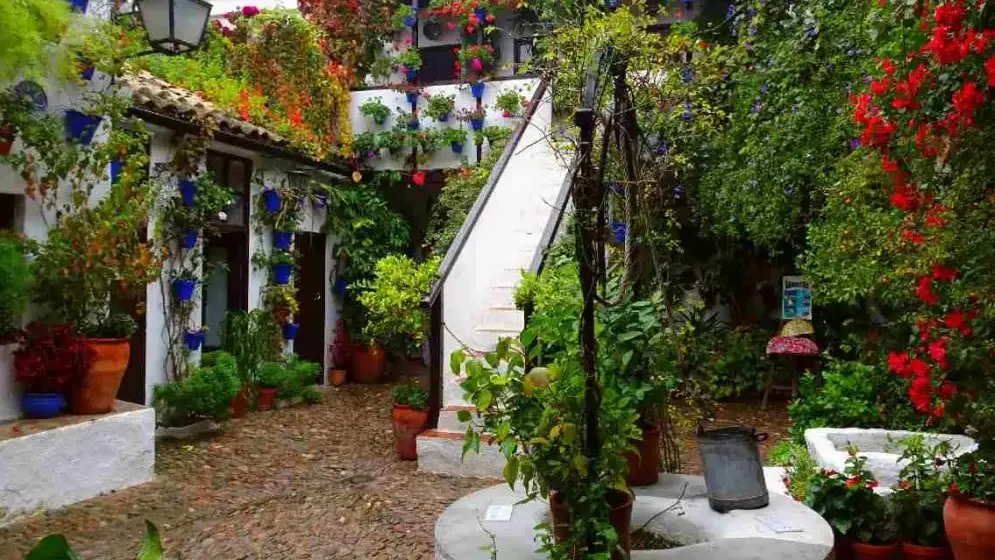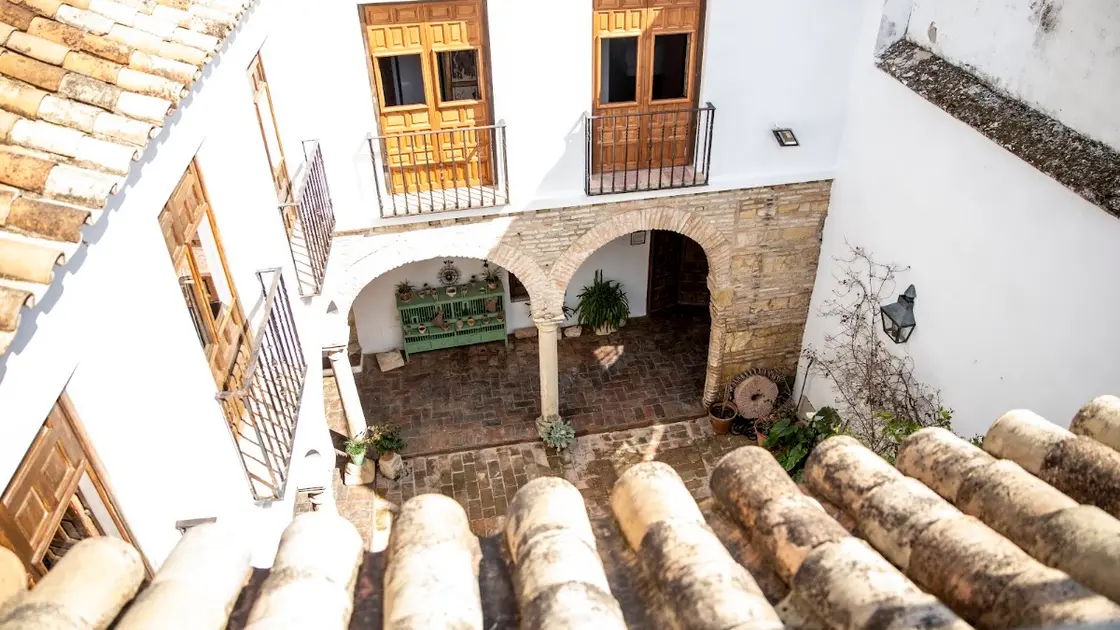
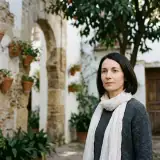
The Casa de las Cabezas is a manor house on Calle Cabezas in Córdoba's Judería, a few minutes' walk from the Mezquita-Catedral. It is known for a grisly legend rather than for anything you can tour: the house is private lodging, and the museum that once occupied it has closed. Come for the lane and the story, and do not plan your day around getting inside.
The legend behind the name
According to the legend, this was the alcázar of Almanzor and the prison of Gonzalo Gustioz, father of the seven Infantes de Lara. The sons were beheaded and their heads paraded along what is now Calle Cabezas so their father could watch. That is legend rather than documented fact, so read it as folklore attached to the house.
The name itself is better attested than the story. The house's director dates it to the 15th century, when the historian Ambrosio de Morales mentions the house. The lodging's own publicity calls the building more than 1,000 years old, a claim to treat as marketing until an archaeologist confirms it.
Check the current status before you come
No public hours are published and ownership of the house was reported to be changing in 2026. Treat the lane as the guaranteed part of the visit and confirm anything else with the lodging first.
A converso merchant, a tenement and a treasure hunt
The best-documented owner is Juan de Córdoba Membreque, an influential merchant of Jewish origin who converted to Christianity and was known to everyone as Juan de las Cabezas. He was accused of continuing to practise Judaism. Accounts of the Inquisition proceedings disagree on the date and the numbers involved, so treat any precise figure you read with caution.
During restoration, workers found remains of a mikvé in the basement, a purification pool that needed continuously flowing water. A women's gallery, or estrado, also came to light, one of the few preserved in Spain. Together they fit the picture of a house with a hidden Jewish past, though they do not by themselves tell you who used them or when.
The house later passed to a church and then became a casa de vecindad, or corrala, housing people who had come in from the countryside. In the late 20th century a buyer reportedly dug tunnels hunting for Jewish treasure. A purchase in 2007 started a seven-year restoration that ended in 2014, when the house opened as a museum.