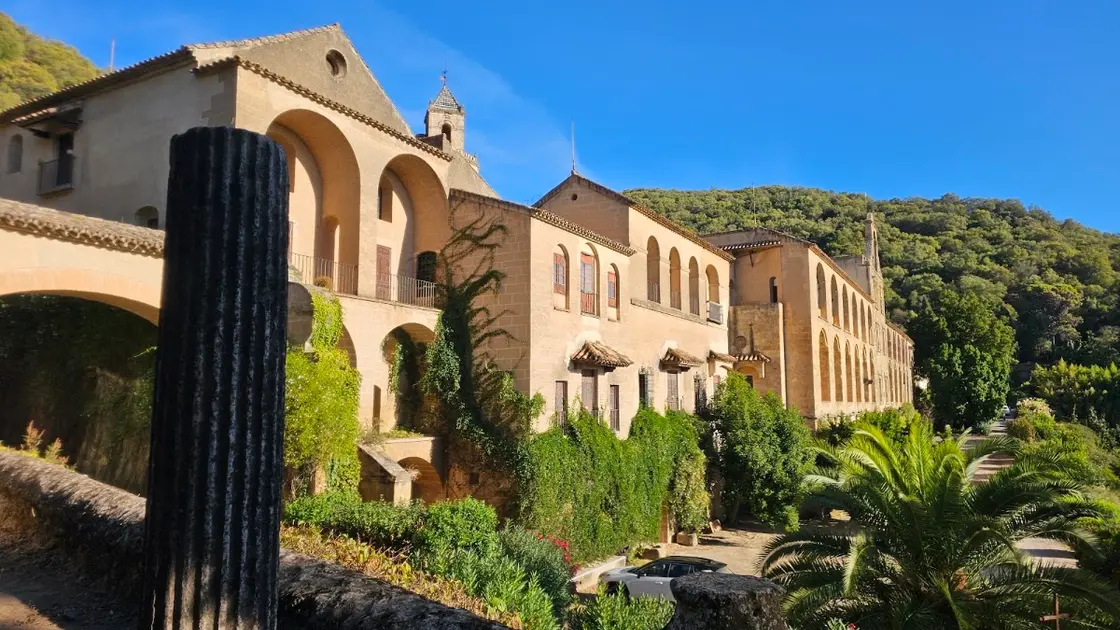

The Real Monasterio de San Jerónimo de Valparaíso is a Gothic and Baroque Hieronymite monastery in the Sierra Morena foothills, a short distance from Medina Azahara and outside the city. It is a private property, not a ticketed monument, and you can only see inside on visits arranged for it. Treat it as something to plan around, not to turn up at.
What the monastery is
The monastery was founded by Portuguese friars of the Hieronymite order. Its story begins in 1405, when a deed of donation gave the monks an orchard near Córdoba la Vieja, the name the site of Medina Azahara carried in the 15th century. Building work started on 9 July 1408, when fray Vasco de Sousa was named first prior. Sources use either year for the foundation, which is why the two dates are best read as deed and groundbreaking.
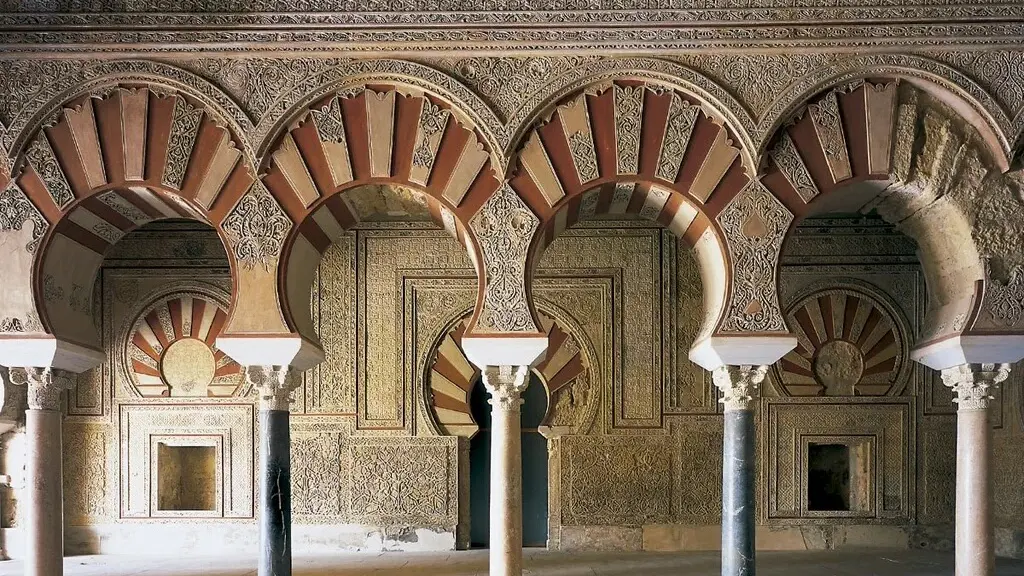
The builders reused stone from the ruined caliphal city next door. That makes Valparaíso a medieval building made partly of an older one. For the caliphal city itself, read the monument page for Medina Azahara and the longer Medina Azahara lost palace city article; this page stays with the monastery.
A royal house, then an empty one
In 1440 King Juan II took the monks under royal protection, which is why the house carries the title Real. The new church went up under prior Antón de Hinojosa between 1463 and 1473, and the main cloister was begun around 1470 and finished by the early 16th century. An 18th-century Baroque dome was added to the church. The friars were expelled for good on 30 August 1835 under the disentailment laws, when the community had fourteen friars. The empty building was bought in 1912 by the Marquis of Mérito, whose family restored it bit by bit and still owns it.
Register through the Medina Azahara website
The 2024 monographic visits required prior registration through the Medina Azahara archaeological complex website. Check there first, because no permanent hours or later programme dates are published.
What you see
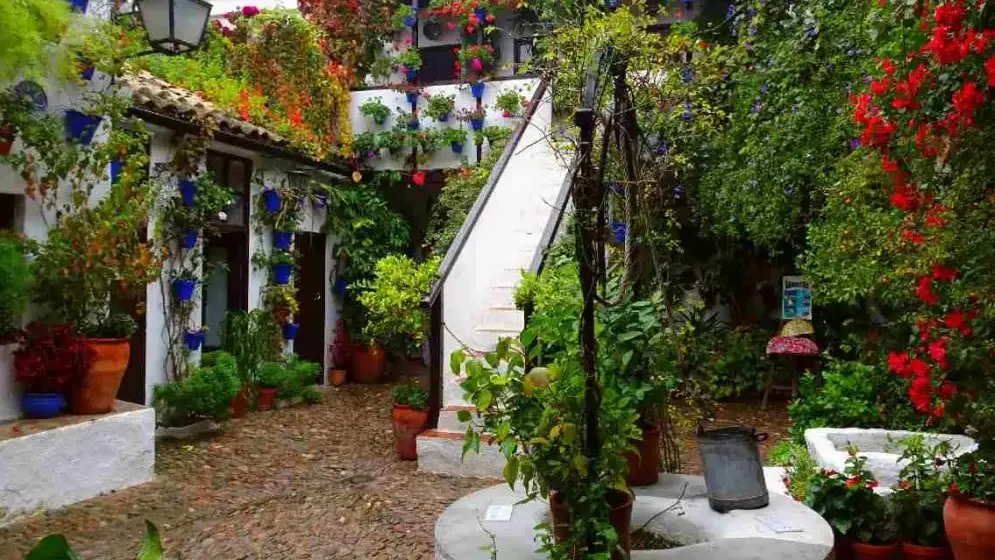
The complex is organised around its cloister: church, cloisters, chapter house, refectory and cells, with a three-storey tower and cloister arcades singled out by the Junta de Andalucía for their formal and constructive value. A fountain in the novices' courtyard, the Patio del Cervato, holds a reproduction of the famous fawn that once stood as the emblem of Medina Azahara.
The 2024 monographic visit route gives a sense of the highlights: the forecourt, the church, the cloister, the novices' courtyard, the chapter house, the façade balcony and the cloister chapels.