Córdoba CF Since 1954: A Club Born After Its Stadium
Córdoba CF was born on 6 August 1954, nine years after El Arcángel opened. The club's history, the 42-year wait for the top flight and a matchday guide.
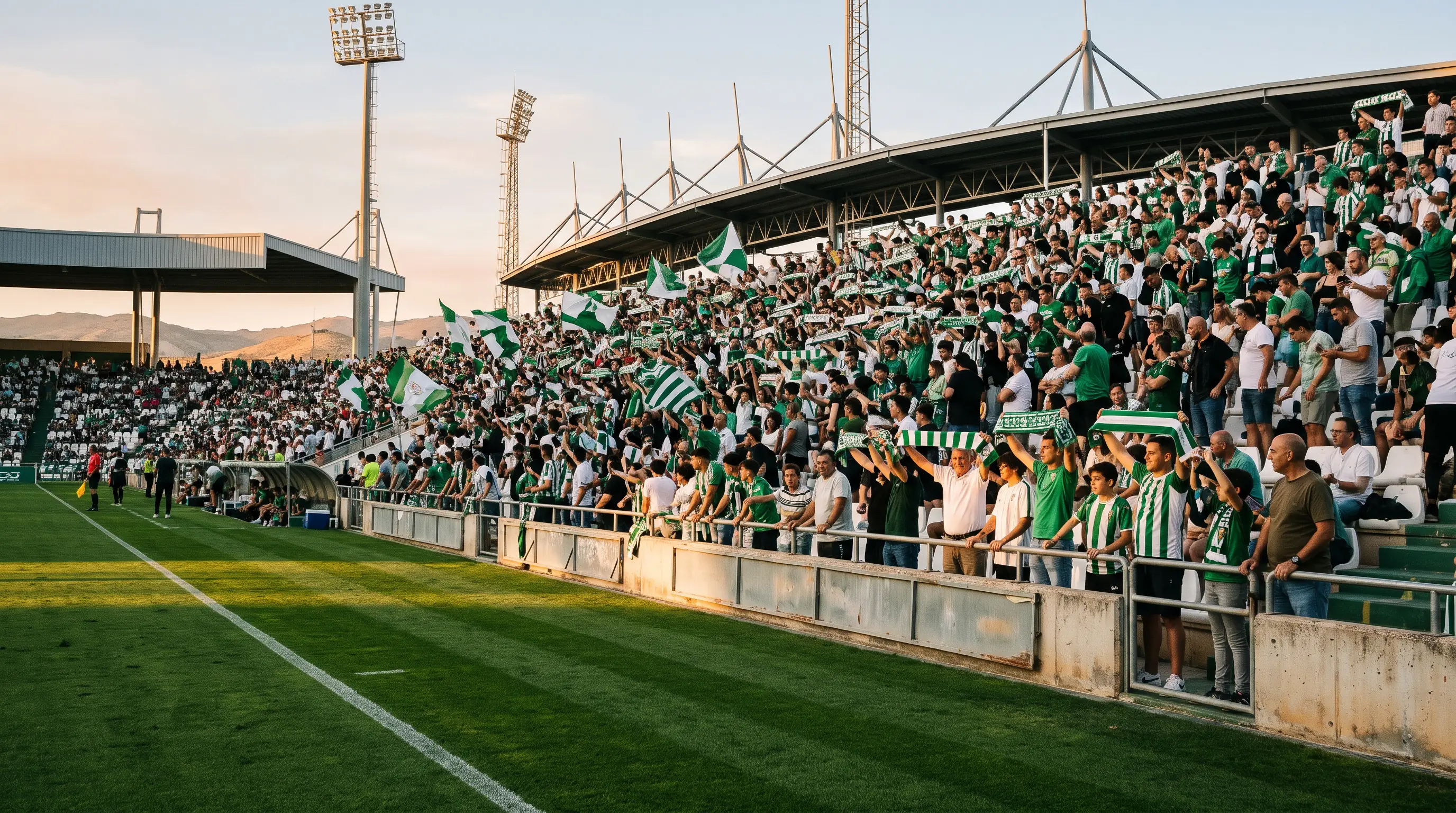
The Nuevo Arcángel opened on 7 November 1993 with a 4-0 win over Recreativo de Huelva and now holds roughly 21,000 spectators.
In this article
Jump to a section
Born in 1954, into a stadium that already existed
The first top-flight era and the end of the old ground
The Nuevo Arcángel, 500 metres from the old ground
From the 2014 promotion to the Bahrain era
Explore nearby · Monument
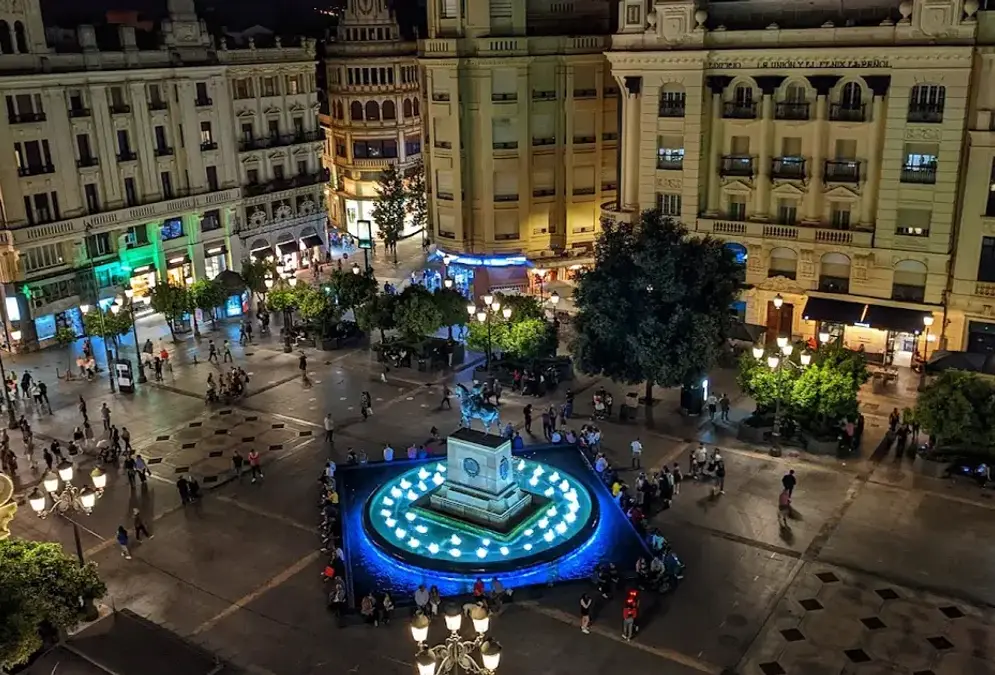
Plaza de las Tendillas
Córdoba's central square, with a clock that chimes guitar chords on the hour. Equestrian statue of El Gran Capitán, terrace cafés and the main shopping streets.
Deep dive · Article
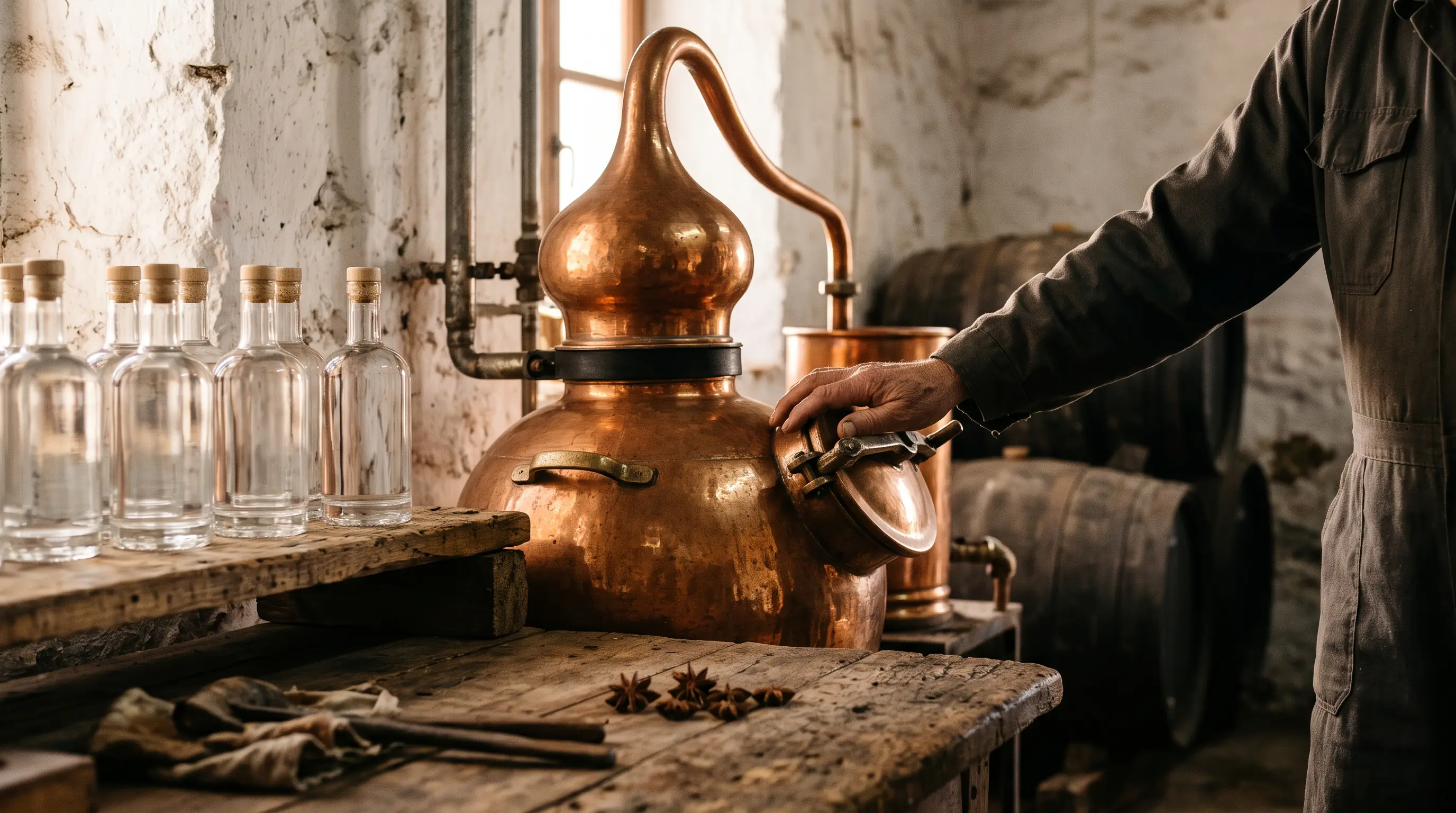
Anís de Rute: Why a Wine Town Learned to Distil
Anís de Rute is a Subbética aniseed spirit with trade records from 1630. How it is made, what to see at the Museo del Anís, and when the Christmas season runs.
Going to a match at El Arcángel today
- Tickets are sold on the club's official website,[39] and the ticket office sits in the Fondo Norte.[40]
- Prices and kick-off times vary by fixture, so read them off the club's ticket page for the match you want rather than trusting a printed guide.
- If rain is forecast, check where your seat is: the club has been repairing roof leaks over the Fondo Norte, Fondo Sur and Preferencia stands after wet matchdays.[41]
Recommended tours
Tours are selected for quality, not commission. We earn a small fee if you book — at no extra cost to you.
Frequently asked questions
What is the history of Córdoba CF?
When was Córdoba CF founded?
Where does Córdoba CF play?
Is the Nuevo Arcángel the same as the old El Arcángel?
Has Córdoba CF played in the top flight?
What are Córdoba CF's nicknames?
How do I buy tickets for a Córdoba CF match?
Sources
42 references Show Hide
- Córdoba, El Arcángel 1945-1991, Estadios de España (opens in a new tab)
“Deportivo San Álvaro took on the mantle of the city’s senior team, changing their name to Córdoba Club de Fútbol on 6 August 1954.”
- Córdoba, El Arcángel 1945-1991, Estadios de España (opens in a new tab)
“The Estadio del Arcángel was close to the north bank of the Rio Guadalquivir and was opened on 8 September 1945 with a match against Sevilla FC.”
- Córdoba, Estadio Nuevo Arcángel, Estadios de España (opens in a new tab)
“Opened on 7 November 1993 (vs Recreativo Huelva 4-0), the Estadio Nuevo Arcángel featured a curved cantilevered stand on the west side and not a lot else.”
- Córdoba, El Arcángel 1945-1991, Estadios de España (opens in a new tab)
“On 31 July 1954, a special meeting was convened, and the club was wound up.”
- Estadio Municipal Nuevo Arcángel, ficha LaLiga (opens in a new tab)
“A inicios de los años 40, se fundó el Club Deportivo Córdoba, que junto al San Álvaro, serían el germen del Córdoba Club de Fútbol en 1954.”
- Córdoba, El Arcángel 1945-1991, Estadios de España (opens in a new tab)
“Unable to pay the rent to the family, the club moved from the Estadio del Arcángel in 1953.”
- Córdoba, El Arcángel 1945-1991, Estadios de España (opens in a new tab)
“On 4 February 1955, the ground was reopened with a friendly against Real Madrid.”
- Córdoba, El Arcángel 1945-1991, Estadios de España (opens in a new tab)
“Two years later, Córdoba won the La Segunda title and with it a place in the top division for the first time.”
- Córdoba, El Arcángel 1945-1991, Estadios de España (opens in a new tab)
“Córdoba found its feet and finished as high as fifth in the 1964-65 season.”
- Estadio Municipal Nuevo Arcángel, ficha LaLiga (opens in a new tab)
“En la temporada 64-65 el equipo, entrenado por Ignacio Eizaguirre, protagonizó la mejor campaña de su historia”
- Córdoba, El Arcángel 1945-1991, Estadios de España (opens in a new tab)
“the 1971-72 season was to prove to be the last that the Estadio Arcángel would stage top-level matches, as Córdoba finished 17th and was relegated.”
- Córdoba, El Arcángel 1945-1991, Estadios de España (opens in a new tab)
“It had always been susceptible to flooding, and the municipality decided in 1991 to build a new multisports stadium 500 metres to the south of the old stadium.”
- Córdoba, El Arcángel 1945-1991, Estadios de España (opens in a new tab)
“El Arcángel hosted its final fixture on 6 January 1993.”
- Cinco cosas que quizá no sabías del Nuevo Arcángel, LaLiga (opens in a new tab)
“Este campo sustituyó al antiguo 'El Arcángel', situado a apenas a 500 metros de donde se levanta el actual feudo califa.”
- Estadio Municipal Nuevo Arcángel, Andalucía tourism (opens in a new tab)
“It is situated 500 metres from the old El Arcángel stadium, in the area called El Arenal, where the El Arcángel Shopping Centre is also situated.”
- Córdoba, Estadio Nuevo Arcángel, Estadios de España (opens in a new tab)
“The new stadium had a capacity of 15,280 and was not universally loved. In fact, the fans despised it.”
- Córdoba, Estadio Nuevo Arcángel, Estadios de España (opens in a new tab)
“Plans to replace the existing west stand were shelved, so with a capacity of 21,000, this phase of the project is complete.”
- Estadio Municipal Nuevo Arcángel, ficha LaLiga (opens in a new tab)
“Bienvenidos a Nuestro Reino, el estadio El Arcángel, que tiene una capacidad para 21.000 espectadores.”
- Estadio Municipal Nuevo Arcángel, Andalucía tourism (opens in a new tab)
“Current capacity: 20,989 spectators.”
- Cinco cosas que quizá no sabías del Nuevo Arcángel, LaLiga (opens in a new tab)
“Su propiedad es municipal y el Córdoba tiene una cesión de uso por 50 años.”
- Cinco cosas que quizá no sabías del Nuevo Arcángel, LaLiga (opens in a new tab)
“Ha conseguido sus dos llenos absolutos: en la temporada 2012-13, en la ida de octavos de final de Copa, ante el FC Barcelona”
- Estadio Municipal Nuevo Arcángel, ficha LaLiga (opens in a new tab)
“un partido amistoso disputado por España ante la selección de Japón (1-0, con gol de Baraja), que servía de preparación para el Mundial 2002 de Corea y Japón.”
- Córdoba, Estadio Nuevo Arcángel, Estadios de España (opens in a new tab)
“It took until 15 October 2024 for La Selección to return to Córdoba, when they hosted Serbia in a Nations League tie.”
- Córdoba, Estadio Nuevo Arcángel, Estadios de España (opens in a new tab)
“So after a sixteen-year absence, Córdoba were back in La Segunda”
- El Córdoba regresa a Primera división cuarenta y dos años después, RFEF (opens in a new tab)
“El Córdoba regresa a Primera división cuarenta y dos años después”
- El Córdoba regresa a Primera división cuarenta y dos años después, RFEF (opens in a new tab)
“el Córdoba C.F. ha certificado su regreso a Primera división gracias al valor doble de los goles en campo contrario”
- Córdoba earn promotion 42 years on, LaLiga (opens in a new tab)
“Uli Dávila scored the goal in the final minute to make it 1-1 and put the Califas in the Liga BBVA.”
- Córdoba earn promotion 42 years on, LaLiga (opens in a new tab)
“Ferrer took over the club on matchday 27 of Liga Adelante as the club looked to get back on track.”
- Córdoba recibió a los héroes del ascenso, LaLiga (opens in a new tab)
“la fiesta se trasladará a la media noche hasta la carismática Plaza de las Tendillas, lugar totalmente abarrotado por una afición cordobesista”
- Córdoba, Estadio Nuevo Arcángel, Estadios de España (opens in a new tab)
“who managed only a single victory at the Arcángel and just two on the road.”
- Córdoba, Estadio Nuevo Arcángel, Estadios de España (opens in a new tab)
“This was the start of a decade-long decline, which bottomed out in the 2021-22 season when Córdoba found themselves playing in the fourth tier of Spanish football for the first time since 1985.”
- Córdoba, Estadio Nuevo Arcángel, Estadios de España (opens in a new tab)
“Thankfully, two rapid promotions saw the club back in La Segunda for the 2024-25 season.”
- Bienvenidos a LaLiga Hypermotion, Córdoba CF, LaLiga (opens in a new tab)
“Alberto Toril fue el gran héroe gracias a un doblete que devolvía al Córdoba a la segunda máxima categoría del fútbol español cinco años después.”
- Córdoba sell shirt sponsorship and stadium naming rights, Inside World Football (opens in a new tab)
“Córdoba CF, who play in Spain’s second tier, are owned by Infinity Capital, a Bahrain backed private equity business.”
- Bahrain Victorious, naming partner del estadio del Córdoba, Vozpópuli (opens in a new tab)
“el Estadio Municipal Nuevo Arcángel pasará a denominarse ‘Estadio Bahrain Victorious Nuevo Arcángel de Córdoba’”
- Teams of LALIGA HYPERMOTION 2026/27, LaLiga (opens in a new tab)
“Teams of LALIGA HYPERMOTION 2026/27Season 2026/2027”
- Córdoba CF, official website (opens in a new tab)
“LALIGA HYPERMOTION·J13Estadio Bahrain Victorious Nuevo Arcángel de Córdoba”
- Estadio Municipal Nuevo Arcángel, ficha LaLiga (opens in a new tab)
“Estadio Municipal Nuevo Arcángel Avda. del Arcángel s/n 14010 Córdoba Aparcamiento Centro Comercial Eroski, Aparcamiento El Arenal. Línea 12, Línea 14.”
- Córdoba CF, official website (opens in a new tab)
“¡Compra tu entrada y apoya al Córdoba CF en el Bahrain Victorious Nuevo Arcángel!”
- Estadio Municipal Nuevo Arcángel, ficha LaLiga (opens in a new tab)
“Taquillas situadas en Fondo Norte. Teléfono: 957 75 03 19”
- El Córdoba CF inicia los trabajos para corregir las goteras, Córdoba CF (opens in a new tab)
“con el objetivo de corregir los problemas de goteras registrados en las últimas semanas, especialmente en las zonas de Fondo Norte, Fondo Sur y Preferencia.”
- Fieles 1954 premia la fidelidad de sus abonados, Córdoba CF (opens in a new tab)
“el primero de los cuatro entrenamientos premium incluidos en el programa de fidelización Fieles 1954”