Travel Guide
Córdoba Travel Guide
Where to go, when, for how long and where to eat and sleep in Córdoba, Spain, with a pointer to the page that covers each topic in depth.

Written by
María Fernanda González Ten years covering Córdoba's UNESCO heritage sites, sourcing from Junta de Andalucía documentation.
Published
This Córdoba travel guide is the first page to read before you plan a trip to the city in Andalusia, Spain. It gives you the shape of a visit in a few paragraphs per topic (sights, neighbourhoods, timing, food, where to stay, day trips and cost) and sends you to the page that covers each one properly.
Prices, opening hours and timetables change, so this guide leaves them to the linked pages, which carry the current detail. If you already know what you want, the trip planner turns your dates into a day-by-day plan.
Córdoba at a glance
- UNESCO status
- Great Mosque inscribed 1984, historic centre extended 1994
- Listed area
- 80.28 hectares of historic centre
- Population
- 324,902 (2024), 12th-largest city in Spain
- Patio Festival
- Twelve days at the start of May
- Summer highs
- About 37 °C in July and August
- Medina Azahara
- 8 km from the city, UNESCO-listed since 2018
In this guide
Jump to a section
What Córdoba is
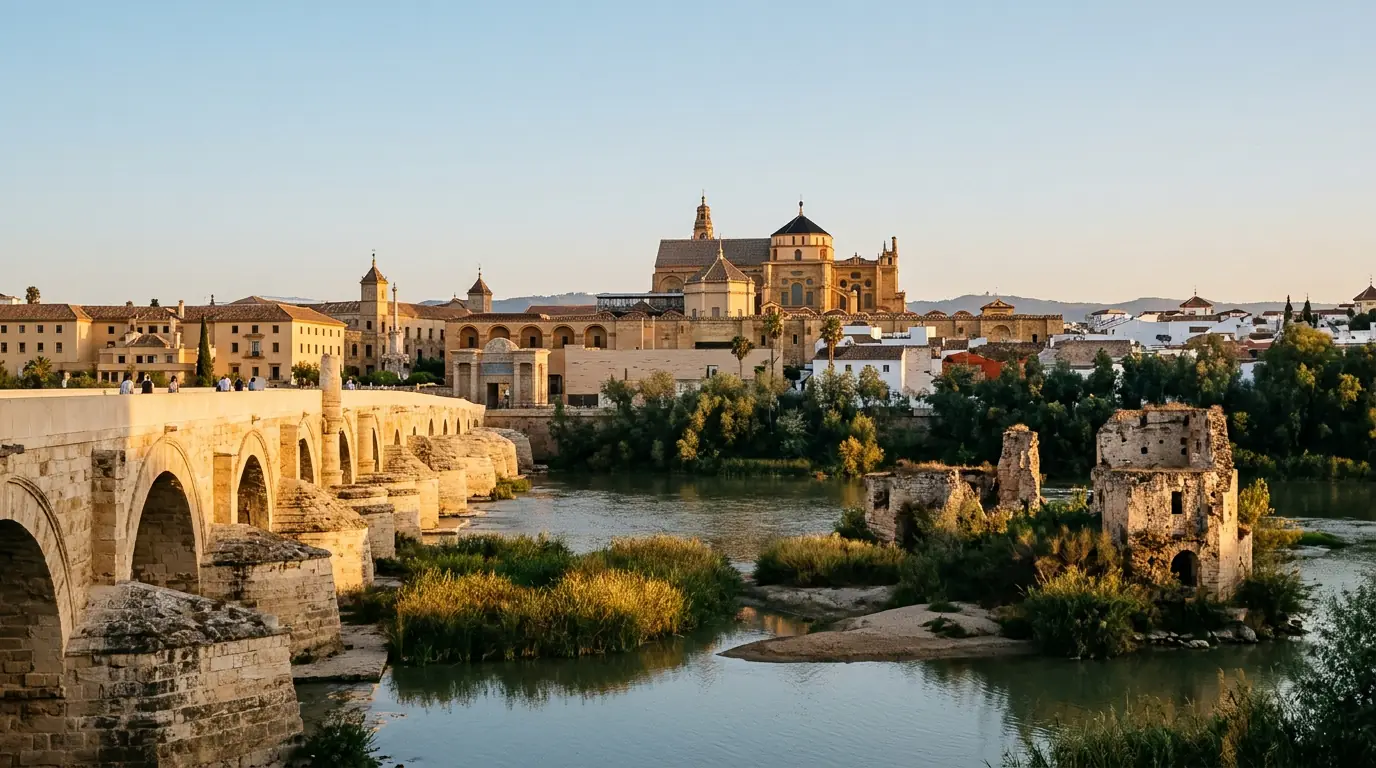
Córdoba is a city of 324,902 people on the Guadalquivir in Andalusia, the 12th largest in Spain as of 2024, whose historic centre UNESCO first listed in 1984 around the Great Mosque. A 1994 extension added part of the surrounding historic centre and the Alcázar, so the visitor's Córdoba is one compact, protected district of about 80 hectares.
What you see there is layered: a Visigothic basilica under the mosque, a Caliphate-era capital, a Jewish quarter, a Christian conquest and the courtyard houses (casa-patio) that UNESCO calls the best example of Cordoban homes. The UNESCO heritage guide maps all of it, and is Córdoba worth visiting makes the case for and against.
What to see in Córdoba
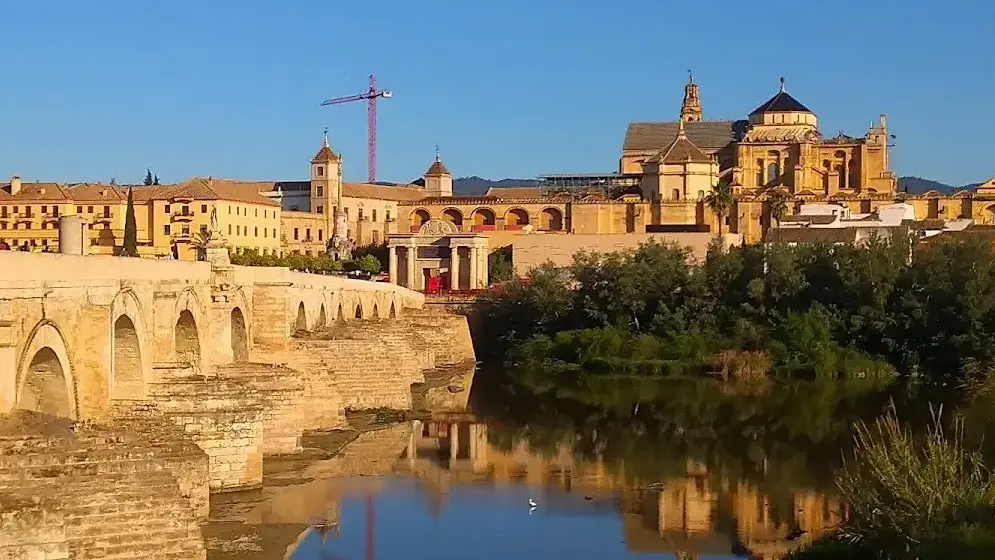
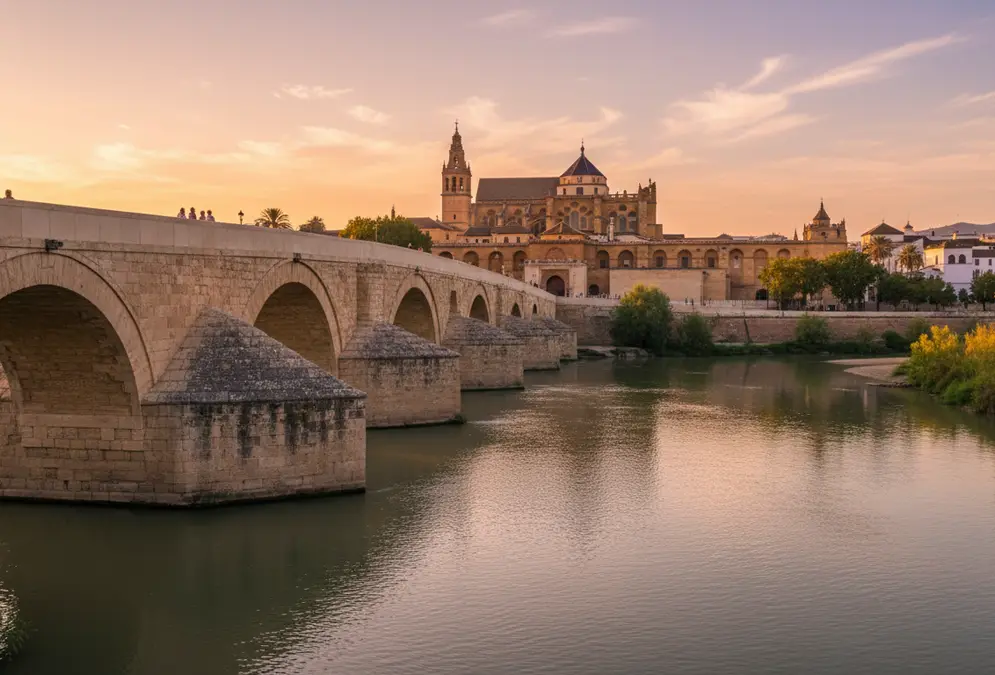
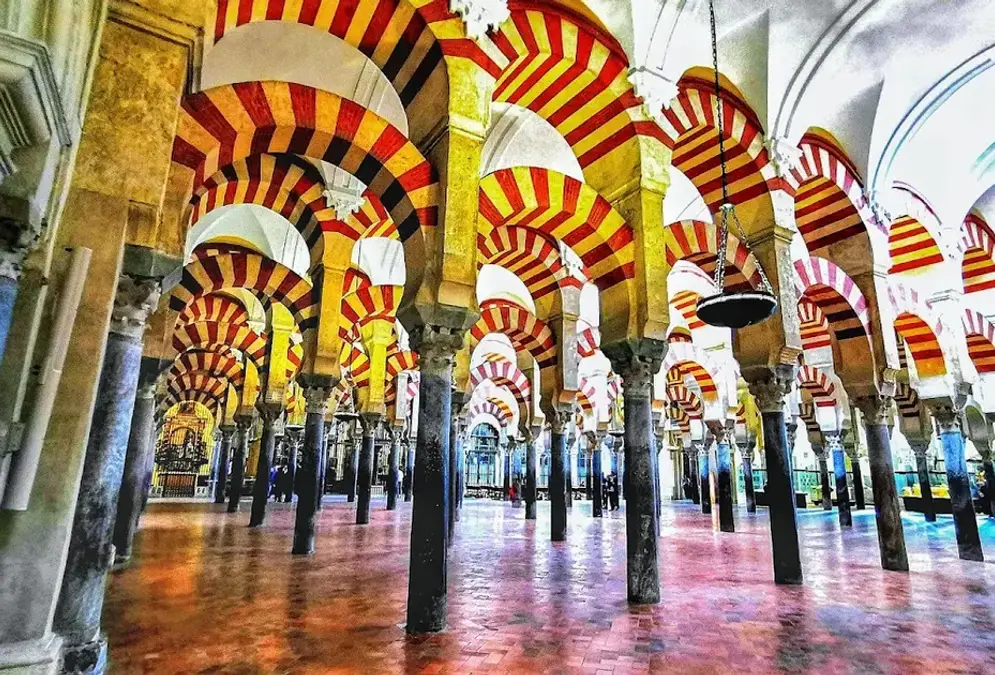
The sight that defines Córdoba is the Mezquita-Catedral, which the city's tourism office calls the most important monument of the Islamic West. It was built on the site of the Visigothic basilica of San Vicente and has been a World Heritage Site since 1984. The official site lists a free visiting hour from Monday to Saturday, 8:30 to 9:30, with exceptions on days of extraordinary celebration, so check Mezquita tickets before you rely on it.
Around it, a short list does most of the work:
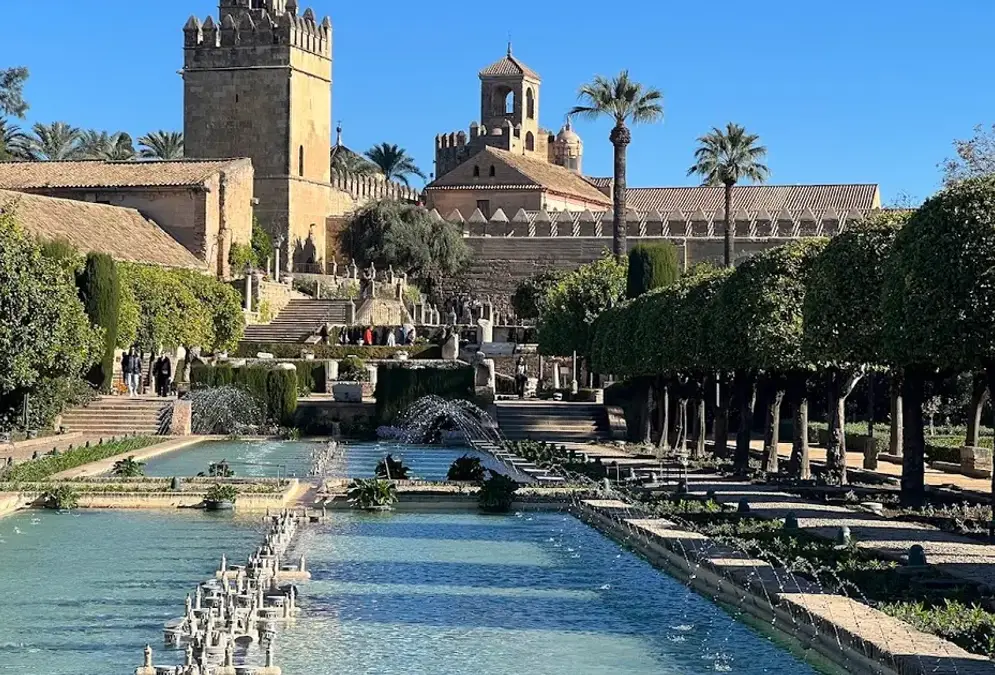
- Alcázar de los Reyes Cristianos, the fortress inside the 1994 UNESCO extension (confirm current access on Alcázar tickets).
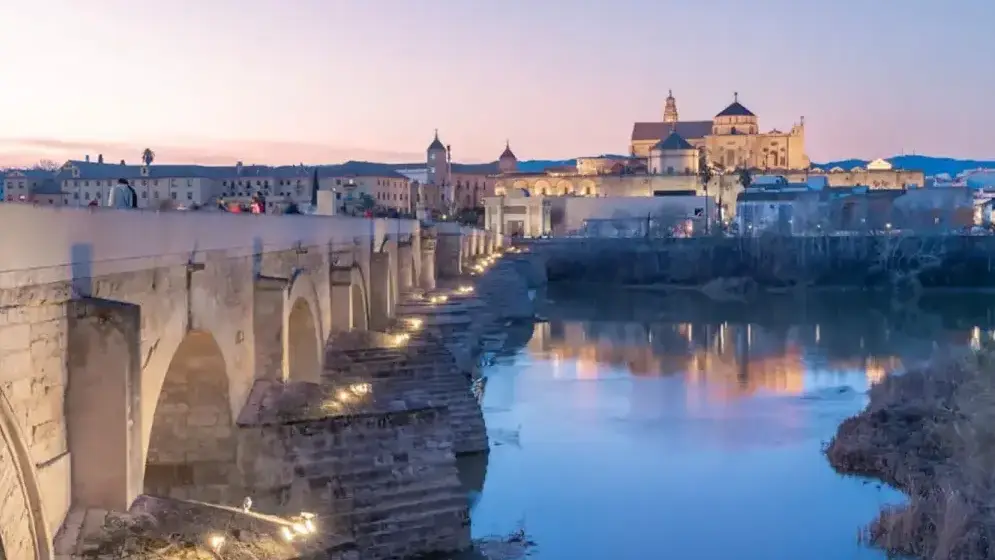
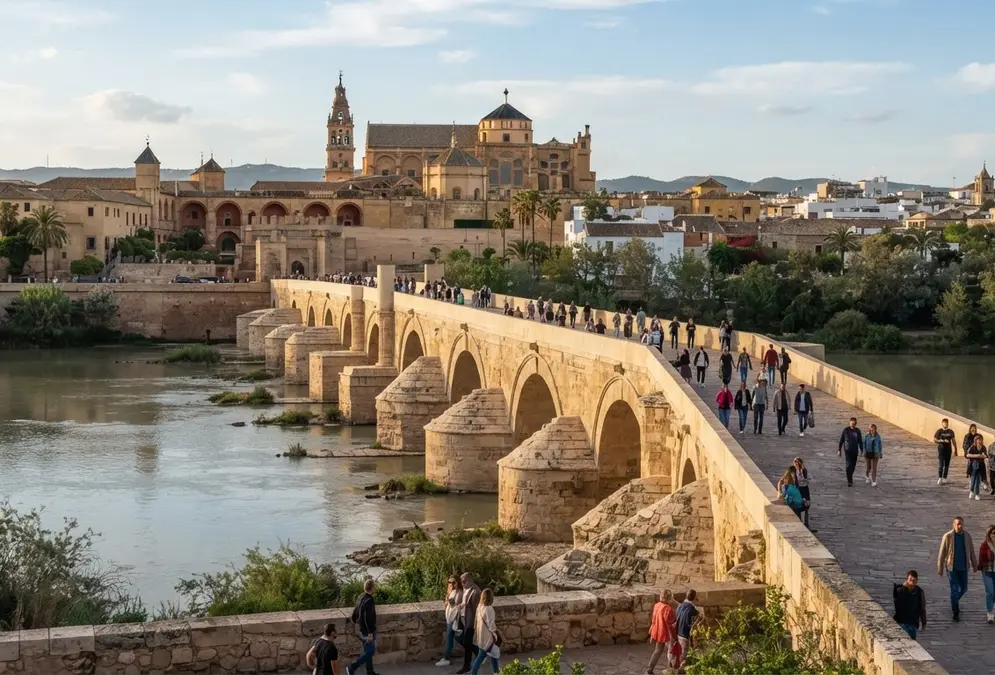
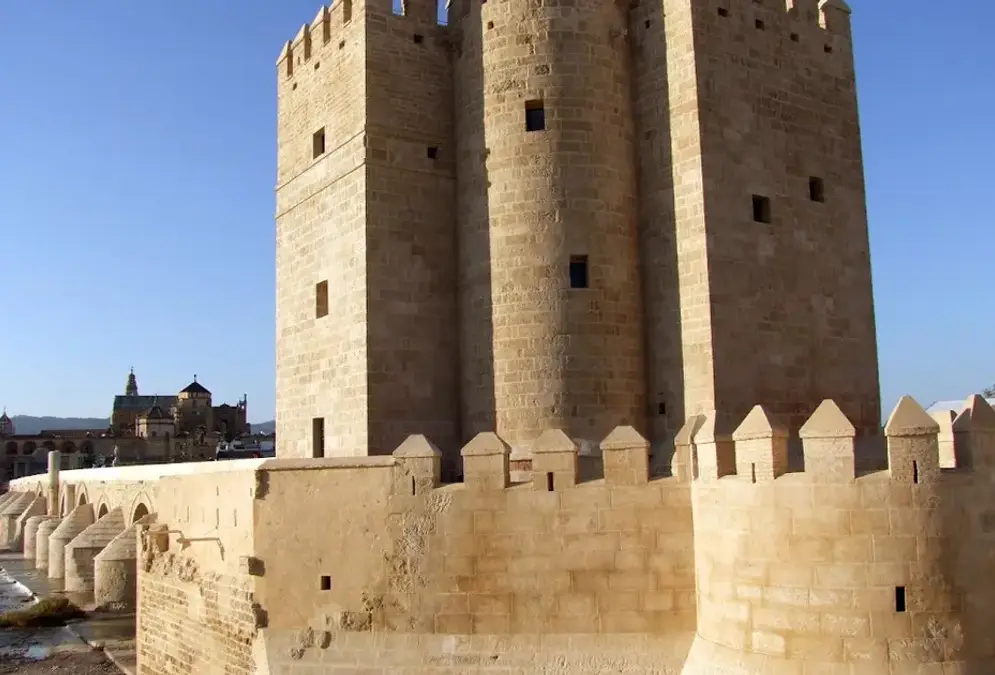
- The Roman Bridge and the Calahorra Tower, on the far bank of the Guadalquivir and part of the listed area.
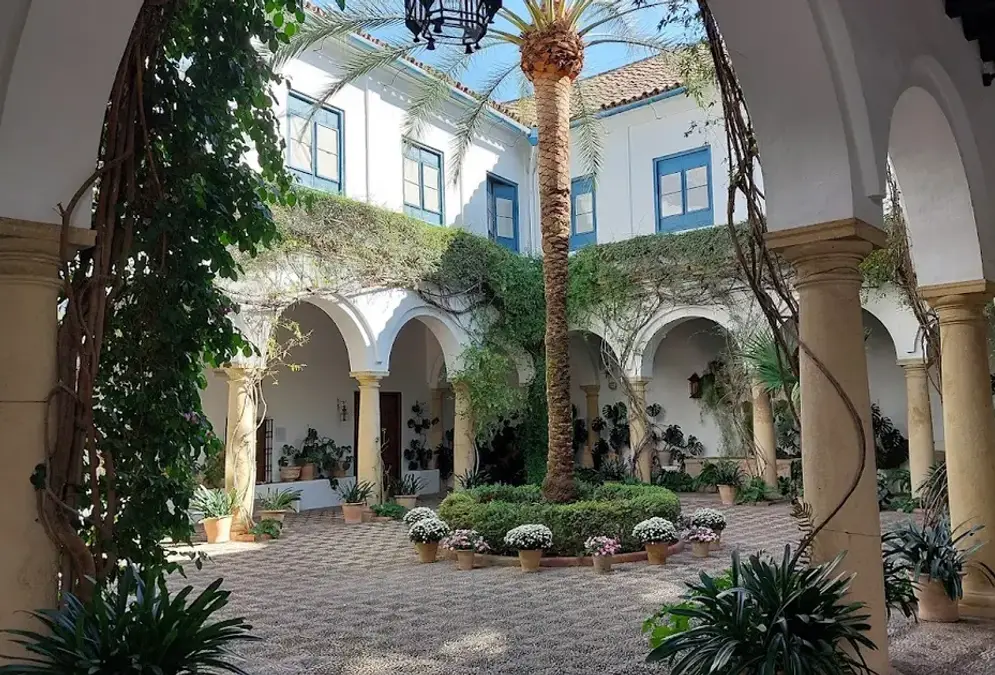
- Palacio de Viana, a palace of courtyards.
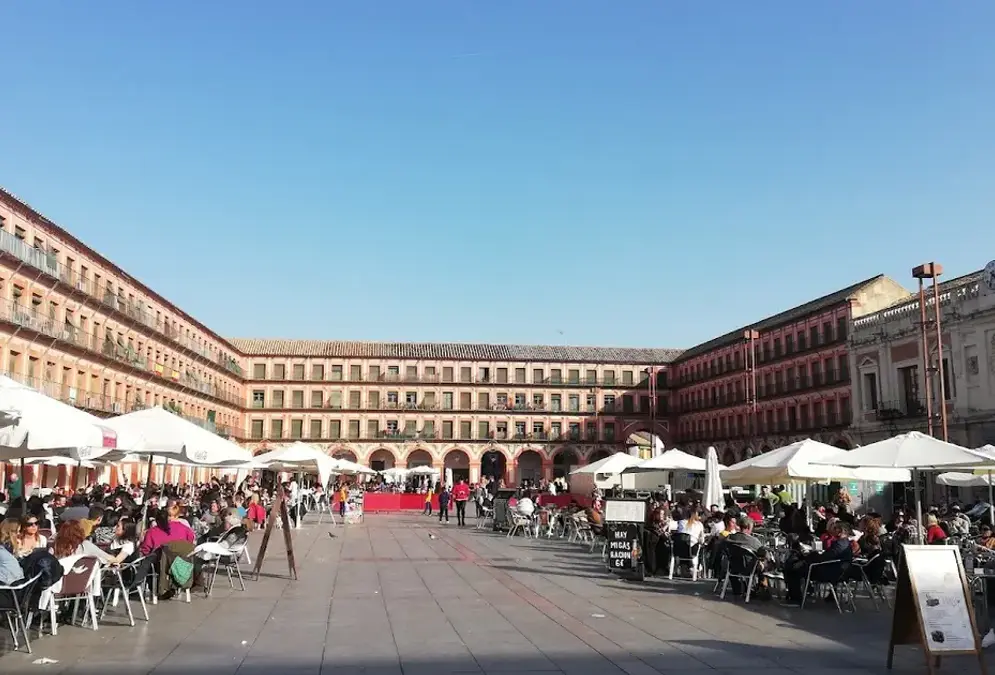
- Plaza de la Corredera, the old town's arcaded square.
For a ranked shortlist see top Córdoba highlights and the top 10 monuments. The full range of activities is in things to do in Córdoba, and hidden gems covers what most visitors miss. Medina Azahara is under day trips below.
Córdoba neighbourhoods
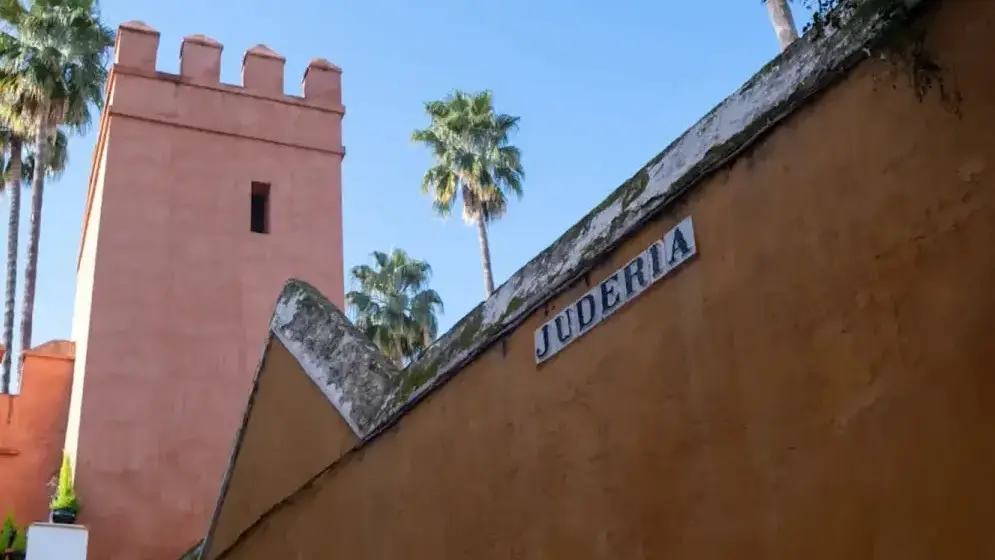
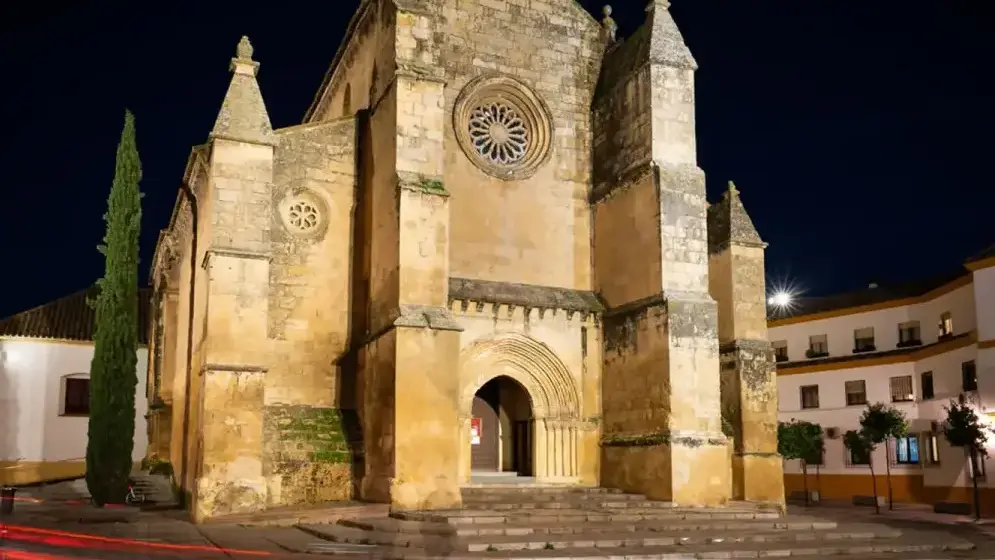
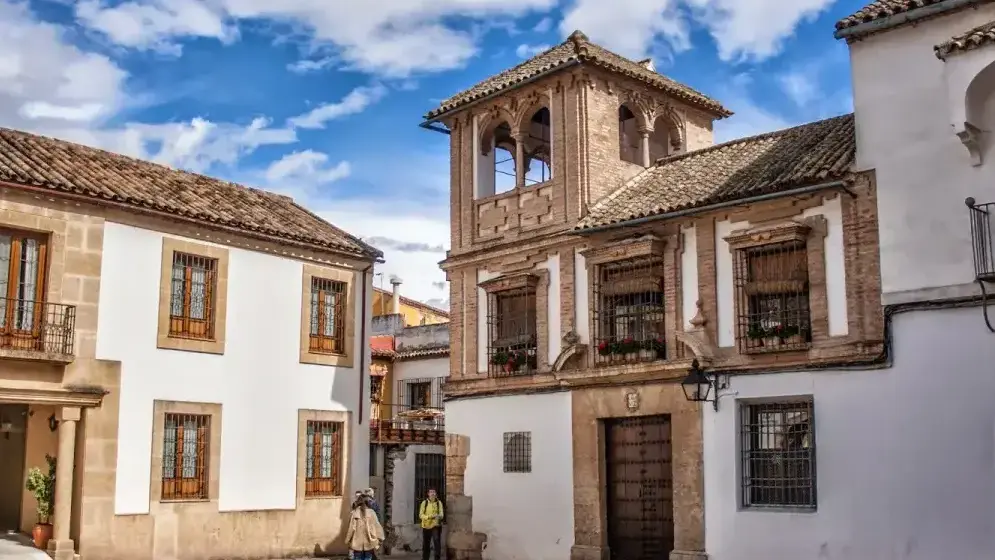
The Judería, the former Jewish quarter, runs from the Puerta de Almodóvar to the Mezquita-Catedral and holds the city's synagogue, the only one in Andalusia and the third best preserved medieval synagogue in Spain. It is where most first-time visitors spend their first hours.
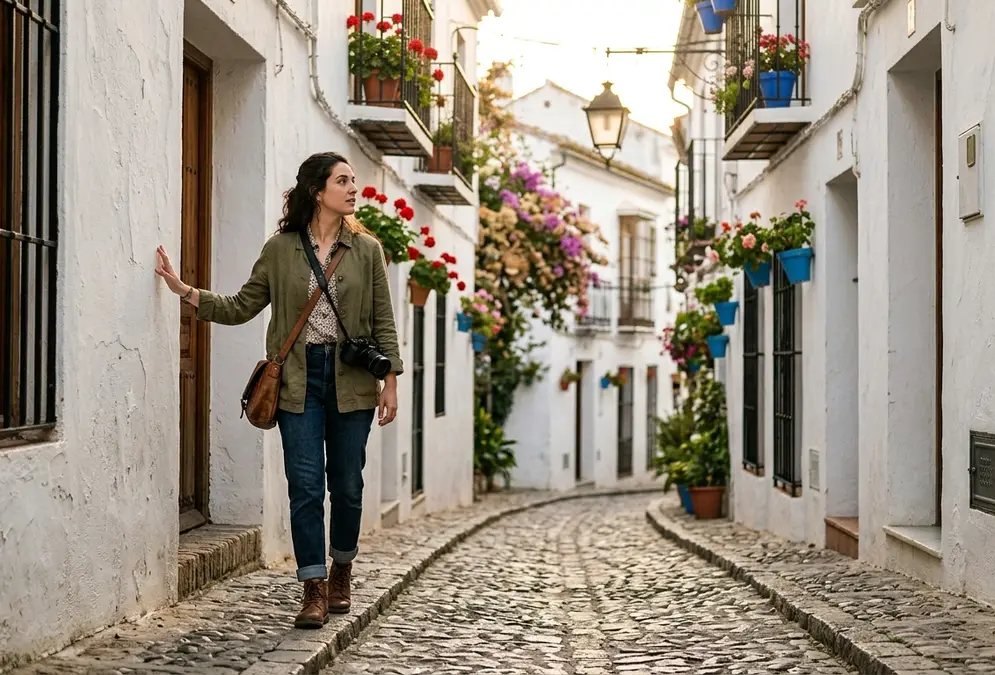
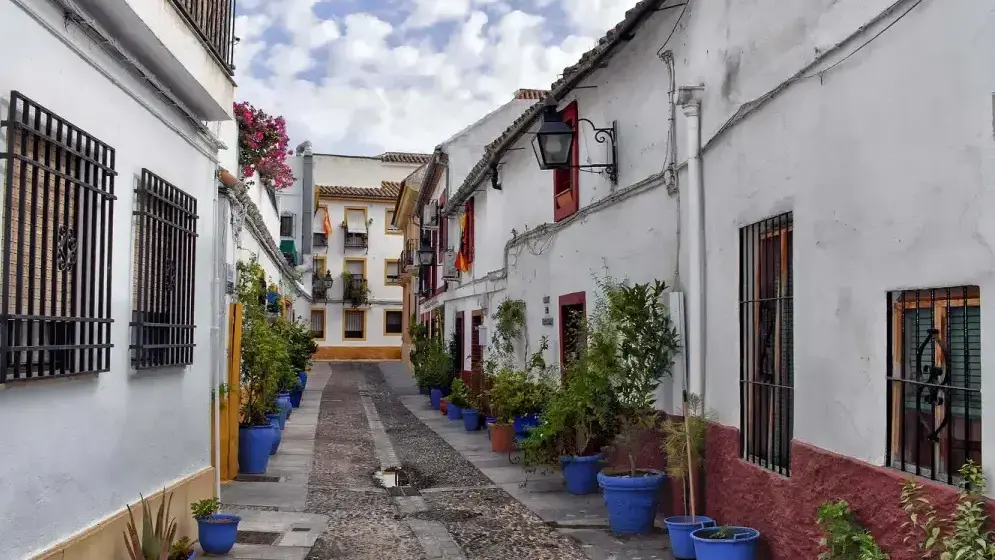
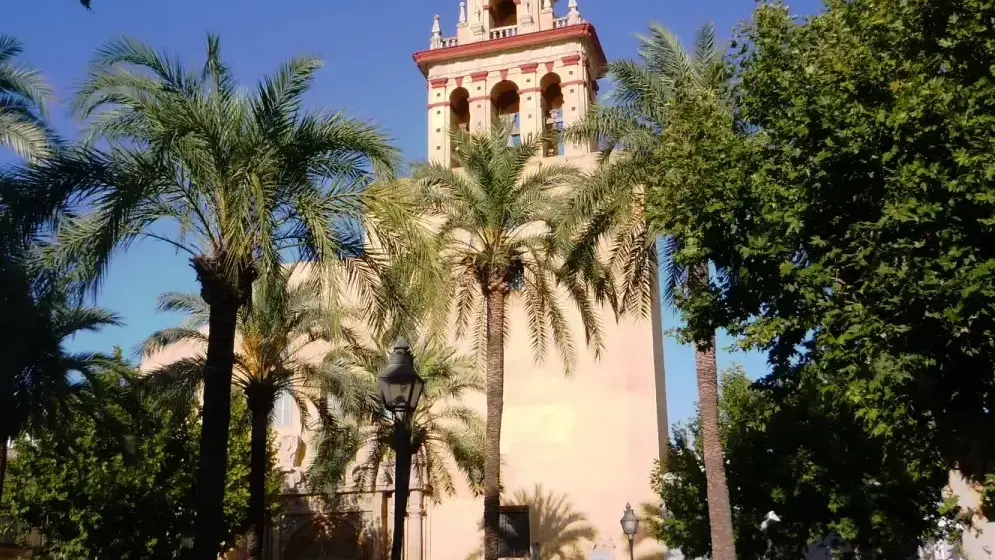
The patio districts are Axerquía, San Agustín, Santa Marina and San Basilio. San Basilio, the Alcázar Viejo district, has the liveliest patio zones, and the San Basilio patios are its calling card. Cards below cover the other central districts, including San Lorenzo, Ribera and Centro.
Neighbourhoods to explore
Three Cultures Route
A self-guided walking route through the Islamic, Jewish and Christian layers of the historic centre.
View the routeTwo more self-guided routes: the Jewish quarter walk and the patios trail.
Best time to visit Córdoba
The timing question in Córdoba is heat against festivals: the city has the highest summer temperatures in Spain and Europe, with average highs around 37 °C in July and August, while the Fiesta of the Patios fills twelve days at the start of May and is the busiest stretch of the calendar.
The month-by-month detail is on the best time to visit Córdoba, and the season pages (spring, summer, autumn, winter) say what each is like on the ground. May has its own guides: the Patio Festival, the Crosses of May and the Feria.
How long to stay
The core of Córdoba is small: the UNESCO-listed centre covers 80.28 hectares, and the Mezquita, the Judería, the Alcázar and the Roman Bridge all sit inside it. How long you need therefore depends on how many places you go inside rather than how far you walk, and on whether you add an excursion.
How many days in Córdoba gives the breakdown by trip length. If you are still deciding whether to come at all, read is Córdoba worth visiting, and use the first-time visitor tips for the local know-how that guidebooks skip.
Getting to Córdoba and getting around
Córdoba is reached by AVE high-speed train, coach or road, and getting to Córdoba is the page that holds current routes, operators, journey times and fares from Madrid, Seville, Málaga and the airports. Check it close to travel, because timetables move.
Once you are in the old town you will mostly walk, since the sights sit inside the compact UNESCO-listed district. Whether you want a car at all is answered by do you need a car in Córdoba, and Córdoba practical info covers the everyday logistics.
Where to eat in Córdoba
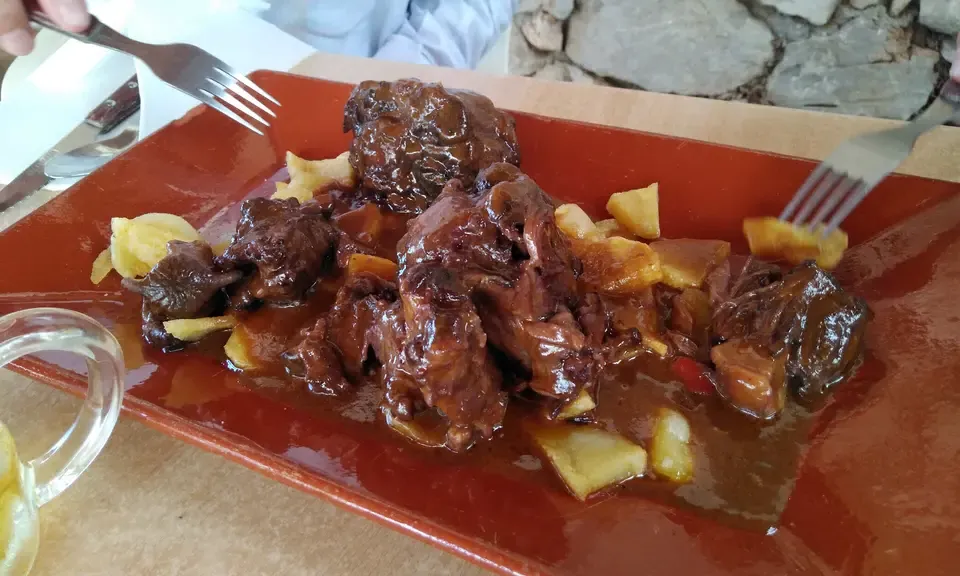
The dishes to know are salmorejo, a cold soup of tomato, bread, olive oil and garlic that originated in Córdoba, and flamenquín, jamón serrano wrapped in pork loin, breaded and deep-fried. Add rabo de toro and berenjenas con miel, and pair them with Montilla-Moriles wine.
For where to sit down, the top 10 restaurants list is the shortlist. To eat by the small plate, use the tapas guide, and for the bigger picture of the local table read Córdoba gastronomy.
Where to stay in Córdoba
Stay in or next to the Judería if you want the Mezquita-Catedral within walking distance, since the quarter runs from the Puerta de Almodóvar right up to it. Staying near San Basilio puts you in the Alcázar Viejo district, with its patio zones, and Centro is the other obvious base.
Best area to stay in Córdoba compares districts, and the top 10 hotels guide names specific places. If you are coming for the May festivals, the Patio Festival guide is worth reading before you book.
Find a place to stay in Córdoba
We earn a small commission if you book a hotel through this search — at no extra cost to you.
Compare hotels in the Judería and the historic centre for your dates.
Day trips from Córdoba
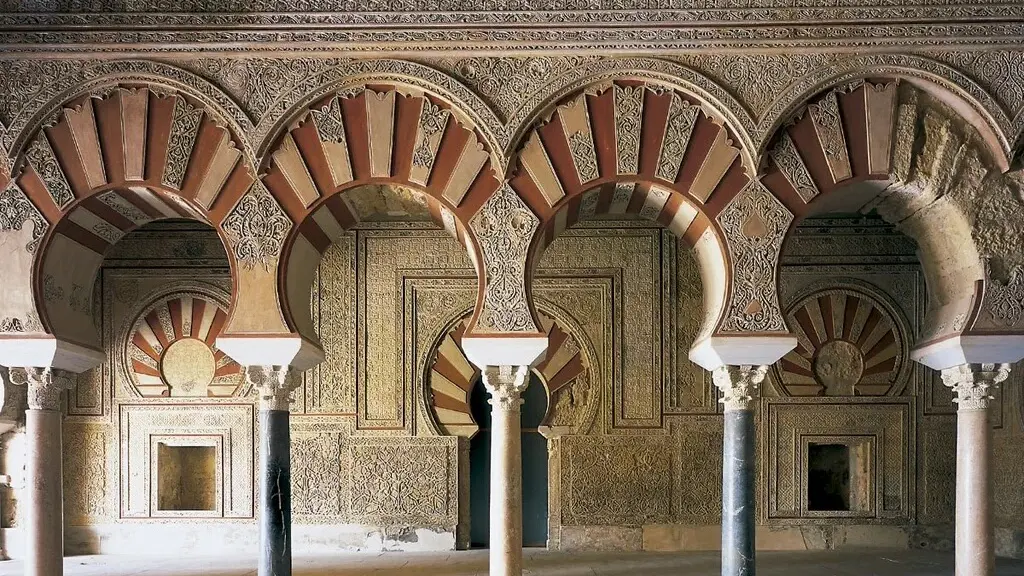
The classic excursion is Medina Azahara, 8 km from the city: a mid-10th-century Umayyad city built as the seat of the Caliphate of Córdoba, inscribed on the World Heritage List in 2018. The ideal city it was meant to be lasted only about seventy years.
Admission rules and transport to the site change, so use Medina Azahara tickets before you go. For other options see day trips from Córdoba.
Córdoba on a budget
Your biggest controllable costs in Córdoba are monument admissions, hotel dates and how often you eat sit-down meals. Walking the old town, the Roman Bridge and the patios during the festival costs little, and the free visiting hour at the Mezquita is a saving for early risers (conditions on Mezquita tickets).
Córdoba travel cost adds up a realistic trip, Córdoba on a budget shows where to cut, and passes and tickets explains whether a combined ticket pays off.
Dishes and drinks to try




Frequently Asked Questions
Is Córdoba worth visiting?
Yes, if you want one of Spain's densest concentrations of heritage in a city you can cover on foot: the UNESCO-listed historic centre holds the Mezquita-Catedral, the Judería and the Roman Bridge within 80.28 hectares. The full case, including who it suits least, is in is Córdoba worth visiting.
How many days do you need in Córdoba?
It depends on how many monuments you go inside rather than walk past, and whether you add Medina Azahara. How many days in Córdoba breaks the answer down by trip length and pace.
What is Córdoba famous for?
The Mezquita-Catedral, which the city's tourism office calls the most important monument of the Islamic West, the Patio Festival, inscribed by UNESCO in 2012, and dishes such as salmorejo. Start with things to do in Córdoba or the UNESCO heritage guide.
When is the best time to visit Córdoba?
Avoid July and August if you dislike heat: average highs reach about 37 °C. The patios open for twelve days at the start of May. Month-by-month advice is on the best time to visit Córdoba.
Where should first-time visitors stay in Córdoba?
Most first-timers do well in or beside the Judería, which runs from the Puerta de Almodóvar to the Mezquita-Catedral. Best area to stay in Córdoba compares the districts, and the top 10 hotels list narrows the choice.
Official sources
7 references Show Hide
- UNESCO - Historic Centre of Córdoba (opens in a new tab)
World Heritage inscription, extent and listed area of the historic centre
- UNESCO - Medina Azahara (opens in a new tab)
World Heritage inscription of the Caliphal city, 2018
- UNESCO - Fiesta of the Patios in Córdoba (opens in a new tab)
Intangible Cultural Heritage listing, 2012
- Córdoba Tourism Office - Mezquita-Catedral (opens in a new tab)
Official description and history of the monument
- Mezquita-Catedral - Tickets and hours (opens in a new tab)
Official ticketing and visiting hours
- Andalucía.org - Patios de Córdoba (opens in a new tab)
Regional tourism board page on the May patio festival
- Spain.info - Jewish Quarter of Córdoba (opens in a new tab)
National tourism board overview of the Judería and its synagogue