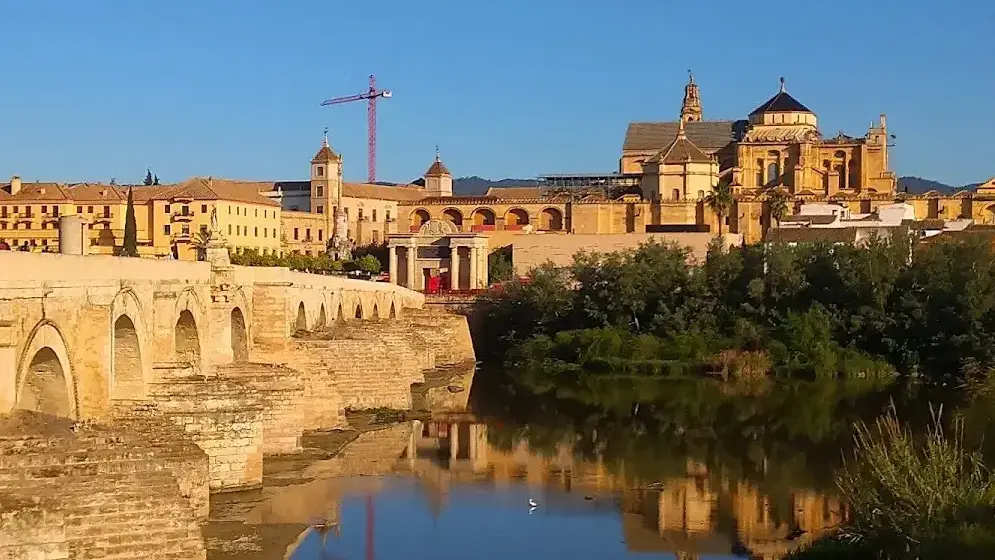
Planning guide
Day Trips from Córdoba: Best Excursions in Andalusia
Seville in 45 minutes by train. Granada's Alhambra in under two hours. Medina Azahara for €10 on a shuttle. Córdoba puts half of Andalusia within easy reach.

Written by
María Fernanda González Ten years covering Córdoba's UNESCO heritage sites, sourcing from Junta de Andalucía documentation.
Updated Published
Córdoba sits almost exactly in the middle of Andalusia, which makes it one of the best bases in southern Spain. Seville and Granada — two of the most visited cities in the country — are both under two hours away by AVE. Ronda's famous gorge, the whitewashed villages of the Subbética and the UNESCO ruins of Medina Azahara are all doable in a day without setting foot on a motorway.
This guide covers 14 destinations organised by distance and travel type, plus transport options (train, bus, car, organised tours), four sample itineraries and the seasonal advice that actually matters. Not sure if a day trip is enough? Our day trip vs overnight guide compares what you gain by staying.
Good to know: Córdoba's AVE station connects directly to Seville (45 min), Granada (1h45), Málaga (2h) and Antequera (1h). No flight needed — you're already at the heart of the high-speed network.
Compare car rental prices
We earn a small commission if you book a car through this search — at no extra cost to you.
Renting for the day? Compare prices from Hertz, Europcar, Avis and more.
On this page
Jump to a section
At a glance: 14 day trips from Córdoba
| Destination | Travel time | Best for | Duration |
|---|---|---|---|
| Seville | 45 min AVE | Alcázar, flamenco, architecture | Full day |
| Medina Azahara | 8 km / shuttle €10 | UNESCO palace ruins, history | 2–3 hours |
| Almodóvar del Río | 28 min car / 30 min bus | Medieval castle, Game of Thrones | 2–3 hours |
| Écija | 50 min bus | Baroque towers, Roman mosaics | 4–5 hours |
| Montilla wine region | 40 min bus | Bodegas, Montilla-Moriles wines | Half day |
| Antequera | 1h AVE | Megalithic tombs, El Torcal | 5–7 hours |
| Granada | 1h45 AVE | Alhambra, Albaicín | Full day |
| Baena / Olive Oil Route | 45 min car | DOP olive oil, mill visits | Half to full day |
| Jaén | 1h45 train | Olive oil capital, Renaissance cathedral | Full day |
| Zuheros / Subbética | 1h15 car | White village, Bat Cave, hiking | Full day |
| Ronda | 2h15 train / 2.5h car | Puente Nuevo gorge, bullring | Full day or overnight |
| Setenil de las Bodegas | 22 min from Ronda | Cave houses, white village | 2 hours |
| Málaga | 2h AVE | Picasso Museum, beaches, seafood | Full day |
| Carmona | via Seville, €30–45 | Roman necropolis, combine with Seville | Full day |
| Priego de Córdoba | 1h20 car / 2h bus | Baroque fountains, white village, olive oil | Full day |
Major cities by AVE
Seville
45 min AVEThe capital of Andalusia and arguably the best single day trip from Córdoba. The Real Alcázar alone is worth the journey — a 14th-century royal palace still used by the Spanish royal family. The Cathedral (where Columbus is buried) and the Plaza de España round out the morning. After lunch, catch a flamenco show in Triana or walk along the Guadalquivir.
- Train: €10–20 one way, 20+ departures/day from renfe.com
- Highlights: Real Alcázar, Cathedral & Giralda, Plaza de España, Triana district
- Tip: Book Alcázar tickets online (€14.50) — queues at the door are brutal in spring
See our Córdoba vs Granada vs Seville comparison if you're deciding which to visit.
Granada
1h45 AVEThe Alhambra is one of those places that genuinely lives up to the hype. The Nasrid Palaces, with their carved stucco and reflecting pools, are unlike anything else in Europe. After the palace, the Albaicín neighbourhood and the San Nicolás viewpoint at sunset are both worth the walk. A full day is tight but doable.
- Train: €22–50 one way, 4–6 departures/day
- Highlights: Alhambra & Generalife, Albaicín, San Nicolás viewpoint
- Book Alhambra tickets well in advance at alhambra-patronato.es (€22.27, timed entry — sells out weeks ahead)
Coming the other way? See the Granada to Córdoba guide, or the Córdoba vs Granada comparison if you haven't decided yet. Planning a longer Granada stay? Explore Granada is a complete guide to the city.
Málaga
2h AVEThe furthest of the AVE destinations but worth it for a different kind of day. Picasso's birthplace has an excellent museum, a Roman theatre, a Moorish Alcazaba and actual beaches within walking distance of the centre. Lunch at a chiringuito with espetos (grilled sardines on bamboo skewers) is a rite of passage. Best May–June or September–October before and after peak summer crowds.
- Train: €30–50 one way, book early on renfe.com
- Highlights: Picasso Museum, Alcazaba, Pedregalejo beach, espetos
- Best season: May–June or September–October
See our Córdoba vs Málaga comparison for help deciding between the two.
Antequera
1h AVEAntequera is underrated. The UNESCO-listed megalithic dolmens (Menga, Viera, El Romeral) predate Stonehenge by over a thousand years. The Alcazaba gives you views over the entire plain. The real wildcard is El Torcal, a limestone karst landscape an hour's walk from town — alien and beautiful, best in morning light.
- AVE: €11–18 advance, station 18 km out (shuttle €5 or taxi €25)
- Highlights: UNESCO megalithic tombs, Alcazaba, El Torcal rock formations
- Duration: 5–7 hours is comfortable
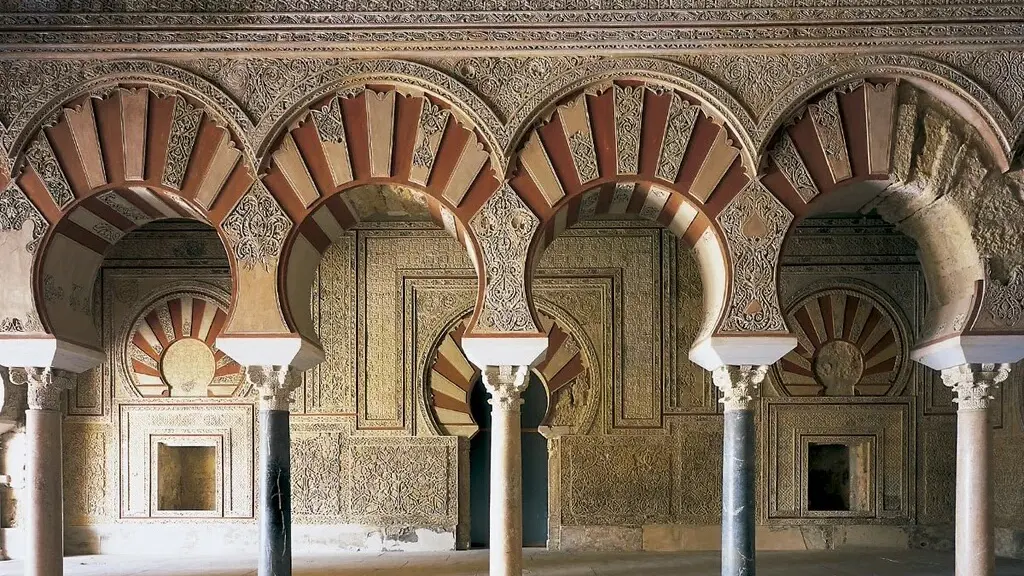
Medina Azahara: 8 km from Córdoba, reachable by a €10 tourist shuttle
Close to Córdoba (under an hour)
Medina Azahara
The ruined capital of the Umayyad Caliphate, built by Abd al-Rahman III in 936 AD. Only a fraction has been excavated — what you see is still astonishing. A UNESCO World Heritage Site since 2018.
Shuttle: €10 return, departs Avenida del Alcázar at 11am (Tues–Sun)
Duration: 2–3 hours
Tickets: Free for EU citizens, €1.50 others — see the tickets and visit guide for timed slots and shuttle details
Worth it? Read the visitor verdict before booking — a 10%-excavated ruin disappoints some visitors, and it explains how to read the foundations on the ground
Tip: Combine with a morning at the Alcázar before catching the shuttle
Écija – City of Towers
Often missed by tourists, Écija has eleven baroque church towers that spike the skyline. The Peñaflor Palace and the municipal museum (Roman mosaics from an excavated circus) are both free or cheap.
Bus: ALSA, 40–50 min, €6–10 return
Duration: 4–5 hours
Note: Écija sits in a valley — hotter than Córdoba in summer. Go in the morning.
Montilla wine region
The Montilla-Moriles D.O. produces fino and amontillado-style wines unfortified — the heat alone raises the alcohol. Several bodegas in Montilla accept walk-in visits. The town itself is small and quiet. See our Montilla-Moriles wine route guide.
Bus: ALSA, 40 min, €5–8 return
Duration: Half day
Best time: October harvest; afternoons year-round
Almodóvar del Río
Twenty-eight minutes west of Córdoba on the A-431, a medieval castle perches on a hill above the Guadalquivir river. The current structure dates to 760 AD, built over a Roman fort, and it looks almost preposterously complete. You may recognise it: the production crew for Game of Thrones used it to stand in for Highgarden and Casterly Rock in Season 7.
Car: 28 min on the A-431, free parking at the base of the hill
Bus: From Córdoba bus station, roughly every 4 hours, 30 min, €3–5
Entry: €11 — hours vary by season, generally 11am–7pm or 8pm. Book on the full castle guide for timed entry and tour options.
Duration: 2–3 hours
Tip: Works well as an afternoon trip after a morning in Córdoba's old town
White villages and nature
Ronda
2h15 by trainRonda's Puente Nuevo bridge, a 98-metre stone span over the El Tajo gorge, is one of the most photographed spots in Andalusia. The old town has the oldest working bullring in Spain (1784), a Moorish Arab bath and views that have made writers from Hemingway to Rilke reach for superlatives. Long day from Córdoba but doable — or stay the night.
- Train: Direct RENFE service, 2h15, €7–13, about 4 departures/day — book at renfe.com
- Car: 2.5h via A-45 and A-357 (the last stretch is not motorway)
- Bus: No direct service from Córdoba. Connections via Antequera take 3h+.
- Highlights: Puente Nuevo, Plaza de Toros (oldest bullring), Arab baths, old town
- Consider overnight: Gives you sunset and sunrise on the gorge
Side trip: Setenil de las Bodegas
Setenil sits 22 minutes south of Ronda, famous for its houses built directly into overhanging rock formations. The main street, Cuevas del Sol, has bars and restaurants tucked under the cliff face — order a coffee and sit with the rock ceiling a metre above your head.
- Bus from Ronda: Mon–Sat, about 45 min, €3–5
- Duration: About 2 hours
- Tip: Go early morning or late afternoon — tour buses arrive between 11am and 2pm
Zuheros & Subbética
1h15 by carZuheros is one of the prettiest white villages in the province — a castle perched above the village, cobbled streets and about 800 inhabitants. The Bat Cave (Cueva de los Murciélagos) has Neolithic paintings. The surrounding Subbética Natural Park is some of the best walking in Córdoba province.
- Car: 1h15 from Córdoba (A-318 via Baena)
- Highlights: Castillo de Zuheros, Bat Cave with Neolithic paintings, Subbética hiking
- Combine with: Baena olive oil route (30 min detour)
- Best season: Spring and autumn — summer heat in the park is serious
Baena & the olive oil route
45 min by carThe area around Baena produces some of Spain's best olive oil under the Baena DOP. Several mills (almazaras) open for visits and tastings, especially during harvest season from October to November. Baena itself has a Moorish castle and a decent old quarter.
- Car: 45 min on N-432 — a car is essential here
- Highlights: Mill visits, DOP olive oil tastings, Baena castle
- Best time: October–November harvest; spring for wildflowers on the route
Jaén
1h45 by trainJaén is the olive oil capital of the world — the province produces more than Greece in its entirety. The Renaissance cathedral is one of the finest in Spain (Vandelvira, 16th century). The Castillo de Santa Catalina above the city is magnificent, with a parador inside. Less visited than Granada or Seville, which is part of its appeal.
- Train: ~1h45, €12–19 one way (direct MD service)
- Highlights: Renaissance cathedral, Castillo de Santa Catalina, free Arab baths
- Full day: Comfortable — leave Córdoba at 8am, back by 8pm
Priego de Córdoba
1h20 by carThe self-styled Baroque Capital of Andalusia, 50 km southeast of Córdoba. The Fuente del Rey — a monumental fountain with 139 water jets and mythological sculptures — is one of the finest Baroque fountains in Spain. The Iglesia de la Asunción has a Sagrario chapel of exceptional gilded plasterwork. The medieval Barrio de la Villa quarter, with its cobbled lanes and geranium-draped houses, ends at the Balcón del Adarve viewpoint overlooking a sea of olive groves. A guided day trip from Córdoba covers all the main sites with transport included.
- Car: 1h20 from Córdoba — free parking on town outskirts
- Bus: Autocares Carrera, 2–2.5h, €7–9 each way, 3–4 departures/day
- Highlights: Fuente del Rey, Iglesia de la Asunción, Barrio de la Villa, Balcón del Adarve, Priego Castle
- Best season: Spring and autumn — geraniums in full bloom, comfortable walking temperatures
Nerja
2h by carThe Mediterranean coast, 185 km south. Nerja's draw is a combination of caves and beach: the Cuevas de Nerja contain Paleolithic paintings up to 40,000 years old and one of the world's largest stalactites, and the Balcón de Europa terrace looks straight out over the sea. Playa de Burriana at the eastern end of town is the best beach for a day trip — calm water, sunbeds, decent chiringuitos.
- Car: 2h via A-45 south and A-7 east along the coast
- Public transport: Train to Málaga (1h15, from €15) + ALSA bus to Nerja (1h, ~€5) — no direct train
- Highlights: Cuevas de Nerja (€12, book ahead in summer), Balcón de Europa, Playa de Burriana
- Full day: Leave by 8am, arrive ~10:30am, return by 8pm
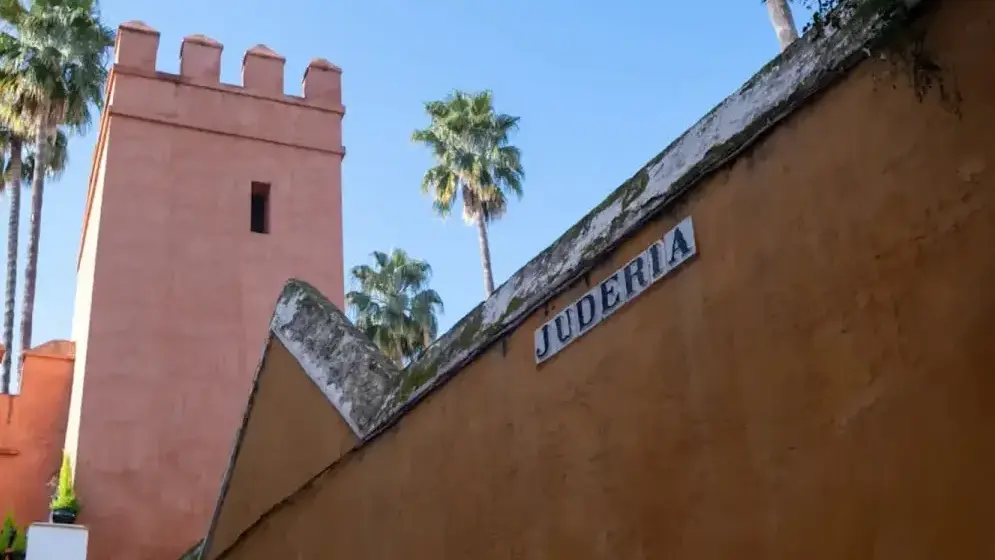
The Jewish Quarter makes a good starting point for a morning in Córdoba before catching a train
Getting there: transport options
AVE high-speed train
The fastest and most comfortable option for Seville, Granada, Málaga and Antequera. Frequent departures, city-centre to city-centre, no airport faff.
- Seville: 45 min, €10–20
- Antequera: 1h, €11–18 advance
- Granada: 1h45, €22–50
- Ronda: 2h15, €7–13
- Málaga: 2h, €30–50
Book 1–7 days ahead on renfe.com for Promo fares. Book Granada at least 2 weeks ahead if possible — capacity is limited.
Regional bus (ALSA)
Cheaper and slower. Connects Córdoba to Écija, Montilla and Jaén (also by train). Good for budget travel.
- Montilla: 40 min, €5–8
- Écija: 50 min, €6–10
- Ronda: No direct service (3h+ via Antequera)
Book at alsa.com. The Supra+ service has bigger seats and more legroom for longer routes.
Hire car
The only practical option for Zuheros, Baena, Almodóvar del Río and combinations along the olive oil route. €30–50/day from major companies at the AVE station.
- Essential for: white villages, olive oil & wine routes, Subbética, Almodóvar del Río
- Cost: €30–50/day (book ahead in high season)
- Parking: Small villages have free parking; pay car parks in Ronda town
Organised day tours
Useful for Medina Azahara (the tourist shuttle is an organised service at €10), and handy for Granada if you want the Alhambra included and skip the booking headache. Viator and GetYourGuide both run from Córdoba.
- Medina Azahara shuttle: €10, 11am daily, departs Avenida del Alcázar
- Granada with Alhambra: From €60–90 with transport + ticket
- Ronda + white villages: From €45 (full day minibus)
Sample itineraries
Classic Andalusia (2 days of trips)
Day 1 — Seville
Take the 8am AVE (45 min). Real Alcázar first (book tickets the evening before). Cathedral and Giralda after lunch. Tapas in Triana. Evening AVE back to Córdoba.
Day 2 — Granada
Early AVE (7am), head straight to the Alhambra (pre-booked timed entry). Afternoon in the Albaicín. San Nicolás at sunset. Return train from 7pm. See our Córdoba to Granada guide for full logistics.
White villages by hire car (2 days)
Day 1 — Ronda
Take the direct train (2h15). Puente Nuevo gorge and old town in the morning. After lunch, add a 22-minute detour to Setenil de las Bodegas for its cave houses — bars tucked under overhanging rock, cold beer, worth the small detour. Overnight in Ronda for sunset and sunrise views over the Tajo.
Day 2 — Zuheros & Priego de Córdoba
Drive northeast: Zuheros for the Bat Cave and castle, then Priego de Córdoba (Baroque fountains, Barrio de la Villa). Back to Córdoba by evening.
Olive oil and wine (1 full day by car)
Leave Córdoba at 9am. Montilla bodegas (40 min): fino and amontillado tastings at a local bodega — most open without prior booking on weekdays. Baena (20 min further): visit an almazara and pick up DOP oil. Afternoon in Zuheros (30 min from Baena). Back by 7pm. October is ideal — harvest is active and everything smells of new oil.
Beach and culture (1 day, Málaga)
Take the 7:30am AVE to Málaga (2h). Picasso Museum opens at 10am — allow 90 minutes. Walk to the Alcazaba and Roman theatre (free entry). Lunch at a chiringuito on Pedregalejo beach: a plate of espetos and cold local wine. Return AVE at 6 or 7pm. Best May–June or September.
Seasonal tips
Spring & autumn (best)
March–May and September–October give you comfortable temperatures (18–28°C), manageable crowds and the best light for photography. Book Alhambra and Alcázar tickets further ahead than you think you need to — they sell out.
Summer (hot — plan accordingly)
July–August temperatures reach 35–40°C. Málaga beach makes sense (sea breeze). For inland destinations like Ronda or Zuheros, leave Córdoba before 7am and finish sightseeing by noon. Afternoon is for shade and cold drinks.
Winter (quiet, good value)
November–February has few crowds and mild days (12–18°C). Seville and Granada are lovely without the queues. Mountain destinations like Ronda can have rain and cold; the Subbética trails may be slippery. Hotel prices drop significantly.
Practical tips
Book Alhambra tickets the moment you know your dates
Timed entry (€15) at alhambra-patronato.es. They sell out weeks, sometimes months, in advance during peak season.
Book AVE tickets 1–7 days ahead on renfe.com
Promo fares are 30–50% cheaper than walk-up prices. A same-day Córdoba–Seville ticket can cost three times more than one booked a week before.
Spanish lunch runs 1:30–4pm; dinner from 8:30pm
If you want to eat properly in Seville or Granada, build the timetable around lunch. Most kitchens close between 4pm and 8pm.
Bring sunscreen, a hat and a refillable water bottle
Even in spring, Andalusia's sun is fierce. Córdoba, Seville and Écija regularly record Spain's highest summer temperatures. Tap water is drinkable everywhere.
Museum hours: typically 10am–2pm and 5–8pm
Many smaller museums in villages close entirely on Mondays. Medina Azahara is closed Mondays too — the shuttle only runs Tuesday to Sunday.
A hire car opens up the most interesting options
The AVE is fast and convenient for cities. But the Subbética, Baena's oil mills and the route through white villages are car territory — public transport is sparse and slow.
Planning your time in Córdoba?
Day trips work best when you have a base you like coming back to. These guides cover what to do in the city itself.
Rent a car in Córdoba
We earn a small commission if you book a car through this search — at no extra cost to you.
Most day trips are faster and more flexible by rental car. Compare prices from major providers.
Further reading
Useful resources
3 references Show Hide
- Renfe – AVE high-speed trains (opens in a new tab)
Book AVE tickets for Seville, Granada, Málaga, Antequera and beyond
- Alhambra official ticket office (opens in a new tab)
Official Alhambra booking — the only reliable source for timed-entry tickets
- ALSA regional coaches (opens in a new tab)
Bus timetables and fares for Écija, Montilla, Ronda via Seville and more
Recommended Tours & Activities
Tours are selected for quality, not commission. We earn a small fee if you book — at no extra cost to you.
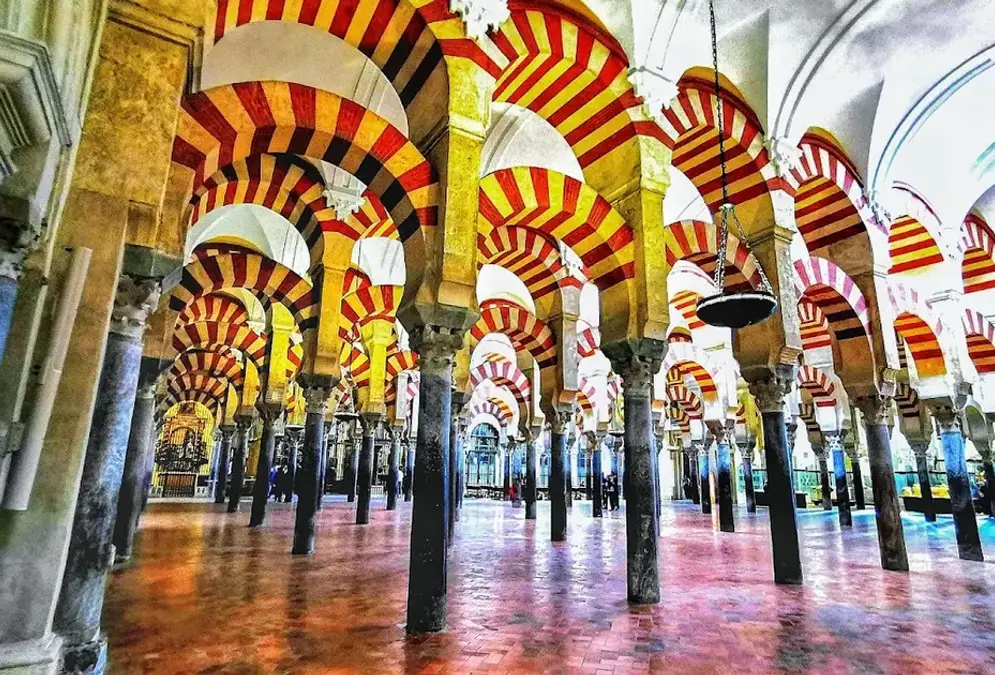
From Seville: Córdoba Full-Day Tour
Discover Córdoba on a guided full-day trip from Seville. Visit the Mezquita-Cathedral, stroll the Jewish Quarter, and explore the Alcázar with a knowledgeable guide. Transport included.
10 hours
From €55
4.6 (781 reviews)
Reserve Your Spot
✓ Verified GetYourGuide reviews
From Córdoba: Caminito del Rey Guided Day Trip
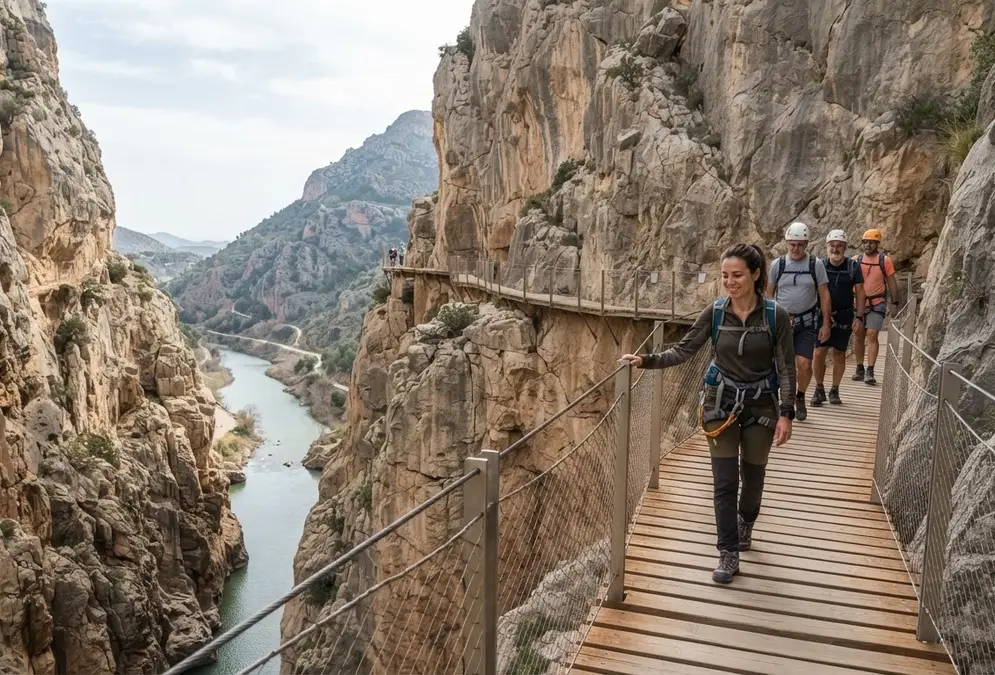
Join a guided group day trip from Córdoba to walk the legendary Caminito del Rey suspended walkway. Transport, guide, and entry included for a hassle-free adventure through the dramatic Gaitanes Gorge.
Full day
From €55
Reserve Your Spot