~54 km from Córdoba
Écija Day Trip from Córdoba
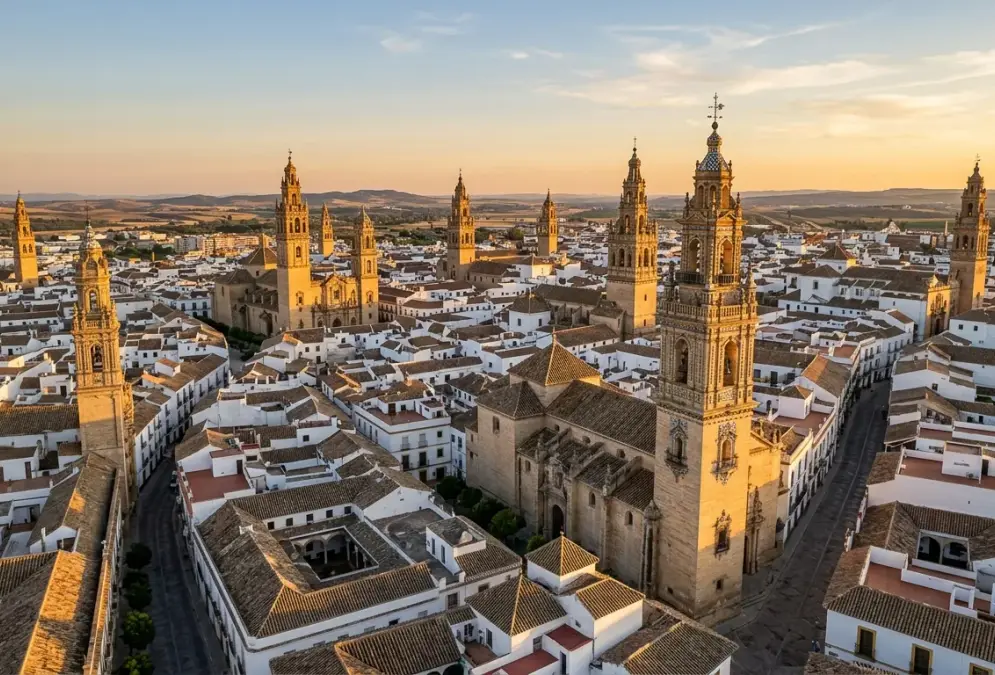
Forty minutes by bus from Córdoba sits one of the most overlooked Baroque towns in Spain. Eleven church towers, a dozen 18th-century palaces, Roman mosaics from the lost city of Astigi — and a summer reputation for temperatures no one should willingly walk through.

Written by
Carmen Ruiz Montoya Eight years of field research on hiking routes and natural parks in Córdoba province.
Updated Published
On this page
Jump to a section
- Distance
- ~54 km from Córdoba
- By bus (ALSA)
- 40–50 min · from €6
- By car
- ~45 min via A-4
- Duration
- Half to full day (4–5 hours on site)
- Best season
- October–April · avoid July–August
- Main draw
- 11 Baroque towers + Astigi mosaics
Écija is sometimes called la ciudad de las torres, the city of towers, and for once the nickname is earned. Eleven Baroque bell towers rise above a compact old quarter of Andalusian white, gold and terracotta. The 18th-century palaces of Peñaflor and Benamejí stand within a few minutes of each other, and the municipal museum inside Benamejí holds a small but remarkable collection of Roman mosaics from the excavated circus of Astigi, Écija's Roman predecessor. The town sits 54 km west of Córdoba on the A-4, and the ALSA bus gets you there in under an hour for the price of two coffees.
Check the calendar before booking
Écija regularly records the highest summer temperatures in Spain, with readings of 46°C and above in the most extreme heatwaves. From June to September, midday streets become genuinely dangerous. Plan this trip between October and April. If you must go in summer, take the 08:00 bus and finish sightseeing by noon.
How to get there
Bus (ALSA)
RecommendedDirect, no transfer
- Journey time
- 40–50 min
- Price (single)
- from €6
- Frequency
- ~4–5 departures/day
- Departure
- Estación de Autobuses
ALSA's Córdoba–Sevilla service stops at Écija, and most buses are non-stop. The early departure around 08:00 is the one to take — it puts you in Écija before the churches open for morning visits. Return buses run through the afternoon and into the evening. Buy the ticket online; the fare can double at the counter on the day.
Check schedules on ALSABy car
Useful if continuing to Seville
- Journey time
- ~45 min
- Distance
- ~54 km
- Route
- A-4 motorway, exit 452
- Parking
- Free lots on town edges
The A-4 from Córdoba is fast, flat motorway most of the way. Free parking is available along Avenida de Andalucía and on the outskirts of the historic quarter; the old centre itself is a maze of one-way streets you'll want to avoid. The main advantage of the car is flexibility — you can pick up Écija as a morning stop and continue to Seville (another 85 km) or loop back to Córdoba in your own time.
No train to Écija
Renfe does not serve Écija. The town sits off the Córdoba–Seville high-speed corridor, and there is no conventional station either. Bus or car are the only options.
What to see in Écija
Start here 30–45 min · Free
Plaza de España and the tower skyline
Locally known as El Salón, Plaza de España is the centre of the old town and the best place to register why Écija earned its nickname. From the edges of the square and the adjacent Mirador de Peñaflor, the bell towers of Santa María, San Juan Bautista, Santa Cruz and San Gil appear within a few minutes' walk of one another. Most are 18th-century Baroque, though San Gil is earlier Gothic-Mudéjar. The tourist office sits on the plaza itself if you want current opening hours for individual churches.
Iglesias 1.5–2 hours · small donations
Santiago, San Juan and the church interiors
Three of Écija's churches reward a look inside. San Juan Bautista has the most distinctive tower in town, a late 18th-century confection of carved brick and glazed ceramic with elaborate plasterwork interiors. Santiago combines a Mudéjar core with Baroque additions and retains fine 15th-century altarpieces. Santa Cruz keeps a Palaeo-Christian sarcophagus with Greek inscriptions in its courtyard, a reminder that Écija's Christian story begins long before the Baroque.
Opening hours for individual churches vary by season and by whether a caretaker is on duty; some ask a small donation at the door. The tourist office on Plaza de España keeps an updated list — worth a five-minute stop before you start walking.
18th-century palace 30–45 min
Palacio de Peñaflor
The Marqués de Peñaflor's 18th-century palace runs along a long curved street — the façade is among the most photographed in Écija, with a continuous iron-railed balcony above frescoed walls that have faded beautifully. The interior courtyard is open to visitors when the building is staffed; check with the tourist office for current hours. Even if you only see the exterior, it's worth the walk.
Roman Astigi 45 min–1 hour
Museo Histórico Municipal (Palacio de Benamejí)
The Benamejí Palace houses the municipal museum, and its centrepiece is a collection of Roman mosaics excavated from the circus and villas of Colonia Augusta Firma Astigi, the Roman city that occupied the same site from 14 BC. The Astigi mosaics are among the best preserved in Andalusia. Entry is inexpensive; opening hours are worth confirming on the day — contact the tourist office (+34 955 902 933) to avoid an unlucky visit.
A sad footnote: Écija's Roman forum, bath house and temple were destroyed in 1998 to build a car park. What survives is in the museum.
Half-day itinerary
Timing note
This itinerary assumes the 08:00 ALSA bus from Córdoba, arriving in Écija around 08:45. Confirm the first departure on alsa.com the night before. A later start still works in winter, but you lose the cooler morning hours.
8:00
Depart Córdoba
ALSA bus from Estación de Autobuses (Plaza Tres Culturas). Buy online for the €6 fare.
8:45
Arrive Écija
The bus drops you on Avenida Genil. Walk ten minutes up through the old streets toward Plaza de España — shaded by the buildings, this is the coolest the town will be all day.
9:00
Plaza de España + coffee
Scope out the tower skyline from the plaza, stop at the tourist office for a list of which churches are open, and have a coffee before setting out.
9:30
Church tour
San Juan Bautista for the tower, Santa María for the altar, Santiago for the Mudéjar-Baroque mix. Keep it to three churches unless you're a devoted iglesófilo.
11:00
Palacio de Peñaflor
Photograph the long façade from the street, and step into the courtyard if it's open.
11:45
Benamejí museum
The Roman mosaics of Astigi. Small, well lit, doable in under an hour.
Afternoon
13:00
Lunch
The restaurants around Plaza de España serve reliable Andalusian menús del día for €12–15. Hispania on Calle del Conde, a block off the plaza, is a traditional option. Try the gazpacho and flamenquín — you're in the right part of Andalusia for both.
14:30
Optional: Iglesia de los Descalzos or the Alcázar ruins
If you have energy left, the Baroque Iglesia de los Descalzos has an interior worth the detour. The scant remains of the Moorish alcázar sit near the plaza. In summer, skip this — take the earlier bus home.
15:30
Return to Córdoba
The afternoon ALSA back to Córdoba gets you home well before dinner. Confirm the return schedule when you arrive — there are fewer services in the late afternoon than in the morning.
Beating the heat
The nickname is not decorative. Écija sits in a flat basin of the Guadalquivir valley with little shade beyond the old-town streets themselves. In July and August, afternoon temperatures regularly sit between 38 and 42°C, and the town posts some of Spain's highest summer readings year after year, with 46°C and above recorded in the most extreme heatwaves. If you are travelling with children, anyone elderly, or anyone not acclimatised to extreme heat, treat summer Écija as off-limits.
If you go in summer
- Take the first bus out (around 08:00)
- Plan to be indoors between 13:00 and 19:00
- Carry 1.5 litres of water per person, minimum
- Tap water and town fountains are safe — refill as you go
- Wear a hat; stick to the shaded side of streets
Better months
- March–May: wildflowers, cool mornings, long daylight
- October–November: harvest season, warm but manageable
- December–February: mild days (12–18°C), very few crowds
- Holy Week processions are a reason in themselves
Budget for the day
Estimated cost per person
Return bus (ALSA) €12
Museum + church donations €4–8
Lunch (menú del día) €12–18
Coffee + miscellaneous €4–8
Estimated total €32–46
Money-saving tips
- Book the ALSA fare online — walk-up prices can double
- Church entry is free or donation-based; no combined pass exists
- The Benamejí museum is one of the cheapest in Andalusia
- A picnic from Córdoba avoids the restaurant markup
Still to do in Córdoba?
Tours are selected for quality, not commission. We earn a small fee if you book — at no extra cost to you.
Combine a day trip to Écija with skip-the-line access for the Mezquita on another day.
Best Seller
Top Rated
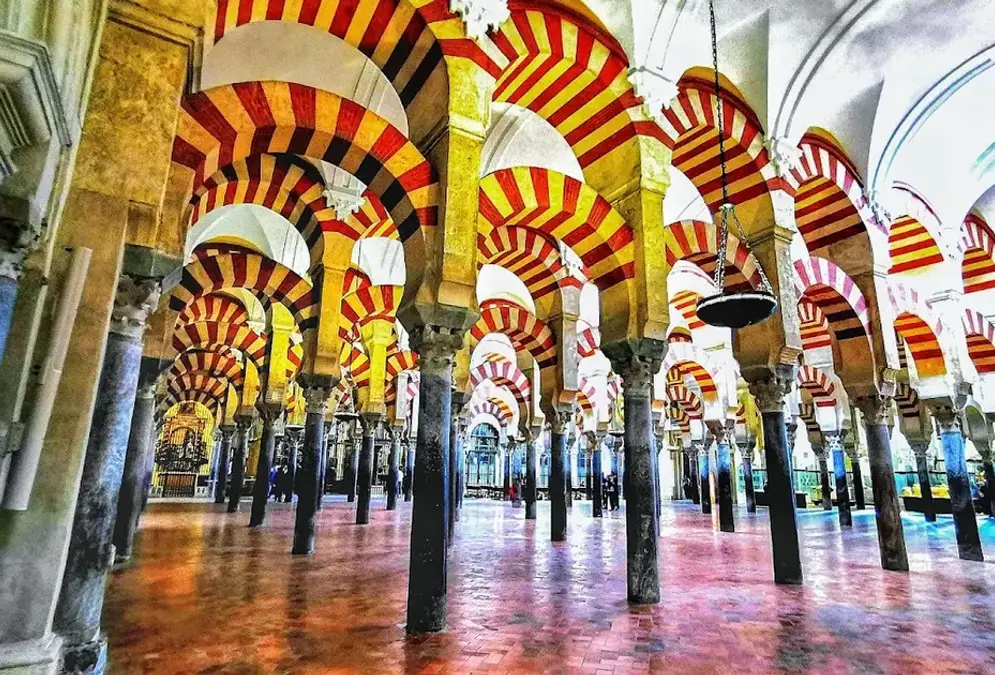
Mosque-Cathedral Skip-the-Line Guided Tour
Skip the queue and explore the Mezquita-Cathedral with a knowledgeable local guide. Discover 13 centuries of layered history in one of Spain's most iconic monuments.
Skip the line 1.5 hours
From €29
4.7 (7,293 reviews)
Reserve Your Spot
✓ Verified GetYourGuide reviews
Books up weeks ahead in peak season
Córdoba Guided Tour: Mosque, Jewish Quarter & Alcazar
Three-hour circuit of the Mezquita's 856-column prayer hall, the Jewish Quarter's whitewashed lanes, and the Alcázar's Roman mosaics. Skip-the-line access included.
Skip the line 3 hours
From €45
4.5 (615 reviews)
Reserve Your Spot
✓ Verified GetYourGuide reviews
Guided City Tour by Tuk-Tuk
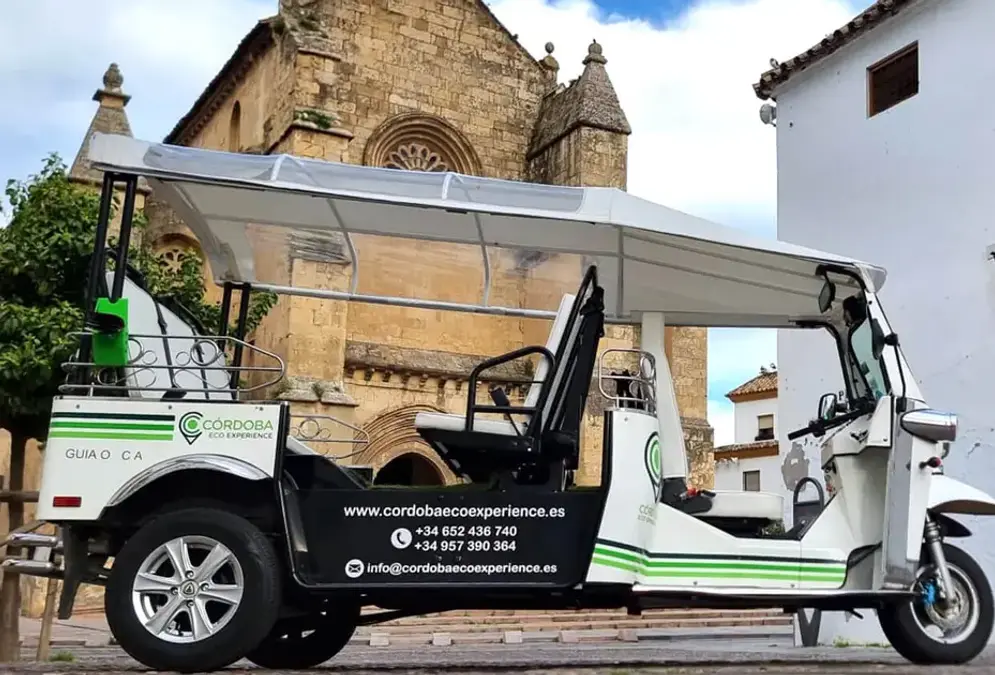
Zip through Córdoba's historic streets aboard a fun electric tuk-tuk. A comfortable, entertaining way to cover the main sights with a live guide narrating along the way.
1 hour
From €25
4.9 (347 reviews)
Reserve Your Spot
✓ Verified GetYourGuide reviews
Rent a car in Córdoba
We earn a small commission if you book a car through this search — at no extra cost to you.
ALSA buses cover the Córdoba to Écija route, but a rental car opens up Carmona and Marchena on the same day.
Frequently asked questions
How long is the bus from Córdoba to Écija?
ALSA runs direct buses from Córdoba's Estación de Autobuses to Écija in about 40 to 50 minutes. Fares start at €6 one way. There are usually four or five departures a day; check alsa.com for the current timetable before you book.
Is Écija worth a day trip from Córdoba?
Yes, especially in the cooler months. Eleven Baroque church towers, half a dozen 18th-century palaces, and Roman mosaics from the ancient city of Astigi give the town a distinct identity from Córdoba. Four to five hours on the ground is enough to see the main sights at a reasonable pace.
When is the best time of year to visit Écija?
October to April. Écija is known as la sartén de Andalucía — the frying pan of Andalusia — and summer temperatures regularly exceed 40°C, with a record of 46.6°C. If you have to go in July or August, take the earliest bus and be off the streets by noon.
Can you combine Écija with Seville in one trip?
Yes. Écija sits roughly halfway between Córdoba and Seville on the A-4, so it works as a stopover. ALSA buses continue from Écija to Seville in about 1h15. If you're driving, the town is an easy detour off the motorway.
Is Écija walkable from the bus station?
Yes. The bus stop on Avenida Genil is about a 10-minute walk from Plaza de España, the main square. The historic quarter is compact — you can see most of the church towers, the Palacio de Peñaflor and the Benamejí Palace museum on foot in an afternoon.
Eleven bell towers on a town this size is already an argument for the detour; the Roman mosaics under the streets of ancient Astigi make it stranger still. The Baroque here is not polished for tour buses — it is lived in, faded in the right places, and still at work as a parish town. Take the early bus, stay for lunch, and come home before the sun turns the streets molten.
Further reading
Useful resources
3 references Show Hide
- ALSA – Córdoba to Écija bus (opens in a new tab)
Book ALSA bus tickets — 40 to 50 minutes, fares from €6
- Écija tourism office (opens in a new tab)
Official tourist information — monument opening hours, current events
- Spain.info – Écija (opens in a new tab)
Overview of the town's Baroque architecture and Roman heritage