Articles · Roman Corduba
Roman Córdoba: Articles on Corduba and Its Legacy
Capital of Baetica, home of Seneca and Lucan, and a bridge you can still walk.
These articles cover how a provincial capital was run, the roads and buildings that survive, and the writers and families tied to it. Written for readers who want the Roman layer of the city explained.
25 articles · 206 BCE–572
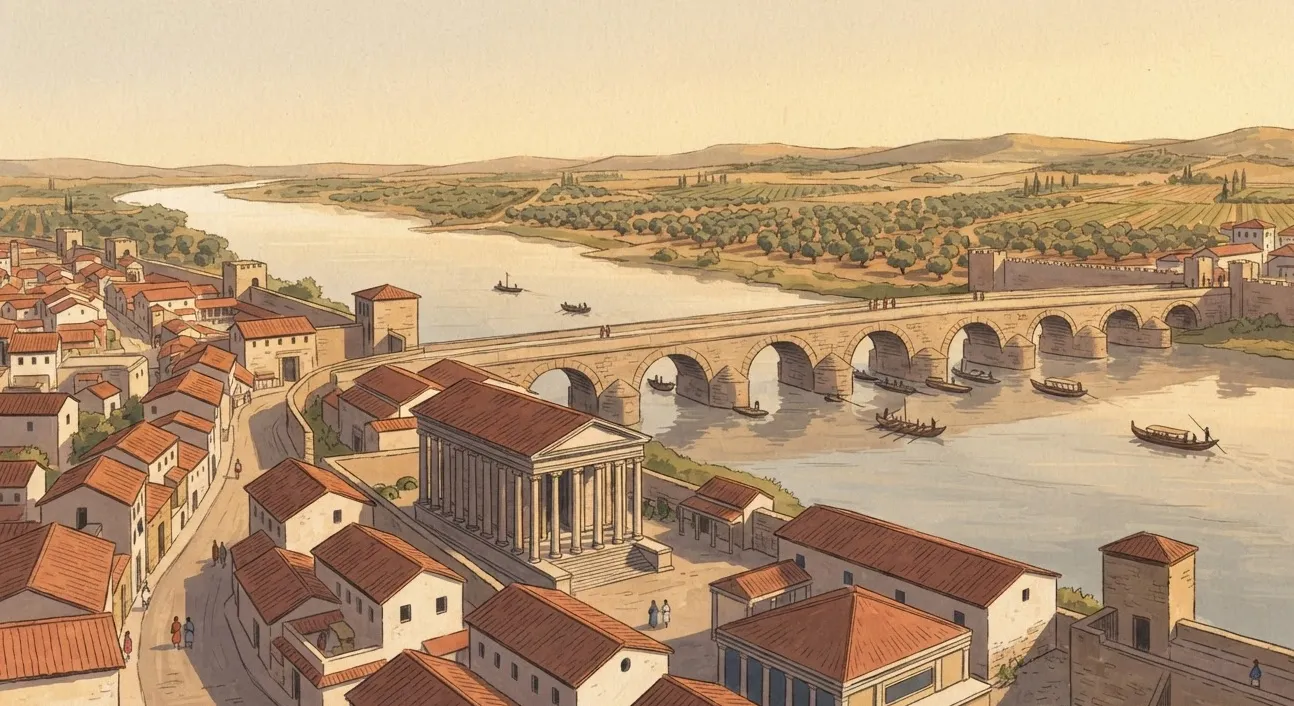
Articles on Roman Corduba
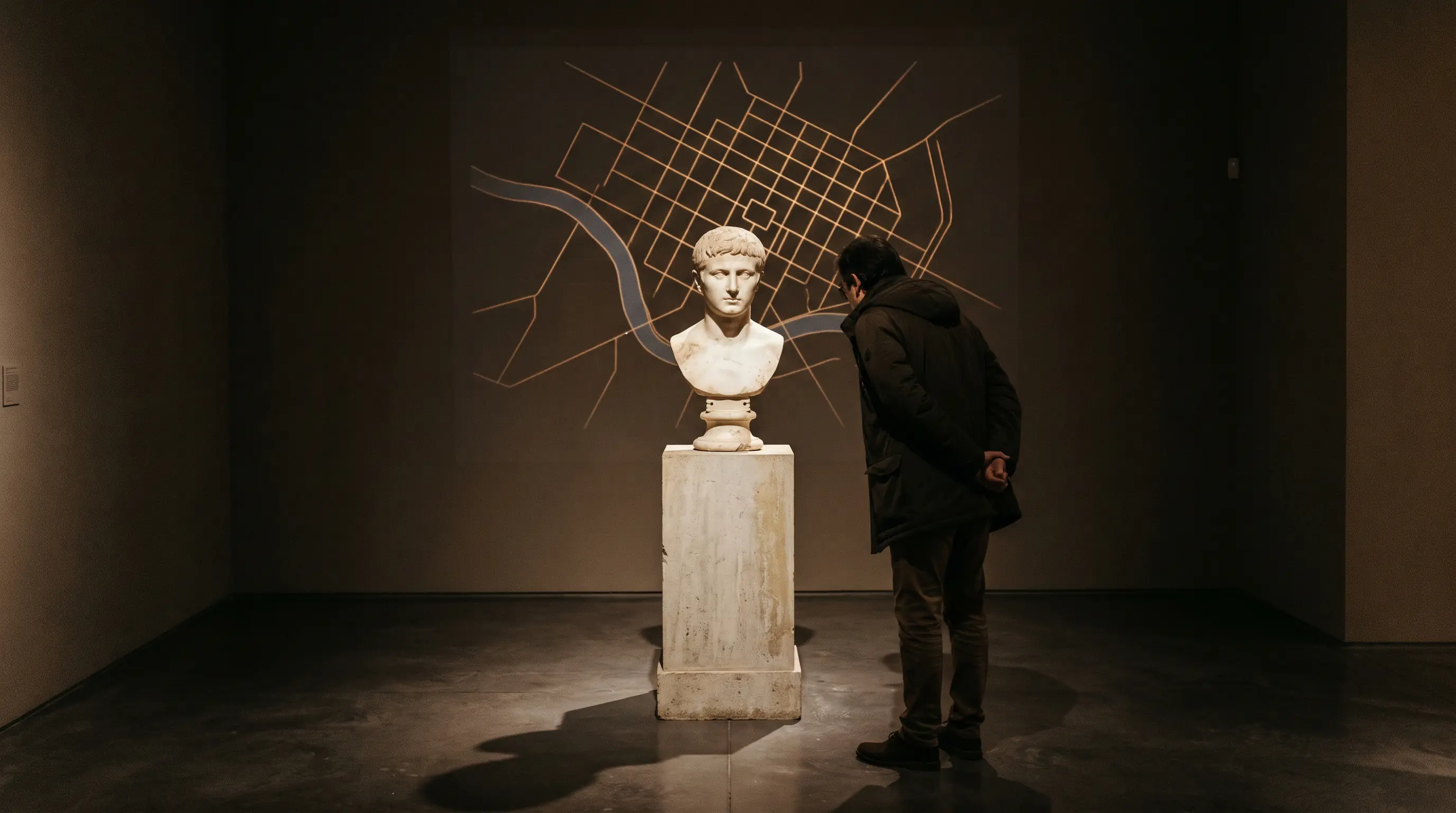
The Córdoba Romana Exhibition Brings Roman Corduba Home
María Suárez Pérez
Córdoba Romana at Sala Vimcorsa runs to 7 February 2027: loans from the Louvre, British Museum and Munich, ten rooms, and Roman sites to see afterwards.
Read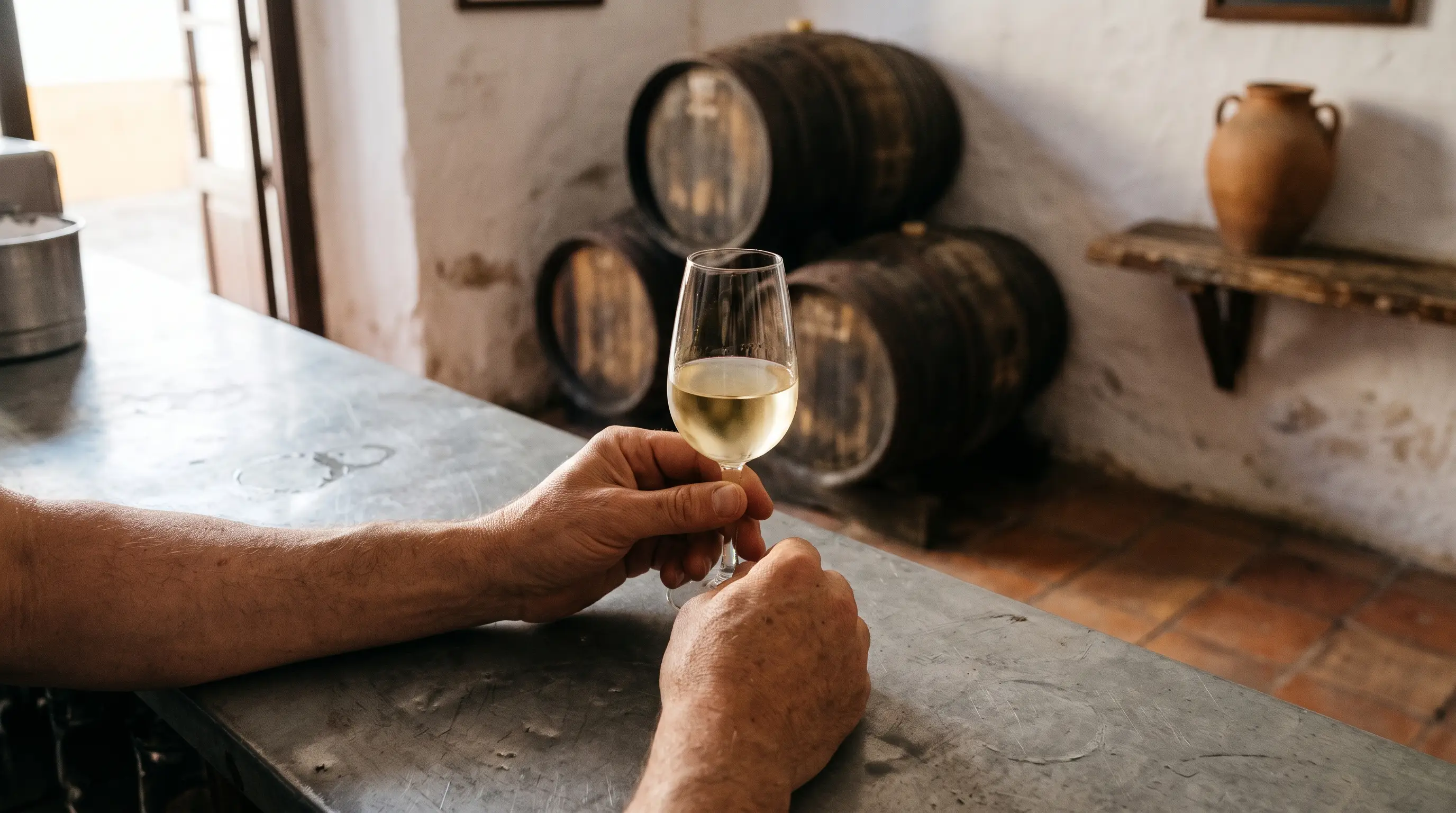
The Oldest Wine in the World Sits in Carmona. Was It Fino?
Pedro Del Pozo
Carmona's Roman urn holds the oldest wine in the world, and its polyphenols resemble fino. What the Córdoba team found, what it can't prove, and where to sip.
Read
Was There a Temple of Janus Under the Mezquita of Córdoba?
Sophie Marchand
The Temple of Janus under the Mezquita traces to a c. 1608 argument and a misread milestone. Here is what the inscriptions and excavations really show.
Read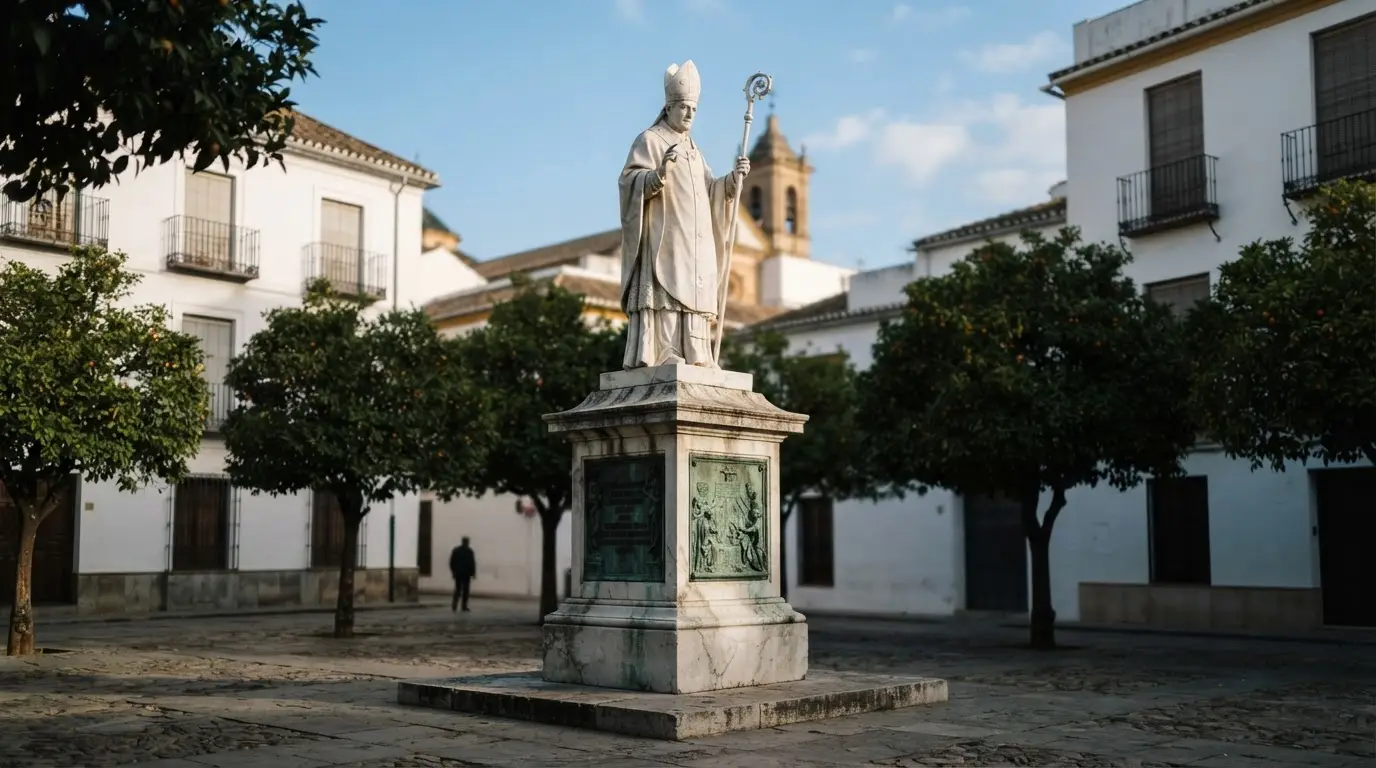
Hosius of Córdoba: Did He Really Preside at Nicaea?
Sophie Marchand
Hosius of Córdoba, a Spanish bishop, advised Constantine and sat at Nicaea in 325, yet his birthplace, his chair at the council and his death date are debated.
Read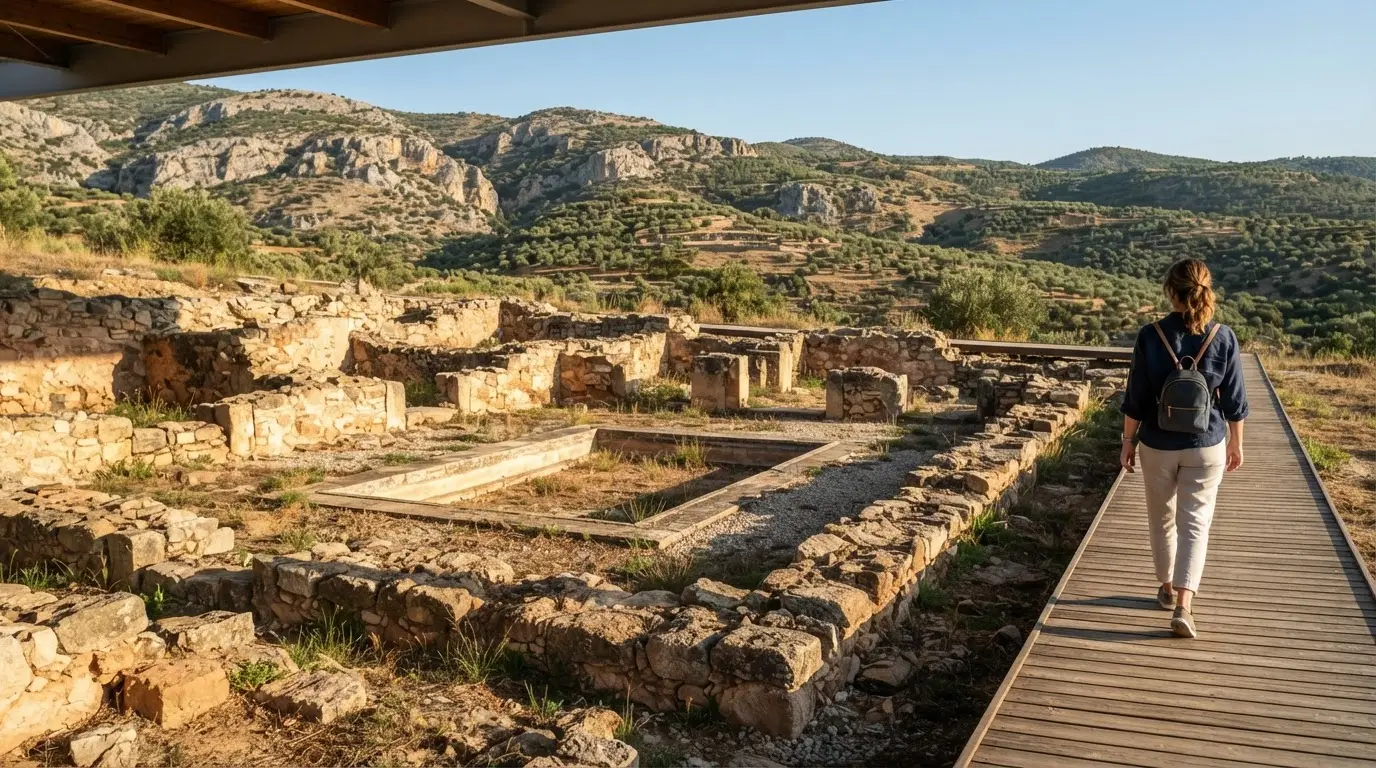
Almedinilla's Iberian Hill-Town and Roman Villa on One Ticket
Sophie Marchand Updated
Almedinilla has an Iberian hill-town destroyed around 141 BC and the Roman villa of El Ruedo. Full combined 2024 ticket €10; hours differ, so phone ahead.
Read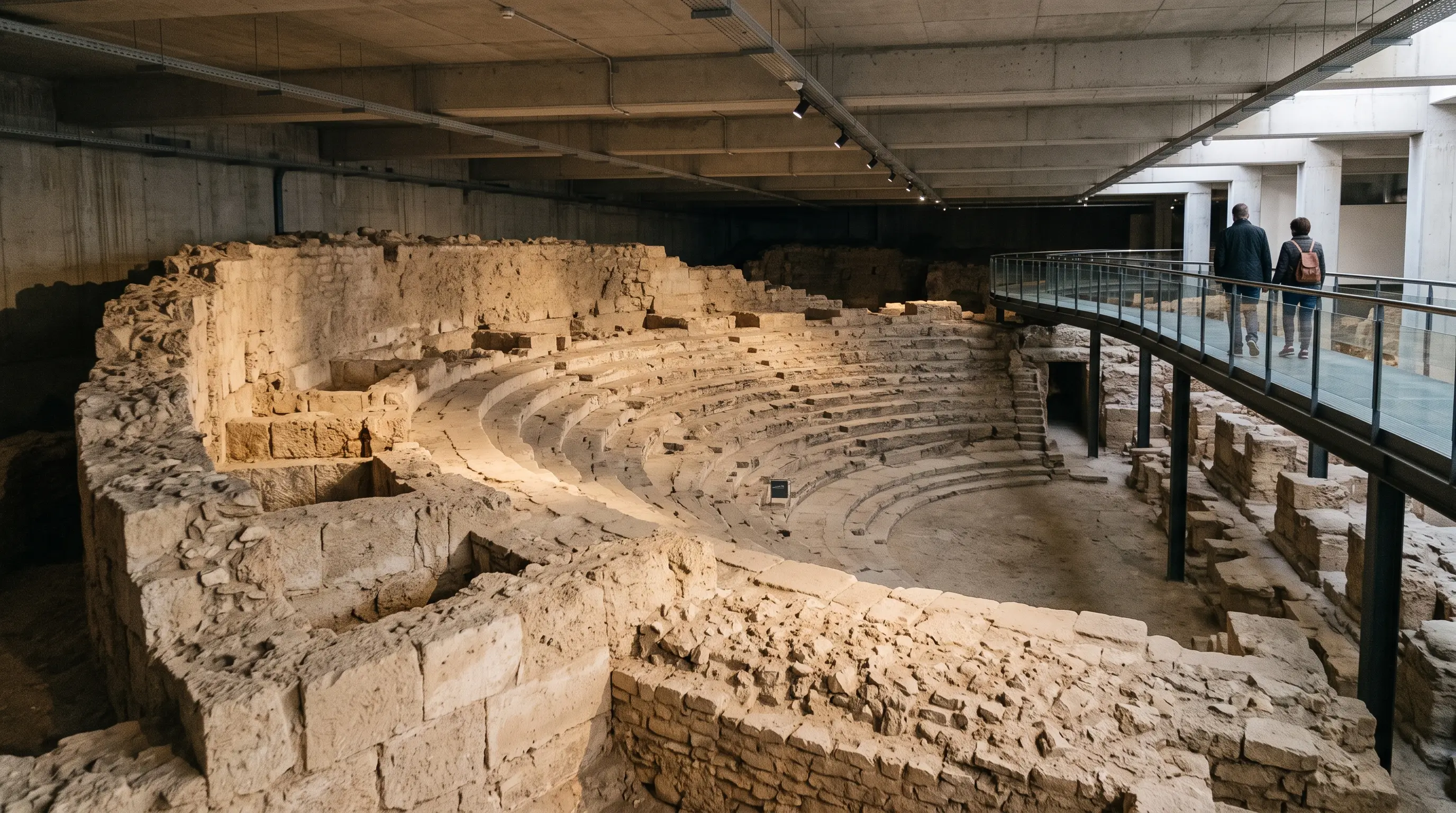
The Roman theatre under Córdoba's Archaeological Museum
Sophie Marchand
Córdoba's Roman theatre lay beneath the Archaeological Museum until a 1994 dig. How it was dated, plundered and displayed in the 2011 annex, and how to visit.
Read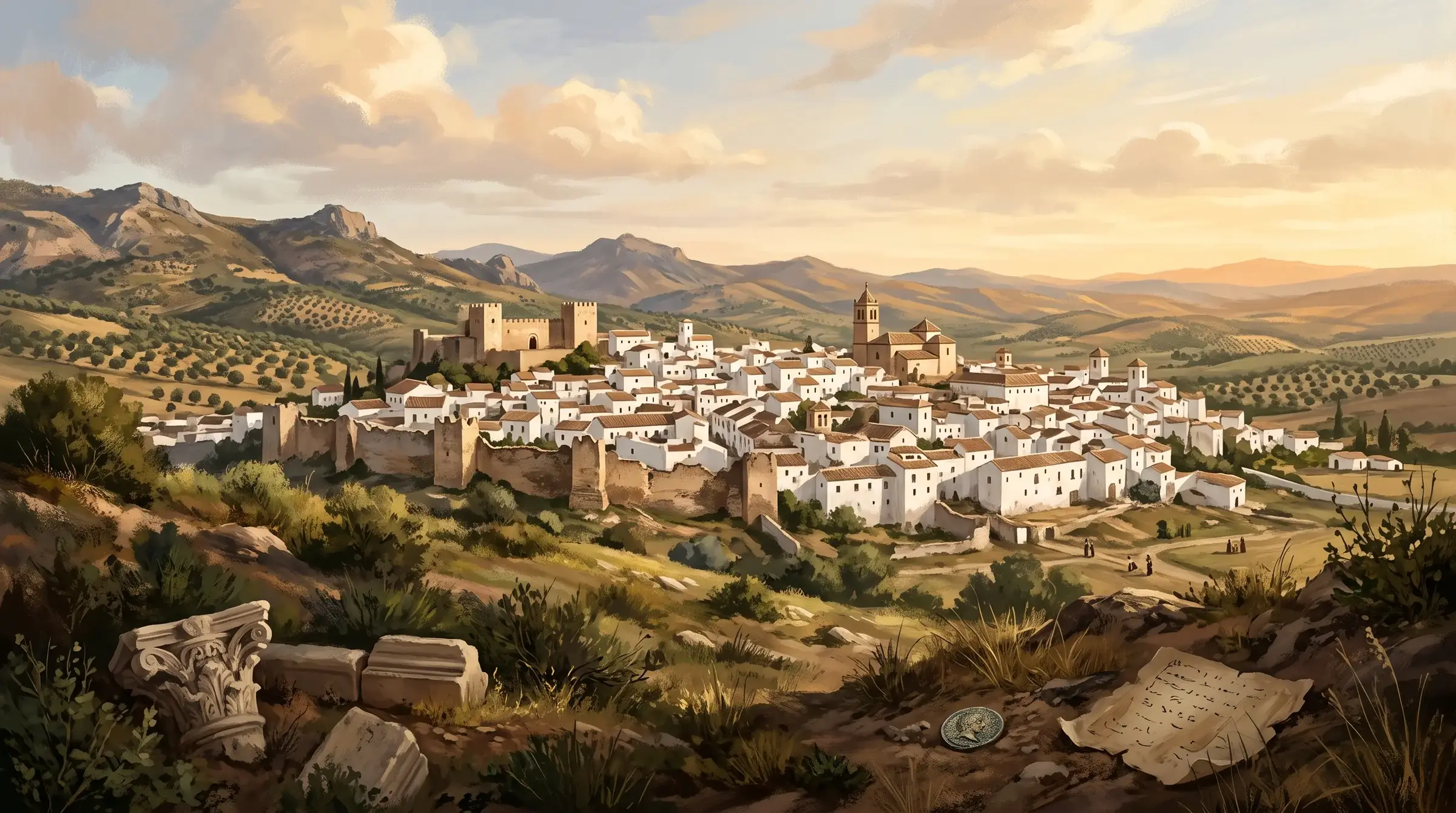
Cabra Córdoba Name Origin: Older Than the Goat
Sophie Marchand Updated
Cabra's name runs from ancient Igabrum through Egabrum and Arabic Qabra. The records rule out the poet story and make the goat link a later association.
Read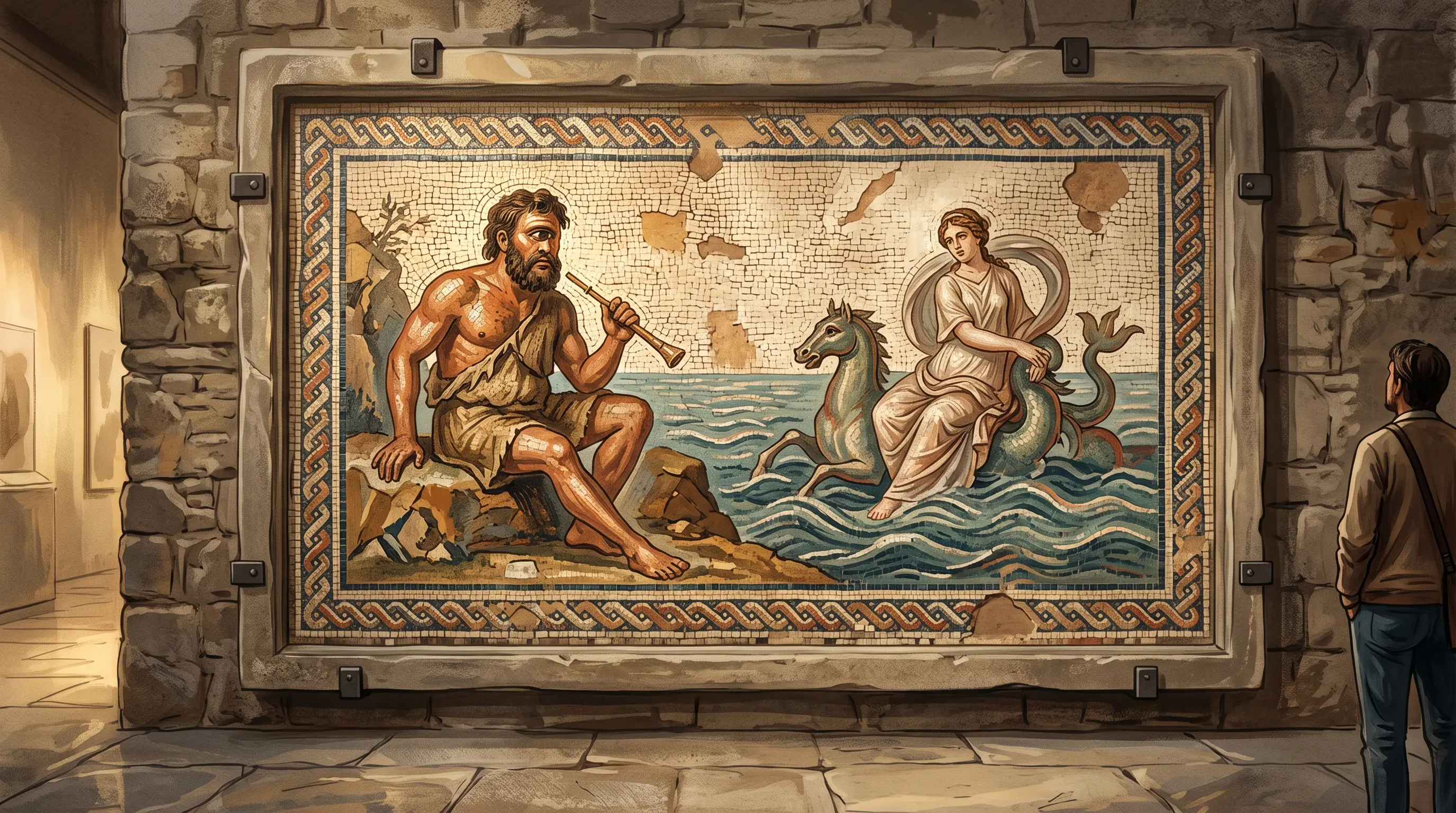
Roman Mosaics Córdoba: What the Alcázar Hall Really Shows
Sophie Marchand
The Roman mosaics found under the Plaza de la Corredera are in the Alcázar's Hall of Mosaics. What they show, and what travel blogs claim that sources don't.
Read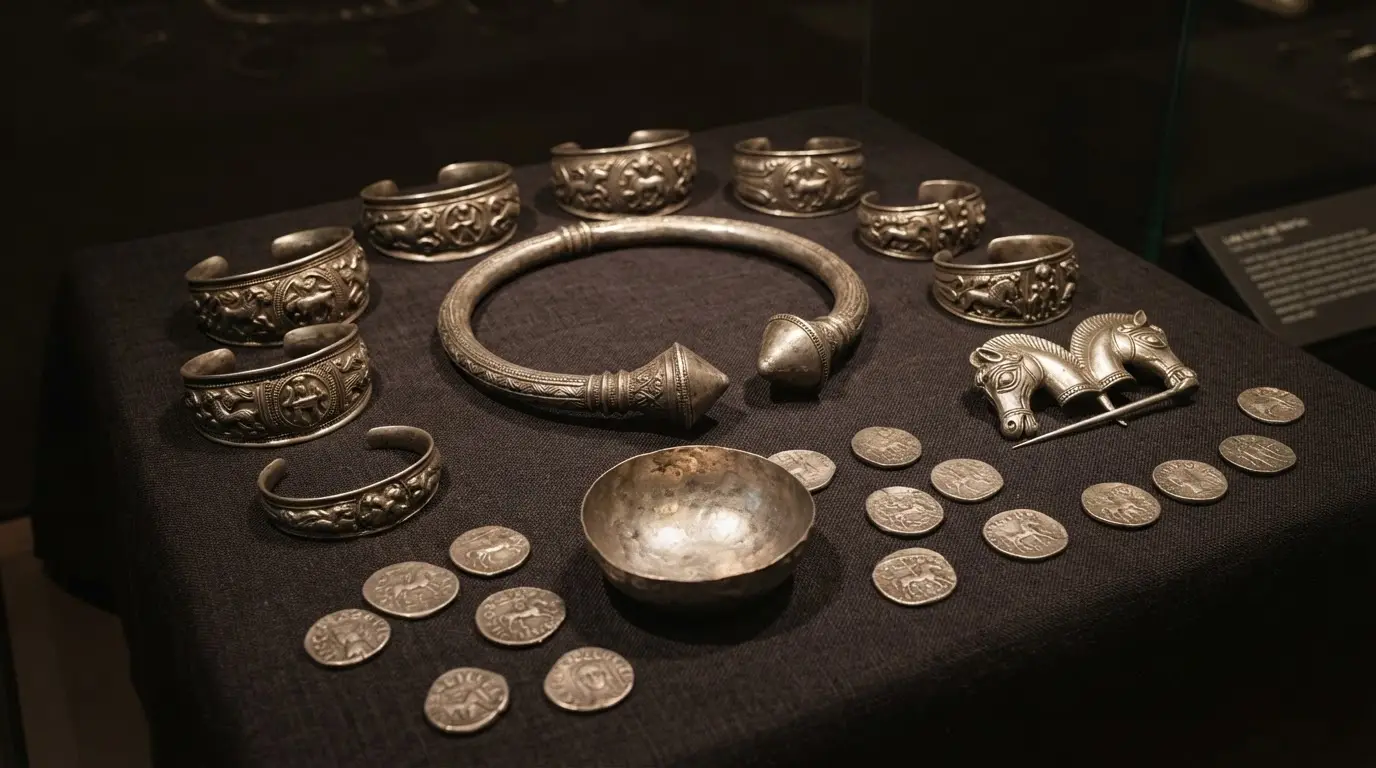
An Andalusian Treasure Has Sat in the British Museum Since 1932
Sophie Marchand
A silver hoard dug up in Córdoba in 1915 left Spain against the law and has been in the British Museum since 1932. Here is how, and what a 2026 study found.
Read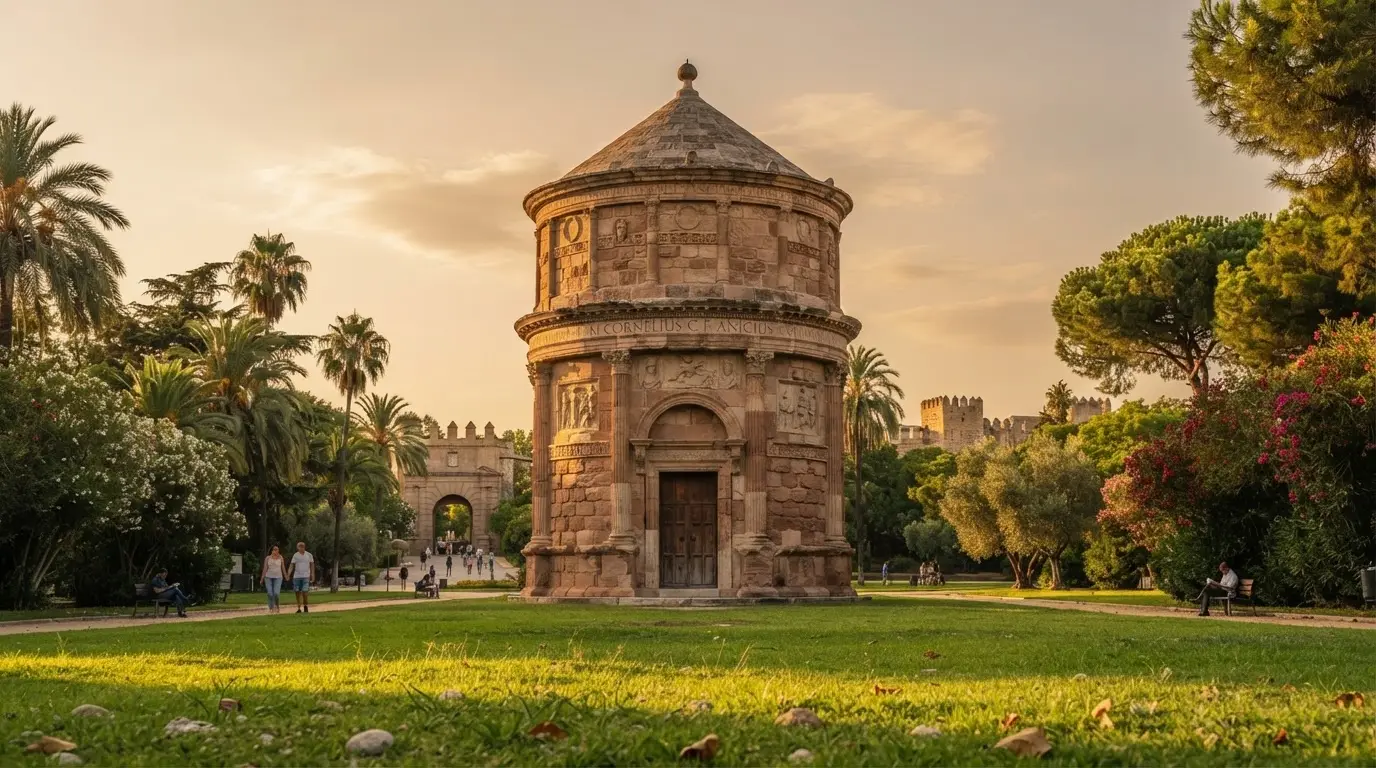
The Roman Mausoleums Hiding in Córdoba's Jardines de la Victoria
María Fernanda González
Two 13-metre Roman mausoleums stand at Córdoba's Puerta Gallegos in the Jardines de la Victoria, hidden until a 1993 dig uncovered the Via Augusta necropolis.
Read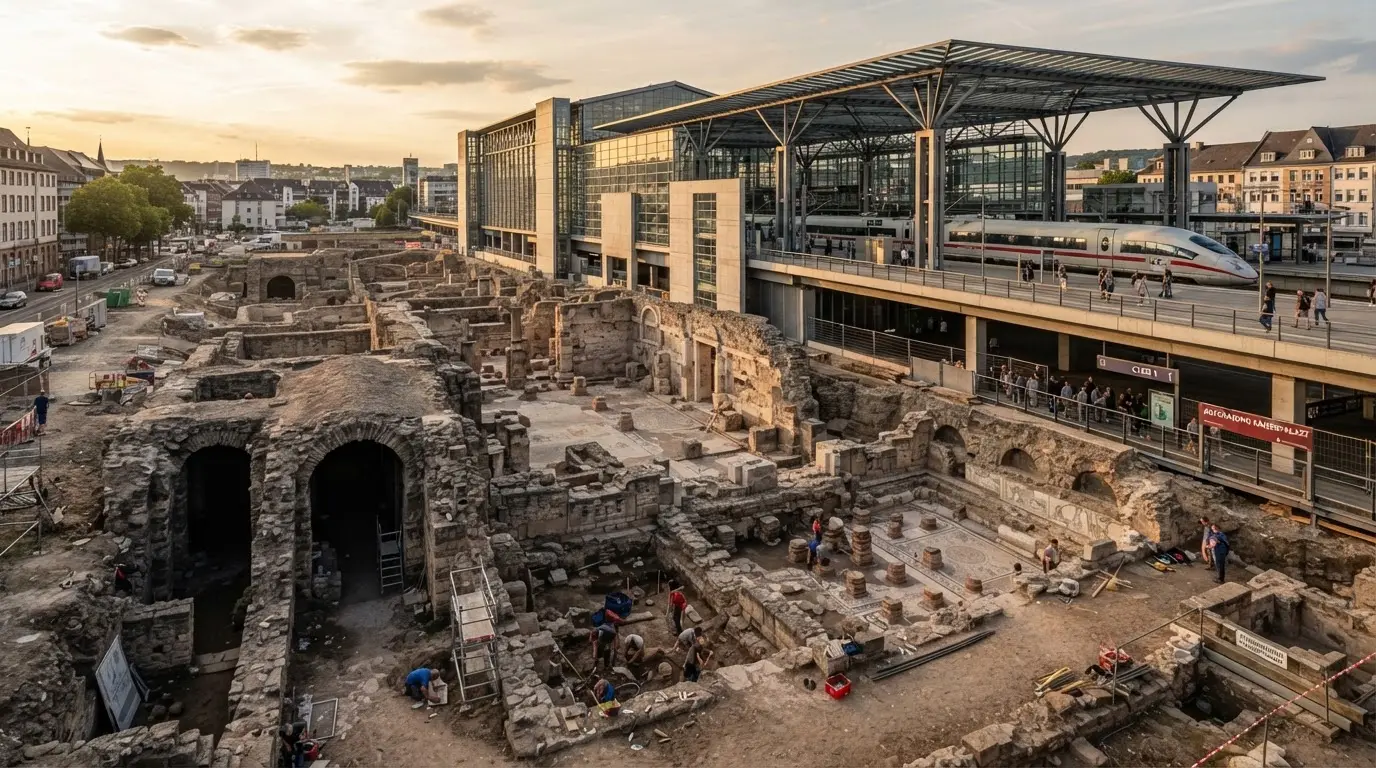
Cercadilla: Córdoba's Roman Palace Bulldozed for a Train Station
Sophie Marchand Updated
Cercadilla was the only Roman palace of its kind ever found in Hispania — until construction of Córdoba's AVE station bulldozed most of it in 1991 and 1992.
Read
Mellaria: The Lost Roman Mining City in Córdoba's Sierra
Sophie Marchand Updated
Mellaria hid at Cerro de Masatrigo on the road to Mérida. 2026 University of Córdoba digs reveal its ceramics, aqueduct, road network and river fishing gear.
ReadSee Roman Corduba on the timeline, with its people and monuments
Go deeper
Frequently asked questions
How much of Córdoba's Roman Bridge is original Roman stonework?
Of the bridge's 16 standing arches, only arches 14 and 15 near the Puerta del Puente are commonly cited as original Roman work, and even those are debated by scholars. Most visible masonry comes from medieval and later rebuilds starting under Emir As-Samh in 720.
When was the Roman Temple on Calle Capitulares discovered?
Workers expanding Córdoba's City Hall in 1951 struck column drums, Corinthian capitals, and a 32-metre stone podium from an imperial-cult temple built between the reigns of Claudius and Domitian. Architect Félix Hernández reconstructed the standing columns in the 1960s over the original Roman foundation.
Did Roman Corduba have both a theatre and an amphitheatre?
Yes, a 1994 dig under the Archaeological Museum exposed part of a 125-metre Roman theatre for 15,000 spectators, viewable in the museum basement since January 2011. In November 2002, excavations under the University Rectorado uncovered a separate 1st-century CE amphitheatre measuring 178 by 145 metres.
Which Roman writers were born in Corduba?
Corduba produced the Stoic philosopher Lucius Annaeus Seneca, born around 4 BCE, and his nephew the epic poet Lucan, born on 3 November 39 AD. Seneca wrote 124 Moral Letters to Lucilius while Lucan composed the civil-war epic Pharsalia, and both were ordered to die by Emperor Nero in 65 CE.